
169 Results for "

neuroprotective and antioxidant effects

" in MedChemExpress (MCE) Product Catalog:
Products (169)

169 Results for "neuroprotective and antioxidant effects" in MCE Product Catalog:

28
28 Publications Verification
Cat. No.: HY-P1363
Synonyms: Amyloid β-peptide (1-42) (human) TFA
Target:  

Amyloid-β

Research Areas:  

Neurological Disease

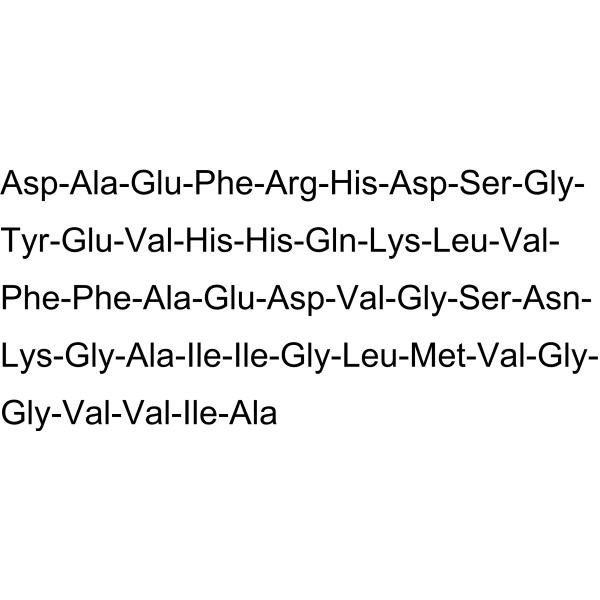
β-Amyloid (1-42) (Amyloid β-peptide (1-42), human TFA, a 42-amino acid peptide that has not been treated with HFIP, is a brain-penetrant amyloid protein fragment, which can be used in research on Alzheimer's disease and Down’s syndrome. β-Amyloid (1-42), human TFA remaining as a monomer exhibits antioxidant and neuroprotective effects. β-Amyloid (1-42), human TFA, after being monomericized by HFIP and dissolved in DMSO to form the stock solution, on the one hand, can form soluble oligomers (AβOs) when incubated at 4 °C, which have synaptic toxicity and neurotoxicity; on the other hand, it can be incubated at 37 °C to form insoluble fibrils, with lower neurotoxicity, and participating in the oxidative damage process. Aβ42 oligomers bind to various neuronal surface receptors (such as PrPc, mGluR5, NMDA receptors, etc.), triggering oxidative stress, calcium homeostasis imbalance, and synaptic toxicity via activating downstream signaling pathways, leading to neuronal dysfunction and death .
loading...
    loading...
28
28 Publications Verification
Cat. No.: HY-P1363A
CAS No.: 107761-42-2
Synonyms: Amyloid β-peptide (1-42) (human)
Target:  

Amyloid-β

Research Areas:  

Neurological Disease

β-Amyloid (1-42) (Amyloid β-peptide (1-42)), human, a 42-amino acid peptide that has not been treated with HFIP, is a brain-penetrant amyloid protein fragment, which can be used in research on Alzheimer's disease and Down’s syndrome. β-Amyloid (1-42), human remaining as a monomer exhibits antioxidant and neuroprotective effects. β-Amyloid (1-42), human, after being monomericized by HFIP and dissolved in DMSO to form the stock solution, on the one hand, can form soluble oligomers (AβOs) when incubated at 4 °C, which have synaptic toxicity and neurotoxicity; on the other hand, it can be incubated at 37 °C to form insoluble fibrils, with lower neurotoxicity, and participating in the oxidative damage process. Aβ42 oligomers bind to various neuronal surface receptors (such as PrPc, mGluR5, NMDA receptors, etc.), triggering oxidative stress, calcium homeostasis imbalance, and synaptic toxicity via activating downstream signaling pathways, leading to neuronal dysfunction and death .
loading...
    loading...
28
28 Publications Verification
Cat. No.: HY-P1363B
CAS No.: 107761-42-2
Target:  

Amyloid-β

Research Areas:  

Neurological Disease

β-Amyloid (1-42), human, HFIP-treated, a 42-amino acid peptide that has been treated with HFIP from β-Amyloid (1-42), human (HY-P1363A), is a brain-penetrant amyloid protein fragment, which can be used in research on Alzheimer's disease and Down’s syndrome. β-Amyloid (1-42), human, HFIP-treated remaining as a monomer exhibits antioxidant and neuroprotective effects. β-Amyloid (1-42), human, HFIP-treated, after being dissolved in DMSO to form the stock solution, on the one hand, can form soluble oligomers (AβOs) when incubated at 4°C, which have synaptic toxicity and neurotoxicity; on the other hand, it can be incubated at 37°C to form insoluble fibrils, with lower neurotoxicity, and participating in the oxidative damage process. Aβ42 oligomers bind to various neuronal surface receptors (such as PrPc, mGluR5, NMDA receptors, etc.), triggering oxidative stress, calcium homeostasis imbalance, and synaptic toxicity via activating downstream signaling pathways, leading to neuronal dysfunction and death .
loading...
    loading...
22
22 Cited Publications
Cat. No.: HY-N0484
CAS No.: 2586-96-1
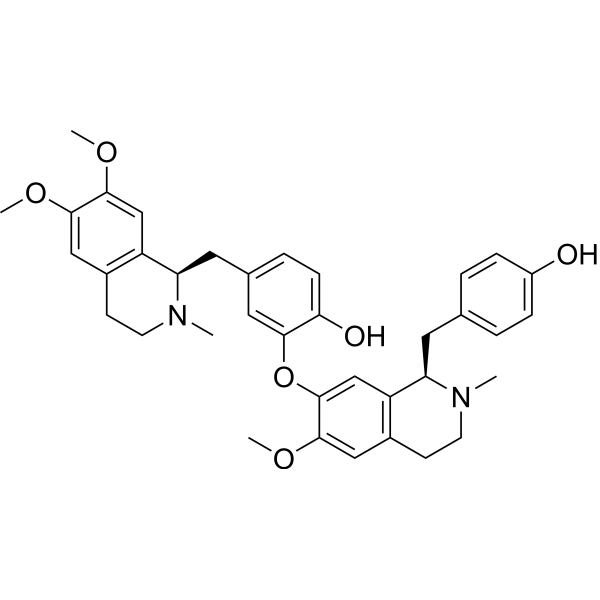
Liensinine is a bisbenzylisoquinoline alkaloid. By inhibiting the PI3K/AKT and JNK/p38-MAPK signaling pathways, Liensinine suppresses autophagy and apoptosis, clears Aβ, and exerts anti-inflammatory, antioxidant and neuroprotective effects. Liensinine activates AMPK and inhibits the expression of HIF-1α and VEGF, thereby suppressing angiogenesis. Liensinine exerts anti-tumor effects through ROS-mediated inhibition of the JAK2/STAT3 signaling pathway. Liensinine can be used for the research of diseases such as Alzheimer's disease, hepatocellular carcinoma, osteosarcoma, sepsis-induced organ injury and stroke .
loading...
    loading...
22
22 Cited Publications
Cat. No.: HY-N5014
CAS No.: 2385-63-9
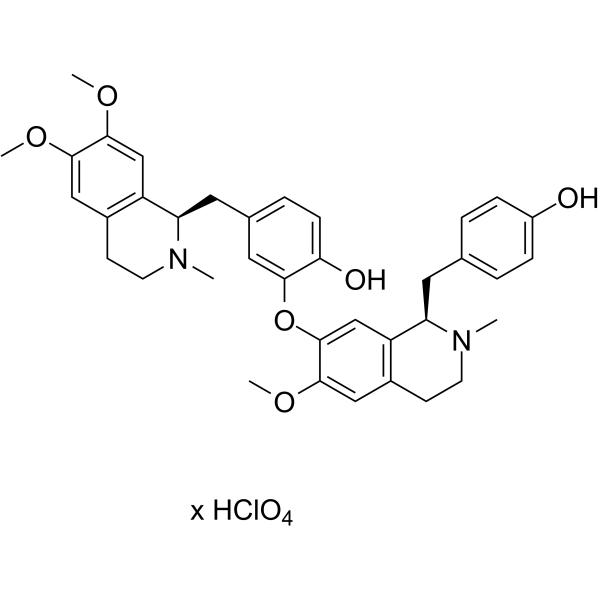
Liensinine perchlorate is a bisbenzylisoquinoline alkaloid. By inhibiting the PI3K/AKT and JNK/p38-MAPK signaling pathways, Liensinine perchlorate suppresses autophagy and apoptosis, clears Aβ, and exerts anti-inflammatory, antioxidant and neuroprotective effects. Liensinine perchlorate activates AMPK and inhibits the expression of HIF-1α and VEGF, thereby suppressing angiogenesis. Liensinine perchlorate exerts anti-tumor effects through ROS-mediated inhibition of the JAK2/STAT3 signaling pathway. Liensinine perchlorate can be used for the research of diseases such as Alzheimer's disease, hepatocellular carcinoma, osteosarcoma, sepsis-induced organ injury and stroke .
loading...
    loading...
20
20 Cited Publications
Cat. No.: HY-76201
CAS No.: 149003-01-0
Synonyms: ICRF-187 hydrochloride; ADR-529 hydrochloride; NSC-169780 hydrochloride
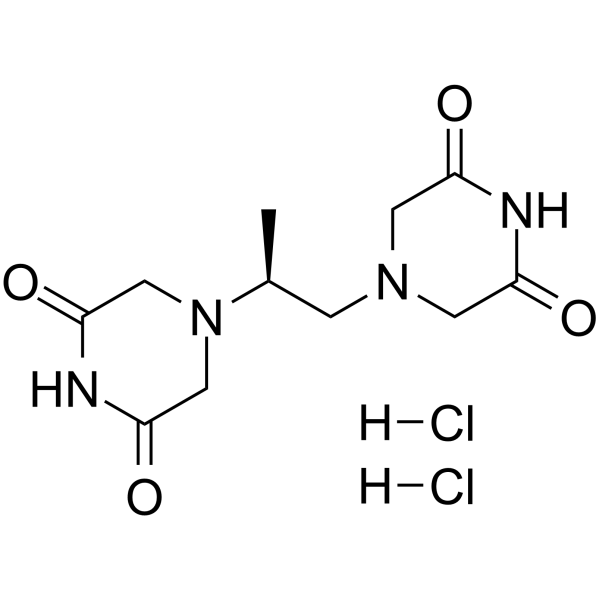
Dexrazoxane hydrochloride (ICRF-187 hydrochloride) is a heart protectant that can help preserve ovarian function and fertility. Dexrazoxane hydrochloride has antioxidant and anti-inflammatory properties, can cross the blood-brain barrier, improves motor function disorders, and offers neuroprotective effects, making it useful in the study of neurodegenerative diseases .
loading...
    loading...
14
14 Cited Publications
Cat. No.: HY-N0820
CAS No.: 2415-24-9
Synonyms: Catalpinoside
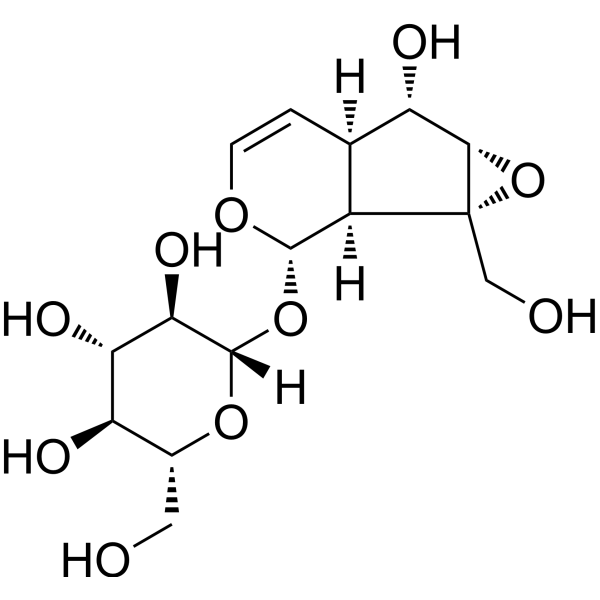
Catalpol (Catalpinoside), an iridoid glycoside found in Rehmannia glutinosa. Catalpol has neuroprotective, hypoglycemic, anti-inflammatory, anti-cancer, anti-spasmodic, anti-oxidant effects and anti-HBV effects .
loading...
    loading...
14
14 Cited Publications
Cat. No.: HY-N0013
CAS No.: 3681-93-4
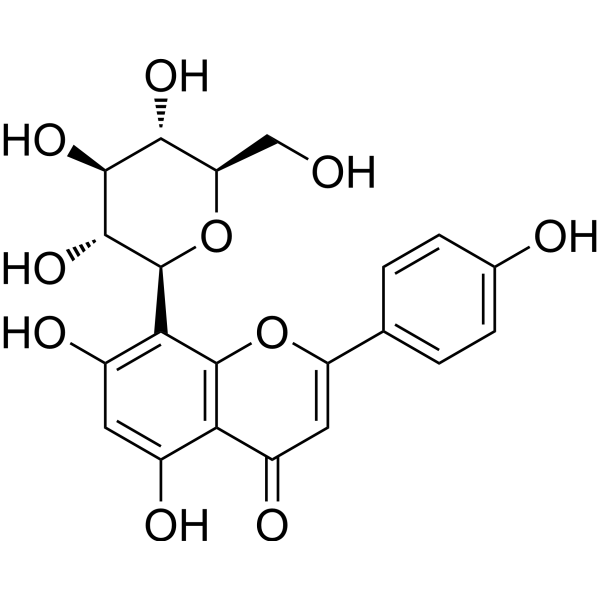
Vitexin is a c-glycosylated flavone, and is found in various medicinal plants species such as Trigonella foenum-graecum Linn. Vitexin has a wide range of pharmacological effects, including anti-oxidant, anti-cancer, anti-inflammatory, anti-hyperalgesic, and neuroprotective effects .
loading...
    loading...
13
13 Cited Publications
Cat. No.: HY-N0784
CAS No.: 15291-77-7
Synonyms: BN-52021
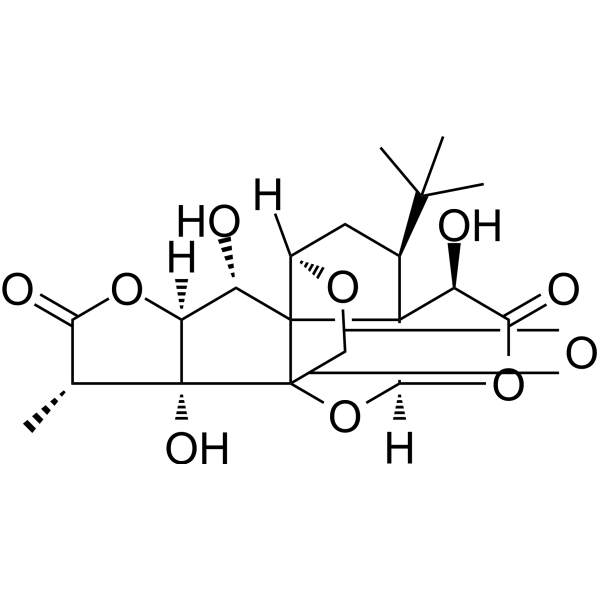
Ginkgolide B (BN-52021), a terpene lactone, is a potent platelet activating factor antagonist. Ginkgolide B protects endothelial cells via the activation of PXR from injuries induced by xeno- and endobiotics. Ginkgolide B can pass through the brain-blood barrier. Ginkgolide B has anti-oxidant, anti-inflammatory, anti-tumor, and anti-apoptotic activity. Ginkgolide B has marked neuroprotective effects against ischemia-induced impairments .
loading...
    loading...
11
11 Cited Publications
Cat. No.: HY-N0664
CAS No.: 479-98-1
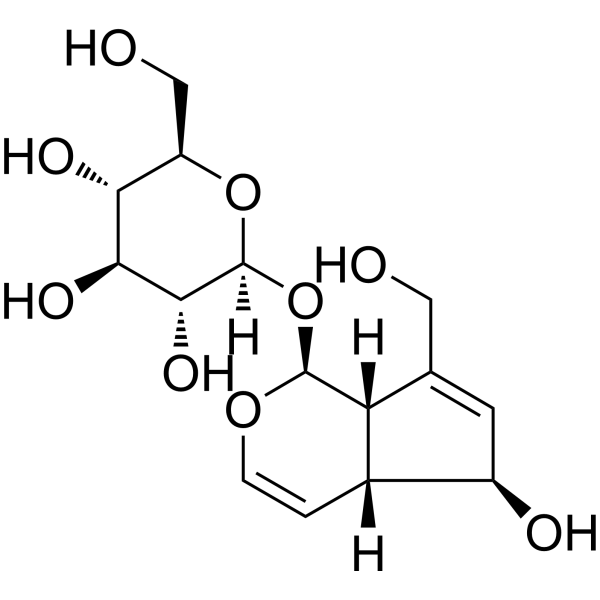
Aucubin is an iridoid glycoside component that acn be found in E. ulmoides. Aucubin can cross the blood-brain barrier (BBB) and has anti-anxiety, antidepressive and anti-neuroinflammatory effects. Aucubin has many biological activities, such as antioxidant, anti-aging, anti-inflammatory, antimicrobial, anti-fibrotic, anti-cancer, hepatoprotective, neuroprotective and osteoprotective effects .
loading...
    loading...
11
11 Cited Publications
Cat. No.: HY-N6778
CAS No.: 57186-25-1
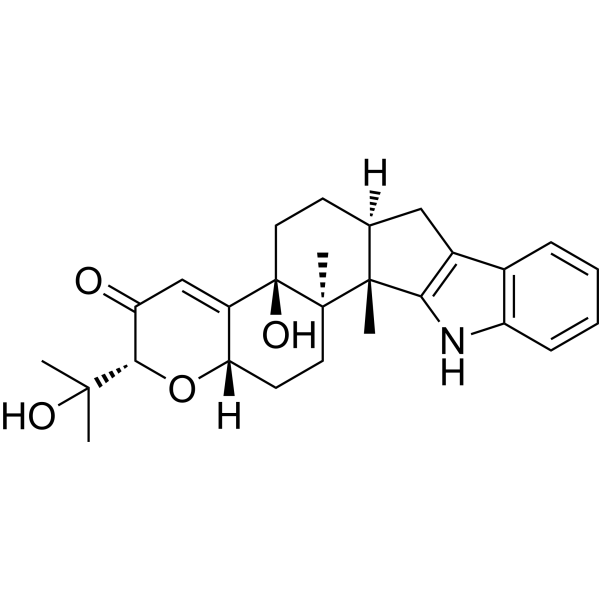
Paxilline is an indole alkaloid mycotoxin derived from Penicillium paxilli, which effectively inhibits the BK channel through a channel-blocking mechanism. Paxilline also inhibits sarco/endoplasmic reticulum Ca 2+-stimulated ATPase (SERCA), with IC50 values ranging from 5 μM to 50 μM for different SERCA isoforms. Paxilline exhibits significant anticonvulsant and neuroprotective effects, as well as certain antioxidant activity .
loading...
    loading...
10
10 Cited Publications
Cat. No.: HY-N0028
CAS No.: 79916-77-1
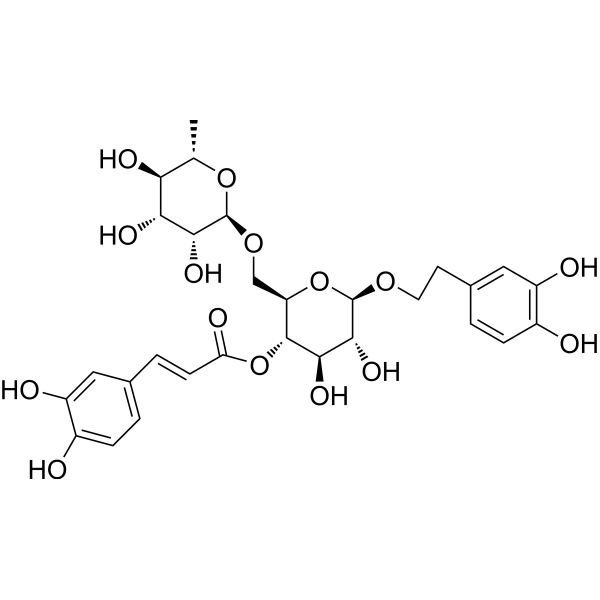
Forsythiaside A is an orally active phenylethanoid glycoside isolated from the dried fruits of Forsythia suspensa. Forsythiaside A is also an inhibitor of COX-2 and has anti-inflammatory, antioxidant and neuroprotective effects. Forsythiaside A prevents neuroinflammation and apoptosis caused by Aβ25-35 damage and may be used in Alzheimer's disease (AD) research. Forsythiaside A also activates the Nrf2/HO-1 signaling pathway and inhibits OVA-induced asthma in mice. Forsythiaside A inhibits the interaction between KLRB1 and CLEC2D .
loading...
    loading...
10
10 Cited Publications
Cat. No.: HY-N0570
CAS No.: 10597-60-1
Synonyms: DOPET; 3,4-Dihydroxyphenethyl alcohol; 3-Hydroxytyrosol
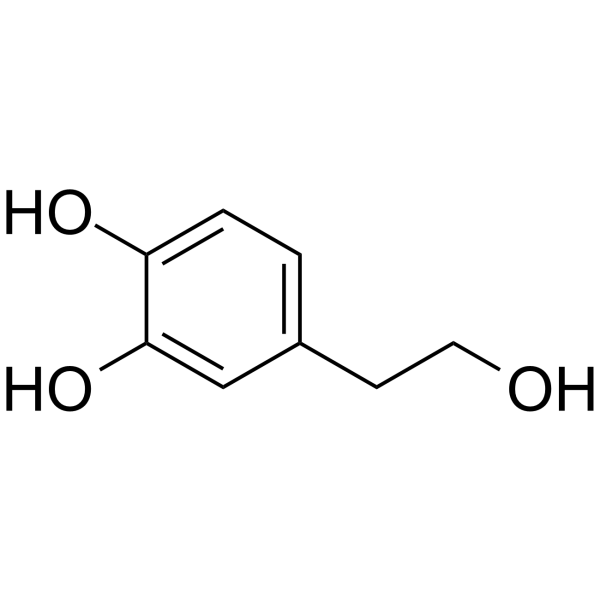
Hydroxytyrosol (DOPET; 3,4-Dihydroxyphenethyl alcohol) is an orally active, blood-brain barrier-permeable multi-active compound with multiple effects including antibacterial, antioxidant, anti-platelet aggregation, and neuroprotective activities. Hydroxytyrosol not only inhibits the growth of Vibrio by increasing bacterial membrane permeability, but also interacts with DNA and mediates supercoiled DNA relaxation. Meanwhile, Hydroxytyrosol effectively reduces thrombosis and inhibits lipid oxidation by inhibiting COX activity and promoting vascular nitric oxide production. In terms of neuroprotection, Hydroxytyrosol significantly alleviates neuronal apoptosis and inflammatory responses by up-regulating the expression level of ERβ, thereby improving cognitive function in Alzheimer's disease models. Hydroxytyrosol has been widely used in scientific research related to Vibrio infection, arterial thrombosis, Alzheimer's disease and other related fields .
loading...
    loading...
9
9 Cited Publications
Cat. No.: HY-N0037
CAS No.: 39011-90-0
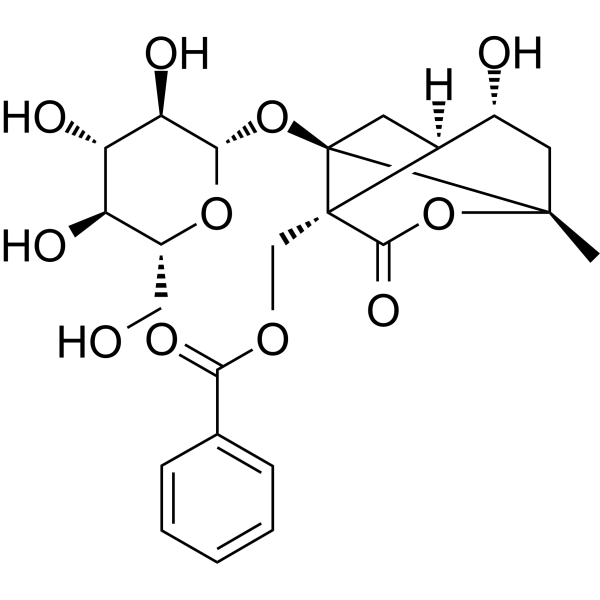
Albiflorin, a major constituent contained in peony root, is a brain-penetrant monoterpene glycoside with neuroprotective effects. Albiflorin also has anti-inflammatory, antioxidant and antinociceptive effects .
loading...
    loading...
7
7 Cited Publications
Cat. No.: HY-105008
CAS No.: 257930-74-8
Purity:  99.74%
Synonyms: (S,S)-SDG; (S,S)-LGM2605
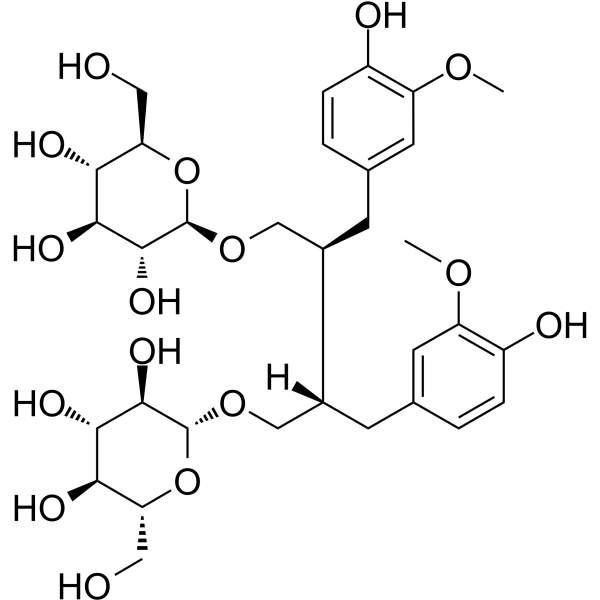
Secoisolariciresinol diglucoside ((S,S)-SDG), the main lignan in wholegrain flaxseed, is known for its beneficial effects including anti-inflammatory, antioxidant, anti-mutagenic, anti-microbial, anti-obesity, hypolipidemic, and neuroprotective effects .
loading...
    loading...
6
6 Cited Publications
Cat. No.: HY-N0006
CAS No.: 22608-11-3
Synonyms: Curcumin II; Desmethoxycurcumin; Monodemethoxycurcumin
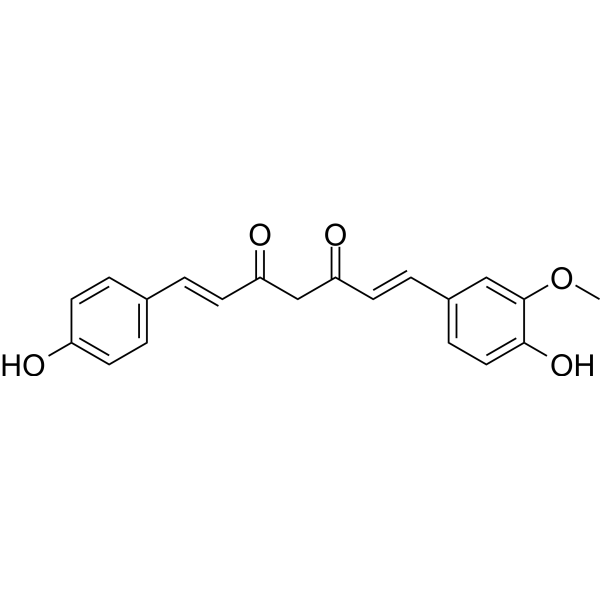
Demethoxycurcumin is one of the main active ingredients of curcumin, which has anti-inflammatory, antioxidant, antibacterial, anti-cancer and neuroprotective effects. Demethoxycurcumin is orally active. Demethoxycurcumin can be used in inflammation, cancer and Alzheimer's disease research .
loading...
    loading...
6
6 Cited Publications
Cat. No.: HY-N0748
CAS No.: 39011-91-1
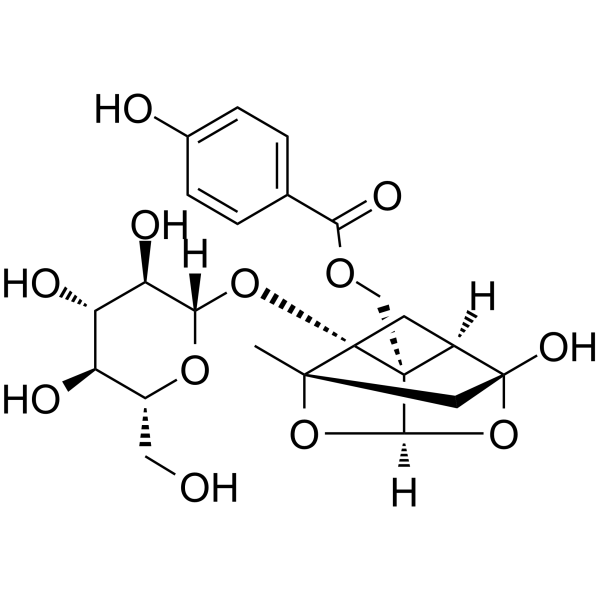
Oxypaeoniflorin, an anti-oxidant, is a monoterpene glycoside compound isolated from Paeoniae species. Oxypaeoniflorin has neuroprotective and anti-inflammatory effects .
loading...
    loading...
5
5 Cited Publications
Cat. No.: HY-N0188
CAS No.: 531-75-9
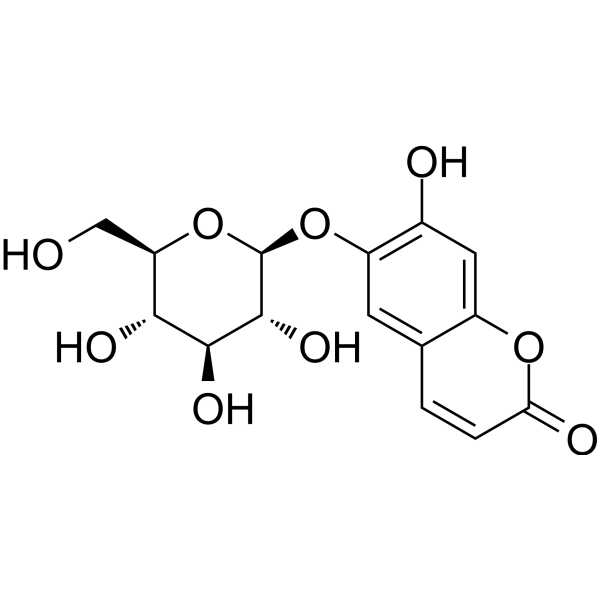
Esculin is a fluorescent coumarin glucoside, the active ingredient in ash bark. Esculin has antidiabetic effects, improves cognitive impairment in experimental diabetic nephropathy (DN) via the MAPK signaling pathway, and exerts antioxidant stress and anti-inflammatory effects. Esculin also has anticancer, antibacterial, antiviral, neuroprotective, antithrombotic, and therapeutic properties for eye diseases .
loading...
    loading...
5
5 Cited Publications
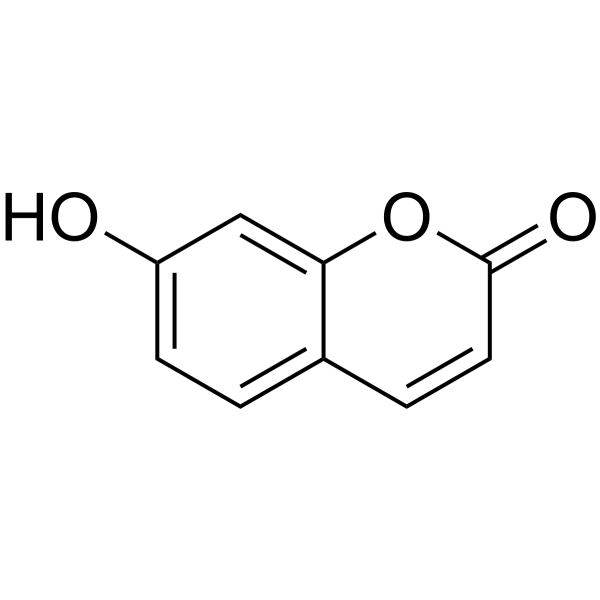
Cat. No.: HY-N0573
CAS No.: 93-35-6
Synonyms: 7-Hydroxycoumarin; Hydrangin; NSC 19790
Umbelliferone (7-Hydroxycoumarin), a natural orally active product of the coumarin family, is a fluorescing compound which can be used as a sunscreen agent. Umbelliferone induces cell cycle arrest, apoptosis and DNA fragmentation in HepG2 cells. Umbelliferone exhibits significant anticancer effects. Umbelliferone attenuates the alteration characteristics of allergic airway inflammation. Umbelliferone displays the neuroprotective effects and cross the blood-brain barrier. Umbelliferone exhibits anti-inflammatory and antioxidant effects in chronic alcohol-fed rats .
loading...
    loading...
5
5 Cited Publications
Cat. No.: HY-134616
CAS No.: 80449-31-6
Synonyms: Uristatin
Ulinastatin (Uristatin) is a trypsin and serine protease inhibitor. Ulinastatin is the main protein binding inhibitor of various trypsin, chymotrypsin, and various pancreatic proteases. Ulinastatin shows neuroprotective, anti-inflammatory, anti-apoptotic, anti-oxidant effects .
loading...
    loading...

