1. Search Result
Search Result
Results for "

pro-inflammatory activity

" in MedChemExpress (MCE) Product Catalog:

246

Inhibitors & Agonists

1

Screening Libraries

7

Biochemical Assay Reagents

16

Peptides

8

Inhibitory Antibodies

97

Natural
Products

13

Isotope-Labeled Compounds

2

Click Chemistry

3

Oligonucleotides

Cat. No. Product Name Target Research Areas Chemical Structure
  • HY-Y0344D
    Sodium chloride, for cell culture
    3 Publications Verification

    Halite, for cell culture

    Environmental Pollutants Biochemical Assay Reagents Interleukin Related Na+/K+ ATPase Inflammation/Immunology Cancer
    Sodium chloride, for cell culture is an orally active salt. Sodium chloride, for cell culture induces the expression of ATP1A1. Sodium chloride, for cell culture induces the pro-inflammatory cytokines IL-2, TNFα, IL-9 and several chemokines. Sodium chloride, for cell culture enhances the anti-tumor activities of Digoxin (HY-B1049) against small cell lung cancer. Sodium chloride, for cell culture drives autoimmune disease by the induction of pathogenic Th17 cells .
    Sodium chloride, for cell culture
  • HY-111431A
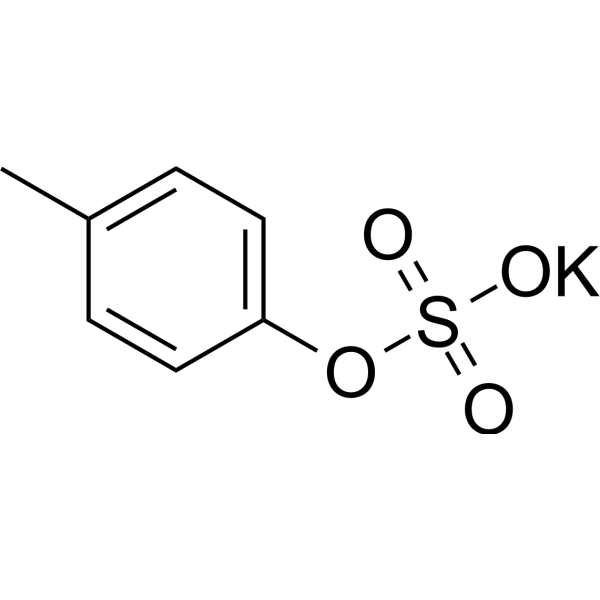
    p-Cresyl sulfate potassium
    5+ Cited Publications

    p-Tolyl sulfate potassium

    Endogenous Metabolite JNK p38 MAPK Metabolic Disease Inflammation/Immunology
    p-Cresyl sulfate potassium is a uremic toxin that binds to a prototype protein. p-Cresyl sulfate potassium activates the JNK and p38 MAPK signaling pathways. p-Cresyl sulfate potassium has pro-inflammatory activity .
    p-Cresyl sulfate potassium
  • HY-N7264
    7α-Hydroxycholesterol
    3 Publications Verification

    HMG-CoA Reductase (HMGCR) Toll-like Receptor (TLR) Akt Src ERK MDM-2/p53 Metabolic Disease Inflammation/Immunology
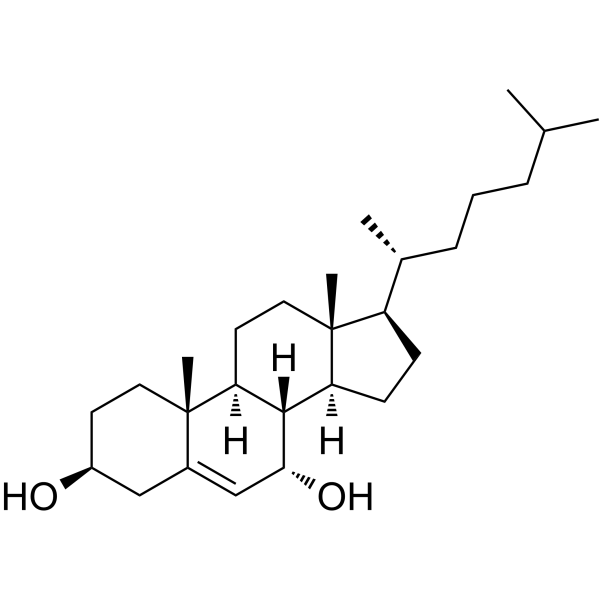
    7α-Hydroxycholesterol is a cholesterol oxide and can serve as a biomarker for oxidative stress and lipid peroxidation. 7α-Hydroxycholesterol has cytotoxic and pro-inflammatory activities. 7α-Hydroxycholesterol can also inhibit sterol synthesis and reduce the activity of HMG-CoA reductase. 7α-Hydroxycholesterol can be used in the research of diseases such as diabetes and atherosclerosis .
    7α-Hydroxycholesterol
  • HY-N6796
    Manumycin A
    2 Publications Verification

    Antibiotic Exosomes Farnesyl Transferase Ras Apoptosis Phospholipase TNF Receptor Atg8/LC3 Infection Inflammation/Immunology Cancer
    Manumycin A is a polyketide antibiotic and an inhibitor of thioredoxin reductase 1 (TrxR-1). Manumycin A can inhibit the growth of breast cancer cells and exert its anti-tumor activity through LC3. Manumycin A can downregulate the release of pro-inflammatory cytokines in human monocytes stimulated by TNF α, and has potential anti-inflammatory activity. Manumycin A can inhibit the Ras/Raf/ERK1/2 signaling and hnRNP H1 in castration resistant prostate cancer cells to suppress exosome biogenesis and secretion .
    Manumycin A
  • HY-N1934

    Potassium Channel HSP Cardiovascular Disease Inflammation/Immunology Cancer
    Dihydroberberine is a naturally occurring isoquinoline alkaloid with anti-inflammatory, anti-atherosclerotic, hypolipidemic and anti-tumor activities. Dihydroberberine inhibits the human ether-related gene (hERG) channel and significantly reduces the expression of heat shock protein 90 (Hsp90) and its interaction with hERG. Dihydroberberine also blocks the TLR4/MyD88/NF-κB signaling pathway to reduce pro-inflammatory cytokines and immunoglobulins, and has inhibitory effects on DSS (HY-116282C)-induced experimental colitis. Dihydroberberine also increases the sensitivity of lung cancer to sunitinib (HY-10255A), with synergistic efficacy .
    Dihydroberberine
  • HY-175759

    Molecular Glues IFNAR Inflammation/Immunology
    EN1033 is a covalent immune regulatory transcription factor 5/8 (IRF5/8) molecular glue degrader. EN1033 degrades IRF5 in a proteasome-dependent manner. EN1033 engages and degrades IRF8 more robustly and rapidly. EN1033 covalently targets C28 and C223 to destabilize and degrade IRF5 and IRF8 respectively, thereby inhibiting their pro-inflammatory transcriptional activity. EN1033 serves as a promising tool for the study of autoimmune and inflammatory disorders .
    EN1033
  • HY-Y0344J
    Sodium chloride, for molecular biology
    3 Publications Verification

    Halite, for molecular biology

    Biochemical Assay Reagents Na+/K+ ATPase Interleukin Related Inflammation/Immunology Cancer
    Sodium chloride is an orally active salt. Sodium chloride induces the expression of ATP1A1. Sodium chloride induces the pro-inflammatory cytokines IL-2, TNFα, IL-9 and several chemokines. Sodium chloride enhances the anti-tumor activities of Digoxin (HY-B1049) against small cell lung cancer. Sodium chloride drives autoimmune disease by the induction of pathogenic Th17 cells .
    Sodium chloride, for molecular biology
  • HY-12687
    Tizoxanide
    10+ Cited Publications

    TIZ

    Bacterial HIV Autophagy Parasite IKK Influenza Virus Infection Cancer
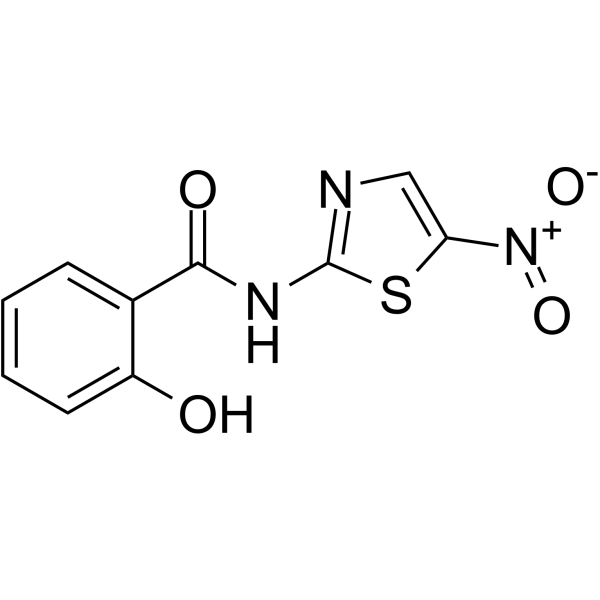
    Tizoxanide (TIZ) is the active metabolite of Nitazoxanide, which is a thiazolide anti-infective compound against anaerobic bacteria, protozoa, and a range of viruses. Tizoxanide (TIZ) has anti-HIV-1 activities and potent inhibition of both HBV and HCV replication with values EC50 of 0.46μM and 0.15 μM, respectively. Tizoxanide also exerts anti-inflammatory effects by inhibiting the production of pro-inflammatory cytokines and suppressing of the activation of the NF-κB and the MAPK signaling pathways in LPS-treated macrophage cells .
    Tizoxanide
  • HY-N0807
    Swertiamarin
    1 Publications Verification

    MMP NF-κB JAK Keap1-Nrf2 Metabolic Disease Inflammation/Immunology Cancer
    Swertiamarin is an orally active natural product with hypoglycemic, lipid-lowering, anti-rheumatic, and antioxidant activities. Swertiamarin can regulate the levels of pro-inflammatory cytokines, MMP, and NF-κB, and promote osteoblast proliferation. Swertiamarin has antioxidant and hepatoprotective effects against carbon tetrachloride induced rat liver toxicity through the Nrf2/HO-1 pathway. Swertiamarin can attenuate inflammatory mediators by regulating JAK2/STAT3 transcription factors in adjuvant induced arthritis rats. Swertiamarin can be used in the research of diabetes and arthritis .
    Swertiamarin
  • HY-P99810

    AVTX-002; AEVI 002; SAR 252067; CERC-002; MDGN-002

    SARS-CoV Infection Inflammation/Immunology
    Quisovalimab (AVTX-002) is a human-derived monoclonal antibody against LIGHT (TNFSF14). Quisovalimab binds to LIGHT, blocks the signal transduction activity of LIGHT, reduces circulating LIGHT levels and attenuates pro-inflammatory effects. Quisovalimab can be used in research related to Crohn's disease, COVID-19-associated pneumonia and acute respiratory distress syndrome comorbidity .
    Quisovalimab
  • HY-P9983

    SGN-33; HuM-195; GLK-33 Antibody

    Transmembrane Glycoprotein Radionuclide-Drug Conjugates (RDCs) Inflammation/Immunology
    Lintuzumab (HUM-195) is an anti-CD33 humanized monoclonal antibody. Lintuzumab reduces the production of TNFα-induced pro-inflammatory cytokines and chemokines by AML cells. Lintuzumab promotes tumor cell killing through antibody-dependent cellular cytotoxicity (ADCC) and phagocytosis (ADCP) activities against MDR and MDR+ AML cell lines and primary AML patient samples. Lintuzumab enhances survival and reduces tumor burden in mice .
    Lintuzumab
  • HY-B1051
    Flumethasone
    1 Publications Verification

    Flumetasone

    Glucocorticoid Receptor TNF Receptor Interleukin Related Keap1-Nrf2 Inflammation/Immunology Endocrinology Cancer
    Flumethasone (Flumetasone) is an orally active, high selective and potent glucocorticoid receptor (GR) agonist. Flumethasone activates GR to inhibit nuclear factor kappa B (NF-κB)-mediated pro-inflammatory cytokine production (TNF-α, IL-1β) and promotes anti-inflammatory gene expression (IL-10), while also regulating metabolic enzyme activity (tyrosine aminotransferase induction). Flumethasone is promising for research of inflammatory diseases, cancer, and endocrine regulation .
    Flumethasone
  • HY-W614507

    NADPH Oxidase Apoptosis Bcl-2 Family Metabolic Disease Cancer
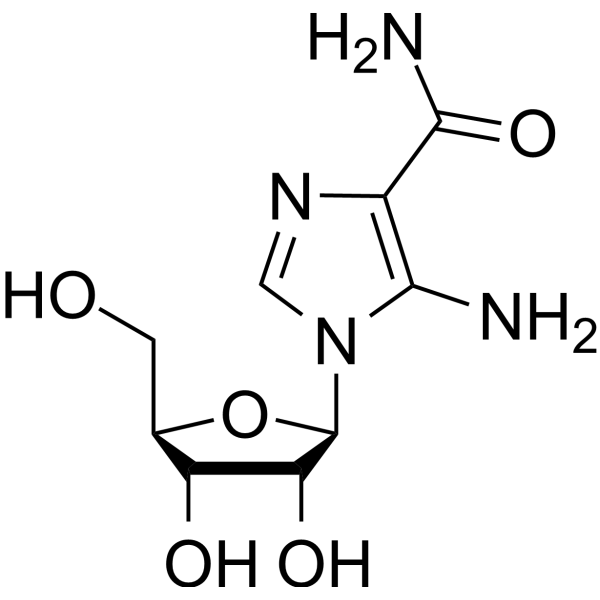
    Dihydronicotinamide riboside is a potent NAD + concentration enhancer. Dihydronicotinamide riboside modulates targets BAX, PUMA, NQO2, and IκB kinase. Dihydronicotinamide riboside mediates apoptosis, induces pro-oxidant activity, mitochondrial dysfunction, metabolic dysregulation, redox modulation, and pro-inflammatory M1 phenotype induction. Dihydronicotinamide riboside increases intracellular and mitochondrial NAD + levels, maintains cell survival against NAD +-depleting genotoxins. Dihydronicotinamide riboside can be used for the research of hepatocellular carcinoma .
    Dihydronicotinamide riboside
  • HY-N2083

    NF-κB Inflammation/Immunology
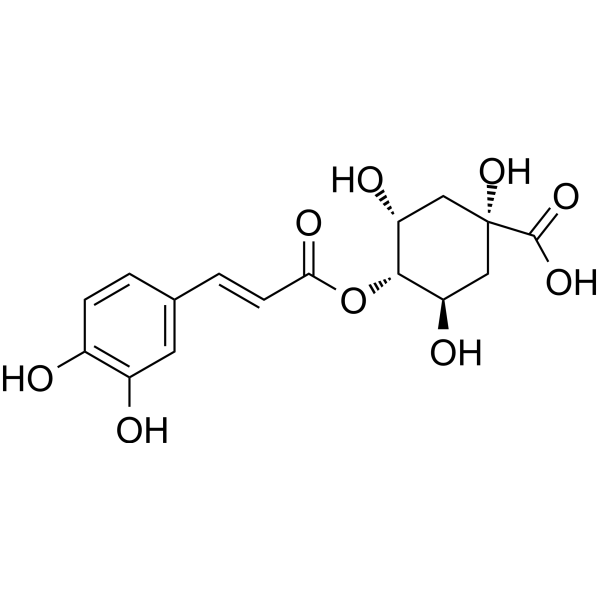
    Handelin is a guaianolide dimer from Chrysanthemum boreale that has potent anti-inflammatory activity by down-regulating NF-κB signaling and pro-inflammatory cytokine production .
    Handelin
  • HY-W041608

    NF-κB Toll-like Receptor (TLR) Bacterial Infection Inflammation/Immunology
    Methylchloroisothiazolinone is a widely used fungicide and also an aquatic pollutant with pro-inflammatory activity and neurotoxicity. Methylchloroisothiazolinone induces the production of pro-inflammatory cytokines (such as IL-1β, TNF-α, IL-6) by activating the NF-κB signaling pathway and upregulating TLR4 expression, thereby triggering allergic contact dermatitis. Methylchloroisothiazolinone reduces cholinesterase activity and exacerbates oxidative stress by impairing catalase activity and disrupting redox balance. Methylchloroisothiazolinone poses significant harm to Mediterranean mussels, reducing the viability of hemocytes and digestive gland cells, inhibiting immune phagocytic function, and disrupting osmoregulatory capacity. Methylchloroisothiazolinone is used in studies on allergic contact dermatitis and related immunotoxicity mechanisms .
    Methylchloroisothiazolinone
  • HY-135317
    Emavusertib
    5+ Cited Publications

    CA-4948

    IRAK Apoptosis FLT3 NF-κB MyD88 Inflammation/Immunology Cancer
    Emavusertib is an orally active inhibitor for IRAK4 (IC50=57 nM) and FLT3. Emavusertib inhibits NF-κB and MyD88 signaling pathways, reduces the generation of pro-inflammatory cytokines like IL-6 and IL-10, thereby exhibiting anti-inflammatory and anti-proliferative activities against cancer cells, leading to cell apoptosis. Emavusertib exhibits antitumor activity in mouse model
    Emavusertib
  • HY-W013331
    Deoxyartemisinin
    1 Publications Verification

    2-Deoxyartemisinin

    TNF Receptor Neurological Disease Inflammation/Immunology
    Deoxyartemisinin (2-Deoxyartemisinin) is an orally active anti-inflammatory and analgesic agent. Deoxyartemisinin selectively reduces the level of the pro-inflammatory cytokine TNF-α. Deoxyartemisinin alleviates neuropathic pain, inflammatory pain, and croton oil-induced ear edema.\nDeoxyartemisinin exerts an analgesic effect against thermal stimulation. Deoxyartemisinin has anti-ulcer activity. Deoxyartemisinin can be used in research related to inflammatory diseases, pain, and gastric ulcers .
    Deoxyartemisinin
  • HY-W011849

    NF-κB COX NO Synthase MMP Cancer
    Phenyl β-D-glucopyranoside is a component isolated from Phellodendron amurense, which has anti-inflammatory and anti-tumor activities. Phenyl β-D-glucopyranoside inhibits nitric oxide (NO) production, and the expression of iNOS and COX-2. Phenyl β-D-glucopyranoside also inhibits the nuclear translocation of NF-κB. Phenyl β-D-glucopyranoside inhibits the expression of pro-inflammatory cytokines and related genes .
    Phenyl β-D-glucopyranoside
  • HY-156649

    CR6086

    Prostaglandin Receptor Interleukin Related MMP PD-1/PD-L1 Cardiovascular Disease Inflammation/Immunology Cancer
    Vorbipiprant (CR6086) is an orally active EP4 receptor antagonist with high selectivity for the human EP4 receptor (Ki: 16.6 nM). Vorbipiprant has immunomodulatory, anti-inflammatory, antitumor, and anti-angiogenic activities. Vorbipiprant can inhibit the expression of multiple pro-inflammatory cytokines and the activation of immune cells, and convert "cold" tumors unresponsive to immune checkpoint inhibitors into "hot" tumors. Vorbipiprant is used in the research of diseases such as rheumatoid arthritis and colon cancer .
    Vorbipiprant
  • HY-165613

    Dipalmitoyl-S-glyceryl-cysteine; S-[2,3-Bis(palmitoyloxy)propyl]cysteine

    Toll-like Receptor (TLR) Influenza Virus NF-κB Infection Inflammation/Immunology
    Pam2Cys (Dipalmitoyl-S-glyceryl-cysteine; S-[2,3-Bis(palmitoyloxy)propyl]cysteine) is a TLR2 agonist and immunostimulant. Pam2Cys binds to TLR2 to activate dendritic cells and trigger the TLR2-dependent NF-κB signaling pathway. Pam2Cys also induces dendritic cell maturation by upregulating the expression of cell surface MHC II molecules. Pam2Cys activates innate immune signaling pathways, drives pro-inflammatory and antimicrobial responses, enhances the expression of macrophage activation markers, increases phagocytic activity, induces the release of IL-12 and pro-inflammatory cytokines, and polarizes macrophages into a pro-inflammatory, antimicrobial phenotype without interfering with IL-10-induced macrophage polarization. Pam2Cys also serves as the lipid moiety in synthetic lipopeptide vaccines and possesses self-adjuvant properties. Pam2Cys enhances the immunogenicity of conjugated peptide segments and induces cellular and humoral immune responses. However, it does not activate CD4 T cells in mouse splenocyte cultures when used alone. Pam2Cys activates pulmonary TLR2 signaling pathways, triggers innate immune responses, recruits neutrophils and macrophages, induces the secretion of various cytokines, alleviates symptoms and damages associated with influenza A virus infection in mice without impairing adaptive immunity. Pam2Cys can be used in studies related to tuberculosis and influenza A virus infection .
    Pam2Cys
  • HY-W026772
    Fluorene
    1 Publications Verification

    Environmental Pollutants Fluorescent Dye TNF Receptor Interleukin Related SOD Reactive Oxygen Species (ROS) Inflammation/Immunology
    Fluorene is an orally active polycyclic aromatic hydrocarbon (PAH) and a precursor to other fluorene-based compounds. Fluorene and its derivatives serve as dye precursors for fluorene synthesis. In A549 cells, Fluorene induces oxidative stress and inflammatory responses by increasing ROS and SOD generation, exacerbating lipid peroxidation, modulating antioxidant enzyme activity, and upregulating the expression of pro-inflammatory factors TNF-α and IL-6. In vivo, Fluorene exhibits anxiolytic activity. Fluorene holds potential for research in inflammation and neurological disorders .
    Fluorene
  • HY-P5255

    Bacterial Infection Inflammation/Immunology
    Oligopeptide-10 is a bioactive peptide with antimicrobial activity. Oligopeptide-10 exhibits broad-spectrum bactericidal effects against Gram-positive bacteria including Propionibacterium acnes and Staphylococcus aureus. Oligopeptide-10 targets lipoteichoic acid (LTA) on the surface of bacterial cell membranes, induces bacterial osmotic imbalance by disrupting the integrity of bacterial membranes, and reduces the release of pro-inflammatory cytokines induced by bacteria. Oligopeptide-10 possesses skin-protective activity. Oligopeptide-10 can be applied in research related to acne vulgaris, dandruff, seborrheic dermatitis, and tinea pedis .
    Oligopeptide-10
  • HY-136065
    bpV(phen)
    3 Publications Verification

    PTEN Phosphatase Parasite Apoptosis Infection Metabolic Disease Inflammation/Immunology Cancer
    bpV(phen), a insulin-mimetic agent, is a potent protein tyrosine phosphatase (PTP) and PTEN inhibitor with IC50s of 38 nM, 343 nM and 920 nM for PTEN, PTP-β and PTP-1B, respectively. bpV(phen) inhibits proliferation of the protozoan parasite Leishmania in vitro. bpV(phen) strongly induces the secretion of a large number of chemokines and pro-inflammatory cytokines, and it activates a Th1-type pathway (IL-12, IFNγ). bpV(phen) can also induce cell apoptosis, and has anti-angiogenic and anti-tumor activity .
    bpV(phen)
  • HY-109567

    PD-72953

    LDLR Metabolic Disease Inflammation/Immunology
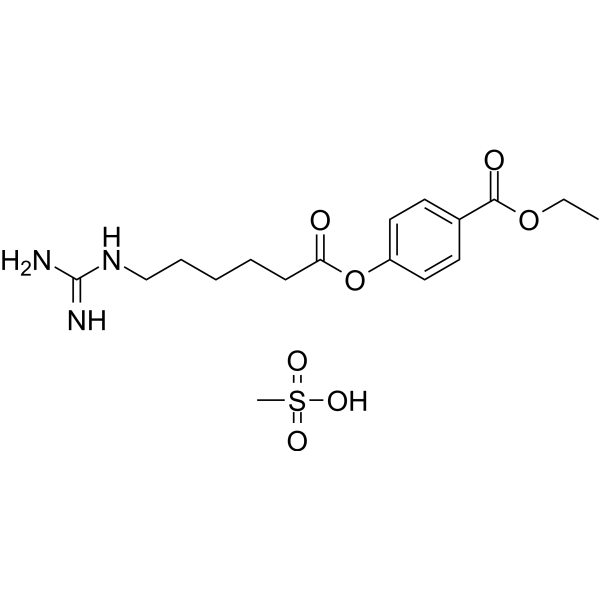
    Gemcabene (PD-72953), a first-in-class lipid-lowering agent, lowers low-density lipoprotein cholesterol (LDL-C), decreases triglycerides, and raises high-density lipoprotein cholesterol (HDL-C) and lowers pro-inflammatory acute-phase protein, C-reactive protein (CRP), exerting anti-inflammatory activity .
    Gemcabene
  • HY-162734

    GPR65 Inflammation/Immunology
    BRD5075 is a selective GPR65 activator. BRD5075 enhances GPR65 activity under acidic conditions, promotes Gαs-dependent signaling pathways, including cAMP production and G protein recruitment. BRD5075 regulates the cytokine and chemokine expression network in dendritic cells, and inhibits the expression of pro-inflammatory cytokines and chemokines in a GPR65-dependent manner. BRD5075 is applicable to research related to inflammatory bowel disease .
    BRD5075
  • HY-W748591

    Apoptosis Amyloid-β KMO Neurological Disease Inflammation/Immunology Cancer
    Cannflavin A can be isolated from Cannabis sativa L.. Cannflavin A has anti-cancer, neuroprotective and anti-inflammatory activity. Cannflavin A inhibits 1-42 aggregation. Cannflavin A also inhibits kynurenine-3-monooxygenase (KMO) (IC50 = 29.4 μM). Cannflavin A activates apoptosis via caspase-3 cleavage. Cannflavin A exerts anti-inflammatory effects by inhibiting pro-inflammatory enzymes, including prostaglandin E2 and cytochrome c oxidases I and II in PC12 cell line .
    Cannflavin A
  • HY-116474

    ERK JNK MMP p38 MAPK STAT Fungal Bacterial NO Synthase PGE synthase NF-κB Wnt β-catenin Infection Metabolic Disease Inflammation/Immunology
    Viridicatol is a quinolone alkaloid with anti-inflammatory, antibacterial, antifungal, osteogenic and chondrogenic activities. Viridicatol reduces the phosphorylation levels of ERK, JNK, p38 and STAT6; inhibits MMP-2, MMP-9, NF-κB signaling pathway and PTP1B; downregulates genes related to mast cell activation; and binds to SHN3 to activate the Wnt/SHN3 signaling pathway. Viridicatol inhibits the expression of pro-inflammatory mediators and cytokines, and promotes osteogenic/chondrogenic differentiation. Viridicatol can be used in studies related to fibrosarcoma, allergy, bacterial infection, fungal infection and osteoporosis .
    Viridicatol
  • HY-131502

    P2X Receptor Inflammation/Immunology
    Taspine is a natural product with anti-inflammatory activity. Taspine suppresses P2X4 receptor activity via PI3K inhibition. Taspine inhibits pro-inflammatory signalling via inhibition of P2X4 receptors in macrophage .
    Taspine
  • HY-N15720

    Pulsatilla saponin B

    Others Inflammation/Immunology
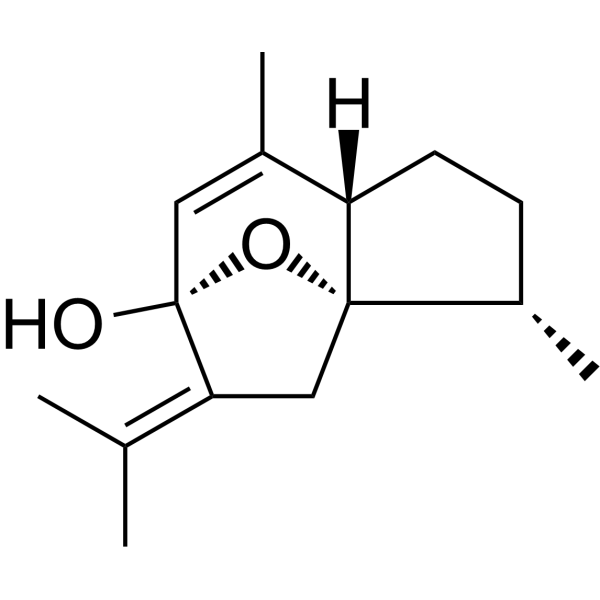
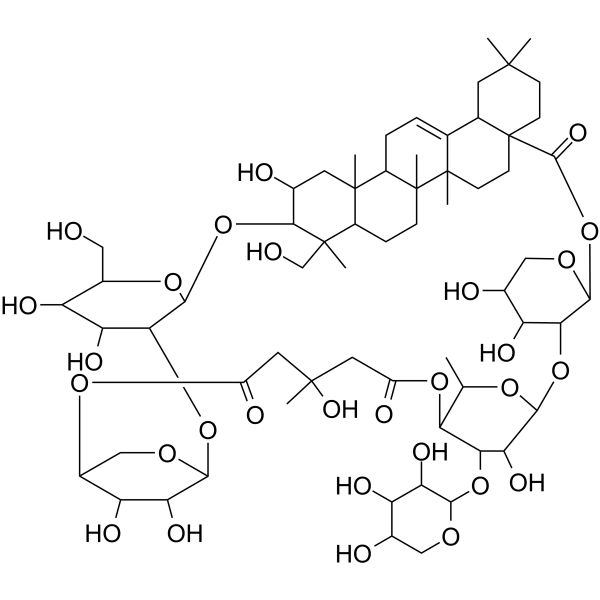
    HN-saponin F (Pulsatilla saponin B) is an orally active triterpenoid saponin found in Lonicera macranthoides. HN-saponin F exerts anti-inflammatory activity by regulating inflammation-related pathways (e.g., inhibiting pro-inflammatory factor release). HN-saponin F is promising for research of inflammatory diseases .
    HN-saponin F
  • HY-B2029
    Phosalone
    1 Publications Verification

    Insecticide Cholinesterase (ChE) Infection Inflammation/Immunology
    Phosalone is an orally active, blood-brain barrier penetrant Insecticide and acaricide. Phosalone inhibits the activity of Acetylcholinesterase. Phosalone acts as a substrate for detoxifying esterases. Phosalone induces symptoms of cholinergic hyperactivity, toxic reactions, mortality, oxidative stress, and changes in pro-inflammatory protein levels, and exerts toxic effects on colonic tissues and cells. Phosalone controls pistachio psyllids. Phosalone can be used in studies related to colitis .
    Phosalone
  • HY-14562

    mAChR Amyloid-β Neurological Disease Inflammation/Immunology
    TBPB (tert-butyl peroxybenzoate) is a highly selective, blood-brain-permeable M1 mAChR allosteric agonist (EC50=289 nM) with anti-schizophrenia and anti-inflammatory activities. TBPB can enhance the sensitivity of M1 receptors to acetylcholine, activate downstream signaling pathways, and inhibit the release of pro-inflammatory cytokines (TNF-α, IL-6). TBPB can regulate the processing of amyloid and can be used in the study of neurodegenerative diseases (such as Alzheimer's disease) and inflammation-related diseases (such as sepsis) .
    TBPB
  • HY-N0902

    13,14-Dihydrosanguinarine

    Fungal Bacterial Interleukin Related Infection Inflammation/Immunology
    Dihydrosanguinarine (13,14-Dihydrosanguinarine) is an alkaloid with antibacterial and anti-inflammatory activities, and also an important precursor of Sanguinarine (HY-N0052). Dihydrosanguinarine targets and regulates the TNF/IL-17/PI3K signaling pathway, downregulates the levels of pro-inflammatory factors such as IL-17A, TNF-α and IL-6, upregulates the expression of TGF-β, inhibits myeloperoxidase activity, and regulates the transcription of multiple inflammation-related genes. Dihydrosanguinarine exhibits antibacterial activity against a variety of oral microorganisms. Dihydrosanguinarine can be used in research related to liver inflammation and oral flora dysbiosis .
    Dihydrosanguinarine
  • HY-101318
    β-Funaltrexamine hydrochloride
    2 Publications Verification

    β-FNA hydrochloride

    Opioid Receptor p38 MAPK STAT NF-κB NO Synthase Toll-like Receptor (TLR) Cardiovascular Disease Neurological Disease
    β-Funaltrexamine (β-FNA) hydrochloride is a blood-brain barrier-permeable, selective and irreversible μ-opioid receptor antagonist with immunomodulatory, anti-inflammatory and neuroprotective activities. β-Funaltrexamine hydrochloride inhibits p38 MAPK and TLR4 signaling by blocking μ-opioid receptors, and reduces the transcriptional activities of NF-κB, AP-1, CREB and Stat. Furthermore, β-Funaltrexamine hydrochloride inhibits iNOS activation and pro-inflammatory microglial polarization, converting microglia to an anti-inflammatory phenotype, thereby downregulating neuroinflammation and ameliorating neuronal degeneration. β-Funaltrexamine hydrochloride is widely applicable to research related to stroke, cerebral ischemia/reperfusion injury and neurodegenerative diseases .
    β-Funaltrexamine hydrochloride
  • HY-145961

    Toll-like Receptor (TLR) TNF Receptor Cancer
    TLR7 agonist 4 is a TLR7 agonist with pro-inflammatory cytokine-stimulating activity. TLR7 agonist 4 modulates TLR7 activity to stimulate the production of pro-inflammatory cytokines. TLR7 agonist 4 stimulates mouse bone marrow-derived macrophages to produce the pro-inflammatory cytokine TNFα. TLR7 agonist 4 can be conjugated with antibodies to form conjugates. TLR7 agonist 4 is applicable to cancer research .
    TLR7 agonist 4
  • HY-144604

    Formyl Peptide Receptor (FPR) Infection Neurological Disease
    FPR2 agonist 2 is a potent and CNS-penetrant FPR2 agonist with an EC50 of 0.13 μM, 1.1 μM for FPR2 and FPR1, respectively. FPR2 agonist 2 inhibits the production of pro-inflammatory cytokines, counterbalances the changes in mitochondrial function, and inhibits caspase-3 activity .
    FPR2 agonist 2
  • HY-126941

    ERK MMP Reactive Oxygen Species (ROS) NF-κB p38 MAPK NOD-like Receptor (NLR) TRP Channel TNF Receptor Interleukin Related Infection Neurological Disease Inflammation/Immunology Endocrinology
    Hecogenin acetate is an orally active steroid saponin aglycone with extensive biological activities. Hecogenin acetate inhibits the phosphorylation of NF-κB and p38 MAPK signaling pathways, antagonizes TRPA1/TRPM8 channels, inhibits the production of pro-inflammatory cytokines, and has anti-inflammatory and analgesic effects. Hecogenin acetate inhibits the production of ROS and the activation of NLRP3 inflammasome; downregulates the expression of MMP-2, and has neuroprotective and anti-tumor activities. Hecogenin acetate enhances gastric mucosal defense and promotes ulcer healing. Hecogenin acetate can be used in combination with certain antibiotics to regulate bacterial efflux pumps and restore antibiotic sensitivity .
    Hecogenin acetate
  • HY-149391

    PROTACs Btk Inflammation/Immunology
    PROTAC BTK Degrader-6 (Compound 15) is a PROTAC BTK degrader (DC50: 3.18 nM. PROTAC BTK Degrader-6 has anti-inflammatory activity, inhibits NF-κB activation, and inhibits the expression of pro-inflammatory cytokines (e.g. IL-1β, IL-6) .
    PROTAC BTK Degrader-6
  • HY-P10839

    NF-κB Inflammation/Immunology
    NBD peptide inhibits NF-κB signaling pathway through inhibition of the NEMO-IKK complex combination. NBD peptide exhibits anti-inflammatory efficacy through block of pro-inflammatory cytokines production. NBD peptide exhibits immunosuppressive activity through regulation of immune cells. NBD peptide enhances its transmembrane ability by combining with cell-penetrating peptide HIV-TAT .
    NBD peptide
  • HY-N6908

    Bacterial p38 MAPK Apoptosis PARP Bcl-2 Family Caspase Interleukin Related COX PERK JNK NF-κB NO Synthase SOD Infection Neurological Disease Inflammation/Immunology Cancer
    Continentalic acid is a diterpenoid organic acid. Continentalic acid exhibits multiple activities including anti-inflammatory, antioxidant, neuroprotective, antibacterial and antitumor effects. Continentalic acid alleviates oxidative stress, reduces pro-inflammatory cytokine production, inhibits MAPK phosphorylation and neutrophil infiltration, and induces growth inhibition and apoptosis of cancer cells. Continentalic acid can be used in research related to traumatic brain injury, cancer, inflammation and infections .
    Continentalic acid
  • HY-Y0344H

    Halite (Pharmaceutical primary standard, USP)

    Biochemical Assay Reagents Na+/K+ ATPase Interleukin Related Inflammation/Immunology Cancer
    Sodium chloride, United States Pharmacopeia (USP) Reference Standard is an orally active salt. Sodium chloride, United States Pharmacopeia (USP) Reference Standard induces the expression of ATP1A1. Sodium chloride, for cell culture induces the pro-inflammatory cytokines IL-2, TNFα, IL-9 and several chemokines. Sodium chloride, United States Pharmacopeia (USP) Reference Standard enhances the anti-tumor activities of Digoxin (HY-B1049) against small cell lung cancer. Sodium chloride, United States Pharmacopeia (USP) Reference Standard drives autoimmune disease by the induction of pathogenic Th17 cells .
    Sodium chloride, United States Pharmacopeia (USP) Reference Standard
  • HY-P3483

    PACAP Receptor Caspase Apoptosis PKA Interleukin Related TNF Receptor Cardiovascular Disease Neurological Disease
    Maxadilan is a specific irreversible PAC1 receptor agonist and a potent vasodilator peptide present in the salivary glands of sand flies. Maxadilan exhibits anti-apoptotic activity in hADSCs. Maxadilan inhibits pro-inflammatory cytokines (TNF-α) and enhances anti-inflammatory mediators (IL-10). Maxadilan can activate leukocytes and inhibit vascular permeability through PAC1 receptors. Maxadilan promotes neural differentiation of human adipose-derived stem cells. Maxadilan can be used to study endotoxin shock, atherosclerosis, and neurodegenerative diseases [1] [2] [3] [4] [5].
    Maxadilan
  • HY-W145695

    Biochemical Assay Reagents Apoptosis Interleukin Related IFNAR Cardiovascular Disease Inflammation/Immunology
    Chitoheptaose is an orally active chitooligosaccharide (degree of polymerization = 7). Chitoheptaose can be extracted from the exoskeletons of crustaceans, such as the shells of crabs, shrimps and lobsters. Chitoheptaose reduces pro-inflammatory cytokines while increasing the levels of anti-inflammatory cytokines (decreasing the levels of pro-inflammatory cytokines IL-1β, IL-17A and IFN-γ, and increasing the level of the anti-inflammatory cytokine IL-10). Chitoheptaose possesses antioxidant, anti-inflammatory and anti-Apoptotic activities. Chitoheptaose improves cardiac parameters, alleviates myocarditis injury, and exerts cardioprotective effects in a rat model of myocarditis. Chitoheptaose can be used in studies related to myocarditis .
    Chitoheptaose
  • HY-N16499

    Interleukin Related GDNF Receptor Trk Receptor ERK Neurological Disease Inflammation/Immunology
    Hericene A is an orally active aromatic hericene derivative. Hericene A exhibits anti-inflammatory and neurotrophic activities, and can found in the fruiting bodies of Hericium erinaceus. Hericene A inhibits the secretion of pro-inflammatory mediators. Hericene A promotes axonal growth, neurite branching, neurotrophic factor expression and downstream signal transduction. Hericene A can be used for the research of inflammatory and neurological diseases .
    Hericene A
  • HY-149365

    Salt-inducible Kinase (SIK) Inflammation/Immunology
    SIKs-IN-1 (compound 8h), a pyrimidine-5-carboxamide derivative, is a Salt-inducible kinases (SIKs) inhibitor. SIKs regulates the transformation of M1/M2 macrophages, involving in inflammation process. SIKs-IN-1 inhibits SIK activity, up-regulates anti-inflammatory cytokine IL-10, but down-regulates pro-inflammatory cytokine IL-12. SIKs-IN-1 shows excellent anti-inflammatory effects in a DSS-induced colitis model .
    SIKs-IN-1
  • HY-172451

    NADPH Oxidase Monoamine Oxidase Reactive Oxygen Species (ROS) NO Synthase Interleukin Related Inflammation/Immunology
    MC4762 is an inhibitor of NOX2 and MAOB, with IC50 values of 0.155 μM and 0.182 μM, respectively. MC4762 has anti-inflammatory activity, can inhibit the production of ROS, and downregulate the expression of pro-inflammatory cytokines iNOS, IL-1β, and IL-6 .
    MC4762
  • HY-178945

    Opioid Receptor Interleukin Related TNF Receptor Sigma Receptor Neurological Disease Inflammation/Immunology
    KOR agonist 7 (Compound 29) is a highly selective κ-opioid receptor (KOR) agonist with a Ki of 138 nM. KOR agonist 7 shows no activity at μ- and δ-opioid receptors or σ1 receptor, and exhibits extremely low affinity for σ2 receptor (Ki = 2.8 μM). KOR agonist 7 significantly reduces the secretion of pro-inflammatory cytokines such as IL-6, TNF-α, and IFN-γ, while increasing the production of the anti-inflammatory cytokine IL-10. KOR agonist 7 downregulates the expression of the pro-inflammatory M1 macrophage marker CD80 and upregulates the anti-inflammatory M2 macrophage marker CD163. KOR agonist 7 holds potential for applications in analgesia and immune modulation .
    KOR agonist 7
  • HY-N7264R

    Reference Standards Others HMG-CoA Reductase (HMGCR) Toll-like Receptor (TLR) Akt Src ERK MDM-2/p53 Metabolic Disease Inflammation/Immunology
    7α-Hydroxycholesterol is a cholesterol oxide and can serve as a biomarker for oxidative stress and lipid peroxidation. 7α-Hydroxycholesterol has cytotoxic and pro-inflammatory activities. 7α-Hydroxycholesterol can also inhibit sterol synthesis and reduce the activity of HMG-CoA reductase. 7α-Hydroxycholesterol can be used in the research of diseases such as diabetes and atherosclerosis .
    7α-Hydroxycholesterol (Standard)
  • HY-159669

    HIV Protease Infection Inflammation/Immunology
    Stercobilin hydrochloride (amixture of isomers) is a bile pigment metabolized by gut bacteria, and it's also an HIV protease inhibitor, with a Ki of 4 μM. Stercobilin hydrochloride (a mixture of isomers) can induce pro-inflammatory activity in mouse macrophage RAW264 cells, including the production of TNF-α and IL-1β. Stercobilin hydrochloride (a mixture of isomers) can be used in studies of inflammation and viral infections .
    Stercobilin hydrochloride (mixture of isomers)
  • HY-149426

    Sirtuin Inflammation/Immunology
    SIRT5 inhibitor 7 (compound 58) is a substrate-competitive and selective SIRT5 inhibitor with anti-inflammatory activity. SIRT5 inhibitor 7 has renal protective effects and regulates protein succinylation and the release of pro-inflammatory cytokines. SIRT5 inhibitor 7 has in vivo activity in AKI mouse models of lipopolysaccharide (LPS) and cecal ligation/perforation (CLP)-induced sepsis-related acute kidney injury .
    SIRT5 inhibitor 7
  • HY-P991307

    LILRB Transmembrane Glycoprotein Cancer
    BND-35 is a human monoclonal antibody (mAb) targeting LILRB4/ILT3/CD85k. BND-35 blocks the interaction of ILT3 with APOE and fibronectin, enhances the pro-inflammatory activity of various myeloid cells, and reverses ILT3-mediated immunosuppression of T cells by various suppressive myeloid cells. BND-35 has anti-tumor activity in the hILT3 transgenic mouse tumor model .
    BND-35

Inquiry Online

Your information is safe with us. * Required Fields.

Salutation


Country or Region *

Applicant Name *


Organization Name *

Department *


Email Address *


Product Name *

Cat. No.


Requested quantity *

Phone Number *


Remarks

Inquiry Online

Inquiry Information

Product Name:
Cat. No.:
Quantity:
MCE Japan Authorized Agent: