88 Results for "

reactive oxygen species generation

" in MedChemExpress (MCE) Product Catalog:
Products (88)

88 Results for "reactive oxygen species generation" in MCE Product Catalog:

91
91 Publications Verification
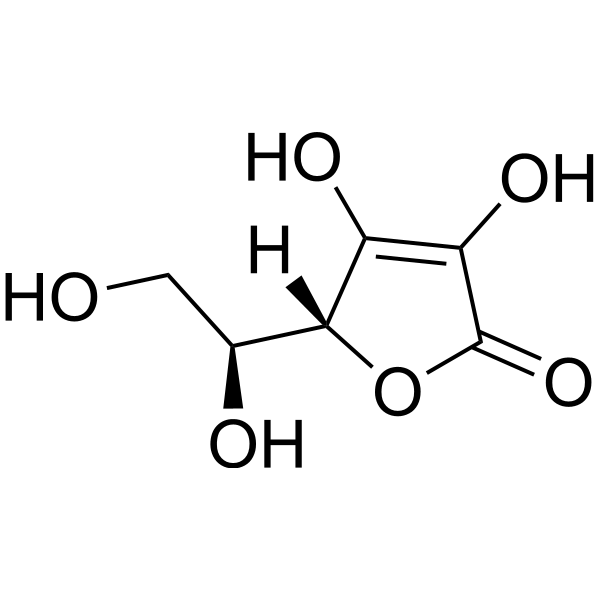
Cat. No.: HY-B0166
CAS No.: 50-81-7
Synonyms: L-Ascorbate; Vitamin C
L-Ascorbic acid (L-Ascorbate), an electron donor, is an endogenous antioxidant agent. L-Ascorbic acid inhibits selectively Cav3.2 channels with an IC50 of 6.5 μM. L-Ascorbic acid is also a collagen deposition enhancer and an elastogenesis inhibitor . L-Ascorbic acid exhibits anti-cancer effects through the generation of reactive oxygen species (ROS) and selective damage to cancer cells .
loading...
    loading...
84
84 Cited Publications
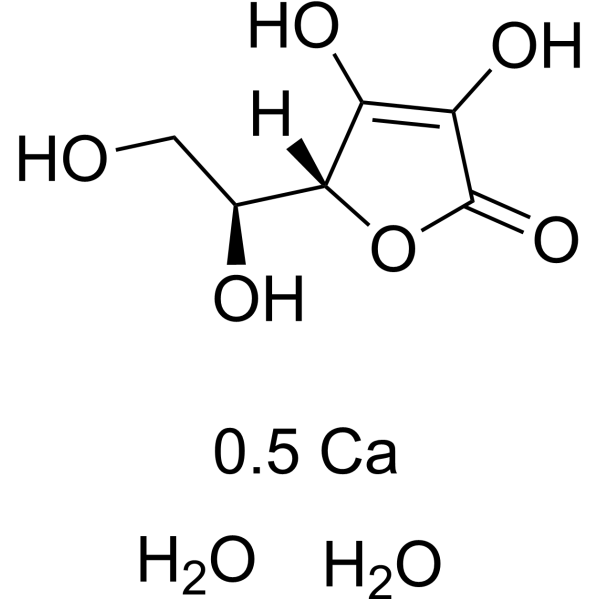
Cat. No.: HY-B0166C
CAS No.: 5743-28-2
Synonyms: L-Ascorbate calcium dihydrate; Vitamin C calcium dihydrate
L-Ascorbic acid calcium dihydrate (L-Ascorbate calcium dihydrate), an electron donor, is an endogenous antioxidant agent. L-Ascorbic acid calcium dihydrate inhibits selectively Cav3.2 channels with an IC50 of 6.5 μM. L-Ascorbic acid calcium dihydrate is also a collagen deposition enhancer and an elastogenesis inhibitor . L-Ascorbic acid calcium dihydrate exhibits anti-cancer effects through the generation of reactive oxygen species (ROS) and selective damage to cancer cells .
loading...
    loading...
83
83 Cited Publications
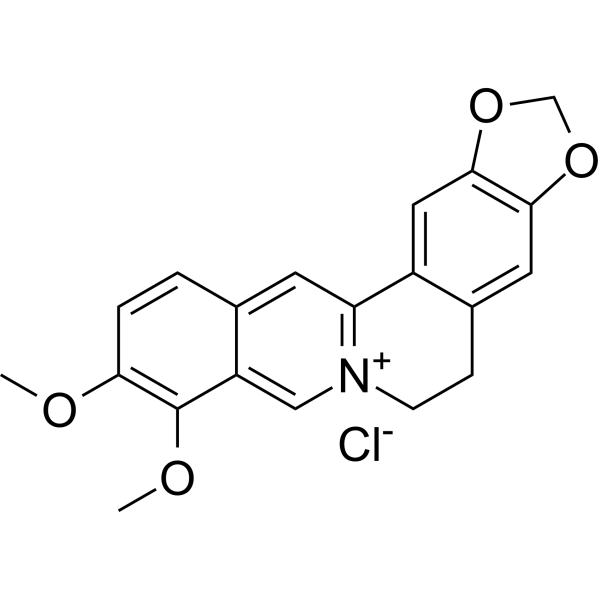
Cat. No.: HY-18258
CAS No.: 633-65-8
Synonyms: Natural Yellow 18 chloride
Berberine chloride is an alkaloid that acts as an antibiotic. Berberine chloride induces reactive oxygen species (ROS) generation and inhibits DNA topoisomerase. Antineoplastic properties .
loading...
    loading...
80
80 Cited Publications
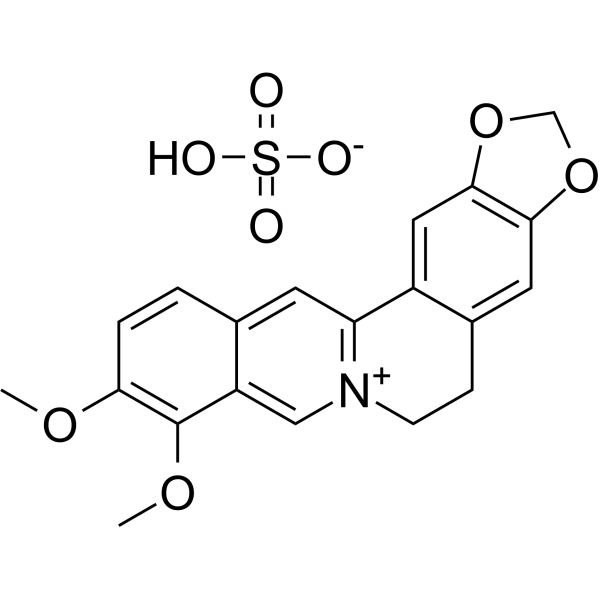
Cat. No.: HY-N0716B
CAS No.: 633-66-9
Synonyms: Natural Yellow 18 sulfate
Berberine sulfate is an alkaloid isolated from the Chinese herbal medicine Huanglian, as an antibiotic. Berberine sulfate induces reactive oxygen species (ROS) generation and inhibits DNA topoisomerase. Berberine sulfate has antineoplastic properties. The sulfate form improves bioavailability .
loading...
    loading...
77
77 Cited Publications
Cat. No.: HY-17577
CAS No.: 68030-18-2
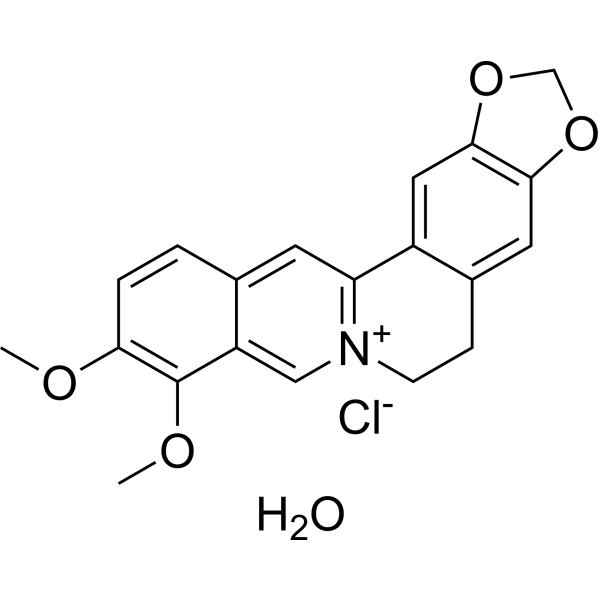
Synonyms: Natural Yellow 18 chloride hydrate
Berberine chloride hydrate (Natural Yellow 18 chloride hydrate) is an alkaloid that acts as an antibiotic. Berberine chloride hydrate induces reactive oxygen species (ROS) generation and inhibits DNA topoisomerase. Antineoplastic properties .
loading...
    loading...
12
12 Cited Publications
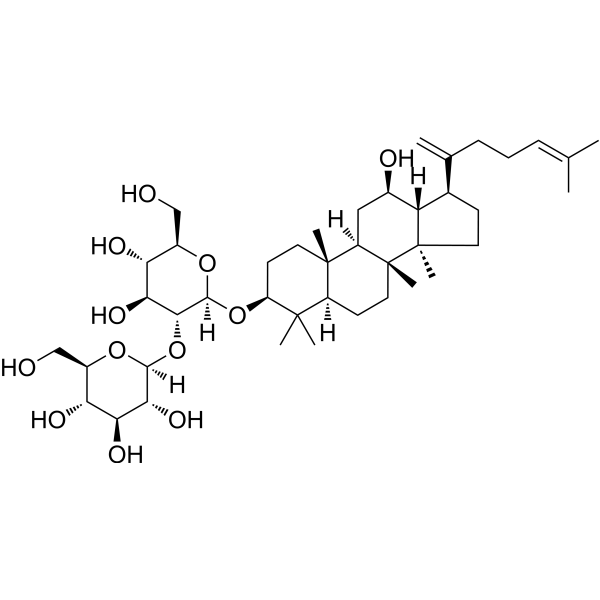
Cat. No.: HY-N2515
CAS No.: 494753-69-4
Ginsenoside Rk1 is a unique component created by processing the ginseng plant (mainly Sung Ginseng, SG) at high temperatures . Ginsenoside Rk1 has anti-inflammatory effect, suppresses the activation of Jak2/Stat3 signaling pathway and NF-κB . Ginsenoside Rk1 has anti-tumor effect, antiplatelet aggregation activities, anti-insulin resistance, nephroprotective effect, antimicrobial effect, cognitive function enhancement, lipid accumulation reduction and prevents osteoporosis . Ginsenoside Rk1 induces cell apoptosis by triggering intracellular reactive oxygen species (ROS) generation and blocking PI3K/Akt pathway .
loading...
    loading...
7
7 Cited Publications
Cat. No.: HY-113298
CAS No.: 498-23-7
Purity:  98.73%
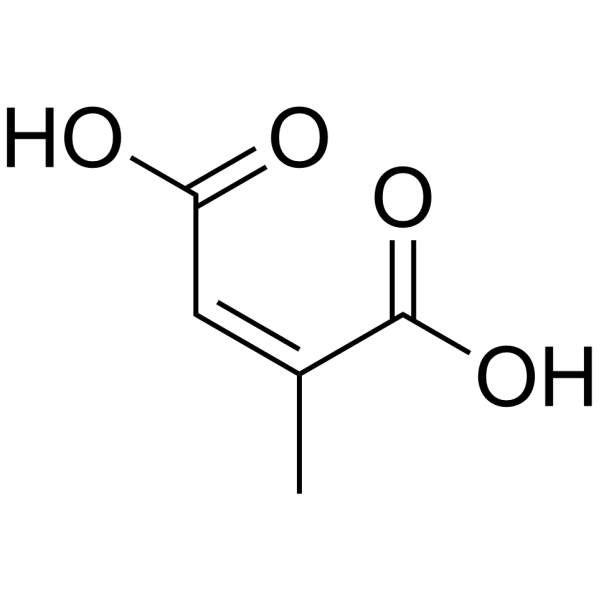
Synonyms: Methylmaleic acid; Citraconate
Citraconic acid (Methylmaleic acid) is an orally active inhibitor targeting the NLRP3 inflammasome and Keap1-Nrf2 pathway. Citraconic acid reduces reactive oxygen species (ROS) generation by inhibiting succinate dehydrogenase (SDH) activity. Citraconic acid also modifies the conformation of Keap1 protein, relieves its inhibition of Nrf2, promotes antioxidant gene expression, and inhibits NLRP3 activation and the release of pro-inflammatory factors such as IL-1β and IL-18. Citraconic acid has anti-inflammatory and antioxidant activities, can reduce oxidative stress and cell pyroptosis, improve tissue damage, and can be used for the research of inflammation-related diseases such as acute renal ischemia-reperfusion injury. Citraconic acid is an isomer of Itaconic acid (HY-Y052) .
loading...
    loading...
4
4 Cited Publications
Cat. No.: HY-N0457
CAS No.: 6537-80-0
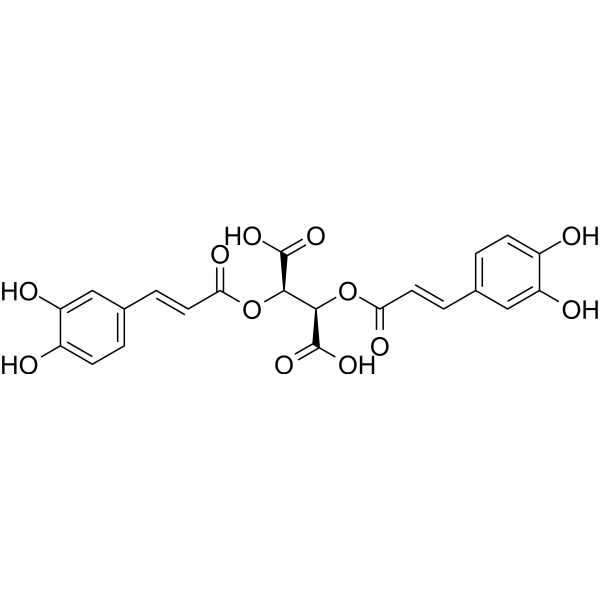
Synonyms: Cichoric acid; Dicaffeoyltartaric acid
Chicoric acid (Cichoric acid), an orally active dicaffeyltartaric acid, induces reactive oxygen species (ROS) generation. Chicoric acid inhibits cell viability and induces mitochondria-dependent apoptosis in 3T3-L1 preadipocytes through ROS-mediated PI3K/Akt and MAPK signaling pathways. Chicoric acid increases glucose uptake, improves insulin resistance, and attenuates glucosamine-induced inflammation. Chicoric acid has antidiabetic properties and antioxidant, anti-inflammatory effects .
loading...
    loading...
4
4 Cited Publications
Cat. No.: HY-N0255
CAS No.: 27013-91-8
Synonyms: α-Hederin
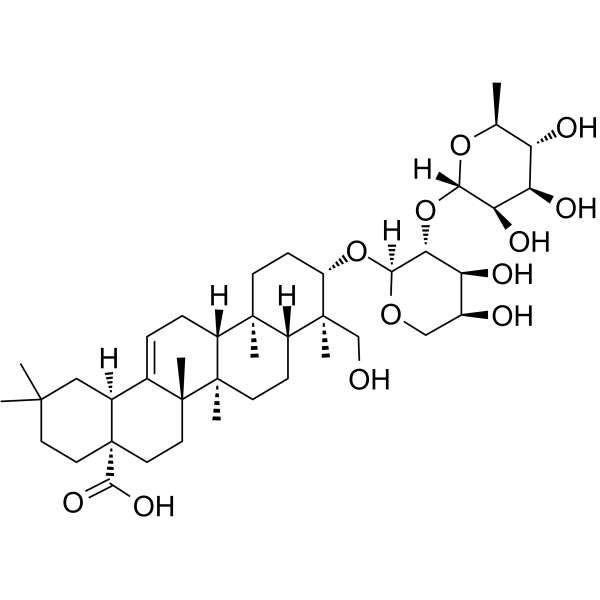
alpha-Hederin (α-Hederin), a monodesmosidic triterpenoid saponin, exhibits promising antitumor potential against a variety of human cancer cell lines. alpha-Hederin could inhibit the proliferation and induce apoptosis of gastric cancer accompanied by glutathione decrement and reactive oxygen species generation via activating mitochondrial dependent pathway .
loading...
    loading...
3
3 Cited Publications
Cat. No.: HY-D0885
CAS No.: 67-07-2
Synonyms: Creatine phosphate; Creatinephosphoric acid
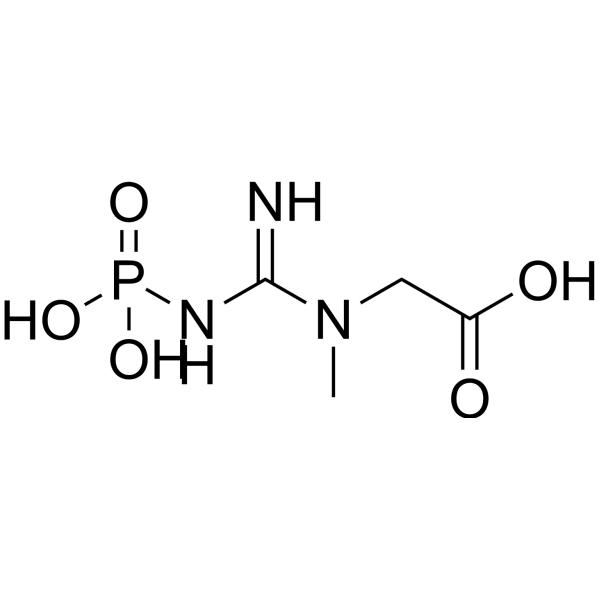
Phosphocreatine (creatine phosphate) is an organic compound found in vertebrate skeletal muscles. Phosphocreatine enhances antioxidant activity, and activates the TAK1 pathway to protect the heart. Phosphocreatine normalizing mitochondrial function and reducing oxidative stress via Akt mediated Nrf2/HO-1 pathway. Phosphocreatine provides renal protection by suppressing Apoptosis and ROS (Reactive Oxygen Species) generation through ERK mediated mediated Nrf-2/HO-1 pathway. .
loading...
    loading...
3
3 Cited Publications
Cat. No.: HY-D0885B
CAS No.: 922-32-7
Synonyms: Disodium creatine phosphate
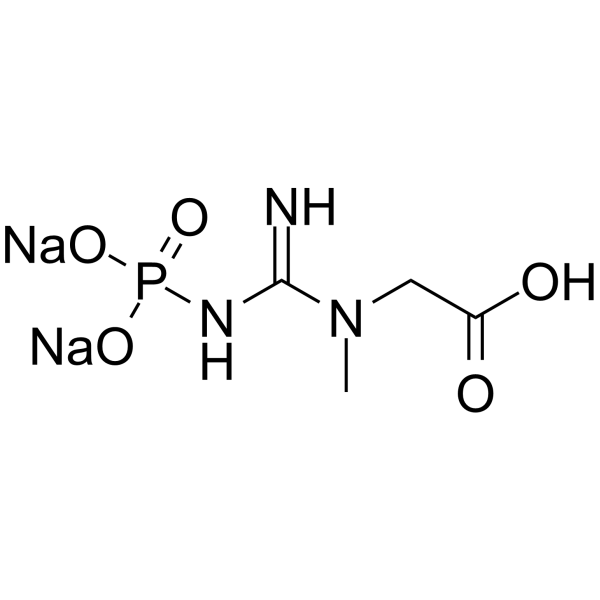
Phosphocreatine (disodium) is an organic compound found in vertebrate skeletal muscles. Phosphocreatine (disodium) enhances antioxidant activity, and activates the TAK1 pathway to protect the heart. Phosphocreatine (disodium) normalizing mitochondrial function and reducing oxidative stress via Akt mediated Nrf2/HO-1 pathway. Phosphocreatine (disodium) provides renal protection by suppressing Apoptosis and ROS (Reactive Oxygen Species) generation through ERK mediated mediated Nrf-2/HO-1 pathway. .
loading...
    loading...
3
3 Cited Publications
Cat. No.: HY-D0885D
CAS No.: 19333-65-4
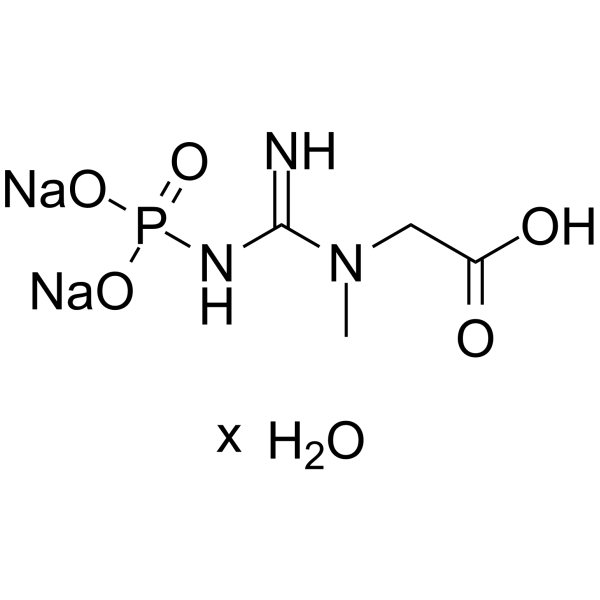
Phosphocreatine (disodium hydrate) is an organic compound found in vertebrate skeletal muscles. Phosphocreatine (disodium hydrate) enhances antioxidant activity, and activates the TAK1 pathway to protect the heart. Phosphocreatine (disodium hydrate) normalizing mitochondrial function and reducing oxidative stress via Akt mediated Nrf2/HO-1 pathway. Phosphocreatine (disodium hydrate) Phosphocreatine (disodium hydrate) provides renal protection by suppressing Apoptosis and ROS (Reactive Oxygen Species) generation through ERK mediated mediated Nrf-2/HO-1 pathway. .
loading...
    loading...
2
2 Cited Publications
Cat. No.: HY-B0166R
CAS No.: 50-81-7
Synonyms: L-Ascorbate (Standard); Vitamin C (Standard)
L-Ascorbic acid (Standard) is the analytical standard of L-Ascorbic acid. This product is intended for research and analytical applications. L-Ascorbic acid (L-Ascorbate), an electron donor, is an endogenous antioxidant agent. L-Ascorbic acid inhibits selectively Cav3.2 channels with an IC50 of 6.5 μM. L-Ascorbic acid is also a collagen deposition enhancer and an elastogenesis inhibitor . L-Ascorbic acid exhibits anti-cancer effects through the generation of reactive oxygen species (ROS) and selective damage to cancer cells .
loading...
    loading...
2
2 Cited Publications
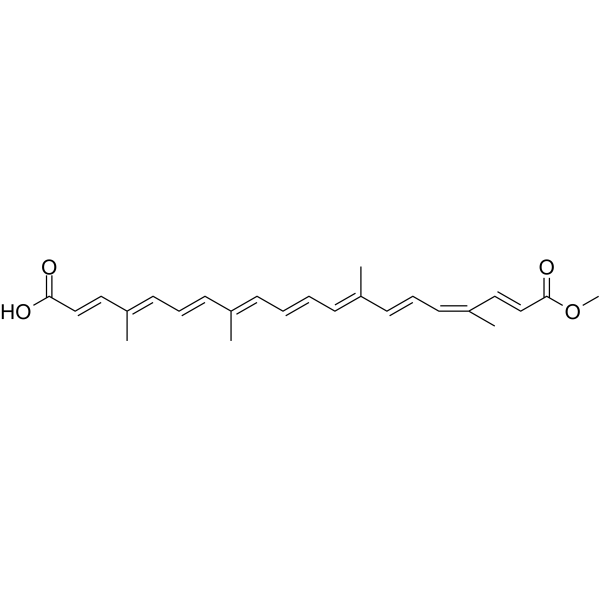
Cat. No.: HY-N6884
CAS No.: 6983-79-5
Bixin is an orally active carotenoid found in the seeds of Bixa orellana. Bixin induces apoptosis in cancer cells. Bixin possessing anti-inflammatory, anti-tumor and anti-oxidant activities. Bixin treatment ameliorated cardiac dysfunction through inhibiting fibrosis, inflammation and reactive oxygen species (ROS) generation .
loading...
    loading...
1
1 Cited Publications
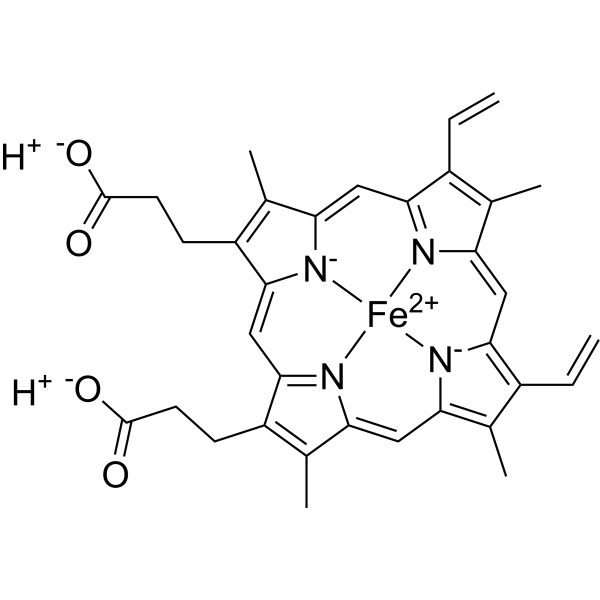
Cat. No.: HY-111914A
CAS No.: 14875-96-8
Purity:  99.70%
Ferroheme is the ferrous form of heme in hemoglobin, reversibly binding oxygen as an oxygen carrier. Its free form induces oxidative stress and ferroptosis by releasing iron ions, which catalyze reactive oxygen species generation via Fenton reactions, leading to lipid peroxidation and cell death. This mechanism is critical in pathological contexts like intracerebral hemorrhage and neurodegenerative diseases, making it a target for studying iron-overload disorders and ferroptosis-related pathologies[1][2][3].
loading...
    loading...
1
1 Cited Publications
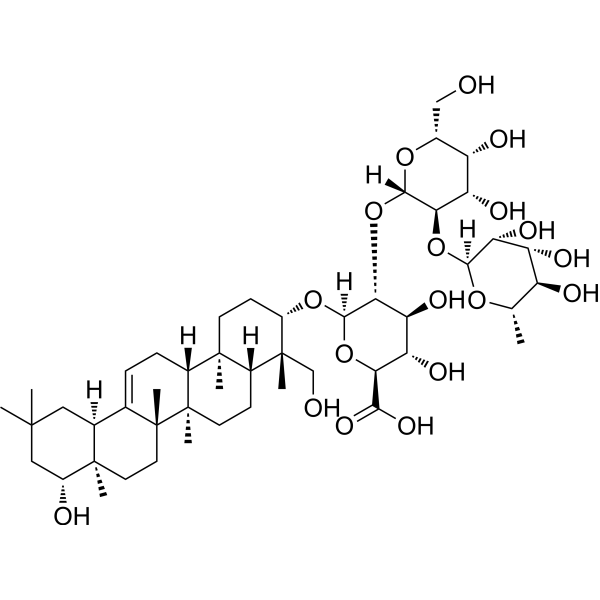
Cat. No.: HY-N0310
CAS No.: 51330-27-9
Soyasaponin Bb is an orally active, covalent inducer of heme oxygenase HO-1 and an inhibitor of aldose reductase AKR1B1. Soyasaponin Bb can regulate oxidative stress pathways, enhance antioxidant capacity, reduce reactive oxygen species (ROS) generation, and inhibit lipid peroxidation and hepatocyte apoptosis. Soyasaponin Bb improves alcohol-induced hepatocyte membrane damage and liver function abnormalities, and improves Scopolamine (HY-N0296)-induced memory impairment. Soyasaponin Bb has antioxidant, hepatoprotective, and neuroprotective activities .
loading...
    loading...
1
1 Cited Publications
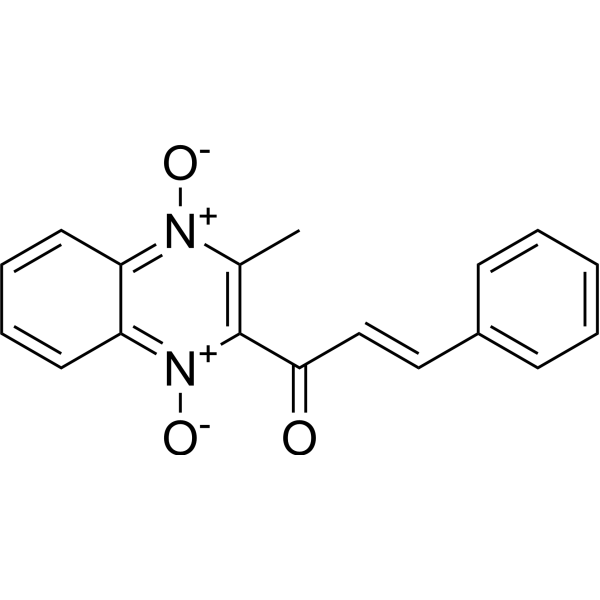
Cat. No.: HY-123581
CAS No.: 81810-66-4
Purity:  98.00%
Quinocetone is an orally active animal feed additive used to increase the meat production of livestock and poultry. Quinocetone exhibits antibacterial activity against a variety of pathogenic microorganisms. Quinocetone exhibits tissue-specific (liver, lymphocyte) toxicity. Quinocetone induces autophagy in cells through the ATF6/DAPK1 pathway. Quinocetone activates the NF-κB and iNOS pathways, leading to cell apoptosis, hepatocyte vacuolar degeneration and fibrosis. Quinocetone can inhibit Nrf2/HO-1 and induce the generation of reactive oxygen species (ROS), leading to oxidative stress and DNA damage .
loading...
    loading...
1
1 Cited Publications
Cat. No.: HY-150228
Purity:  ≥95.0%
Target:  

TrxR

Research Areas:  

Cancer

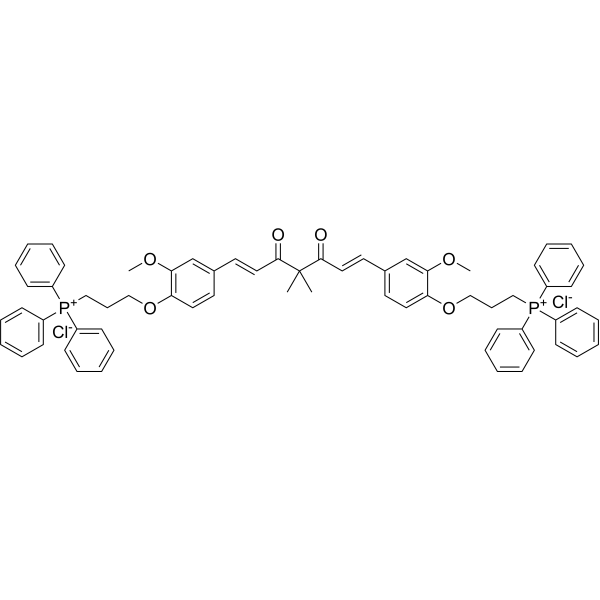
MitoCur-1, a curcumin analogue, is an inhibitor of mitochondrial antioxidative thioredoxin reductase 2 (TrxR2). MitoCur-1 has electrophilic and mitochondrial-targeting properties. MitoCur-1 induces reactive oxygen species (ROS) generation, exerts specifically antitumor efficacy .
loading...
    loading...
Cat. No.: HY-W012382
CAS No.: 537-55-3
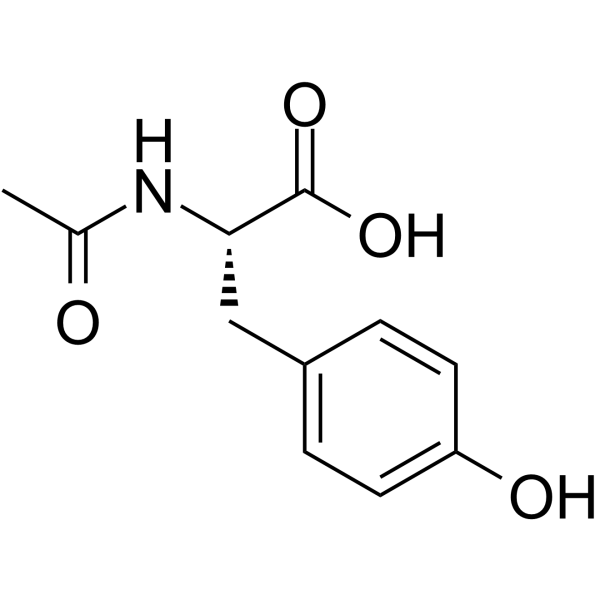
N-Acetyl-L-tyrosine is an orally active endogenous mitochondrial stress response regulator that can permeate the cell membrane by passive diffusion. N-Acetyl-L-tyrosine induces low-level reactive oxygen species (ROS) generation by transiently perturbing mitochondrial membrane potential, triggering reverse signaling to activate FoxO and Keap1 pathways. As a result, N-Acetyl-L-tyrosine enhances the expression of antioxidant enzyme genes, exerting anti-stress and cytoprotective effects. N-Acetyl-L-tyrosine can improve heat stress tolerance, inhibit tumor growth, and regulate energy metabolism. N-Acetyl-L-tyrosine can be used in the research of aging, metabolic diseases (such as diabetes), and cancer .
loading...
    loading...
Cat. No.: HY-N0716
CAS No.: 2086-83-1
Synonyms: Natural Yellow 18
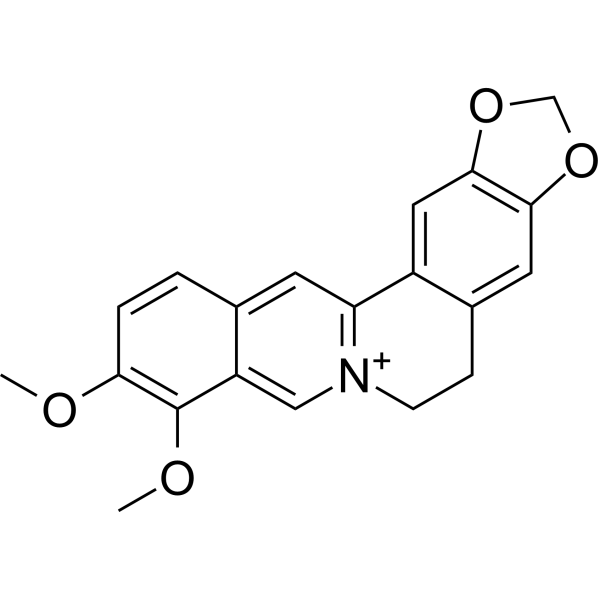
Berberine (Natural Yellow 18) is an alkaloid isolated from the Chinese herbal medicine Huanglian, as an antibiotic. Berberine (Natural Yellow 18) induces reactive oxygen species (ROS) generation and inhibits DNA topoisomerase. Berberine (Natural Yellow 18) has antineoplastic properties. The sulfate form (HY-N0716B) improves bioavailability .
loading...
    loading...

