Search Result
Results for "
sweet
" in MedChemExpress (MCE) Product Catalog:
16
Biochemical Assay Reagents
11
Isotope-Labeled Compounds
| Cat. No. |
Product Name |
Target |
Research Areas |
Chemical Structure |
-
- HY-N0298
-
-
-
- HY-W030796A
-
|
|
Taste Receptor
|
Metabolic Disease
|
|
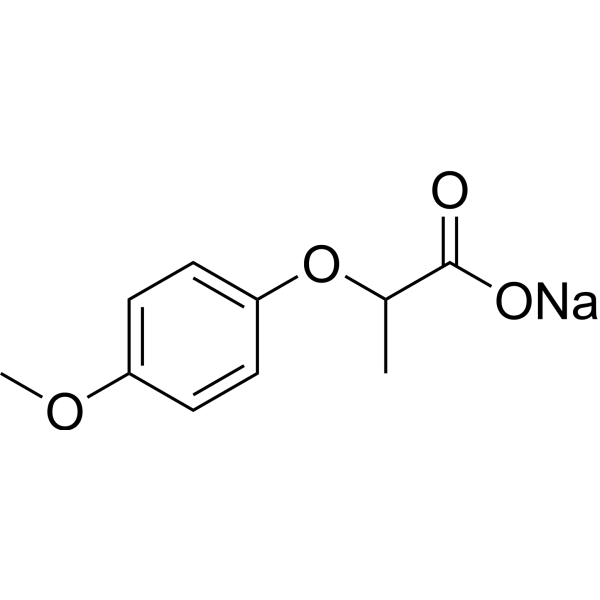
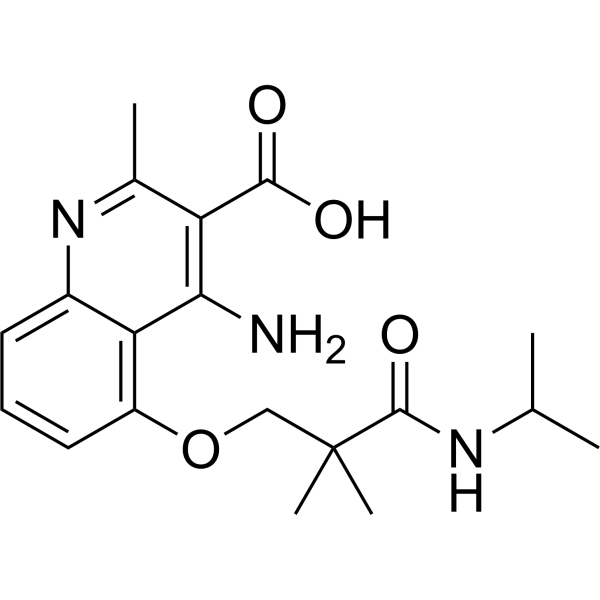
Lactisole is a canonical antagonist of sweet taste receptor, selectively targeting to T1R3 subunit, a glucose-sensing receptor. Lactisole inhibits insulin secretion induced by glucose in mouse islets .
|
-
-
- HY-W011053
-
|
|
Taste Receptor
Apoptosis
Drug Derivative
|
Metabolic Disease
|
|
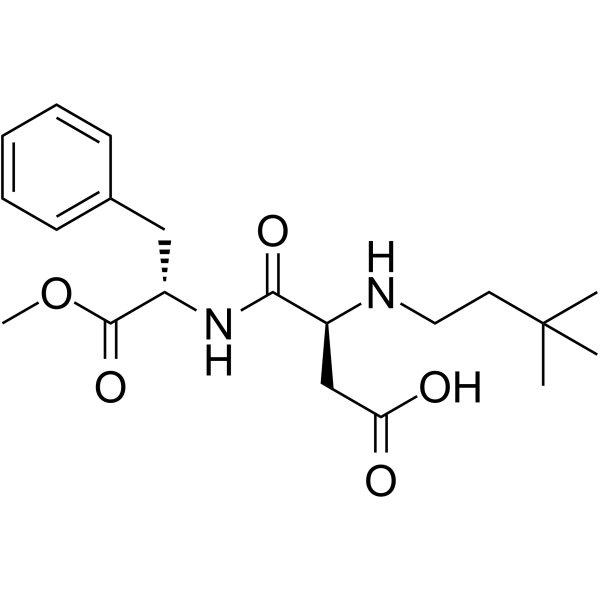
Neotame is a derivative of Aspartame (HY-B0361) and is a flavor enhancer and low-caloric, non-nutritive, high-intensity artificial sweetener that is 7000-13,000 times sweeter than sugar. Neotame causes intestinal epithelial cell death at high concentrations. Neotame induces Apoptosis of Caco-2 cells .
|
-
-
- HY-N0466
-
|
|
Glycosidase
HMG-CoA Reductase (HMGCR)
Fatty Acid Synthase (FASN)
LDLR
|
Others
|
|
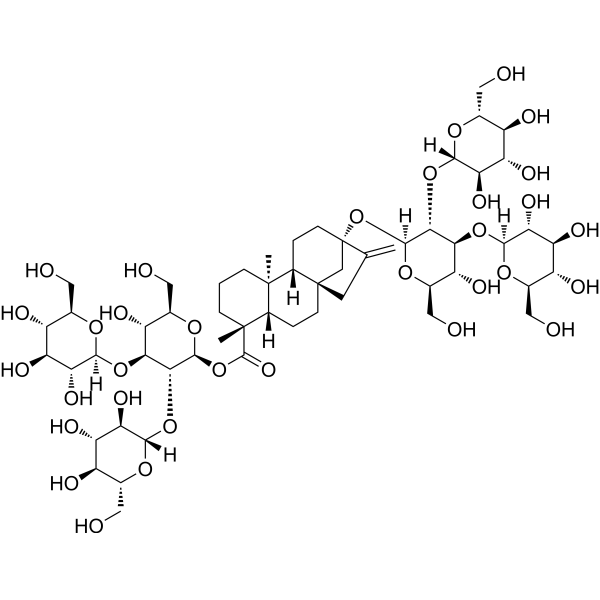
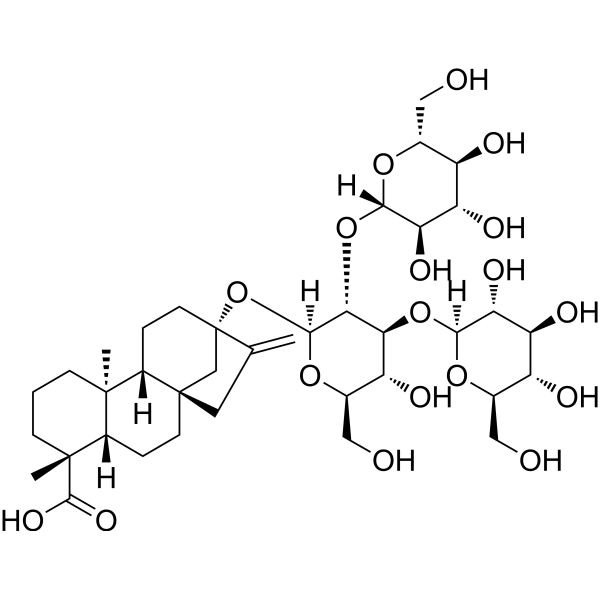
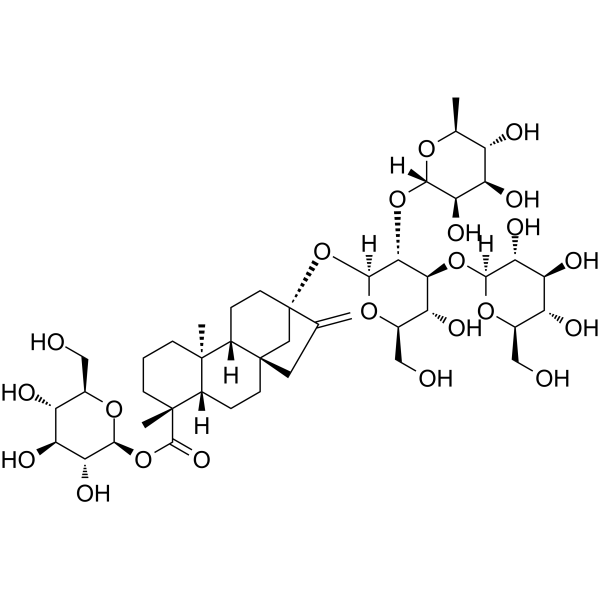
Rebaudioside A is an orally effective steviol glycoside with high sweetness. Rebaudioside A acts as an inhibitor of α-glucosidase with an IC50 value of 35.01 μg/mL. Rebaudioside A increases the ATP/ADP ratio in β cells in a glucose-dependent manner, thereby inhibiting KATP channels, leading to membrane depolarization, calcium influx, and ultimately stimulating insulin secretion. Rebaudioside A activates the SREBP signaling pathway by inhibiting HMGCR, the rate-limiting enzyme in cholesterol synthesis, resulting in increased expression of LDLR on the cell surface, thus promoting the uptake of LDL-C in the blood. Rebaudioside A can be used for studies on blood glucose and lipid regulation as well as anti-obesity .
|
-
-
- HY-100551
-
|
|
Endogenous Metabolite
|
Others
|
|
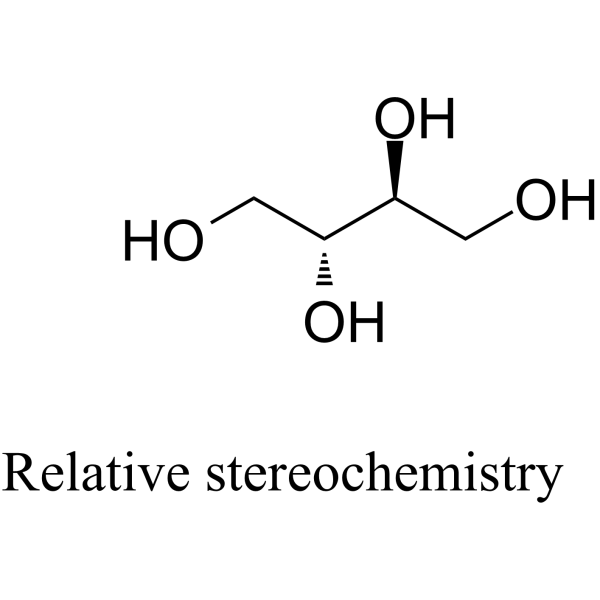
meso-Erythritol is a sugar alcohol that found in a variety of foods (e.g., pear, watermelon), is 60-80% as sweet as sucrose, and can be used as low-calorie sweetener food additives .
|
-
-
- HY-N0467
-
|
Dulcoside B
|
Endogenous Metabolite
|
Neurological Disease
|
|
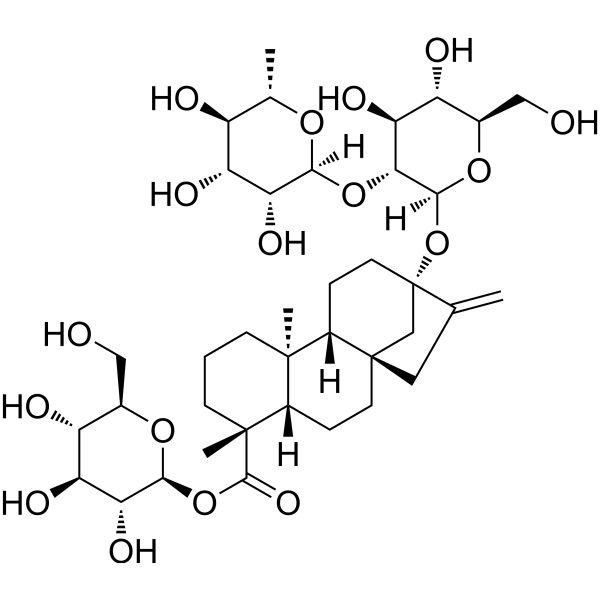
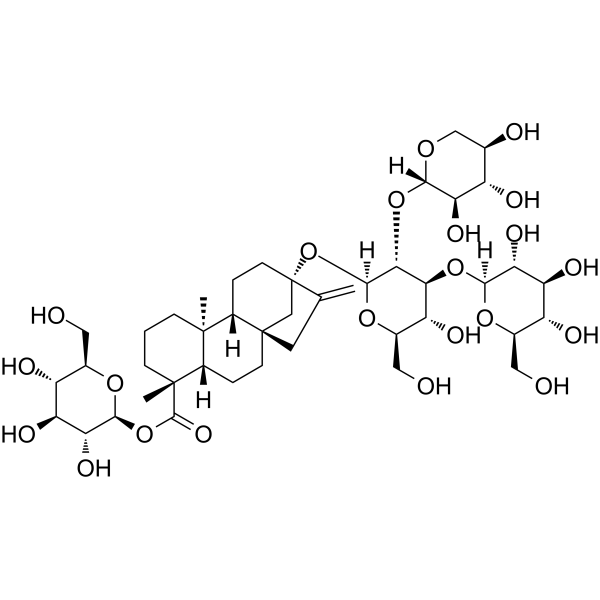
Rebaudioside C (Dulcoside B) is an orally effective natural sweetener that cannot pass the blood-brain barrier and selectively binds to human sweet taste receptors (TAS1R2/TAS1R3). The sweetness of Rebaudioside C is about 20-30 times that of sucrose, and its sweetness activity depends on the C-16/C-17 double bond structure and specific aglycones. The glycoside structure in the Rebaudioside C molecule can bind to the sweet taste receptor, activate the taste signal transduction pathway, and produce sweetness perception .
|
-
-
- HY-34487
-
|
Resorcinol dimethyl ether
|
Environmental Pollutants
Drug Intermediate
|
Others
|
|
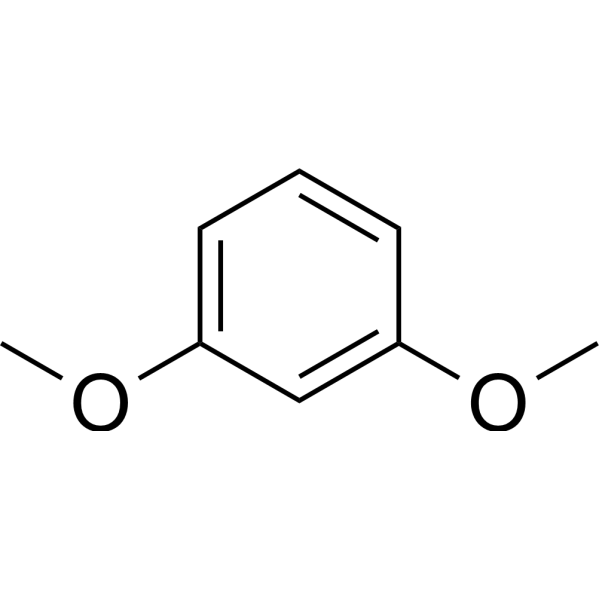
1,3-Dimethoxybenzene (Resorcinol dimethyl ether) is a volatile compound with a sweet medicinal odour carrying hazelnut, resinous, and woody notes. 1,3-Dimethoxybenzene is identified as a new volatile component of Douro region grape musts and port wines .
|
-
-
- HY-129847
-
|
|
Amino Acid Derivatives
|
Others
|
|
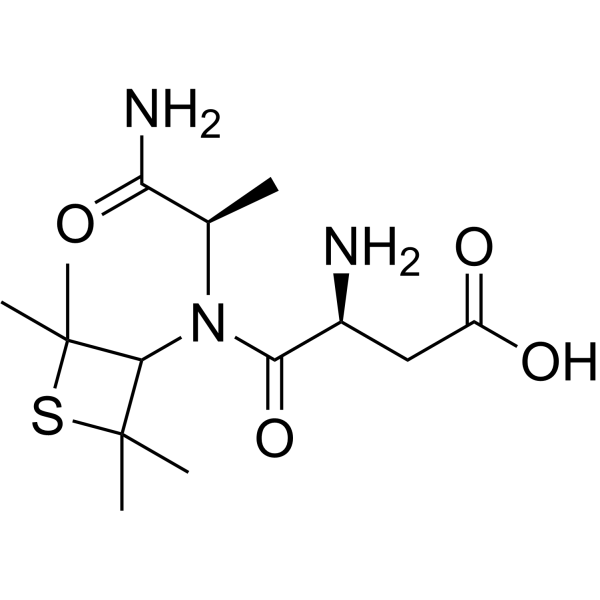
Alitame is a nonnutritive high-intensity sweetener, 2000 times sweeter than sucrose with no bitter or metallic aftertaste. Alitame is composed of L-aspartic acid, D-alanine, and a C-terminal amide moiety .
|
-
-
- HY-N6808
-
|
|
Others
|
Others
|
|
Rebaudioside B is the minor constituent isolated from the leaves of Stevia rebaudiana Bertoni. Rebaudioside B tastes about 150 times sweeter than sucrose. Rebaudioside B can hydrolysis to steviol .
|
-
-
- HY-W022036
-
|
Guaethol; Guethol; NSC 180
|
Biochemical Assay Reagents
|
Others
|
|
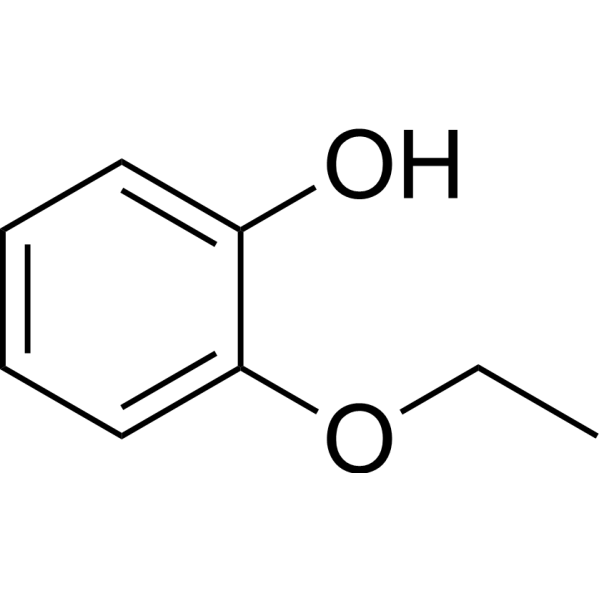
2-Ethoxyphenol, also known as guaiacol ethyl ether, consists of a phenolic ring and an ethoxy group connected to the 2-position. The compound has a sweet, smoky flavor and is commonly used as a flavoring in foods such as baked goods, candy and beverages.
|
-
-
- HY-N8377
-
|
|
TRP Channel
|
Inflammation/Immunology
|
|
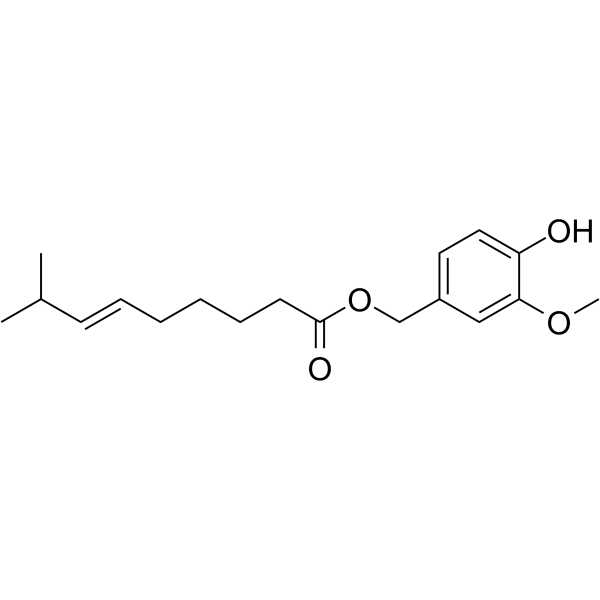
Capsiate, as a capsaicin analogue extracted from a non-pungent cultivar of CH-19 sweet red pepper, is an orally active agonist of TRPV1 .
|
-
-
- HY-119926
-
|
Hydroxylupanine
|
Integrin
|
Cardiovascular Disease
Neurological Disease
|
|
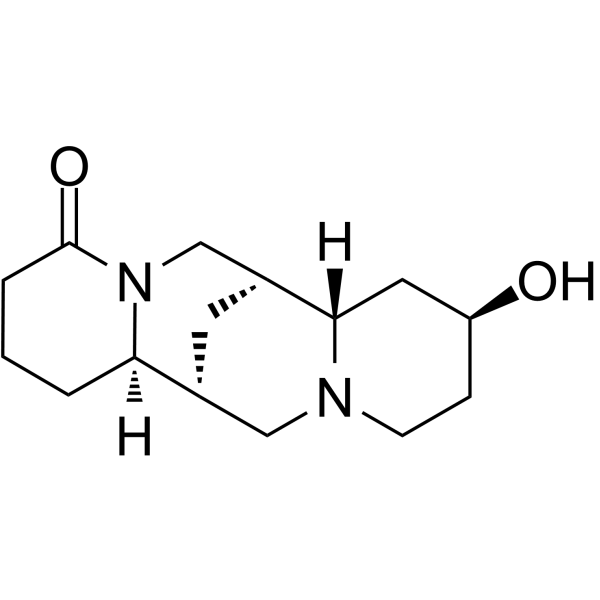
13-Hydroxylupanine (Hydroxylupanine) is the typical alkaloid profile of sweet lupins.13-Hydroxylupanine blocks ganglionic transmission, decreases cardiac contractility and contracts uterine smooth muscle .
|
-
-
- HY-139091
-
|
|
Taste Receptor
|
Others
|
|
FEMA 4774 is a positive allosteric modulator of taste receptors T1R2 and T1R3, two subunits of the human sweet taste receptor. FEMA 4774 is also used as a sucrose sweetness enhancer .
|
-
-
- HY-W032970
-
|
|
Others
|
Others
|
|
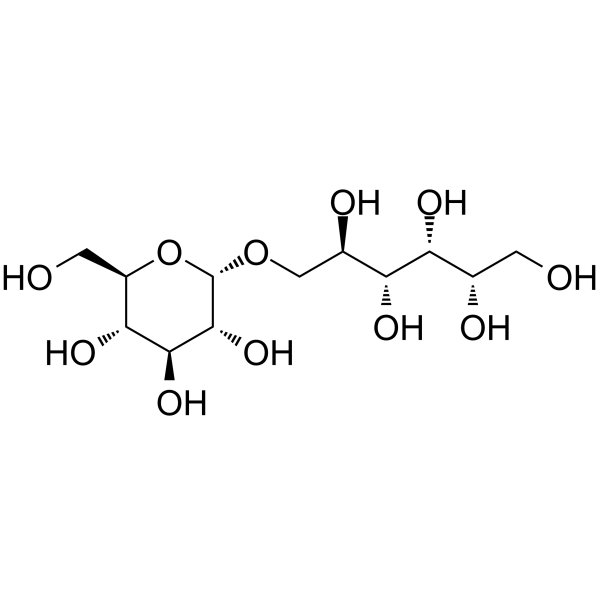
Isomaltitol is a sugar alcohol sweet tastant. Isomaltitol affects adhesion between leukocytes and activated endothelium .
|
-
-
- HY-N2456
-
|
|
Others
|
Metabolic Disease
Cancer
|
|
Mogroside IV-E, a triterpenoid glycoside, is a nonsugar sweetener. Mogrosides are sweeter than sucrose. Mogrosides exhibit antioxidant, antidiabetic and anticancer activities .
|
-
-
- HY-N6942
-
|
|
Others
|
Metabolic Disease
Cancer
|
|
Mogroside IV-A, a triterpenoid glycoside isolated from the extracts of Luo Han Guo, is a nonsugar sweetener. Mogrosides are sweeter than sucrose. Mogrosides exhibit antioxidant, antidiabetic and anticancer activities .
|
-
-
- HY-N6992
-
|
|
Taste Receptor
|
Inflammation/Immunology
|
|
Dulcoside A is a glycoside that can be isolated from Stevia rebaudiana that elicits sweet and bitter taste through activation of TAS1R. Dulcoside A also exhibits anti-inflammatory activity .
|
-
-
- HY-W030796
-
|
|
Taste Receptor
|
Metabolic Disease
|
|
Lactisole free acid is a canonical antagonist of sweet taste receptor, selectively targeting to T1R3 subunit, a glucose-sensing receptor. Lactisole free acid inhibits insulin secretion induced by glucose in mouse islets .
|
-
-
- HY-N2459
-
|
YGM-6 chloride
|
Interleukin Related
|
Neurological Disease
Inflammation/Immunology
Cancer
|
|
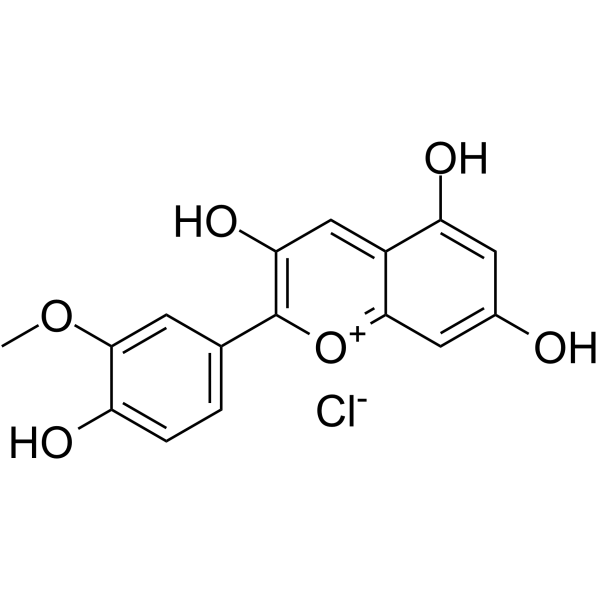
Peonidin (YGM-6) chloride is an anthocyanin compound found in plants such as grapes and purple-fleshed sweet potatoes. Peonidin chloride alone exerts no stable inhibitory effect on LPS (HY-D1056)-mediated inflammatory gene expression. The acylated form of Peonidin chloride exhibits antimutagenic activity .
|
-
-
- HY-N6887
-
|
|
Others
|
Others
|
|
Rebaudioside F is a steviol glycoside isolated from Stevia rebaudiana leaves. is a new natural sweet ingredient .
|
-
-
- HY-W040141
-
|
|
Endogenous Metabolite
|
Metabolic Disease
|
|
L-Arabinitol is a potential biomarker for the comsuption of the food products such as sweet potato, deerberry, moth bean, and is also associated with Alzheimer's disease and ribose-5-phosphate isomerase deficiency.
|
-
-
- HY-114117
-
|
GF-3242
|
Environmental Pollutants
Insecticide
|
Infection
|
|
Tyclopyrazoflor (GF-3242) is a pyridylpyrazole Insecticide. Tyclopyrazoflor exhibits excellent insecticidal efficacy against sap-sucking insects. Tyclopyrazoflor effectively controls insect pests caused by Myzus persicae and Bemisia tabaci larvae .\n
|
-
-
- HY-W236261
-
|
ATEE
|
Biochemical Assay Reagents
|
Others
|
|
N-Acetyl-L-tyrosine ethyl ester (ATEE) is a compound commonly used as a food flavoring and supplement. It is an ester of tyrosine, an amino acid found in many proteins. N-Acetyl-L-tyrosine ethyl ester is sweet, nutty and caramelized and is commonly used to enhance the flavor of baked goods, dairy products and beverages. Potential health benefits of N-Acetyl-L-tyrosine ethyl ester include its antioxidant properties and ability to improve cognitive function.
|
-
-
- HY-N6814
-
|
|
Others
|
Metabolic Disease
Cancer
|
|
Mogroside IIe is a nonsugar sweetener. Mogrosides are sweeter than sucrose. Mogrosides exhibit antioxidant, antidiabetic and anticancer activities .
|
-
-
- HY-108275
-
|
|
Others
|
Metabolic Disease
Cancer
|
|
Mogroside VI is a triterpenoid glycoside and a nonsugar sweetener. Mogrosides are sweeter than sucrose. Mogrosides exhibit antioxidant, antidiabetic and anticancer activities .
|
-
-
- HY-N6854
-
|
|
Others
|
Metabolic Disease
Cancer
|
|
Mogroside I A1 is a triterpenoid glycoside and a nonsugar sweetener. Mogrosides are sweeter than sucrose. Mogrosides exhibit antioxidant, antidiabetic and anticancer activities .
|
-
-
- HY-N6853
-
|
|
DNA/RNA Synthesis
AMPK
|
Metabolic Disease
Cancer
|
|
Mogroside I E1 is a triterpenoid glycoside and a nonsugar sweetener. Mogrosides are sweeter than sucrose. Mogrosides exhibit antioxidant, antidiabetic and anticancer activities .
|
-
-
- HY-108272
-
|
|
Others
|
Metabolic Disease
Cancer
|
|
Mogroside II-A2 is a triterpenoid glycoside and a nonsugar sweetener. Mogrosides are sweeter than sucrose. Mogrosides exhibit antioxidant, antidiabetic and anticancer activities .
|
-
-
- HY-W540600
-
|
|
Environmental Pollutants
|
Others
|
|
Thaumatins is a protein, which can be purified from the fruit of Thaumatococcus daniellii Benth. Thaumatins is 100,000 times sweeter than sucrose on a molar basis .
|
-
-
- HY-100551R
-
|
|
Reference Standards
Endogenous Metabolite
|
Others
|
|
meso-Erythritol (Standard) is the analytical standard of meso-Erythritol. This product is intended for research and analytical applications. meso-Erythritol is a sugar alcohol that occurs naturally in a variety of foods (e.g., pear, watermelon), is 60-80% as sweet as sucrose, and is an approved low-calorie sweetener food additive .
|
-
-
- HY-N6833R
-
|
|
Reference Standards
Others
|
Others
|
|
Rebaudioside M (Standard) is the analytical standard of Rebaudioside M. This product is intended for research and analytical applications. Rebaudioside M, a glycoside of the ent-kaurene diterpenoid aglycone, is a non-calorie sweetener isolated from Stevia rebaudiana. Rebaudioside M is more than 350 times sweeter than sucrose .
|
-
-
- HY-E70360
-
|
Non-prostatic acid phosphatase, ACP, Orthophosphoric-monoester phosphohydrolase acid optimum, Acid Phosphatase, AcPase, Apase
|
Others
|
Others
|
|
Acid Phosphatase (ACP), Sweet Potato (Non-prostatic acid phosphatase, ACP, Orthophosphoric-monoester phosphohydrolase acid optimum, Acid Phosphatase, AcPase, Apase) is a biological material or organic compound that can be used in life science research .
|
-
-
- HY-N7438
-
|
|
Others
|
Others
|
|
Mogroside VI A, an isomer of Mogroside VI isolated from Luo Han Guo, exerts sweetness property. Mogroside VI A can be used for sweetener and/or taste modifier research .
|
-
-
- HY-W127489
-
|
|
Biochemical Assay Reagents
|
Others
|
|
3-PentadecylphenolIt is an organic compound belonging to the phenolic class. It is attached to the phenolic ring by 15Carbon pentadecyl chain composition, with a touch of sweetness.3-Pentadecylphenol has various applications in the chemical and pharmaceutical industries, especially as an intermediate in the synthesis of various chemicals and pharmaceuticals. In addition, it can be used as an antioxidant for plastics and rubber.
|
-
-
- HY-W009684
-
|
Ethyl dodecanoate
|
Environmental Pollutants
Biochemical Assay Reagents
|
Others
|
|
Ethyl Laurate is an organic compound commonly used as a flavoring and food additive. It can be used to make fruit, mint and sweet flavors, and is widely used in some food processing and cosmetic production. In addition, this compound is also used as a reagent and intermediate in some organic synthesis reactions.
|
-
-
- HY-113146
-
|
Oct-2-enal
|
Biochemical Assay Reagents
|
Others
|
|
2-Octenal is an unsaturated aldehyde commonly found in essential oils of various plants, especially citrus fruits. 2-Octenal has unique chemical properties that make it an important ingredient in many applications where a strong, sweet and fruity aroma is desired. It is commonly used as a flavoring agent in food and beverages, and as a fragrance in perfumes, soaps, and cosmetics.
|
-
-
- HY-W017567
-
|
trans-2-Hexenoic Acid Ethyl Ester
|
Biochemical Assay Reagents
|
Others
|
|
Ethyl (E)-2-hexenoate consists of a six-carbon chain with a double bond between the 2nd and 3rd carbon atoms, an ethyl ester group attached to the 1st carbon atom, and a A methyl group connected by 4 carbon atoms. This compound has a fruity, sweet or floral aroma and is commonly used as a flavoring in foods such as baked goods, confectionary and beverages.
|
-
-
- HY-P2869I
-
|
|
Glycosidase
|
Metabolic Disease
|
|
β-Galactosidase, Sweet almond is a glycoside hydrolase that hydrolyzes the β-glycosidic bonds formed between galactose and its organic moieties. β-Galactosidase, Sweet almond can hydrolyze lactose to form glucose and galactose, and enter glycolysis; it can also catalyze the transgalactosylation of lactose into allolactose; allolactose can be cracked into monosaccharides .
|
-
-
- HY-W016979
-
-
-
- HY-W016979R
-
|
|
Reference Standards
Others
|
Others
|
|
δ-Decalactone (Standard) is the analytical standard of δ-Decalactone. This product is intended for research and analytical applications. δ-Decalactone is a lactone compound found in nonfat dry milks and fruit. δ-Decalactone has a sweet taste .
|
-
-
- HY-N12216
-
|
|
Others
|
Others
|
|
Cyanidin 3-sophoroside-5-glucoside is the main anthocyanin in purple-fleshed sweet potato and affects the antioxidant activity of purple-fleshed sweet potato .
|
-
-
- HY-N6855
-
|
|
Others
|
Metabolic Disease
Cancer
|
|
Mogroside IIA1 is a triterpenoid glycoside and a nonsugar sweetener. Mogrosides are sweeter than sucrose. Mogrosides exhibit antioxidant, antidiabetic and anticancer activities .
|
-
-
- HY-N6945
-
|
|
Others
|
Metabolic Disease
Cancer
|
|
Mogroside IV, a triterpenoid glycoside isolated from the extracts of Luo Han Guo, is a nonsugar sweetener. Mogrosides are sweeter than sucrose. Mogrosides exhibit antioxidant, antidiabetic and anticancer activities .
|
-
-
- HY-W017562
-
-
-
- HY-N0298S
-
-
-
- HY-B1882
-
|
|
Endogenous Metabolite
|
Others
|
|
Propazine is a triazine herbicide that effectively manages broad-leaved weeds and annual grasses in sweet sorghum cultivation.
|
-
-
- HY-N0298R
-
|
|
NF-κB
Endogenous Metabolite
Reference Standards
|
Cardiovascular Disease
Cancer
|
|
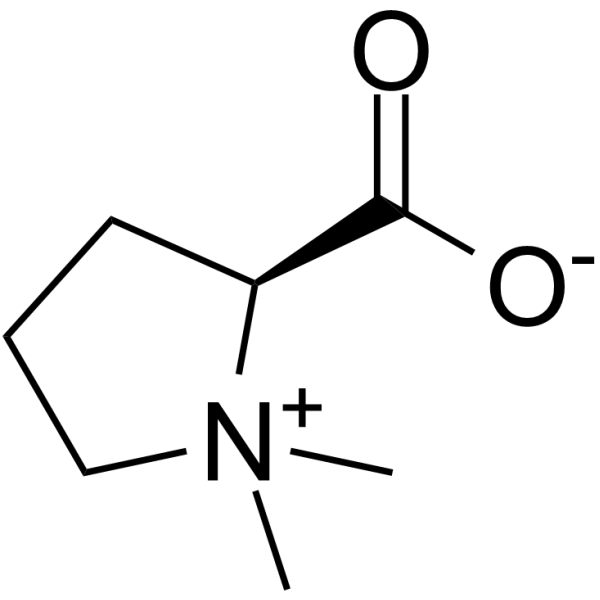
Stachydrine (Standard) is the analytical standard of Stachydrine. This product is intended for research and analytical applications. Stachydrine is a major constituent of Chinese herb leonurus heterophyllus sweet used to promote blood circulation and dispel blood stasis. Stachydrine can inhibit the NF-κB signal pathway.
|
-
-
- HY-N6992R
-
|
|
Reference Standards
Taste Receptor
|
Inflammation/Immunology
|
|
Dulcoside A (Standard) is the analytical standard of Dulcoside A. This product is intended for research and analytical applications. Dulcoside A is a glycoside that can be isolated from Stevia rebaudiana that elicits sweet and bitter taste through activation of TAS1R. Dulcoside A also exhibits anti-inflammatory activity .
|
-
-
- HY-W068214
-
|
Methyl-10-undecenoate
|
Environmental Pollutants
Biochemical Assay Reagents
|
Others
|
|
Methyl undec-10-enoate, which is an ester formed by the condensation of methanol and undec-10-enoic acid, is commonly used as a flavoring and fragrance in the food and cosmetic industries due to its sweet fruity smell and taste , in addition, its potential use in biofuel production and as a starting material for the synthesis of various organic compounds was investigated.
|
-
-
- HY-N6888R
-
|
|
Reference Standards
Drug Intermediate
|
Others
|
|
Rebaudioside E (Standard) is the analytical standard of Rebaudioside E. This product is intended for research and analytical applications. Rebaudioside E is a steviol glycoside and also a high-intensity sweetener. The sweetness of Rebaudioside E is 150-300 times that of sucrose. Rebaudioside E serves as a precursor for the biosynthesis of Rebaudioside D (HY-N0468) and Rebaudioside M (HY-N6833).
|
-
- HY-N1126
-
|
|
Others
|
Others
|
|
Trilobatin 2''-acetate is a sweet Dihydrochalcone-glucoside that can be isolated from the leaves of Lithocarpus pachyphyllus .
|
-
- HY-122530
-
|
|
Insecticide
|
Endocrinology
|
|
Juvocimene I is a potent juvenile hormone mimic. Juvocimene I can be isolated from the essential oil of sweet basil,Ocimum basilicum L .
|
-
- HY-W585933
-
|
Fru-Ala
|
Others
|
Others
|
|
Fructose-alanine, an amadori compound, is an aroma precursor that formed in the initial phase of the Maillard reaction (MR). Fructose-alanine can be isolated from tobacco, miso and white wine. Fructose-alanine significantly induces oxidative browning and correlates with Maillard product (furfuryl alcohol) with a roasted and sweet aroma. Fructose-alanine can be used for food industry and tobacco processing research .
|
-
- HY-117868
-
|
CP-Dpm-GA
|
Fluorescent Dye
|
Others
|
|
NC-174 is a super-strong guanidine compound that is sweeter than sucrose. NC-174 is more than 300,000 times sweeter than sucrose and has the potential to be a probe for sweet taste receptors .
|
-
- HY-W585933S
-
|
Fru-Ala-13C6
|
Isotope-Labeled Compounds
|
Others
|
|
Fructose-alanine- 13C6 is 13C labeled Fructose-alanine. Fructose-alanine, an amadori compound, is an aroma precursor that formed in the initial phase of the Maillard reaction (MR). Fructose-alanine can be isolated from tobacco, miso and white wine. Fructose-alanine significantly induces oxidative browning and correlates with Maillard product (furfuryl alcohol) with a roasted and sweet aroma. Fructose-alanine can be used for food industry and tobacco processing research .
|
-
- HY-114501
-
|
|
Parasite
|
Endocrinology
|
|
Z3-Dodecenyl E2-butenoate is a female sex pheromone produced by the sweet potato weevil, C. formicarius. It has been used to bait and trap male sweet potato weevils to manage population counts in agriculture fields with reduced use of insecticides.
|
-
- HY-N11976
-
|
|
Others
|
Others
|
|
Glycyrrhizin-6′′-methylester (compound 22) is a glycyrrhizin that can be isolated from licorice root. Glycyrrhizin-6′′-methylester can participate as an aglycone in the formation of methyl glucuronate, producing a sweet and licorice taste, but no bitterness. This reveals the importance of the free carboxyl group on the glycoside cone-bound glucuronic acid for natural sweetness and licorice taste .
|
-
- HY-N15373
-
|
(+)-Abrusoside A
|
Others
|
Others
|
|
Abrusoside A is a highly sweet triterpene glycoside isolated from the leaves of Abrus precatorius. Abrusoside A has potential application value as a sweetener .
|
-
- HY-N9311
-
|
|
Others
|
Others
|
|
2,3-Dihydroxy-4-methoxybenzoic acid is a compound isolated from extracted from sweet cherry fruits (Prunus avium) .
|
-
- HY-108271
-
|
|
Others
|
Metabolic Disease
Cancer
|
|
Mogroside III-A1 is a triterpenoid glycoside and a nonsugar sweetener. Mogrosides are sweeter than sucrose. Mogrosides exhibit antioxidant, antidiabetic and anticancer activities .
|
-
- HY-Y0418S4
-
-
- HY-Y0418S
-
-
- HY-Y0418R
-
|
Dulcitol (Standard); Melampyrit (Standard); NSC 1944 (Standard)
|
Reference Standards
Endogenous Metabolite
|
Others
|
|
Dulcite (Standard) is the analytical standard of Dulcite. This product is intended for research and analytical applications. Dulcite is a sugar alcohol with a slightly sweet taste which is a metabolic breakdown product of galactose.
|
-
- HY-W674057
-
|
|
Sex Pheromone
|
Endocrinology
|
|
(Z)-3-Dodecen-1-ol is an insect sex pheromone capable of attracting male sweet potato weevils (Cylas formicarius elegantulus) .
|
-
- HY-121362R
-
-
- HY-Y0418S3
-
-
- HY-Y0418S1
-
-
- HY-Y0418S2
-
-
- HY-B1882R
-
|
|
Endogenous Metabolite
Reference Standards
|
Others
|
|
Propazine (Standard) is the analytical standard of Propazine. This product is intended for research and analytical applications. Propazine is a triazine herbicide that effectively manages broad-leaved weeds and annual grasses in sweet sorghum cultivation.
|
-
- HY-E70399
-
|
5-Formiminotetrahydrofolate:L-glutamate N-formiminotransferase, FIGLU Enzymes; glutamate formimidoyltransferase
|
Biochemical Assay Reagents
|
Others
|
|
Formimino-L-glutamic acid Transferase can convert aminomethyleneglutamic acid FIGLU and tetrahydrofolate THF into L-glutamic acid and 5-formimino-THF .
|
-
- HY-119926A
-
|
Hydroxylupanine hydrochloride
|
Others
|
Cardiovascular Disease
Neurological Disease
|
|
13-Hydroxylupanine Hydroxylupanine is the typical alkaloid profile of sweet lupins. 13-Hydroxylupanine Hydroxylupanine blocks ganglionic transmission, decreases cardiac contractility and contracts uterine smooth muscle .
|
-
- HY-164370
-
|
|
Bacterial
|
Infection
|
|
Hesperidin dihydrochalcone is a non-toxic, high-sweetness, low-calorie sweetener. Hesperidin dihydrochalcone has many biological activities such as anti-oxidation, protection of liver and kidney, bacteriostasis and improvement of gastrointestinal tract .
|
-
- HY-106315
-
|
|
Cytochrome P450
|
Inflammation/Immunology
|
|
4-Ipomeanol is a pneumotoxin. 4-Ipomeanol can be produced by the common sweet potato, Ipomoea batatas, in the presence of Fusarium solani. 4-Ipomeanol can be bioactivated by CYP4B1 .
|
-
- HY-N15755
-
|
|
Bacterial
Fungal
|
Infection
|
|
Sepiumol A is a polyphenolic compound that can be isolated from the bark of Periploca sepium Bunge. Sepiumol A has antibacterial and antifungal activities. Sepiumol A can be added to e-cigarette liquid to exert antibacterial effects and reduce the sweetness and greasiness during smoking .
|
-
- HY-N6808R
-
|
|
Reference Standards
Others
|
Others
|
|
Rebaudioside B (Standard) is the analytical standard of Rebaudioside B. This product is intended for research and analytical applications. Rebaudioside B is the minor constituent isolated from the leaves of Stevia rebaudiana Bertoni. Rebaudioside B tastes about 150 times sweeter than sucrose .
|
-
- HY-N11975
-
|
|
Others
|
Others
|
|
Glycyrrhizin-6′,6′′-dimethylester (compound 23) is a licorice saponin isolated from licorice root. Glycyrrhizin-6′,6′′-dimethylester can participate as an aglycone in the generation of methyl glucuronate, producing similar threshold sweetness, licorice, and bitterness .
|
-
- HY-113319R
-
|
|
Reference Standards
Drug Intermediate
|
Cancer
|
|
β-D-Fructose, (Standard) is the analytical standard of β-D-Fructose (HY-113319R). This product is intended for research and analytical applications. β-D-Fructose is a monosaccharide. Derivatives synthesized using β-D-Fructose as the sugar backbone exhibit potent and selective antiproliferative activity against breast cancer MCF-7 cells .
|
-
- HY-W040141R
-
|
|
Reference Standards
Endogenous Metabolite
|
Metabolic Disease
|
|
L-Arabinitol (Standard) is the analytical standard of L-Arabinitol. This product is intended for research and analytical applications. L-Arabinitol is a potential biomarker for the comsuption of the food products such as sweet potato, deerberry, moth bean, and is also associated with Alzheimer's disease and ribose-5-phosphate isomerase deficiency.
|
-
- HY-N6945R
-
|
|
Reference Standards
Others
|
Metabolic Disease
Cancer
|
|
Mogroside IV (Standard) is the analytical standard of Mogroside IV. This product is intended for research and analytical applications. Mogroside IV, a triterpenoid glycoside isolated from the extracts of Luo Han Guo, is a nonsugar sweetener. Mogrosides are sweeter than sucrose. Mogrosides exhibit antioxidant, antidiabetic and anticancer activities .
|
-
- HY-W011053S
-
|
|
Isotope-Labeled Compounds
|
Others
|
|
(R)-Neotame-d3 is the deuterium labeled Neotame. Neotame is a derivative of Aspartame and is a low-caloric and high-intensity artificial sweetener that is 7000-13,000 times sweeter than sugar. Neotame is a non-nutritive sweetener and flavor enhancer that can be used in a variety of foods .
|
-
- HY-146567S
-
|
|
Isotope-Labeled Compounds
Endogenous Metabolite
|
Others
|
|
meso-Erythritol-d6 is the deuterium labeled meso-Erythritol (HY-100551). meso-Erythritol is a sugar alcohol that found in a variety of foods (e.g., pear, watermelon), is 60-80% as sweet as sucrose, and can be used as low-calorie sweetener food additives .
|
-
- HY-W017562S
-
|
|
Isotope-Labeled Compounds
|
Others
|
|
γ-Octalactone-d7 is deuterated labeled γ-Octalactone (HY-W017562). γ-Octalactone is an aromatic lactone compound. γ-Octalactone has a strong fruity (similar to coconut) aroma and a sweet taste, and is commonly used in food, cosmetics and fragrances. γ-Octalactone is highly safe.
|
-
- HY-W009684R
-
|
Ethyl dodecanoate (Standard)
|
Biochemical Assay Reagents
Reference Standards
|
Others
|
|
Ethyl Laurate (Standard) is the analytical standard of Ethyl Laurate. This product is intended for research and analytical applications. Ethyl Laurate is an organic compound commonly used as a flavoring and food additive. It can be used to make fruit, mint and sweet flavors, and is widely used in some food processing and cosmetic production. In addition, this compound is also used as a reagent and intermediate in some organic synthesis reactions.
|
-
- HY-N18788
-
|
|
Others
|
Inflammation/Immunology
|
|
Orange Sweet Oil is an intriguingly natural compound, deftly extracted from the vibrant zest of the citrus fruit. Revered for its multifaceted virtues, it stands steadfastly as a potent source of antioxidants and harbors profound anti-inflammatory prowess.
|
-
- HY-P2770A
-
-
- HY-E70932
-
|
|
Phosphatase
|
Metabolic Disease
|
|
Non-Prostatic Acid Phosphatase, Sweet Potato (EC 3.1.3.2), a type of enzyme, used to free attached phosphoryl groups from other molecules during digestion. Acid phosphatase is stored in lysosomes and functions when these fuse with endosomes, which are acidified while they function; therefore, it has an acid pH optimum. This enzyme is present in many animal and plant species.
|
-
- HY-132177J
-
|
|
Endogenous Metabolite
|
Metabolic Disease
|
|
α1-3,4 Fucosidase, Sweet almond is an enzyme that breaks down fucose. Fucosidosis is an autosomal recessive lysosomal storage disease caused by defective alpha-L-fucosidase with accumulation of fucose in the tissues.
|
-
- HY-W585888
-
|
|
Reactive Oxygen Species (ROS)
|
Others
|
|
Fructose-isoleucine, an amadori compound, is an aroma precursor that formed in the initial phase of the Maillard reaction (MR). Fructose-isoleucine can be isolated from tobacco. Fructose-isoleucine can be isolated from tobacco, miso and white wine. Fructose-isoleucine significantly induces oxidative browning and correlates Maillard product (such as Maltol, furaneol and 5-methyl furfural) with a roasted and sweet aroma. Fructose-isoleucine can be used for food industry and tobacco processing research .
|
-
- HY-W040279
-
|
|
Herbicide
Acetolactate Synthase (ALS)
|
Others
|
|
Prosulfuron is a fluorinated sulfonylurea herbicide with a reported acute oral LD50 of 546 mg/kg in female rats. Prosulfuron acts by inhibiting acetolactate synthase (ALS) to block the biosynthesis of branched-chain amino acids (valine, leucine and isoleucine) in plants, thereby suppressing weed growth. Prosulfuron may disrupt the soil microbial community balance in alkaline soils with minimal chemical degradation. Prosulfuron has low toxicity to humans and mammals, and can be used for the research of broadleaf weed control in maize and sweet corn .
|
-
- HY-N19793
-
|
|
Drug Derivative
|
Cardiovascular Disease
Metabolic Disease
|
|
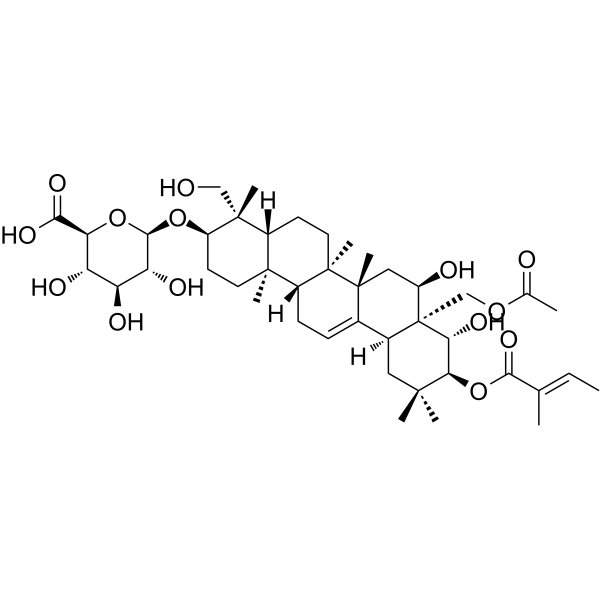
Derrisaponin B is an oleanane-type triterpenoid saponin and sweetener found in the stems of Derris eriocarpa How, with sweetness intensity approximately 2 times that of Sucrose (HY-B1779) at 1% concentration. Derrisaponin B exhibits sweet taste activity. Derrisaponin B can be used for research on hypertension, hyperglycemia, and obesity .
|
-
- HY-N19709
-
|
|
Others
|
Others
|
|
Abrusoside E is a cycloartane-type triterpene glycoside found in Abrus precatorius leaves. Abrusoside E is only arginally sweet .
|
-
- HY-W705592
-
-
- HY-N18366
-
|
|
Drug Derivative
|
Others
|
|
Dulcoside C is a rhamnose-containing steviol glycoside found in Stevia rebaudiana leaves.Dulcoside C exhibits significantly lower sweetness compared to Rebaudioside A (HY-N0466) .
|
-
- HY-N19887
-
|
|
Biochemical Assay Reagents
|
Others
|
|
Periandrin I is a triterpenoid glycoside. Periandrin I can be isolated from the roots of Periandra dulcis. Periandrin I acts as a sweetener, with a sweetness intensity comparable to that of Periandrin II, Periandrin IV and Glycyrrhizin (HY-N0184) .
|
-
- HY-N19783
-
|
|
Drug Derivative
|
Others
|
|
Carambolaside M acts as an ABTS radical cation scavenger. Carambolaside M scavenges ABTS radical cations. Carambolaside M is isolated from the fresh sweet fruits of Averrhoa carambola L., a plant belonging to the genus Averrhoa in the Oxalidaceae family .
|
-
- HY-N19857
-
|
|
Biochemical Assay Reagents
|
Cardiovascular Disease
Metabolic Disease
|
|
Millettiasaponin A is an oleanane-type triterpenoid saponin found in the stems of Derris eriocarpa and roots of Millettia speciosa. Millettiasaponin A is 150 times sweeter than Sucrose (HY-B1779) at 1% concentration. Millettiasaponin A can be used in research on hypertension and obesity. .
|
-
- HY-N18688
-
|
|
Others
|
Metabolic Disease
|
|
Gymnema sylvestre extract, derived from the leaves of the Gymnema sylvestre plant, is renowned for its anti-diabetic and blood sugar-regulating properties. The key active compounds in the extract are gymnemic acids, which are responsible for its ability to block the taste of sweetness and reduce sugar absorption in the intestines.
|
-
- HY-N19794
-
|
|
Drug Derivative
|
Cardiovascular Disease
Metabolic Disease
|
|
Derrisaponin A is an oleanane-type triterpenoid saponin and sweetener found in the stems of Derris eriocarpa, with sweetness intensity approximately 80 times that of Sucrose (HY-B1779) at 1% concentration. Derrisaponin A shows no acute toxic activity. Derrisaponin A can be used for research on hypertension, hyperglycemia, and obesity .
|
-
- HY-135873
-
|
|
Bacterial
|
Infection
|
|
Germacrene B is a central intermediate in sesquiterpene biosynthesis. Germacrene B has been ascribed a warm, sweet, woody-spicy, geranium-like odour and is an important flavour constituent of lime peel oil. Germacrene B is also one of the main constituents of the essential oils from different plants that have antibacterial activity.
|
-
- HY-N18729
-
|
|
Others
|
Others
|
|
Stevia rebaudiana extract is derived from the leaves of the stevia plant. Its active ingredients are steviol glycosides, primarily steviol glycosides and rebaudioside A, which give stevia its extremely high sweetness. Stevia rebaudiana extract is used as a natural, zero-calorie sweetener in various foods and beverages, serving as an alternative to sucrose and artificial sweeteners.
|
-
- HY-N9752
-
|
|
EBV
|
Infection
|
|
Mogroside II B is a cucurbitane-type glycoside with a sweet taste in water. Mogroside II B inhibits the activation of Epstein Barr virus early antigen (EBV-EA) induced by Phorbol 12-myristate 13-acetate (TPA) (HY-18739). Mogroside II B exerts weak inhibitory effects on the activation of the nitric oxide (NO) donor (NOR1) .
|
-
- HY-N6833
-
|
|
Others
|
Metabolic Disease
Inflammation/Immunology
Cancer
|
|
Rebaudioside M, a glycoside of the ent-kaurene diterpenoid aglycone, is a non-calorie sweetener isolated from Stevia rebaudiana. Rebaudioside M has antidiabetics, antihypertension, anti-inflammatory, antioxidant, anticaries and anticancer benefits. Rebaudioside M is more than 350 times sweeter than sucrose. Rebaudioside M can be used in food and beverage .
|
-
- HY-N2459R
-
|
YGM-6 chloride (Standard)
|
Reference Standards
Interleukin Related
|
Neurological Disease
Inflammation/Immunology
Cancer
|
|
Peonidin (YGM-6) chloride Standard is the analytical standard of Peonidin chloride (HY-N2459). This product is intended for research and analytical applications. Peonidin chloride is an anthocyanin compound found in plants such as grapes and purple-fleshed sweet potatoes. Peonidin chloride alone exerts no stable inhibitory effect on LPS (HY-D1056)-mediated inflammatory gene expression. The acylated form of Peonidin chloride exhibits antimutagenic activity.
|
-
- HY-139338
-
Erlose
1 Publications Verification
|
Glycosidase
|
Others
|
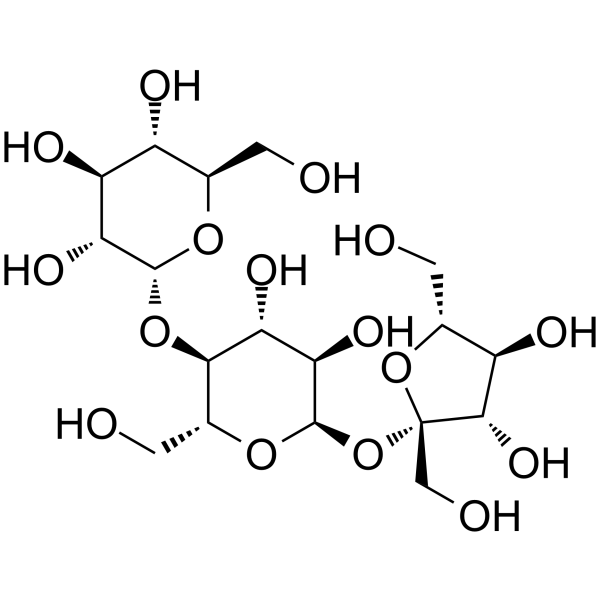
Erlose is a trisaccharide sucrose derivative and low-calorie sweetener synthesized from glucose and sucrose via an α-glucosidase-mediated transglycosylation reaction. Erlose is often used as a marker to identify whether honey is adulterated with artificial sucrose. Erlose has approximately half the sweetness of sucrose but a similar taste, and it effectively inhibits crystal formation and browning reactions during food heat treatment .
|
-
- HY-W099995
-
|
|
Environmental Pollutants
Biochemical Assay Reagents
|
Others
|
|
2-Phenylethyl propionate is an aromatic compound with sweet, fruity and floral notes, which acts as an insect attractant. 2-Phenylethyl propionate is widely used in cosmetics such as perfumes, shampoos and soaps, as well as non-cosmetic products including detergents and household cleaners. 2-Phenylethyl propionate has been granted GRAS (Generally Recognized As Safe) certification by the U.S. Food and Drug Administration .
|
-
- HY-W076441
-
|
Ethyl (S)-3-hydroxybutyrate
|
Biochemical Assay Reagents
|
Others
|
|
Ethyl (S)-3-hydroxybutanoate, also known as (S)-ethyl lactate, which is an ester formed by the condensation of ethanol and (S)-3-hydroxybutanoate, is known for its fruity, sweet smell and taste , which are commonly used as flavoring agents and fragrances in the food and cosmetic industries, and in addition, its potential use as a starting material for the synthesis of various organic compounds, including pharmaceuticals and agrochemicals, has been investigated.
|
-
- HY-W127403
-
|
Cholesteryl trans-9-octadecenoate
|
Biochemical Assay Reagents
|
Others
|
|
Cholesteryl elaidate is an organic compound belonging to the class of esters. It is formed from the reaction between cholesterol and elaidic acid, producing a white crystalline solid with a mildly sweet taste. Cholesteryl elaidate has several applications in the pharmaceutical industry, particularly as a bioactive compound with potential research potential for improving a range of medical conditions, such as high cholesterol and inflammation-related diseases. Additionally, it has potential applications as a food additive to improve texture and stability.
|
-
- HY-W099644
-
|
Ethyl erucate
|
Biochemical Assay Reagents
|
Others
|
|
Ethyl docos-13-enoate is a colorless or pale yellow liquid with a sweet floral aroma, used as a flavoring agent in the food industry and as a flavor enhancer in perfumes and colognes. It is also found in some vegetable oils and is used as a surfactant and emulsifier in personal care products. Ethyl docos-13-enoate is a versatile compound used in various industries due to its pleasant odor and ability to mix ingredients together.
|
-
- HY-W015912
-
|
2-Furyl methyl ketone
|
Drug Intermediate
|
Infection
|
|
2-Acetylfuran (2-Furyl methyl ketone), an important flavour compound or intermediate in foods, is isolated from essential oils, sweet corn products, fruits and flowers. 2-Acetylfuran also can be formed from glucose and glycine by Maillard reaction. 2-Acetylfuran can be used to synthesis Cefuroxime. 2-acetylfuran can be used in the synthesis of reagents with antiamoebic activity .
|
-
- HY-W105359
-
|
ω-Decen-1-ol
|
Environmental Pollutants
Biochemical Assay Reagents
|
Others
|
|
9-Decen-1-ol has a fatty odour. This compound is used in the flavor and fragrance industry for its pleasant smell, which is often described as sweet, floral and fruity. It can also be used as an intermediate in the synthesis of various organic compounds, including medicine, agricultural chemicals and polymer materials. Its unique chemical properties make it an important ingredient in many commercial products, including soaps, detergents and cosmetics.
|
-
- HY-W011053GL
-
|
|
Taste Receptor
Apoptosis
Drug Derivative
|
Metabolic Disease
|
|
Neotame (GMP Like) is the GMP Like class Neotame (HY-W011053) that can be used as pharmaceutical excipients. Neotame is a derivative of Aspartame (HY-B0361) and is a flavor enhancer and low-caloric, non-nutritive, high-intensity artificial sweetener that is 7000-13,000 times sweeter than sugar. Neotame causes intestinal epithelial cell death at high concentrations. Neotame induces Apoptosis of Caco-2 cells .
|
-
- HY-W015912R
-
|
2-Furyl methyl ketone (Standard)
|
Reference Standards
Others
|
Others
|
|
2-Acetylfuran (Standard) is the analytical standard of 2-Acetylfuran. This product is intended for research and analytical applications. 2-Acetylfuran (2-Furyl methyl ketone), an important flavour compound or intermediate in foods, is isolated from essential oils, sweet corn products, fruits and flowers. 2-Acetylfuran also can be formed from glucose and glycine by Maillard reaction. 2-Acetylfuran can be used to synthesis Cefuroxime .
|
-
- HY-W011053R
-
|
|
Apoptosis
Drug Derivative
Reference Standards
|
Metabolic Disease
|
|
Neotame (Standard) is the analytical standard of Neotame (HY-W011053). This product is intended for research and analytical applications. Neotame is a derivative of Aspartame (HY-B0361) and is a flavor enhancer and low-caloric, non-nutritive, high-intensity artificial sweetener that is 7000-13,000 times sweeter than sugar. Neotame causes intestinal epithelial cell death at high concentrations. Neotame induces Apoptosis of Caco-2 cells .
|
-
- HY-B1876
-
|
|
Environmental Pollutants
Acetolactate Synthase (ALS)
|
Others
|
|
Nicosulfuron is efficient, harmless, antifungal and selective herbicide belonging to the sulfonylurea family. Nicosulfuron is also a photosynthetic system inhibitor and inhibits acetolactate synthase (ALS) enzyme activity. Nicosulfuron degradation by Plectosphaerella cucumerina AR1 is glucose concentration dependent in planktonic lifestyle. Nicosulfuron enhances the glycolysis pathway and tricarboxylic acid cycle to improve the adaptability of sweet maize. Nicosulfuron reduces the synthesis of branched-chain amino acids (BCAAs), which is proming for maize cultivation .
|
-
- HY-N16684
-
|
|
P-glycoprotein
|
Cancer
|
|
Clausarin is a selective inhibitor of P-glycoprotein (P-gp), inhibiting P-gp-mediated drug efflux. Clausarin significantly inhibits Daunorubicin (HY-13062A) efflux in K562/R7 human leukemia cells overexpressing P-gp (with Cyclosporin A (HY-B0579) as a positive control). Clausarin can be naturally extracted from the roots of Citrus sinensis (sweet orange) and can be used in research related to overcoming multidrug resistance (MDR) in tumors .
|
-
- HY-N2541
-
|
|
Taste Receptor
mTOR
Autophagy
Apoptosis
|
Metabolic Disease
|
|
Gymnemic acid I is a bioactive triterpene saponin found in Gymnema sylvestre. Gymnemic acid I is an antisweetness inhibitor via human sweet receptor type 1 receptor 2 (T1R2) and T1R3. Gymnemic acid I is a ribosomal protein biosynthesis inhibitor. Gymnemic acid I has antidiabetic effects. Gymnema acid I induces autophagy-protected MIN-6 cells from apoptosis under high glucose stress by inhibiting the phosphorylation activity of mTOR .
|
-
- HY-W021008
-
|
Dimethylhydroxyfuranone
|
Fungal
|
Infection
|
|
Sotolone (Dimethylhydroxyfuranone) is an activator of the human olfactory receptor OR8D1. Sotolone activates the human olfactory receptor OR8D1, with EC50 values of 84.98 μM and 167.2 μM for its S-enantiomer and R-enantiomer, respectively. Sotolone has unique aroma profiles: (R)-sotolone exhibits smoky, burnt, herbal and grassy notes; (S)-sotolone presents sweet, milky, sour and nutty notes. Sotolone also acts as an antifungal agent, showing moderate inhibitory activity against Magnaporthe oryzae in vitro .
|
-
- HY-117215
-
|
|
Environmental Pollutants
Biochemical Assay Reagents
|
Others
|
|
Beta-Ocimene is a naturally occurring organic compound that belongs to the terpene family. It exists as a mixture of three isomers: cis β-Ocimene, trans β-Ocimene and myrcene-like β-Ocimene. It has a pleasant, sweet herbaceous scent and is found in many plants, including mint, basil, parsley, and kumquat. β-Ocimene is widely used in the flavor and fragrance industry due to its characteristic aroma and taste. It also has potential applications in agriculture as natural insect repellants and pheromones that attract beneficial insects. β-Ocimene has potential anti-inflammatory and anticancer activities.
|
-
- HY-W142618
-
|
|
Biochemical Assay Reagents
|
Others
|
|
D-Glucal is an organic compound belonging to the family of aldoses, which are monosaccharides containing an aldehyde functional group. It has a six-carbon structure and is derived from glucose by oxidation of the primary alcohol group at carbon 1 to an aldehyde group. D-Glucal is a white crystalline solid that is soluble in water and has a sweet taste. It is an important intermediate in the chemical synthesis of a wide variety of compounds, including pharmaceuticals, agrochemicals, and natural products. D-Glucal can be converted into other carbohydrate derivatives such as glycosides, glycoconjugates and amino sugars. It also plays a role in the study of carbohydrate chemistry, where it is used as a chiral building block for the synthesis of complex structures.
|
-
- HY-W021008S
-
|
Dimethylhydroxyfuranone-d2
|
Isotope-Labeled Compounds
Fungal
|
Infection
|
|
Sotolone-d2 (Dimethylhydroxyfuranone-d2) is deuterated labeled Sotolone. Sotolone is an activator of the human olfactory receptor OR8D1. Sotolone activates the human olfactory receptor OR8D1, with EC50 values of 84.98 μM and 167.2 μM for its S-enantiomer and R-enantiomer, respectively. Sotolone has unique aroma profiles: (R)-sotolone exhibits smoky, burnt, herbal and grassy notes; (S)-sotolone presents sweet, milky, sour and nutty notes. Sotolone also acts as an antifungal agent, showing moderate inhibitory activity against Magnaporthe oryzae in vitro .
|
-
- HY-B1390A
-
|
|
Environmental Pollutants
Bacterial
|
Infection
|
|
Saccharin sodium is an orally active, non-caloric artificial sweetener (NAS). Saccharin sodium has bacteriostatic and microbiome-modulating properties. Saccharin binds to and signals via specific taste receptors, not only in the oral cavity but also alongside the gastrointestinal tract. Saccharin has been reported to bind the human and rodent heteromeric guanine nucleotide-binding protein (G protein) coupled sweet taste receptors T1R2/T2R3 as well as the human bitter taste receptor T2R43 and T2R44. Saccharin can inhibit bacterial growth in vitro .
|
-
- HY-N0466R
-
|
|
Reference Standards
Glycosidase
HMG-CoA Reductase (HMGCR)
Fatty Acid Synthase (FASN)
LDLR
|
Others
|
|
Rebaudioside A (Standard) is the analytical standard of Rebaudioside A. This product is intended for research and analytical applications. Rebaudioside A is an orally effective steviol glycoside with high sweetness. Rebaudioside A acts as an inhibitor of α-glucosidase with an IC50 value of 35.01 μg/mL. Rebaudioside A increases the ATP/ADP ratio in β cells in a glucose-dependent manner, thereby inhibiting KATP channels, leading to membrane depolarization, calcium influx, and ultimately stimulating insulin secretion. Rebaudioside A activates the SREBP signaling pathway by inhibiting HMGCR, the rate-limiting enzyme in cholesterol synthesis, resulting in increased expression of LDLR on the cell surface, thus promoting the uptake of LDL-C in the blood. Rebaudioside A can be used for studies on blood glucose and lipid regulation as well as anti-obesity.
|
-
- HY-B1390AR
-
|
|
Bacterial
Reference Standards
|
Infection
|
|
Saccharin (sodium) (Standard) is the analytical standard of Saccharin (sodium). This product is intended for research and analytical applications. Saccharin sodium is an orally active, non-caloric artificial sweetener (NAS). Saccharin sodium has bacteriostatic and microbiome-modulating properties. Saccharin binds to and signals via specific taste receptors, not only in the oral cavity but also alongside the gastrointestinal tract. Saccharin has been reported to bind the human and rodent heteromeric guanine nucleotide-binding protein (G protein) coupled sweet taste receptors T1R2/T2R3 as well as the human bitter taste receptor T2R43 and T2R44. Saccharin can inhibit bacterial growth in vitro .
|
-
- HY-N19934
-
|
|
|
Others
|
|
Protogenkwanin 4'-glucoside is a flavonoid glucoside that can be found in the fertile sprouts of Equisetum arvense L. .
|
-
- HY-W753209
-
|
|
Herbicide
HPPD
|
Others
|
|
Tolpyralate is a selective post-emergence herbicide and corn Herbicide. Tolpyralate inhibits 4-HPPD. Tolpyralate exhibits herbicidal activity against a variety of weeds, including the glyphosate-resistant weed Amaranthus tuberculatus .
|
-
| Cat. No. |
Product Name |
Type |
-
- HY-W011053GL
-
|
|
Fluorescent Dye
|
|
Neotame (GMP Like) is the GMP Like class Neotame (HY-W011053) that can be used as pharmaceutical excipients. Neotame is a derivative of Aspartame (HY-B0361) and is a flavor enhancer and low-caloric, non-nutritive, high-intensity artificial sweetener that is 7000-13,000 times sweeter than sugar. Neotame causes intestinal epithelial cell death at high concentrations. Neotame induces Apoptosis of Caco-2 cells .
|
| Cat. No. |
Product Name |
Type |
-
- HY-117215
-
|
|
Biochemical Assay Reagents
|
|
Beta-Ocimene is a naturally occurring organic compound that belongs to the terpene family. It exists as a mixture of three isomers: cis β-Ocimene, trans β-Ocimene and myrcene-like β-Ocimene. It has a pleasant, sweet herbaceous scent and is found in many plants, including mint, basil, parsley, and kumquat. β-Ocimene is widely used in the flavor and fragrance industry due to its characteristic aroma and taste. It also has potential applications in agriculture as natural insect repellants and pheromones that attract beneficial insects. β-Ocimene has potential anti-inflammatory and anticancer activities.
|
-
- HY-W022036
-
|
Guaethol; Guethol; NSC 180
|
Biochemical Assay Reagents
|
|
2-Ethoxyphenol, also known as guaiacol ethyl ether, consists of a phenolic ring and an ethoxy group connected to the 2-position. The compound has a sweet, smoky flavor and is commonly used as a flavoring in foods such as baked goods, candy and beverages.
|
-
- HY-W236261
-
|
ATEE
|
Biochemical Assay Reagents
|
|
N-Acetyl-L-tyrosine ethyl ester (ATEE) is a compound commonly used as a food flavoring and supplement. It is an ester of tyrosine, an amino acid found in many proteins. N-Acetyl-L-tyrosine ethyl ester is sweet, nutty and caramelized and is commonly used to enhance the flavor of baked goods, dairy products and beverages. Potential health benefits of N-Acetyl-L-tyrosine ethyl ester include its antioxidant properties and ability to improve cognitive function.
|
-
- HY-W076441
-
|
Ethyl (S)-3-hydroxybutyrate
|
Biochemical Assay Reagents
|
|
Ethyl (S)-3-hydroxybutanoate, also known as (S)-ethyl lactate, which is an ester formed by the condensation of ethanol and (S)-3-hydroxybutanoate, is known for its fruity, sweet smell and taste , which are commonly used as flavoring agents and fragrances in the food and cosmetic industries, and in addition, its potential use as a starting material for the synthesis of various organic compounds, including pharmaceuticals and agrochemicals, has been investigated.
|
-
- HY-W105359
-
|
ω-Decen-1-ol
|
Biochemical Assay Reagents
|
|
9-Decen-1-ol has a fatty odour. This compound is used in the flavor and fragrance industry for its pleasant smell, which is often described as sweet, floral and fruity. It can also be used as an intermediate in the synthesis of various organic compounds, including medicine, agricultural chemicals and polymer materials. Its unique chemical properties make it an important ingredient in many commercial products, including soaps, detergents and cosmetics.
|
-
- HY-W099644
-
|
Ethyl erucate
|
Biochemical Assay Reagents
|
|
Ethyl docos-13-enoate is a colorless or pale yellow liquid with a sweet floral aroma, used as a flavoring agent in the food industry and as a flavor enhancer in perfumes and colognes. It is also found in some vegetable oils and is used as a surfactant and emulsifier in personal care products. Ethyl docos-13-enoate is a versatile compound used in various industries due to its pleasant odor and ability to mix ingredients together.
|
-
- HY-W142618
-
|
|
Biochemical Assay Reagents
|
|
D-Glucal is an organic compound belonging to the family of aldoses, which are monosaccharides containing an aldehyde functional group. It has a six-carbon structure and is derived from glucose by oxidation of the primary alcohol group at carbon 1 to an aldehyde group. D-Glucal is a white crystalline solid that is soluble in water and has a sweet taste. It is an important intermediate in the chemical synthesis of a wide variety of compounds, including pharmaceuticals, agrochemicals, and natural products. D-Glucal can be converted into other carbohydrate derivatives such as glycosides, glycoconjugates and amino sugars. It also plays a role in the study of carbohydrate chemistry, where it is used as a chiral building block for the synthesis of complex structures.
|
-
- HY-W127489
-
|
|
Biochemical Assay Reagents
|
|
3-PentadecylphenolIt is an organic compound belonging to the phenolic class. It is attached to the phenolic ring by 15Carbon pentadecyl chain composition, with a touch of sweetness.3-Pentadecylphenol has various applications in the chemical and pharmaceutical industries, especially as an intermediate in the synthesis of various chemicals and pharmaceuticals. In addition, it can be used as an antioxidant for plastics and rubber.
|
-
- HY-W009684
-
|
Ethyl dodecanoate
|
Biochemical Assay Reagents
|
|
Ethyl Laurate is an organic compound commonly used as a flavoring and food additive. It can be used to make fruit, mint and sweet flavors, and is widely used in some food processing and cosmetic production. In addition, this compound is also used as a reagent and intermediate in some organic synthesis reactions.
|
-
- HY-113146
-
|
Oct-2-enal
|
Biochemical Assay Reagents
|
|
2-Octenal is an unsaturated aldehyde commonly found in essential oils of various plants, especially citrus fruits. 2-Octenal has unique chemical properties that make it an important ingredient in many applications where a strong, sweet and fruity aroma is desired. It is commonly used as a flavoring agent in food and beverages, and as a fragrance in perfumes, soaps, and cosmetics.
|
-
- HY-W017567
-
|
trans-2-Hexenoic Acid Ethyl Ester
|
Biochemical Assay Reagents
|
|
Ethyl (E)-2-hexenoate consists of a six-carbon chain with a double bond between the 2nd and 3rd carbon atoms, an ethyl ester group attached to the 1st carbon atom, and a A methyl group connected by 4 carbon atoms. This compound has a fruity, sweet or floral aroma and is commonly used as a flavoring in foods such as baked goods, confectionary and beverages.
|
-
- HY-W127403
-
|
Cholesteryl trans-9-octadecenoate
|
Biochemical Assay Reagents
|
|
Cholesteryl elaidate is an organic compound belonging to the class of esters. It is formed from the reaction between cholesterol and elaidic acid, producing a white crystalline solid with a mildly sweet taste. Cholesteryl elaidate has several applications in the pharmaceutical industry, particularly as a bioactive compound with potential research potential for improving a range of medical conditions, such as high cholesterol and inflammation-related diseases. Additionally, it has potential applications as a food additive to improve texture and stability.
|
-
- HY-W068214
-
|
Methyl-10-undecenoate
|
Biochemical Assay Reagents
|
|
Methyl undec-10-enoate, which is an ester formed by the condensation of methanol and undec-10-enoic acid, is commonly used as a flavoring and fragrance in the food and cosmetic industries due to its sweet fruity smell and taste , in addition, its potential use in biofuel production and as a starting material for the synthesis of various organic compounds was investigated.
|
-
- HY-W011053GL
-
|
|
Biochemical Assay Reagents
|
|
Neotame (GMP Like) is the GMP Like class Neotame (HY-W011053) that can be used as pharmaceutical excipients. Neotame is a derivative of Aspartame (HY-B0361) and is a flavor enhancer and low-caloric, non-nutritive, high-intensity artificial sweetener that is 7000-13,000 times sweeter than sugar. Neotame causes intestinal epithelial cell death at high concentrations. Neotame induces Apoptosis of Caco-2 cells .
|
-
- HY-113319R
-
|
|
Biochemical Assay Reagents
|
|
β-D-Fructose, (Standard) is the analytical standard of β-D-Fructose (HY-113319R). This product is intended for research and analytical applications. β-D-Fructose is a monosaccharide. Derivatives synthesized using β-D-Fructose as the sugar backbone exhibit potent and selective antiproliferative activity against breast cancer MCF-7 cells .
|
-
- HY-W009684R
-
|
Ethyl dodecanoate (Standard)
|
Biochemical Assay Reagents
|
|
Ethyl Laurate (Standard) is the analytical standard of Ethyl Laurate. This product is intended for research and analytical applications. Ethyl Laurate is an organic compound commonly used as a flavoring and food additive. It can be used to make fruit, mint and sweet flavors, and is widely used in some food processing and cosmetic production. In addition, this compound is also used as a reagent and intermediate in some organic synthesis reactions.
|
| Cat. No. |
Product Name |
Category |
Target |
Chemical Structure |
-
- HY-N0298
-
-
-
- HY-N0466
-
-
-
- HY-100551
-
-
-
- HY-N6833
-
-
-
- HY-139338
-
-
-
- HY-N0467
-
-
-
- HY-N6808
-
-
-
- HY-N2541
-
-
-
- HY-N8377
-
-
-
- HY-N2456
-
-
-
- HY-N6942
-
-
-
- HY-N6992
-
-
-
- HY-N2459
-
-
-
- HY-N6887
-
-
-
- HY-W040141
-
-
-
- HY-W015912
-
|
2-Furyl methyl ketone
|
Microorganisms
Source Classification
|
Drug Intermediate
|
|
2-Acetylfuran (2-Furyl methyl ketone), an important flavour compound or intermediate in foods, is isolated from essential oils, sweet corn products, fruits and flowers. 2-Acetylfuran also can be formed from glucose and glycine by Maillard reaction. 2-Acetylfuran can be used to synthesis Cefuroxime. 2-acetylfuran can be used in the synthesis of reagents with antiamoebic activity .
|
-
-
- HY-N6814
-
-
-
- HY-108275
-
-
-
- HY-N6854
-
-
-
- HY-N6853
-
-
-
- HY-108272
-
-
-
- HY-W540600
-
-
-
- HY-100551R
-
-
-
- HY-N6833R
-
-
-
- HY-N7438
-
-
-
- HY-W016979
-
-
-
- HY-W016979R
-
-
-
- HY-N12216
-
-
-
- HY-N6855
-
-
-
- HY-N6945
-
-
-
- HY-W017562
-
-
-
- HY-N0298R
-
-
-
- HY-N6992R
-
-
-
- HY-N6888R
-
-
-
- HY-N0466R
-
|
|
Structural Classification
Trifolium hybridum L.
Terpenoids
Diterpenoids
Plants
Compositae
Endogenous metabolite
Source Classification
|
Reference Standards
Glycosidase
HMG-CoA Reductase (HMGCR)
Fatty Acid Synthase (FASN)
LDLR
|
|
Rebaudioside A (Standard) is the analytical standard of Rebaudioside A. This product is intended for research and analytical applications. Rebaudioside A is an orally effective steviol glycoside with high sweetness. Rebaudioside A acts as an inhibitor of α-glucosidase with an IC50 value of 35.01 μg/mL. Rebaudioside A increases the ATP/ADP ratio in β cells in a glucose-dependent manner, thereby inhibiting KATP channels, leading to membrane depolarization, calcium influx, and ultimately stimulating insulin secretion. Rebaudioside A activates the SREBP signaling pathway by inhibiting HMGCR, the rate-limiting enzyme in cholesterol synthesis, resulting in increased expression of LDLR on the cell surface, thus promoting the uptake of LDL-C in the blood. Rebaudioside A can be used for studies on blood glucose and lipid regulation as well as anti-obesity.
|
-
-
- HY-N1126
-
-
-
- HY-122530
-
-
-
- HY-N11976
-
|
|
Glycyrrhiza glabra Linn.
Leguminosae
Ketones, Aldehydes, Acids
Plants
Source Classification
|
Others
|
|
Glycyrrhizin-6′′-methylester (compound 22) is a glycyrrhizin that can be isolated from licorice root. Glycyrrhizin-6′′-methylester can participate as an aglycone in the formation of methyl glucuronate, producing a sweet and licorice taste, but no bitterness. This reveals the importance of the free carboxyl group on the glycoside cone-bound glucuronic acid for natural sweetness and licorice taste .
|
-
-
- HY-N15373
-
-
-
- HY-108271
-
-
-
- HY-Y0418R
-
-
-
- HY-W674057
-
-
-
- HY-121362R
-
-
-
- HY-119926A
-
-
-
- HY-N15755
-
-
-
- HY-N6808R
-
-
-
- HY-N11975
-
-
-
- HY-113319R
-
-
-
- HY-W040141R
-
-
-
- HY-N6945R
-
-
- HY-N2459R
-
-
- HY-W015912R
-
|
2-Furyl methyl ketone (Standard)
|
Microorganisms
Source Classification
|
Reference Standards
Others
|
|
2-Acetylfuran (Standard) is the analytical standard of 2-Acetylfuran. This product is intended for research and analytical applications. 2-Acetylfuran (2-Furyl methyl ketone), an important flavour compound or intermediate in foods, is isolated from essential oils, sweet corn products, fruits and flowers. 2-Acetylfuran also can be formed from glucose and glycine by Maillard reaction. 2-Acetylfuran can be used to synthesis Cefuroxime .
|
-
- HY-N18788
-
|
|
Structural Classification
Extract
|
Others
|
|
Orange Sweet Oil is an intriguingly natural compound, deftly extracted from the vibrant zest of the citrus fruit. Revered for its multifaceted virtues, it stands steadfastly as a potent source of antioxidants and harbors profound anti-inflammatory prowess.
|
-
- HY-N18700
-
-
- HY-N19793
-
-
- HY-N19709
-
-
- HY-N18366
-
-
- HY-N19887
-
-
- HY-N19783
-
-
- HY-N19857
-
-
- HY-N18688
-
|
|
Structural Classification
Extract
|
Others
|
|
Gymnema sylvestre extract, derived from the leaves of the Gymnema sylvestre plant, is renowned for its anti-diabetic and blood sugar-regulating properties. The key active compounds in the extract are gymnemic acids, which are responsible for its ability to block the taste of sweetness and reduce sugar absorption in the intestines.
|
-
- HY-N19794
-
-
- HY-135873
-
-
- HY-N18729
-
|
|
Structural Classification
Extract
|
Others
|
|
Stevia rebaudiana extract is derived from the leaves of the stevia plant. Its active ingredients are steviol glycosides, primarily steviol glycosides and rebaudioside A, which give stevia its extremely high sweetness. Stevia rebaudiana extract is used as a natural, zero-calorie sweetener in various foods and beverages, serving as an alternative to sucrose and artificial sweeteners.
|
-
- HY-N9752
-
-
- HY-N16684
-
-
- HY-W021008
-
|
Dimethylhydroxyfuranone
|
Structural Classification
Natural Products
Grona styracifolia (Osbeck) H. Ohashi & K. Ohashi
Plants
Fabaceae
Source Classification
|
Fungal
|
|
Sotolone (Dimethylhydroxyfuranone) is an activator of the human olfactory receptor OR8D1. Sotolone activates the human olfactory receptor OR8D1, with EC50 values of 84.98 μM and 167.2 μM for its S-enantiomer and R-enantiomer, respectively. Sotolone has unique aroma profiles: (R)-sotolone exhibits smoky, burnt, herbal and grassy notes; (S)-sotolone presents sweet, milky, sour and nutty notes. Sotolone also acts as an antifungal agent, showing moderate inhibitory activity against Magnaporthe oryzae in vitro .
|
-
- HY-N19934
-
-
| Cat. No. |
Product Name |
Chemical Structure |
-
- HY-N0298S
-
|
|
|
Stachydrine-d6 is a deuterated labeled Stachydrine (HY-N0298). Stachydrine is a major constituent of Chinese herb leonurus heterophyllus sweet used to promote blood circulation and dispel blood stasis. Stachydrine can inhibit the NF-κB signal pathway .
|
-
-
- HY-W585933S
-
|
|
|
Fructose-alanine- 13C6 is 13C labeled Fructose-alanine. Fructose-alanine, an amadori compound, is an aroma precursor that formed in the initial phase of the Maillard reaction (MR). Fructose-alanine can be isolated from tobacco, miso and white wine. Fructose-alanine significantly induces oxidative browning and correlates with Maillard product (furfuryl alcohol) with a roasted and sweet aroma. Fructose-alanine can be used for food industry and tobacco processing research .
|
-
-
- HY-Y0418S4
-
|
|
|
Dulcite-d2 is the deuterium labeled Dulcite. Dulcite is a sugar alcohol with a slightly sweet taste which is a metabolic breakdown product of galact .
|
-
-
- HY-Y0418S
-
|
|
|
Dulcite- 13C is the 13C labeled Dulcite. Dulcite is a sugar alcohol with a slightly sweet taste which is a metabolic breakdown product of galact .
|
-
-
- HY-Y0418S3
-
|
|
|
Dulcite- 13C-3 is the 13C labeled Dulcite. Dulcite is a sugar alcohol with a slightly sweet taste which is a metabolic breakdown product of galact .
|
-
-
- HY-Y0418S1
-
|
|
|
Dulcite- 13C-1 is the 13C labeled Dulcite. Dulcite is a sugar alcohol with a slightly sweet taste which is a metabolic breakdown product of galact .
|
-
-
- HY-Y0418S2
-
|
|
|
Dulcite- 13C-2 is the 13C labeled Dulcite. Dulcite is a sugar alcohol with a slightly sweet taste which is a metabolic breakdown product of galact .
|
-
-
- HY-W011053S
-
|
|
|
(R)-Neotame-d3 is the deuterium labeled Neotame. Neotame is a derivative of Aspartame and is a low-caloric and high-intensity artificial sweetener that is 7000-13,000 times sweeter than sugar. Neotame is a non-nutritive sweetener and flavor enhancer that can be used in a variety of foods .
|
-
-
- HY-146567S
-
|
|
|
meso-Erythritol-d6 is the deuterium labeled meso-Erythritol (HY-100551). meso-Erythritol is a sugar alcohol that found in a variety of foods (e.g., pear, watermelon), is 60-80% as sweet as sucrose, and can be used as low-calorie sweetener food additives .
|
-
-
- HY-W017562S
-
|
|
|
γ-Octalactone-d7 is deuterated labeled γ-Octalactone (HY-W017562). γ-Octalactone is an aromatic lactone compound. γ-Octalactone has a strong fruity (similar to coconut) aroma and a sweet taste, and is commonly used in food, cosmetics and fragrances. γ-Octalactone is highly safe.
|
-
-
- HY-W021008S
-
|
|
|
Sotolone-d2 (Dimethylhydroxyfuranone-d2) is deuterated labeled Sotolone. Sotolone is an activator of the human olfactory receptor OR8D1. Sotolone activates the human olfactory receptor OR8D1, with EC50 values of 84.98 μM and 167.2 μM for its S-enantiomer and R-enantiomer, respectively. Sotolone has unique aroma profiles: (R)-sotolone exhibits smoky, burnt, herbal and grassy notes; (S)-sotolone presents sweet, milky, sour and nutty notes. Sotolone also acts as an antifungal agent, showing moderate inhibitory activity against Magnaporthe oryzae in vitro .
|
-
| Cat. No. |
Product Name |
Target |
Research Areas |
Chemical Structure |
-
- HY-W011053GL
-
|
|
Taste Receptor
Apoptosis
Drug Derivative
|
Metabolic Disease
|
|
Neotame (GMP Like) is the GMP Like class Neotame (HY-W011053) that can be used as pharmaceutical excipients. Neotame is a derivative of Aspartame (HY-B0361) and is a flavor enhancer and low-caloric, non-nutritive, high-intensity artificial sweetener that is 7000-13,000 times sweeter than sugar. Neotame causes intestinal epithelial cell death at high concentrations. Neotame induces Apoptosis of Caco-2 cells .
|
-
Your information is safe with us. * Required Fields.
Inquiry Information
- Product Name:
- Cat. No.:
- Quantity:
- MCE Japan Authorized Agent:

