



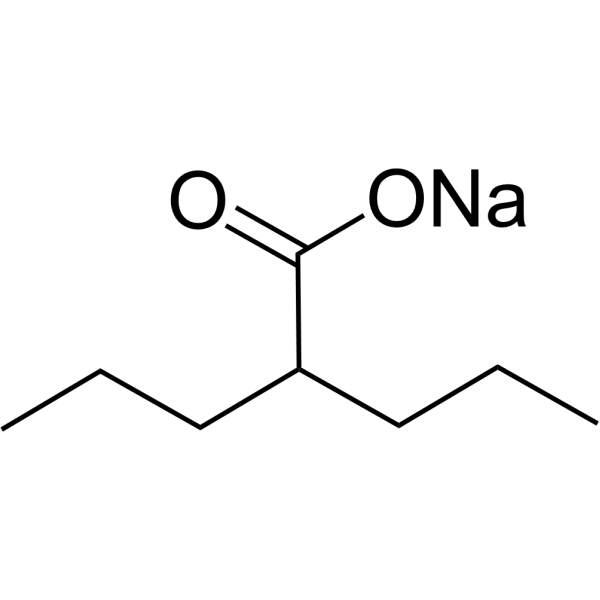
Valproic acid sodium (GMP)

Based on 1 Customer Validation
Valproic acid (Sodium Valproate) sodium is an orally active HDAC inhibitor, with IC50 in the range of 0.5 and 2 mM, also inhibits HDAC1 (IC50, 400 μM), and induces proteasomal degradation of HDAC2. Valproic acid sodium activates Notch1 signaling and inhibits proliferation in small cell lung cancer (SCLC) cells. Valproic acid sodium is used in the treatment of epilepsy, bipolar disorder, metabolic disease, HIV infection and prevention of migraine headaches.
For research use only. We do not sell to patients.
- CAS No.: 1069-66-5
- Formula: C8H15NaO2
- Molecular Weight:166.19
-
Storage:
Please store the product under the recommended conditions in the Certificate of Analysis.


To place orders, for customer services and technical support, please contact: MedChemExpress USA
Tel: 609-228-6898 E-mail: [email protected] [email protected]


-
 Biological Activity
-
Chemical Information
- Protocols
- Purity & Documentation
- References
-
 Help & FAQs


-
HY-10585A
Valproic acid sodiumHDAC Inhibitor -
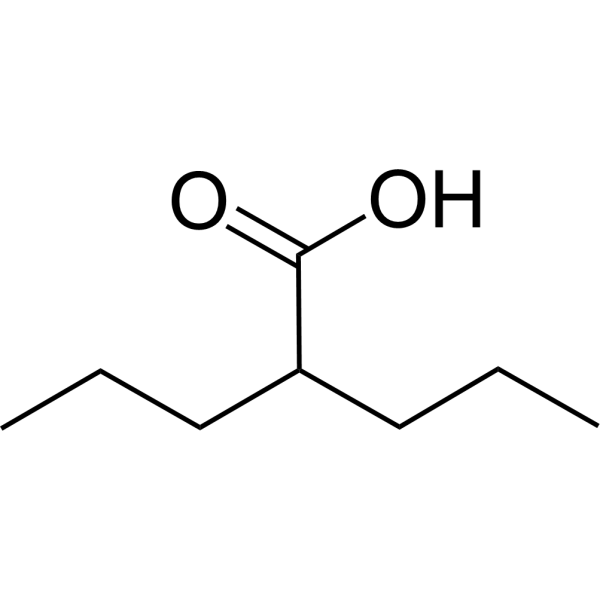
HY-10585
Valproic acidHDAC Inhibitor -

HY-10585R
Valproic acid (Standard)HDAC Inhibitor -

HY-10585AR
Valproic acid sodium (Standard)HDAC Inhibitor -
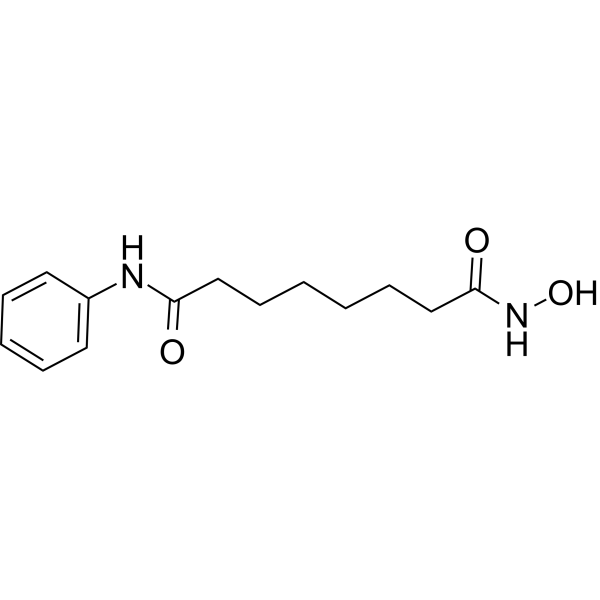
HY-10221
VorinostatHDAC Inhibitor -
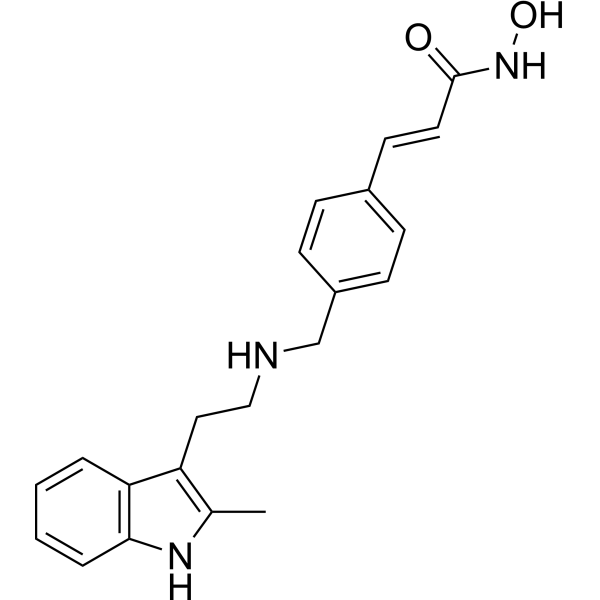
HY-10224
PanobinostatHDAC Inhibitor -
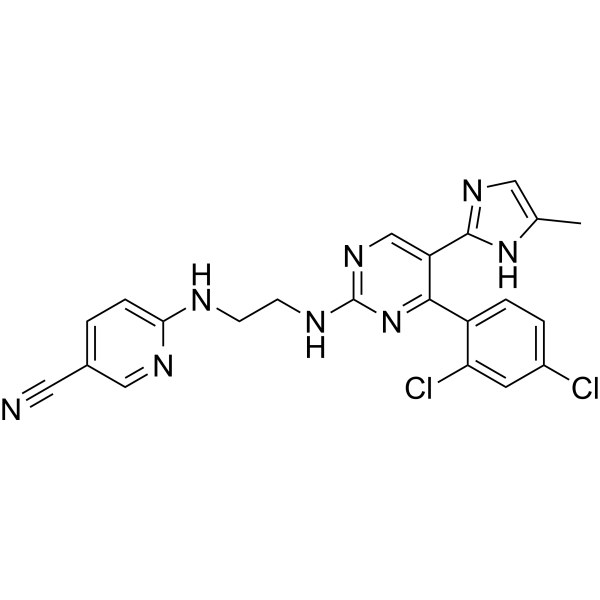
HY-10182
LaduviglusibGSK-3 Inhibitor -
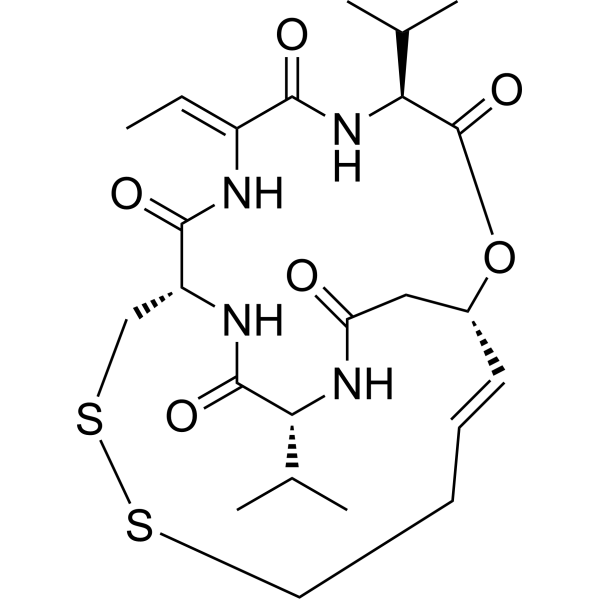
HY-15149
RomidepsinHDAC Inhibitor -
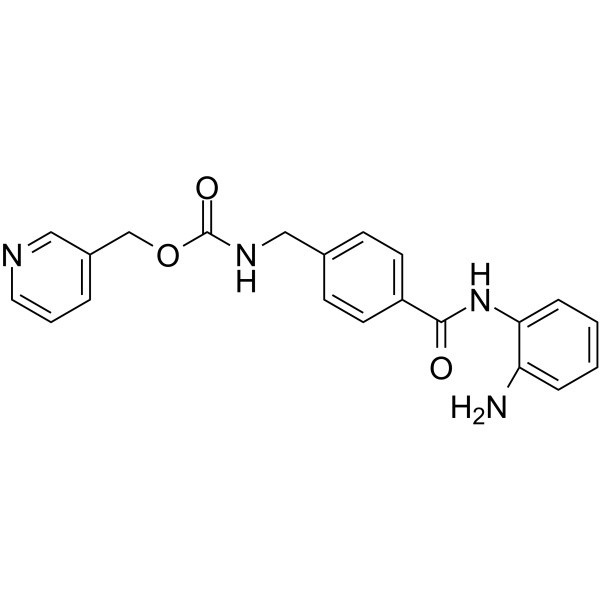
HY-12163
EntinostatHDAC Class I Inhibitor -
HY-10182G
Laduviglusib (GMP)GSK-3α/β Inhibitor (GMP) -
HY-B0350A
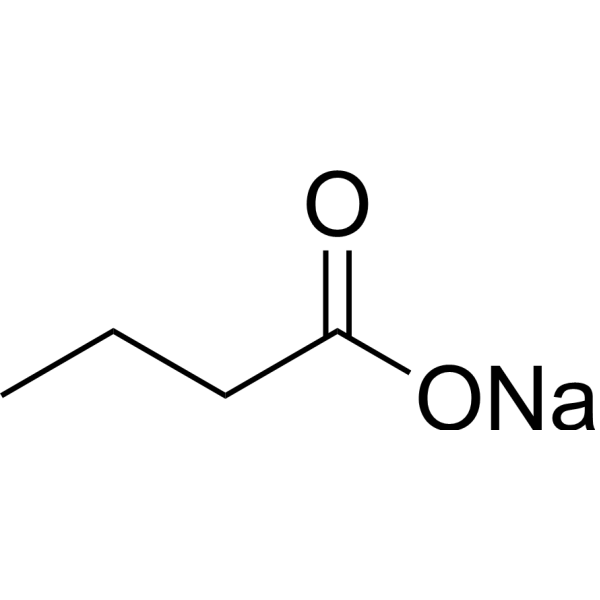
Sodium butyrateHDAC Inhibitor -
HY-15654
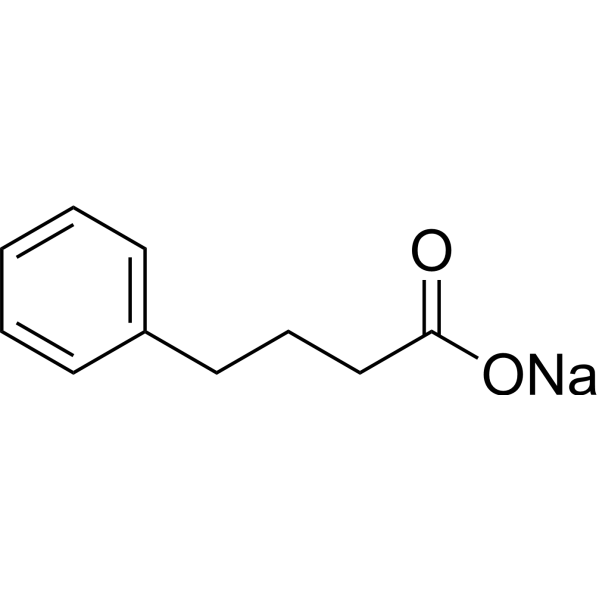
Sodium 4-phenylbutyrateHDAC/ERS Inhibitor
All Endogenous Metabolite Isoforms
More

Biological Activity
Description
IC50 & Target
In Vitro
Valproic acid (VPA) (0-15 mM; 24 and 72 h) inhibits Hela cell growth in a dose- and time- dependent manner[1].
Valproic acid (10 mM; 24 h) significantly attenuates the activities of total, cytosol and nuclear HDACs[1].
Valproic acid (0-15 mM; 24 h) induces a G1 phase arrest at 1–3 mM and a G2/M phase arrest at 10 mM, and increases the percentage of sub-G1 cells in HeLa cells. Valproic acid also induces necrosis, apoptosis and lactate dehydrogenase (LDH) release[1].
Valproic acid (0-20 mM; 24 h) activates Tcf/Lef-dependent transcription and synergizes with lithium[2].
Valproic acid (0-5 mM; 0-18 h) increases β-catenin levels in Neuro2A cells[2].
Valproic acid (0-2 mM; 0-24 h) stimulates phosphorylation of AMPK and ACC in hepatocytes[5].
Valproic acid (0-10 mM; 2 days) induces Notch1 signaling and morphologic differentiation, suppresses production of NE tumor markers in SCLC cells[6].
MedChemExpress (MCE) has not independently confirmed the accuracy of these methods. They are for reference only. Further protocols information, click here.
-
Cell Line:HeLa cells
-
Concentration:0, 1, 3, 5, 10 and 15 mM
-
Incubation Time:24 and 72 h
-
Result:HeLa cell growth was dose- and time-dependently decreased with an IC50 of ~10 and 4 mM at 24 and 72 h.
-
Cell Line:HeLa cells, Neuro2A cells or primary mouse hepatocytes
-
Concentration:10 mM (HeLa); 0, 2, and 5 mM (Neuro2A); 0.2, 0.4, 0.8, 1.2 and 2 mM (hepatocytes)
-
Incubation Time:24 h (HeLa); 0-18 h (Neuro2A); 0-24 h (hepatocytes)
-
Result:Increased the form of acetylated histone 3.
Reduced PARP, induced cleavage PARP, and downregulated Bcl-2.
Increased β-catenin levels.
Increased the phosphorylation of AMPK and ACC.
-
Cell Line:HeLa cells
-
Concentration:0, 1, 3, 5, 10 and 15 mM
-
Incubation Time:24 h
-
Result:Induced a G1 phase arrest at 1–3 mM, significantly induced a G2/M phase arrest at 10 mM, and increased the percentage of sub-G1 cells in HeLa cells in a dose-dependent manner at 24 h.
In Vivo
Valproic acid (350 mg/kg; i.p.; once) enhances social behavior in rats[4].
Valproic acid (0.26% (w/v); p.o. via drinking water; 14 days) decreases liver mass, hepatic fat accumulation, and serum glucose in obese mice without hepatotoxicity[5].
MedChemExpress (MCE) has not independently confirmed the accuracy of these methods. They are for reference only.
-
Animal Model:Female BALB/c nude mice, Kasumi-1 tumor model[3]
-
Dosage:500 mg/kg
-
Administration:Intraperitoneal injection, daily for 12 days
-
Result:Inhibited tumor growth and tumor angiogenesis.
Inhibited the mRNA and protein expression of VEGF, VEGFR2 and bFGF.
Inhibited HDAC activity and increased acetylation of histone H3.
Enhanced the accumulation of hyperacetylated histone H3 on VEGF promoters.
-
Animal Model:Timed-pregnant Long Evans rats[4]
-
Dosage:350 mg/kg
-
Administration:Intraperitoneal injection, once
-
Result:Demonstrated more social investigation and play fighting than control animals.
-
Animal Model:Obese phenotype of ob/ob mice[5]
-
Dosage:0.26% (w/v)
-
Administration:Oral via drinking water, 14 days
-
Result:Revealed a marked reduction in the accumulation of fats in the liver as compared with the untreated mice, significantly decreased liver mass to body mass, decreased serum triglyceride concentrations, and did not induce hepatotoxicity.


Chemical Information
-
CAS No. 1069-66-5
-
Appearance Solid
-
Molecular Weight 166.19
-
Formula C8H15NaO2
-
Color White to off-white
-
SMILES
O=C(O[Na])C(CCC)CCC
-
Synonyms
Sodium Valproate (GMP); VPA sodium (GMP); 2-Propylpentanoic acid sodium (GMP)
-
Shipping
Shipping with dry ice.
-
Storage
Please store the product under the recommended conditions in the Certificate of Analysis.

Protocols
-
Research Protocol for Infectious Diseases
Infectious-disease experiments test how pathogens interact with host barriers, innate immune receptors, inflammatory signaling, pathogen replication, and tissue injury; pattern-recognition receptors such as TLRs, RIG-I-like receptors, NOD-like receptors, and inflammasomes detect microbial molecules and activate NF-κB, interferon, and cytokine responses. The central hypothesis is that infection severity reflects the balance between pathogen burden and host response: protective inflammation restricts pathogen growth, whereas excessive or mislocalized inflammation contributes to tissue damage and disease phenotype. Unresolved questions include which host pathways are protective versus pathogenic, why some infection models fail to translate to human disease, and which combined readouts best predict clinically relevant infection outcomes.
-
Cell Cytotoxicity Assay
Cytotoxicity assays are usually based on the assessment of cell membrane damage, which can also be indirectly detected by measuring cell viability. Detection methods include MTT assay, CKK-8 assay, LDH assay and ATP assay, etc.
-
Notch Pathway Solutions
The Notch pathway is a contact-dependent signaling pathway that controls cell-fate decisions, differentiation, proliferation, and tissue patterning through interactions between membrane-bound Notch receptors and membrane-bound ligands on neighboring cells. Canonical Notch signaling is activated when ligand engagement triggers proteolytic release of the Notch intracellular domain, which enters the nucleus and regulates transcription together with DNA-binding transcriptional complexes. In the canonical mechanism, ligand-dependent Notch activation leads to release of the intracellular Notch domain, and presenilin-dependent γ-secretase activity is required for production of the active intracellular signaling fragment. The released intracellular domain functions as a nuclear signal that converts Notch receptor activation at the membrane into transcriptional regulation of target programs such as HES/HEY-family genes and other context-dependent downstream targets. The literature links Notch p
-
Research Protocol for Metabolic Diseases
AMP-activated protein kinase, AMPK, is a conserved cellular energy sensor that responds to reduced cellular energy status and coordinates metabolism by increasing ATP-generating catabolic pathways while suppressing ATP-consuming anabolic processes. In metabolic disease research, the AMPK pathway is experimentally relevant because it regulates hepatic lipid synthesis, fatty acid oxidation, glucose production, skeletal-muscle glucose disposal, mTORC1-linked biosynthesis, autophagy, mitochondrial homeostasis, and whole-body energy balance. The central pathway logic is that energy stress, metformin, exercise-like stimulation, or direct AMPK activators increase AMPKα Thr172 phosphorylation and downstream substrate phosphorylation, including ACC and RAPTOR. Phosphorylation of ACC suppresses lipogenesis and supports fatty acid oxidation, whereas phosphorylation of RAPTOR suppresses mTORC1 signaling and links cellular energy status to growth and protein synthesis control. The pathway is linked
-
Cell Viability Determination by MTT Colorimetric Assay
The following protocol uses the MTT colorimetric assay as a classic literature-established method for assessing cell viability/metabolic activity in cultured mammalian cells. MTT[3-(4,5-dimethylthiazol-2-yl)-2,5-diphenyltetrazolium bromide] is reduced by metabolically active cells to a colored formazan product; the amount of formazan is quantified spectrophotometrically and provides an indirect measure of metabolically active viable cells. Importantly, MTT reduction reflects cellular oxidoreductase/metabolic activity rather than an absolute direct count of living cells, so changes in cellular metabolism can alter the signal independently of cell number.


Purity & Documentation
-
Data Sheet (280 KB)
-
SDS (252 KB)
- Français - FR (252 KB)
- Deutsch - DE (252 KB)
- Norwegian - NO (252 KB)
- Español - ES (252 KB)
- Swedish - SV (252 KB)
- Italian - IT (252 KB)
- Korean - KR (252 KB)
- Portuguese - PT (252 KB)
-
Handling Instructions (2659 KB)
References
[1]. Han BR, et al. Valproic acid inhibits the growth of HeLa cervical cancer cells via caspase-dependent apoptosis. Oncol Rep. 2013 Dec;30(6):2999-3005. [Content Brief]
[2]. Valproic acid, et al. Histone deacetylase is a direct target of valproic acid, a potent anticonvulsant, mood stabilizer, and teratogen. J Biol Chem. 2001 Sep 28;276(39):36734-41. [Content Brief]
[3]. Zhang ZH, et al. Valproic acid inhibits tumor angiogenesis in mice transplanted with Kasumi 1 leukemia cells. Mol Med Rep. 2013 Nov 28. [Content Brief]
[4]. Cohen OS, et al. Acute prenatal exposure to a moderate dose of valproic acid increases social behavior and alters gene expression in rats. Int J Dev Neurosci. 2013 Dec;31(8):740-50. [Content Brief]
[5]. Avery LB, et al. Valproic Acid Is a Novel Activator of AMP-Activated Protein Kinase and Decreases Liver Mass, Hepatic Fat Accumulation, and Serum Glucose in Obese Mice. Mol Pharmacol. 2014 Jan;85(1):1-10. [Content Brief]
[6]. Platta CS, et al. Valproic acid induces Notch1 signaling in small cell lung cancer cells. J Surg Res. 2008 Jul;148(1):31-7. [Content Brief]
[7]. Routy JP, et al. Valproic acid in association with highly active antiretroviral therapy for reducing systemic HIV-1 reservoirs: results from a multicentre randomized clinical study. HIV Med. 2012 May;13(5):291-6. [Content Brief]

Calculators
Concentration (start) × Volume (start) = Concentration (final) × Volume (final)


Valproic acid sodium (GMP) Related Classifications
HY-10585AG Related Classifications
 Powered by Bioz
Keywords
- Valproic acid sodium (GMP)
- 1069-66-5
- Sodium Valproate (GMP)
- VPA sodium (GMP)
- 2-Propylpentanoic acid sodium (GMP)
- Organoid
- HDAC
- Autophagy
- Mitophagy
- HIV
- Notch
- Apoptosis
- Endogenous Metabolite
- Hela
- proteasomal
- degradation
- Notch1
- SCLC
- epilepsy
- bipolar disorder
- migraine
- headaches
- small cell lung cancer
- anticancer
- anticonvulsant
- hepatic fat accumulation
- Inhibitor
- inhibitor
- inhibit