Cancer Immunotherapy
Cancer immunotherapy (CIT) is a type of biological therapy, aiming to improve anti-tumor immune responses with fewer off-target effects than chemotherapy. Several types of immunotherapy include: oncolytic virus therapies, cancer vaccines, cytokine therapies, adoptive cell transfer (ACT), and immune checkpoint inhibitors (ICIs). In particular, ICIs and ACT have obtained immense clinical response, but their efficacy varies from person to person. Immune cells can be harnessed to eliminate tumor cells, such as T cells, B cells, NK cells, and myeloid cells. T cells have potent tumor-killing capability, therefore, a plethora of cancer immunotherapy research have focused on inducing T-cell-mediated anti-tumor responses. CTLA-4 and PD-1 are found on the cell surface of T cells as co-inhibitory receptors. The breakthrough in cancer immunotherapy results from the identification and subsequent targeting of checkpoint mechanisms in T cells with monoclonal antibodies against CTLA-4 and programmed death-ligand 1/programmed death-1 (PD-L1/PD-1).
Several types of cancers (e.g., melanoma, mismatch repair-deficient cancers, bladder cancer, and non-small cell lung cancer) have achieved significant clinical responses in T-cell checkpoint blockade therapies. However, single-mode immunotherapy faces challenges such as low immune response, low tumor infiltration, and complex immunosuppressive tumor microenvironment. Recently, combined therapies based on tumor immunity have received extensive attention in the research of enhancing tumor cells immunogenicity and inhibiting their growth. For example, anti CTLA-4 and PD-1, immune checkpoint blockade (ICB) combined with chemotherapy, anti-angiogenic drugs and kinase inhibitors.
-
Sulforaphane (Standard)
 0 Images
Sulforaphane (Standard) is the analytical standard of Sulforaphane (HY-13755). This product is intended for research and analytical applications. Sulforaphane is an orally active inducer of the Keap1/Nrf2/ARE pathway. Sulforaphane promotes the transcription of tumor-suppressing proteins and effectively inhibits the activity of HDACs. Through the activation of the Keap1/Nrf2/ARE pathway and further induction of HO-1 expression, Sulforaphane protects the heart. Sulforaphane suppresses high glucose-induced pancreatic cancer through AMPK-dependent signal transmission. Sulforaphane exhibits both anticancer and anti-inflammatory properties.
-
Mivavotinib
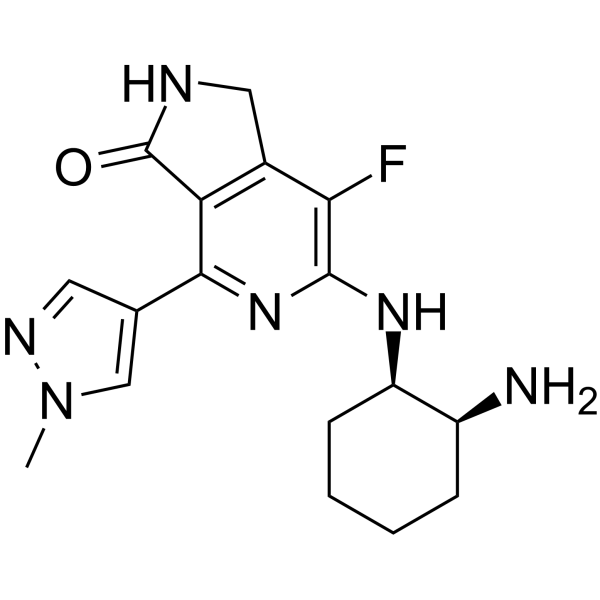 0 ImagesCat. No.: HY-100867CAS No.: 1312691-33-0Synonyms: TAK-659; CB-659
TAK-659 is a highly potent, selective, reversible and orally available dual inhibitor of spleen tyrosine kinase (SYK) and fms related tyrosine kinase 3 (FLT3), with an IC50 of 3.2 nM and 4.6 nM for SYK and FLT3, respectively. TAK-659 induces cell death in tumor cells but not in nontumor cells, and with potential for the treatment of chronic lymphocytic leukemia (CLL).
-
Zocilurtatug pelitecan
 0 ImagesCat. No.: HY-188059CAS No.: 3058592-88-1Synonyms: ZL-1310
Zocilurtatug pelitecan (ZL-1310) is a blood-brain barrier-penetrating antibody-drug conjugate targeting DLL3. It consists of the antibody component Zocilurtatug (HY-P992148) and the toxin-linker molecule DL-01 (HY-155870). Zocilurtatug pelitecan induces cell cycle arrest and apoptosis in tumor cells, and inhibits the growth of established human tumors in xenograft models. It can be used in research on extensive-stage small cell lung cancer (SCLC) and neuroendocrine tumors.
-
Ketoprofen (lysinate)
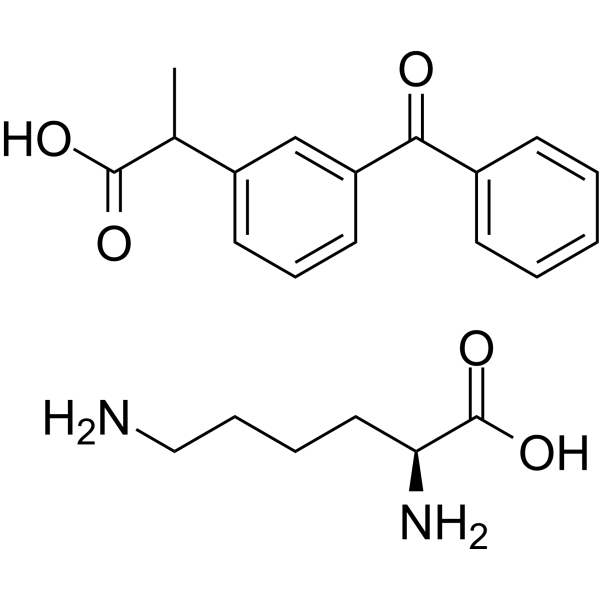 0 ImagesCat. No.: HY-B0227ACAS No.: 57469-78-0Synonyms: RP-19583 (lysinate)
Ketoprofen (RP-19583) lysinate is a non-steroidal anti-inflammatory agent. Ketoprofen lysinate can inhibit the activity of cyclooxygenase with IC50 values of 2 nM (COX-1) and 26 nM (COX-2). which is potential in the research of inflammation, immunology, and metabolic disease such as obesity.
-
Pulrodemstat Methylbenzenesulfonate
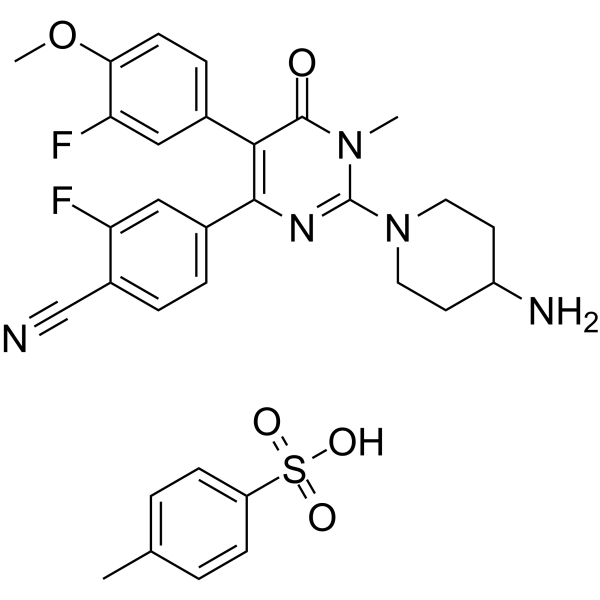 0 ImagesCat. No.: HY-129388CAS No.: 2097523-57-2Synonyms: CC-90011 Methylbenzenesulfonate; LSD1-IN-7 Methylbenzenesulfonate
Pulrodemstat (CC-90011) Methylbenzenesulfonate is a potent, selective, reversible and orally active inhibitor of lysine specific demethylase-1 (LSD1) with an IC50 of 0.25 nM. Pulrodemstat Methylbenzenesulfonate is less enzymatic inhibition against LSD2, MAO-A, and MAO-B. Pulrodemstat Methylbenzenesulfonate induces acute myeloid leukemia (AML) and small cell lung cancer (SCLC) cells differentiation and has potent anticancer activity.
-
PD-1-IN-17 TFA
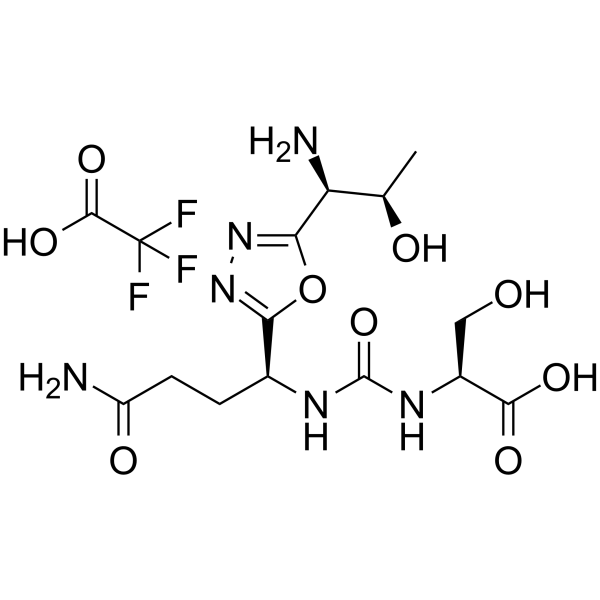 0 ImagesCat. No.: HY-101097A
PD-1-IN-17 TFA is a programmed cell death-1 (PD-1) inhibitor extracted from patent WO2015033301A1, Compound 12, inhibits 92% splenocyte proliferation at 100 nM.
-
Ertapenem
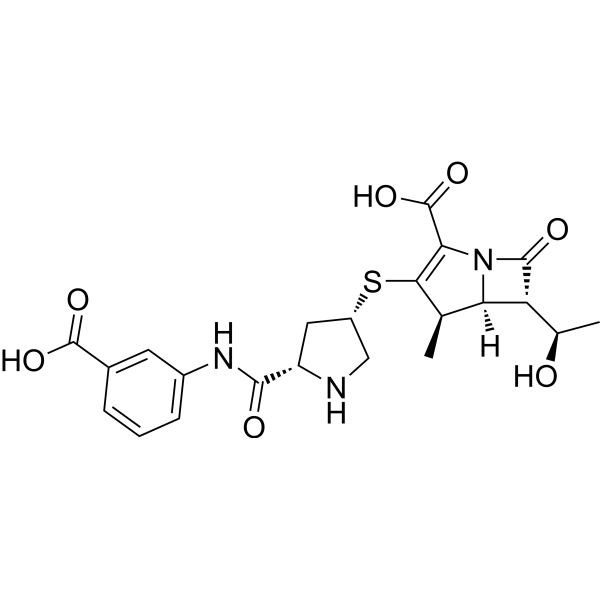 0 ImagesCat. No.: HY-A0294CAS No.: 153832-46-3Synonyms: MK-0826
Ertapenem (MK-0826) is a broad spectrum and long acting β-lactam antibiotic. Ertapenem has a broad-spectrum anti-anaerobic activity against a variety of anaerobes with a mode MIC of 0.12 μg/mL. Ertapenem can be used for the research of severe infections caused by bacteria in the skin, lungs, stomach, pelvis, and urinary tract.
-
BCMA CAR mRNA
 0 ImagesCat. No.: HY-185002
BCMA CAR mRNA can express the CAR protein targeting human BCMA. BCMA CAR mRNA can trigger the transient expression of CAR, enabling T cells to be targeted without the need for permanent genetic modification. BCMA is a member of the tumor necrosis factor receptor superfamily 17 (TNFRSF17), also known as B-cell maturation antigen (CD269), which promotes B-cell survival and plays a role in regulating humoral immunity. BCMA is highly expressed in multiple myeloma and is a biomarker for the diagnosis of multiple myeloma.
-
Zoratolimod
 0 ImagesCat. No.: HY-177973
Zoratolimod is a component of the AOC reagent Mozistobart zoratolimod (HY-177568), consisting of a TLR9 agonist and a linker Fmoc-N-PEG24-acid (HY-42360). Zoratolimod can be used to synthesize antibody oligonucleotide conjugates (AOC) such as Mozistobart zoratolimod, which is used in cancer immunology research.
-
TRS-005
 0 ImagesCat. No.: HY-185428Purity: 99.83%
TRS-005 is an anti-CD20 ADC, formed by conjugating an anti-CD20 monoclonal antibody to MMAE (HY-15162) via a Val-Cit (HY-140014) linker. TRS-005 targets CD20-positive tumor cells and delivers MMAE into cells through receptor-mediated endocytosis. TRS-005 can be used for research on relapsed/refractory B-cell non-Hodgkin lymphoma (specifically diffuse large B-cell lymphoma).
-
Plerixafor solution
 0 ImagesCat. No.: HY-FL10046CAS No.: 110078-46-1Synonyms: AMD 3100 solution; JM3100 solution; SID791 solution
Plerixafor solution is mainly composed of Plerixafor (HY-10046). Plerixafor (AMD 3100) is a selective CXCR4 antagonist with an IC50 of 44 nM. Plerixafor, an immunostimulant and a hematopoietic stem cell (HSC) mobilizer, is an allosteric agonist of CXCR7. Plerixafor inhibits HIV-1 and HIV-2 replication with an EC50 of 1-10 nM.
-
Tizetatug rezetecan
 0 ImagesSynonyms: SHR-A1921
Tizetatug rezetecan (SHR-A1921) is an Antibody-drug Conjugate (ADC) composed of antibody Tizetatug (HY-P991032) and MC-Gly-Gly-Phe-Gly-(R)-Cyclopropane-Exatecan (HY-148668). Tizetatug rezetecan can be used for the research of cancer.
-
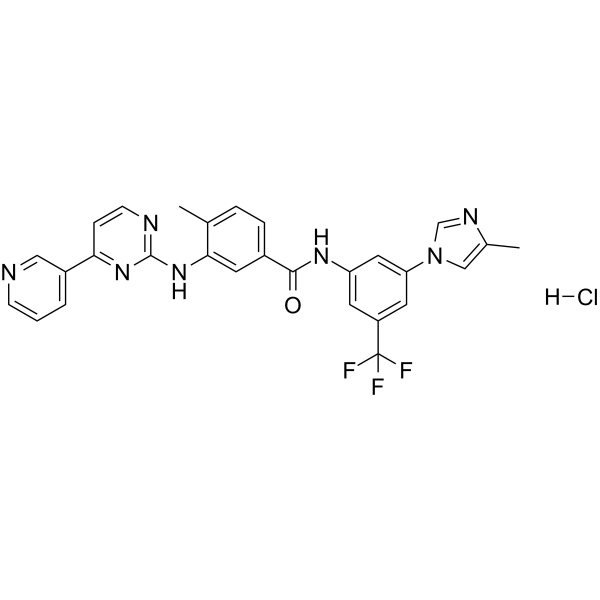
Tomivosertib hydrochloride
 0 ImagesCat. No.: HY-100022ACAS No.: 1849590-02-8Synonyms: eFT508 hydrochloride
Tomivosertib hydrochlorideis a potent, highly selective, and orally active MNK1 and MNK2 inhibitor, with IC50s of 1-2 nM against both isoforms. Tomivosertib hydrochloride treatment leads to a dose-dependent reduction in eIF4E phosphorylation at serine 209 (IC50=2-16 nM) in tumor cell lines. Tomivosertib hydrochloride also dramatically downregulates PD-L1 protein abundance.
-
Atraric acid (Standard)
 0 Images
Atraric acid (Standard) is the analytical standard of Atraric acid. This product is intended for research and analytical applications. Atraric acid (Methyl atrarate) is a specific androgen receptor (AR) antagonist with anti-inflammatory and anticancer effects. Atraric acid represses the expression of the endogenous prostate specific antigen gene in both LNCaP and C4-2 cells. Atraric acid can also inhibit the synthesis of NO and cytokine, and suppress the MAPK-NFκB signaling pathway. Atraric acid can be used to research prostate diseases and inflammatory diseases[1][2].
-
Umbralisib sulfate
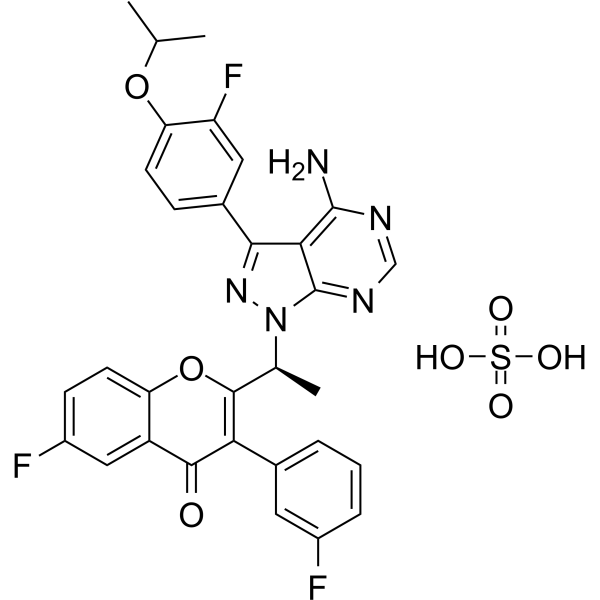 0 ImagesCat. No.: HY-12279BCAS No.: 1532533-75-7Synonyms: TGR-1202 sulfate; RP-5264 sulfate
Umbralisib (TGR-1202) sulfate is an orally active, potent and selective dual PI3Kδ and casein kinase-1-ε (CK1ε) inhibitor, with EC50 of 22.2 nM and 6.0 μM, respectively. Umbralisib sulfate exhibits unique immunomodulatory effects on chronic lymphocytic leukemia (CLL) T cells. Umbralisib sulfate can be used for haematological malignancies reseach.
-
Quercetin-13C3
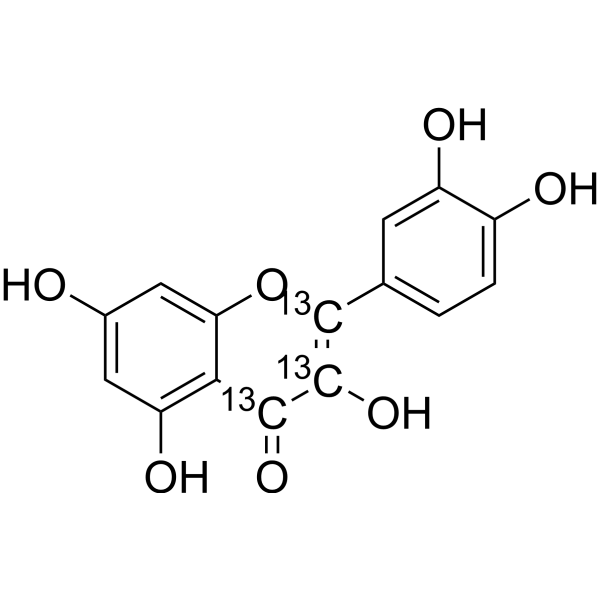 0 ImagesCat. No.: HY-18085S2
Quercetin-13C3 is the 13C-labeled Quercetin. Quercetin, a natural flavonoid, is a stimulator of recombinant SIRT1 and also a PI3K inhibitor with IC50 of 2.4 μM, 3.0 μM and 5.4 μM for PI3K γ, PI3K δ and PI3K β, respectively.

-
Gefitinib (GMP)
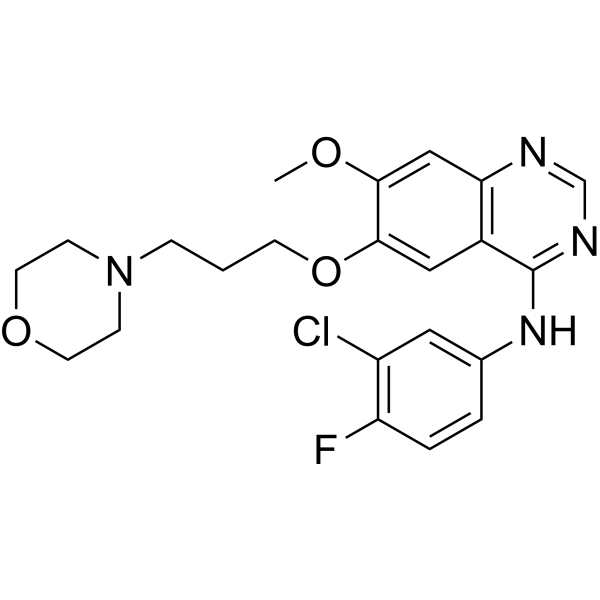 0 ImagesCat. No.: HY-50895GCAS No.: 184475-35-2Synonyms: ZD1839 (GMP)
-
PD-1/PD-L1-IN 3
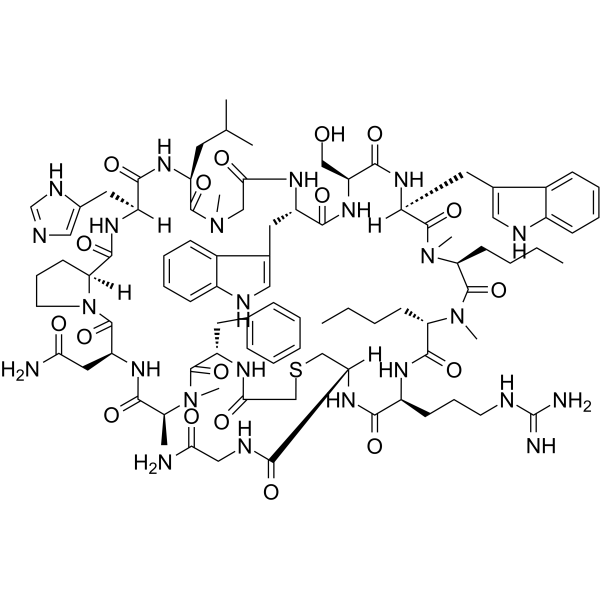 0 ImagesCat. No.: HY-103048CAS No.: 1629654-95-0
PD-1/PD-L1-IN 3, a macrocyclic peptide, is a potent and selective inhibitor of the PD-1/PD-L1 and CD80/PD-L1 interactions extracted from patent WO2014151634A1, compound No.1. PD-1/PD-L1-IN 3 interferes with PD-L1 binding to PD-1 and CD80 by binding to PD-L1, with IC50s of 5.60 nM and 7.04 nM, respectively. PD-1/PD-L1-IN 3 can be used for the research of various diseases, including cancer and infectious diseases.