



Amyloid-β
β-amyloid peptide; Aβ; Abeta
Amyloid-β (Aβ) denotes peptides of 36–43 amino acids that are crucially involved in Alzheimer's disease as the main component of theamyloid plaques found in the brains of Alzheimer patients. The peptides result from the amyloid precursor protein (APP), which is being cut by certain enzymes to yield Aβ. Amyloid-β molecules can aggregate to form flexible soluble oligomers which may exist in several forms. Amyloid-β peptide is due to overproduction of Aβ and/or the failure of clearance mechanisms. Amyloid-β self-aggregates into oligomers, which can be of various sizes, and forms diffuse and neuritic plaques in the parenchyma and blood vessels. Amyloid-β oligomers and plaques are potent synaptotoxins, block proteasome function, inhibit mitochondrial activity, alter intracellular Ca2+levels and stimulate inflammatory processes. Loss of the normal physiological functions of Aβ is also thought to contribute to neuronal dysfunction.
All Product Categories
-
Amyloid-β Inhibitors
(498)
View all products
-
Amyloid-β Agonists
(2)
View all products
-
Amyloid-β Antagonists
(5)
View all products
-
Amyloid-β Activators
(5)
View all products
-
Amyloid-β Modulators
(4)
View all products
-
Amyloid-β Chemicals
(7)
View all products
-
Amyloid-β Inducers
(5)
View all products
-
Amyloid-β Degraders
(6)
View all products
-
Amyloid-β Controls
(3)
View all products
-
Amyloid-β Substrate
(1)
View all products
-
Amyloid-β Ligands
(13)
View all products
-
Amyloid-β Related Products (782)
Related Products (782)

-
Antibodies (9)
-
Lithium orotate
 0 ImagesLithium orotate is an orally active lithium supplement with reduced binding that can bypass amyloid sequestration in AD mice models. Lithium orotate can prevent Aβ plaque deposition and phospho-tau accumulation and reverse AD pathology, neuroinflammatory changes and memory loss in AD mice models and ageing wild-type mice. Lithium orotate can be used for the research of alcoholism and Alzheimer’s disease.
-
Azeliragon-d9
 0 ImagesCat. No.: HY-50682SPurity: 98.83%Synonyms: TTP488-d9; PF-04494700-d9Azeliragon-d9 (TTP488-d9) is the deuterium labeled Azeliragon (HY-50682). Azeliragon (TTP488) is an orally bioavailable inhibitor of the receptor for advanced glycation end products (RAGE) in development as a potential treatment to slow disease progression with mild Alzheimer’s disease (AD). Azeliragon also can cross the blood-brain barrier (BBB).
-
Theasaponin E1
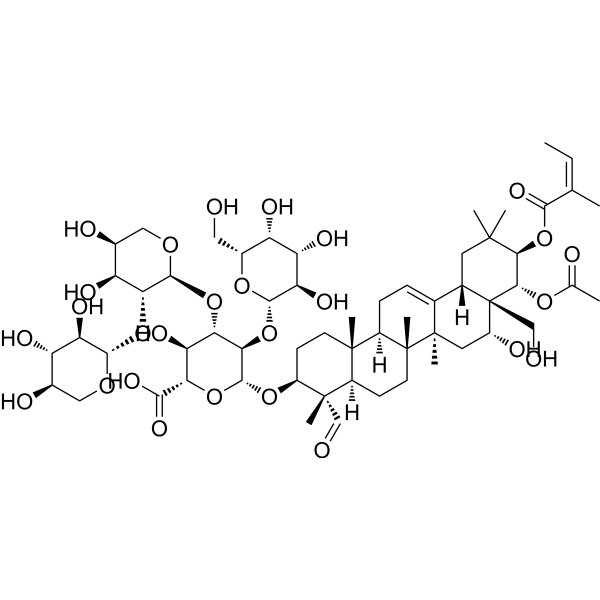 0 ImagesTheasaponin E1 is an orally effective tea saponin. Theasaponin E1 inhibits the proliferation of cancer cells by activating apoptosis. Theasaponin E1 inhibits angiogenesis in ovarian cancer cells and HUVECs by reducing the expression of VEGF. Theasaponin E1 upregulates the phosphorylation level of ATM protein and the expression level of PTEN protein in cancer cells, decreases the phosphorylation levels of Akt, mTOR, p70S6K and 4E-BP1 proteins, downregulates the expression of HIF-1α and NF-κB, and reduces the protein expression of Notch ligands Dll4 and Jagged1. Theasaponin E1 exerts neuroprotective effects by inhibiting the activity of acetylcholinesterase, activating α-secretase and neprilysin, reducing the concentration of Aβ, and inhibiting the activities of β-secretase and γ-secretase. Theasaponin E1 exhibits toxic effects on cancer cells and quinone reductase-inducing activity, and inhibits tumor growth in vivo. Theasaponin E1 induces ferroptosis in Pomacea canaliculata by synergistically disrupting cholesterol homeostasis and sphingolipid metabolism. Theasaponin E1 possesses anti-biofilm activity against Candida albicans. Theasaponin E1 can be used in the research of ovarian cancer, obesity, Alzheimer's disease and fungal infections.
-
β-Amyloid (1-40) (rat)
 0 ImagesCat. No.: HY-P1387CAS No.: 144409-98-3β-Amyloid (1-40) (rat) is a rat form of the amyloid β-peptide, which accumulates as an insoluble extracellular deposit around neurons, giving rise to the senile plaques associated with Alzheimer's disease (AD). β-Amyloid (1-40) (rat) increases 45Ca2+ influx, induces neurodegeneration in the rat hippocampal neurons of the CA1 subfield. β-Amyloid (1-40) (rat) induces apoptosis. β-Amyloid (1-40) (rat) can be used for the research of Alzheimer's disease.
-
gamma-secretase modulator 1
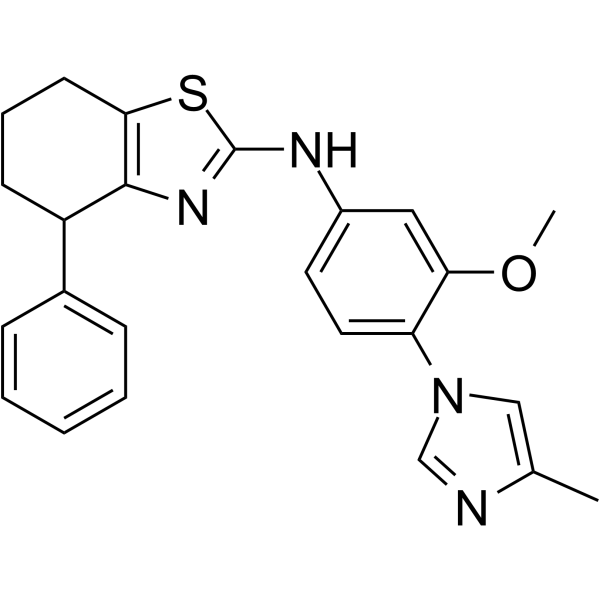 0 Imagesgamma-secretase modulator 1 is a Gamma-secretase modulator. gamma-secretase modulator 1 can be used in the research of Alzheimer's disease, multi-infarct dementia and Down syndrome.
-
β-Sheet Breaker Peptide iAβ5
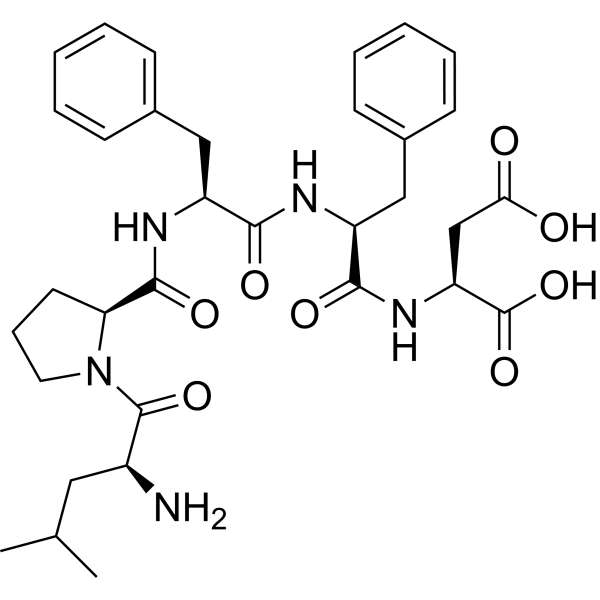 0 ImagesSynonyms: [Pro18, Asp21] β-Amyloid (17-21)β-Sheet Breaker Peptide iAβ5 ([Pro18, Asp21] β-Amyloid (17-21)) is an amyloid fibril disaggregation inducer. β-Sheet Breaker Peptide iAβ5 inhibits fibril formation and disaggregates preformed fibrils by binding to the central hydrophobic region of Aβ (LVFFA) and disrupting the interactions between Aβ monomers/oligomers. β-Sheet Breaker Peptide iAβ5 reproducibly induces the disaggregation of fibrillar amyloid deposits in rat brain. β-Sheet Breaker Peptide iAβ5 prevents and reverses Aβ-induced neuronal shrinkage, reduces IL-1β-positive microglia surrounding Aβ deposits, and decreases the size of cerebral amyloid plaques. β-Sheet Breaker Peptide iAβ5 labeled with HBA enables blue quantitative detection under acidic conditions. β-Sheet Breaker Peptide iAβ5 is used in research related to Alzheimer's disease.
-
β-Amyloid (1-28)
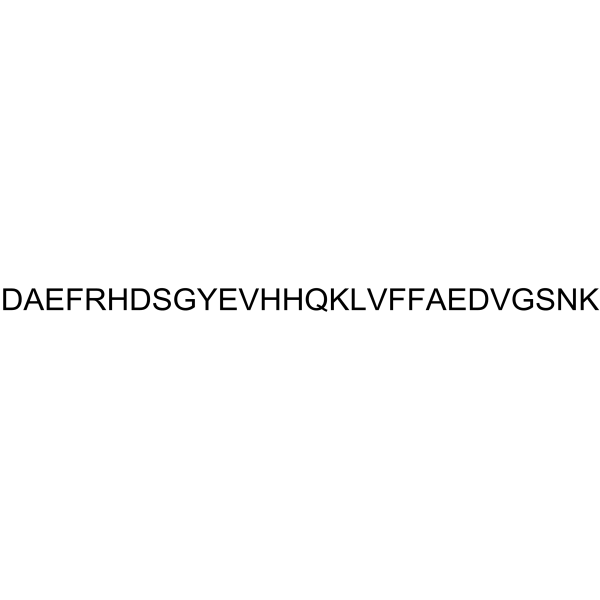 0 ImagesCat. No.: HY-P1468CAS No.: 109770-29-8Synonyms: Amyloid β-Protein (1-28)β-Amyloid (1-28) is a β-Amyloid protein fragment involved in metal binding. Beta-amyloid is a peptide that forms amyloid plaques in the brains of Alzheimer's disease (AD) patients.
-
AC 253
 0 ImagesAC 253, an amylin antagonist, inhibits 125I-adrenomedullin binding, with an IC50 of 25 nM.
-
NNC 26-9100
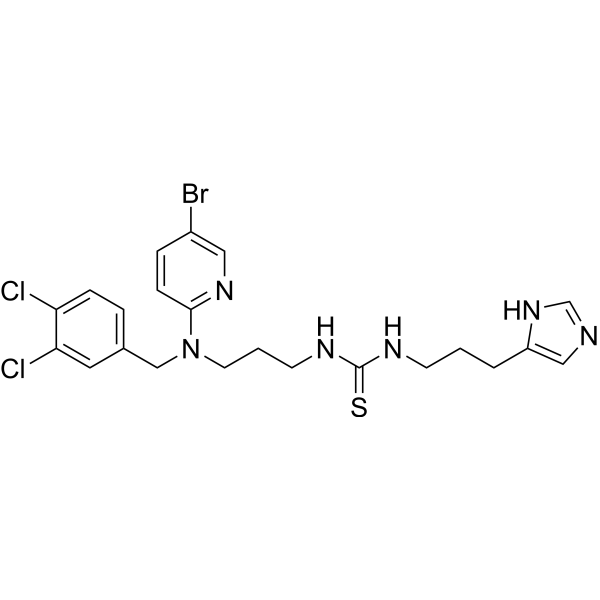 0 ImagesNNC 26-9100 is a selective somatostatin sst4 receptor full agonist (Ki: 6 nM, EC50: 2 nM). NNC 26-9100 decreases total soluble Aβ42, increases brain neprilysin activity and improves learning.
-
β-Amyloid (1-15)
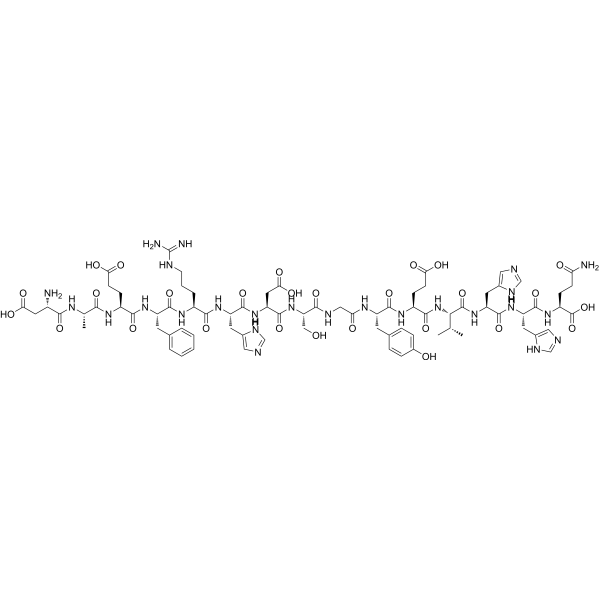 0 ImagesCat. No.: HY-P1046CAS No.: 183745-81-5Synonyms: Amyloid β-Protein (1-15)β-Amyloid (1-15) is a fragment of β-Amyloid peptide. Beta-amyloid is a peptide that forms amyloid plaques in the brains of Alzheimer's disease (AD) patients.
-
OAB-14
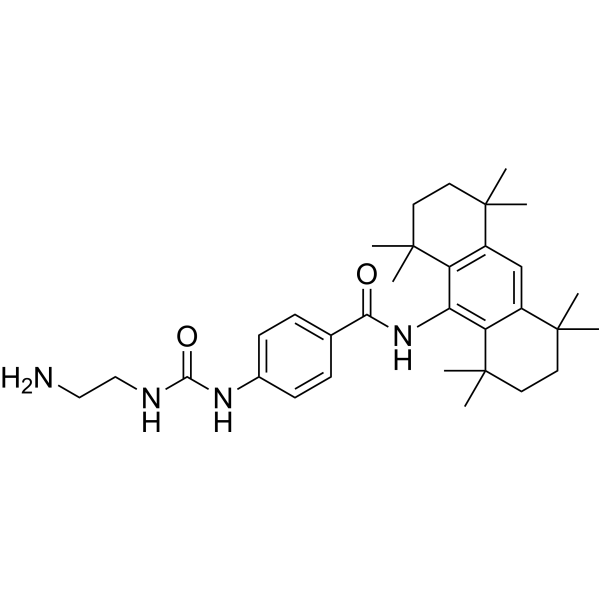 0 ImagesOAB-14, is a Bexarotene (HY-14171) derivative, improves Alzheimer's disease-related pathologies and cognitive impairments by increasing β-amyloid clearance in APP/PS1 mice. OAB-14 effectively ameliorates the dysfunction of the endosomal-autophagic-lysosomal pathway in APP/PS1 transgenic mice.
-
Pongamol
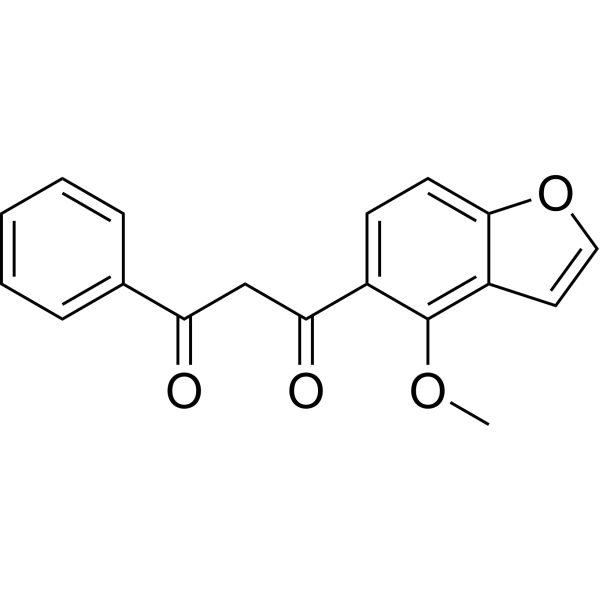 0 ImagesPongamol (Lanceolatin C) is an orally active flavonoid with an IC50 of 75 μM and a Ki of 58 μM against PTPase-1B, and an IC50 of 103.5 μM against intestinal α-Glycosidase. Pongamol reduces the release of IL‑1β, TNF‑α, COX‑2 and iNOS in cells, reverses the nuclear translocation of NF‑κB, and upregulates the levels of Beclin 1 and LC3 Ⅱ/LC3 Ⅰ. Pongamol promotes glucose uptake by increasing the level of GLUT4 on the surface of skeletal muscle cells. Pongamol inhibits epithelial-mesenchymal transition by suppressing the FAK/Akt-mTOR signaling pathway. Pongamol inhibits neuronal cytotoxicity, suppresses cell apoptosis and extends the lifespan of Caenorhabditis elegans by activating the MAPKs/Nrf2 signaling pathway. Pongamol exerts hypoglycemic effects in diabetic mouse models. Pongamol exhibits antibacterial activity. Pongamol alleviates oxidative stress, neuroinflammation, Aβ deposition and excessive phosphorylation of Tau Protein, and restores autophagy function in Alzheimer's disease mouse models by inhibiting the Akt/mTOR signaling pathway. Pongamol is applicable to research related to Alzheimer's disease, type 2 diabetes, non-small cell lung cancer and postprandial hyperglycemia.
-
D-KLVFFA
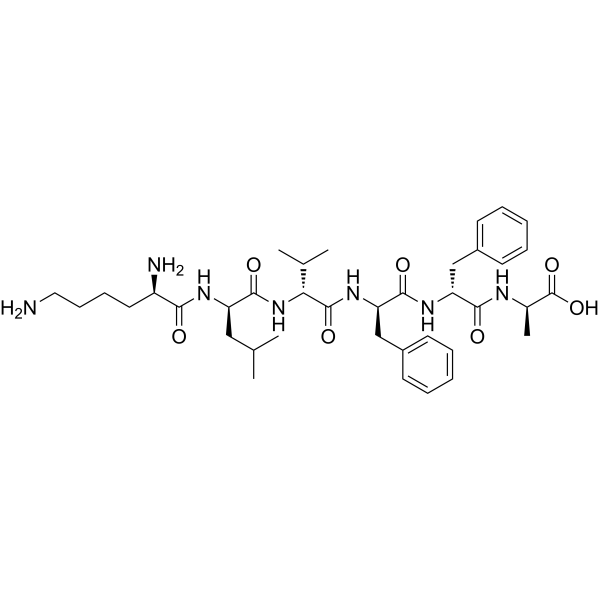 0 ImagesD-KLVFFA is the inhibitor of Amyloid-β assembly, with the IC50 of 2.6 μM, that can be used in Alzheimer's disease study.
-
Oleocanthal
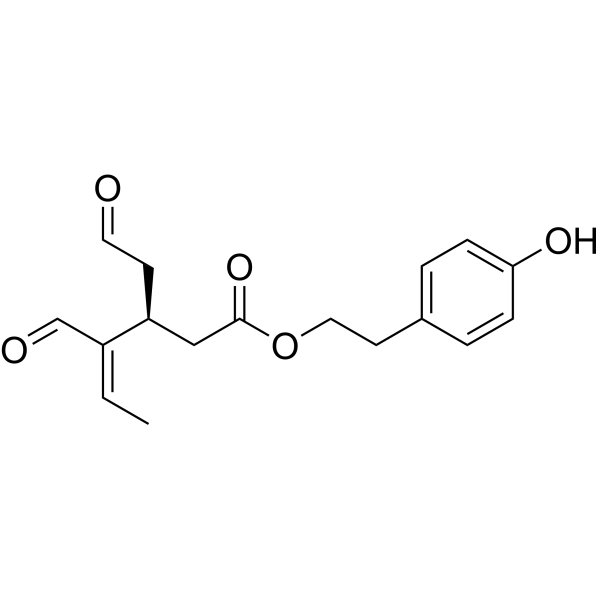 0 ImagesCat. No.: HY-124481CAS No.: 289030-99-5Oleocanthal is an orally active phenolic seciridoid compound. Oleocanthal can be extracted from olive oil. Oleocanthal inhibits COX-1 and COX-2, reduces ROS and NO, and upregulates Nrf-2 and HO-1. Oleocanthal reduces Aβ deposition. Oleocanthal exhibits anti-Leishmania activity against promastigotes and amastigotes of L. major, with IC50 values of 18.7 and 87 μg/mL, respectively. Oleocanthal exhibits anticancer activity against colon, breast, liver, and melanoma cancers. Oleocanthal also exhibits anti-inflammatory and neuroprotective properties. Oleocanthal can be used in Alzheimer's disease research.
-
Thioflavin T (solution)
 0 ImagesThioflavin T (solution) is a cationic Benzothiazole dye that shows enhanced fluorescence upon binding to amyloid in tissue sections. Excitation max.: ~385 nm (free) ; ~450 nm (bound) ; Emission max.: ~445 nm (free) ; ~485 nm (bound) .
Solvent and Concentration: Sterile water: 10 mM
The 1 mL volume is defined as the base specification. All larger sizes correspond to incremental volumes of this base.
-
BSB
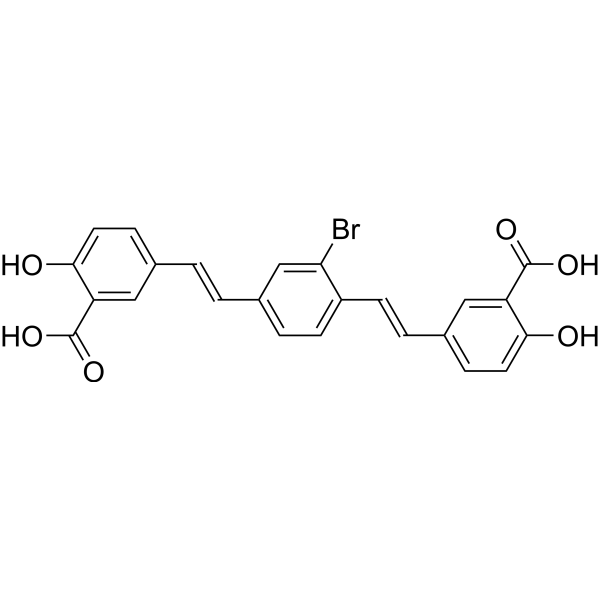 0 ImagesCat. No.: HY-D1443CAS No.: 291766-06-8Synonyms: (trans,trans)-1-Bromo-2,5-bis-(3-hydroxycarbonyl-4-hydroxy)styrylbenzeneBSB is a Congo red-derived fluorescent probe. BSB binds not only to extracellular amyloid β protein, but also many intracellular lesions composed of abnormal tau and synuclein proteins. BSB acts as a prototype imaging agent for Alzheimer's disease.
-
Nivegacetor
 0 ImagesSynonyms: RG6289Nivegacetor (RG6289) a potent and selective γ-secretase modulator. Nivegacetor can reduce the production of Aβ42 can be used for the research of Alzheimer's disease.
-
Donanemab (Mouse IgG2b)
 0 ImagesCat. No.: HY-P991046Purity: 99%Donanemab (Mouse IgG2b) is a chimeric antibody composed of humanized variable regions and a mouse IgG2b backbone. Donanemab (Mouse IgG2b) is an anti-amyloid inhibitor used in Alzheimer's disease research.
-
BTA-1
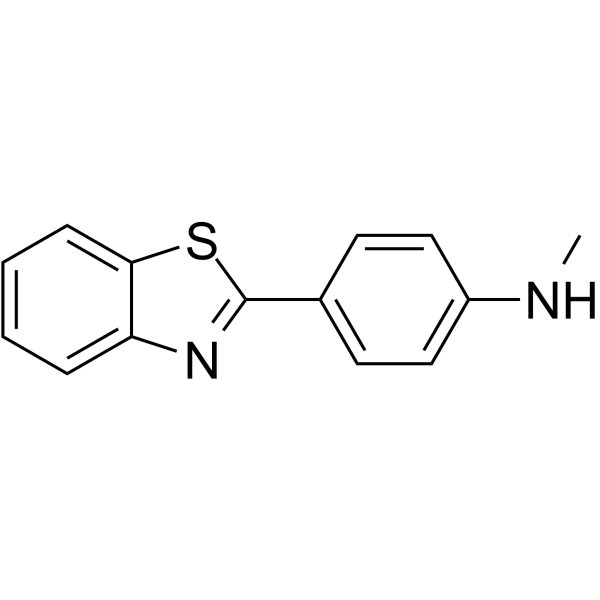 0 ImagesBTA-1 is an uncharged derivative of thioflavin-T. BTA-1 has a high affinity for Aβ fibrils and shows very good brain penetration and clearance.
-
Biphenyl-3′,3,4,4′-tetrol
 0 ImagesSynonyms: BPTBiphenyl-3′,3,4,4′-tetrol (BPT) is a potent Aβ40 aggregation inhibitor. Biphenyl-3′,3,4,4′-tetrol (BPT) can be used in the study of neurodegenerative diseases such as Alzheimer's disease.




