Apoptosis
Apoptosis
Apoptosis is a distinctive form of cell death exhibiting specific morphological and biochemical characteristics, including cell membrane blebbing, chromatin condensation, genomic DNA fragmentation, and exposure of specific phagocytosis signaling molecules on the cell surface. Cells undergoing apoptosis differ from those dying through necrosis. Necrotic cells are usually recognized by the immune system as a danger signal and, thus, resulting in inflammation; in contrast, apoptotic death is quiet and orderly.
There are two major pathways of apoptotic cell death induction: The intrinsic pathway, also called the Bcl-2-regulated or mitochondrial pathway, is activated by various developmental cues or cytotoxic insults, such as viral infection, DNA damage and growth-factor deprivation, and is strictly controlled by the BCL-2 family of proteins. The extrinsic or death-receptor pathway is triggered by ligation of death receptors (members of the tumor necrosis factor (TNF) receptor family, such as Fas or TNF receptor-1 (TNFR1)) that contain an intracellular death domain, which can recruit and activate caspase-8 through the adaptor protein Fas-associated death domain (FADD; also known as MORT1) at the cell surface. This recruitment causes subsequent activation of downstream (effector) caspases, such as caspase-3, -6 or -7, without any involvement of the BCL-2 family.
Studies suggest that alterations in cell survival contribute to the pathogenesis of a number of human diseases, including cancer, viral infections, autoimmune diseases, neurodegenerative disorders, and AIDS (acquired immunodeficiency syndrome). Treatments designed to specifically alter the apoptotic threshold may have the potential to change the natural progression of some of these diseases.
All Product Categories
-
Apoptosis Inhibitors
(905)
View all products
-
Apoptosis Agonists
(7)
View all products
-
Apoptosis Antagonists
(9)
View all products
-
Apoptosis Activators
(363)
View all products
-
Apoptosis Modulators
(60)
View all products
-
Apoptosis Inducers
(7928)
View all products
-
Apoptosis Degrader
(1)
View all products
-
Apoptosis Controls
(33)
View all products
-
Apoptosis Related Products (9874)
Related Products (9874)

-
Antibodies (120)
-
Rondaptivon pegol sodium
 0 ImagesCat. No.: HY-153999ASynonyms: BT200 sodiumRondaptivon pegol (BT200) sodium is a pegylated aptamer targeting von Willebrand factor (VWF), with an EC50 of 33 nM in humans. Rondaptivon pegol sodium effectively alleviates acute myocardial ischemia-reperfusion injury in mice by inhibiting VWF activity, reducing microvascular obstruction, inflammatory responses and cardiomyocyte apoptosis (apoptosis). Rondaptivon pegol sodium inhibits the binding of VWF to platelet glycoprotein GPIb, thereby preventing arterial thrombosis in cynomolgus monkeys. Rondaptivon pegol sodium can be used in research related to arterial thrombosis, stroke, myocardial infarction and myocardial ischemia-reperfusion injury.
-
Skp2-IN-4
 0 ImagesSkp2-IN-4 is an Skp2 inhibitor with a IC50 of 0.38 μM for Skp2-Cks1 binding. Skp2-IN-4 improves anti-tumor activity, inhibits the proliferation and induces S phase arrest by targeting Skp2. Skp2-IN-4 significantly enhances Cisplatin (HY-17394) chemosensitivity by suppressing the tumor cell stemness in NCl-H1299 xenograft mice model, promising for lung cancer and esophageal cancer research.
-
CLPP-2068
 0 ImagesCat. No.: HY-173048CAS No.: 3104462-62-3CLPP-2068 is the orally active activator for human caseinolytic protease P (HsClpP) with an EC50 of 50.4 nM. CLPP-2068 exhibits anti-proliferative efficacy in OCI-LY10 cancer cell with an IC50 of 5.2 nM. CLPP-2068 decreases mitochondrial membrane potential, increases mitochondrial ROS levels, and induces mitochondrial dysfunction. CLPP-2068 arrests the cell cycle at G1 phase, and induces apoptosis in cell OCI-LY10. CLPP-2068 exhibits antitumor activity in mouse xenograft models.
-
Ciwujianoside B
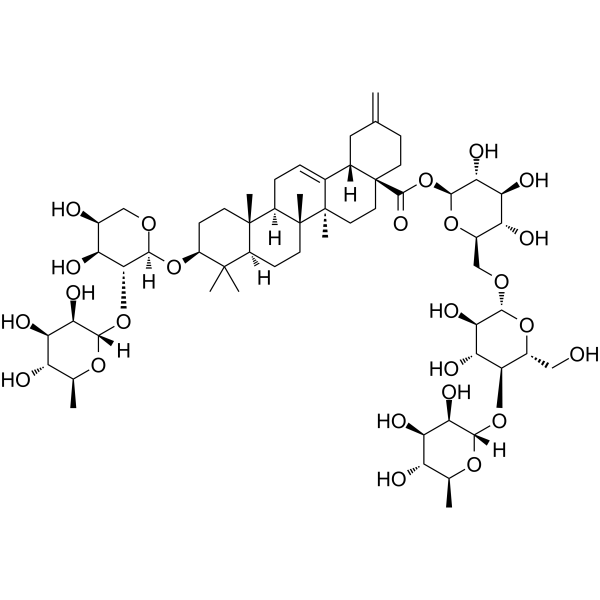 0 ImagesCiwujianoside B is an orally active, blood-brain barrier penetrable radioprotective agent and memory enhancer. Ciwujianoside B reduces radiation-induced DNA damage, cell cycle arrest and apoptosis, downregulates NF-κB and the Bax/Bcl-2 ratio, and enhances the proliferative capacity of bone marrow cells. Ciwujianoside B enhances object recognition memory in normal mice and induces dendritic extension in primary cultured cortical neurons. Ciwujianoside B can be used in studies related to hematopoietic system radiation injury and memory enhancement.
-
PCNA-I1
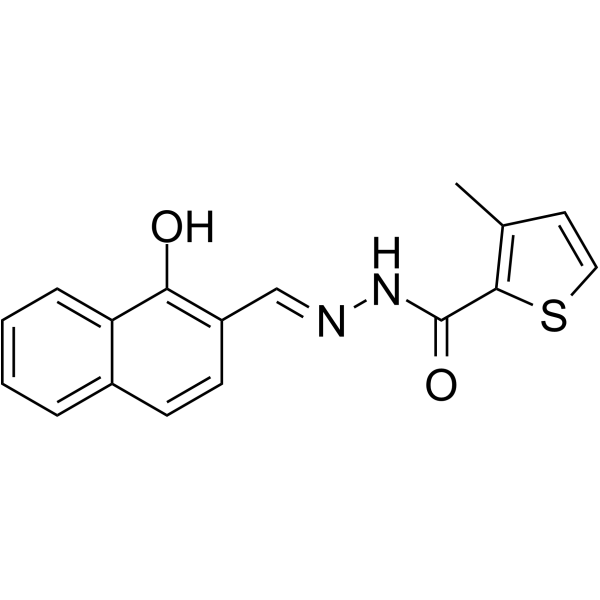 0 ImagesPCNA-I1 is a selective small molecule inhibitor targeting proliferating cell nuclear antigen (PCNA) with anticancer activity. PCNA-I1 can stabilize the PCNA trimer structure (Kd=0.14-0.41μM), reduce its binding to chromatin, induce tumor cell cycle arrest, inhibit DNA replication and repair, and enhance the anti-tumor effect of DNA damaging agents. PCNA-I1 can be used in the study of targeted therapy for prostate cancer, lung cancer and other tumors.
-
Levoleucovorin
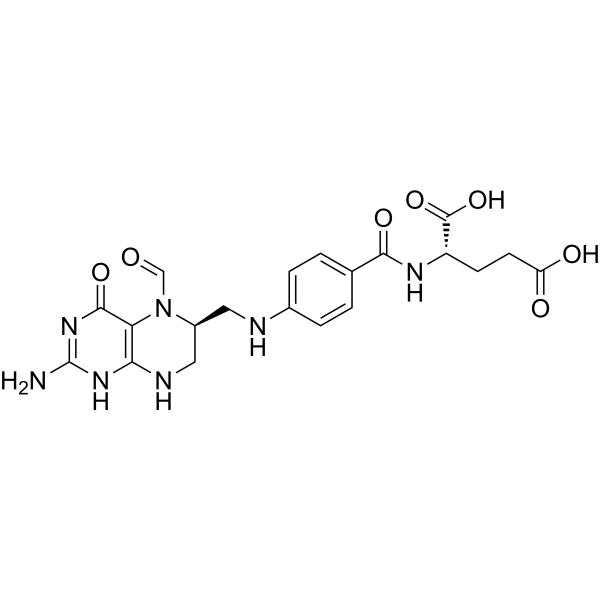 0 ImagesSynonyms: Levofolinic acid; LevofoleneLevoleucovorin (Levofolinic acid; Levofolene) is the pharmacologically and orally active levoisomer of Folinic acid (HY-17556), a synthetic folate analogue. Levoleucovorin can inhibit LOXL2 with an IC50 of 68.81 μM. Levoleucovorin can inhibit cancer cells proliferation, migration and induce apoptosis. Levoleucovorin can be used as a rescue agent for high-dose Methotrexate (HY-14519). Levoleucovorin can reduce the frequency of embryonic malformations. Levoleucovorin can be used for the research of can and endocrinology, such as breast cancer and osteosarcoma.
-
6-Methoxydihydrosanguinarine
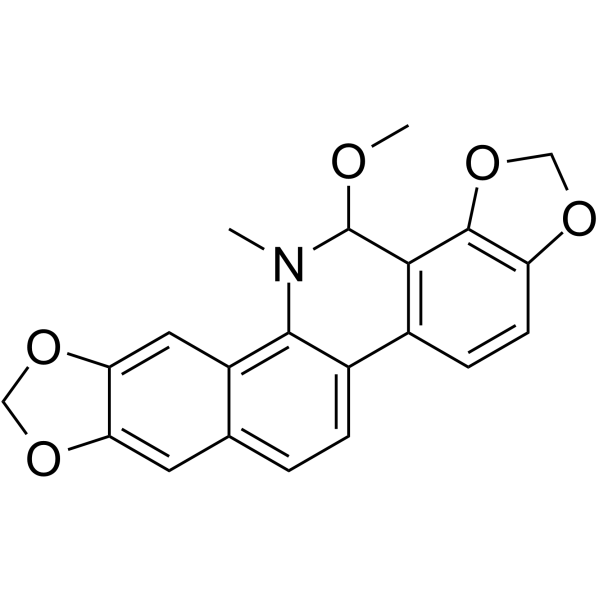 0 Images6-Methoxydihydrosanguinarine is an alkaloid with activity across multiple cancer cell types. 6-Methoxydihydrosanguinarine activates IRE1/JNK signaling, blocks Akt/mTOR and PI3K/AKT/mTOR pathways, reduces expression of Cdc25C, CyclinB1, Cdc2, YAP/TAZ, Survivin, GPX4, and EGFR, upregulates IRE1 and DR5, and activates JNK and caspases. 6-Methoxydihydrosanguinarine induces apoptosis, G2/M phase arrest, DNA damage, ROS generation, lipid peroxidation, ferroptosis, autophagy, and suppresses cancer cell growth. 6-Methoxydihydrosanguinarine disruptes the biofilm formation of Candida albicans (C. albicans). 6-Methoxydihydrosanguinarine can be used for the research of non-small cell lung cancer, hepatocellular carcinoma, melanoma, colon carcinoma, ovarian cancer and breast cancer.
-
Quinalizarin
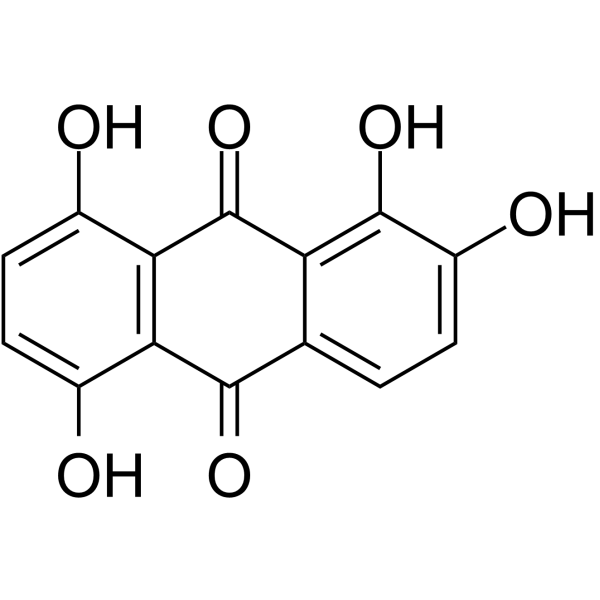 0 ImagesQuinalizarin is a protein kinase CK2 inhibitor with a Ki of 0.052 μM. Quinalizarin exhibits antifungal and anticancer activities. Quinalizarin induces ROS production, apoptotic signaling, mitochondrial pathway activation, cell cycle arrest, and cytotoxicity in cancer cells. Quinalizarin inhibits hyphal growth, biofilm formation, and mature biofilm integrity of Candida albicans. Quinalizarin can be used in research related to cancer and fungal infections.
-
SU212
 0 ImagesCat. No.: HY-179578CAS No.: 1262219-89-5SU212 is a podophyllotoxin-derived ENO1 inhibitor and AMPK activator. SU212 can selectively induce oxidative phosphorylation, reduce glycolysis activity and glucose uptake in tumor cells, and directly bind to ENO1 without affecting these pathways in normal cells. SU212 induces apoptosis and promotes ENO1 degradation via proteasomal and autophagic pathways without inhibiting the catalytic activity. SU212 leads to mitotic arrest and apoptosis in TNBC (triple-negative breast cancer) cells by activating AMPK, demonstrating potent anti-tumor activity in vitro. SU212 inhibits tumor growth and metastasis in syngeneic, xenograft, and diabetic mouse models, exhibiting an excellent safety profile. SU212 can be used in research on t TNBC, diabetes, and fatty liver disease.
-
6-Hydroxycoumarin
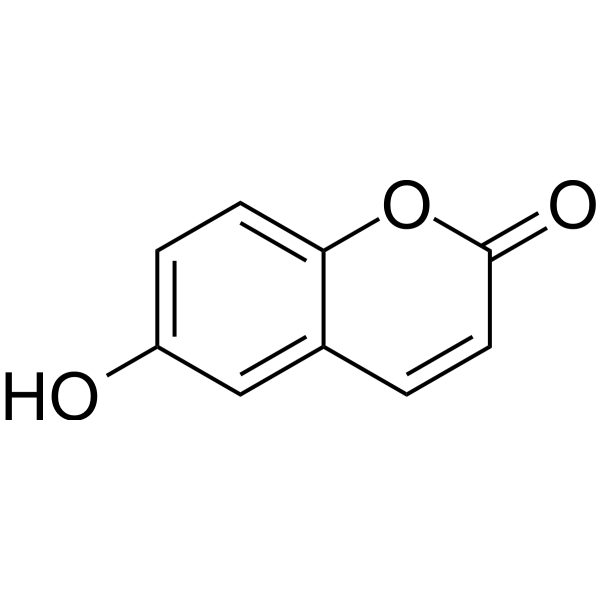 0 Images6-Hydroxycoumarin is a plant-derived secondary metabolite of the coumarin class, possessing insecticidal, antitumor, and other biological activities. 6-Hydroxycoumarin targets the midgut tissue of the red imported fire ant (Solenopsis invicta), inhibits CYP450, induces elevated activities of GST, CarE, and SOD, disrupts mitochondrial ultrastructure, triggers apoptosis, and also impairs insect neuromuscular behavior. 6-Hydroxycoumarin exhibits photoallergic properties and serves as an intermediate for the synthesis of isoxazolyl and triazolyl derivatives. 6-Hydroxycoumarin is applicable to research related to red imported fire ant control.
-
Aspirin-d4
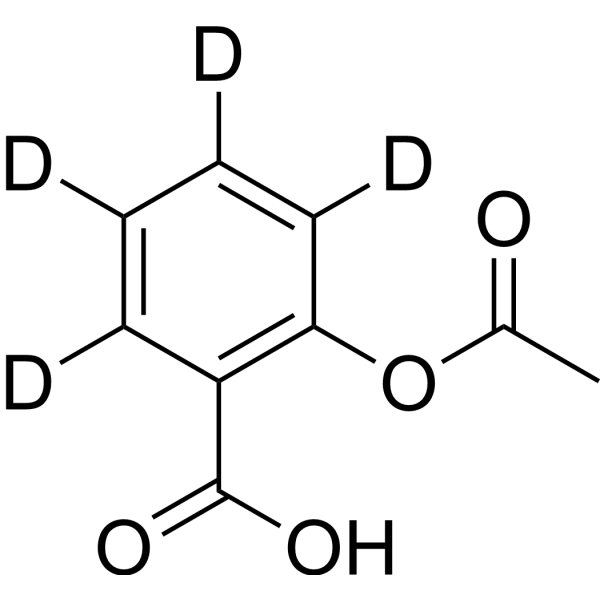 0 ImagesSynonyms: Acetylsalicylic acid-d4; ASA-d4Aspirin-d4 is the deuterium labeled Aspirin (HY-14654). Aspirin (Acetylsalicylic acid) is an orally active, potent and irreversible inhibitor of cyclooxygenase COX-1 and COX-2, with IC50 values of 5 and 210 μg/mL, respectively. Aspirin induces apoptosis. Aspirin inhibits the activation of NF-κB. Aspirin also inhibits platelet prostaglandin synthetase, and can prevent coronary artery and cerebrovascular thrombosis.
-
Ethyl maltol
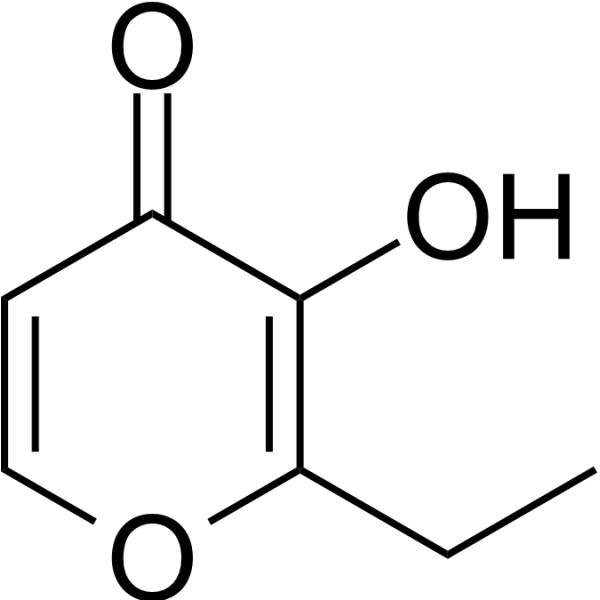 0 ImagesSynonyms: 2-Ethyl-3-hydroxy-4H-pyran-4-oneEthyl maltol (2-Ethyl-3-hydroxy-4H-pyran-4-one) is an orally active and important food additive and flavor enhancer. Ethyl maltol is less toxic to rats and dogs. Ethyl maltol can enhance copper-mediated cytotoxicity and induce apoptosis in lung epithelial cells.
-
USP7-IN-9
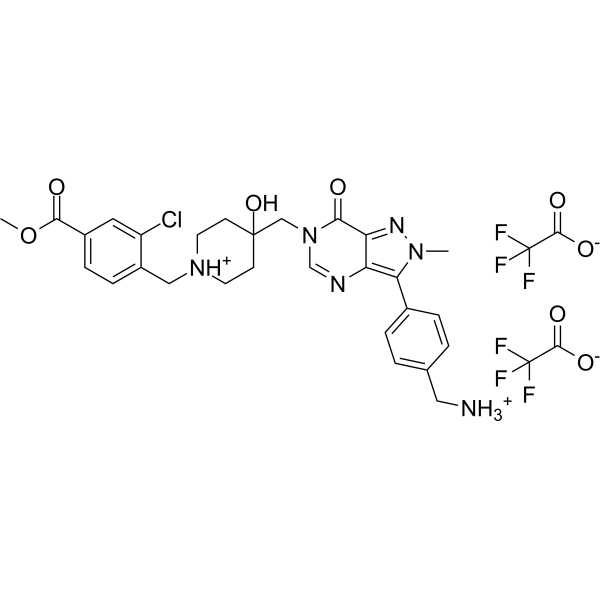 0 ImagesUSP7-IN-9 is a highly potent ubiquitin-specific protease 7 (USP7) inhibitor with an IC50 value of 40.8 nM. USP7-IN-9 can induce apoptosis and arrest cell progression at G0/G1 and S phases in RS4; 11 cells. USP7-IN-9 reduces the protein levels of oncoproteins MDM2 and DNMT1 and increases the protein levels of tumor suppressors p53 and p21.
-
5,7-Dihydroxy-4-methylcoumarin
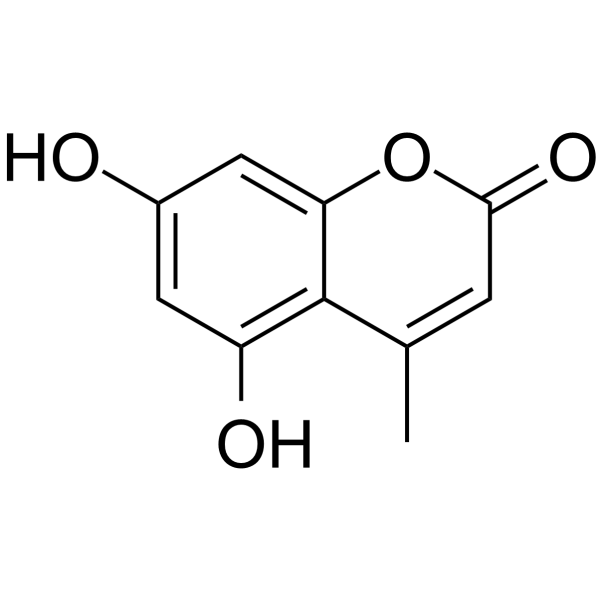 0 Images5,7-Dihydroxy-4-methylcoumarin is an antioxidant. 5,7-Dihydroxy-4-methylcoumarin protects mouse cochlear hair cells from Cisplatin-induced damage, enhances cell viability and inhibits apoptosis. 5,7-Dihydroxy-4-methylcoumarin downregulates phosphorylated JNK levels, increases the ratio of phosphorylated FoxO1 to total FoxO1, scavenges free radicals, reduces ROS accumulation, maintains mitochondrial membrane potential and alleviates mitochondrial dysfunction. 5,7-Dihydroxy-4-methylcoumarin downregulates the expression of caspase-3 and improves cell viability. 5,7-Dihydroxy-4-methylcoumarin can be used in studies related to ototoxicity.
-
Parthenolide (Standard)
 0 ImagesSynonyms: (-)-Parthenolide (Standard)Parthenolide (Standard) is the analytical standard of Parthenolide. This product is intended for research and analytical applications. Parthenolide is a sesquiterpene lactone found in the medicinal herb Feverfew. Parthenolide exhibits anti-inflammatory activity by inhibiting NF-κB activation; also inhibits HDAC1 protein without affecting other class I/II HDACs.
-
S-Adenosyl-L-methionine iodide
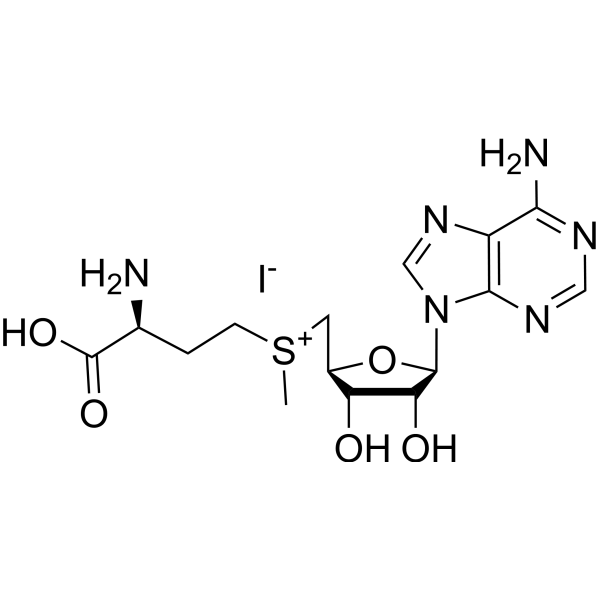 0 ImagesSynonyms: S-Adenosyl methionine iodide; Ademetionine iodide; AdoMet iodideS-Adenosyl-L-methionine (S-Adenosyl methionine) iodide is an orally active methyl group donor. S-Adenosyl-L-methionine iodide is a dietary supplement with potent antidepressant effects. S-Adenosyl-L-methionine iodide also has anti‑proliferative, pro‑apoptotic and anti‑metastatic roles in cancers. S-Adenosyl-L-methionine iodide has the potential for, cancer, liver disease and osteoarthritis research.
-
Nonactin
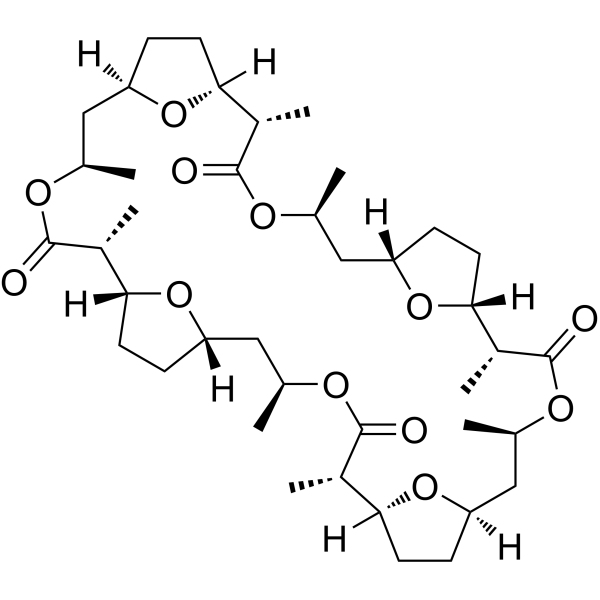 0 ImagesNonactin is a macrotetrolide antibiotic and mitochondrial uncoupler with antibacterial, insecticidal, and acaricidal activities. Nonactin acts as an ionophore for monovalent cations, including K+, and NH4+, and it can also inhibit the surface expression of endogenous HSP60. In addition, Nonactin can induce apoptosis in β-catenin mutant tumor cells and has anti-tumor activity.