



Apoptosis
Apoptosis
Apoptosis is a distinctive form of cell death exhibiting specific morphological and biochemical characteristics, including cell membrane blebbing, chromatin condensation, genomic DNA fragmentation, and exposure of specific phagocytosis signaling molecules on the cell surface. Cells undergoing apoptosis differ from those dying through necrosis. Necrotic cells are usually recognized by the immune system as a danger signal and, thus, resulting in inflammation; in contrast, apoptotic death is quiet and orderly.
There are two major pathways of apoptotic cell death induction: The intrinsic pathway, also called the Bcl-2-regulated or mitochondrial pathway, is activated by various developmental cues or cytotoxic insults, such as viral infection, DNA damage and growth-factor deprivation, and is strictly controlled by the BCL-2 family of proteins. The extrinsic or death-receptor pathway is triggered by ligation of death receptors (members of the tumor necrosis factor (TNF) receptor family, such as Fas or TNF receptor-1 (TNFR1)) that contain an intracellular death domain, which can recruit and activate caspase-8 through the adaptor protein Fas-associated death domain (FADD; also known as MORT1) at the cell surface. This recruitment causes subsequent activation of downstream (effector) caspases, such as caspase-3, -6 or -7, without any involvement of the BCL-2 family.
Studies suggest that alterations in cell survival contribute to the pathogenesis of a number of human diseases, including cancer, viral infections, autoimmune diseases, neurodegenerative disorders, and AIDS (acquired immunodeficiency syndrome). Treatments designed to specifically alter the apoptotic threshold may have the potential to change the natural progression of some of these diseases.
All Product Categories
-
Apoptosis Inhibitors
(904)
View all products
-
Apoptosis Agonists
(7)
View all products
-
Apoptosis Antagonists
(9)
View all products
-
Apoptosis Activators
(363)
View all products
-
Apoptosis Modulators
(60)
View all products
-
Apoptosis Inducers
(7944)
View all products
-
Apoptosis Degrader
(1)
View all products
-
Apoptosis Controls
(33)
View all products
-
Apoptosis Related Products (9888)
Related Products (9888)

-
Antibodies (120)
-
Sinigrin (Standard)
 0 ImagesSynonyms: Allyl-glucosinolate (Standard); 2-Propenyl-glucosinolate (Standard)Sinigrin (Standard) (Allyl-glucosinolate (Standard)) is the analytical standard of Sinigrin (HY-N0404). This product is intended for research and analytical applications. Sinigrin (Allyl-glucosinolate) is an orally active glucosinolate found in cruciferous plants. Sinigrin possesses multiple activities such as anti-cancer, antibacterial, antifungal, anti-inflammatory, antioxidant, and inhibition of fat synthesis. Sinigrin can be used in the research of tumors, inflammatory, and metabolic diseases.
-
Vin-C01
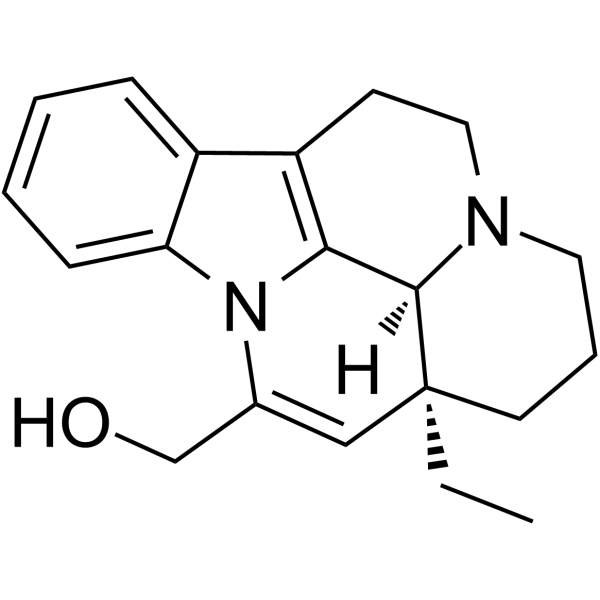 0 ImagesCat. No.: HY-147502CAS No.: 23173-26-4Vin-C01 is a potent pancreatic β-cells protective agent with an EC50 of 0.22 μM. Vin-C01 effectively promotes β-cell survival and protects β-cells from STZ (HY-13753)-induced apoptosis. Vin-C01 can be used for type 2 diabetes mellitus research.
-
NOSH-aspirin
 0 ImagesCat. No.: HY-150038CAS No.: 1357362-67-4Synonyms: NBS-1120NOSH-aspirin (NBS-1120) is an orally active hybrid molecule that releases nitric oxide and hydrogen sulfide. NOSH-aspirin inhibits pancreatic cancer cell proliferation and induces apoptosis. NOSH-aspirin inhibits cancer cell growth and suppresses NF-κB and FoxM1 in a mouse model of pancreatic cancer. NOSH-aspirin also alleviates motor deficits and dopaminergic neuron degeneration in a rat model of Parkinson's disease. NOSH-aspirin reduces neuroinflammation caused by microglial and astrocytic activation. NOSH-aspirin can be used in research on cancers such as pancreatic cancer and neurological diseases such as Parkinson's disease.
-
LJ-2698
 0 ImagesCat. No.: HY-153149CAS No.: 945457-84-1Synonyms: FM101LJ-2698 (FM101) is an orally active adenosine A3 receptor (Adenosine A3 Receptor) antagonist. LJ-2698 blocks adenosine A3 receptor-dependent pro-inflammatory JNK, ERK, and NF-κB signaling pathways. LJ-2698 prevents alveolar cavity enlargement, restores pulmonary function, and inhibits matrix metalloproteinase activity and pulmonary cell apoptosis (apoptosis) in mice. LJ-2698 induces mitochondrial dysfunction, necroptosis, and intrinsic apoptosis. LJ-2698 ameliorates renal injury in mice with diabetic nephropathy, and alleviates diet-induced hepatic inflammation and fibrosis. LJ-2698 can be used in the research of emphysema, diabetic nephropathy, and metabolic dysfunction-associated steatotic liver disease.
-
Bid BH3 peptide acetate
 0 ImagesCat. No.: HY-P10614APurity: 98.13%Bid BH3 peptide acetate is a pro-apoptotic peptide derived from the Bid protein. Through its α-helical conformation, Bid BH3 peptide inserts into the hydrophobic grooves of anti-apoptotic Bcl-2 family proteins (Bcl-xl, Bcl-2, Bcl-w and Bax), competitively displaces and releases the pro-apoptotic proteins Bax/Bak, thereby initiating mitochondrial outer membrane permeabilization (MOMP) and the caspase cascade for apoptosis. Bid BH3 peptide acetate can be used in cancer-related research.
-
Panobinostat-d4 hydrochloride
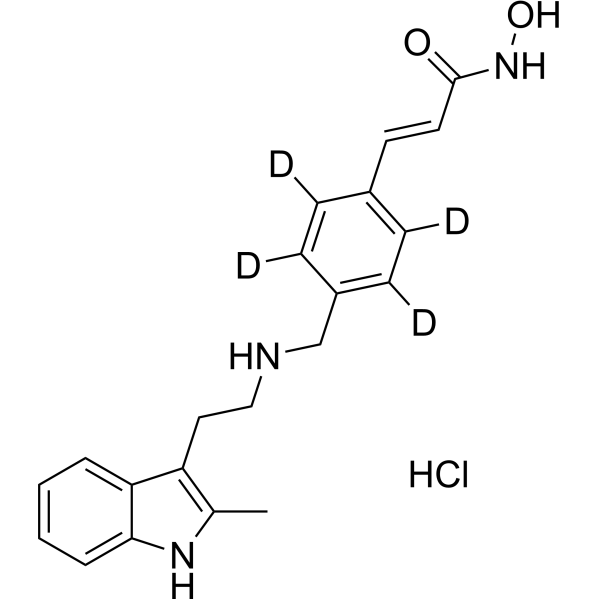 0 ImagesCat. No.: HY-10224S1Synonyms: LBH589-d4 hydrochloride; NVP-LBH589-d4 hydrochloridePanobinostat-d4 (hydrochloride) is deuterium labeled Panobinostat. Panobinostat (LBH589; NVP-LBH589) is a potent and orally active non-selective HDAC inhibitor, and has antineoplastic activities[1][2]. Panobinostat induces HIV-1 virus production even at low concentration range 8-31 nM, stimulates HIV-1 expression in latently infected cells[4]. Panobinostat induces cell apoptosis and autophagy. Panobinostat can be used for the study of refractory or relapsed multiple myeloma[3].
-
PROTAC Sirt2 Degrader-2
 0 ImagesCat. No.: HY-179388CAS No.: 3123329-68-7PROTAC Sirt2 Degrader-2 is a highly efficient and selective PROTAC degrader targeting SIRT2. PROTAC Sirt2 Degrader-2 demonstrates the most potent anti-proliferative activity both in vitro and in vivo. PROTAC Sirt2 Degrader-2 leads to a marked increase in H4K16Ac levels. PROTAC Sirt2 Degrader-2 significantly suppresses clonogenic formation and migration, induces cell cycle arrest, and promotes apoptosis. PROTAC Sirt2 Degrader-2 inhibits the AKT/mTOR signaling pathway by indirectly degrading SIRT2 and blocking downstream protein phosphorylation, thereby disrupting the signaling cascade and suppressing tumor development. PROTAC Sirt2 Degrader-2 can be used for the study of ovarian cancer.
-
αβ-Tubulin-IN-1
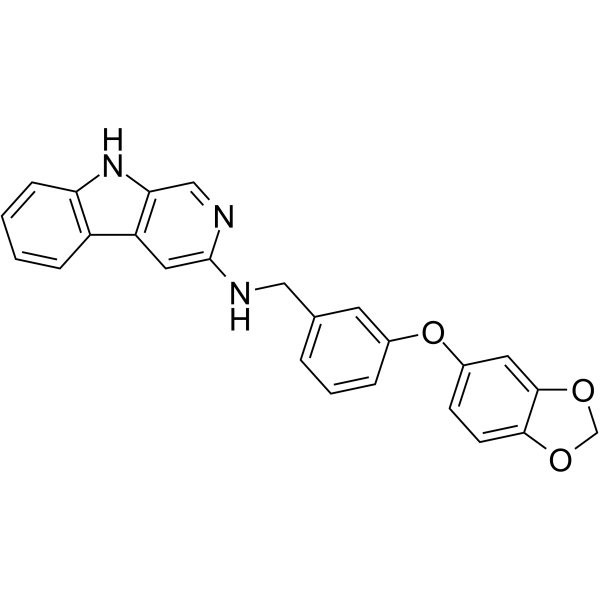 0 ImagesCat. No.: HY-144132CAS No.: 2478584-74-4αβ-Tubulin-IN-1 is a potent and orally active αβ-Tubulin inhibitor. αβ-Tubulin-IN-1 induces cell cycle arrest at G2/M and efficient apoptosis. αβ-Tubulin-IN-1 inhibits tumor cell migration and Metastasis. αβ-Tubulin-IN-1 shows significant antitumor efficacy in a dose dependent manner.
-
PROTAC CDK9 degrader-13
 0 ImagesCat. No.: HY-184693PROTAC CDK9 degrader-13 is a selective CDK9 degrader acting via the ubiquitin-proteasome system. PROTAC CDK9 degrader-13 induces apoptosis in acute myeloid leukemia cells. PROTAC CDK9 degrader-13 suppresses tumor growth in vivo and has a defined safety profile. PROTAC CDK9 degrader-13 can be used for the research of acute myeloid leukemia.
-
LC1343
 0 ImagesCat. No.: HY-184155CAS No.: 2756347-51-8LC1343 is a human thymidylate synthase (hTS) inhibitor with an IC50 of 7 μM. LC1343 inhibits cancer cell growth and induces apoptosis in cancer cells. LC1343 can be used for the research of ovarian cancer, colorectal cancer, and pancreatic cancer.
-
CDK2-IN-62
 0 ImagesCat. No.: HY-187179CDK2-IN-62 is a predicted CDK2 inhibitor. CDK2-IN-62 induces apoptosis in breast cancer cells and reduces their colony-forming ability. CDK2-IN-62 can be used for the research of breast cancer, ovarian cancer and colorectal cancer.
-
Oxamic acid (Standard)
 0 ImagesCat. No.: HY-W013032RCAS No.: 471-47-6Synonyms: Oxamidic acid (Standard)Oxamic acid (Standard) is the analytical standard of Oxamic acid. This product is intended for research and analytical applications. Oxamic acid is a lactate dehydrogenase-A (LDH-A) inhibitor. Oxamic acid shows anti-tumor activity, and anti-proliferative activity against cancer cells, and can induce apoptosis[1][2][3].
-
KDM1/CDK1-IN-1
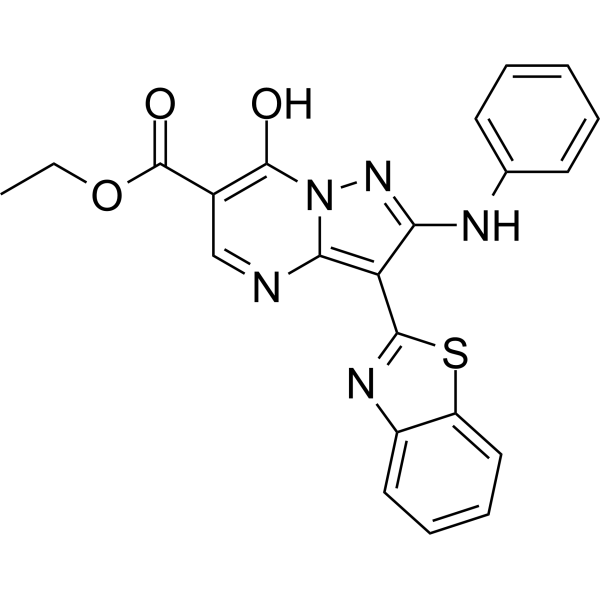 0 ImagesCat. No.: HY-147901CAS No.: 2938990-92-0KDM1/CDK1-IN-1 (compound 4) is a potent KDM1 and CDK1 inhibitor, with IC50 values of 0.096 and 0.078 μM, respectively.KDM1/CDK1-IN-1 induces cell cycle arrest at G2/M phase and apoptosis in HOP-92 cells. KDM1/CDK1-IN-1 exhibits potent cytotoxic activity against the CCRF-CEM, HOP-92 and Hep-G2 cells, with IC50 values of 16.34, 3.45 and 7.79 μM, respectively.
-
d-T101 peptide
 0 ImagesCat. No.: HY-P11298CAS No.: 2120397-85-3d-T101 peptide, a human hormone-peptide, is a T1/ST2 receptor ligand. d-T101 peptide binds to the T1/ST2 receptor and activates caspases 8, 9 and 3 mediated apoptosis, together with activation of JNKinase and p38 MAPKinase. d-T101 peptide also changes Golgi structural with function loss and downregulation of the endoplasmic reticulum (ER) stress repair mechanism. d-T101 peptide has immunostimulatory and anticancer activity, selectively induces apoptosis in proliferating cancer cells and increases IL-2 and IFN-γ expression as well as the recruitment of NK cells and M1 macrophages to the tumor site.
-
Isostearic acid (Standard)
 0 ImagesCat. No.: HY-W127433RCAS No.: 2724-58-5Isostearic acid (Standard) is the analytical standard of Isostearic acid. This product is intended for research and analytical applications. Isostearic acid is a unique fatty acid. Isostearic acid promotes IL-1 release and Apoptosis. Isostearic acid has potent inflammatory properties. Isostearic acid can be used in pharmaceutical, personal care, and cosmetic applications[1][2].
-
Duocarmycin A
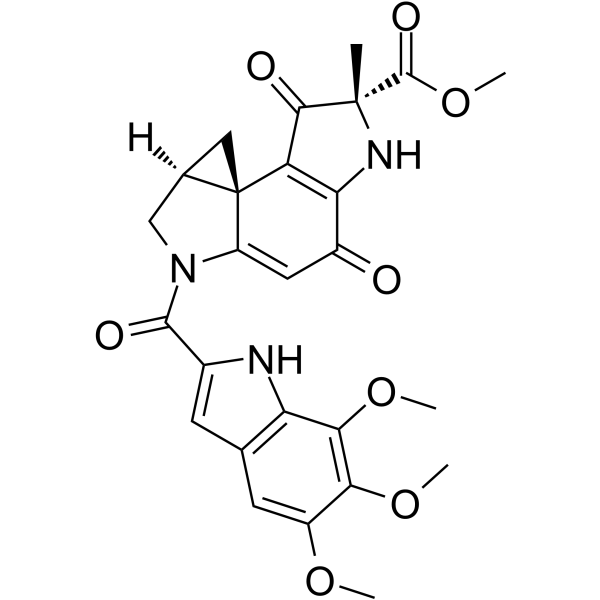 0 ImagesCat. No.: HY-12455CAS No.: 118292-34-5Duocarmycin A is an antitumor antibiotic and DNA alkylating agent with broad-spectrum antibacterial activity, which can serve as a payload for synthesizing antibody-drug conjugates (ADCs). Duocarmycin A selectively binds to the AT-rich minor groove of DNA, forms covalent adducts by alkylating the adenine N3 residue, thereby disrupting DNA structure and inhibiting its replication and transcription. Duocarmycin A induces apoptosis, sub-G1 phase accumulation and chromatin condensation, reduces the levels of pro-caspase-3/9, and induces p53-independent p21 expression. Duocarmycin A is widely used in the research of various malignancies, including leukemia, sarcoma, glioblastoma, as well as multiple solid tumor models such as lung cancer, breast cancer, and colorectal cancer.
-
TrxR1-IN-B19
 0 ImagesCat. No.: HY-120914CAS No.: 170950-29-5Synonyms: GO-Y015TrxR1-IN-B19 (GO-Y015) is a Curcumin (HY-N0005) derivative and TrxR1 inhibitor. TrxR1-IN-B19 inhibits de novo selenoprotein synthesis, suppresses SeP and GPx expression, and impairs selenium incorporation into Sec-tRNA[Sec]. TrxR1-IN-B19 induces Nrf2 accumulation through Keap1 cysteine modification, HO-1 expression, GSH synthesis, ROS accumulation, ER stress, mitochondrial dysfunction, Apoptosis, and G2/M phase arrest. TrxR1-IN-B19 improves glucose tolerance and insulin sensitivity, lowers blood glucose, inhibits tumor growth, and reduces arsenic accumulation. TrxR1-IN-B19 can be used for research on type 2 diabetes, arsenite-induced toxicity, and gastric cancer.
-
PF-3758309 hydrochloride
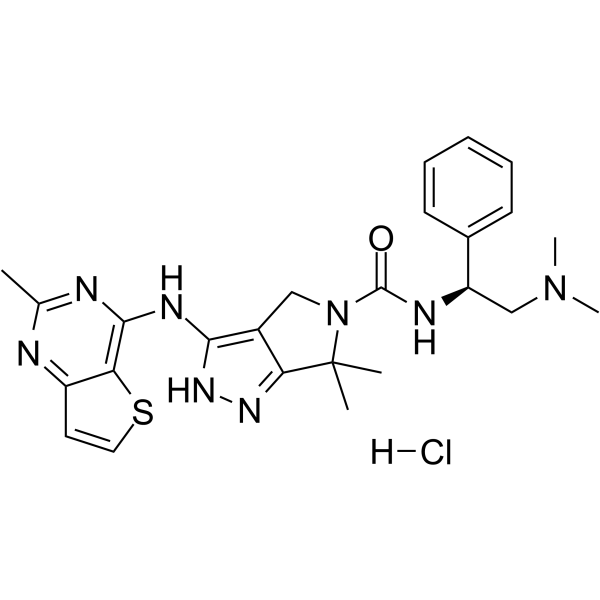 0 ImagesCat. No.: HY-13007ACAS No.: 1279034-84-2Synonyms: PF-03758309 hydrochloridePF-3758309 (PF-03758309) hydrochloride is a potent, orally available, and reversible ATP-competitive inhibitor of PAK4 (Kd= 2.7 nM; Ki=18.7 nM). PF-3758309 hydrochloride has the expected cellular functions of a PAK4 inhibitor: inhibition of anchorage-independent growth, induction of apoptosis, cytoskeletal remodeling, and inhibition of proliferation.
-
BKN-1
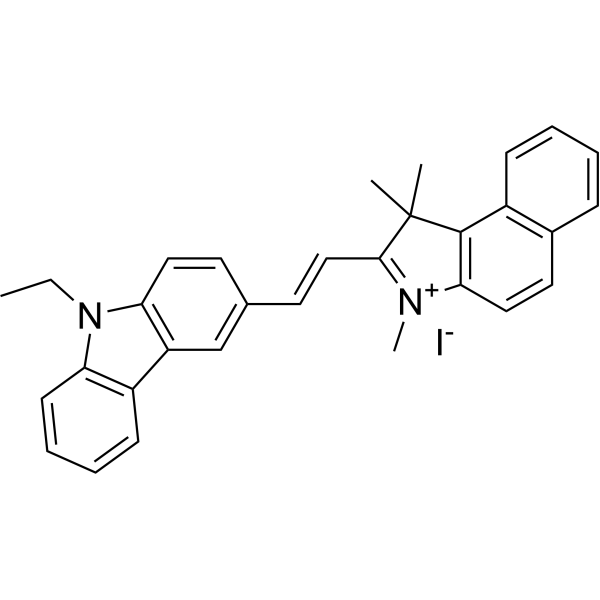 0 ImagesCat. No.: HY-162084CAS No.: 1607831-82-2BKN-1 is a bifunctional ligand that can not only track the formation of mtG4s (G-quadruplexes, four-stranded DNA structures containing Hoogsteen bonds) through far-red emission, but can also induce mitochondrial dysfunction. BKN-1 has anti-tumor activity and may cause mtDNA loss, damage mitochondrial integrity, reduce ATP levels, and trigger ROS imbalance, leading to apoptosis and autophagy.
-
UNC1666
 0 ImagesCat. No.: HY-120089CAS No.: 1429882-12-1UNC1666 is an ATP-competitive dual-target Mer/Flt3 tyrosine kinase inhibitor with IC50 values of 0.55 nM and 0.69 nM, and Ki values of 0.16 nM and 0.67 nM, respectively. UNC1666 reduces the phosphorylation levels of Mer and Flt3, suppresses downstream pro-survival signaling pathways (Erk1/2, Akt and Stat), induces cell apoptosis, and decreases colony formation of acute myeloid leukemia cells. UNC1666 is applicable to research related to acute myeloid leukemia.




