



Apoptosis
Apoptosis
Apoptosis is a distinctive form of cell death exhibiting specific morphological and biochemical characteristics, including cell membrane blebbing, chromatin condensation, genomic DNA fragmentation, and exposure of specific phagocytosis signaling molecules on the cell surface. Cells undergoing apoptosis differ from those dying through necrosis. Necrotic cells are usually recognized by the immune system as a danger signal and, thus, resulting in inflammation; in contrast, apoptotic death is quiet and orderly.
There are two major pathways of apoptotic cell death induction: The intrinsic pathway, also called the Bcl-2-regulated or mitochondrial pathway, is activated by various developmental cues or cytotoxic insults, such as viral infection, DNA damage and growth-factor deprivation, and is strictly controlled by the BCL-2 family of proteins. The extrinsic or death-receptor pathway is triggered by ligation of death receptors (members of the tumor necrosis factor (TNF) receptor family, such as Fas or TNF receptor-1 (TNFR1)) that contain an intracellular death domain, which can recruit and activate caspase-8 through the adaptor protein Fas-associated death domain (FADD; also known as MORT1) at the cell surface. This recruitment causes subsequent activation of downstream (effector) caspases, such as caspase-3, -6 or -7, without any involvement of the BCL-2 family.
Studies suggest that alterations in cell survival contribute to the pathogenesis of a number of human diseases, including cancer, viral infections, autoimmune diseases, neurodegenerative disorders, and AIDS (acquired immunodeficiency syndrome). Treatments designed to specifically alter the apoptotic threshold may have the potential to change the natural progression of some of these diseases.
All Product Categories
-
Apoptosis Inhibitors
(905)
View all products
-
Apoptosis Agonists
(7)
View all products
-
Apoptosis Antagonists
(9)
View all products
-
Apoptosis Activators
(363)
View all products
-
Apoptosis Modulators
(60)
View all products
-
Apoptosis Inducers
(7928)
View all products
-
Apoptosis Degrader
(1)
View all products
-
Apoptosis Controls
(33)
View all products
-
Apoptosis Related Products (9874)
Related Products (9874)

-
Antibodies (120)
-
Bruceine D
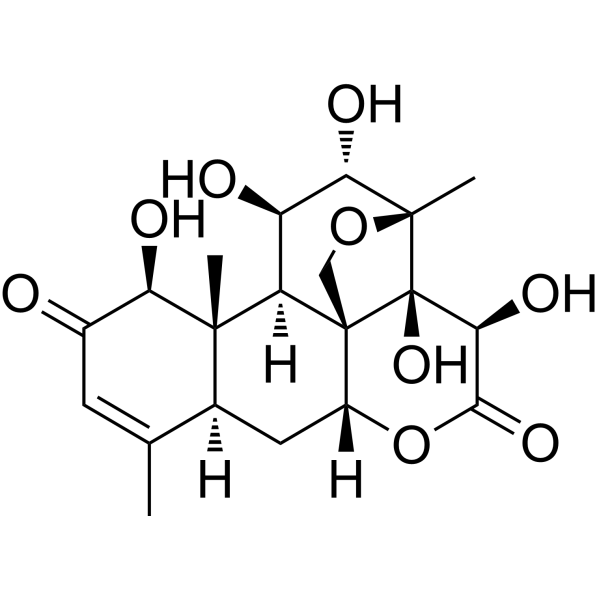 0 ImagesBruceine D is a Notch inhibitor with anti-cancer activity and induces apoptosis in several human cancer cells. Bruceine D is an effective botanical insect antifeedant with outstanding systemic properties, causing potent pest growth inhibitory activity. Bruceine D has strong anthelmintic activity against D. intermedius with an EC50 value of 0.57 mg/L.
-
DC_AC50
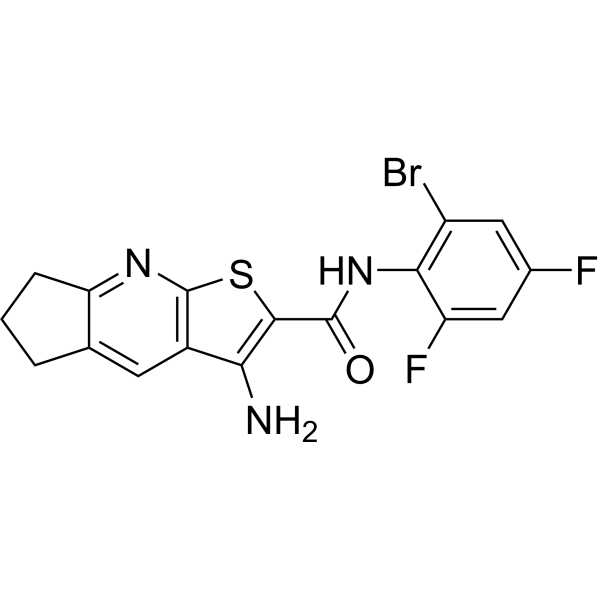 0 ImagesDC_AC50 is a dual inhibitor of Atox1 and CCS (copper chaperones). Inhibiting intracellular copper chaperones as a means of reducing/preventing acquired chemotherapy resistance.
-
Skatole
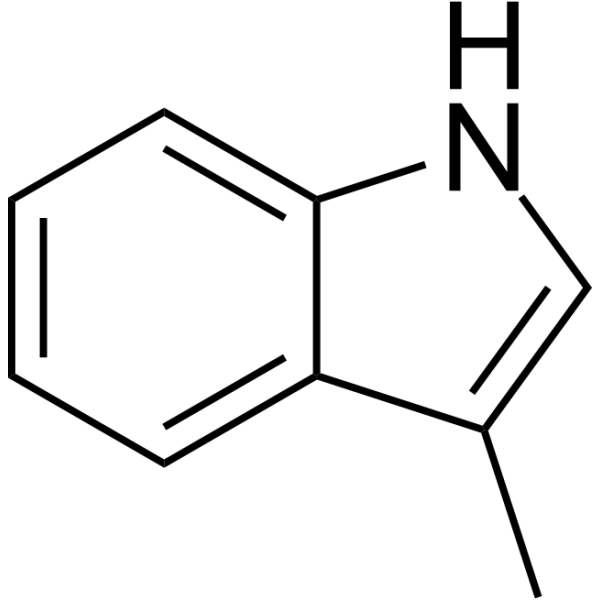 0 ImagesSynonyms: 3-Methylindole; 3-Methyl-1H-indoleSkatole (3-methylindole) is a heterocyclic compound naturally found in the feces of vertebrates and can be found in certain plants. Skatole can be produced by intestinal bacteria, inducing apoptosis of intestinal epithelial cells through activating aryl hydrocarbon receptors (AhR) and p38. Skatole has been used in specific products of the perfume industry or as a flavor additive in ice cream.
-
JG-98
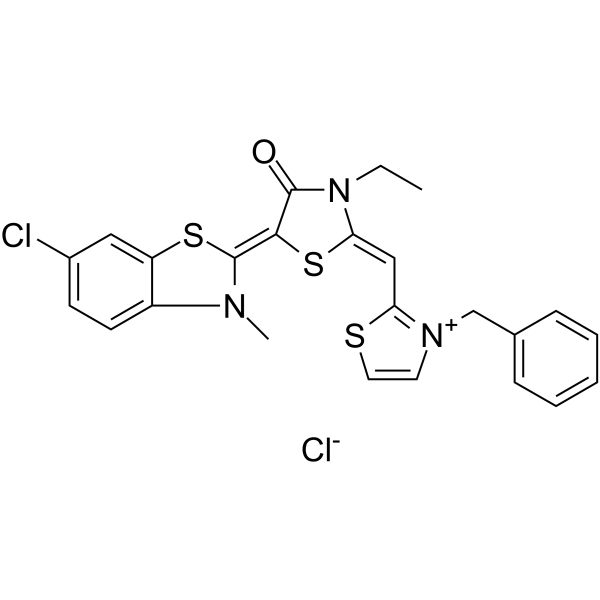 0 ImagesJG-98, an allosteric heat shock protein 70 (Hsp70) inhibitor, which binds tightly to a conserved site on Hsp70 and disrupts the Hsp70-Bag3 interaction. JG-98 shows anti-cancer activities affecting both cancer cells and tumor-associated macrophages.
-
Epoprostenol sodium
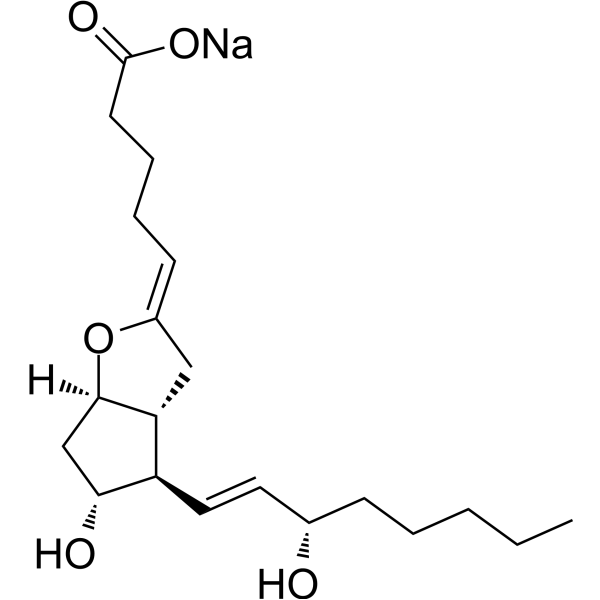 0 ImagesSynonyms: Prostaglandin I2 sodium salt; Prostacyclin sodium salt; FlolanEpoprostenol sodium (Prostaglandin I2) sodium salt, the synthetic form of the natural prostaglandin derivative prostacyclin (prostaglandin I2), is registered worldwide for the treatment of Pulmonary arterial hypertension (PAH). Epoprostenol sodium is used in pulmonary hypertension and transplantation as a potent inhibitor of platelet aggregation.
-
Capsaicin (Standard)
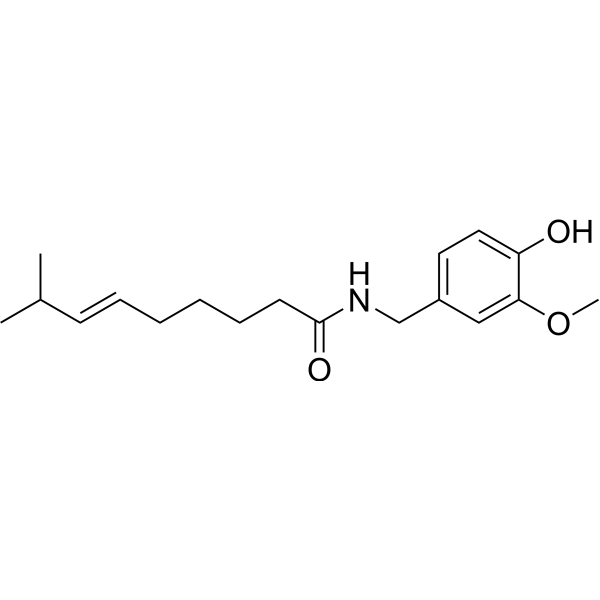 0 ImagesCapsaicin (Standard) is the analytical standard of Capsaicin. This product is intended for research and analytical applications. Capsaicin ((E)-Capsaicin), an active component of chili peppers, is a TRPV1 agonist. Capsaicin induces a nociceptive response by binding to its receptors. Capsaicin has analgesic effects on neurological disorders. Capsaicin has antioxidant, anti-inflammatory, anti-cancer effects.
-
Quercetin (Standard)
 0 ImagesQuercetin (Standard) is the analytical standard of Quercetin. This product is intended for research and analytical applications. Quercetin, a natural flavonoid, is a stimulator of recombinant SIRT1 and also a PI3K inhibitor with IC50 of 2.4 μM, 3.0 μM and 5.4 μM for PI3K γ, PI3K δ and PI3K β, respectively.
-
Polyethylene glycol mono(4-tert-octylphenyl) ether surfactant
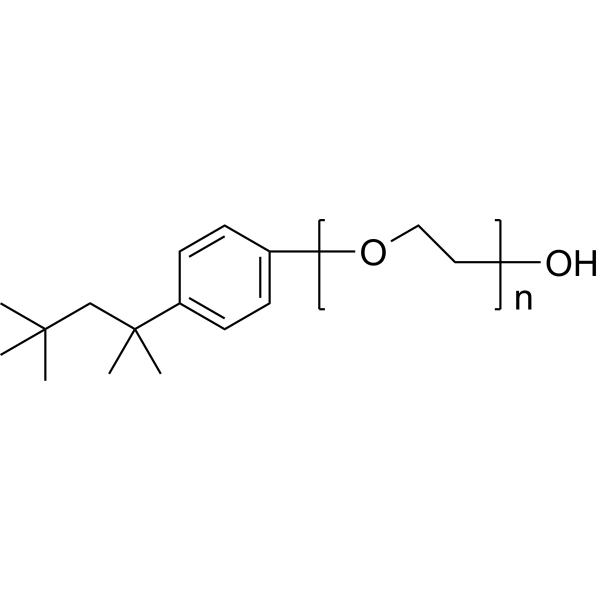 0 ImagesPolyethylene glycol mono(4-tert-octylphenyl) ether surfactant is a non-denaturing detergent that solubilizes lipid membranes. Polyethylene glycol mono(4-tert-octylphenyl) ether surfactant is commonly used in laboratories and is applied to vaccines at different stages of the manufacturing process. Polyethylene glycol mono(4-tert-octylphenyl) ether surfactant is listed as an excipient in certain vaccines including split virus influenza vaccines. Polyethylene glycol mono(4-tert-octylphenyl) ether surfactant is a nonionic surfactant. Polyethylene glycol mono(4-tert-octylphenyl) ether surfactant induces Apoptosis in prostate and colon cancer cell lines and reduces the infectivity of classic enveloped viruses such as WNV.
-
Docetaxel Trihydrate
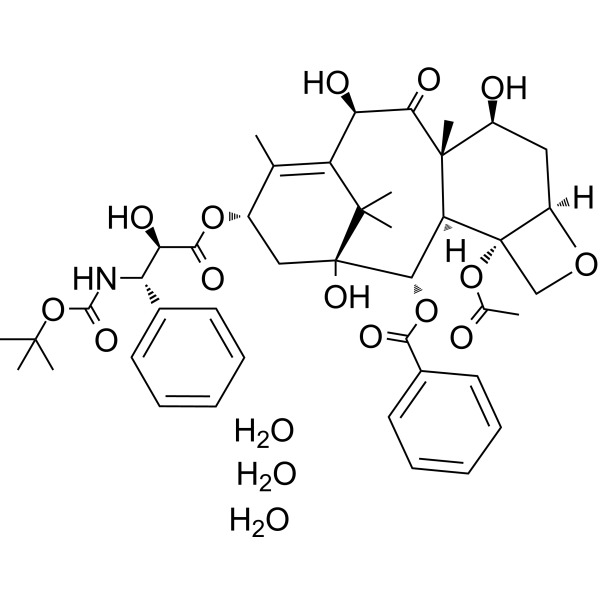 0 ImagesSynonyms: RP-56976 TrihydrateDocetaxel Trihydrate (RP-56976 Trihydrate) is an antineoplastic agent and inhibits microtubule depolymerization with an IC50 value of 0.2 μM. Docetaxel Trihydrate is a semisynthetic analog of taxol and attenuates the effects of bcl-2 and bcl-xL gene expression. Docetaxel Trihydrate arrests the cell cycle at G2/M and leads to cell apoptosis.
-
CHS-828
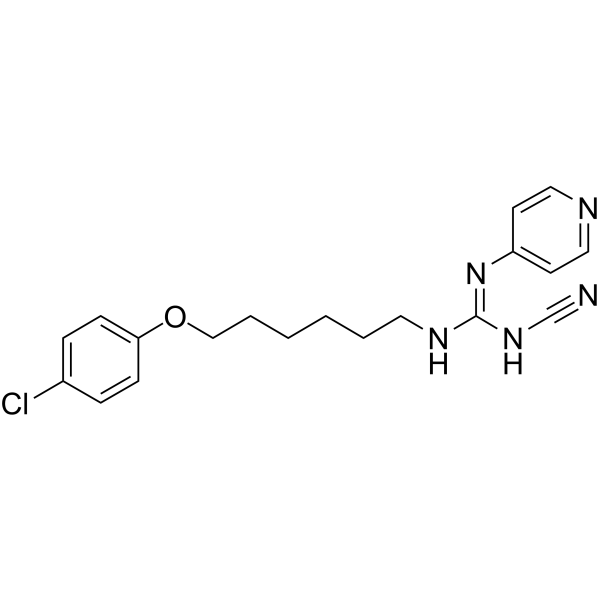 0 ImagesSynonyms: GMX1778CHS-828 (GMX1778) is a competitive inhibitor of nicotinamide phosphoribosyltransferase (NAMPT), with an IC50 less than 25 nM. CHS-828 (GMX1778) exerts a cytotoxic effect by decreasing the cellular level of NAD+ and exhibits a potent anticancer activity.
-
Oxybenzone
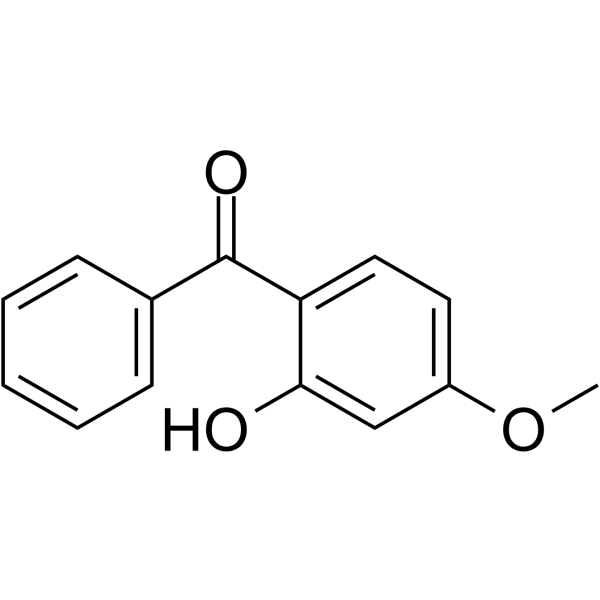 0 ImagesOxybenzone (Benzophenone 3) is a commonly used UV filter in sun tans and skin protectants. Oxybenzone act as endocrine disrupting chemicals (EDCs) and can pass through the placental and blood-brain barriers. Benzophenone-3 impairs autophagy, alters epigenetic status, and disrupts retinoid X receptor signaling in apoptotic neuronal cells.
-
FPFT-2216
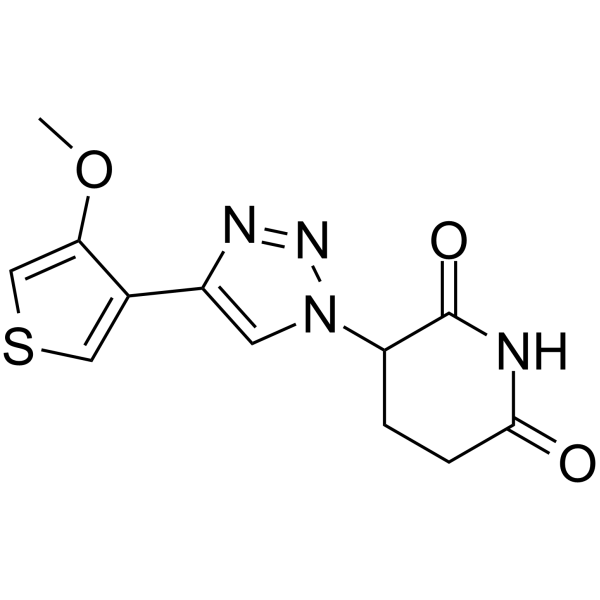 0 ImagesFPFT-2216 is an orally active Molecular glue degrader targeting IKZF1, IKZF3, CK-1α, and PDE6D, with a DC50 of 8 nM against PDE6D. FPFT-2216 mediates ubiquitin-proteasome degradation via the CRL4CRBN E3 ubiquitin ligase complex and interacts with the non-isoprenoid-binding region of PDE6D. FPFT-2216 activates the p53 signaling pathway, inhibits the CBM complex/NF-κB pathway, upregulates IL-2, suppresses IL-1β and IL-6, and induces tumor cell Apoptosis. FPFT-2216 exhibits anticancer activity against multiple myeloma and lymphoma. FPFT-2216 can be used in research related to multiple myeloma, lymphoma, acute lymphoblastic leukemia, acute myeloid leukemia, pancreatic ductal adenocarcinoma, non-small cell lung cancer, and gastric adenocarcinoma.
-
(20S)-Protopanaxatriol
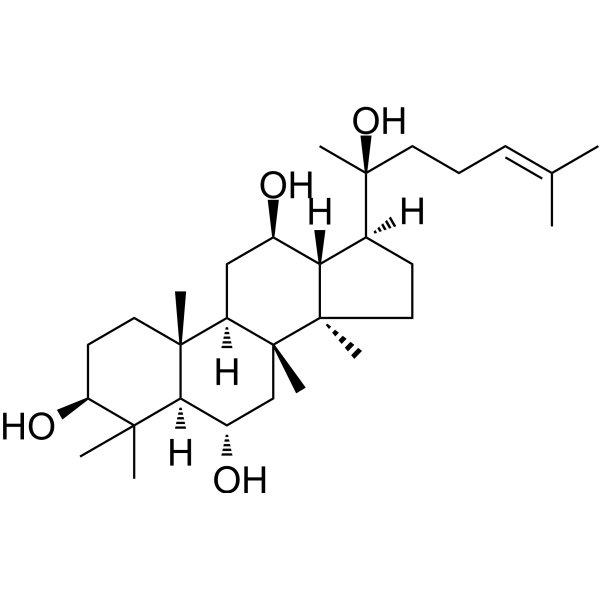 0 ImagesSynonyms: 20(S)-APPT; g-PPT(20S)-Protopanaxatriol is a metabolite of ginsenoside. (20S)-Protopanaxatriol works through the glucocorticoid receptor (GR) and estrogen receptor (ER), and is also a LXRα inhibitor. (20S)-Protopanaxatriol shows a broad spectrum of antitumor effects.
-
Hinokiflavone
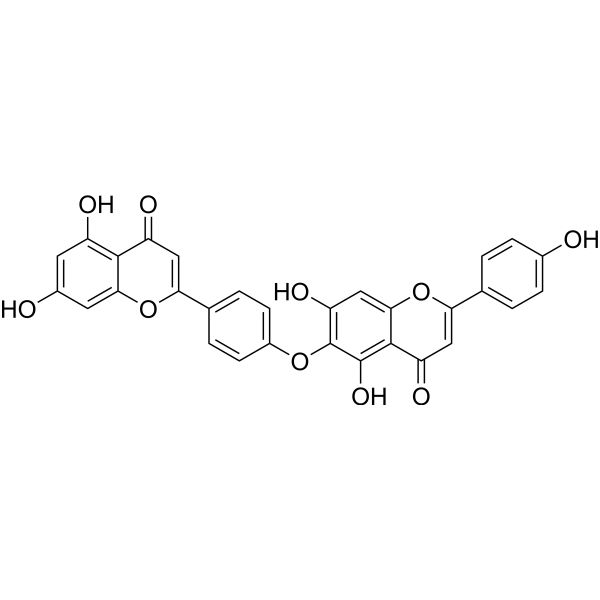 0 ImagesHinokiflavone is a novel modulator of pre-mRNA splicing activity extracted from plants with anti-inflammatory, anti-tumor and antiviral activities. Hinokiflavone is also a potent inhibitor for matrix metalloproteinases (MMPs). Hinokiflavone attenuates the virulence of Methicillin (HY-121544)-resistant staphylococcus aureus by inhibiting caseinolytic protease P (ClpP) with an IC50 value of 34.36 mg/mL. Hinokiflavone induces apoptosis via the reactive oxygen species-mitochondria-mediated apoptotic pathway and inhibits tumor cell migration and invasion. Hinokiflavone is a SUMO protease inhibitor against sentrin-specific protease 1 (SENP1) activity.
-
BTT-3033
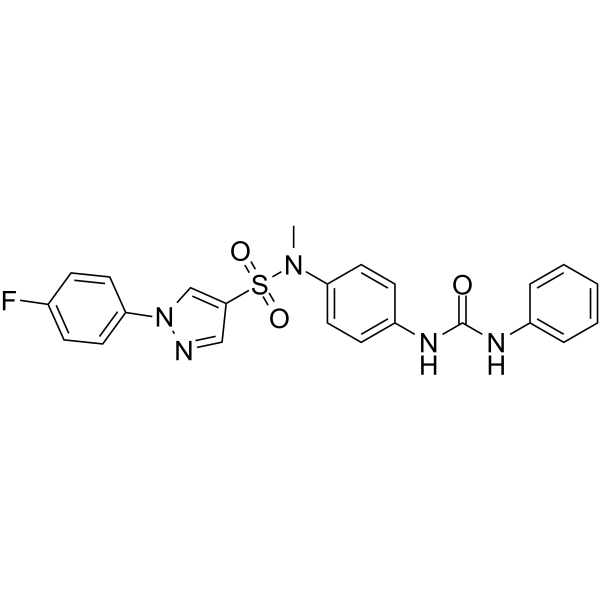 0 ImagesCat. No.: HY-110112CAS No.: 1259028-99-3BTT-3033 is an orally active conformation-selective inhibitor of α2β1 (EC50: 130 nM) by binding to the α2I domain. BTT-3033 inhibits platelet binding to collagen I and cell proliferation, and induces cell apoptosis. BTT-3033 can be used in the research of prostate cancer, inflammation and cardiovascular disease.
-
12-HETE
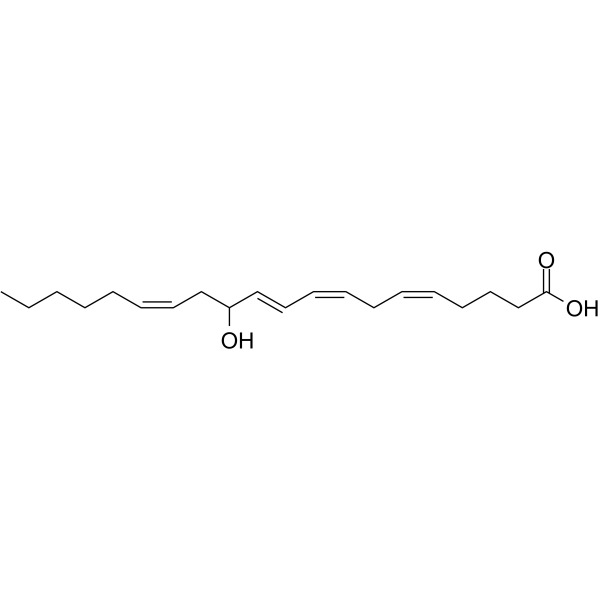 0 ImagesCat. No.: HY-113439CAS No.: 71030-37-012-HETE, a major metabolic product of arachidonic acid using 12-LOX catalysis, inhibits cell apoptosis in a dose-dependent manner. 12-HETE promotes the activation and nuclear translocation of NF-κB through the integrin-linked kinase (ILK) pathway.12-HETE has both anti-thrombotic and pro-thrombotic effects. 12-HETE is a neuromodulator.
-
BIO8898
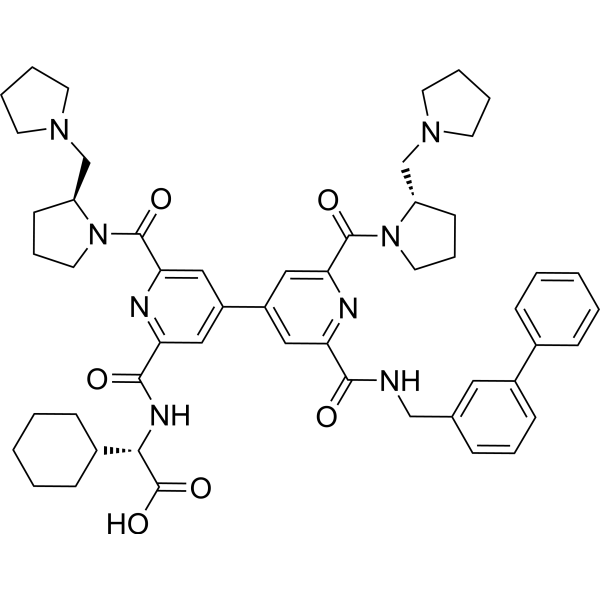 0 ImagesCat. No.: HY-122663APurity: 98.08%BIO8898 is a potent CD40-CD154 inhibitor. BIO8898 inhibits soluble CD40L binding to CD40-Ig with an IC50 value of 25 µM. BIO8898 inhibits CD40L-induced apoptosis.
-
Phenazine methylsulfate
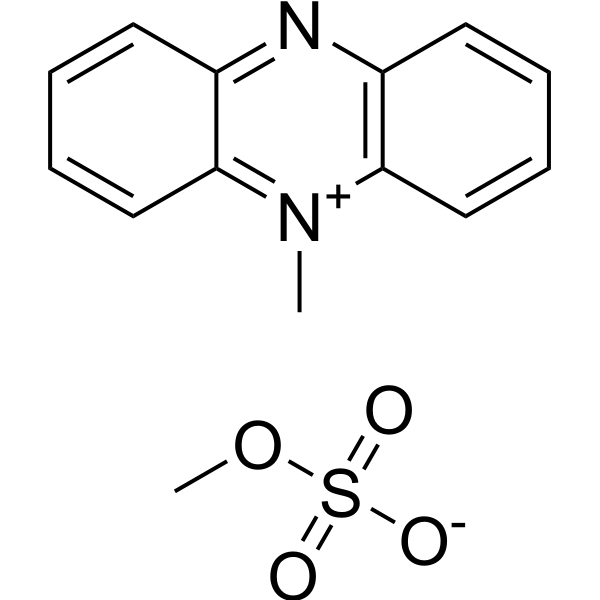 0 ImagesSynonyms: 5-Methylphenazinium methylsulfatePhenazine methylsulfate is a free radical generator that can act as an electron transfer reactant in cell viability assays. It also has insecticidal properties. Furthermore, Phenazine methylsulfate induces oxidative DNA damage and cell apoptosis, showing antitumor activity.
-
Manumycin A
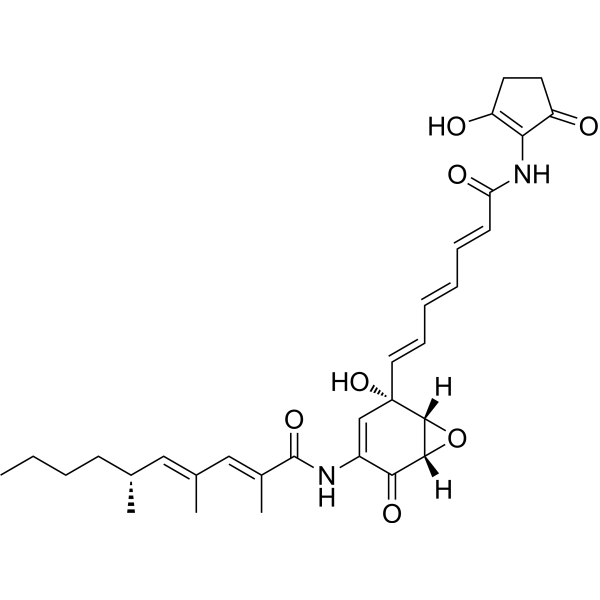 0 ImagesManumycin A is a polyketide antibiotic and an inhibitor of thioredoxin reductase 1 (TrxR-1). Manumycin A can inhibit the growth of breast cancer cells and exert its anti-tumor activity through LC3. Manumycin A can downregulate the release of pro-inflammatory cytokines in human monocytes stimulated by TNF α, and has potential anti-inflammatory activity. Manumycin A can inhibit the Ras/Raf/ERK1/2 signaling and hnRNP H1 in castration resistant prostate cancer cells to suppress exosome biogenesis and secretion.




