



Bacterial
Anything that destroys bacteria or suppresses their growth or their ability to reproduce. Heat, chemicals such as chlorine, and antibiotic drugs all have antibacterial properties. Many antibacterial products for cleaning and handwashing are sold today. Such products do not reduce the risk for symptoms of viral infectious diseases in otherwise healthy persons. This does not preclude the potential contribution of antibacterial products to reducing symptoms of bacterial diseases in the home.
All Product Categories
-
Bacterial Inhibitors
(7553)
View all products
-
Bacterial Agonists
(3)
View all products
-
Bacterial Antagonists
(9)
View all products
-
Bacterial Activators
(25)
View all products
-
Bacterial Modulators
(27)
View all products
-
Bacterial Chemicals
(2)
View all products
-
Bacterial Inducers
(6)
View all products
-
Bacterial Controls
(14)
View all products
-
Bacterial Substrates
(2)
View all products
-
Bacterial Ligand
(1)
View all products
-
Bacterial Related Products (8893)
Related Products (8893)

-
Antibodies (14)
-
Related Compound Screening Libraries (1)
-
Durlobactam sodium
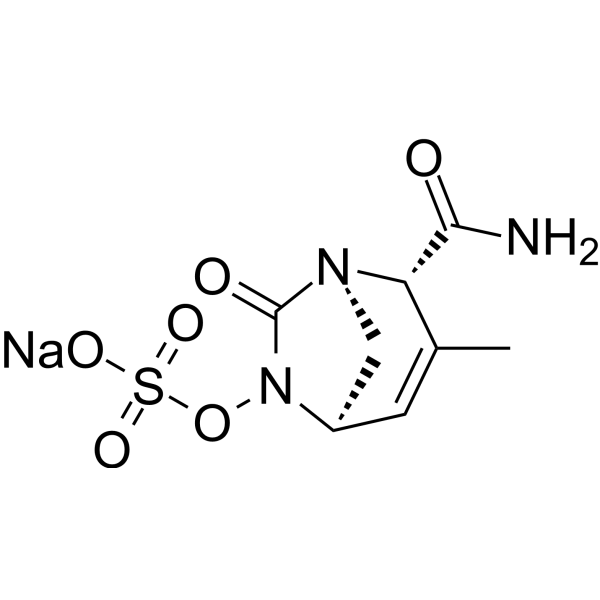 0 ImagesSynonyms: ETX2514Durlobactam sodium salt (ETX2514) is a broad-spectrum β-lactamase inhibitor with IC50s of 4, 14 and 190 nM for Class A KPC-2, Class C AmpC and Class D OXA-24, respectively. For the treatment of drug-resistant Gram-negative bacteria including Acinetobacter baumannii.
-
Spectinomycin dihydrochloride
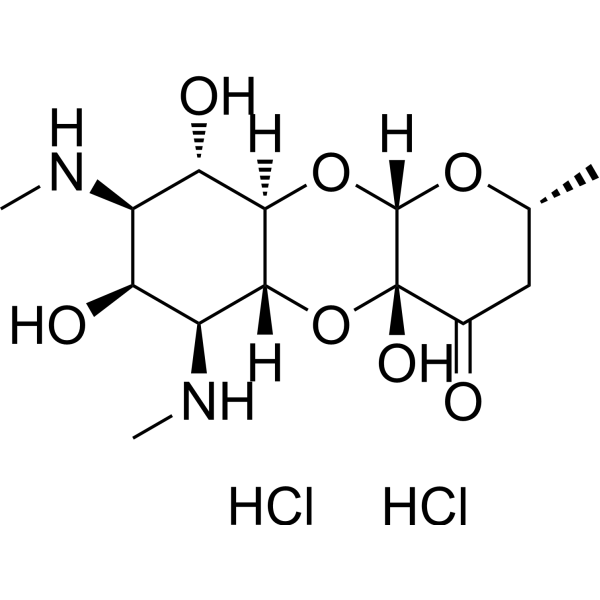 0 ImagesSpectinomycin dihydrochloride is a broad-spectrum antibiotic and inhibits the growth of a variety of gram-positive and gram-negative organisms. Spectinomycin dihydrochloride acts by selectively targeting to the bacterial ribosome and interrupting protein synthesis. Spectinomycin dihydrochloride is also a noncompetitive inhibitor of td intron RNA with an Ki value of 7.2 mM-.
-
Erianin
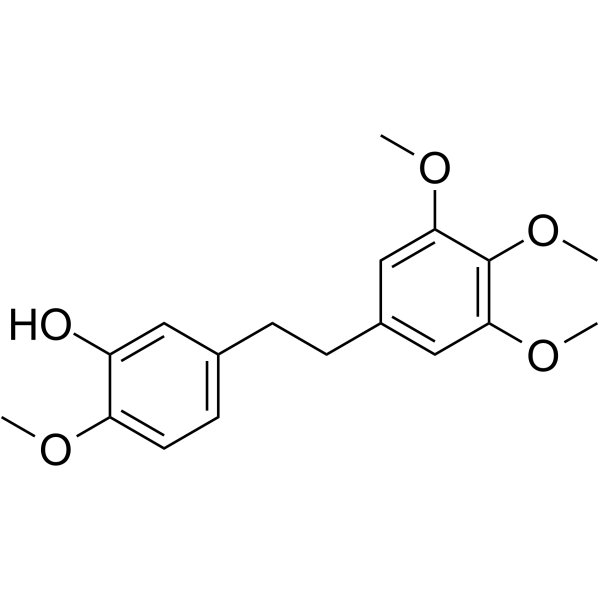 0 ImagesErianin, often used as an antipyretic and analgesic agent, could inhibit IDO-induced tumor angiogenesis.
-
Salinomycin
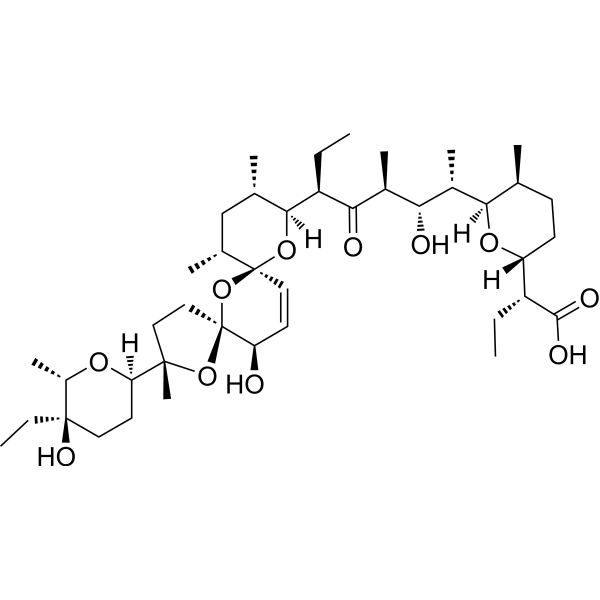 0 ImagesSynonyms: ProcoxacinSalinomycin (Procoxacin), a polyether potassium ionophore antibiotic, selectively inhibits the growth of gram-positive bacteria. Salinomycin is a potent inhibitor of Wnt/β-catenin signaling, blocks Wnt-induced LRP6 phosphorylation. Salinomycin shows selective activity against human cancer stem cells.
-
Pretomanid
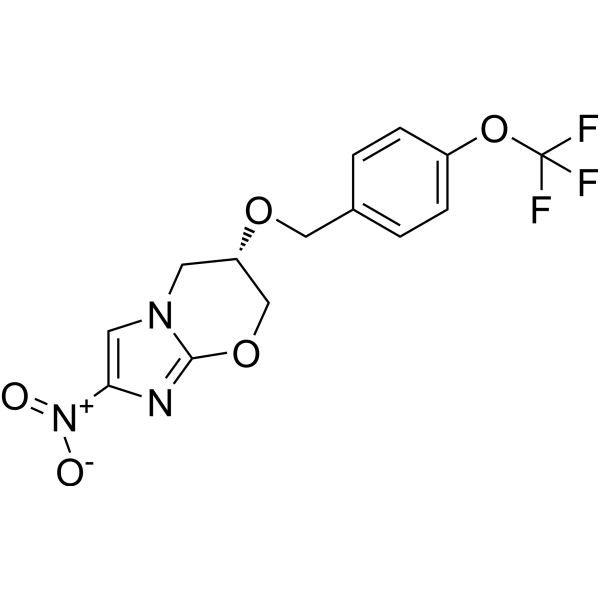 0 ImagesSynonyms: PA-824; (S)-PA 824Pretomanid (PA-824) is an antibiotic used for the research of multi-drug-resistant tuberculosis affecting the lungs. Pretomanid exhibits a sub-micromolar MIC against M. tuberculosis (MTB). The MIC values of PA-824 against a panel of MTB pan-sensitive and Rifampin mono-resistant clinical isolates range from 0.015 to 0.25 μg/mL.
-
ATP disodium salt hydrate
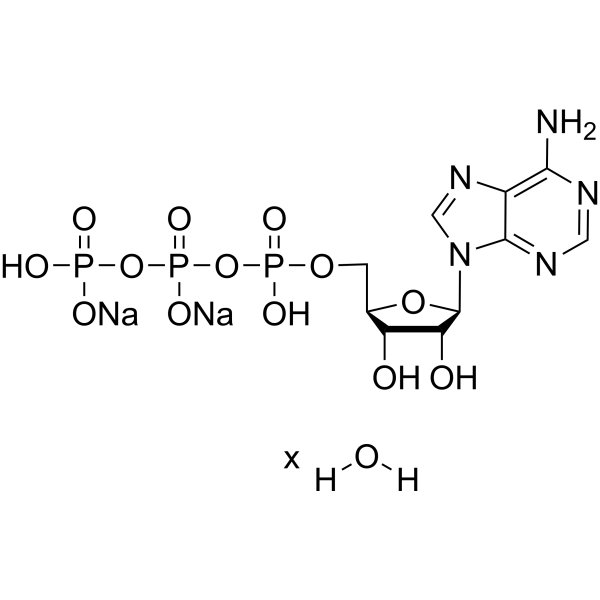 0 ImagesSynonyms: Adenosine 5'-triphosphate disodium salt hydrateATP (Adenosine 5'-triphosphate) disodium salt hydrate is a central component of energy storage and metabolism in vivo. ATP disodium salt hydrate provides the metabolic energy to drive metabolic pumps and serves as a coenzyme in cells. ATP disodium salt hydrate is an important endogenous signaling molecule in immunity and inflammation. ATP disodium salt hydrate can activate the NLRP3 inflammasome and induce IL-1β and chemokines secretion. ATP disodium salt hydrate has anti-bacterial infection effects and can protect mice against bacterial infection in mice.
-
Streptomycin sulfate
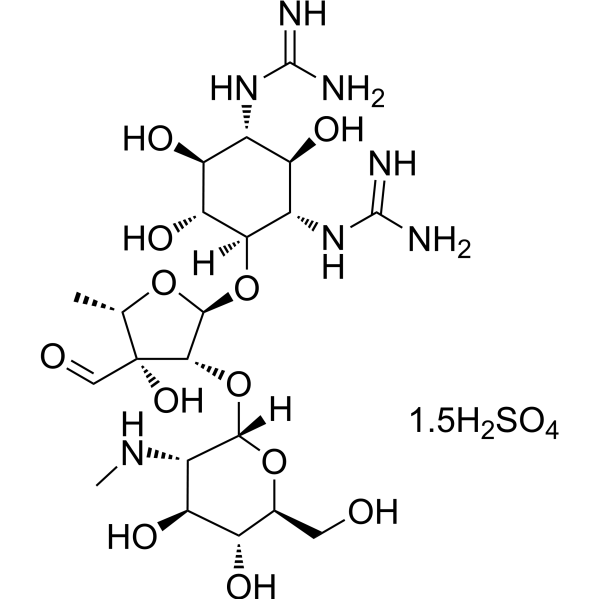 0 ImagesStreptomycin sulfate is an aminoglycoside antibiotic, that inhibits protein synthesis.
-
G-418
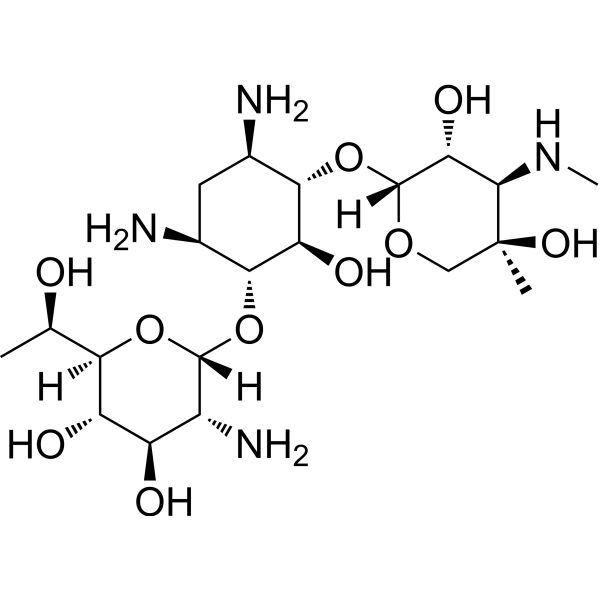 0 ImagesSynonyms: Geneticin; Antibiotic G-418G-418 (Geneticin) is an aminoglycoside antibiotic with a structure similar to gentamicin. It is toxic to both eukaryotic and prokaryotic cells and works by interfering with protein synthesis.
-
Estradiol (Standard)
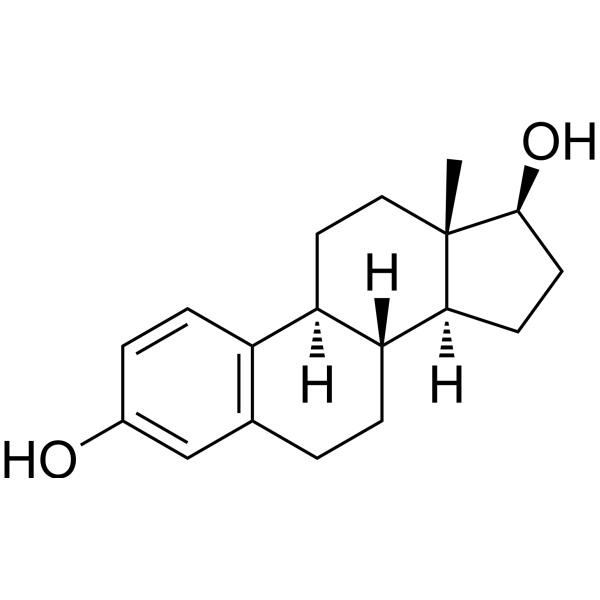 0 ImagesSynonyms: β-Estradiol (Standard); E2 (Standard); 17β-Estradiol (Standard); 17β-Oestradiol (Standard)Estradiol (Standard) is the analytical standard of Estradiol. This product is intended for research and analytical applications. Estradiol (β-Estradiol) is a steroid hormone and the major female sex hormone. Estradiol can up-regulate the expression of neural markers of human endometrial stem cells (hEnSCs) and promote their neural differentiation. Estradiol can be used for the research of cancers, neurodegenerative diseases and neural tissue engineering.
-
Ertapenem sodium
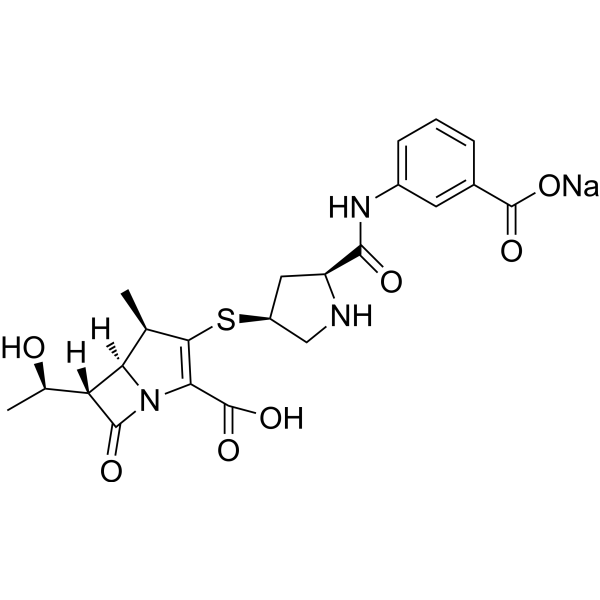 0 ImagesSynonyms: L-749345; MK-826Ertapenem sodium (L-749345) is a broad spectrum and long acting β-lactam antibiotic. Ertapenem sodium has a broad-spectrum anti-anaerobic activity against a variety of anaerobes with a mode MIC of 0.12 μg/mL. Ertapenem sodium can be used for the research of severe infections caused by bacteria in the skin, lungs, stomach, pelvis, and urinary tract.
-
Lipofermata
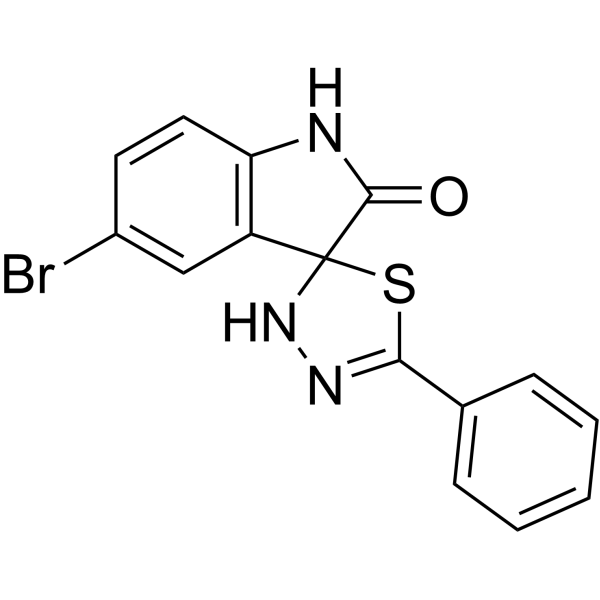 0 ImagesLipofermata is a fatty acid transport protein 2 (FATP2) inhibitor. Lipofermata shows fatty acid transport inhibition with an IC50 of 4.84 μM in Caco-2 cells. Lipofermata, an analog of spiro-indoline-thadiazole, shows zinc-specific suppression of antibacterial activity. Lipofermata perturbs zinc homeostasis in E. coli K-12 with a MIC of 16 μM.
-
Amentoflavone
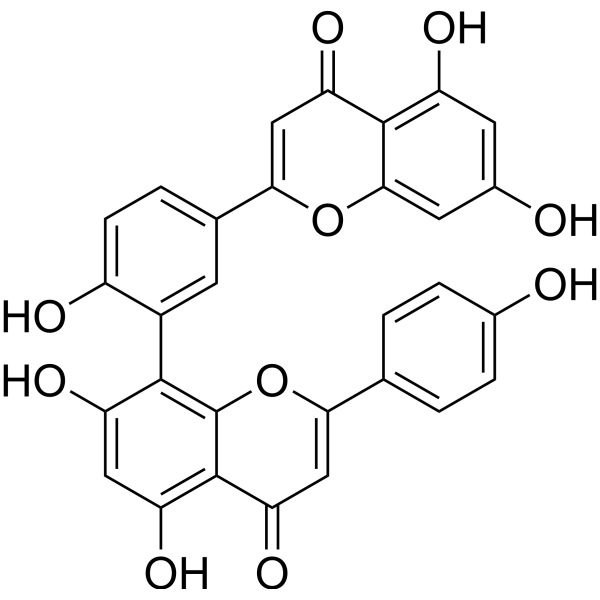 0 ImagesAmentoflavone (Didemethyl-ginkgetin) is a potent and orally active GABA(A) negative modulator. Amentoflavone also shows anti-inflammatory, antioxidative, anti-viral, anti-tumor, anti-radiation, anti-fungal, antibacterial activity. Amentoflavone induces apoptosis and cell cycle arrest at sub-G1 phase.
-
Azaserine
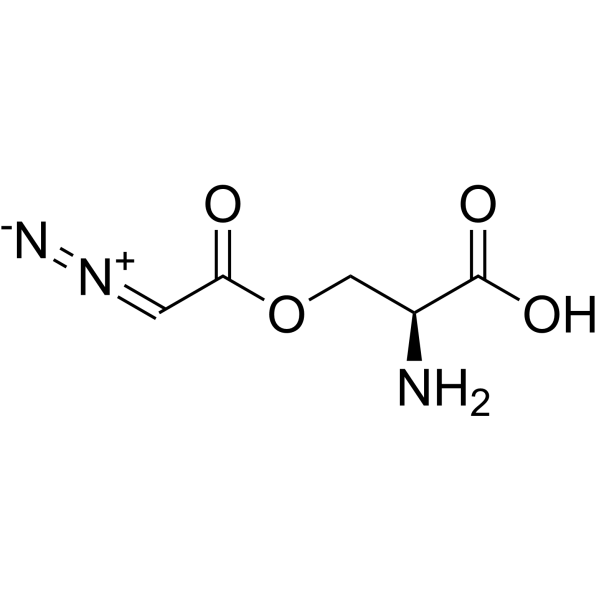 0 ImagesAzazerine (CI-337) is a competitive inhibitor of glutamine amidotransferase. Azaserine is an antibiotic, it shows antibacterial activities. Azazerine shows anti-tumor activities and it may also act as a tumor inducer. Azazerine can be used for the research of cancer and infection.
-
Trigonelline
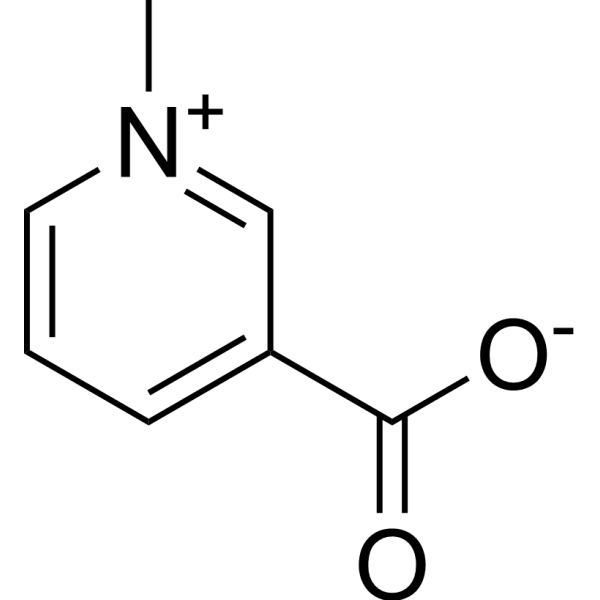 0 ImagesTrigonelline is an alkaloid with potential antidiabetic activity that can be isolated from Trigonella foenum-graecum L or Leonurus artemisia. Trigonelline is a potent Nrf2 inhibitor that blocks Nrf2-dependent proteasome activity, thereby enhancing apoptosis in pancreatic cancer cells. Trigonelline also has anti-HSV-1, antibacterial, and antifungal activity and induces ferroptosis.
-
Phlorizin
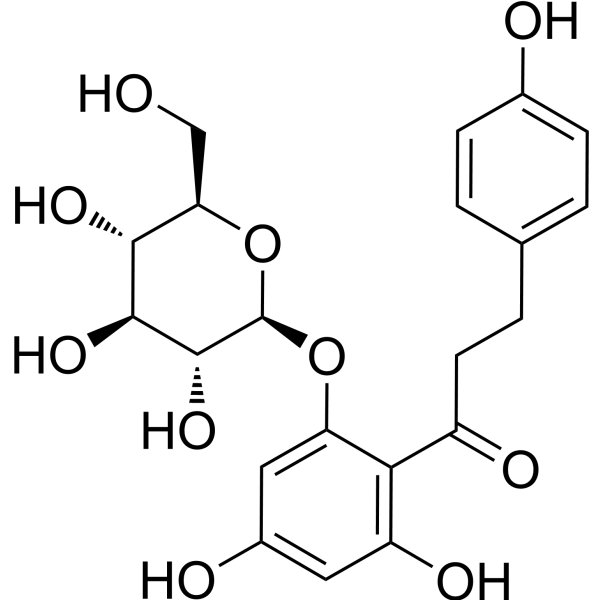 0 ImagesPhlorizin (Floridzin) is an orally active non-selective sodium-glucose cotransporter (SGLT) inhibitor, with an IC50 of 0.04 μM and a Ki of 39 nM against hSGLT2, and an IC50 of 0.17 μM and a Ki of 0.31 μM against hSGLT1. Phlorizin promotes GLUT4 translocation, inhibits gluconeogenesis and promotes glycogen synthesis by activating the PI3K/Akt/mTOR pathway. Phlorizin reduces DNA damage and apoptosis (apoptosis) by inhibiting the NF-κB inflammatory pathway. Phlorizin induces apoptosis via activating the Caspase pathway by antagonizing the JAK/STAT3 and PCK pathways. Phlorizin also exhibits antibacterial, anti-inflammatory and neuroprotective activities.
-
Etoposide phosphate
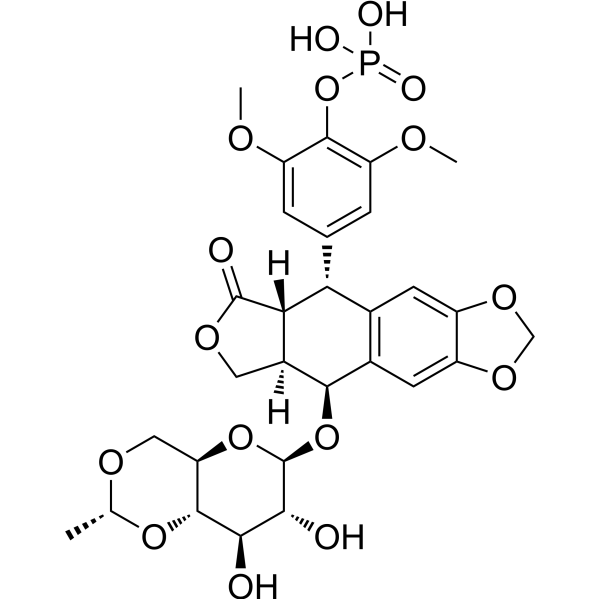 0 ImagesSynonyms: BMY-40481Etoposide phosphate (BMY-40481) is a potent anti-cancer chemotherapy agent and a selective topoisomerase II inhibitor to prevent re-ligation of DNA strands. Etoposide phosphate is the phosphate ester proagent of etoposide and is considered as active equivalent to Etoposide. Etoposide phosphate induces cell cycle arrest, apoptosis, and autophagy.
-
L-Lactic acid-13C3
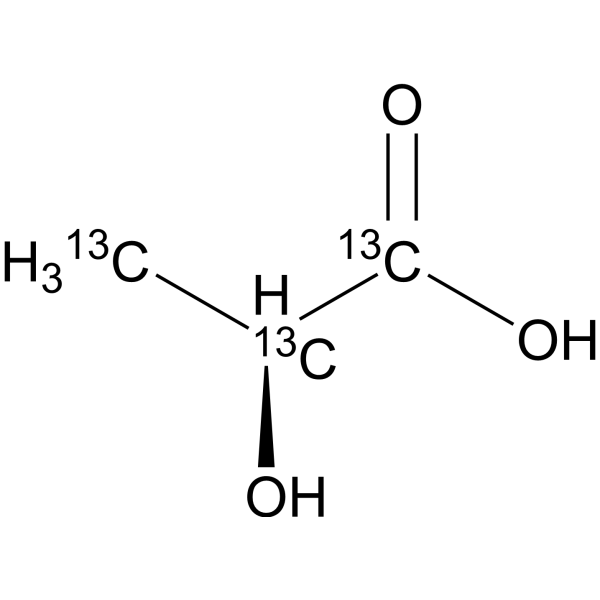 0 ImagesSynonyms: (S)-2-hydroxypropanoic-13-C3L-Lactic acid-13C3 is a 13C-labeled L-Lactic acid (HY-Y0479). L-Lactic acid-13C3 can be used for lactate metabolism research.
-
Ciprofloxacin monohydrochloride
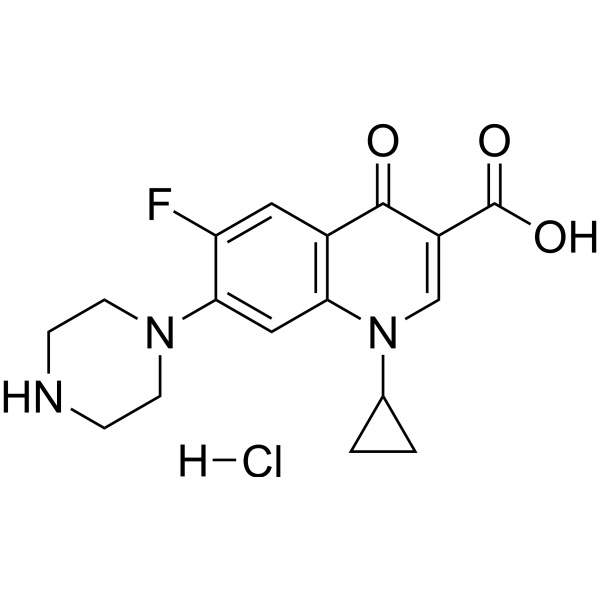 0 ImagesSynonyms: Bay-09867 monohydrochlorideCiprofloxacin (Bay-09867) monohydrochloride is an orally active, blood-brain barrier permeable fluoroquinolone antibacterial agent. Ciprofloxacin monohydrochloride exerts bactericidal effects primarily by inhibiting topoisomerase II and IV. Ciprofloxacin monohydrochloride inhibits the proliferation of human dental pulp stem cells and chondrocytes from young rats, and also activates the Akt signaling pathway and upregulates markers such as β-catenin and Nanog to maintain the morphological characteristics of stem cells. Ciprofloxacin monohydrochloride induces significant neurotoxicity and tissue damage, including reducing serotonin and glutathione levels in the brain, inducing oxidative stress and depression-like behaviors, and causing articular cartilage damage. Ciprofloxacin monohydrochloride can be applied to research related to infections of necrotic young permanent teeth and neurotoxicity.
-
Meropenem trihydrate
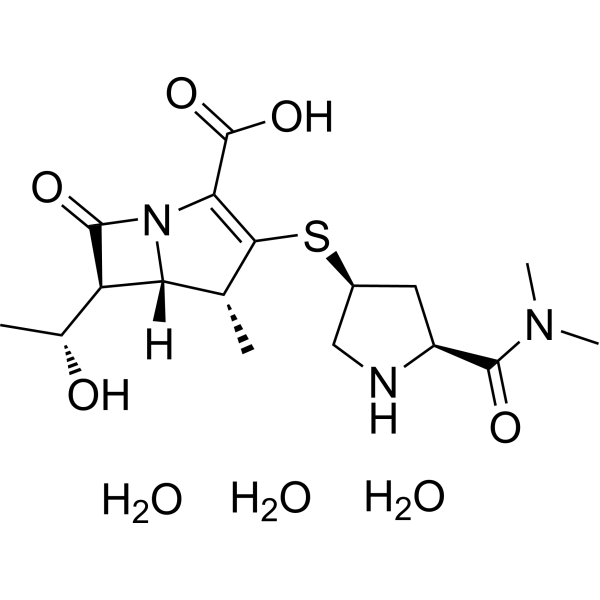 0 ImagesSynonyms: SM 7338 trihydrateMeropenem trihydrate (SM 7338 trihydrate) is a carbapenem antibiotic with broad-spectrum antibacterial activity. Meropenem trihydrate has activity against susceptible and resistant N. gonorrhoeae (MIC value of 0.02-0.06 mg/mL), H. influenzae (MIC value of 0.03-0.12 mg/mL), and H. ducreyi (MIC value of 0.015-0.12 mg/mL).
-
Polymyxin B nonapeptide
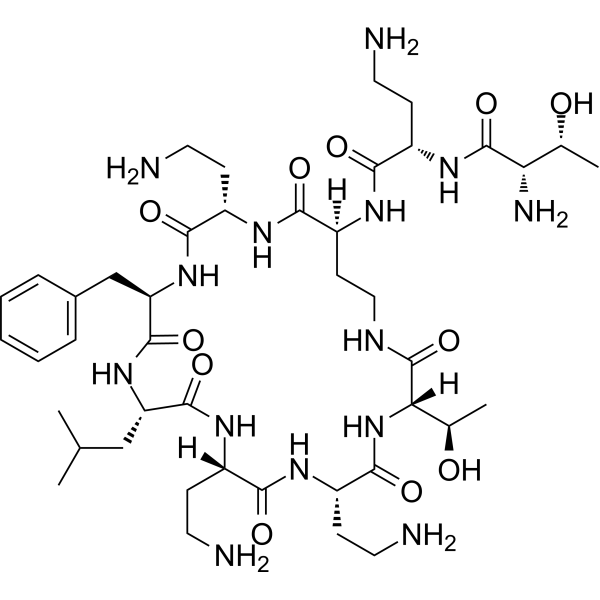 0 ImagesPolymyxin B nonapeptide is a cyclic peptide obtained from Polymyxin B by proteolytic removal of its terminal amino acyl residue. Polymyxin B nonapeptide is less toxic, lacks bactericidal activity, and retains its ability to render gram-negative bacteria susceptible to several antibiotics by permeabilizing their outer membranes.




