CDK9
CDK9 (cyclin-dependent kinase 9) is a transcription-associated serine/threonine kinase that functions as the catalytic subunit of positive transcription elongation factor b (P-TEFb) and regulates productive RNA polymerase II (RNAPII) elongation through phosphorylation of the RNAPII C-terminal domain and elongation factors.[1][2] Mechanistically, CDK9-cyclin T complexes promote release of promoter-proximally paused RNAPII into gene bodies, thereby controlling transcriptional programs required for cellular responses to developmental and environmental signals.[1][2] Beyond transcriptional elongation, CDK9 contributes to transcription initiation, termination, and maintenance of appropriate transcriptional output, highlighting its central role in gene expression regulation.[1] Dysregulated CDK9 activity has been linked to multiple pathological conditions, particularly cancer, where aberrant transcriptional dependencies create vulnerability to pharmacological CDK9 inhibition.[1][3] In cancer models, activation of P-TEFb-dependent transcription supports oncogenic pathways including MYC, NF-κB, and stress-response signaling, and selective suppression of CDK9 can induce apoptotic programs and impair tumor cell proliferation.[4] Compared with related transcriptional cyclin-dependent kinases such as CDK12 and CDK13, which primarily regulate distinct transcriptional and RNA-processing programs through cyclin K-containing complexes, CDK9 acts as the principal P-TEFb kinase controlling promoter-proximal pause release and rapid transcriptional activation.[1][5] For experimental applications, small-molecule CDK9 inhibitors including flavopiridol have been widely used to suppress RNAPII-dependent transcription, investigate transcriptional addiction, and evaluate therapeutic vulnerabilities associated with transcriptional dysregulation.[1][6]
References:
- [1]. Egloff S. CDK9 keeps RNA polymerase II on track. Cell Mol Life Sci. 2021 Jul;78(14):5543-5567. [Content Brief]
- [2]. Anshabo AT, et al. CDK9: A Comprehensive Review of Its Biology, and Its Role as a Potential Target for Anti-Cancer Agents. Front Oncol. 2021 May 10;11:678559. [Content Brief]
- [3]. Constantin TA, et al. Transcription associated cyclin-dependent kinases as therapeutic targets for prostate cancer. Oncogene. 2022 Jun;41(24):3303-3315. [Content Brief]
- [4]. Yuan B, et al. Engineering of cytosine base editors with DNA damage minimization and editing scope diversification. Nucleic Acids Res. 2023 Nov 10;51(20):e105. [Content Brief]
- [5]. Fan Z, et al. CDK13 cooperates with CDK12 to control global RNA polymerase II processivity. Sci Adv. 2020 Apr 29;6(18):eaaz5041. [Content Brief]
- [6]. Phiel CJ, et al. Histone deacetylase is a direct target of valproic acid, a potent anticonvulsant, mood stabilizer, and teratogen. J Biol Chem. 2001 Sep 28;276(39):36734-41. [Content Brief]
-
CDK9 Related Products (206)
Related Products (206)

-
Antibodies (1)
-
Samuraciclib
 0 ImagesSynonyms: CT7001; ICEC0942Samuraciclib (CT7001) is a potent, selective, ATP-competitive and orally active CDK7 inhibitor, with an IC50 of 41 nM. Samuraciclib displays 45-, 15-, 230- and 30-fold selectivity over CDK1, CDK2 (IC50 of 578 nM), CDK5 and CDK9, respectively. Samuraciclib inhibits the growth of breast cancer cell lines with GI50 values between 0.2-0.3 μM. Samuraciclib has anti-tumor effects.
-
KI-CDK9d-32
 0 ImagesKI-CDK9d-32 is a selective CDK9 PROTAC degrader (IC50 = 3 nM; DC50 = 0.89 nM). KI-CDK9d-32 induces CDK9 degradation via the ubiquitin-proteasome pathway to abrogates CDK9 enzymatic and scaffolding functions, downregulates MYC expression and MYC-dependent signaling, represses TNF-alpha signaling pathways activity and pre-rRNA levels. KI-CDK9d-32 disrupts nucleolar homeostasis, blocks cell cycle progression and cellular translation by reducing 4EBP1 phosphorylation, and elicits cancer cell cytotoxicity in a CRBN-dependent manner, while high ABCB1 activity attenuates the efficacy. KI-CDK9d-32 can be used for the research of acute lymphoblastic leukemia, rhabdomyosarcoma, pancreatic adenocarcinoma.
-
(±)-Enitociclib
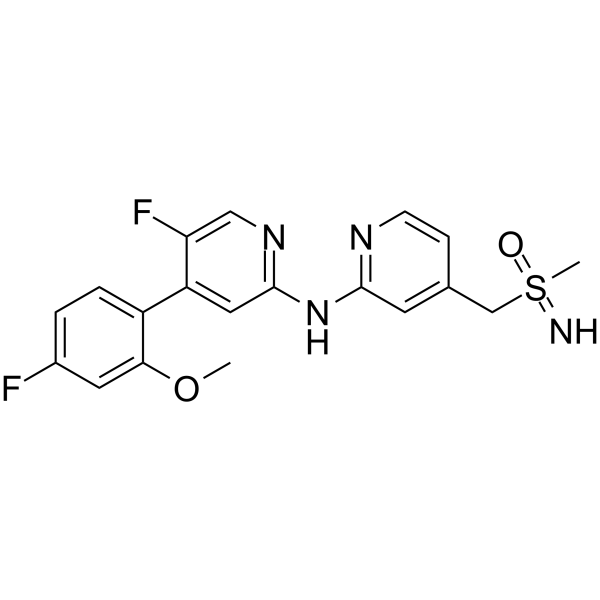 0 ImagesSynonyms: (±)-BAY-1251152; (±)-VIP152(±)-Enitociclib ((±)-BAY-1251152) is the racemic mixture of Enitociclib (HY-103019E). Enitociclib is a selective CDK9 inhibitor and apoptosis inducer. Enitociclib inhibits CDK9 activity and reduces the phosphorylation of Ser2 in the carboxyl-terminal domain (CTD) of RNA polymerase Pol II, thereby downregulating the transcription of key oncogenes such as MYC and MCL1. Enitociclib has anti-proliferative activity targeting MYC+ lymphoma and multiple myeloma (MM) cells, and has synergistic effects with Bortezomib (HY-10227) and Lenalidomide (HY-A0003), and can be used in the research of hematological malignancies.
-
Riviciclib hydrochloride
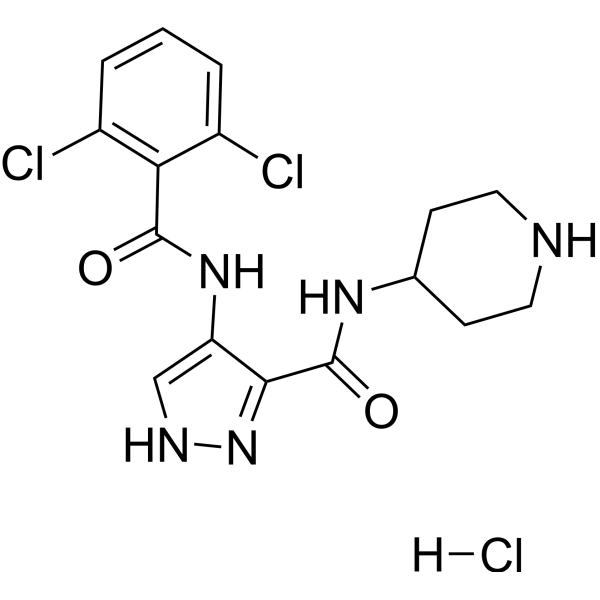
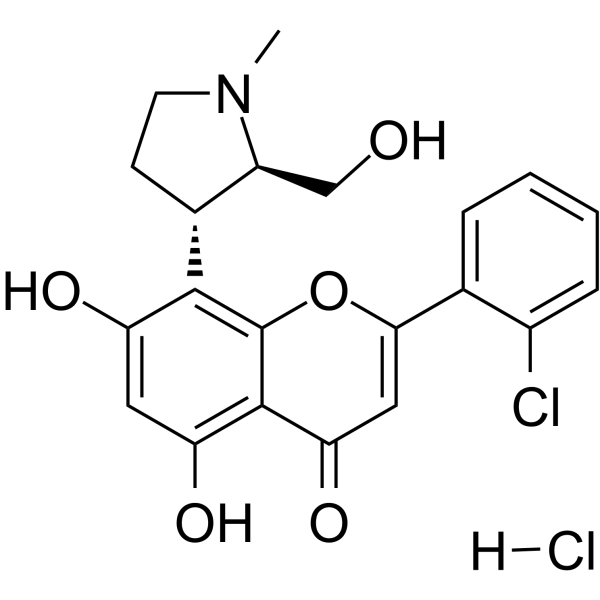 0 ImagesSynonyms: P276-00Riviciclib hydrochloride (P276-00) is a potent cyclin-dependent kinase (CDK) inhibitor, which inhibits CDK9-cyclinT1, CDK4-cyclin D1, and CDK1-cyclinB with IC50s of 20 nM, 63 nM, and 79 nM, respectively. Riviciclib hydrochloride (P276-00) shows antitumor activity on cisplatin-resistant cells.
-
CDK12-IN-2
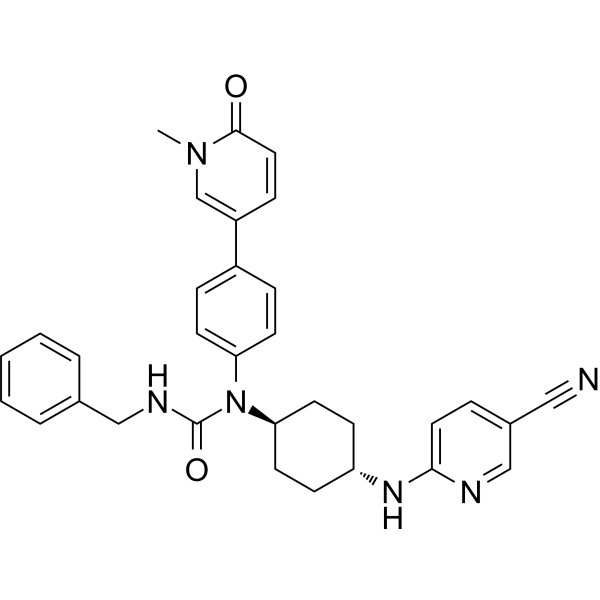 0 ImagesCDK12-IN-2 is a potent, selective and nanomolar CDK12 inhibitor (IC50=52 nM) with good physicochemical properties. CDK12-IN-2 is also a strong CDK13 inhibitor due to CDK13 is the closest homologue of CDK12. CDK12-IN-2 shows excellent kinase selectivity for CDK12 over CDK2, 9, 8, and 7. CDK12-IN-2 inhibits the phosphorylation of Ser2 in the C-terminal domain of RNA polymerase II. CDK12-IN-2 can be used an excellent chemical probe for functional studies of CDK12.
-
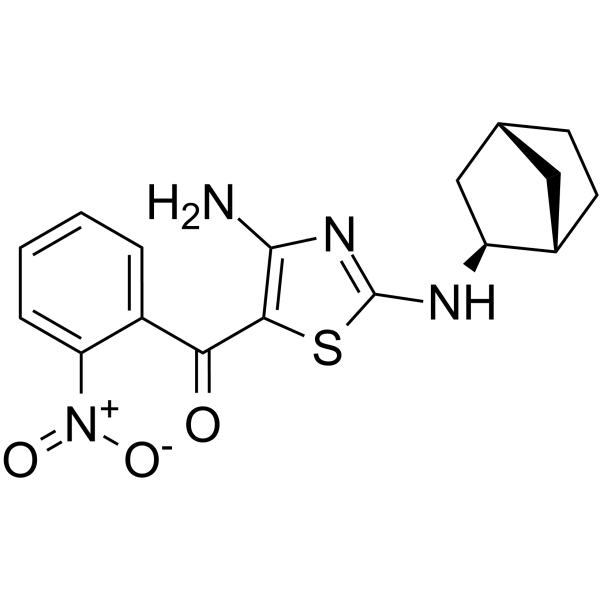
Lerociclib dihydrochloride
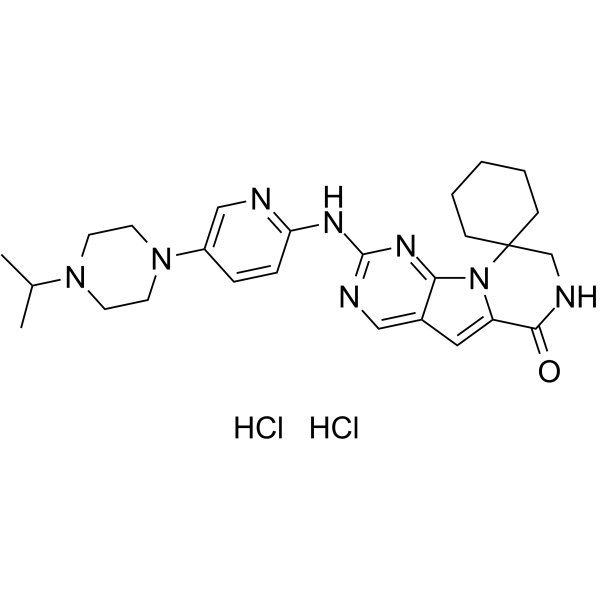 0 ImagesSynonyms: G1T38 dihydrochloride
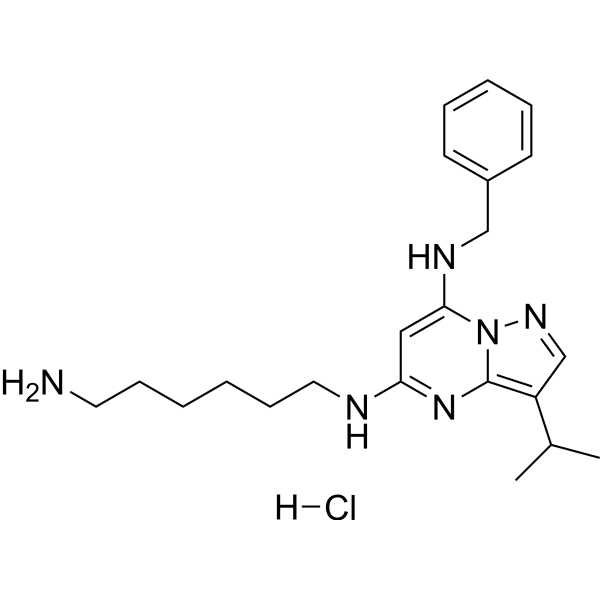
-
Lerociclib
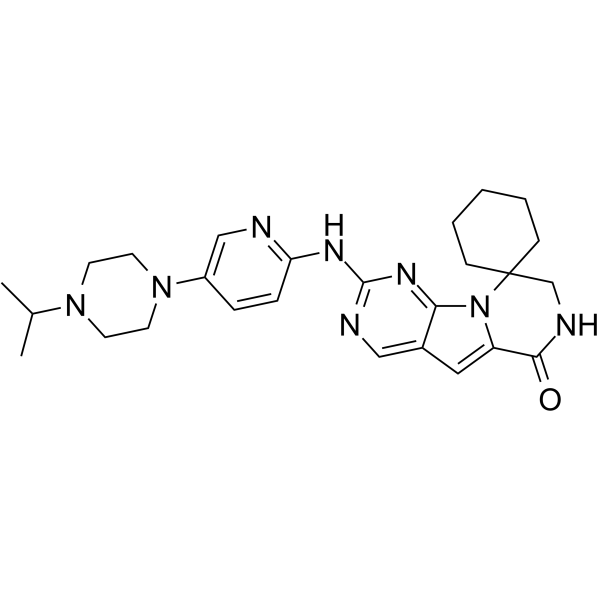 0 ImagesSynonyms: G1T38Lerociclib (G1T38) is a potent and selective inhibitor of CDK4/6, with IC50s of 1 nM, 2 nM for CDK4/CyclinD1 and CDK6/CyclinD3, respectively.
-
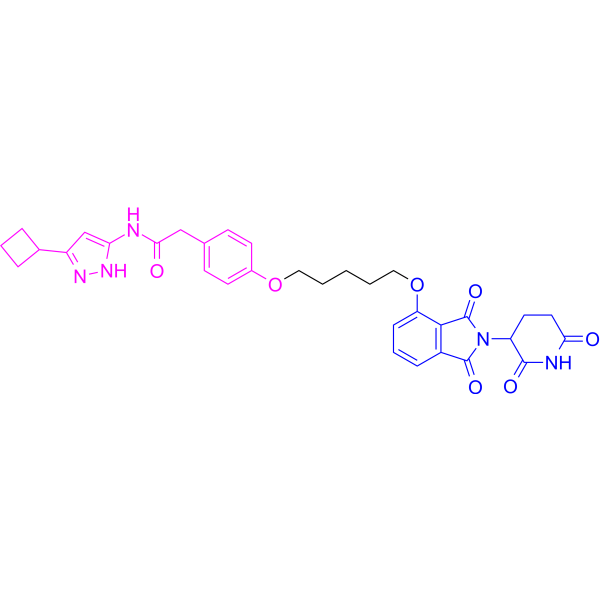
YK-2168
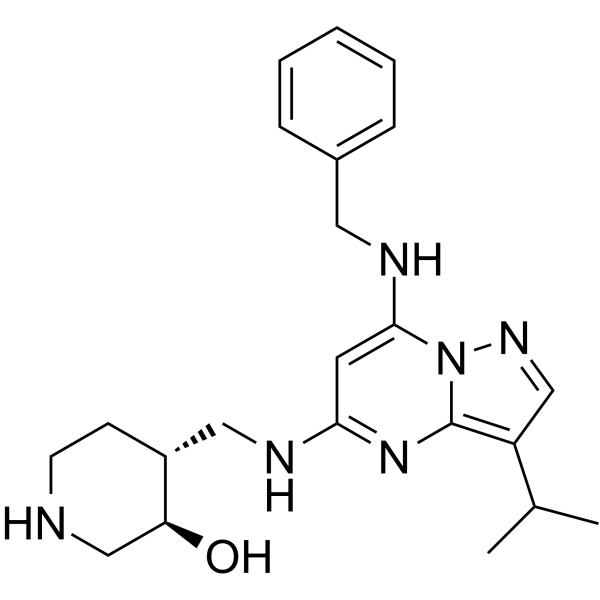
 0 ImagesYK-2168 is a potent and selective CDK9 inhibitor with an IC50 of 5.9 nM. YK-2168 inhibits phosphorylation of the CDK9 substrate pS2-RNA Pol II C-terminal domain. YK-2168 induces apoptosis in tumor cells, suppresses expression of CDK9-regulated genes including MYC and Mcl1, and inhibits tumor growth in CDX mice models. YK-2168 can be used for the research of cancer, such as leukemia.
-
Samuraciclib hydrochloride dihydrate
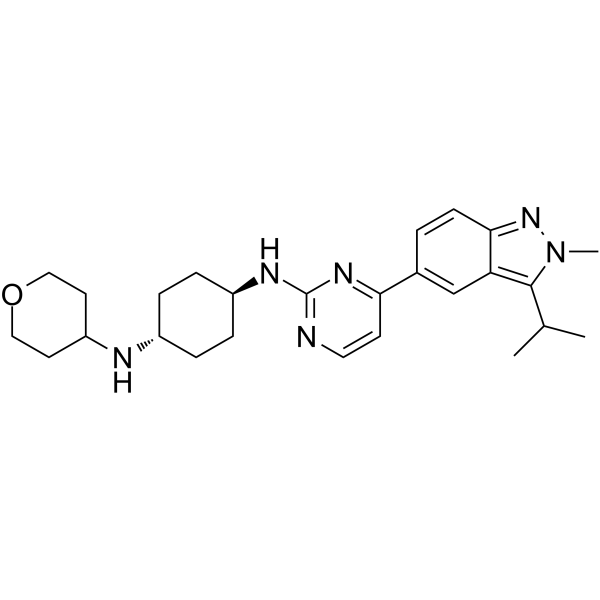
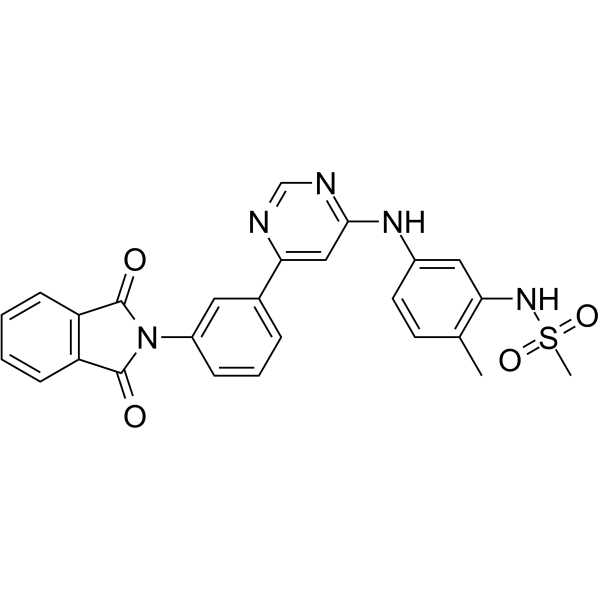
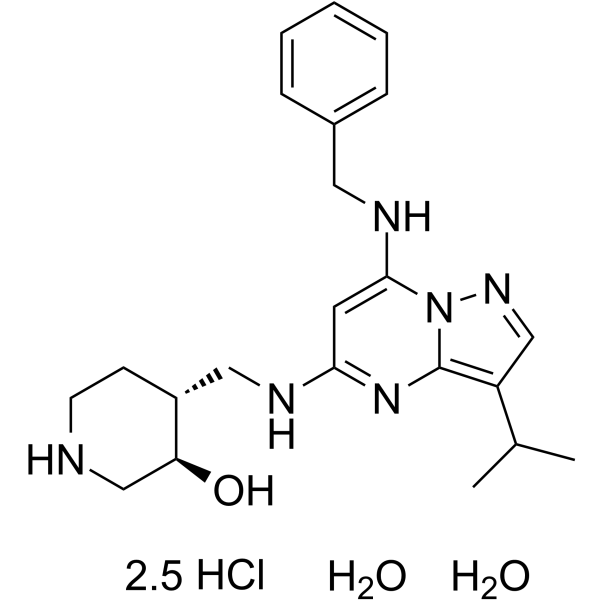 0 ImagesCat. No.: HY-103712BPurity: 99.90%Synonyms: CT7001 hydrochloride dihydrate; ICEC0942 hydrochloride dihydrateSamuraciclib (CT7001) hydrochloride hydrate is a potent, selective, ATP-competitive and orally active CDK7 inhibitor, with an IC50 of 41 nM. Samuraciclib hydrochloride hydrate displays 45-, 15-, 230- and 30-fold selectivity over CDK1, CDK2 (IC50 of 578 nM), CDK5 and CDK9, respectively. Samuraciclib hydrochloride hydrate inhibits the growth of breast cancer cell lines with GI50 values between 0.2-0.3 μM. Samuraciclib hydrochloride hydrate has anti-tumor effects.
-
YKL-5-124 TFA
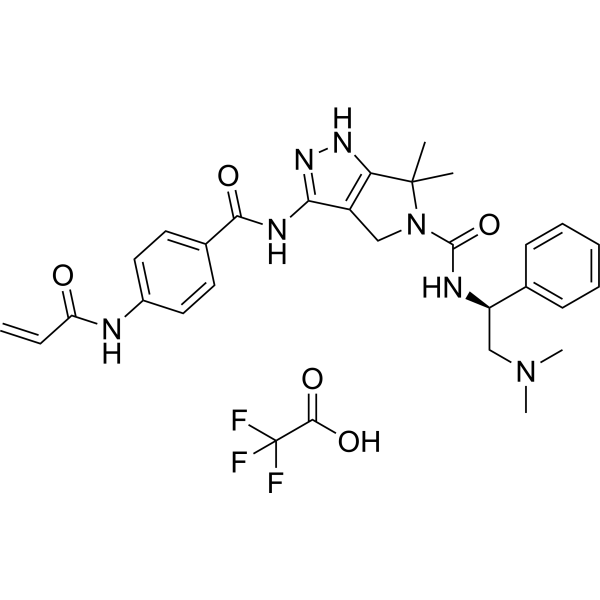 0 ImagesYKL-5-124 TFA is a potent, selective, irreversible and covalent CDK7 inhibitor with IC50s of 53.5 nM and 9.7 nM for CDK7 and CDK7/Mat1/CycH, respectively. YKL-5-124 TFA is >100-fold greater selective for CDK7 than CDK9 and CDK2, and inactive against CDK12 and CDK13. YKL-5-124 TFA induces a strong cell-cycle arrest, inhibits E2F-driven gene expression, and exhibits little effect on RNA polymerase II phosphorylation status.
-
CDK9 inhibitor HH1
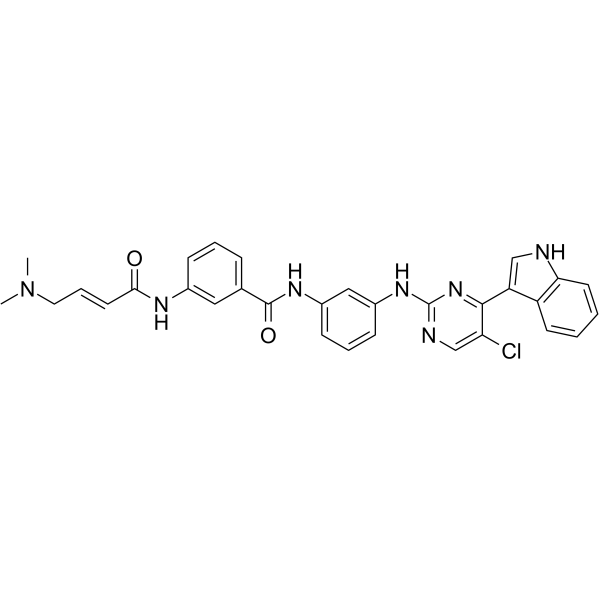
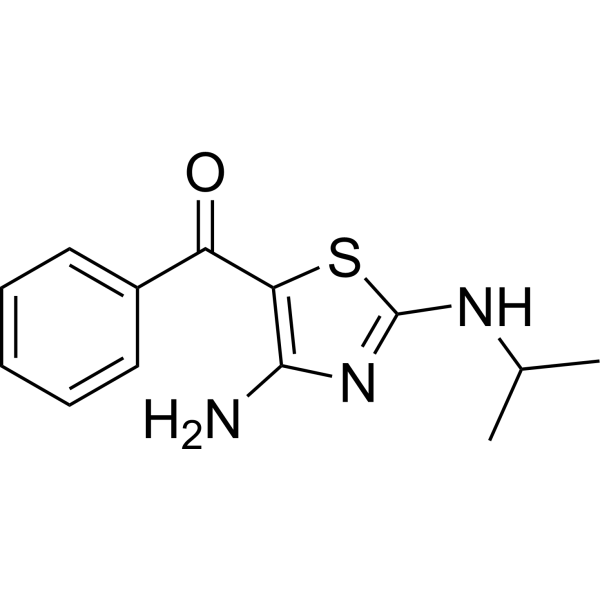 0 ImagesCDK9 inhibitor HH1 is a potent and selectively CDK9 inhibitor. CDK9 inhibitor HH1 inhibits the transcription of CDK. CDK9 inhibitor HH1 can be used in research of cancer.

-
BSJ-5-63
 0 ImagesBSJ-5-63 is a potent CDK12, CDK7, CDK9 PROTAC degrader. BSJ-5-63 BSJ-5-63 decreases the protein expression of CDK12, CDK7, CDK9, RNAPII, Cyclin K. BSJ-5-63 decreases the mRNA expression of BRCA1, BRCA2. BSJ-5-63 shows anticancer activity and has the potential for the research of prostate cancer.