



COX
Cyclooxygenase
Cyclooxygenase (COX), officially known as prostaglandin-endoperoxide synthase (PTGS), is an enzyme that is responsible for formation of important biological mediators called prostanoids, including prostaglandins, prostacyclin and thromboxane. Pharmacological inhibition of COX can provide relief from the symptoms of inflammation and pain. Drugs, like Aspirin, that inhibit cyclooxygenase activity have been available to the public for about 100 years. Two cyclooxygenase isoforms have been identified and are referred to as COX-1 and COX-2. Under many circumstances the COX-1 enzyme is produced constitutively (i.e., gastric mucosa) whereas COX-2 is inducible (i.e., sites of inflammation). Non-steroidal anti-inflammatory drugs (NSAID), such as aspirin and ibuprofen, exert their effects through inhibition of COX. The main COX inhibitors are the non-steroidal anti-inflammatory drugs (NSAIDs).
COX Isoform Specific Products
All Product Categories
-
COX Related Products (1315)
Related Products (1315)

-
Antibodies (6)
-
COX Isoform Comparison
-
DuP-697
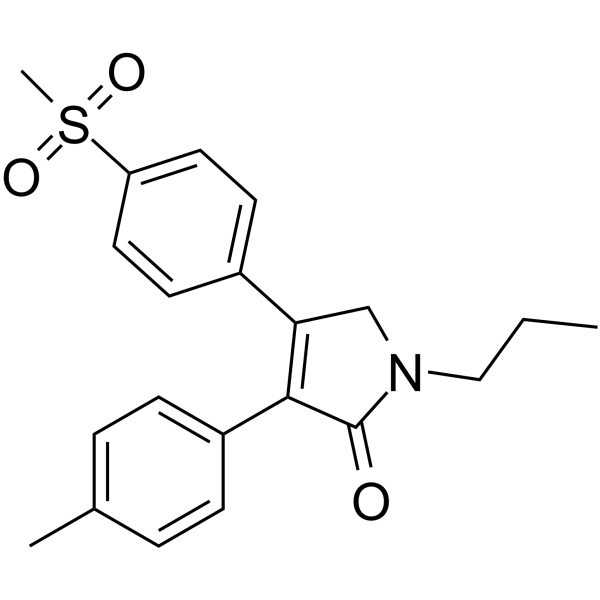
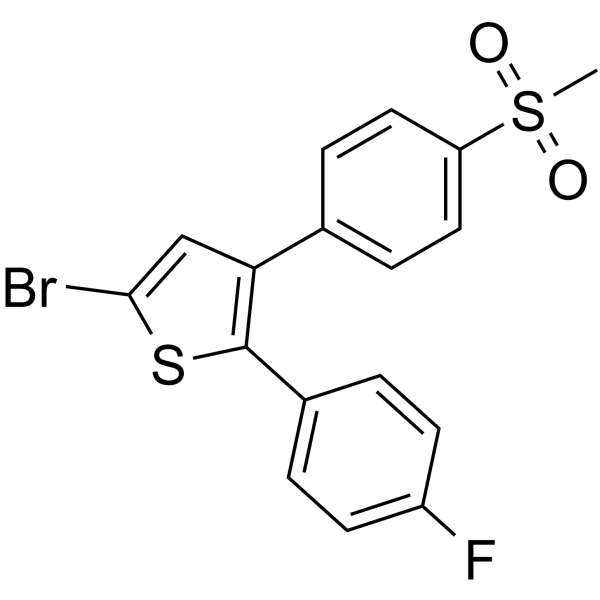 0 ImagesDuP-697 is a member of the vicinal diaryl heterocycles and a potent, irreversible, selective and orally active COX-2 inhibitor (IC50 of 10 nM and 800 nM for human COX-2 and COX-1, respectively). DuP-697 exerts antiproliferative (IC50 of 42.8 nM), antiangiogenic and apoptotic effects on HT29 colorectal cancer cells. DuP-697 inhibits prostaglandin synthesis and has anti-inflammatory, anticancer and antipyretic effects.
-
Octahydrocurcumin
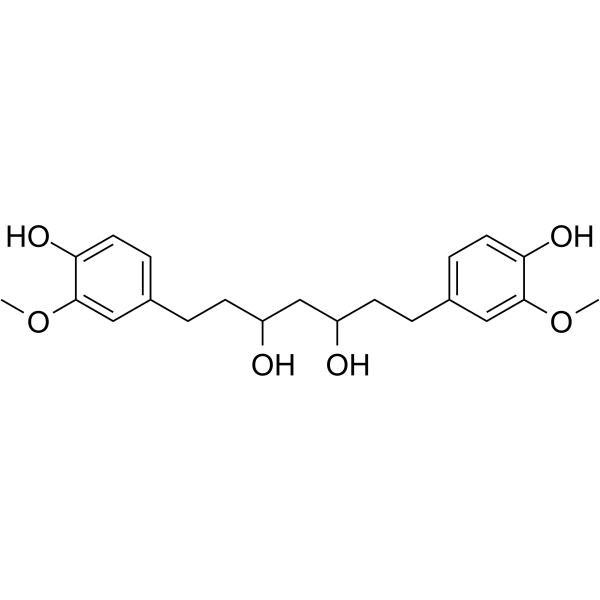 0 ImagesSynonyms: HexahydrobisdemethoxycurcuminOctahydrocurcumin (Hexahydrobisdemethoxycurcumin) is an orally active anticancer and anti-inflammatory agent, and is the final hydrogenated metabolite of Curcumin (HY-N0005) in vivo. Octahydrocurcumin exerts its anti-tumor and anti-inflammatory effects by inducing the mitochondrial apoptosis pathway and inhibiting the TAK1-NF-κB-COX-2 pathway, respectively.
-
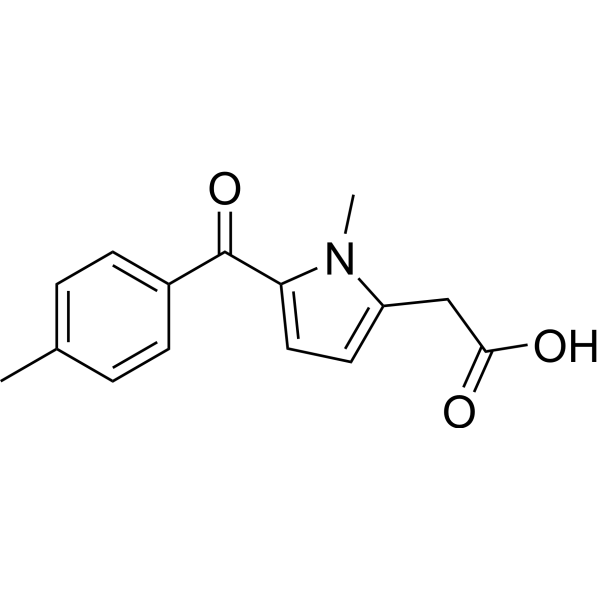
Aspirin-d3
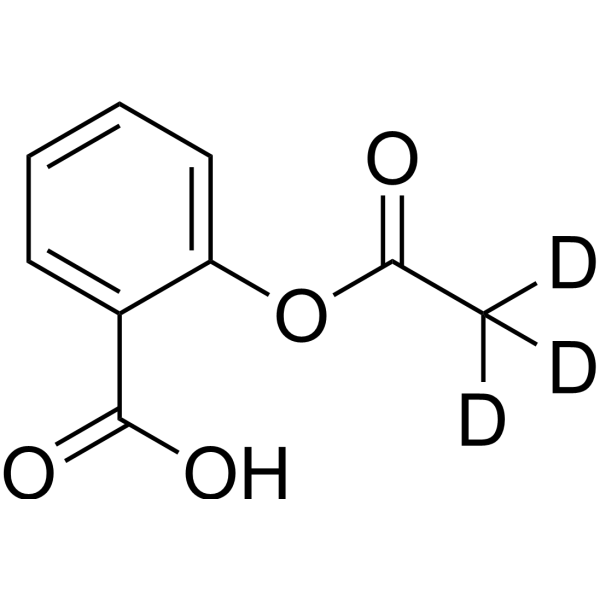 0 ImagesSynonyms: Acetylsalicylic acid-d3; ASA-d3Aspirin-d3 is the deuterium labeled Aspirin (HY-14654). Aspirin (Acetylsalicylic acid) is an orally active, potent and irreversible inhibitor of cyclooxygenase COX-1 and COX-2, with IC50 values of 5 and 210 μg/mL, respectively. Aspirin induces apoptosis. Aspirin inhibits the activation of NF-κB. Aspirin also inhibits platelet prostaglandin synthetase, and can prevent coronary artery and cerebrovascular thrombosis.
-
Oxyphenbutazone
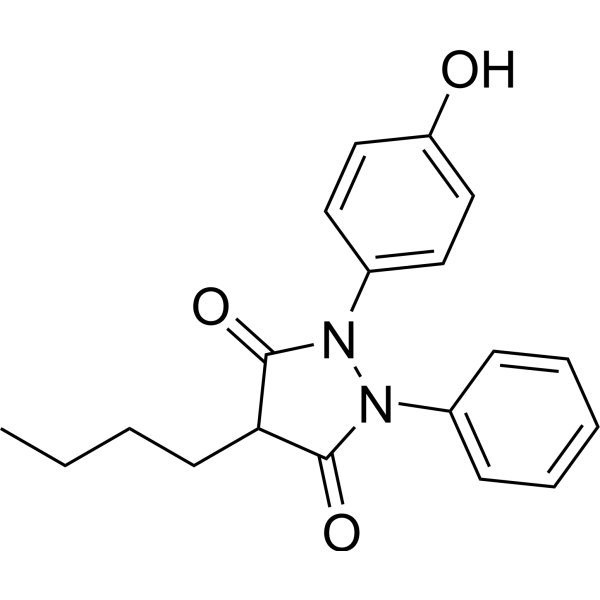 0 ImagesOxyphenbutazone is a Phenylbutazone (HY-B0230) metabolite, with anti-inflammatory effect. Oxyphenbutazone is an orally active non-selective COX inhibitor. Oxyphenbutazone selectively kills non-replicating Mycobaterium tuberculosis.
-
Anthraquinone-2-carboxylic acid
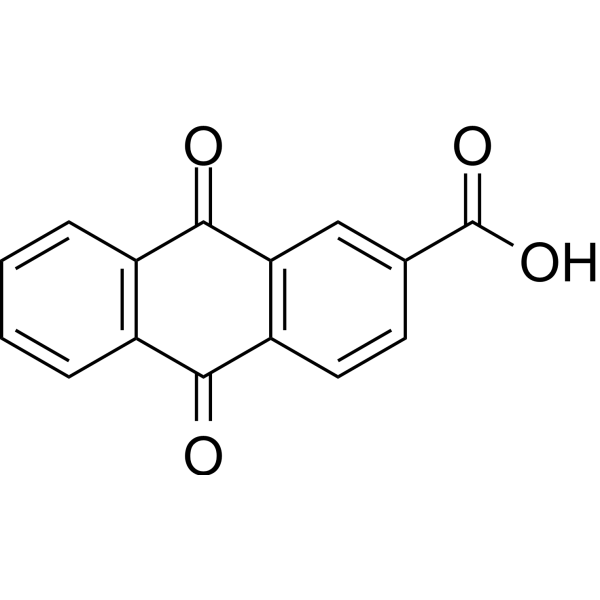 0 ImagesAnthraquinone-2-carboxylic acid is an orally active anthraquinone compound and Antibacterial agent. Anthraquinone-2-carboxylic acid can be isolated from Bajitian. Anthraquinone-2-carboxylic acid inhibits the activation of DPP-IV, COX-2, NF-κB and AP-1. Anthraquinone-2-carboxylic acid blocks IAV-induced activation of the RIG-I/STAT1 pathway, alleviates IAV-mediated weight loss, and protects against lethal IAV infection. Anthraquinone-2-carboxylic acid inhibits the growth of various Staphylococcus strains. It possesses potent anti-inflammatory, immunomodulatory, analgesic and antibacterial activities.\n
-
FK 3311
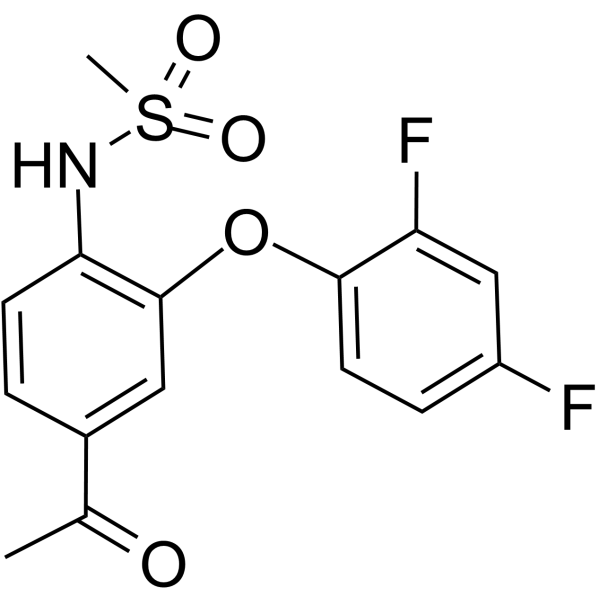 0 ImagesSynonyms: COX-2 Inhibitor VFK 3311 (COX-2 Inhibitor V) is a selective inhibitor of COX-2 with antiinflammatory agent.
-
Tenoxicam
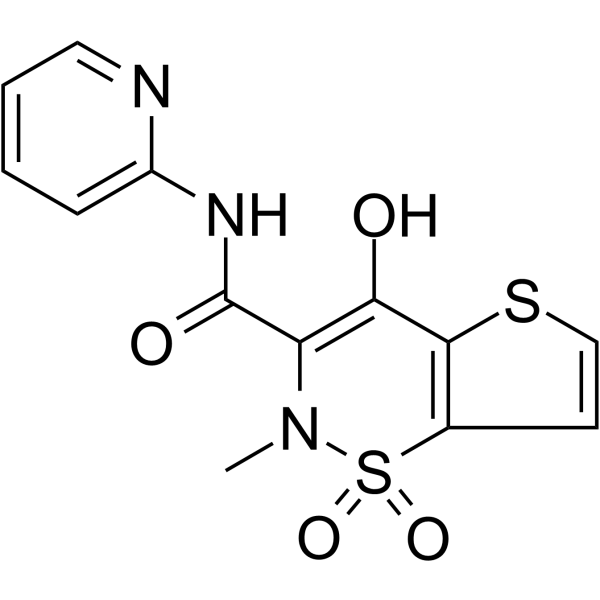 0 ImagesSynonyms: Ro-12-0068Tenoxicam (Ro-12-0068), an antiinflammatory agent with analgesic and antipyretic properties.
-
Gallic acid-d2
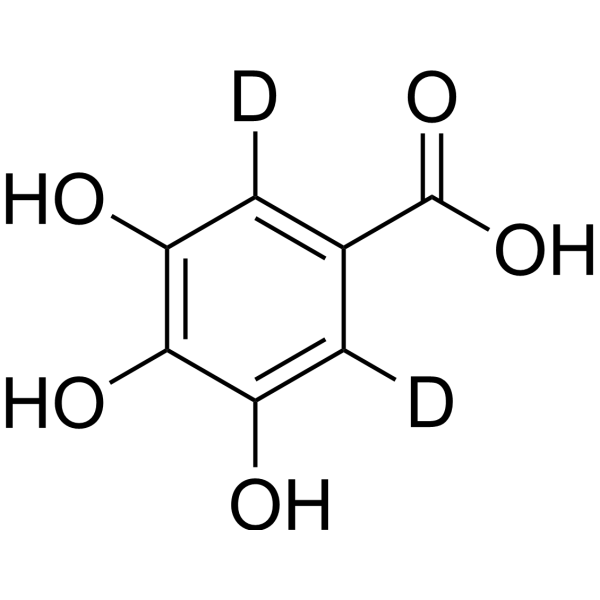 0 ImagesSynonyms: 3,4,5-Trihydroxybenzoic acid-d2Gallic acid-d2 is the deuterium labeled Gallic acid. Gallic acid (3,4,5-Trihydroxybenzoic acid) is a natural polyhydroxyphenolic compound and an free radical scavenger to inhibit cyclooxygenase-2 (COX-2). Gallic acid has various activities, such as antimicrobial, antioxidant, antimicrobial, anti-inflammatory, and anticance activities.
-
Loxoprofen
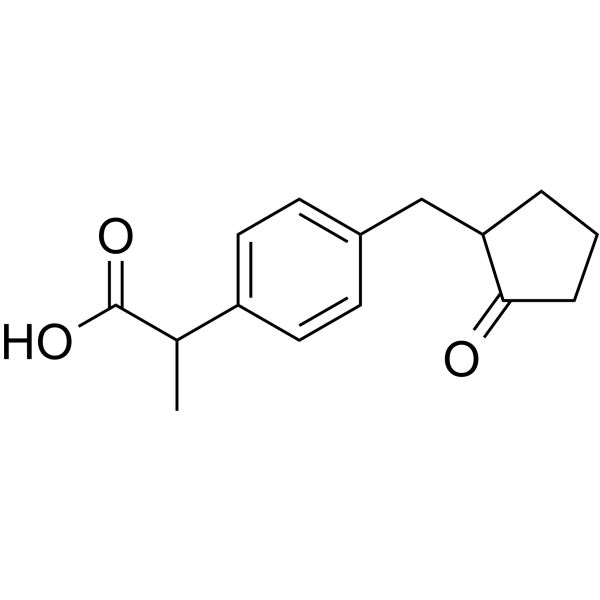 0 ImagesLoxoprofen is a non-steroidal, orally active anti-inflammatory agent with analgesic and anti-pyretic properties. Loxoprofen is a nonselective COX inhibitor with IC50s of 6.5 and 13.5 μM for COX-1 and COX-2, respectively. Loxoprofen can reduce atherosclerosis and shows antitumor activity.
-
N-tert-Butyl-α-phenylnitrone
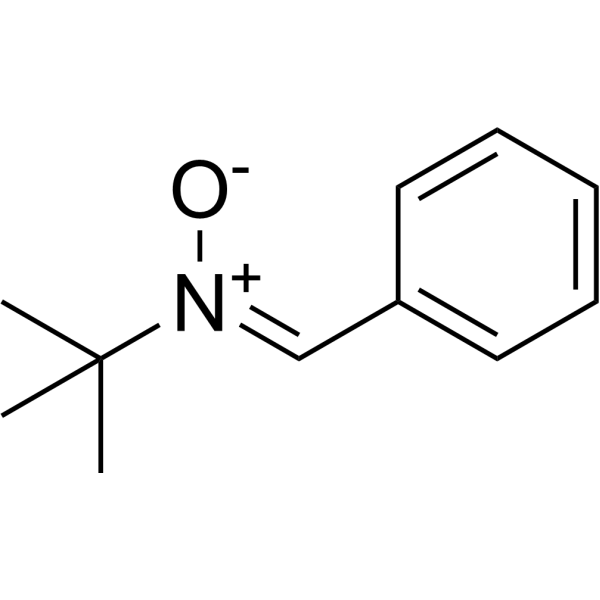 0 ImagesN-tert-Butyl-α-phenylnitrone is a nitrone-based free radical scavenger that forms nitroxide spin adducts. N-tert-Butyl-α-phenylnitrone inhibits COX2 catalytic activity. N-tert-Butyl-α-phenylnitrone has potent ROS scavenging, anti-inflammatory, neuroprotective, anti-aging and anti-diabetic activities, and can penetrate the blood-brain barrier.
-
2',4'-Dihydroxyacetophenone
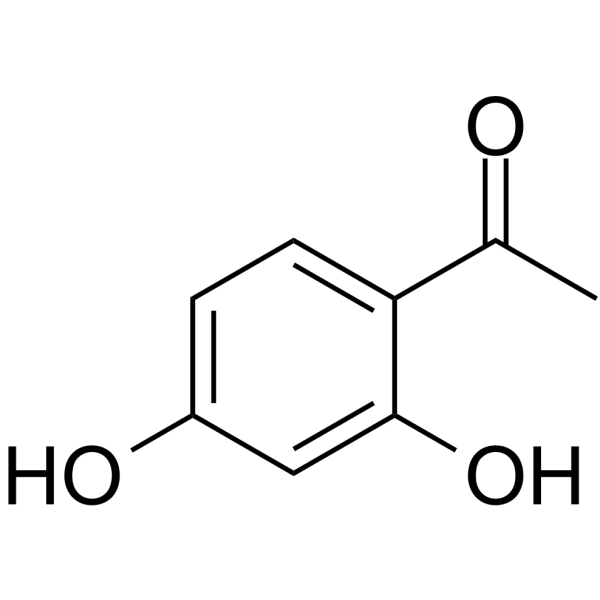 0 ImagesSynonyms: Resacetophenone; 1-(2,4-Dihydroxyphenyl)ethanone2',4'-Dihydroxyacetophenone (Resacetophenone) is acetophenone carrying hydroxy substituents at positions 2' and 4'. 2',4'-Dihydroxyacetophenone involves in a practical CsHCO3-mediated alkylation that efficiently provide 4-alkylated products with excellent regioselectivity, good isolated yields and a broad substrate scope. 2',4'-Dihydroxyacetophenone is a plant metabolite.
-
Regaloside B
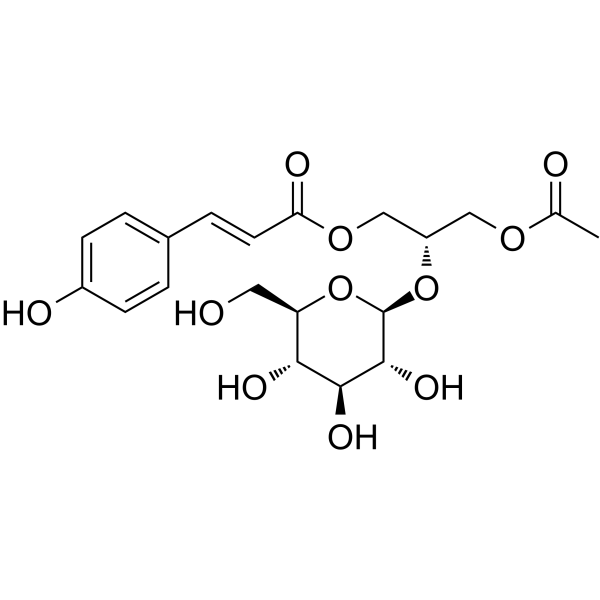 0 ImagesRegaloside B is a phenylpropane. Regaloside B can be isolated from Lilium longiflorum. Regaloside B can inhibit the expression of VCAM-1, iNOS, and COX-2, with a p-p65/p-65 ratio. Regaloside B inhibits the mRNA of various chemokines and angiogenic factors (CXCL9, CXCL10, IL8, IDO). Regaloside B has anti-inflammatory activity. Regaloside B can be used for osteogenic differentiation research.
-
Cornuside
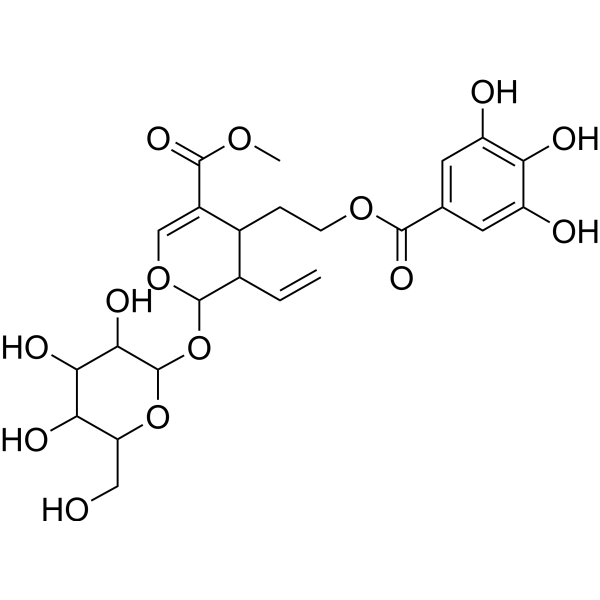 0 ImagesCornuside is an iridoid glycoside with anti-allergic, anti-inflammatory, and neuroprotective activities. Cornuside exerts anti-allergic activity by downregulating the p38 MAPK, JNK, and NF-κB signaling pathways, and inhibits IgE-mediated histamine release from mast cells. Cornuside improves cognitive impairment in mice by inhibiting BACE1 activity (IC50 = 55.84 μg/mL) and enhancing ChAT activity. Cornuside inhibits LPS (HY-D1056)-induced inflammatory mediators, including iNOS, COX-2, PGE2, TNF-α, IL-6, and IL-1β, by suppressing NF-κB activation.
-
Triflusal
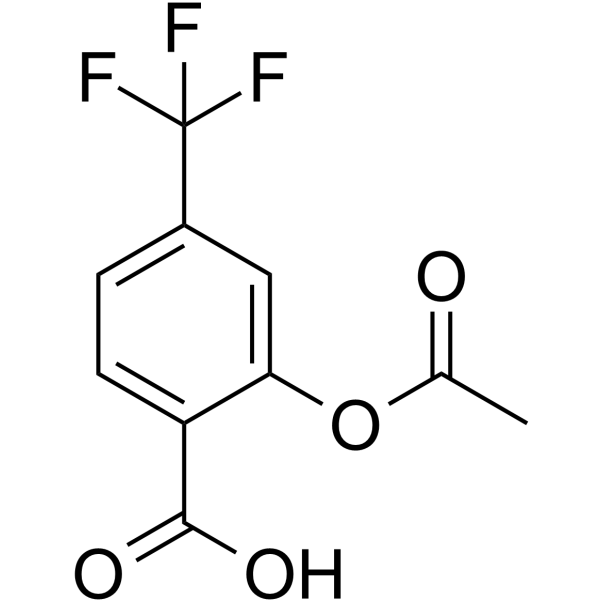 0 ImagesTriflusal is an orally bioavailable, blood-brain barrier-permeable dual Cyclooxygenase-1 (COX-1)/cAMP phosphodiesterase inhibitor. Triflusal inhibits platelet aggregation, NF-κB activation, iNOS activity, and prostaglandin synthesis in ischaemic tissue. Triflusal stimulates neutrophil nitric oxide production, eNOS protein expression, and cNOS activity. Triflusal alleviates cerebral ischemic injury in rats and ameliorates pathological lesions and related gene expression in transgenic Alzheimer’s disease models. Triflusal can be used for the research of thromboembolic/ischemic cardiovascular and cerebrovascular diseases, and Alzheimer’s disease.
-
Bacoside A3
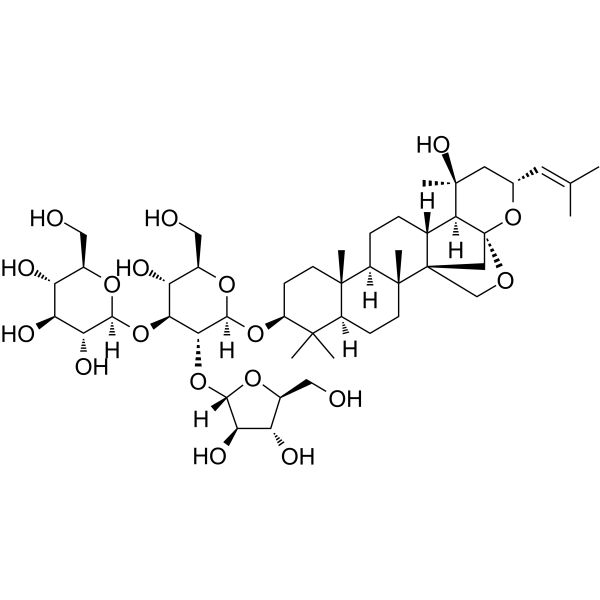 0 ImagesBacoside A3 is a triterpenoid saponin isolated from Bacopa monnieri. Bacoside A3 has neuroprotective activity, downregulating β-amyloid-induced inflammatory responses and inhibiting neuronal apoptosis. Bacoside A3 can be used in the study of Alzheimer's disease.
-
Catechin (Standard)
 0 ImagesSynonyms: (+)-Catechin (Standard); Cianidanol (Standard); Catechuic acid (Standard)Catechin (Standard) is the analytical standard of Catechin. This product is intended for research and analytical applications. Catechin ((+)-Catechin) inhibits cyclooxygenase-1 (COX-1) with an IC50 of 1.4 μM.
-
Deracoxib
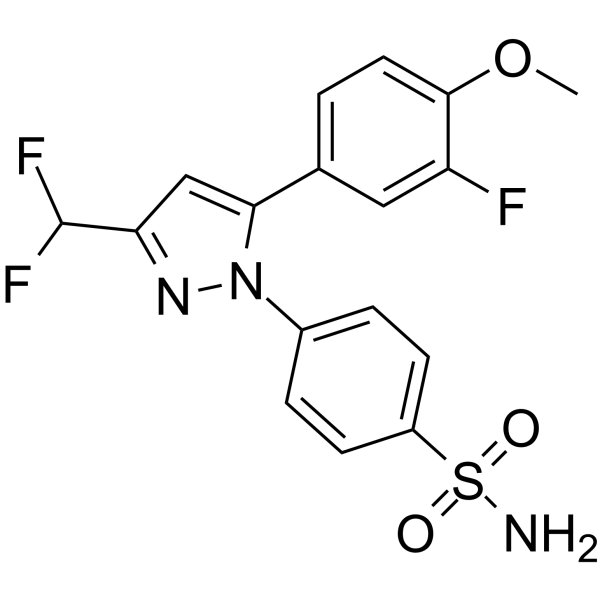 0 ImagesSynonyms: SC 046; SC 46; SC 59046Deracoxib (SC 046; SC 59046), an orally active COX-2 inhibitor, is a veterinary nonsteroidal anti-inflammatory agent used exclusively in dogs. Deracoxib inhibits the COX-2 enzyme to reduce the production of prostaglandins, effectively controlling pain and inflammation after canine soft tissue surgery. Deracoxib reduces the inhibition of COX-1 and lowers the risk of gastrointestinal side effects. Deracoxib induces tumor cell cycle arrest and apoptosis, and shows anti-tumor activity in canine osteosarcoma, breast tumors and bladder transitional cell carcinomas.




