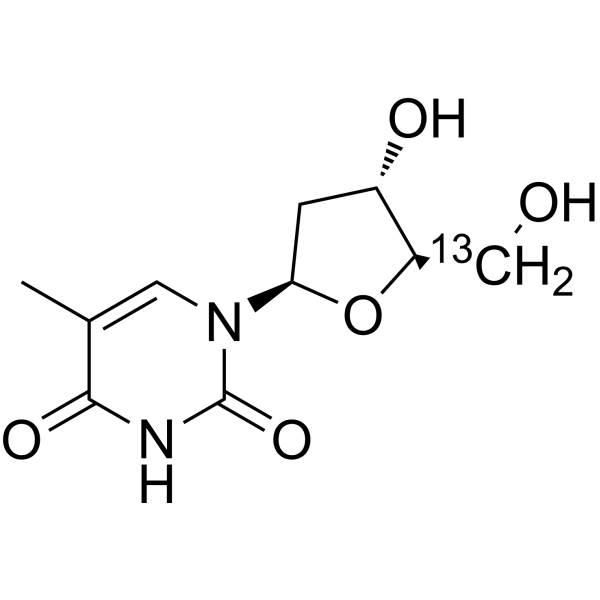
DNA/RNA Synthesis
RNA synthesis, which is also called DNA transcription, is a highly selective process. Transcription by RNA polymerase II extends beyond RNA synthesis, towards a more active role in mRNA maturation, surveillance and export to the cytoplasm.
Single-strand breaks are repaired by DNA ligase using the complementary strand of the double helix as a template, with DNA ligase creating the final phosphodiester bond to fully repair the DNA.DNA ligases discriminate against substrates containing RNA strands or mismatched base pairs at positions near the ends of the nickedDNA. Bleomycin (BLM) exerts its genotoxicity by generating free radicals, whichattack C-4′ in the deoxyribose backbone of DNA, leading to opening of the ribose ring and strand breakage; it is an S-independentradiomimetic agent that causes double-strand breaks in DNA.
First strand cDNA is synthesized using random hexamer primers and M-MuLV Reverse Transcriptase (RNase H). Second strand cDNA synthesis is subsequently performed using DNA Polymerase I and RNase H. The remaining overhangs are converted into blunt ends using exonuclease/polymerase activity. After adenylation of the 3′ ends of DNA fragments, NEBNext Adaptor with hairpin loop structure is ligated to prepare the samples for hybridization. Cell cycle and DNA replication are the top two pathways regulated by BET bromodomain inhibition. Cycloheximide blocks the translation of mRNA to protein.
DNA/RNA Synthesis Isoform Specific Products
All Product Categories
-
DNA/RNA Synthesis Inhibitors
(1507)
View all products
-
DNA/RNA Synthesis Agonists
(11)
View all products
-
DNA/RNA Synthesis Antagonists
(2)
View all products
-
DNA/RNA Synthesis Activators
(54)
View all products
-
DNA/RNA Synthesis Modulators
(34)
View all products
-
DNA/RNA Synthesis Chemicals
(20)
View all products
-
DNA/RNA Synthesis Inducers
(14)
View all products
-
DNA/RNA Synthesis Degraders
(5)
View all products
-
DNA/RNA Synthesis Controls
(6)
View all products
-
DNA/RNA Synthesis Substrates
(6)
View all products
-
DNA/RNA Synthesis Ligands
(6)
View all products
-
DNA/RNA Synthesis Related Products (2968)
Related Products (2968)

-
Antibodies (248)
-
DNA/RNA Synthesis Isoform Comparison
-
CUHK242
 0 ImagesCat. No.: HY-163882CAS No.: 2408055-05-8CUHK242 is a bacterial transcription inhibitor, with a MIC of 2 μg/mL for B. subtilis reporter strain BS2019. CUHK242 has antimicrobial activity against Staphylococcus aureus. CUHK242 can inhibit RNA synthesis in cells, thereby simultaneously reducing protein synthesis.
-
Apoptosis inducer 34
 0 ImagesApoptosis inducer 34 (Compound 4) is a small molecule compound that induces apoptosis by directly activating the intrinsic apoptotic pathway. Apoptosis inducer 34 promotes Apaf-1 oligomerization to form mature apoptosomes, thereby activating caspase-9 and caspase-3. It significantly activates the apoptotic pathway in Jurkat cells by enhancing the cytochrome c-dependent apoptotic signaling pathway, inducing PARP cleavage and chromosomal DNA fragmentation. Furthermore, Apoptosis inducer 34 exhibits low toxicity to normal cells, demonstrating potential for selective targeting of cancer cells. Apoptosis inducer 34 is a promising candidate for studying cancer related to apoptotic pathways.
-
Santamarine
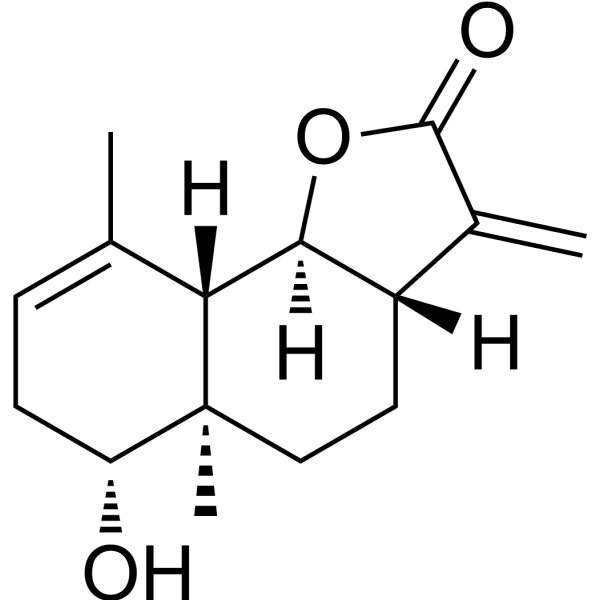 0 ImagesSantamarine (Santamarin; Balchanin) is a sesquiterpene lactone found in Artemisia scoparia. Santamarine shows anti-inflammatory, antioxidant, anticancer and anti-photoaging activities. Santamarine suppresses UVA-induced phosphorylation of JNK and p38 MAPK, nuclear translocation of phosphorylated c-Fos and c-Jun, and AP-1-mediated MMP-1 transcription and secretion. Santamarine suppresses NF-κB signaling, iNOS, COX-2, TNF-α, and IL-1β production. Santamarine inhibits thioredoxin reductase activity, induces ROS production, mitochondrial apoptosis, G2/M cell cycle arrest, and DNA damage, and reduces cancer cell growth. Santamarine can be used for the photoaging, inflammatory diseases and cancer.
-
3′-Deoxy-3′-methyluridine
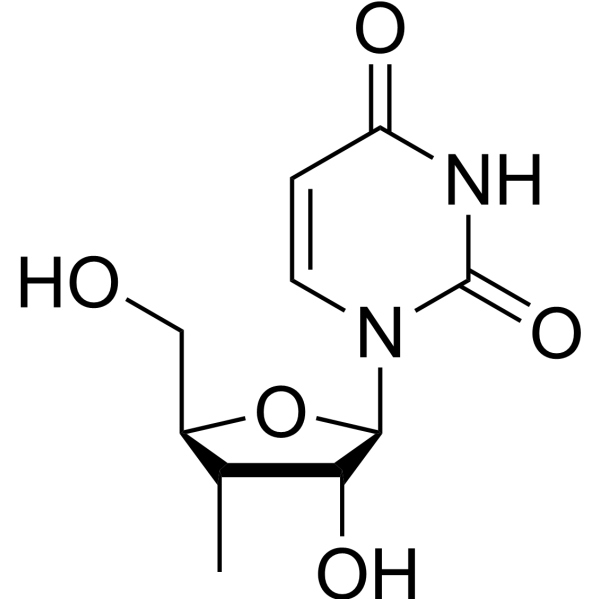 0 ImagesCat. No.: HY-152294CAS No.: 444020-64-83′-Deoxy-3′-methyluridine is a nucleoside derivative, involving in preparation inhibitors of RNA-dependent RNA viral polymerase.
-
EGFR-IN-210
 0 ImagesCat. No.: HY-183310EGFR-IN-210 is a EGFR kinase inhibitor with an IC50 of 0.198 μM. EGFR-IN-210 induces antiproliferative, pro-apoptotic, G0/G1 cell cycle arrest, DNA synthesis inhibition and anti-migratory effects in cancer cells. EGFR-IN-210 can be used for the research of various cancers including colorectal cancer.
-
AFP464
 0 ImagesCat. No.: HY-16031ACAS No.: 468719-53-1Synonyms: NSC710464AFP464 (NSC710464) is a prodrug of Aminoflavone (HY-132974) and an agonist of the aryl hydrocarbon receptor (AhR). AFP464 downregulates the expression of α6-integrin (α6-integrin), inhibits breast tumor growth, reduces the population of tumor-initiating cells, disrupts mammosphere structure, induces the formation of mucin lake clusters, triggers DNA damage, and exerts antiproliferative activity. AFP464 is rapidly converted to Aminoflavone by nonspecific esterases in plasma and cell culture media. AFP464 is applicable to research related to breast cancer.
-
EFdA-TP
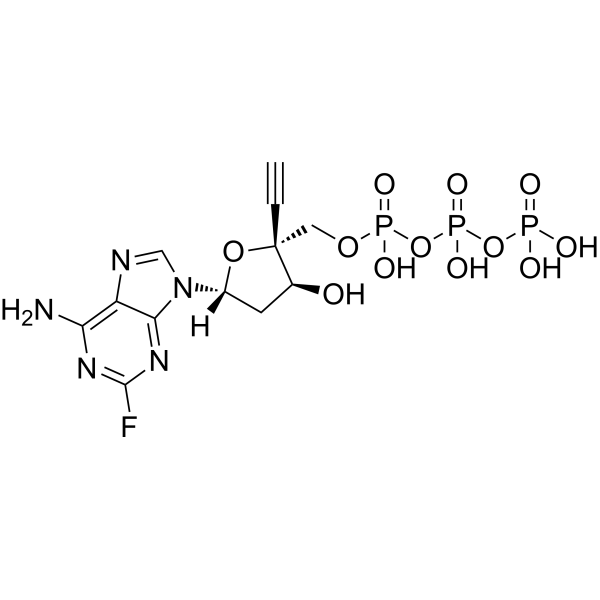 0 ImagesCat. No.: HY-138561CAS No.: 950913-56-1EFdA-TP is a potent nucleoside reverse transcriptase (RT) inhibitor. EFdA-TP inhibits RT-catalyzed DNA synthesis as an effective immediate or delayed chain terminator (ICT or DCT). EFdA-TP inhibits HIV-1 RT with multiple mechanisms.
-
BzDANP
 0 ImagesCat. No.: HY-115551CAS No.: 1994258-88-6BzDANP is a modulator of pre-miR-29a maturation by dicer. BzDANP shows much affinity to the bulged RNAs.
-
PARP1/NAMPT-IN-1
 0 ImagesPARP1/NAMPT-IN-1 is a potent and dual PARP1 and NAMPT inhibitor with IC50 values of 1.2 nM and 6.7 nM, respectively. PARP1/NAMPT-IN-1 can disrupt the homologous recombination repair (HRR) pathway, leading to the accumulation of DNA double-strand breaks (DSBs), inducing cell cycle arrest and apoptosis, and also has antimigratory effects. PARP1/NAMPT-IN-1 exhibits excellent antitumor effects in a breast cancer xenograft model. PARP1/NAMPT-IN-1 can be used for the study of triple-negative breast cancer (TNBC).
-
Favipiravir-13C15N
 0 ImagesCat. No.: HY-14768SSynonyms: T-705-13C15NFavipiravir-13C15N (T-705-13C15N) is 13C and 15N labeled Favipiravir. Favipiravir (T-705) is a potent viral RNA polymerase inhibitor, it is phosphoribosylated by cellular enzymes to its active form, Favipiravir-ribofuranosyl-5′-triphosphate (RTP). Favipiravir-RTP inhibits the influenza viral RNA-dependent RNA polymerase (RdRP) activity with an IC50 of 341 nM.
-
WRN-IN-24
 0 ImagesCat. No.: HY-181562CAS No.: 3113010-46-8WRN-IN-24 is an orally active allosteric covalent Werner syndrome helicase (WRN) inhibitor with an IC50 of 201 nM. WRN-IN-24 binds to a novel allosteric cavity, forms an additional hydrogen bond with K894, and functionally inhibits WRN activity. WRN-IN-24 inhibits colorectal cancer cells proliferation and exerts dose-dependent antitumor activity in xenograft mouse models. WRN-IN-24 can be used for the research of microsatellite instability-high cancers, including colorectal cancer.
-
PARP1/BRD4-IN-3
 0 ImagesCat. No.: HY-169170PARP1/BRD4-IN-3 (compound HF4) is a potent BRD4 and PARP1 inhibitor with IC50 values of 1210, 2019 nM for BRD4, PARP1, respectively. PARP1/BRD4-IN-3 shows antiproliferative activities. PARP1/BRD4-IN-3 induces apoptosis and cell cycle arrest at G0/G1 phase. PARP1/BRD4-IN-3 causes DNA damage and reduces the protein expression of Rad51. PARP1/BRD4-IN-3 shows antitumor efficacy.
-
Antibiotic DC 81
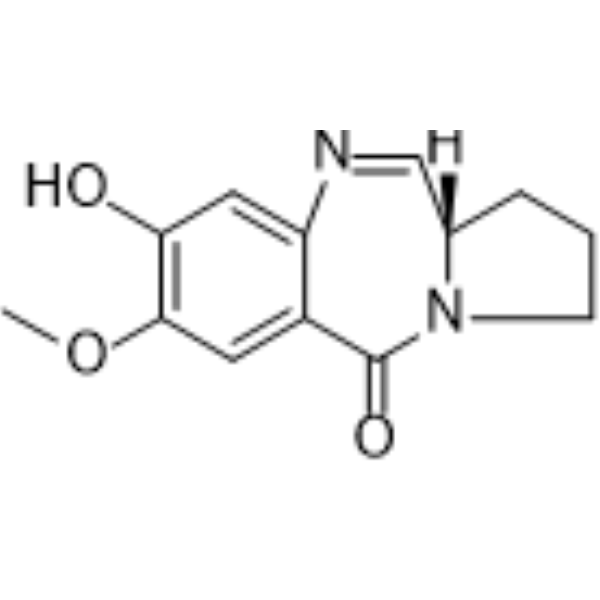 0 ImagesCat. No.: HY-107767CAS No.: 81307-24-6Synonyms: DC 81Antibiotic DC 81 (DC 81), an antitumor antibiotic produced by Streptomyces species, is a PBD (pyrrolo[2,1-c][1,4]benzodiazepine). Antibiotic DC 81 is potent inhibitor of nucleic acid synthesis. Antibiotic DC 81 can recognize and bind to specific sequences of DNA and form a labile covalent adduct.
-
7-TFA-ap-7-Deaza-ddG
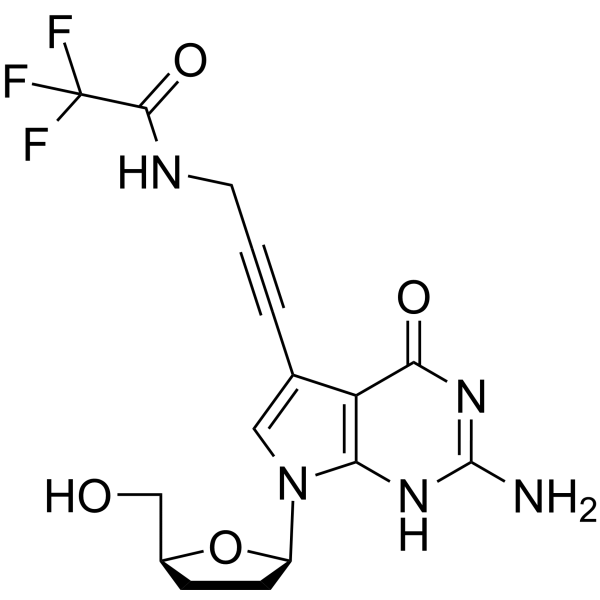 0 ImagesCat. No.: HY-138587CAS No.: 114748-68-47-TFA-ap-7-Deaza-ddG (compound 19d, US20060281100A1), a nucleotide derivative, can be used in the synthesis of thiotriphosphate nucleotide dye terminators which can be used in DNA sequencing reactions.
-
Polθ-IN-10
 0 ImagesCat. No.: HY-181611CAS No.: 3068829-46-6Polθ-IN-10 is an orally active Polθ-pol inhibitor (with a human IC50 of 1.3 nM) that exhibits oral bioavailability in mice and rats. Polθ-IN-10 binds to the allosteric site of Polθ-pol, disrupts the microhomology-mediated end-joining DNA repair pathway, and inhibits CYP2C9 (IC50=1.63 μM). Polθ-IN-10 selectively inhibits the proliferation of HR-deficient cancer cells and induces apoptosis. Polθ-IN-10 is applicable to the research of HR-deficient cancers.
-
Pancreatic Polypeptide, rat TFA
 0 ImagesCat. No.: HY-P1532APurity: 98.05%Synonyms: Rat pancreatic polypeptide TFAPancreatic Polypeptide, rat TFA (Rat pancreatic polypeptide TFA) is a rat-derived Pancreatic Polypeptide. Pancreatic Polypeptide is a preferential agonist of NPYR4. Pancreatic Polypeptide, rat TFA protects cells against Streptozotocin (HY-13753)-induced DNA damage. Pancreatic Polypeptide, rat inhibits glucose-stimulated insulin secretion. Pancreatic Polypeptide, rat (TFA) can be used in diabetes-related research.
-
Difloxacin
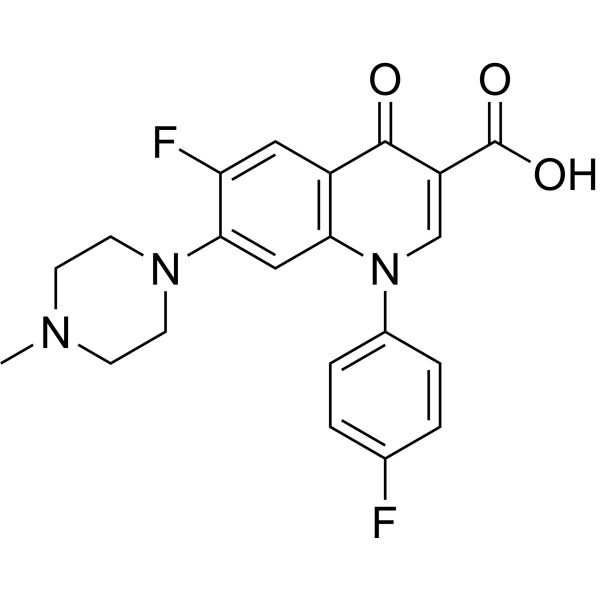 0 ImagesCat. No.: HY-121272CAS No.: 98106-17-3Synonyms: A-56619Difloxacin (A-56619) is an orally active bactericidal agent. Difloxacin inhibits bacterial DNA gyrase. Difloxacin exhibits concentration-dependent bactericidal activity. Difloxacin shows strong in vitro activity against a variety of Gram-positive and Gram-negative bacteria. Difloxacin can be used in research related to colibacillosis and Staphylococcus aureus infections.
-
Ledoxantrone trihydrochloride
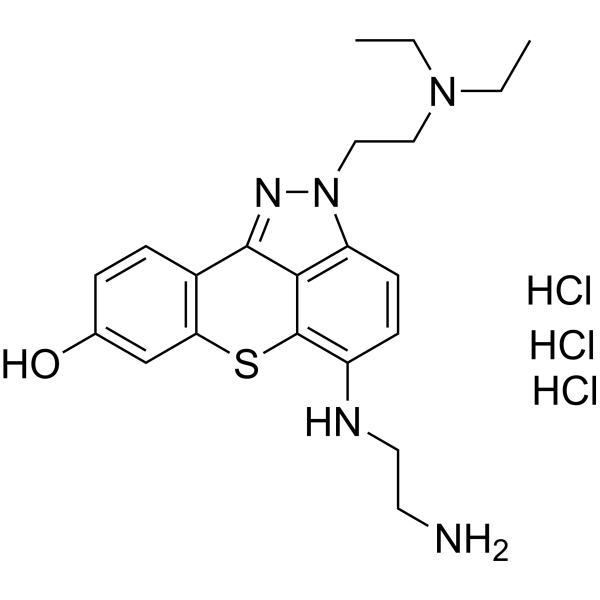 0 ImagesCat. No.: HY-106305ACAS No.: 119221-49-7Synonyms: CI 958 trihydrochlorideLedoxantrone (CI 958) trihydrochloride is a DNA helicases inhibitor with an IC50 of 0.17 μM. Ledoxantrone trihydrochloride can be used in the study of prostate cancer.
-
HJ03
 0 ImagesCat. No.: HY-181982CAS No.: 3028123-48-7HJ03 is a blood-brain barrier-permeable, orally active DNA damage and ferroptosis inducer. HJ03 triggers ferroptosis by increasing intracellular ROS, Fe2+ accumulation and lipid peroxidation. HJ03 induces DNA adducts and interstrand crosslinks, blocks DNA replication and transcription, arrests cells at the G2/M phase and induces apoptosis. HJ03 can be used in the research of glioblastoma multiforme and colorectal cancer.