



ERK
Extracellular signal regulated kinases
ERKs (Extracellular-signal-regulated kinases) are widely expressed protein kinase intracellular signalling molecules that are involved in functions including the regulation of meiosis, mitosis, and postmitotic functions in differentiated cells. Many different stimuli, including growth factors, cytokines, virus infection, ligands for heterotrimeric G protein-coupled receptors, transforming agents, and carcinogens, activate the ERK pathway. In the MAPK/ERK pathway, Ras activates c-Raf, followed by mitogen-activated protein kinase kinase (abbreviated as MKK, MEK, or MAP2K) and then MAPK1/2 (below). Ras is typically activated by growth hormones through receptor tyrosine kinases and GRB2/SOS, but may also receive other signals. ERKs are known to activate many transcription factors, such as ELK1, and some downstream protein kinases. Disruption of the ERK pathway is common in cancers, especially Ras, c-Raf and receptors such as HER2.
ERK Isoform Specific Products
All Product Categories
-
ERK Inhibitors
(762)
View all products
-
ERK Agonists
(10)
View all products
-
ERK Activators
(267)
View all products
-
ERK Modulators
(19)
View all products
-
ERK Chemical
(1)
View all products
-
ERK Inducers
(17)
View all products
-
ERK Degraders
(2)
View all products
-
ERK Controls
(3)
View all products
-
ERK Ligands
(2)
View all products
-
ERK Related Products (1167)
Related Products (1167)

-
Antibodies (22)
-
ERK Isoform Comparison
-
Erlotinib-13C6 hydrochloride
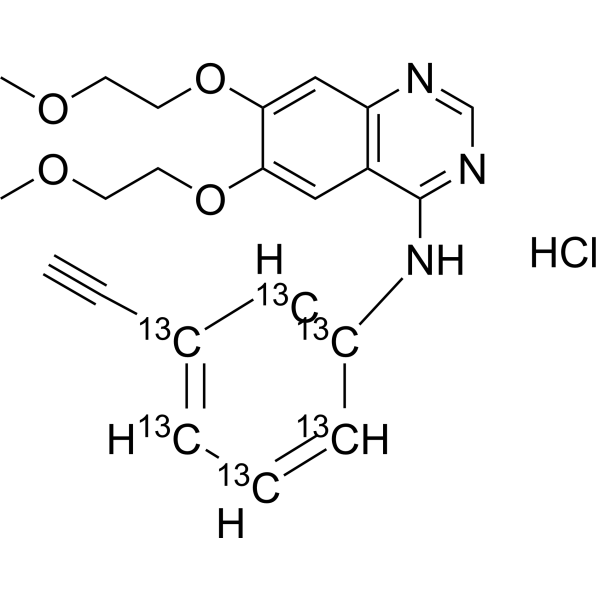 0 ImagesCat. No.: HY-12008S1CAS No.: 1210610-07-3Synonyms: CP-358774-13C6 hydrochloride; NSC 718781-13C6 hydrochloride; OSI-774-13C6 hydrochlorideErlotinib-13C6 hydrochloride (CP-358774-13C6 hydrochloride) is the 13C-labeled Erlotinib Hydrochloride (HY-12008). Erlotinib (CP-358774) Hydrochloride is a selective, orally active EGFR tyrosine kinase inhibitor. Erlotinib Hydrochloride also acts as a substrate and inhibitor of OATP2B1, with an IC50 of approximately 0.079 μM for inhibiting OATP2B1-mediated uptake of estrone 3-sulfate. Erlotinib Hydrochloride blocks EGFR phosphorylation, downstream signal transduction, as well as the growth and proliferation of cancer cells. Erlotinib Hydrochloride inhibits MMP-10-mediated renal injury, fibrotic lesions, the ERK1/2, GSK-3β and β-catenin signaling pathways, as well as the deposition of fibronectin, α-SMA, collagen and renal injury markers. Erlotinib Hydrochloride is metabolized via CYP3A to produce the active metabolite OSI-420. Erlotinib Hydrochloride can be used in research related to non-small cell lung cancer, gastric cancer, papillary renal cell carcinoma, EGFR inhibitor resistance and renal fibrosis.
-
CAIX/XII/NAMPT-IN-1
 0 ImagesCat. No.: HY-181350CAIX/XII/NAMPT-IN-1 is a triple inhibitor of carbonic anhydrase IX/XII and nicotinamide phosphoribosyltransferase (NAMPT) with a hCA IX Ki of 78.1 nM, hCA XII Ki of 64.4 nM, and hNAMPT IC50 of 168 nM. CAIX/XII/NAMPT-IN-1 induces apoptosis, ROS accumulation, suppresses ERK/AKT signaling, inhibits DNA synthesis, and causes mitochondrial dysfunction. CAIX/XII/NAMPT-IN-1 exerts antiproliferative effects against multiple cancer cells under normoxic and hypoxic conditions. CAIX/XII/NAMPT-IN-1 can be used for the research of cancer, such as renal carcinoma, glioblastoma and colorectal cancer.
-
DOR agonist 2
 0 ImagesCat. No.: HY-162850CAS No.: 1212540-02-7DOR agonist 2 (Compound 3) is a Delta Opioid Receptor agonist. DOR agonist 2 can inhibit the expression of TNF-α, prevent NF-κB transport to the nucleus, and activate the G protein-mediated ERK1/2 pathway. DOR agonist 2 can be used in the study of neurodegenerative diseases.
-
Lidocaine-d6 hydrochloride
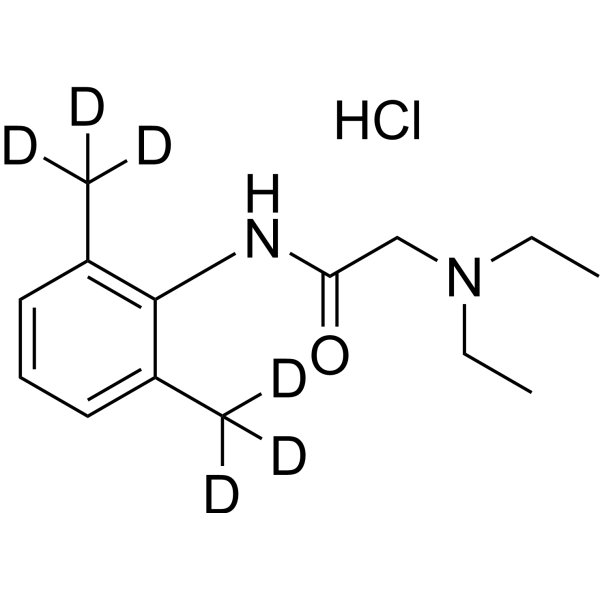 0 ImagesCat. No.: HY-B0185AS1CAS No.: 2517378-96-8Synonyms: Lignocaine-d6 hydrochlorideLidocaine-d6 (hydrochloride) is deuterium labeled Lidocaine (hydrochloride). Lidocaine hydrochloride (Lignocaine hydrochloride) inhibits sodium channels involving complex voltage and using dependence. Lidocaine hydrochloride decreases growth, migration and invasion of gastric carcinoma cells via up-regulating miR-145 expression and further inactivation of MEK/ERK and NF-κB signaling pathways. Lidocaine hydrochloride is an amide derivative and a agent to treat ventricular arrhythmia and an effective tumor-inhibitor.
-
RMC-4998 TFA
 0 ImagesCat. No.: HY-156671BPurity: 99.02%RMC-4998 TFA is an orally active inhibitor targeting the active or GTP-bound state of the KRASG12C mutant. RMC-4998 TFA can form a ternary complex with intracellular CYPA and the activated KRASG12C mutant, with an IC50 value of 28 nM. RMC-4998 TFA can inhibit ERK signaling in KRASG12C mutant cancer cells and induce apoptosis. RMC-4998 TFA can be used for for non-small cell lung cancer (NSCLC) research.
-
Angiogenesis inhibitor 7
 0 ImagesCat. No.: HY-170916CAS No.: 922029-50-3Angiogenesis inhibitor 7 (compound BT2) ia a potent inhibitor of angiogenesis. Angiogenesis inhibitor 7 inhibits ERK phosphorylation, FosB/ΔFosB and VCAM-1 expression.
-
PROTAC FLT-3 degrader 3
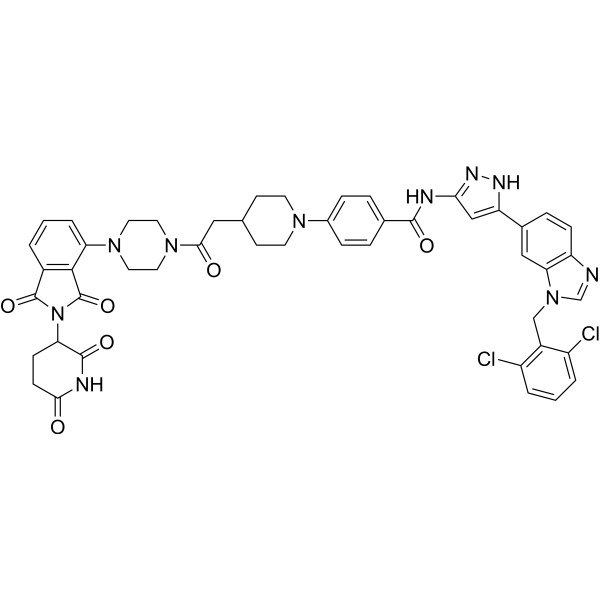 0 ImagesCat. No.: HY-161280PROTAC FLT-3 degrader 3 is a FLT-3 PROTAC degrader. PROTAC FLT-3 degrader 3 reduces the phosphorylation levels of FLT3-ITD, AKT, STAT5 and ERK. PROTAC FLT-3 degrader 3 induces apoptosis and cell cycle arrest in leukemia cells. PROTAC FLT-3 degrader 3 can be used for the research of acute myeloid leukemia.
-
Famotidine (GMP)
 0 ImagesCat. No.: HY-B0377GCAS No.: 76824-35-6Synonyms: MK-208 (GMP)Famotidine GMP (MK-208 GMP) is Famotidine (HY-B0377) produced in GMP guideline. Famotidine is an orally active and highly selective histamine H2 receptor antagonist. It inhibits gastric acid secretion by blocking the Gs signaling pathway, and regulates intracellular cAMP and ERK pathways. Famotidine inhibits TLR3-mediated inflammatory pathways, and reduces the expression of various inflammatory mediators and interferon-related genes. Famotidine scavenges DPPH and nitric oxide free radicals, alleviates oxidative stress damage in gastric tissue, inhibits proMMP-9, improves vascular endothelial permeability, and restores the normal physiological functions of neutrophils and eosinophils. Famotidine crosses intestinal epithelial cells via facilitated diffusion and passive diffusion, blocks paracellular cation transport, and increases intestinal transepithelial electrical resistance. Famotidine reduces serum levels of transaminases and alkaline phosphatase, exerts analgesic effects and gastric protective effects simultaneously. Famotidine can be used in studies related to COVID-19, liver injury and acute gastric ulcer.
-
Isosilybin A (Standard)
 0 ImagesCat. No.: HY-N7043RCAS No.: 142796-21-2Isosilybin A (Standard) is the analytical standard of Isosilybin A (HY-N7043). Isosilybin A is a PPARγ agonist that can be isolated from silymarin. Isosilybin A activates extrinsic and intrinsic pathways of apoptosis through targeting of the Akt-NF-kB-AR axis. Isosilybin A can relieve the inflammatory response in the rosacea model via inhibiting Erk and p38 signaling pathways and M1 macrophage polarization, with its targets related to RELA and VEGFA. Isosilybin A has anti-prostate cancer (PCA) activity[1][2][3].
-
Calactin
 0 ImagesCat. No.: HY-167237CAS No.: 20304-47-6Calactin is a glycoside that can be isolated from Asclepias curassavica L.. Calactin activates caspase-3, caspase-8, caspase-9, and phosphorylates ERK. Calactin induces DNA damage, apoptosis, PARP cleavage, G2/M phase cell cycle arrest, shifts Bax/Bcl-2 expression, and shows anti-proliferation effects in leukemia cells. Calactin can be used for the research of leukemia.
-
FYJ-195
 0 ImagesCat. No.: HY-184161FYJ-195 is a potent orally active FLT3 inhibitor targeting FLT3 and its variants FLT3-ITD, FLT3-F691L, FLT3-D835V, FLT3-D835Y. FYJ-195 blocks FLT3 autophosphorylation and downstream STAT5, AKT, ERK signaling pathways, and induces apoptosis. FYJ-195 induces tumor regression in mouse acute myeloid leukemia (AML) xenograft models. FYJ-195 can be used for the research of AML.
-
L 741742 hydrochloride
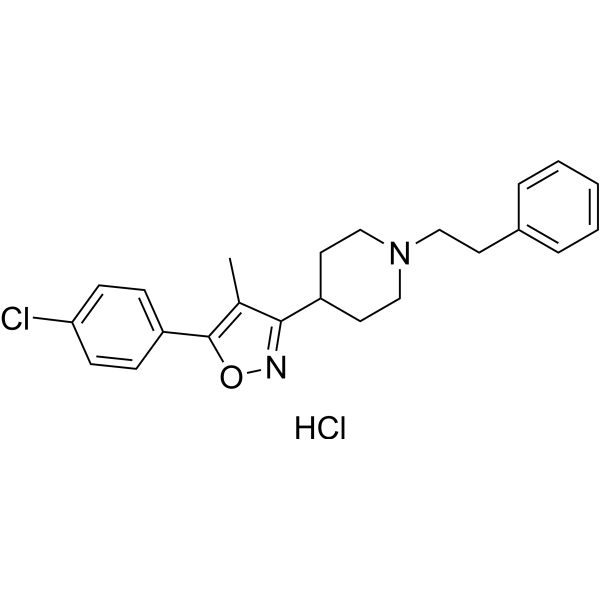 0 ImagesCat. No.: HY-101349ACAS No.: 874882-93-6L 741742 hydrochloride is a highly selective and brain-penetrant D4 dopamine receptor antagonist, with Ki values of 3.5 nM, 770 nM and >1700 nM for human D4, D3 and D2 receptors, respectively. L 741742 hydrochloride suppresses PDGFRβ, ERK1/2, and mTOR signaling pathways, and impairs autophagic flux while disrupting lysosomal function.L 741742 hydrochloride induces G0/G1 cell-cycle arrest and apoptosis, promotes neuronal differentiation of normal human neural stem cells, selectively inhibits growth and clonogenic potential of glioblastoma neural stem cells and primary glioblastoma tumor cells, exerts synergistic effects with Temozolomide (TMZ) (HY-17364) against glioblastoma neural stem cells in vitro, and inhibits glioblastoma neural stem cell xenograft growth in immunocompromised mice. L 741742 hydrochloride can be used for the research of schizophrenia and glioblastoma.
-
EGFR-IN-113
 0 ImagesCat. No.: HY-158969CAS No.: 2549192-10-9EGFR-IN-113 (compound II-1) is an EGFR kinase inhibitor with an IC50 of 14.79 μM. EGFR-IN-113 can induce apoptosis and inhibit cell proliferation by downregulating Akt and Erk1/2 signaling. EGFR-IN-113 can be used for research in EGFR-driven cancers, such as lung cancer, pancreatic cancer, and breast cancer.
-
Ravoxertinib (GMP)
 0 ImagesCat. No.: HY-15947GCAS No.: 1453848-26-4Synonyms: GDC-0994 (GMP)Ravoxertinib GMP is Ravoxertinib (HY-15947) produced by using GMP guidelines. GMP small molecules works appropriately as an auxiliary reagent for cell therapy manufacture. Ravoxertinib (GDC-0994) is an orally active ERK1/2 inhibitor. Ravoxertinib inhibits the ERK1/2 MAPK signaling pathway and reduces the expression levels of c-Myc, HK2 and LDHA. Ravoxertinib decreases mammosphere formation, and exerts additive and/or superadditive cytotoxicity when combined with Ipatasertib (HY-15186) in 3D tumor sphere models. Ravoxertinib can be used in research related to various cancers including breast cancer, melanoma, head and neck cancer, non-small cell lung cancer, ovarian cancer and Merkel cell carcinoma.
-
GZD-552
 0 ImagesCat. No.: HY-183284GZD-552 is a potent orally active FAK inhibitor with a human FAK IC50 of 5.8 nM. GZD-552 suppresses FAK phosphorylation activation and downstream ERK signaling. GZD-552 induces apoptosis and G2/M cell cycle arrest, and exhibits antiproliferative activities in glioblastoma multiforme cells. GZD-552 exhibits antitumor efficacy in mice xenograft model. GZD-552 can be used for the research of glioblastoma multiforme.
-
Sorafenib-d3 tosylate
 0 ImagesCat. No.: HY-10201S4CAS No.: 1333386-17-6Synonyms: Donafenib tosylate; Bay 43-9006-d3 tosylateSorafenib-d3 (Donafenib) tosylate is the deuterated-labeled Sorafenib tosylate (HY-10201A). Sorafenib (Bay 43-9006) tosylate is a potent oral active multikinase inhibitor. Sorafenib blocks autophosphorylation and activity of receptor tyrosine kinases (VEGFR-2, VEGFR-3) and RAF family kinases, thereby suppressing the RAF/MEK/ERK and PI3K/Akt pathways, inhibiting STAT3 phosphorylation, and selectively inhibiting the MAPK pathway in cancer cells. Sorafenib tosylate induces cell cycle arrest, autophagy, apoptosis, and PARP cleavage, reduces Bcl-2, Bcl-XL, cyclin D1 levels, and activates Bak and Bax. Sorafenib tosylate inhibits tumor growth and metastasis in mouse and rat models. Sorafenib tosylate can be used for cancer research, such as colon, breast, non-small-cell lung cancer (NSCLC), ovarian, pancreatic, melanoma, colorectal and hepatocellular carcinoma.
-
CSF1R-IN-26
 0 ImagesCat. No.: HY-168954CSF1R-IN-26 (Compound III-1) is the inhibitor for CSF-1R with an IC50 of 20.07 nM. CSF1R-IN-26 promotes the polarization of M2 macrophages to M1 macrophages, thereby inducing apoptosis in MC-38 cancer cell. CSF1R-IN-26 inhibits the activation of AKT/ERK/STAT3 signaling pathway. CSF1R-IN-26 reconstructs the tumor immune microenvironment and exhibits antitumor activity in mouse models. CSF1R-IN-26 exhibits pharmacokinetics characteristics in SD rats with a half-life 1.86 hours, and an oral bioavailability of 79.22%.
-
I-0436650
 0 ImagesCat. No.: HY-189075CAS No.: 2843690-50-4I-0436650 is an orally active SHP2 inhibitor with an IC50 of 4 nM and a Kd value of 0.3 nM. I-0436650 binds allosterically to the channel between the C-SH2, N-SH2 and PTP catalytic domains, locking the protein in an inactive closed conformation. I-0436650 potently inhibits ERK phosphorylation and suppresses MAPK pathway activity. I-0436650 exhibits antiproliferative activity in EGFR- and RAS-dependent cells. I-0436650 can be used in the research of RAS-driven cancers, EGFR-mutated cancers and RTK-driven cancers.
-
AB19
 0 ImagesCat. No.: HY-179119AB19 is a potent Vav1 inhibitor. AB19 inhibits Vav1 and reduces its downstream ERK phosphorylation. AB19 shows anti-proliferative activity in pancreatic cancer models. AB19 can be used for pancreatic cancer research.
-
Anti-inflammatory agent 122
 0 ImagesCat. No.: HY-187199Anti-inflammatory agent 122 is an orally active anti-inflammatory agent. Anti-inflammatory agent 122 inhibits the activation of the NF-κB signaling cascade. Anti-inflammatory agent 122 downregulates the phosphorylation levels of JNK, p38 MAPK and ERK, thereby inhibiting the activation of the MAPK pathway. Anti-inflammatory agent 122 reduces the levels of pro-inflammatory cytokines TNF-α, IL-1β, iNOS and COX-2. Anti-inflammatory agent 122 alleviates paw swelling symptoms in rats with adjuvant-induced arthritis. Anti-inflammatory agent 122 can be used in studies related to adjuvant-induced arthritis.




