



ERK Modulator
- 1
-
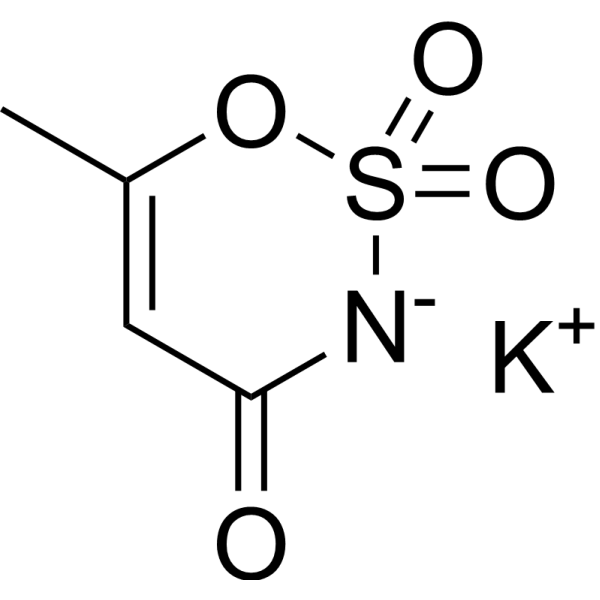
Acesulfame potassium
 0 Images
Acesulfame potassium is a synthetic sweetener. Long-term use of Acesulfame potassium can affect cognitive function, possibly by altering the neurometabolic functions in mice. Acesulfame potassium can suppress autophagic degradation of PD-L1 in RIL-175 and SK-Hep1 cells through the ERK1/2-mTORC1-ULK1 pathway, which may be related to immune evasion in cancer cells. Acesulfame potassium can be used in research on neurological diseases, metabolic disorders, cancer, and immune evasion.
-
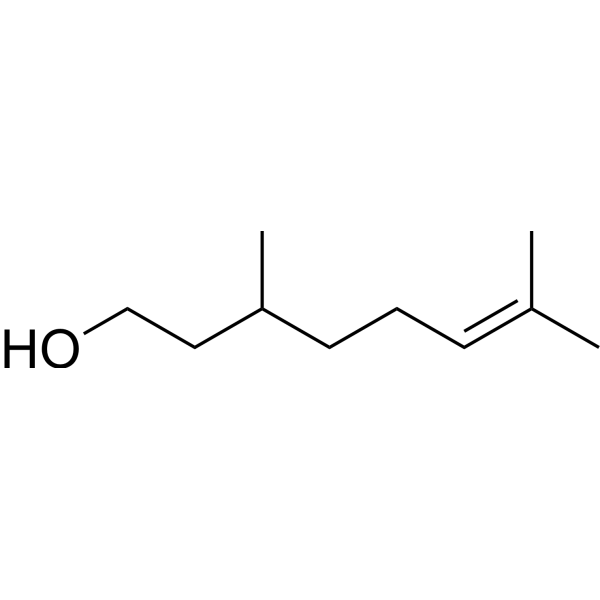
Citronellol
 0 ImagesSynonyms: (±)-Citronellol; (±)-β-Citronellol
Citronellol ((±)-Citronellol) is an orally active inducer of apoptosis. Citronellol can prevent oxidative stress, mitochondrial dysfunction, and apoptosis in the SH-SY5Y cell Parkinson's disease model induced by 6-OHDA by regulating the ROS-NO, MAPK/ERK, and PI3K/Akt signaling pathways. Citronellol can induce necroptosis in human lung cancer cells through the TNF-α pathway and accumulation of ROS. Citronellol can reduce the levels of LC-3 and p62 to regulate the autophagy pathway, inhibit oxidative stress and neuroinflammation, and thus have neuroprotective effects on Parkinson's rats. Citronellol exhibits anti-fungal activity against Trichophyton rubrum by inhibiting ergosterol synthesis.
-
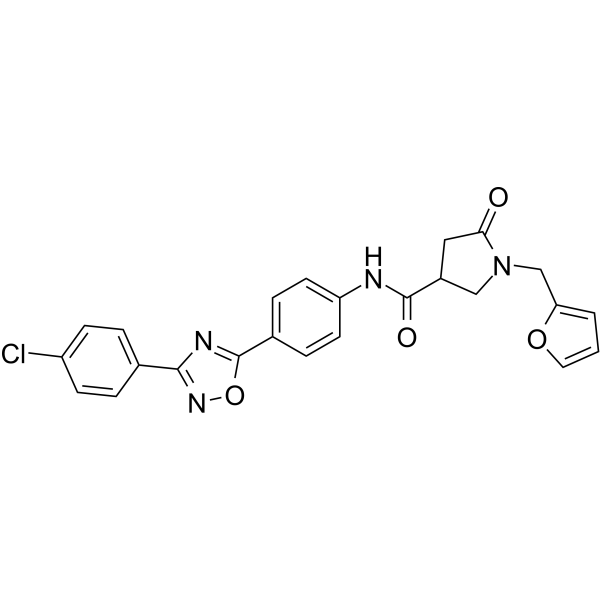
RLX-33
 0 Images
RLX-33 is a potent, selective and blood-brain barrier (BBB) penetrant relaxin family peptide 3 (RXFP3) antagonist, also blocks relaxin-3-induced ERK1/2 phosphorylation, with IC50 values of 2.36 μM for RXFP3, 7.82 and 13.86 μM for ERK1 and ERK2 phosphorylation, respectively. RLX-33 can block the stimulation of food intake induced by the RXFP3-selective agonist R3/I5 in rats. RLX-33 can be used for the research of metabolic syndrome.
-
Oleuropein Aglycone
 0 ImagesSynonyms: 3,4-DHPEA-EA
Oleuropein Aglycone (3,4-DHPEA-EA) is a secoiridoid that exerts antioxidant, anti-inflammatory, and anti-apoptotic effects by promoting ERK/AMPK/eNOS phosphorylation and inhibiting JNK/p38 MAPK and inflammation-related signaling pathways. Oleuropein Aglycone is used in research on acute kidney injury induced by ischemia-reperfusion injury, pleurisy, osteoporosis, Alzheimer's disease, neurodegenerative diseases, and triple-negative breast cancer.
-
Secretoneurin, rat
 0 Images
Secretoneurin, rat is a 33-amino acid neuropeptide produced by proteolytic processing of chromogranin II, widely distributed in the central and peripheral nervous systems, and its release is calcium-dependent. Secretoneurin, rat modulates the activities of caspase-3, caspase-1, the NLRP3 inflammasome, IGF-1R, VEGFR1, VEGFR2, FGFR3, AMPK, ERK1/2/MAPK, and Jak2/Stat3 pathways. Secretoneurin, rat regulates neuronal apoptosis, synaptic structure, inflammation, neurogenesis, angiogenesis, oxidative stress, cardiomyocyte hypertrophy, dopamine release, and cell migration and proliferation. Secretoneurin, rat is used in studies of global cerebral ischemia, myocardial infarction, stroke, and cardiac hypertrophy.
-
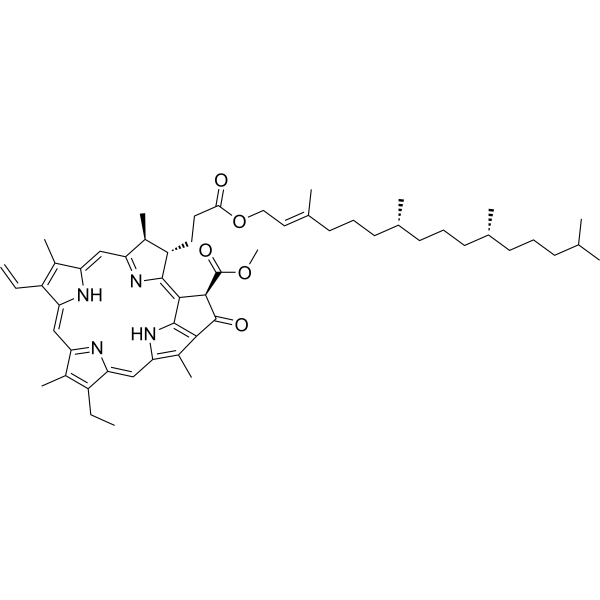
Pheophytin a
 0 Images
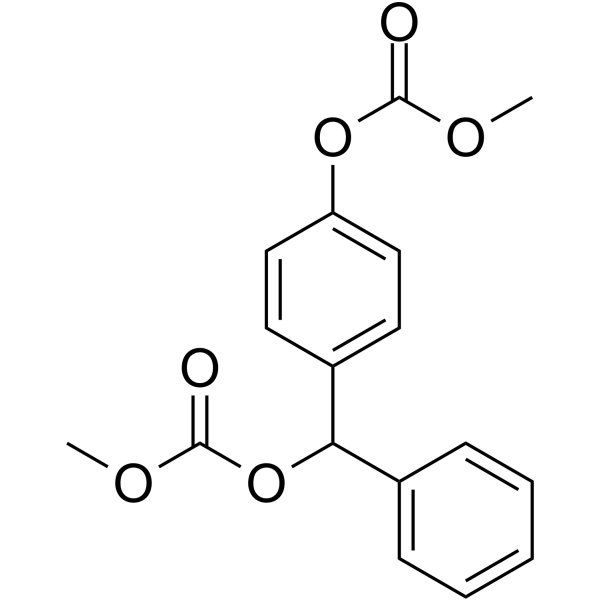
Pheophytin a is a multi-target inhibitor, anticancer agent, antioxidant and antiviral agent. Pheophytin a directly binds to and inhibits HCV-NS3/4A protease (IC50=0.89 μM) to block viral replication. Pheophytin a also scavenges free radicals, reduces ferric ions, and exhibits cytotoxic activity against breast cancer cells. Pheophytin a effectively inhibits LPS-induced production of nitric oxide, prostaglandin E2, NOS2 and COX-2, as well as various pro-inflammatory cytokines, by downregulating the transcription levels of inflammatory mediators and blocking the ERK1/2 and STAT-1 pathways. In a low nerve growth factor environment, Pheophytin a also enhances ERK1/2 phosphorylation and synergistically promotes neurite outgrowth through MAPK pathway. Pheophytin a can be used to investigate the pathogenic mechanisms of diseases including chronic hepatitis C, sepsis, breast cancer and Alzheimer's disease.
-
Physalin B
 0 ImagesCat. No.: HY-N7695CAS No.: 23133-56-4
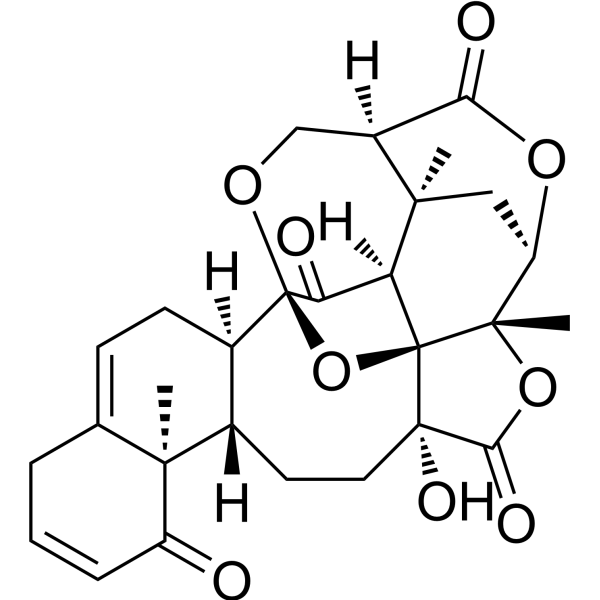
Physalin B is an orally active anti-inflammatory and anticancer agent. Physalin B can be isolated from Physalis alkekengi L. var. Franchetii. Physalin B inhibits the activation of the NF-κB, NLRP3 inflammasome, STAT3, PI3K/Akt and Hedgehog signaling pathways, regulates the phosphorylation levels of GSK-3β, p38 MAPK, ERK1/2 and JNK, and promotes the nuclear translocation of NRF2. Physalin B reduces the levels of pro-inflammatory cytokines and factors, induces mitochondrial reactive oxygen species (mito-ROS) production, Apoptosis, G2/M cell cycle arrest and incomplete Autophagy, alters cytoskeleton structure and alleviates oxidative stress. Physalin B reduces cancer cell viability, ameliorates liver and lung tissue damage and alleviates liver fibrosis. Physalin B can be used in research related to ulcerative colitis, breast cancer, acute lung injury, colon cancer, non-alcoholic steatohepatitis, liver fibrosis, lung cancer, pancreatic cancer, lymphoma, ovarian cancer, sarcoma and leukemia.
-
Hericene A
 0 Images
Hericene A is an orally active aromatic hericene derivative. Hericene A exhibits anti-inflammatory and neurotrophic activities, and can found in the fruiting bodies of Hericium erinaceus. Hericene A inhibits the secretion of pro-inflammatory mediators. Hericene A promotes axonal growth, neurite branching, neurotrophic factor expression and downstream signal transduction. Hericene A can be used for the research of inflammatory and neurological diseases.

-
Citronellol (Standard)
 0 ImagesCat. No.: HY-W010201RCAS No.: 106-22-9Synonyms: (±)-Citronellol (Standard); (±)-β-Citronellol (Standard)
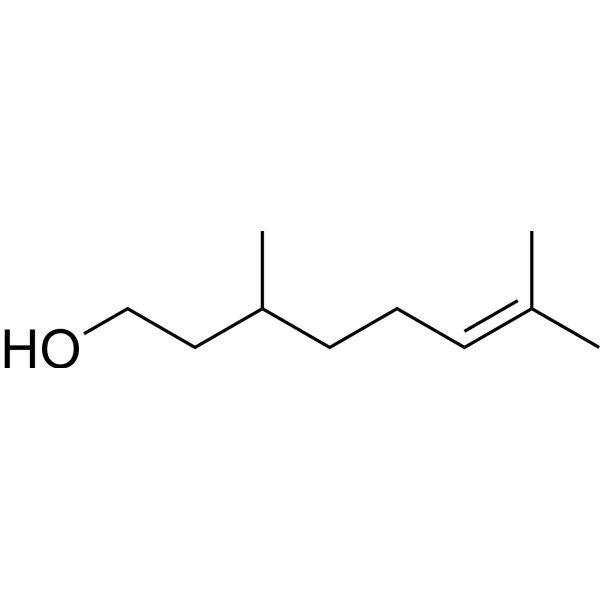
Citronellol (Standard) is the analytical standard of Citronellol. Citronellol (Standard) is an orally active inducer of apoptosis. Citronellol (Standard) can prevent oxidative stress, mitochondrial dysfunction, and apoptosis in the SH-SY5Y cell Parkinson's disease model induced by 6-OHDA by regulating the ROS-NO, MAPK/ERK, and PI3K/Akt signaling pathways. Citronellol (Standard) can induce necroptosis in human lung cancer cells through the TNF-α pathway and accumulation of ROS. Citronellol (Standard) can reduce the levels of LC-3 and p62 to regulate the autophagy pathway, inhibit oxidative stress and neuroinflammation, and thus have neuroprotective effects on Parkinson's rats. Citronellol (Standard) exhibits anti-fungal activity against Trichophyton rubrum by inhibiting ergosterol synthesis.
-
MC4R antagonist-3 hydrochloride
 0 ImagesCat. No.: HY-W559510ACAS No.: 746661-90-5
MC4R antagonist-3 hydrochloride is a selective melanocortin-4 receptor (MC4R) antagonist with a Kd value of 2 nM. MC4R antagonist-3 hydrochloride binds to MC4R and alters its conformation, specifically promoting ERK1/2 phosphorylation in constitutively active mutants while inhibiting basal cAMP production. MC4R antagonist-3 hydrochloride can be used for research on obesity.
-
PKCδ substrate
 0 ImagesCat. No.: HY-P10421CAS No.: 915155-20-3
PKCδ substrate acts as a nuclear transporter of ERK2 and is involved in ERK2 mediated gene activation. PKCδ is involved in the regulation of cell growth, proliferation, cell cycle arrest, and apoptosis by phosphorylating hBVR and other proteins. PKCδ substrate can be used to study the development of diseases, especially cancer biology.
-
SOS1 activator 2
 0 ImagesCat. No.: HY-167768CAS No.: 2245237-54-9
-
Acesulfame
 0 Images
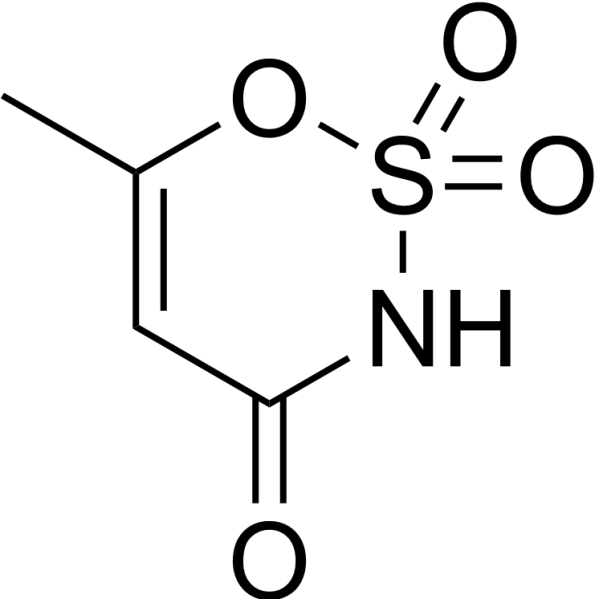
Acesulfame is a synthetic sweetener. Long-term use of Acesulfame can affect cognitive function. Acesulfame potassium can suppress autophagic degradation of PD-L1 in RIL-175 and SK-Hep1 cells through the ERK1/2-mTORC1-ULK1 pathway, which may be related to immune evasion in cancer cells. Acesulfame can be used in research on neurological diseases, metabolic disorders, cancer, and immune evasion.
-
Asperosaponin V
 0 ImagesCat. No.: HY-N16118CAS No.: 120481-38-1
Asperosaponin V is an indirect modulator of bone metabolism-related targets (e.g., PI3K/AKT, BMP-2/p38, and ERK 1/2 pathways). Asperosaponin V promotes marrow stromal cell proliferation and induces osteoblast differentiation. Asperosaponin V is promising for research of osteoporosis and fracture healing.
-
PQ-1
 0 ImagesCat. No.: HY-14584CAS No.: 955995-48-9
PQ-1 is a gap junction enhancer.
-
Acesulfame potassium (Standard)
 0 Images
Acesulfame potassium (Standard) is the analytical standard of Acesulfame potassium (HY-D0195). This product is intended for research and analytical applications. Acesulfame potassium is a synthetic sweetener. Long-term use of Acesulfame potassium can affect cognitive function, possibly by altering the neurometabolic functions in mice. Acesulfame potassium can suppress autophagic degradation of PD-L1 in RIL-175 and SK-Hep1 cells through the ERK1/2-mTORC1-ULK1 pathway, which may be related to immune evasion in cancer cells. Acesulfame potassium can be used in research on neurological diseases, metabolic disorders, cancer, and immune evasion.
-
Antitumor agent-226
 0 ImagesCat. No.: HY-189265CAS No.: 3056235-77-6
Antitumor agent-226 is a DNMT3A inhibitor and epigenetic modulator. Antitumor agent-226 inhibits cell proliferation and migration by downregulating DNA Methyltransferase, reducing global DNA methylation, and modulating JNK, ERK1/2, and p38 phosphorylation through the MAPK pathway to induce mitochondria-dependent apoptosis, G2/M phase arrest, autophagy, and ROS production. Antitumor agent-226 can be used for research on prostate cancer.
-
PF-4942847
 0 ImagesCat. No.: HY-108336CAS No.: 1046859-34-0
PF-4942847 is an orally active HSP90 inhibitor with an IC50 of approximately 50 nM. PF-4942847 induces apoptosis in osteosarcoma cells, increases the proportion of cells in the sub-G1 phase and PARP cleavage, reduces the expression of Akt, Erk, MYC, c-MET and STAT-3, and regulates HSP expression. PF-4942847 can be used in studies related to osteosarcoma and HSP90.
- 1



