



Microtubule/Tubulin
Microtubules are a component of the cytoskeleton, found throughout the cytoplasm. These tubular polymers of tubulin can grow as long as 50 micrometres, with an average length of 25 µm, and are highly dynamic. The outer diameter of a microtubule is about 24 nm while the inner diameter is about 12 nm. Microtubules are found in eukaryotic cells and are formed by the polymerization of a dimer of two globular proteins, alpha and beta tubulin. Tubulin is one of several members of a small family of globular proteins. The tubulin superfamily includes five distinct families, the alpha-, beta-, gamma-, delta-, and epsilon-tubulins and a sixth family which is present only in kinetoplastid protozoa. The most common members of the tubulin family are α-tubulin and β-tubulin, the proteins that make up microtubules. Microtubules are very important in a number of cellular processes. They are involved in maintaining the structure of the cell.
All Product Categories
-
Microtubule/Tubulin Inhibitors
(812)
View all products
-
Microtubule/Tubulin Agonists
(2)
View all products
-
Microtubule/Tubulin Antagonist
(1)
View all products
-
Microtubule/Tubulin Activators
(21)
View all products
-
Microtubule/Tubulin Modulators
(20)
View all products
-
Microtubule/Tubulin Inducers
(5)
View all products
-
Microtubule/Tubulin Degraders
(3)
View all products
-
Microtubule/Tubulin Controls
(19)
View all products
-
Microtubule/Tubulin Ligands
(5)
View all products
-
Microtubule/Tubulin Related Products (1003)
Related Products (1003)

-
Antibodies (69)
-
Tubulysin I
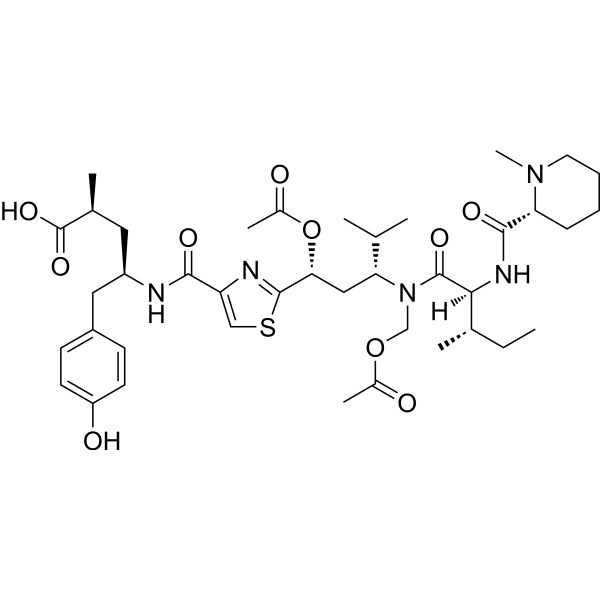 0 ImagesCat. No.: HY-N7052CAS No.: 799822-10-9Tubulysin I is a highly cytotoxic anti-microtubule toxin (anti-microtubule toxins) that is synthesized as an ADC cytotoxin (ADC Cytotoxin). Tubulysin I can be isolated from the myxobacteria Archangium geophyra and Angiococcus disciformis. Tubulysin I displays extremely potent cytotoxic activity in mammalian cells, including multidrug-resistant cell lines, with IC50 values in the low nanomolar range. Tubulysin I inhibits microtubule/tubulin polymerization and leads to cell cycle arrest and apoptosis.
-
Nitro-PDS-Tubulysin M
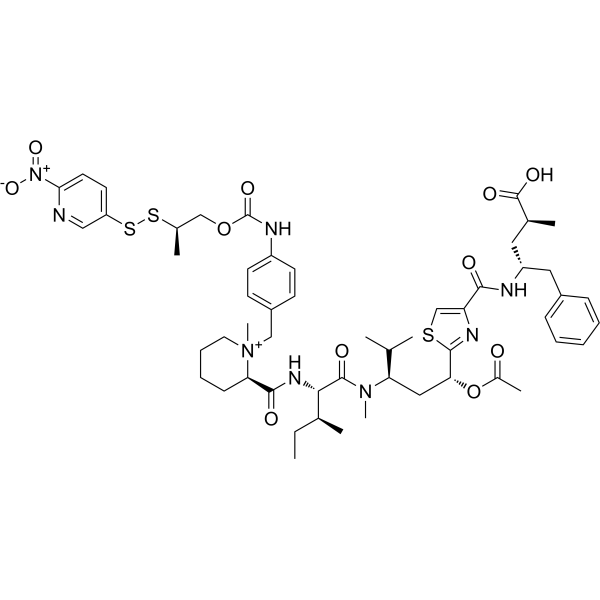 0 ImagesCat. No.: HY-128896CAS No.: 1941168-69-9Nitro-PDS-Tubulysin M is a synthetic ADC drug-linker conjugate composed of the tubulin polymerization inhibitor Tubulysin M (an ADC Cytotoxin) and Nitro-PDS (an ADC linker).
-
Tubulysin G
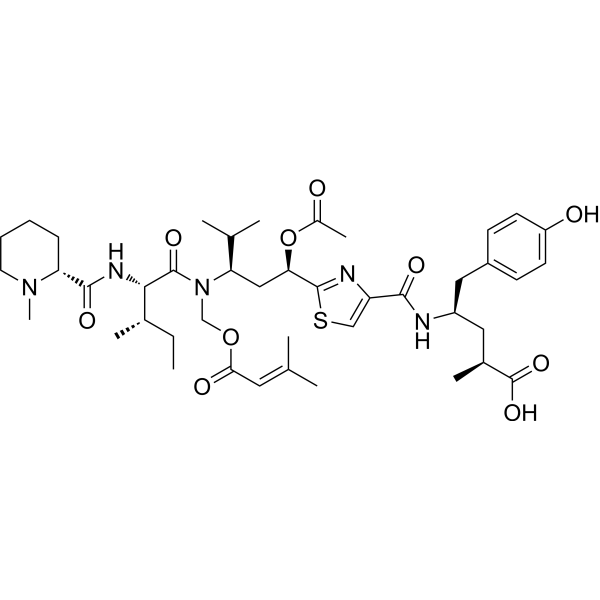 0 ImagesCat. No.: HY-N7050CAS No.: 799822-08-5Tubulysin G is a highly cytotoxic anti-microtubule toxin (anti-microtubule toxins) that is synthesized as an ADC cytotoxin (ADC Cytotoxin). Tubulysin G can be isolated from the myxobacteria Archangium geophyra and Angiococcus disciformis. Tubulysin G displays extremely potent cytotoxic activity in mammalian cells, including multidrug-resistant cell lines, with IC50 values in the low nanomolar range. Tubulysin G inhibits microtubule/tubulin polymerization and leads to cell cycle arrest and apoptosis.
-
Tubulysin C
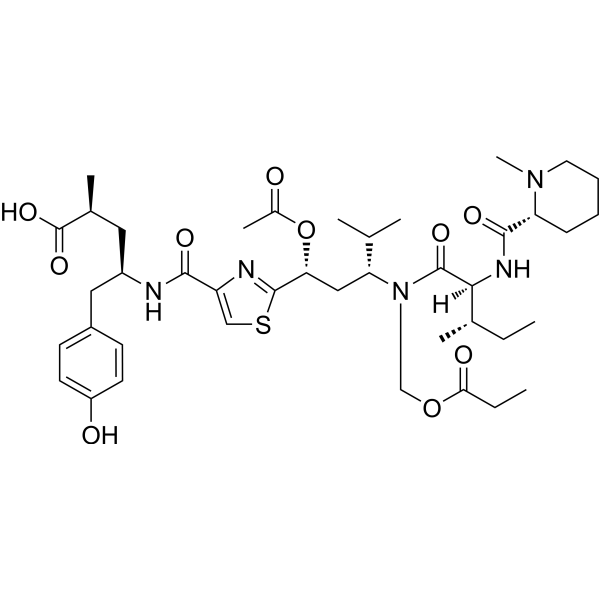 0 ImagesCat. No.: HY-N2347CAS No.: 205304-88-7Tubulysin C is a highly cytotoxic anti-microtubule toxin (anti-microtubule toxins) that is synthesized as an ADC cytotoxin (ADC Cytotoxin). Tubulysin C can be isolated from the myxobacteria Archangium geophyra and Angiococcus disciformis. Tubulysin C displays extremely potent cytotoxic activity in mammalian cells, including multidrug-resistant cell lines, with IC50 values in the low nanomolar range. Tubulysin C inhibits microtubule/Tubulin polymerization and leads to cell cycle arrest and apoptosis.
-
Microtubule inhibitor 1
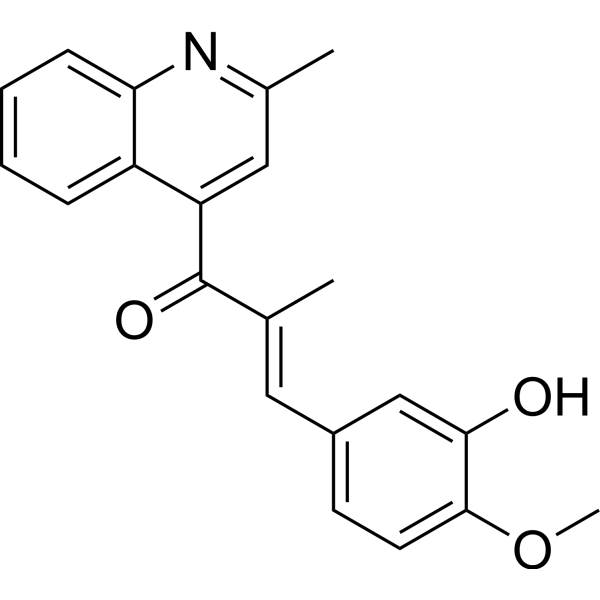 0 ImagesCat. No.: HY-114313CAS No.: 2305668-80-6Microtubule inhibitor 1 is an antitumor agent with microtubule polymerization inhibitory activity, with an IC50 value of 9-16 nM in cancer cells.
-
Tubulysin H
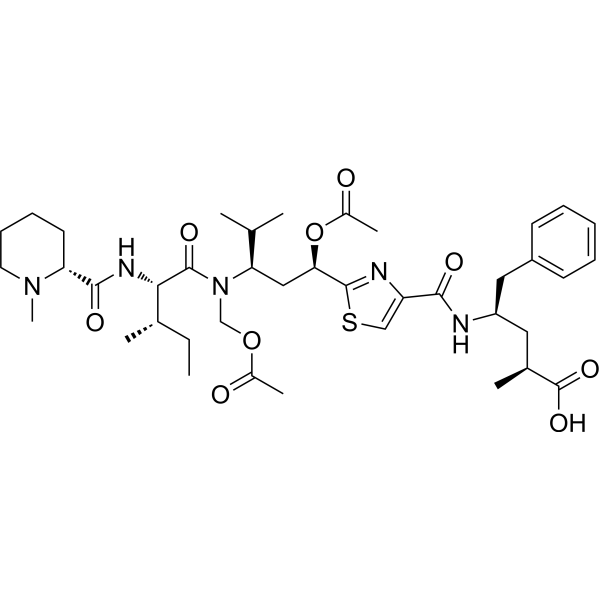 0 ImagesCat. No.: HY-N7051CAS No.: 799822-09-6Tubulysin H is a highly cytotoxic anti-microtubule toxin (anti-microtubule toxins) that is synthesized as an ADC cytotoxin (ADC Cytotoxin). Tubulysin H can be isolated from the myxobacteria Archangium geophyra and Angiococcus disciformis. Tubulysin H displays extremely potent cytotoxic activity in mammalian cells, including multidrug-resistant cell lines, with IC50 values in the low nanomolar range. Tubulysin H inhibits microtubule/tubulin polymerization and leads to cell cycle arrest and apoptosis.
-
MMAF sodium (GMP)
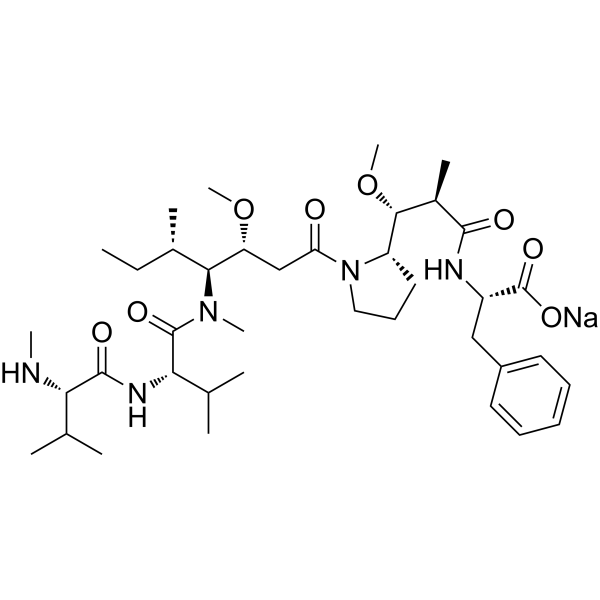 0 ImagesCat. No.: HY-15579BGCAS No.: 1799706-65-2Synonyms: Monomethylauristatin F sodium (GMP)MMAF sodium GMP is a GMP grade MMAF (sodium) (HY-15579B). MMAF sodium (Monomethylauristatin F sodium) is a potent tubulin polymerization inhibitor and is used as a antitumor agent. MMAF sodium (Monomethylauristatin F sodium) is widely used as a cytotoxic component of antibody-drug conjugates (ADCs) such as Vorsetuzumab mafodotin and SGN-CD19A.
-
AMXI-5001 hydrochloride
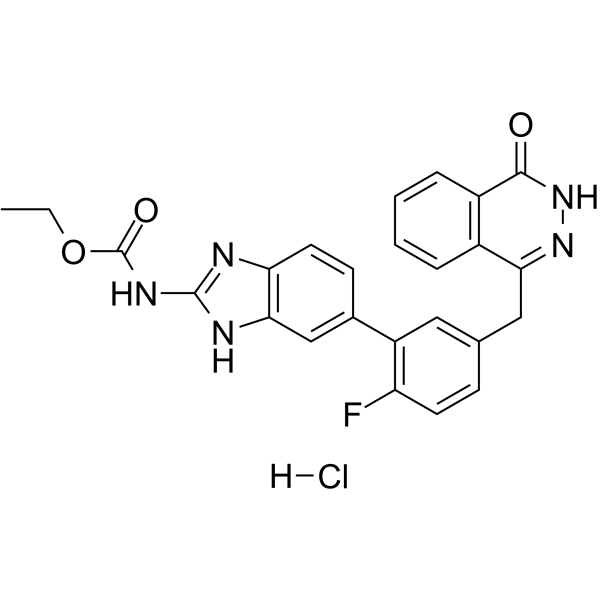 0 ImagesAMXI-5001 hydrochloride is a potent, orally active, and dual parp1/2 and microtubule polymerization inhibitor. MXI-5001 hydrochloride exhibits selective antitumor cytotoxicity across a wide variety of human cancer cells with much lower IC50s than existing clinical PARP1/2 inhibitors. AMXI-5001 hydrochloride induces complete regression of established tumors, including exceedingly large tumors.
-
MMAF (GMP)
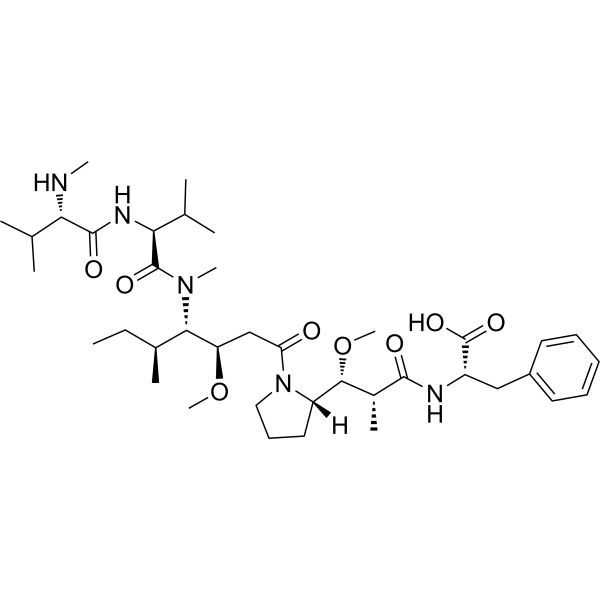 0 ImagesCat. No.: HY-15579GCAS No.: 745017-94-1Synonyms: Monomethylauristatin F (GMP)MMAF (Monomethylauristatin F) GMP is a GMP grade MMAF (HY-15579). GMP small molecules works appropriately as an auxiliary reagent for cell therapy manufacture. MMAF (Monomethylauristatin F) is a potent tubulin polymerization inhibitor and is used as a antitumor agent. MMAF (Monomethylauristatin F) is widely used as a cytotoxic component of antibody-drug conjugates (ADCs) such as vorsetuzumab mafodotin and SGN-CD19A.
-
S516
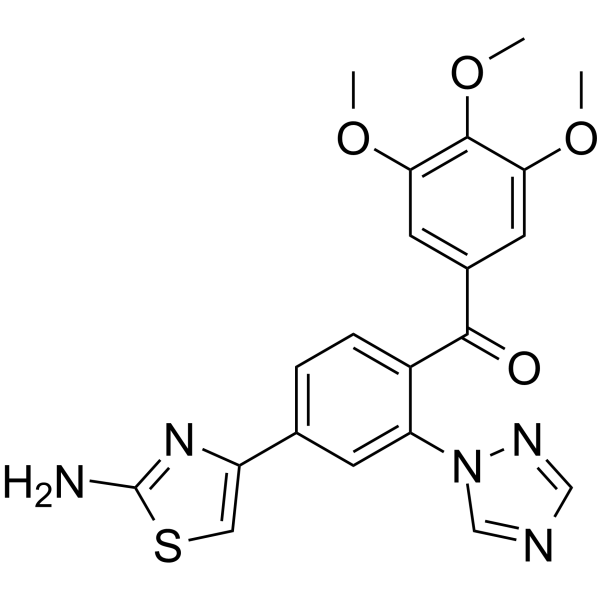 0 ImagesS516 (Compound 22) is an active metabolite of CKD-516 and a potent tubulin polymerization inhibitor with an IC50 of 4.29 μM. S516 has marked antitumor activity.
-
Antiproliferative agent-23
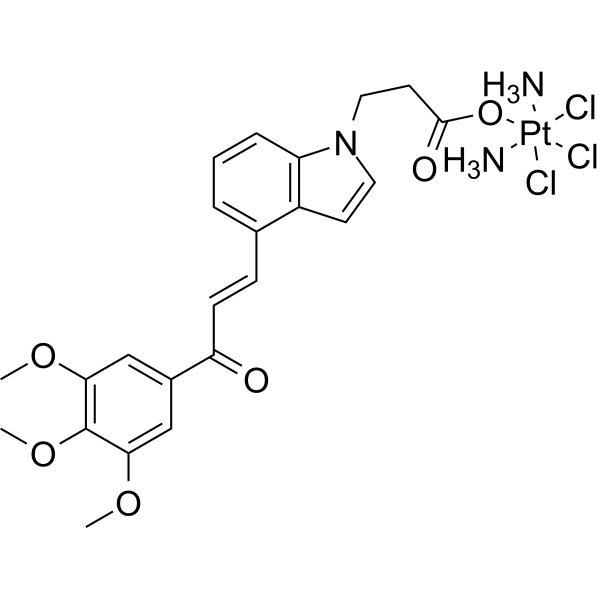 0 ImagesCat. No.: HY-149918CAS No.: 3049213-47-7Antiproliferative agent-23 is a microtubule-destabilizing agent (MDA) and efficiently disturbes the tubulin-microtubule system. Antiproliferative agent-23 induces apoptosis via a mitochondrion-dependent pathway by downregulating the Bcl-2 protein, upregulating Bax and Cyt c proteins, and activating the caspase cascade. Antiproliferative agent-23 initiates reactive oxygen species (ROS)-mediated endoplasmic reticulum stress in A549/CDDP cells (cisplatin resistant cancer cell line) via the PERK/ATF4/CHOP signaling pathway. Antiproliferative agent-23 has anti-tumor activity.
-
Estramustine phosphate
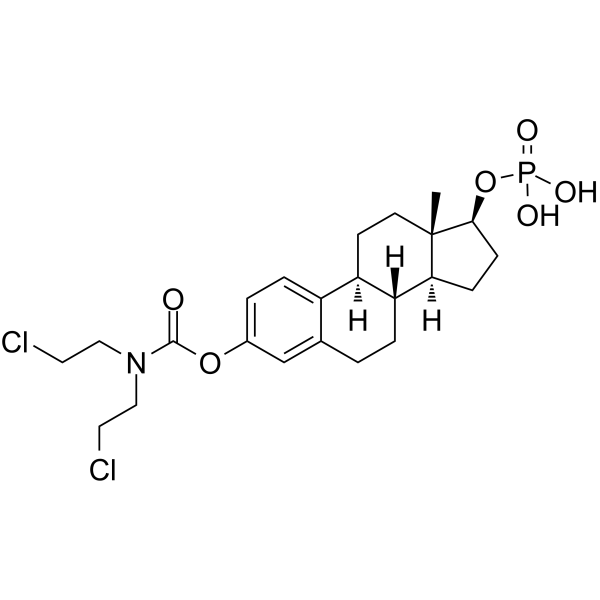 0 ImagesEstramustine phosphate, an estradiol analog, is an orally active antimicrotubule chemotherapy agent. Estramustine phosphate depolymerises microtubules by binding to microtubule associated proteins (MAPs) and/or to tubulin. Estramustine phosphate can interfere mitosis, trigger cell death and induce apoptosis, which can be used for the research of cancer like prostate cancer.
-
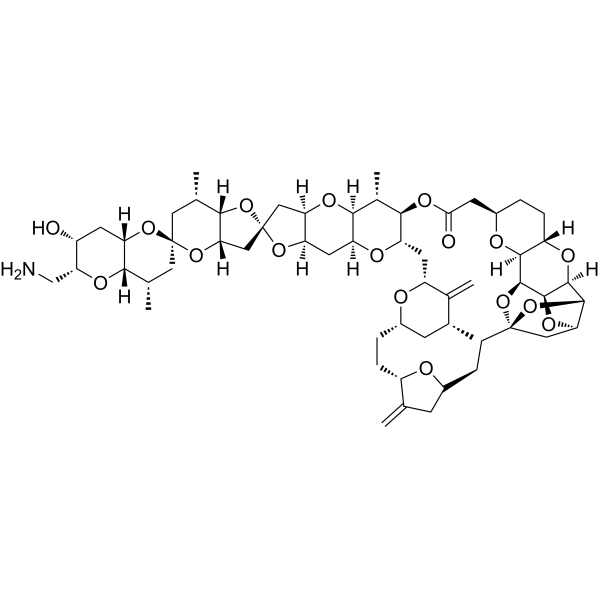
E7974
 0 ImagesCat. No.: HY-13614CAS No.: 610787-07-0E7974 is a selective inhibitor of α-tubulin (α-tubulin) with an IC50 of 3.9 μM. E7974 disrupts mitotic spindle formation, induces G2-M phase cell cycle arrest, initiates apoptosis, activates caspase-3, and induces poly (ADP-ribose) polymerase cleavage. E7974 reduces the area of choroidal neovascularization in mouse models, and exerts anti-angiogenic effects when loaded in modified micelles. E7974 can be used in research related to cancer and choroidal neovascularization.
-
SS28
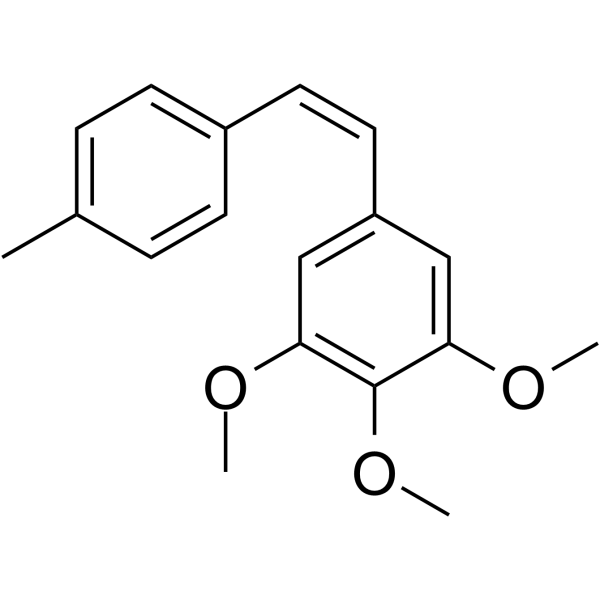 0 ImagesCat. No.: HY-100761CAS No.: 141172-08-9SS28, a SRT501 analog with oral bioavailability, inhibits tubulin polymerization to cause cell cycle arrest at G2/M phase. SS28 results in apoptosis rather than necrosis tubulin.
-
(R)-Alyssin
 0 ImagesCat. No.: HY-116920ACAS No.: 167963-06-6(R)-Alyssin is a enantiomer of Alyssin (HY-116920). Alyssin, found in Cruciferous Vegetables, exerts anticancer activity in HepG2 by increasing intracellular reactive oxygen species and tubulin depolymerization.
-
Tubulin polymerization-IN-66
 0 ImagesCat. No.: HY-161825Tubulin polymerization-IN-66 (Compound 13) inhibits colony formation and tubulin polymerization. Tubulin polymerization-IN-66 induces apoptosis. Tubulin polymerization-IN-66 inhibits cell viability of A549, A2780, SKOV3, HCC827 cells, with IC50s of 0.84, 0.38, 0.31, 0.34 nM respectively. Tubulin polymerization-IN-66 is also active against the Paclitaxel (HY-B0015)-resistant cancer cell line A2780/T and its parental cell line A2780.

-
Ferroptosis inducer-9
 0 ImagesCat. No.: HY-175698Ferroptosis inducer-9 is a ferroptosis inducer and colchicine site tubulin polymerization inhibitor. Ferroptosis inducer-9 inhibits MCF-7 cell growth with an IC50 of 14 nM and inhibits [3H]colchicine binding. Ferroptosis inducer-9 reduces expression of GPX4 and FTH, increases COX2 and ACSL4, lowers GSH, NADP+, and NADPH levels, increases LPO, MDA, and Fe(II) levels, and decreases SOD concentrations. Ferroptosis inducer-9 demonstrates significant anti-tumor efficacy in HCT116 CRC xenograft model. Ferroptosis inducer-9 can be used for the study of triple negative breast cancer (TNBC) and colorectal cancer (CRC).
-
AGD-0182
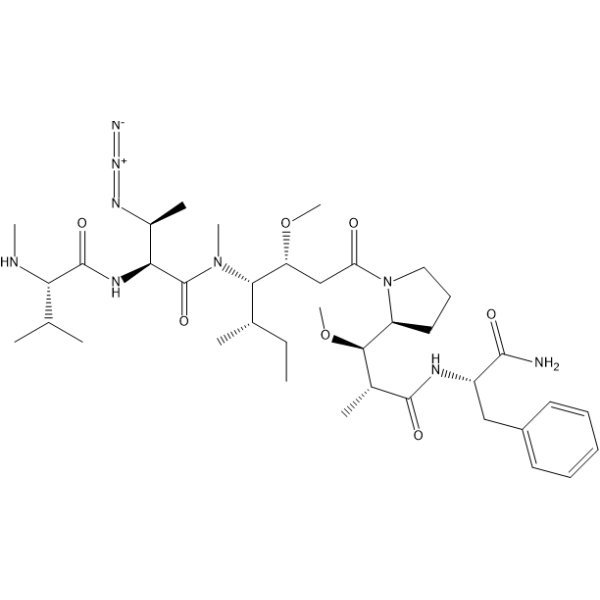 0 ImagesCat. No.: HY-144585CAS No.: 1835700-14-5AGD-0182 is a microtubule disrupting agent. AGD-0182 is a synthetic analogue of the naturally occurring tubulin-binding molecule Dolastatin 10. AGD-0182 is a click chemistry reagent, it contains an Azide group and can undergo copper-catalyzed azide-alkyne cycloaddition reaction (CuAAc) with molecules containing Alkyne groups. It can also undergo strain-promoted alkyne-azide cycloaddition (SPAAC) reactions with molecules containing DBCO or BCN groups.




