



Mitochondrial Metabolism
Mitochondria use multiple carbon fuels to produce ATP and metabolites, including pyruvate, which is generated from glycolysis; amino acids such as glutamine; and fatty acids. These carbon fuels feed into the TCA cycle in the mitochondrial matrix to generate the reducing equivalents NADH and FADH2, which deliver their electrons to the electron transport chain. Mitochondria are complex organelles that play an important role in many facets of cellular function, from metabolism to immune regulation and cell death. Mitochondria are actively involved in a wide variety of cellular processes and molecular interactions, such as calcium buffering, lipid flux, and intracellular signaling. It is increasingly recognized that mitochondrial dysfunction is a hallmark of many diseases such as obesity/diabetes, cancer, cardiovascular and neurodegenerative diseases. Mitochondrial metabolism is a key determinant of tumor progression by impacting on functions such as epithelial-to-mesenchymal transition. Mitochondrial metabolism and derived oncometabolites shape the epigenetic landscape to alter aggressiveness features of cancer cells. Changes in mitochondrial metabolism are relevant for the survival of tumors in response to therapy.
All Product Categories
-
Mitochondrial Metabolism Related Products (635)
Related Products (635)

-
Antibodies (52)
-
Related Compound Screening Libraries (2)
-
ALDH1A inhibitor 673A
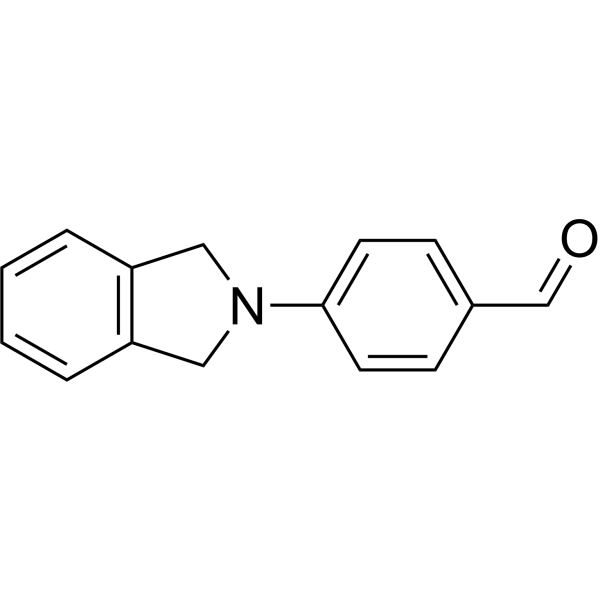 0 ImagesSynonyms: ALDH1Ai 673AALDH1A inhibitor 673A is an ALDH1A inhibitor with IC50s of 246 nM (ALDH1A1), 230 nM (ALDH1A2), 348 nM (ALDH1A3), respectively. ALDH1A inhibitor 673A has little or no inhibitory effect on other ALDH family members. ALDH1A inhibitor 673A induces necroptotic ovarian cancer stem-like cells (CSCs) death. ALDH1A inhibitor 673A induces DNA double stand breaks in cancer cells. ALDH1A inhibitor 673A can be used for the study of ovarian cancer.
-
IR-783
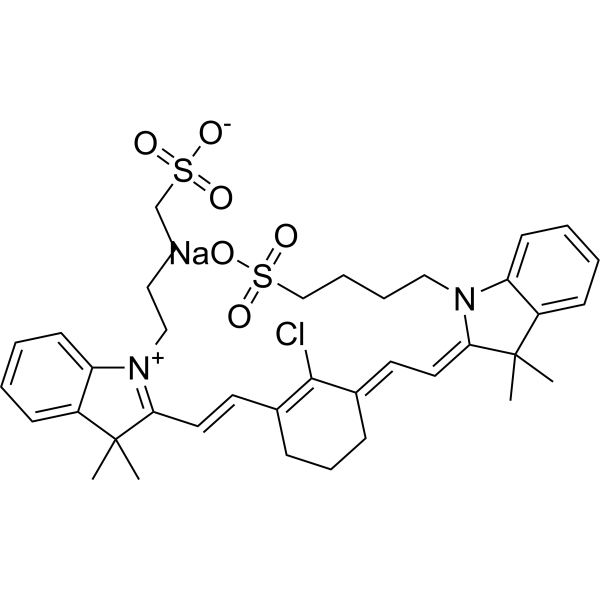 0 ImagesSynonyms: ADS 780WSIR-783 (ADS 780WS) is a heptamethine cyanine dye. IR-783 induces Mitochondrial membrane potential loss, ATP depletion, mitochondrial permeability transition pore opening, Cytochrome c release and Apoptosis in breast cancer cells. IR-783 promotes the translocation of Drp1 from the cytosol to mitochondria. IR-783 increases the expression of mitochondrial fission proteins such as MFF and Fission-1. IR-783 possesses imaging, cancer-targeting and anticancer properties. IR-783 exerts anticancer effects against breast cancer. IR-783 can be used in breast cancer-related research.
-
Diquat dibromide
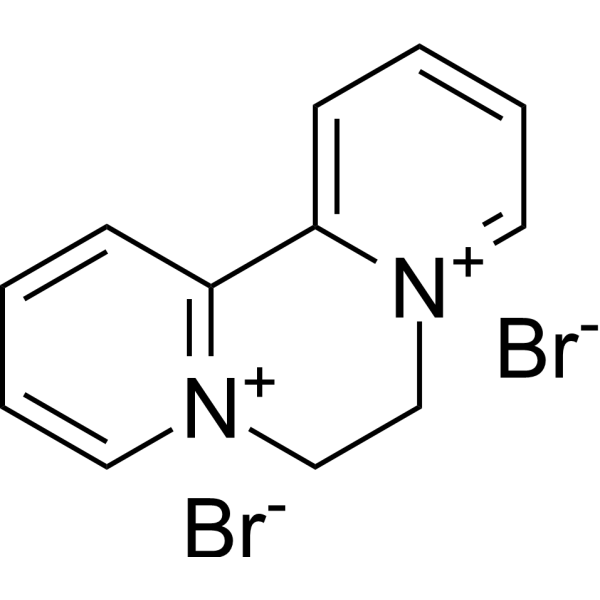 0 ImagesDiquat dibromide is a comprehensive herbicide. Diquat dibromide increases the production of ROS and triggers mitochondrial Autophagy. Diquat dibromide generates free radicals such as superoxide anions through redox cycles, which induce oxidative stress. Diquat dibromide is cytotoxic, reproductive, and neurotoxic. Diquat dibromide is used in cotton, soybean, and other crops to combat noxious weeds.
-
D574-0246
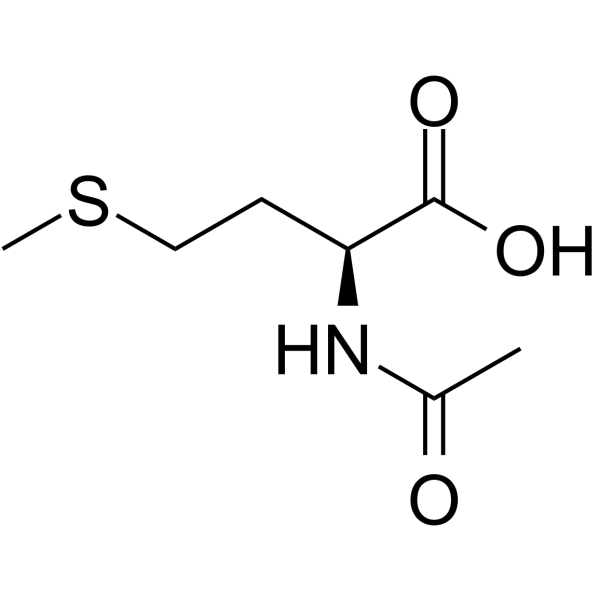
 0 ImagesSynonyms: iOXCT1D574-0246 is a dual-activity inhibitor of OXCT1, inhibiting both the ketolytic and succinyltransferase activities of OXCT1. D574-0246 reduces substrate-specific (LACTB K284) and global protein succinylation and decreases OXCT1 ketolytic activity in HepG2 cells. D574-0246 inhibits the viability of HCC cells (IC50: 16.49 μM in PLC cells, 6.656 μM in HepG2 cells). D574-0246 exerts anti-tumor efficacy in nude mice bearing OXCT1-overexpressing HepG2 xenograft tumors. D574-0246 can be used for the study of hepatocellular carcinoma (HCC).
-
Piericidin A
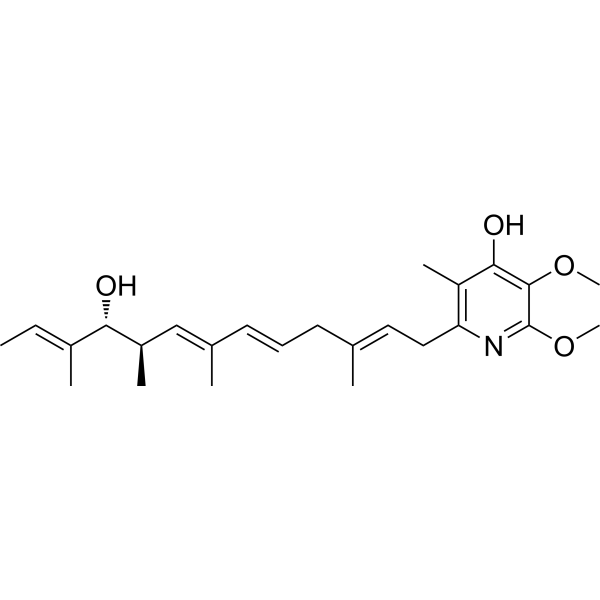 0 ImagesPiericidin A (AR-054) is a natural mitochondrial NADH-ubiquinone oxidoreductase (complex I) inhibitor. Piericidin A is a potent neurotoxin and inhibits mitochondrial respiration by disrupting the electron transport system through its action on NADH-ubiquinone reductase. Piericidin A is also a potential quorum-sensing inhibitor that suppresses the expression of the virulence genes of Erwinia carotovora subsp. atroseptica (Eca). Piericidin A is an ADC cytotoxin and has anti-bacterial, anticancer, insecticidal activity.
-
α-Lipoic Acid sodium
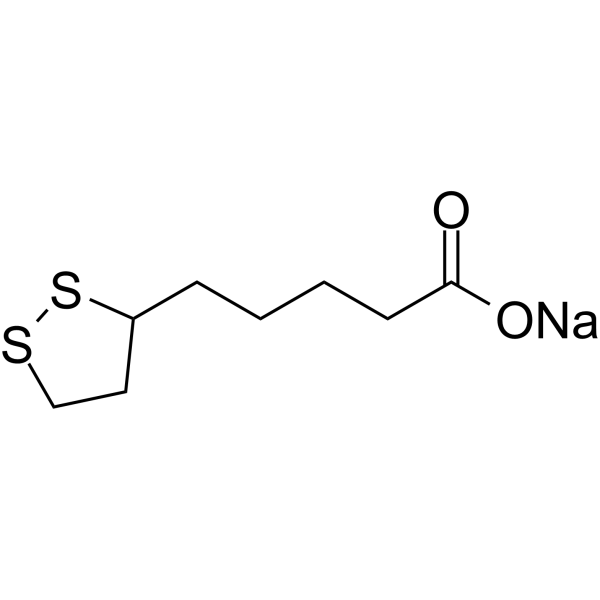 0 ImagesSynonyms: Thioctic acid sodium; (±)-α-Lipoic acid sodium; DL-α-Lipoic acid sodiumα-Lipoic Acid (Thioctic acid) sodium is an antioxidant, which is an essential cofactor of mitochondrial enzyme complexes. α-Lipoic Acid sodium inhibits NF-κB-dependent HIV-1 LTR activation. α-Lipoic Acid sodium induces endoplasmic reticulum (ER) stress-mediated apoptosis in hepatoma cells. α-Lipoic Acid sodium can be used with CPUL1 (HY-151802) to construct the self-assembled nanoaggregate CPUL1-LA NA, which has improved antitumor efficacy than CPUL1.
-
MSDC 0160
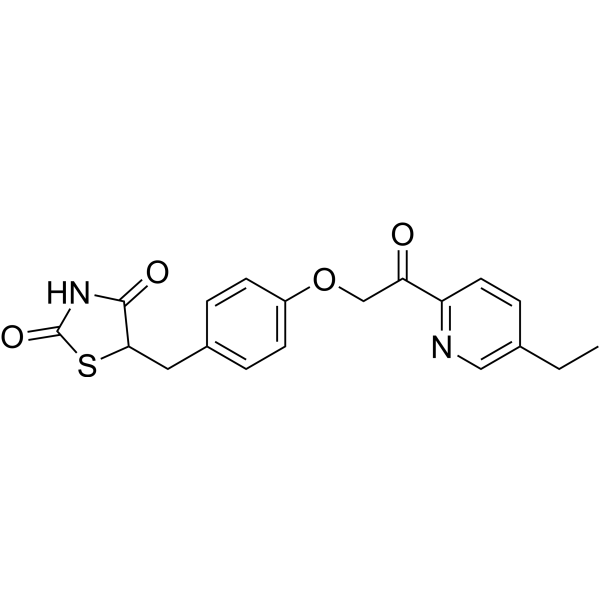 0 ImagesSynonyms: Mitoglitazone; CAY10415MSDC 0160 (Mitoglitazone) is a mitochondrial target of thiazolidinediones (mTOT)-modulating insulin sensitizer and a modulator of mitochondrial pyruvate carrier (MPC). MSDC 0160 is a thiazolidinedione (TZD) with antidiabetic and neuroprotective activities. MSDC 0160 has the potential for Alzheimer′s disease.
-
Azemiglitazone
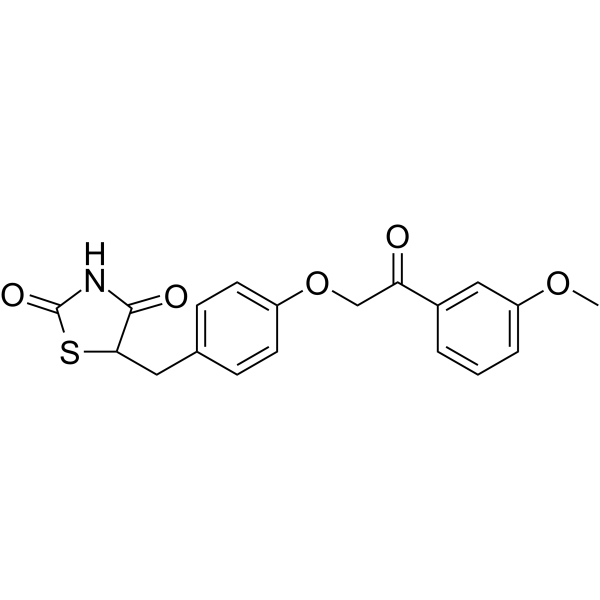 0 ImagesSynonyms: MSDC-0602Azemiglitazone (MSDC-0602) is an orally active thiazolidinedione (TZD) -like molecule, which binds to PPARγ with low binding and activating affinity. Azemiglitazone inhibits mitochondrial pyruvate carrier (MPC), which inhibits Alzheimer’s disease and diminishes nonalcoholic steatohepatitis (NASH) caused liver injury.
-
Boscalid
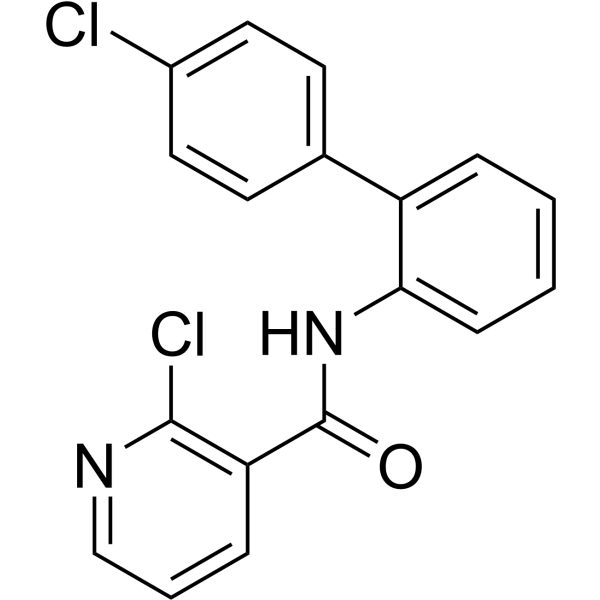 0 ImagesBoscalid is a succinate dehydrogenase (SDHI) inhibitor with antifungal activity. Boscalid binds to the ubiquinone-binding site of fungal mitochondrial complex II, blocks ATP production and aerobic respiration, exhibits good control efficacy against a variety of plant fungal diseases including gray mold, sclerotinia rot and powdery mildew, and is widely used for disease control in agriculture. Boscalid induces apoptosis, altered lipid metabolism, mitochondrial dysfunction, respiratory impairment, oxidative stress, ROS accumulation and neurodevelopmental disorders in zebrafish. Boscalid reduces foraging ability, shortens median death time and causes chronic toxicity in exposed honeybees. Boscalid also possesses genotoxicity, cytotoxicity, elevated mitochondrial superoxide levels and early-stage apoptosis.
-
Rotenone (Standard)
 0 ImagesRotenone (Standard) is the analytical standard of Rotenone. This product is intended for research and analytical applications. Rotenone is a mitochondrial electron transport chain complex I inhibitor. Rotenone induces apoptosis through enhancing mitochondrial reactive oxygen species production.
-
Cyanine5 alkyne
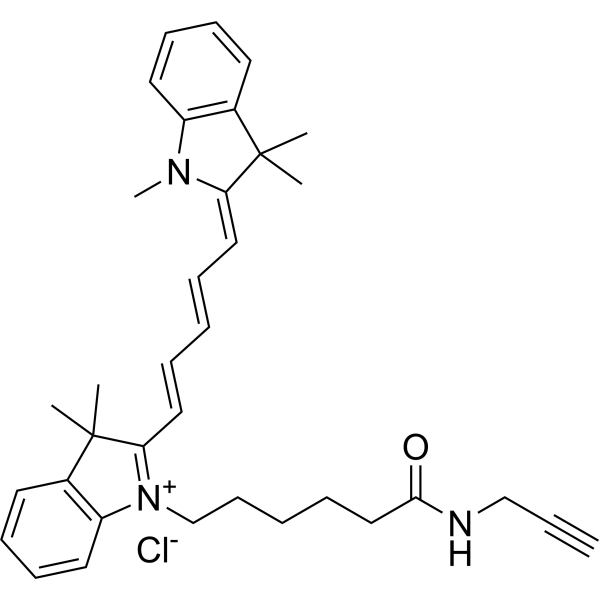 0 ImagesSynonyms: Alkyne-Cy5Cyanine5 alkyne (Alkyne-Cy5) is a fluorescent dye used to label azide proteins and can be used to analyse post-translational modifications of proteins, glycosylation etc. Cyanine5 alkyne can also be used as a mitochondrial OXPHOS inhibitor to inhibit the growth of cancer stem cells (CSC). Cyanine5 alkyne is a click chemistry reagent, it contains an Alkyne group and can undergo copper-catalyzed azide-alkyne cycloaddition (CuAAc) with molecules containing Azide groups.
-
Lixumistat acetate
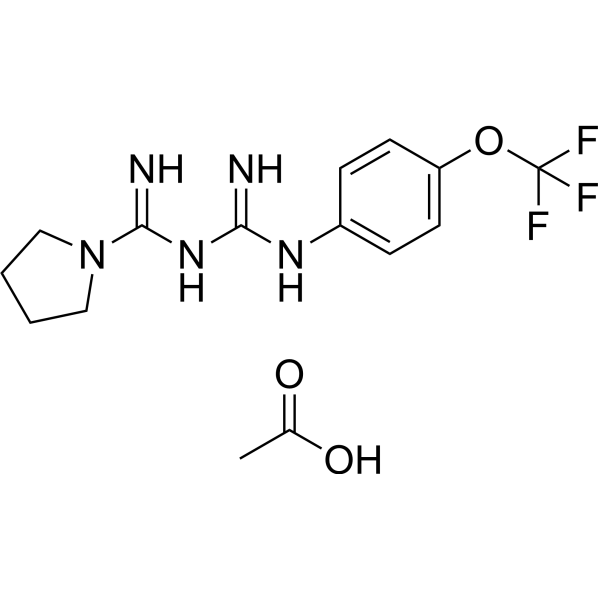 0 ImagesSynonyms: IM156; HL156A; HL271 acetateLixumistat (IM156) acetate is a potent and orally active AMPK activator and OXPHOS inhibitor. Lixumistat acetate strongly activates AMPK, while it lacks the systemic metabolic regulatory effects of classic metformin, such as hypoglycemic and weight-lowering activities. Lixumistat acetate exhibits significant therapeutic effects on cognitive decline associated with brain aging and pulmonary fibrosis.
-
T-2307
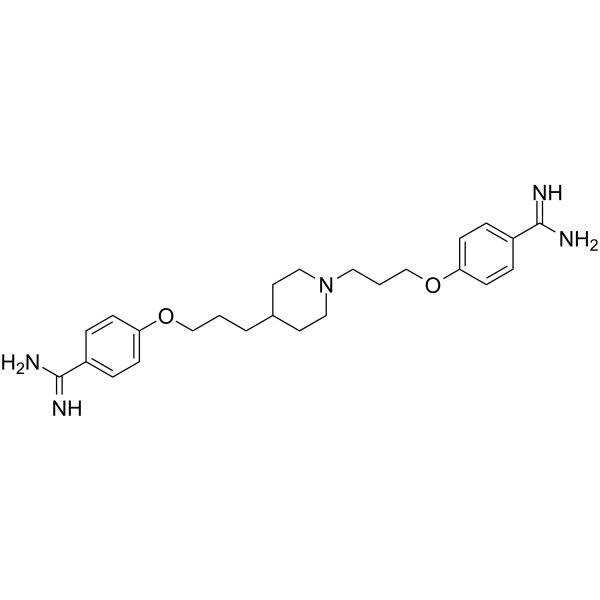 0 ImagesT-2307 is an antifungal agent with blood-brain barrier penetration. T-2307 exhibits broad-spectrum antifungal activity against Candida species, including echinocandin-resistant strains, Cryptococcus neoformans, Cryptococcus gattii, and some Aspergillus species. T-2307 selectively targets fungal mitochondrial respiratory chain complexes III and IV, causing collapse of the fungal mitochondrial membrane potential and exerting fungicidal or fungistatic effects. T-2307 can be used in research related to fungal infections such as invasive candidiasis, cryptococcosis, and aspergillosis.
-
Mito-LND
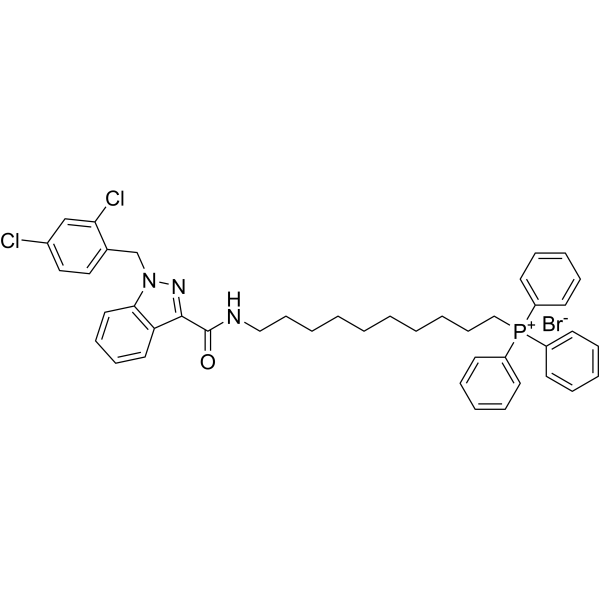 0 ImagesCat. No.: HY-134832CAS No.: 2361564-49-8Synonyms: Mito-LonidamineMito-LND (Mito-Lonidamine) is an orally active and mitochondria-targeted inhibitor of oxidative phosphorylation (OXPHOS). Mito-LND inhibits mitochondrial bioenergetics, stimulates the formation of reactive oxygen species, and induces autophagic cell death in lung cancer cells.
-
2-Acetonaphthone
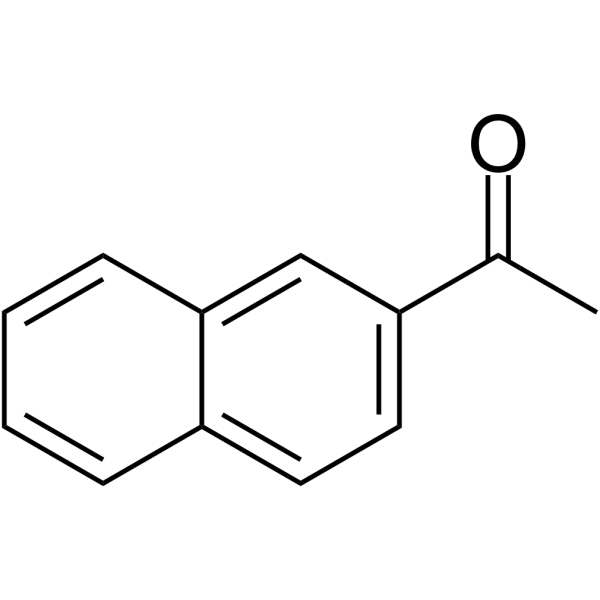 0 Images2-Acetonaphthone is a synthetic fragrance material. 2-Acetonaphthone increases ROS under UVA/sunlight, leading to endoplasmic reticulum stress and decreased mitochondrial membrane potential. 2-Acetonaphthone can be used as an adulterant in a variety of cosmetics. 2-Acetonaphthone can be used for the study of skin keratinization
-
Mito-apocynin (C11)
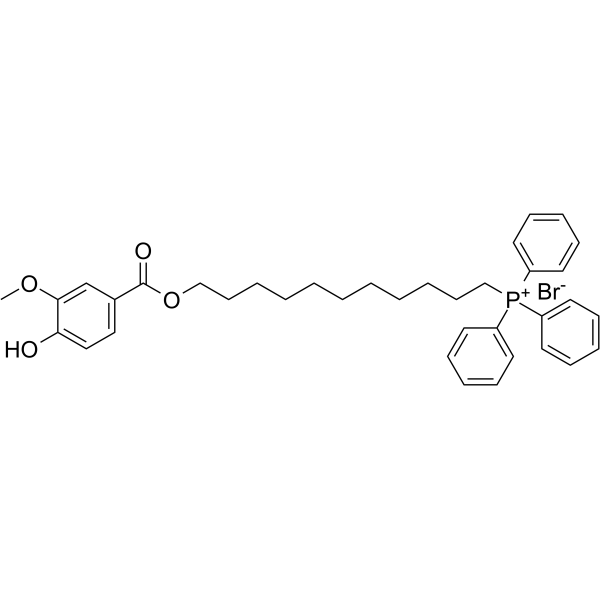 0 ImagesMito-apocynin (C11), an orally active mitochondria-targeted triphenylphosphonium (TPP)-based compound, is synthesized by conjugating the Apocynin moiety with a TPP+ cation. Mito-apocynin (C11) selectively targets mitochondria, and shows neuroprotective effect. Mito-apocynin (C11) prevents hyposmia and corrects deficits in motor function.
-
Diphenyl Phosphate
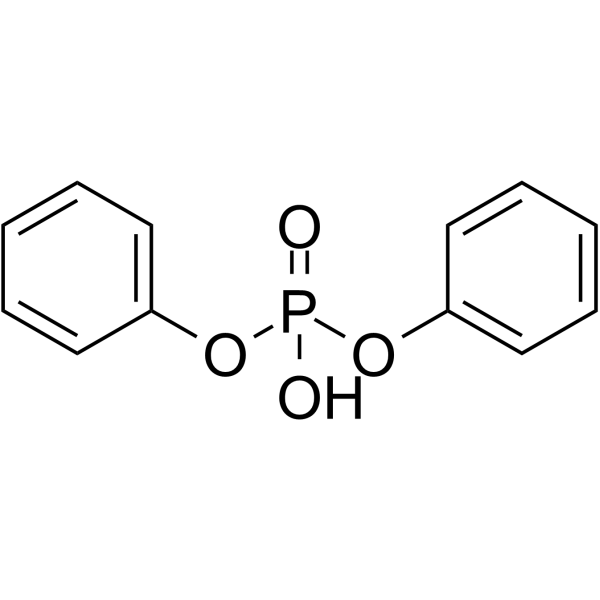 0 ImagesDiphenyl Phosphate inhibits growth and energy metabolism in zebrafish and mice in a sex-specific manner. Diphenyl Phosphate can inhibit the activity of SDH (respiratory complex II), reduce the expression of CPT1 and disrupts the integrity of the mitochondrial membrane. Diphenyl Phosphate may be used in research on metabolic diseases.
-
Talatisamine
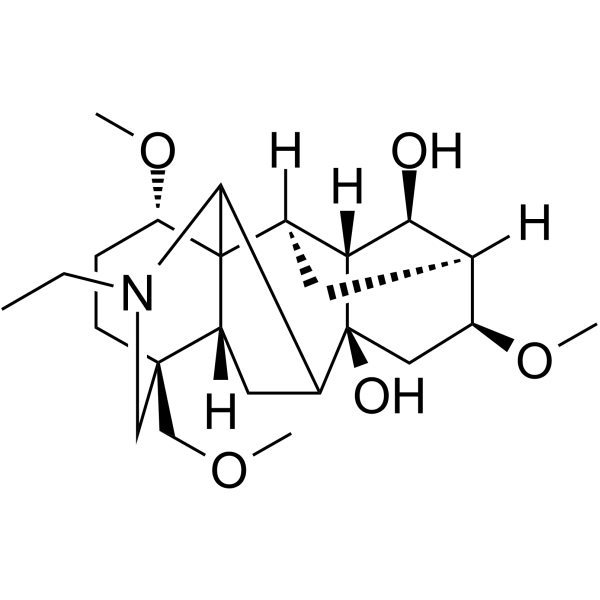 0 ImagesTalatisamine is an orally active cyclophilin D activator isolated from the roots of Aconitum carmichaeli Debx. Talatisamine exerts biological functions by activating cyclophilin D, inhibiting Ca2+-dependent opening of the mitochondrial permeability transition pore (mPTP) (IC50=78 μM), and blocking delayed rectifier K+ channels (IC50=146 μM). Talatisamine possesses both antioxidant and membrane-stabilizing properties, effectively inhibits lipid peroxidation and protects mitochondrial membrane function. Talatisamine exhibits multiple activities including antiarrhythmic, hypotensive, anti-inflammatory, anticancer and neuroprotective effects. Talatisamine finds applications in the research of ischemic diseases, rheumatoid arthritis, inflammation-related diseases and Alzheimer's disease.




