



NF-κB
Nuclear factor-κB; Nuclear factor-kappaB
NF-κB (Nuclear factor kappa-light-chain-enhancer of activated B cells) is a protein complex that controls transcription of DNA. NF-κB is found in almost all animal cell types and is involved in cellular responses to stimuli such as stress, cytokines, free radicals, ultraviolet irradiation, oxidized LDL, and bacterial or viral antigens. NF-κB plays a key role in regulating the immune response to infection. Incorrect regulation of NF-κB has been linked to cancer, inflammatory, and autoimmune diseases, septic shock, viral infection, and improper immune development. NF-κB has also been implicated in processes of synaptic plasticity and memory. There are five proteins in the mammalian NF-κB family: NF-κB1, NF-κB2, RelA, RelB, c-Rel.
NF-κB Isoform Specific Products
All Product Categories
-
NF-κB Inhibitors
(1597)
View all products
-
NF-κB Agonists
(6)
View all products
-
NF-κB Antagonist
(1)
View all products
-
NF-κB Activators
(141)
View all products
-
NF-κB Modulators
(34)
View all products
-
NF-κB Inducers
(3)
View all products
-
NF-κB Degraders
(4)
View all products
-
NF-κB Controls
(7)
View all products
-
NF-κB Ligands
(2)
View all products
-
NF-κB Related Products (1932)
Related Products (1932)

-
Antibodies (32)
-
NF-κB Signaling Pathway
-
NF-κB Isoform Comparison
-
Olprinone Hydrochloride
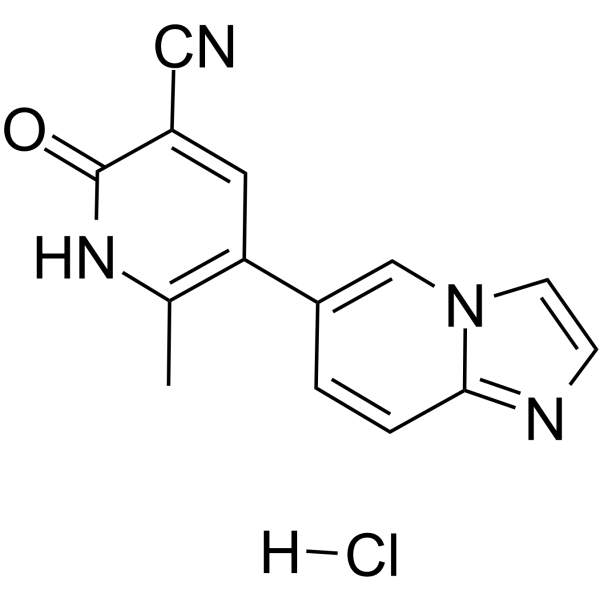 0 ImagesSynonyms: Loprinone HydrochlorideOlprinone (Loprinone) Hydrochloride is a potent and selective phosphodiesterase 3 (PDE3) inhibitor, with IC50 values of 150, 100, 0.35, and 14 μM against PDE1, PDE2, PDE3, and PDE4, respectively. Olprinone Hydrochloride exerts comprehensive protective effects including anti-inflammatory, antioxidant, and anti-apoptotic activities by elevating intracellular cAMP levels and inhibiting the NF-κB and MAPK signaling pathways. Olprinone Hydrochloride can be used in studies related to lung injury, spinal cord injury, heart failure, myocardial ischemia-reperfusion injury, and cerebral ischemic injury.
-
CIGB-552
 0 ImagesCIGB-552 is a cell-penetrating peptide with anti-tumor properties with the IC50 of 23 μM in H460 cells. CIGB-552 can increase the level of protein COMMD1. CIGB-552 significantly inhibits the NF-κB signaling pathway. CIGB-552 can promote apoptosis of the tumor cells. CIGB-552 can induce the accumulation of reactive oxygen species (ROS) in tumor cells. CIGB-552 has anti-inflammatory and anti-angiogenic effects. CIGB-552 can be used for the research of the lung cancer and colon cancer.
-
Alphitolic acid
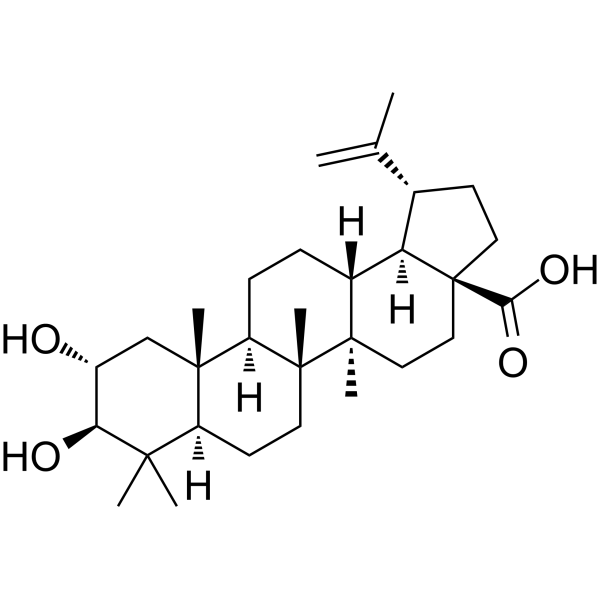 0 ImagesCat. No.: HY-N2855CAS No.: 19533-92-7Synonyms: Aophitolic acidAlphitolic acid (Aophitolic acid) is an anti-inflammatory triterpene could found in quercus aliena. Alphitolic acid blocks Akt–NF-κB signaling to induce apoptosis. Alphitolic acid induces autophagy. Alphitolic acid has anti-inflammatory activity and down-regulates the NO and TNF-α production. Alphitolic acid can be used for cancer and inflammation research.
-
4′-Hydroxywogonin
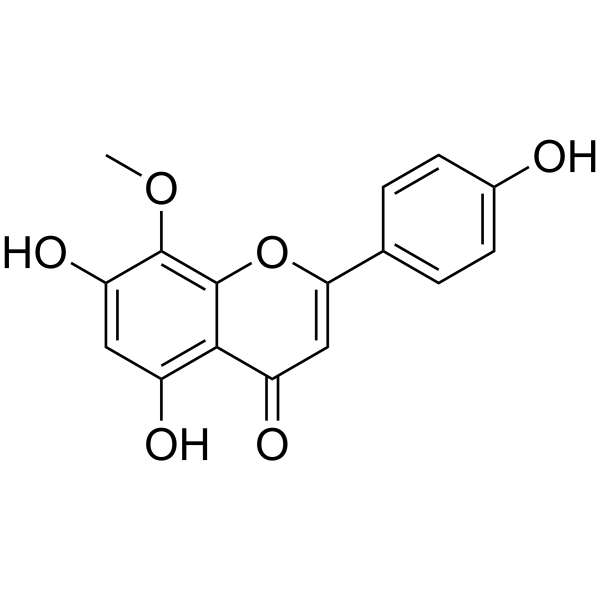 0 ImagesSynonyms: 8-Methoxyapigenin4′-Hydroxywogonin (8-Methoxyapigenin), a flavonoid, could be isolated from a variety of plants including Scutellaria barbata and Verbena littoralis. 4′-Hydroxywogonin has anti-inflammatory activity via TAK1/IKK/NF-κB, MAPKs and PI3/AKT signaling pathways. 4′-Hydroxywogonin inhibits angiogenesis by disrupting PI3K/AKT signaling. 4′-Hydroxywogonin inhibits cell proliferation and induces apoptosis.
-
Ginger extract
 0 ImagesCat. No.: HY-N9451CAS No.: 84696-15-1Ginger extract exhibits anti-cancer, anti-inflammatory and chemotherapeutic effects in vivo.
-
Bortezomib-d8
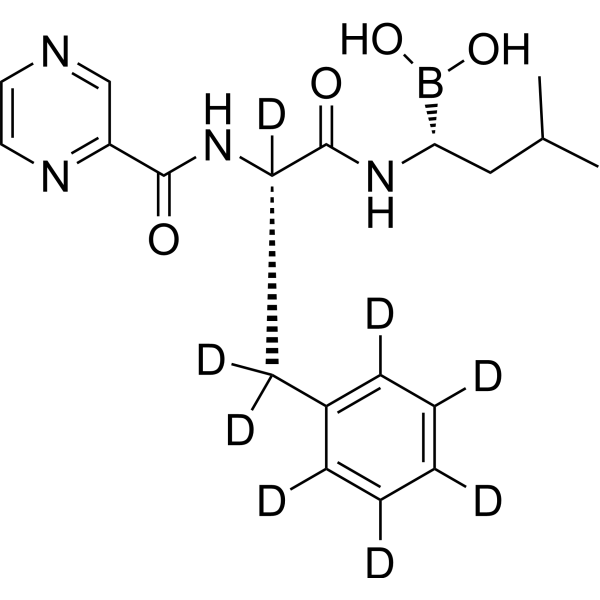 0 ImagesCat. No.: HY-10227SSynonyms: PS-341-d8; LDP-341-d8; NSC 681239-d8Bortezomib-d8 is the deuterium labeled Bortezomib. Bortezomib (PS-341) is a reversible and selective proteasome inhibitor, and potently inhibits 20S proteasome (Ki=0.6 nM) by targeting a threonine residue. Bortezomib disrupts the cell cycle, induces apoptosis, and inhibits NF-κB. Bortezomib is the first proteasome inhibitor anticancer agent. Bortezomib can be used for the study of multiple myeloma (MM). Bortezomib effectively inhibits TREM2 expression in tumor-associated macrophages (TAMs).
-
(E)-3',6-Disinapoylsucrose
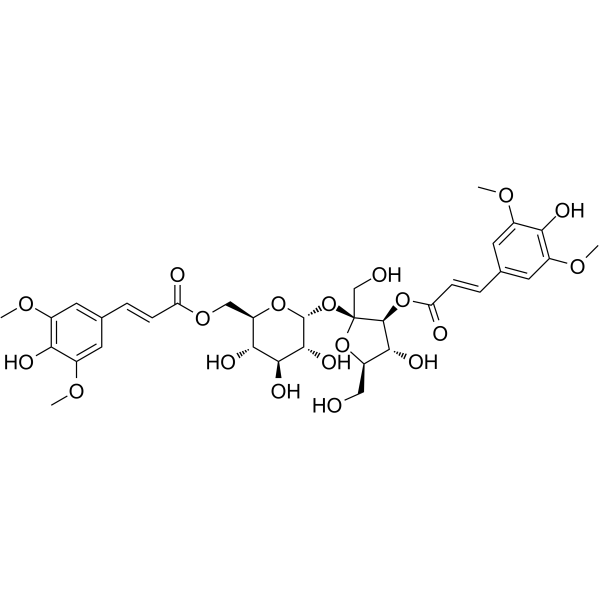 0 Images(E)-3',6-Disinapoylsucrose is an orally active, blood-brain barrier permeable neuroprotective agent that inhibits Aβ protein aggregation. (E)-3',6-Disinapoylsucrose exerts anxiolytic, anti-inflammatory and cognitive-enhancing effects. (E)-3',6-Disinapoylsucrose regulates the TrkB/BDNF signaling pathway, inhibits the expression of NF-κB p65, reduces pro-inflammatory cytokine levels, and alleviates neuronal damage. (E)-3',6-Disinapoylsucrose also enhances the functions of central 5-HT and noradrenergic systems, thereby improving spatial learning and memory abilities and reducing anxiety-like behaviors. (E)-3',6-Disinapoylsucrose can be used for the research of related diseases such as Alzheimer's disease, depression, memory impairment and anxiety disorder.
-
Glutathione trisulfide
 0 ImagesCat. No.: HY-160906CAS No.: 32607-79-7Synonyms: GSSSGGlutathione trisulfide (GSSSG) is an orally active, blood-brain barrier permeable neuroprotective agent. Glutathione trisulfide inactivates intracellular tyrosinase, regulates the expression of Cars2, Cbs, MITF and TYR, inhibits α-MSH (HY-P0252)-induced melanogenesis, and restores intracellular persulfide levels reduced by α-MSH. Glutathione trisulfide scavenges free radicals, quenches ROS, reduces Paclitaxel (HY-B0015)-induced superoxide production, upregulates the expression of antioxidant protein genes, and inhibits oxidative stress-induced cell death. Glutathione trisulfide promotes ERK1/2 activation, prevents NF-κB p65 activation, inhibits TAK1 phosphorylation, reduces pro-inflammatory cytokine expression, and blocks microglial activation. Glutathione trisulfide can be used in research related to dry age-related macular degeneration, inflammation-associated eye diseases, Alzheimer's disease, Parkinson's disease, etc.
-
21-Acetoxypregna-1,4,9(11),16-tetraene-3,20-dione
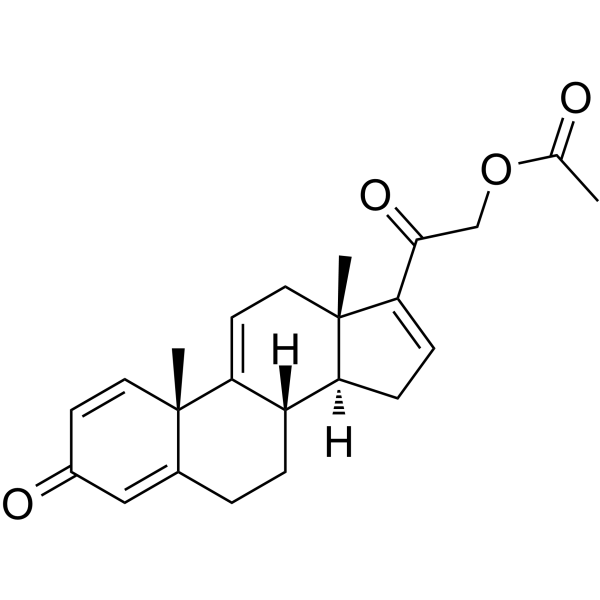 0 Images21-Acetoxypregna-1,4,9(11),16-tetraene-3,20-dione is an intermediate of delta 9,11 steroids synthesis, for example, Vamorolone (HY-109017). The delta 9,11 steroids are modifications of glucocorticoids and has anti-inflammatory properties. The delta 9,11 steroids are agents for protection against cell damage (lipid peroxidation) and inhibition of neovascularization.
-
Flurbiprofen axetil
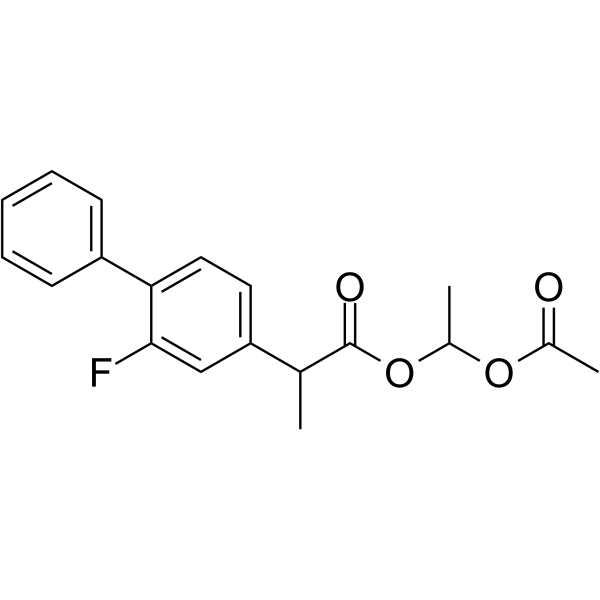 0 ImagesFlurbiprofen axetil is a non-selective COX inhibitor and a nonsteroidal anti-inflammatory agent with anti-inflammatory and analgesic effects. Flurbiprofen axetil inhibits basal-like breast cancer metastasis by inhibiting the MEK/ERK signaling pathway. Flurbiprofen axetil can promote neuroprotection after focal cerebral ischemia in rats by partially activating PPAR-γ. Flurbiprofen axetil alleviates cerebral ischemia/reperfusion injury by reducing inflammation in a transient global cerebral ischemia/reperfusion rat model. Flurbiprofen axetil can alleviate inflammatory responses and cognitive function in a mild cognitive impairment (MCI) SD rat model through the AMPKα/NF-κB signaling pathway.
-
Y-27632 hydrochloride hydrate
 0 ImagesY-27632 hydrochloride hydrate is a ROCK inhibitor with Ki values of 220 nM and 300 nM for ROCK1 and ROCK2, respectively. Y-27632 hydrochloride hydrate exerts anti-inflammatory and immunomodulatory effects in systemic lupus erythematosus models by inhibiting the ROCK/NF-κB pathway. Y-27632 hydrochloride hydrate enhances autophagy by inhibiting the AKT/mTOR pathway, thereby inducing apoptosis apoptosis in oral squamous cell carcinoma. Y-27632 hydrochloride hydrate induces the formation of tunneling nanotubes in ARPE-19 cells and significantly enhances mitochondrial transfer through these channels. Y-27632 hydrochloride hydrate promotes neurite outgrowth in PC12 cells by activating the Rac1/NOX1/ROS/AKT/PAK1 signaling cascade.
-
Tomentosin
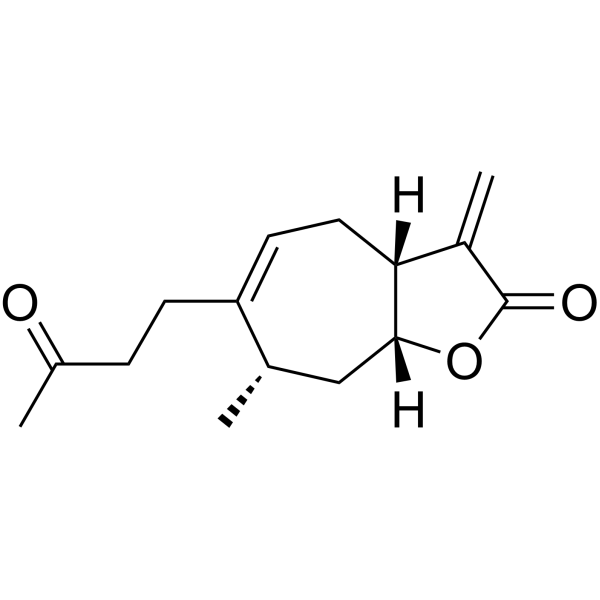 0 ImagesTomentosin is an orally active natural sesquiterpenoid lactone. Tomentosin exhibits multiple activities such as anti-tumor, anti-fungal, anti-inflammatory, anti-oxidant and neuroprotective effects. Tomentosin can inhibit tumor cell proliferation, migration and invasion, and induce apoptosis. Tomentosin can be used in the research of tumors, inflammation and nervous system diseases.
-
Sequoyitol
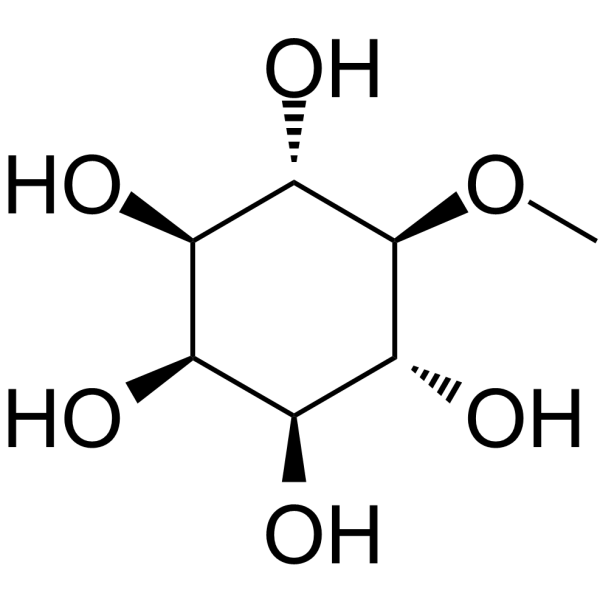 0 ImagesSequoyitol (5-O-Methyl-myo-inositol) is an orally active hypoglycemic agent and antioxidant. Sequoyitol can be isolated from herbaceous plants. Sequoyitol downregulates the expression of NF-κB and TGF-β1, reduces ROS production and malondialdehyde levels, and enhances total antioxidant capacity. Sequoyitol activates the insulin signaling pathway, including the phosphorylation of IR, IRS1 and Akt. Sequoyitol increases serum insulin levels, inhibits hepatic glucose production, and promotes cellular glucose uptake. Sequoyitol antagonizes TNFα-induced inhibition of the insulin signaling pathway, and decreases blood urea nitrogen and serum creatinine levels. Sequoyitol elicits potential peaks in the chemosensors of adult and larval Atrophaneura alcinous, and acts as an oviposition stimulant for female Atrophaneura alcinous. Sequoyitol can be used in research related to type 2 diabetes, insulin resistance, hyperglycemia, impaired glucose tolerance and diabetic nephropathy.
-
Triptolide (Standard)
 0 ImagesSynonyms: PG490 (Standard)Triptolide (Standard) is the analytical standard of Triptolide. This product is intended for research and analytical applications. Triptolide is a diterpenoid triepoxide extracted from the root of Tripterygium wilfordii with immunosuppressive, anti-inflammatory, antiproliferative and antitumour effects. Triptolide is a NF-κB activation inhibitor.
-
Shikonin (Standard)
 0 ImagesSynonyms: C.I. 75535 (Standard); Isoarnebin 4 (Standard)Shikonin (Standard) is the analytical standard of Shikonin. This product is intended for research and analytical applications. Shikonin is a major component of a Chinese herbal medicine named zicao. Shikonin is a potent TMEM16A chloride channel inhibitor with an IC50 of 6.5 μM. Shikonin is a specific pyruvate kinase M2 (PKM2) inhibitor and can also inhibit TNF-α and NF-κB pathway. Shikonin decreases exosome secretion through the inhibition of glycolysis. Shikonin inhibits AIM2 inflammasome activation.
-
1,4-Naphthoquinone-d6
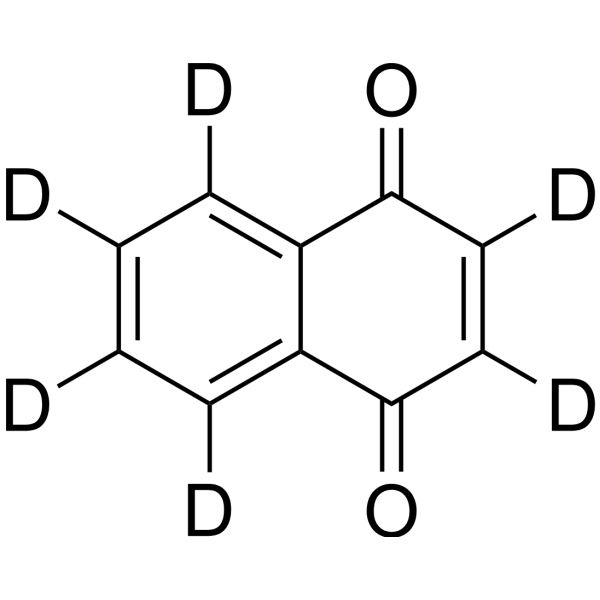 0 Images1,4-Naphthoquinone-d6 is the deuterium labeled 1,4-Naphthoquinone. 1,4-Naphthoquinone is an inhibitor with broad-spectrum inhibitory activity targeting DNA polymerase, NF-κB and monoamine oxidase (MAO-A/B), with antibacterial and anti-biofilm efficacy. 1,4-Naphthoquinone is a competitive inhibitor of MAO-B (Ki=1.4 μM) and a non-competitive inhibitor of MAO-A (Ki=7.7 μM). 1,4-Naphthoquinone inhibits DNA polymerase pol α, β, γ, δ, ε, λ with IC50 ranging from 5.57-128 μM. 1,4-Naphthoquinone inhibits tumor cell proliferation, induces apoptosis and necrosis, and has anti-angiogenic and anti-inflammatory activities by inducing oxidative stress, depleting glutathione (GSH), inhibiting DNA polymerase-mediated DNA synthesis and blocking NF-κB nuclear translocation. 1,4-Naphthoquinone can be used in anti-bacterial , anti-tumor and anti-inflammatory studies, including inhibition of melanoma and colon cancer cell growth and endothelial cell function, as well as LPS-induced inflammation models.
-
SPA0355
 0 ImagesSPA0355 is a thiourea derivative that has antioxidant and anti-inflammatory properties. SPA0355 inhibits the RANKL (receptor activator of nuclear factor κB ligand) induced osteoclast formation in primary bone marrow-derived macrophages. SPA0355 also suppresses the activation of the MAPKs, Akt, and NF-κB pathways. Additionally, SPA0355 promotes osteoblast differentiation, increases alkaline phosphatase activity, and enhances mineral nodule formation. SPA0355 can protect ovariectomized mice from bone loss by stimulating osteoblast differentiation and inhibiting osteoclast resorption, making it useful for studying postmenopausal osteoporosis.
-
Neochlorogenic acid (Standard)
 0 ImagesSynonyms: trans-5-O-Caffeoylquinic acid (Standard)Neochlorogenic acid (Standard) is the analytical standard of Neochlorogenic acid. This product is intended for research and analytical applications. Neochlorogenic acid is a natural polyphenolic compound found in dried fruits and other plants. Neochlorogenic acid inhibits the production of TNF-α and IL-1β. Neochlorogenic acid suppresses iNOS and COX-2 protein expression. Neochlorogenic acid also inhibits phosphorylated NF-κB p65 and p38 MAPK activation.




