NF-κB
Nuclear factor-κB; Nuclear factor-kappaB
NF-κB (Nuclear factor kappa-light-chain-enhancer of activated B cells) is a protein complex that controls transcription of DNA. NF-κB is found in almost all animal cell types and is involved in cellular responses to stimuli such as stress, cytokines, free radicals, ultraviolet irradiation, oxidized LDL, and bacterial or viral antigens. NF-κB plays a key role in regulating the immune response to infection. Incorrect regulation of NF-κB has been linked to cancer, inflammatory, and autoimmune diseases, septic shock, viral infection, and improper immune development. NF-κB has also been implicated in processes of synaptic plasticity and memory. There are five proteins in the mammalian NF-κB family: NF-κB1, NF-κB2, RelA, RelB, c-Rel.
NF-κB Isoform Specific Products
All Product Categories
-
NF-κB Inhibitors
(1592)
View all products
-
NF-κB Agonists
(6)
View all products
-
NF-κB Antagonist
(1)
View all products
-
NF-κB Activators
(141)
View all products
-
NF-κB Modulators
(34)
View all products
-
NF-κB Inducers
(3)
View all products
-
NF-κB Degraders
(4)
View all products
-
NF-κB Controls
(7)
View all products
-
NF-κB Ligands
(2)
View all products
-
NF-κB Related Products (1926)
Related Products (1926)

-
Antibodies (32)
-
NF-κB Signaling Pathway
-
NF-κB Isoform Comparison
-
Tofacitinib citrate (Standard)
 0 ImagesSynonyms: Tasocitinib citrate (Standard); CP-690550 citrate (Standard)Tofacitinib citrate (Standard) (Tasocitinib citrate (Standard); CP-690550 citrate (Standard)) is the analytical standard of Tofacitinib citrate (HY-40354A). This product is intended for research and analytical applications. Tofacitinib citrate (Tasocitinib citrate) is an orally active, blood-brain barrier permeable selective inhibitor of JAK1/JAK3. Tofacitinib citrate blocks the JAK-STAT/NF-κB signaling pathway, inhibits cytokine signal transduction, phosphorylation of STAT1/STAT5, and suppresses innate and adaptive immune responses. Tofacitinib citrate can be used in research related to major depressive disorder, rheumatoid arthritis, pulmonary diseases, systemic lupus erythematosus, and immune-mediated liver injury.
-
Lucidenic acid B
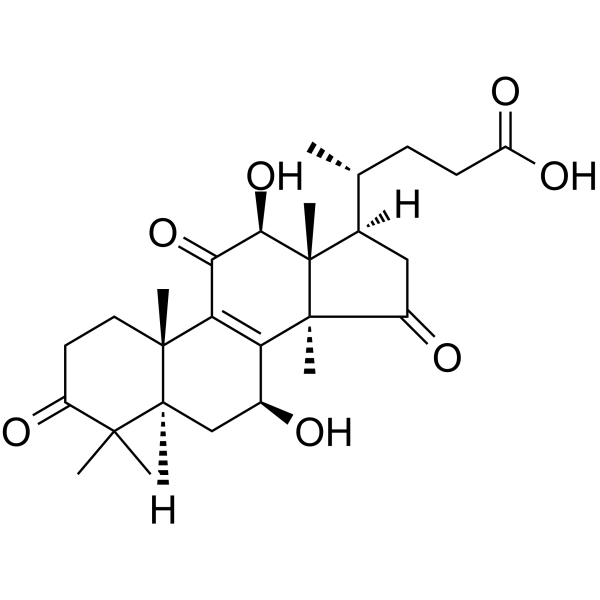 0 ImagesLucidenic acid B is a triterpenoid compound. Lucidenic acid B inhibits the activities of ERK1/2, AP-1, NF-kB, and IKK, suppresses PMA (Phorbol 12-myristate 13-acetate) (HY-18739)-induced MMP-9 expression and cell invasion, and induces apoptosis in leukemia cells via the mitochondrial pathway. Lucidenic acid B inhibits the growth of various cancer cell lines without affecting normal lymphocytes and does not induce G1 phase arrest or necrosis. Lucidenic acid B can be used in research on hepatocellular carcinoma, human acute promyelocytic leukemia, and skin tumor promotion.
-
Strictinin
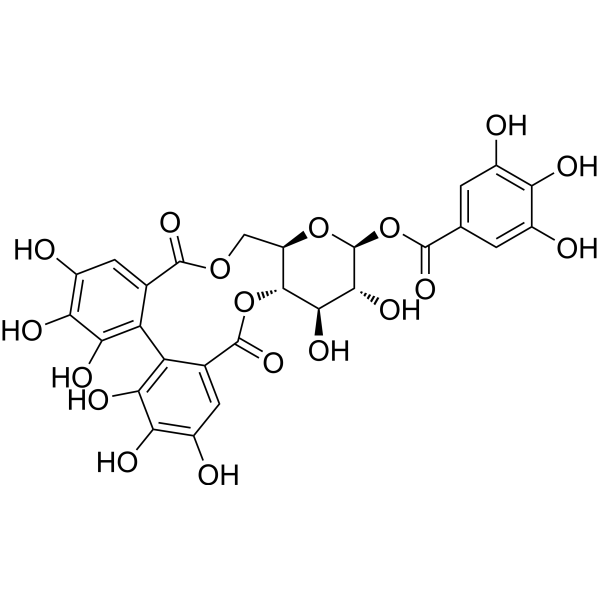 0 ImagesStrictinin is an orally active phenolic compound. Strictinin reduces xanthine oxidase activity, uric acid production, and the activation of ERK1/2, JNK, NF-κB, and NLRP3 inflammasome components in hepatocytes treated with Xanthine (HY-W017389). Strictinin decreases elevated serum uric acid levels and enhanced xanthine oxidase activity in mice treated with potassium oxonate. Strictinin acts as a ROR1 inhibitor and exhibits anticancer activity against highly aggressive non-androgen-dependent prostate cancer. Strictinin induces cancer cell apoptosis (apoptosis), arrests cell cycle, and inhibits cancer cell migration, invasion, and epithelial-mesenchymal transition. Strictinin modulates gut microbiota, inhibits bacterial growth and biofilm formation, accelerates small intestinal transit, and blocks viral entry and replication. Strictinin can be used in research related to hyperuricemia, androgen receptor-negative non-androgen-dependent prostate cancer, triple-negative breast cancer, bacterial infections, constipation, coronavirus infections, dental caries, and infections caused by influenza A, influenza B, and human parainfluenza virus type 1.
-
Roxatidine
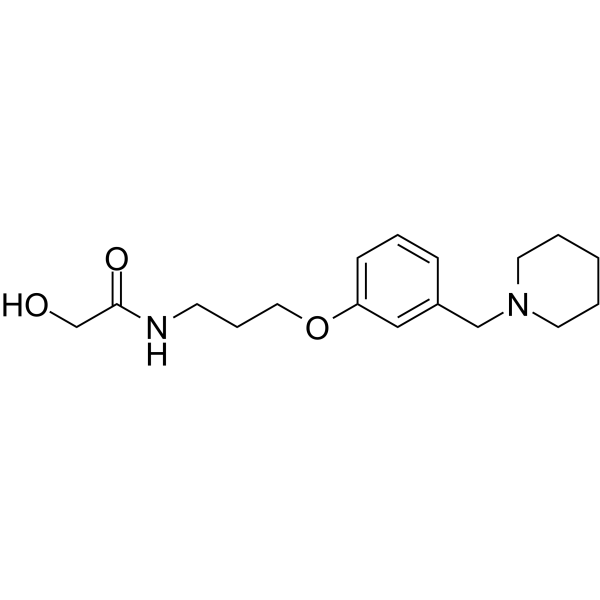 0 ImagesRoxatidine is an active metabolite of Roxatidine acetate hydrochloride, is an orally active histamine H2-receptor antagonist. Roxatidine, an anti-ulcer agent, suppresses histamine release (thus inhibiting proton secretion) and inhibits the production of VEGF-1, an important marker of inflammation and angiogenesis. Anti-allergic inflammatory effect. Roxatidine is promising for research of gastric and duodenal ulcers.
-
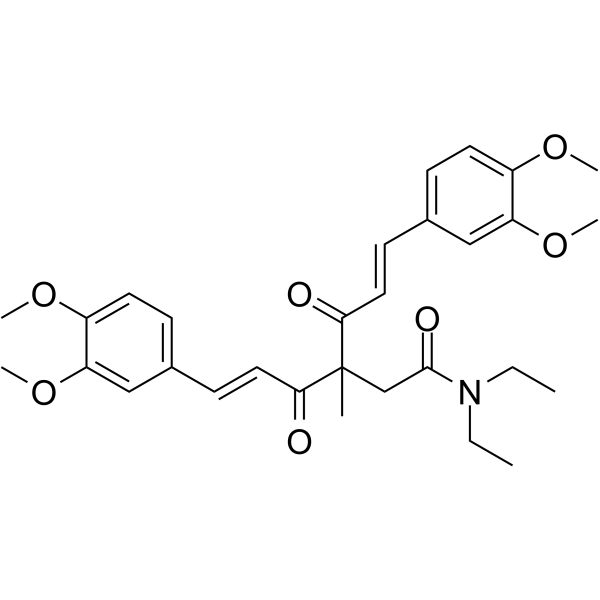
UBS109
 0 ImagesUBS109, as a curcumin analogue, can promote the differentiation and mineralization of osteoblasts. UBS109 shows to regulate bone cell function by activating Smad and inhibiting NF-kB. UBS109 can be used in bone tissue engineering and osteoporosis research.
-
7,8-Dimethoxycoumarin
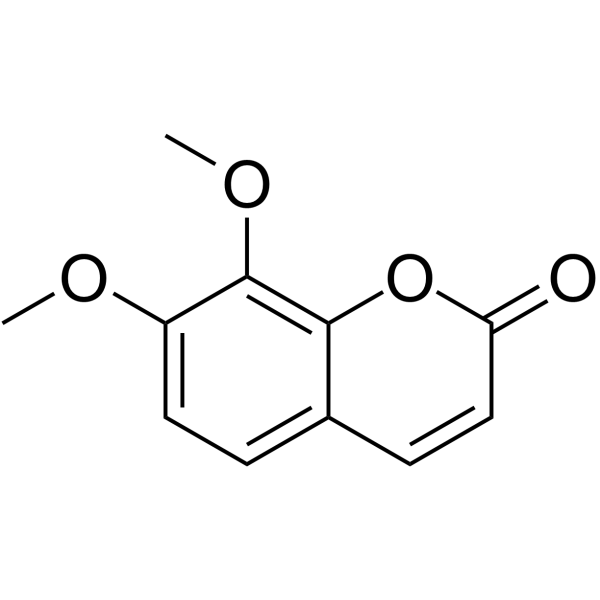 0 Images7,8-Dimethoxycoumarin is a coumarin compound derived from Artemisia caruifolia with oral activity. 7,8-Dimethoxycoumarin inhibits mitochondrial permeability transition pore and H+/K+-ATPase, and exhibits antioxidant, anti-inflammatory, renoprotective, neuroprotective and gastroprotective effects. 7,8-Dimethoxycoumarin reduces lipid peroxidation (TBARS), increases GSH levels, inhibits myeloperoxidase (MPO) activity, and regulates the expression of inflammatory factors by inhibiting the NF‑κB and MAPK pathways. 7,8-Dimethoxycoumarin ameliorates gastric mucosal injury, alleviates renal tissue lesions and relieves neuropathic pain. 7,8-Dimethoxycoumarin can be used in studies related to acute renal failure, trigeminal neuralgia and gastritis.
-
Lucyoside B
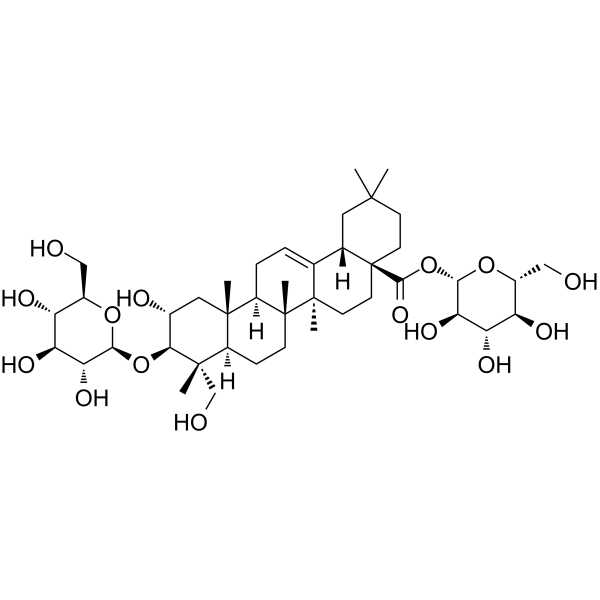 0 ImagesLucyoside B inhibits the production of inflammatory mediators via both NF-κB and activator protein-1 pathways in activated macrophages.
-
Anemoside A3-methyl 6-aminohexanoate
 0 ImagesAnemoside A3-methyl 6-aminohexanoate is an orally effective pyruvate carboxylase (PC) inhibitor with a Kd value of 10.1 μM against human PC. Anemoside A3-methyl 6-aminohexanoate exerts its function through the PC/NF-κB/NLRP3 inflammasome axis. Anemoside A3-methyl 6-aminohexanoate significantly alleviates symptoms of DSS (HY-116282C)-induced colitis in mice. Anemoside A3-methyl 6-aminohexanoate can be used in colitis-related research.
-
Coelonin
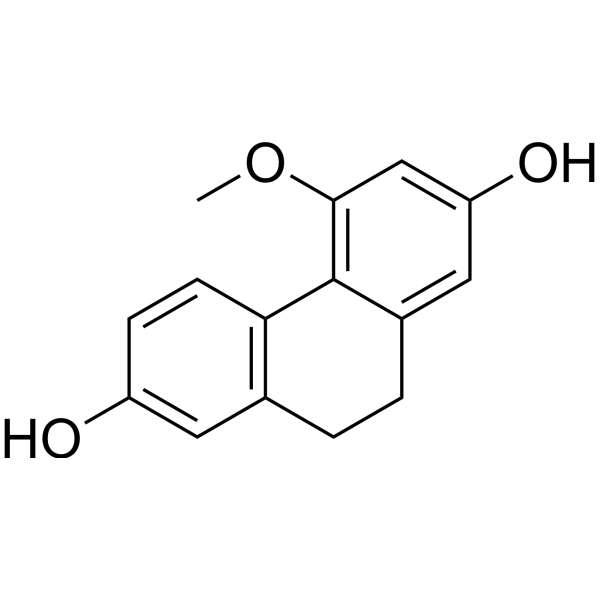 0 ImagesCoelonin is a dihydrophenanthrene with anti-inflammation activity. Coelonin inhibits LPS-induced PTEN phosphorylation. Coelonin inhibits NF-κB activation and p27Kip1 degradation by regulating the PI3K/AKT pathway negatively. Coelonin can inhibit IκBα phosphorylation and degradation and increases the expression of IκBα protein.
-
SEMBL
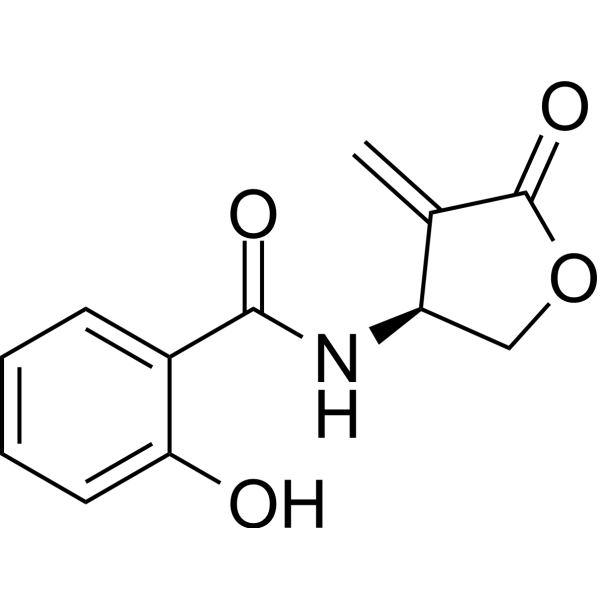 0 ImagesSEMBL is a potent NF-κB inhibitor. SEMBL can inhibit NF-κB-DNA binding, and also inhibits NF-κB-dependent inflammatory cytokine secretions. SEMBL inhibits cancer cell migration and invasion via decreasing MMP expression. SEMBL can be used for researching anticancer.
-
Taurodeoxycholic acid (Standard)
 0 ImagesTaurodeoxycholic acid (Standard) is the analytical standard of Taurodeoxycholic acid. This product is intended for research and analytical applications. Taurodeoxycholate sodium salt is a bile salt-related anionic detergent. Taurodeoxycholic acid is formed in the liver by conjugation of deoxycholate with Taurine (HY-B0351). Taurodeoxycholic acid is used for isolation of membrane proteins including inner mitochondrial membrane proteins. Taurodeoxycholic acid (TDCA) exhibits anti-inflammatory and neuroprotective effects[1][2][3][9][10].
-
Dehydroepiandrosterone sulfate-d6 sodium dihydrate
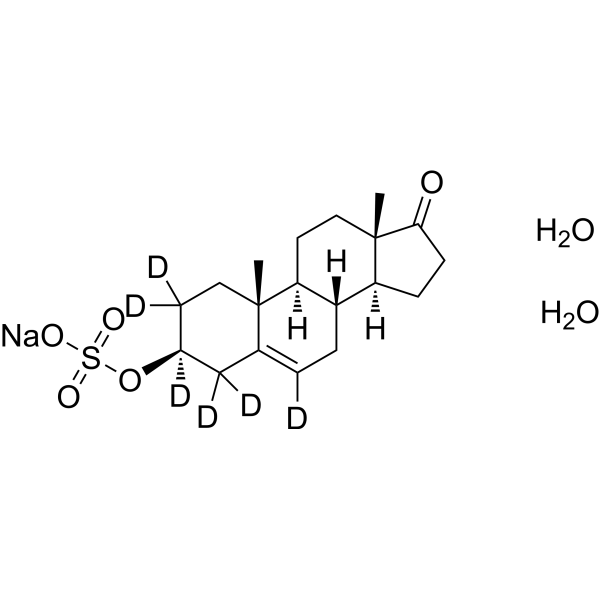 0 ImagesCat. No.: HY-113416ASPurity: 98.00%Synonyms: DHEA sulfate-d6 sodium dihydrate; Prasterone sulfate-d6 sodium dihydrateDehydroepiandrosterone sulfate sodium dihydrate-d6 sodium dihydrate is the deuterium labeled Dehydroepiandrosterone sulfate sodium dihydrate. Dehydroepiandrosterone sulfate (DHEA sulfate; Prasterone sulfate) sodium dihydrate is a neurosteroid and the main secretion product of the adrenal gland. Dehydroepiandrosterone sulfate sodium dihydrate has both non-competitive antagonist activity of GABAA receptor and agonist activity of σ1 receptor. Dehydroepiandrosterone sulfate sodium dihydrate can partially penetrate the blood-brain barrier, inhibit GABAA receptor-mediated chloride influx, enhance NMDA receptor activity through σ1 receptors, exert anti-inflammatory, anti-glucocorticoid and antidepressant effects, and increase convulsive sensitivity. Dehydroepiandrosterone sulfate sodium dihydrate participates in neuroprotection, neurite growth regulation and catecholamine secretion regulation, and can be used in the study of depression, post-traumatic stress disorder (PTSD), Alzheimer's disease, etc. Dehydroepiandrosterone sulfate sodium dihydrate may also be a biomarker for cardiovascular disease mortality, and its concentration is independently and negatively correlated with mortality.
-
MyD88-IN-3
 0 ImagesCat. No.: HY-178136Purity: 99.33%MyD88-IN-3 is an orally active, selective MyD88 Inhibitor. MyD88-IN-3 specifically targets the TIR domain of MyD88 (KD = 28.5 μM), thereby preventing MyD88 self-polymerization and interaction with TLRs, which suppresses the activation of MAPK and NF-κB pathways. MyD88-IN-3 demonstrates significant anti-inflammatory efficacy and effectively mitigates Acute Lung Injury (ALI) symptoms in CLP (cecal ligation and puncture) and Lipopolysaccharides (HY-D1056) (LPS)-induced ALI models. MyD88-IN-3 can be used for the study of ALI.
-
5-(3',4'-Dihydroxyphenyl)-γ-valerolactone
 0 Images5-(3',4'-Dihydroxyphenyl)-γ-valerolactone is an intestinal microbiota metabolite of (-)-Epicatechin (HY-N0001). 5-(3',4'-Dihydroxyphenyl)-γ-valerolactone downregulates TNF-α-stimulated phosphorylation of IKK and IκBα, inhibits the transcriptional activation of NF-κB, and suppresses the expression of adhesion molecules and chemokines. 5-(3',4'-Dihydroxyphenyl)-γ-valerolactone promotes autophagy, alleviates oxidative stress, maintains osteoblast differentiation, induces G1 phase arrest, inhibits adipogenesis, and scavenges ABTS free radicals. 5-(3',4'-Dihydroxyphenyl)-γ-valerolactone inhibits the adhesion of uropathogenic Escherichia coli to bladder epithelial cells; when used in combination with Curcumin (HY-N0005), it downregulates the NLRP3 and NOX2/Nrf2 signaling pathways, thereby reducing microglial activation. 5-(3',4'-Dihydroxyphenyl)-γ-valerolactone can be used in research related to diabetes, atherosclerosis, osteoporosis, obesity, neurodegenerative diseases involving microglial activation, and urinary tract infections.
-
Phellodendrine
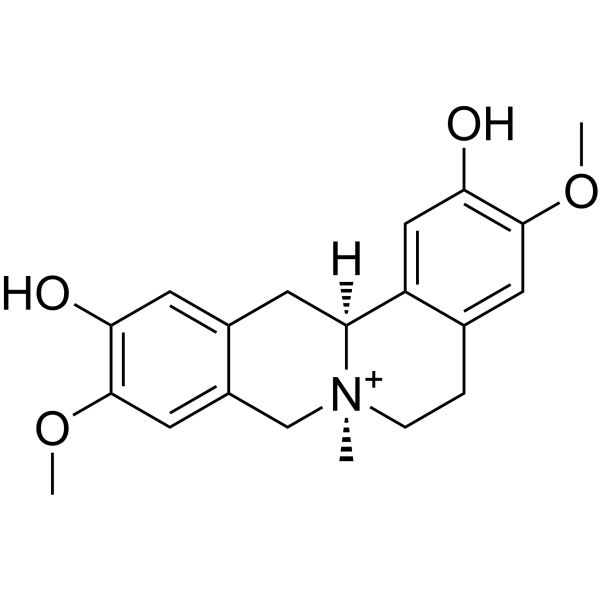 0 ImagesPhellodendrine is an orally active plant alkaloid. Phellodendrine inhibits the proliferation of KRAS-mutated pancreatic cancer cells by suppressing macropinocytosis and glutamine metabolism, inducing ROS accumulation and mitochondrial apoptosis. Phellodendrine promotes autophagy by activating the AMPK/mTOR pathway, alleviating intestinal damage in ulcerative colitis. Phellodendrine can alleviate gouty arthritis by inhibiting the IL-6/STAT3 signaling pathway. Phellodendrine suppresses allergic reactions by altering the conformation of MRGPRB3/MRGPRX2 protein, thereby inhibiting the activation of PKC and subsequent downstream MAPK and NF-κB signaling. Phellodendrine inhibits the AKT/NF-κB pathway and down-regulates the expression of COX-2, thereby protecting zebrafish embryos from oxidative stress. Phellodendrine has an anti-major depressive disorder (MDD) effect by down-regulating CHRM1, HTR1A, and the PI3K/Akt signaling pathway.
-
Ceftiofur hydrochloride
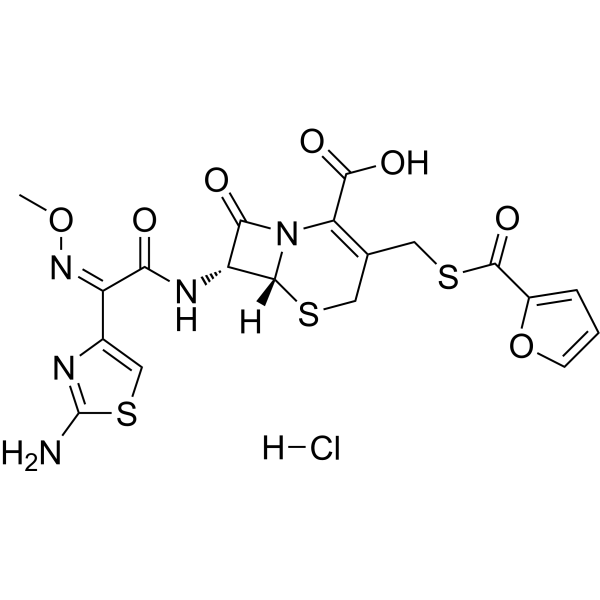 0 ImagesCeftiofur hydrochloride is a cell wall synthesis inhibitor that targets bacterial penicillin-binding proteins (PBPs) and has anti-inflammatory effects in endotoxemia. Ceftiofur hydrochloride exerts bactericidal effects by inhibiting the synthesis of bacterial cell wall peptidoglycan, leading to bacterial cell lysis. Ceftiofur hydrochloride also inhibits the activation of NF-κB and MAPKs, thereby reducing the secretion of pro-inflammatory cytokines such as TNF-α, IL-1β, and IL-6.
-
PROTAC HPK1 Degrader-3
 0 ImagesCat. No.: HY-162816Purity: 98.11%PROTAC HPK1 Degrader-3 is an orally active, PROTAC degrader that selectively targets HPK1, with a DC50 of 21.26 nM. PROTAC HPK1 Degrader-3 induces HPK1 degradation via the ubiquitin-proteasome system and forms a stable ternary complex with HPK1 and CRBN. It inhibits the SLP76 and NF-κB signaling pathways, enhances MAPK signal transduction, reverses the immunosuppressive factor-mediated inhibition of T cell cytokine secretion, and promotes the secretion of T cell immune cytokines. PROTAC HPK1 Degrader-3 suppresses tumor growth and enhances anti-PD-L1-mediated antitumor activity. It can be used in studies related to malignant tumors, such as colorectal cancer.
-
Methylprednisolone succinate (Standard)
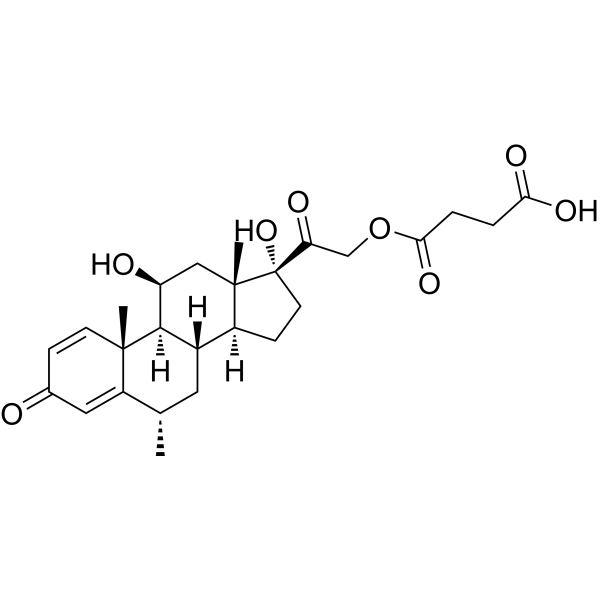 0 ImagesSynonyms: Methylprednisolone hydrogen succinate (Standard)Methylprednisolone succinate (Standard) is the analytical standard of Methylprednisolone succinate (HY-B1900). This product is intended for research and analytical applications. Methylprednisolone succinate (Methylprednisolone hydrogen succinate) is a prodrug of Methylprednisolone (HY-B0260) and glucocorticoid with immunosuppressant and anti-inflammatory activity. Methylprednisolone succinate binds cytosolic glucocorticoid receptors, translocates to nuclei, and modulates target gene transcription. Methylprednisolone succinate alters Bax, Bcl-2, occludin, and ZO-1 expression; attenuates TLR4/NF-κB signaling; suppresses proinflammatory cytokine production and immune cell activation. Methylprednisolone succinate can be used for the research of intracranial haemorrhage, rheumatoid arthritis, multiple sclerosis, preterminal cancer, inflammatory conditions, shock, immediate-type hypersensitivity, acute myocardial ischemia, hypoxic heart muscle damage, and traumatic spinal cord injury.