



NF-κB
Nuclear factor-κB; Nuclear factor-kappaB
NF-κB (Nuclear factor kappa-light-chain-enhancer of activated B cells) is a protein complex that controls transcription of DNA. NF-κB is found in almost all animal cell types and is involved in cellular responses to stimuli such as stress, cytokines, free radicals, ultraviolet irradiation, oxidized LDL, and bacterial or viral antigens. NF-κB plays a key role in regulating the immune response to infection. Incorrect regulation of NF-κB has been linked to cancer, inflammatory, and autoimmune diseases, septic shock, viral infection, and improper immune development. NF-κB has also been implicated in processes of synaptic plasticity and memory. There are five proteins in the mammalian NF-κB family: NF-κB1, NF-κB2, RelA, RelB, c-Rel.
NF-κB Isoform Specific Products
All Product Categories
-
NF-κB Inhibitors
(1612)
View all products
-
NF-κB Agonists
(6)
View all products
-
NF-κB Antagonist
(1)
View all products
-
NF-κB Activators
(145)
View all products
-
NF-κB Modulators
(34)
View all products
-
NF-κB Inducers
(3)
View all products
-
NF-κB Degraders
(4)
View all products
-
NF-κB Controls
(7)
View all products
-
NF-κB Ligands
(2)
View all products
-
NF-κB Related Products (1949)
Related Products (1949)

-
Antibodies (32)
-
NF-κB Signaling Pathway
-
NF-κB Isoform Comparison
-
Ceftiofur sodium
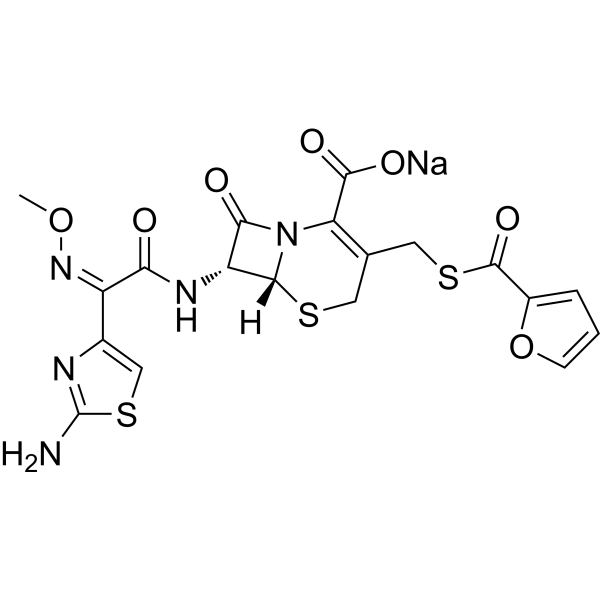 0 ImagesSynonyms: sodium ceftiofurCeftiofur sodium is a cell wall synthesis inhibitor that targets bacterial penicillin-binding proteins (PBPs) and has anti-inflammatory effects in endotoxemia. Ceftiofur sodium exerts bactericidal effects by inhibiting the synthesis of bacterial cell wall peptidoglycan, leading to bacterial cell lysis. Ceftiofur sodium also inhibits the activation of NF-κB and MAPKs, thereby reducing the secretion of pro-inflammatory cytokines such as TNF-α, IL-1β, and IL-6.
-
Trimebutine maleate
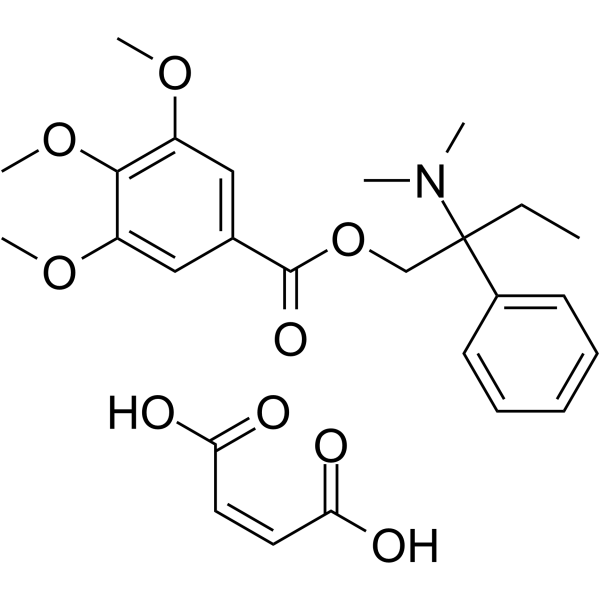 0 ImagesTrimebutine maleate is a multi-target inhibitor and opioid receptor agonist with antimuscarinic activity. Trimebutine maleate inhibits L-type Ca2+ channels and large-conductance calcium-activated potassium channels (BKCa channels), thereby inhibiting extracellular calcium influx and potassium ion efflux. Trimebutine maleate also targets Toll-like receptors, inhibits Toll-like receptor 2/4/7/8/9 signals, and inhibits LPS-induced IRAK1 activation, as well as ERK1/2, JNK and NF-κB activation, thereby exerting anti-inflammatory effects. Trimebutine maleate also induces tumor cell apoptosis by inhibiting the AKT/ERK pathway. Trimebutine maleate also inhibits excessive contraction of smooth muscle and can be used in the study of gastrointestinal disorders such as irritable bowel syndrome (IBS).
-
Isosinensetin
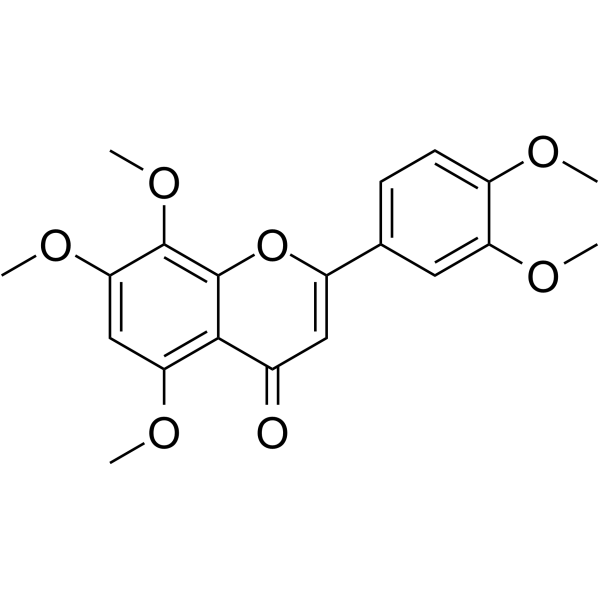 0 ImagesIsosinensetin is a flavonoid compound and an inhibitor of HIV-1 protease and PTP1B (IC50: 2.61 µM; Ki: 0.92 µM). Isosinensetin inhibits P-glycoprotein (P-gp) in MDR1-MDCKII cells. Isosinensetin has multiple activities such as anti-tumor, anti-viral, anti-inflammatory, and antioxidant effects. Isosinensetin can be used in the research of various diseases including cancer, inflammation, osteoporosis, diabetes, etc.
-
Gossypin
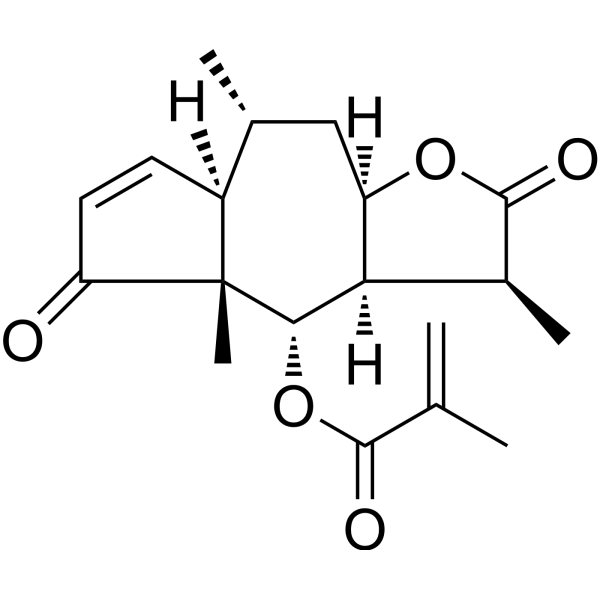
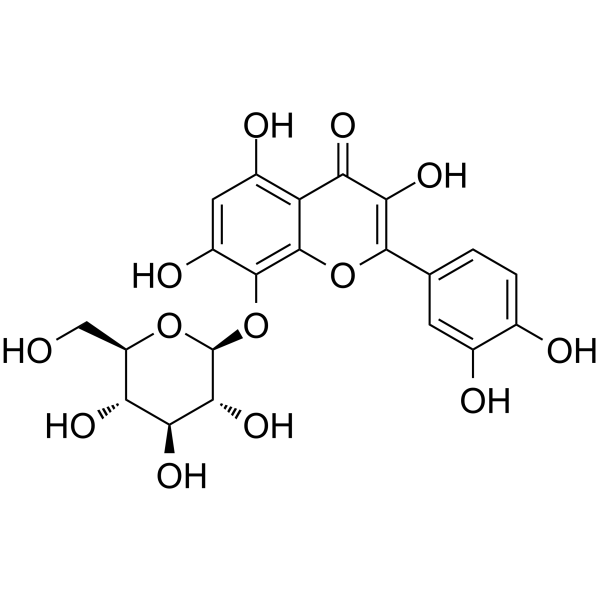 0 ImagesGossypin is an orally active flavone isolated from Hibiscus vitifolius. Gossypin has antioxidant, antiinflammatory, anticancer, anticataract, antidiabetic, and hepatoprotective activities. Gossypin inhibits NF-κB and NF-κB-regulated gene expression. Gossypin inhibits AURKA and RSK2. Gossypin inhibits invasion and induces apoptosis. Gossypin can be used for gastric cancer study.
-
LTβR-IN-1
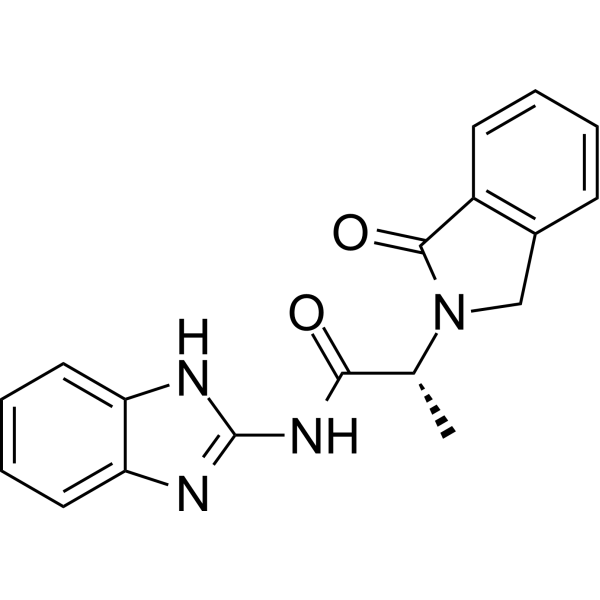 0 ImagesLTβR-IN-1 (Compound 919278) is a potent, selective lymphotoxin β receptor (LTβR) inhibitor. LTβR-IN-1 also selectively inhibits the nuclear translocation of p52 depended on TNF12A, instead of the nuclear translocation of p65 mediated by TNF-α receptor. LTβR-IN-1 regulates the NF-kB signaling pathway IN a ligand-independent manner.
-
Triptolide-d3
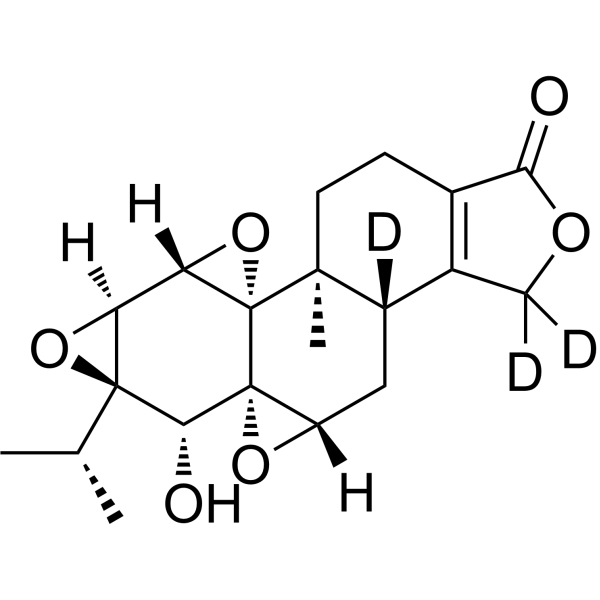 0 ImagesCat. No.: HY-32735SSynonyms: PG490-d3Triptolide-d3 is the deuterium labeled Triptolide. Triptolide is a diterpenoid triepoxide extracted from the root of Tripterygium wilfordii with immunosuppressive, anti-inflammatory, antiproliferative and antitumour effects. Triptolide is a NF-κB activation inhibitor.
-
1-Caffeoylquinic acid
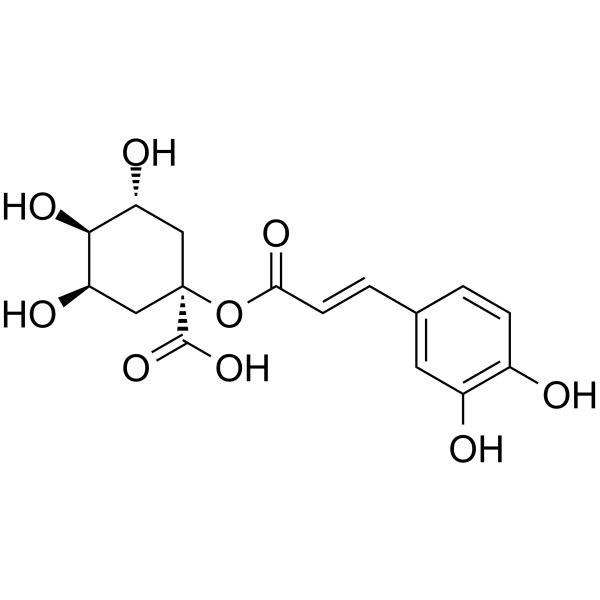 0 Images1-Caffeoylquinic acid is an effective NF-κB inhibitor, shows significant binding affinity to the RH domain of p105 with Ki of 0.007 μM. 1-Caffeoylquinic acid has anti-oxidative stress ability. 1-Caffeoylquinic acid is the Inhibitor for PD-1/PD-L1.
-
JAK-IN-23
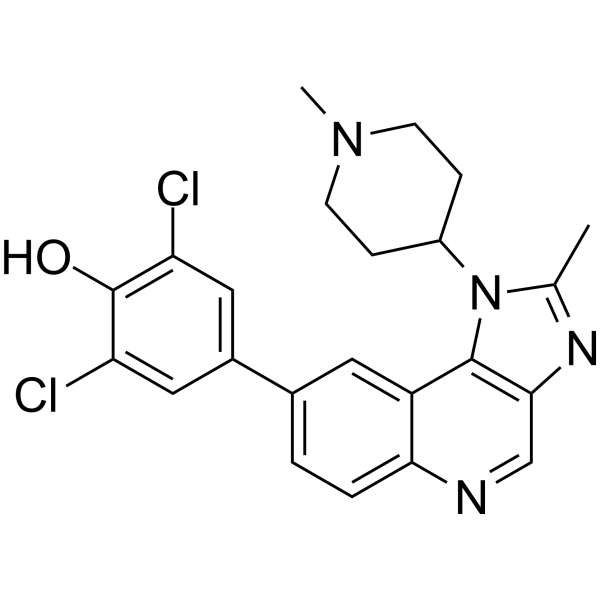 0 ImagesJAK-IN-23 is an orally active double inhibitor of JAK/STAT and NF-κB. JAK-IN-23 can inhibit JAK1/2/3 with IC50 values of 8.9 nM, 15 nM and 46.2 nM, respectively. JAK-IN-23 has potent inhibitory activities against interferon-stimulated genes (ISG) and NF-κB pathways with IC50 values of 3.3 nM and 150.7 nM, respectively. JAK-IN-23 has great anti-inflammatory that decreases the release of various proinflammatory factors. JAK-IN-23 can be used for the research of inflammatory bowel disease (IBD).
-
Armepavine
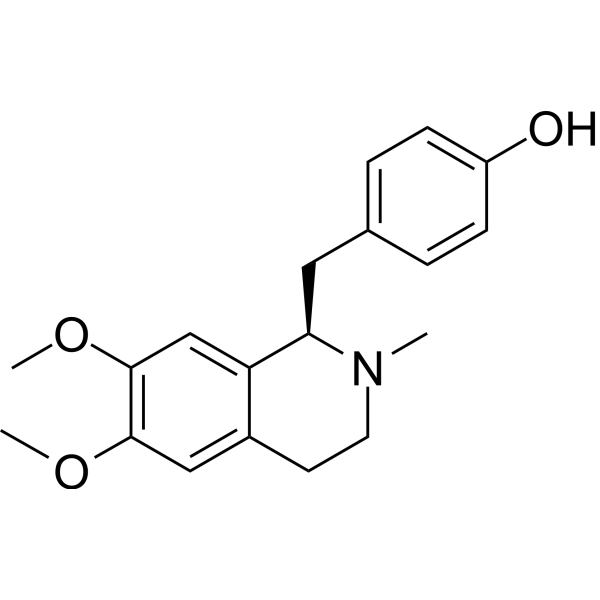 0 ImagesArmepavine, found in Nelumbo nucifera, is an orally active NF-κB inhibitor. Armepavine attenuates expression of p-p65, α-SMA, p-JNK1/2, p-ERK1/2, p-p38α stimulated by TNF-α and LPS. Armepavine suppresses NF-κB nuclear translocation, IκBα phosphorylation, and collagen deposition. Armepavine can be used for the research of hepatic fibrosis and leukemia.
-
(R)-(-)-Ibuprofen
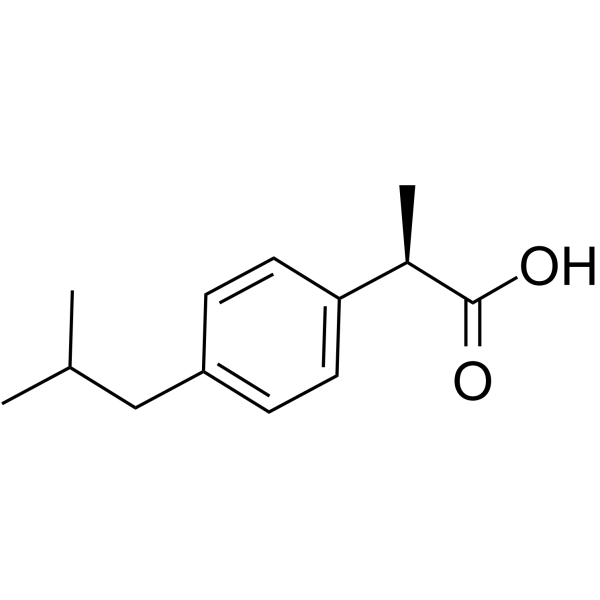 0 ImagesSynonyms: (R)-Ibuprofen
-
Recoflavone
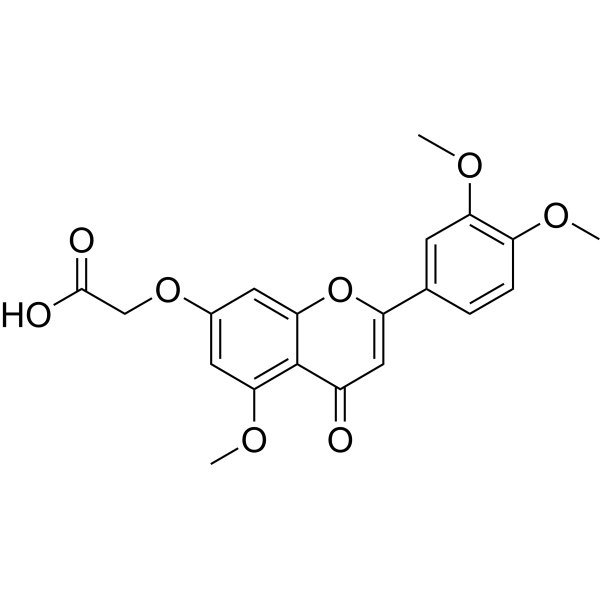 0 ImagesSynonyms: DA-6034 free acidRecoflavone (DA-6034 (free acid)), a synthetic derivative of the flavonoid Eupatilin (HY-N0783), is orally active. Recoflavone can inhibit the NF-κB pathway and induce [Ca(2+)]i increase in epithelial cells. Recoflavone exhibits activities such as anti-inflammation, anti-tumor effects, protection of gastric and intestinal mucosa, and promotion of secretion in the ocular surface and salivary glands. Recoflavone can be used for the research of diseases such as dry eye, gastric injury, and intestinal injury.
-
Coptisine Sulfate
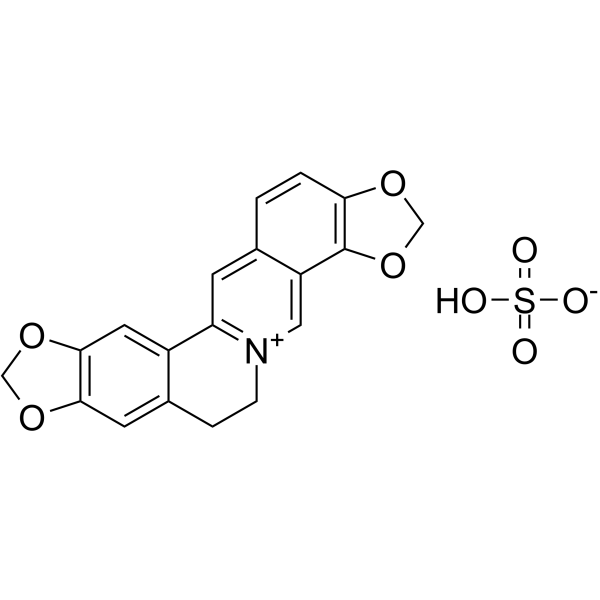 0 ImagesCoptisine Sulfate is an orally active and brain-penetrant alkaloid found in Coptis chinensis. Coptisine Sulfate is a reversible, uncompetitive IDO inhibitor with a Ki of 5.8 μM and an IC50 of 6.3 μM. Coptisine Sulfate suppresses neuroinflammation, reduces Aβ plaque burden and shows neuroprotective activity. Coptisine Sulfate shows anti-inflammation activity by blocking NF-κB, MAPK, and PI3K/Akt activation. Coptisine Sulfate inhibits cancer cells proliferation, induces DNA damage, G2/M phase cell cycle arrest, apoptosis, ROS production and mitochondrial dysfunction. Coptisine Sulfate inhibits Rho/ROCK pathway activation, reduces arrhythmia, limits cardiac injury marker release, reduces infarct size, and preserves cardiac function in rat myocardial ischemia/reperfusion models. Coptisine Sulfate downregulates HMGCR and upregulates LDLR and CYP7A1 to modulate cholesterol metabolism, reduces abnormal serum lipid levels, and promotes fecal bile acid excretion. Coptisine Sulfate be used for the research of cancer, hypercholesterolemia, Alzheimer’s disease, inflammatory disorders and cardiovascular disease.
-
17-HDHA
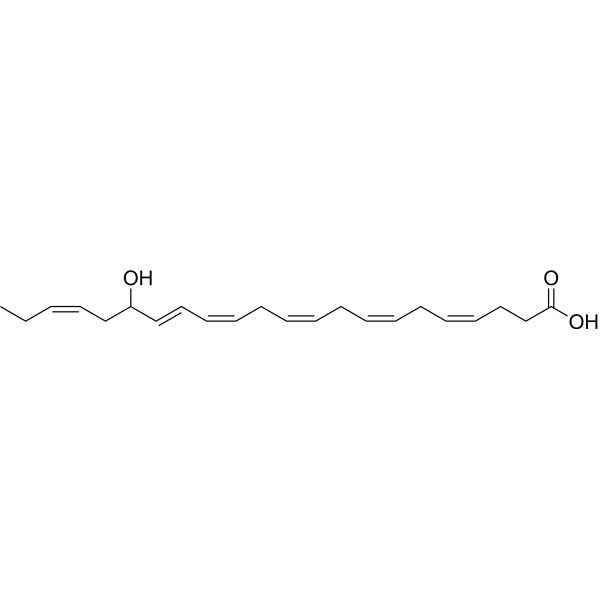 0 Images17-HDHA is a DHA-derived specialized pro-resolving mediator (SPM). 17-HDHA inhibits NF-κB activation by activating PPARγ and upregulating IκBα, targets FPR2 and Bcl-6, and also acts as a precursor of RvD1 and PD1. 17-HDHA inhibits pulmonary artery smooth muscle cell proliferation, regulates the expression of adiponectin, GLUT-4 and inflammatory cytokines, suppresses IgE production by B cells and promotes antibody secretion. 17-HDHA reduces adipose tissue inflammation, improves insulin sensitivity and glucose tolerance, alleviates pathological processes associated with pulmonary hypertension, and enhances antibody responses and virus neutralizing activity against influenza HA. 17-HDHA can be used in research related to obesity-associated inflammation, insulin resistance, glucose intolerance, pulmonary hypertension and influenza virus infection.
-
(10E,12Z)-Octadeca-10,12-dienoic acid
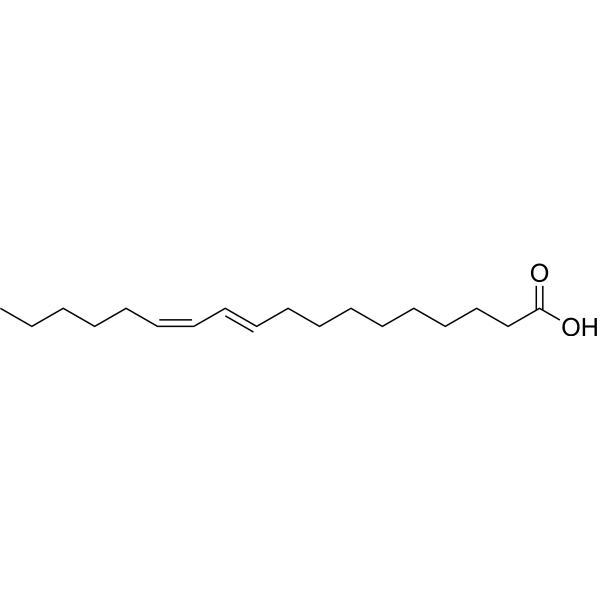 0 Images(10E,12Z)-Octadeca-10,12-dienoic acid (trans-10,cis-12 CLA2) is an orally active PPARα activator and inhibits adipocyte differentiation. (10E,12Z)-Octadeca-10,12-dienoic acid and its downstream metabolites have various antioxidant and antitumor activities. (10E,12Z)-Octadeca-10,12-dienoic acid can induce proinflammatory cytokines and chemokines, which would lead to decreased adipogenesis and insulin resistance in adipose tissue. (10E,12Z)-Octadeca-10,12-dienoic acid can affect many aspects of milk fat synthesis. (10E,12Z)-Octadeca-10,12-dienoic acid reduces expression of lipogenic enzymes and inhibits the desaturation of fatty acids. (10E,12Z)-Octadeca-10,12-dienoic acid can reduce lipoprotein lipase (LPL) activity in cultured 3T3-L1 adipocytes and enhance triacylglycerol release from these cells. (10E,12Z)-Octadeca-10,12-dienoic acid decreases the expression of hepatic stearoyl-CoA desatyrase mRNA in mice. (10E,12Z)-Octadeca-10,12-dienoic acid is associated with changes in mucosal NF-κB and Cyclin D1 protein levels in mice.
-
Murrayafoline A
 0 ImagesMurrayafoline A is a carbazole alkaloid that can be extracted from Murraya tetramera. Murrayafoline A directly targets Specificity protein 1 (Sp1), thereby inhibiting NF-κB and MAPK signaling pathways. Murrayafoline a induces a G0/G1-phase arrest in platelet-derived growth factor (PDGF)-stimulated vascular smooth muscle cells. Murrayafoline A attenuates the Wnt/β-catenin pathway by promoting the degradation of intracellular β-catenin proteins. Murrayafoline A enhances the contraction of rat ventricular myocytes and L-type calcium current by activating protein kinase C. Murrayafoline A inhibits LPS (HY-D1056)-induced neuroinflammation in vivo. Murrayafoline A can be used for the study of inflammation, vascular complications and colon cancer.
-
Magnesium isoglycyrrhizinate hydrate
 0 ImagesSynonyms: 18α-Glycyrrhizic acid Magnesium hydrate; 18α-GA Magnesium hydrate; 18α-Licorice-saponin H2 Magnesium hydrateMagnesium isoglycyrrhizinate hydrate (18α-Glycyrrhizic acid Magnesium hydrate; 18α-GA Magnesium hydrate; 18α-Licorice-saponin H2 Magnesium hydrate) is a derivative of glycyrrhizic acid with oral activity. Magnesium isoglycyrrhizinate hydrate exhibits antioxidant, anti-inflammatory, hepatoprotective and cardioprotective activities. Magnesium isoglycyrrhizinate hydrate protects against ethanol-induced alcoholic liver disease in rats by upregulating the expression levels of SOD, GSH, PPAR-α and CPT-1. Magnesium isoglycyrrhizinate hydrate shows cytotoxicity against T lymphocytes and inhibits HIV-1 replication in these cells. Magnesium isoglycyrrhizinate hydrate alleviates oxidative stress by reducing the levels of ROS, Nrf2, HO-1 and p-P65, and alleviates pyroptosis by downregulating the expression levels of NLRP3, GSDMD-N, P20 and c-IL-1β. Magnesium isoglycyrrhizinate hydrate inhibits autophagy, colonic fibrosis and myocardial fibrosis, and regulates intestinal barrier integrity. Magnesium isoglycyrrhizinate hydrate can be used in research related to alcoholic liver disease, HIV-1 infection, hepatotoxicity, acute liver failure, inflammatory bowel disease and myocardial fibrosis.
-
DZ2002
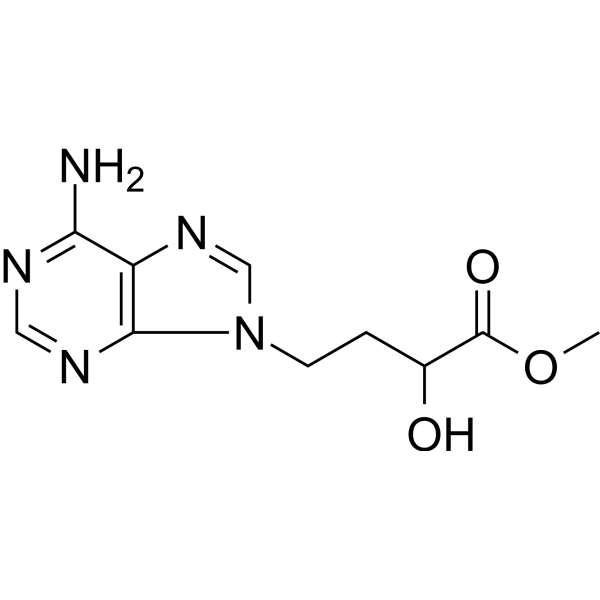 0 ImagesDZ2002 is an orally active, reversible and low-cytotoxic type III SAHH inhibitor (Ki=17.9 nM), with good immunosuppressive activity. DZ2002 prevents the development of experimental dermal fibrosis by reversing the profibrotic phenotype of various cell types. DZ2002 can be used in studies of autoimmune diseases such as lupus syndrome and systemic sclerosis.
-
NRX-0492
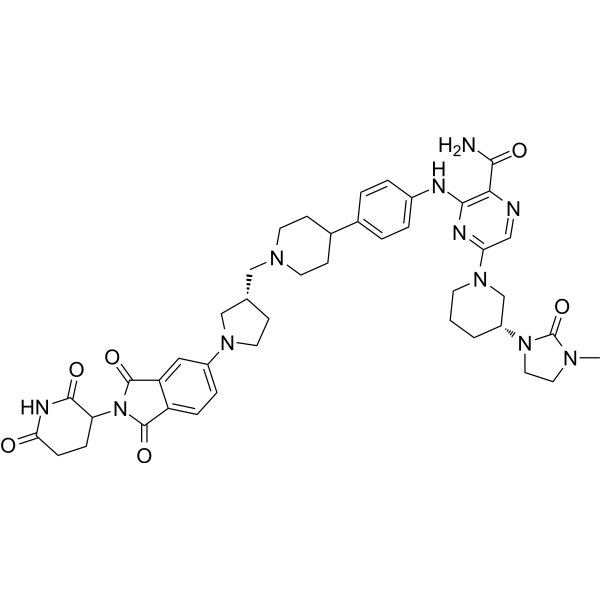 0 ImagesNRX-0492 is an orally active BTK PROTAC degrader, with a binding IC50 of 1.2 nM for both wild-type BTK and BTKT474I, and 2.7 nM for BTKC481S, and exhibits cellular DC50 values of 0.1 nM and 0.2 nM against wild-type BTK and BTKC481S, respectively. NRX-0492 catalyzes the ubiquitination and proteasomal degradation of wild-type and drug-resistant mutant BTK by recruiting the CRBN E3 ubiquitin ligase complex. NRX-0492 inhibits the BCR signaling pathway and its downstream NF-κB/MYC transcriptional program, achieves rapid and sustained degradation in primary CLL cells, and exhibits extremely low cytotoxicity. NRX-0492 degrades BTK, inhibits tumor cell proliferation and activation, and significantly suppresses tumor growth in xenograft models. NRX-0492 can be used in research related to chronic lymphocytic leukemia and diffuse large B-cell lymphoma.
-
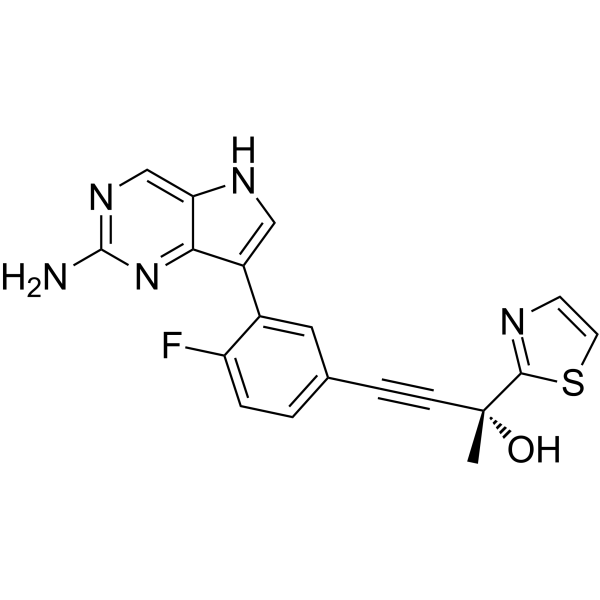
XT2
 0 ImagesXT2 is a potent, orally active, and selective inhibitor of NF-κB-inducing kinase (NIK) with an IC50 of 9.1 nM. XT2 suppresses CCl4-induced upregulation of ALT, a key biomarker of acute liver injury. XT2 also decreases immune cell infiltration into the injured liver tissue. XT2 has the potential for the research of liver inflammatory diseases. XT2 is a click chemistry reagent, it contains an Alkyne group and can undergo copper-catalyzed azide-alkyne cycloaddition (CuAAc) with molecules containing Azide groups.




