



PARP1
PARP1 (poly(ADP-ribose) polymerase 1) is a nuclear ADP-ribosyltransferase that functions as an early sensor of DNA strand breaks and catalyzes poly(ADP-ribosyl)ation to recruit DNA repair factors and coordinate chromatin remodeling at sites of genomic damage[1][2]. Mechanistically, PARP1 is a central component of the DNA damage response and plays critical roles in single-strand break repair and base excision repair through the recruitment of repair proteins such as XRCC1 and associated repair complexes[1][3]. Beyond local DNA repair, PARP1 contributes to genome surveillance by transmitting damage signals that influence repair pathway selection, replication stress responses, and maintenance of genomic stability[1][4]. In disease contexts, impaired PARP1-regulated repair can promote genomic instability, whereas elevated dependence on PARP1-mediated repair is a characteristic feature of multiple cancer models, particularly tumors with homologous recombination defects[4][5]. Compared with the related isoform PARP2, PARP1 accounts for the majority of DNA damage-induced poly(ADP-ribose) synthesis and displays distinct DNA-binding properties, including efficient recognition of single-strand DNA breaks, while PARP2 preferentially recognizes repair intermediates such as DNA gaps and flaps[3][6]. These functional distinctions support nonredundant contributions of PARP1 and PARP2 to the spatial and temporal organization of DNA repair pathways[3]. For experimental applications, PARP inhibitors have become widely used tools for investigating DNA damage responses and synthetic lethality, particularly in BRCA1/2-deficient tumor models, where suppression of PARP1-dependent repair enhances the accumulation of unrepaired DNA lesions and promotes selective cancer cell death[5][7].
References:
- [1]. Wang F, et al. PARPs and PARP inhibitors: molecular mechanisms and clinical applications. Mol Biomed. 2025 Dec 29;6(1):152. [Content Brief]
- [2]. Sciencedirect.topics.
- [3]. Yelamos J, et al. PARP-1 and PARP-2: New players in tumour development. Am J Cancer Res. 2011;1(3):328-346. Epub 2011 Jan 8. PMID: 21968702; PMCID: PMC3180065. [Content Brief]
- [4]. Petropoulos M, et al. Transcription-replication conflicts underlie sensitivity to PARP inhibitors. Nature. 2024 Apr;628(8007):433-441. [Content Brief]
- [5]. Rose M, et al. PARP Inhibitors: Clinical Relevance, Mechanisms of Action and Tumor Resistance. Front Cell Dev Biol. 2020 Sep 9;8:564601. [Content Brief]
- [6]. Szántó M, et al. Specific and shared biological functions of PARP2 - is PARP2 really a lil' brother of PARP1? Expert Rev Mol Med. 2024;26:e13.
- [7]. Underhill C, et al. A review of PARP inhibitors: from bench to bedside. Ann Oncol. 2011 Feb;22(2):268-79. [Content Brief]
-
PARP1 Related Products (218)
Related Products (218)

-
Antibodies (2)
-
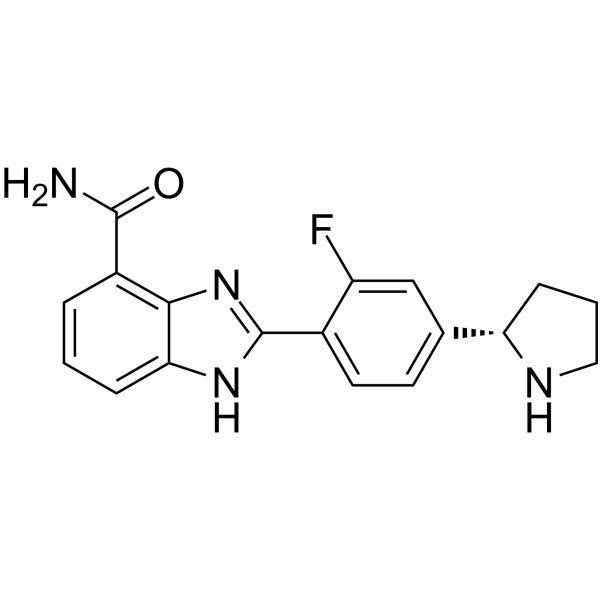
A-620223
 0 ImagesCat. No.: HY-10615CAS No.: 272769-49-0A-620223 is a PARP-1 inhibitor with a Ki of 8 nM against PARP-1 and EC50 of 3 nM in a whole cell assay. A-620223 demonstrates good in vivo efficacy in a B16F10 subcutaneous murine melanoma model in combination with Temozolomide (TMZ) (HY-17364) and in an MX-1 breast xenograph model in combination with Cisplatin (HY-17394). A-620223 can be used for the studies of melanoma and breast cancer.
-
Simmiparib
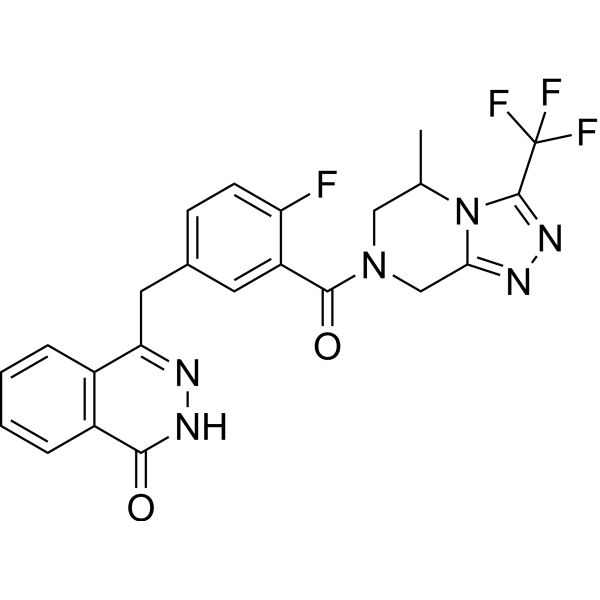 0 ImagesSimmiparib is a highly potent and orally active PARP1 and PARP2 inhibitor with IC50 values of 1.75 nM and 0.22 nM, respectively. Simmiparib has more potent PARP1/2 inhibition than its parent Olaparib (HY-10162). Simmiparib induces DNA double-strand breaks (DSB) accumulation and G2/M arrest in homologous recombination repair (HR)-deficient cells, thereby inducing apoptosis. Simmiparib exhibits remarkable anticancer activities in cells and nude mice bearing xenografts.

-
rel-PROTAC PARP1 degrader
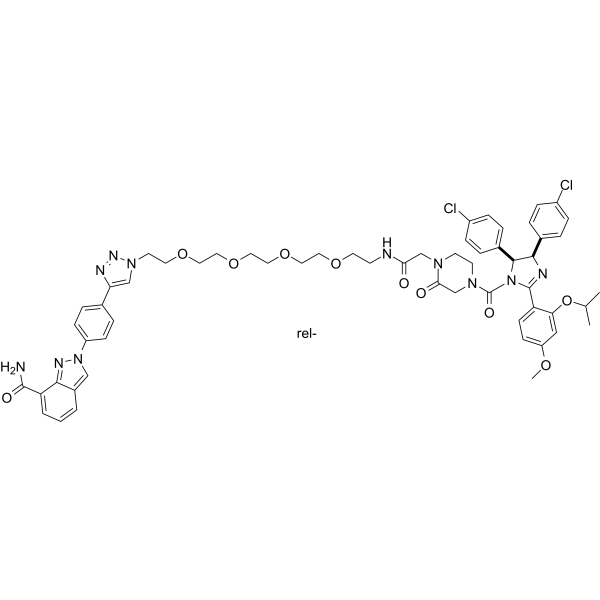 0 ImagesCat. No.: HY-114324APurity: 98.32%rel-PROTAC PARP1 degrader is the relative configuration of ROTAC PARP1 degrader (HY-114324). PROTAC PARP1 degrader is a PROTAC PARP1 degrader. PROTAC PARP1 degrader mediates the interaction between PARP1 and MDM2 E3 ubiquitin ligase, thereby inducing ubiquitination of PARP1 and subsequent proteasome-mediated degradation. PROTAC PARP1 degrader selectively inhibits the growth of breast cancer cells. PROTAC PARP1 degrader induces cell apoptosis by activating caspase-3 and phosphatidylserine externalization. PROTAC PARP1 degrader can be used in the research of triple-negative breast cancer.
-
Mefuparib hydrochloride
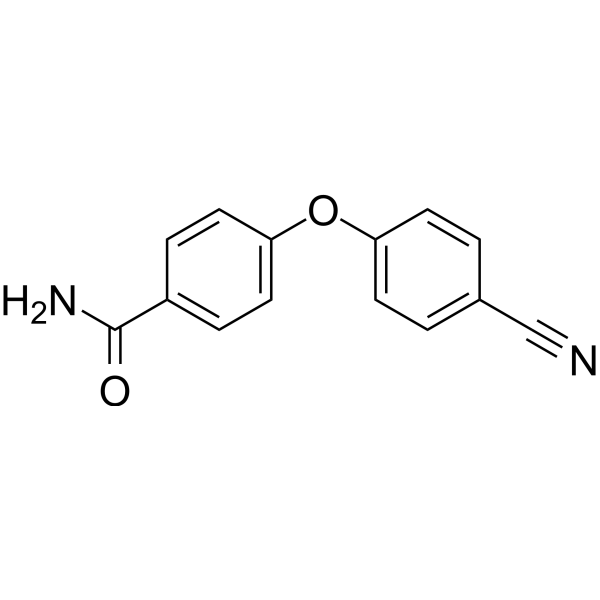
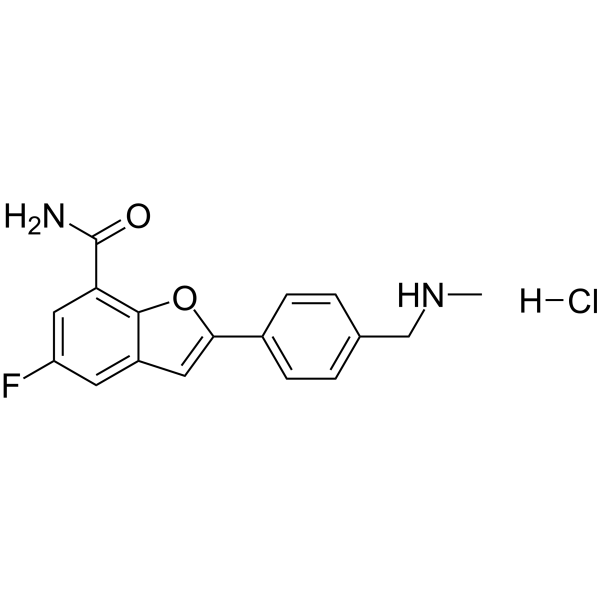 0 ImagesSynonyms: MPHMefuparib hydrochloride (MPH) is an orally active, substrate-competitive and selective PARP1/2 inhibitor with IC50s of 3.2 nM and 1.9 nM, respectively. Mefuparib hydrochloride induces apoptosis and possesses prominent anticancer activity in vitro and in vivo.

-
YCH1899
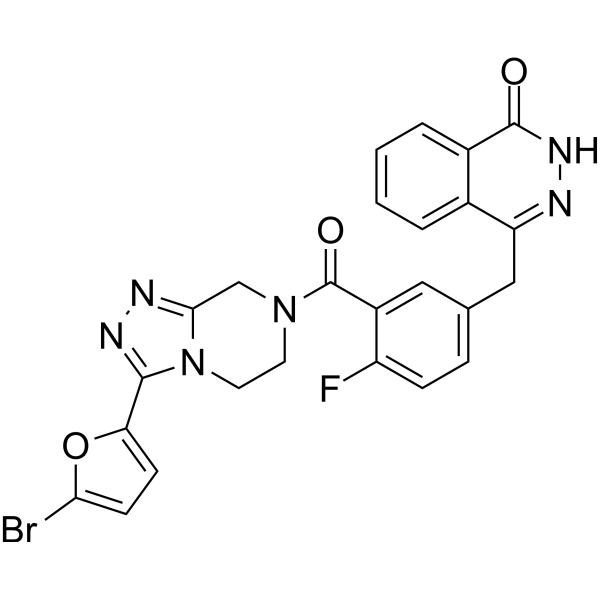 0 ImagesYCH1899 is an orally active PARP inhibitor, with an IC50< 0.001 nM for PARP1/2. YCH1899 exhibits distinct antiproliferation activity against Olaparib (HY-10162)-resistant and Talazoparib (HY-16106)-resistant Capan-1 cells (Capan-1/OP and Capan-1/TP cells) , with IC50 values of 0.89 and 1.13 nM, respectively. YCH1899 has acceptable pharmacokinetic properties in rats.
-
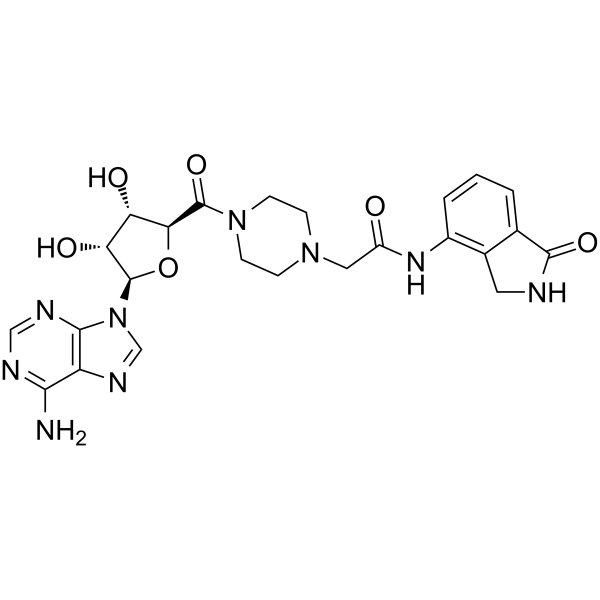
PARP-1-IN-2
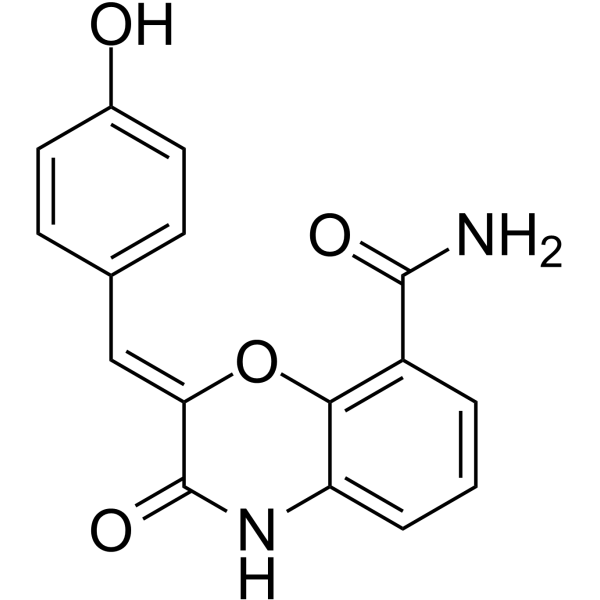
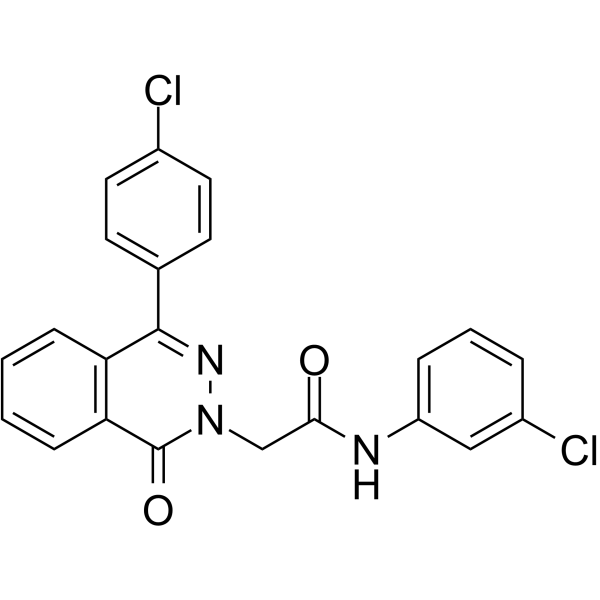 0 ImagesPARP-1-IN-2 (compound 11g) is a potent PARP1 inhibitor, with an IC50 of 149 nM, and ADME prediction indicates it has high blood-brain barrier permeability. PARP1-IN-2 shows significantly potent anti-proliferative activity against Human lung adenocarcinoma epithelial cell line A549. PARP1-IN-2 can induce A549 cells apoptosis.
-
PARP/PI3K-IN-1
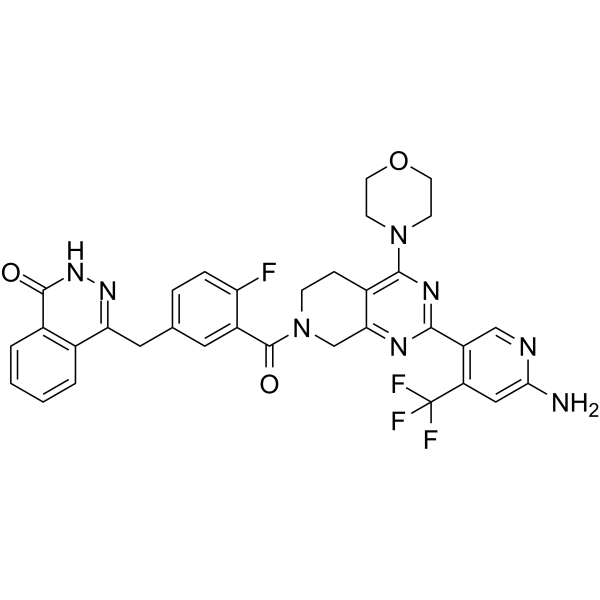 0 ImagesPARP/PI3K-IN-1 (compound 15) is a potent PARP/PI3K inhibitor with pIC50 values of 8.22, 8.44, 8.25, 6.54, 8.13, 6.08 for PARP-1, PARP-2, PI3Kα, PI3Kβ, PI3Kδ, and PI3Kγ, respectively. PARP/PI3K-IN-1 is a highly effective anticancer compound targeted against a wide range of oncologic diseases.
-
NMS-P515
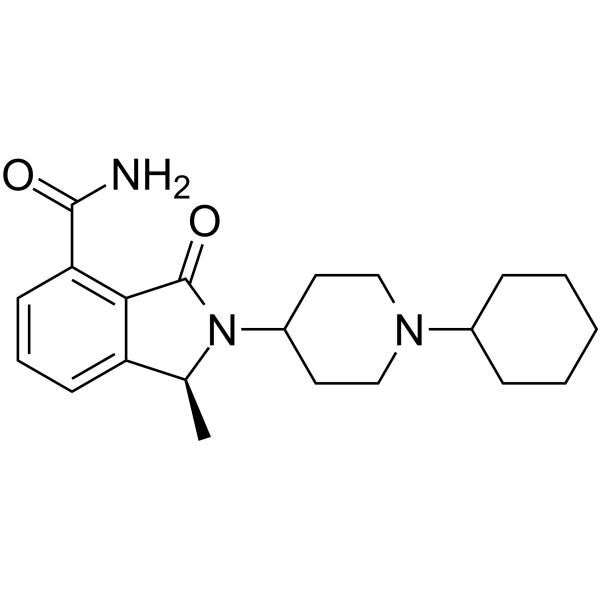 0 ImagesNMS-P515 is a potent, orally active and stereospecific PARP-1 inhibitor, with a Kd of 16 nM and an IC50 of 27 nM (in Hela cells). Anti-tumor activity.
-
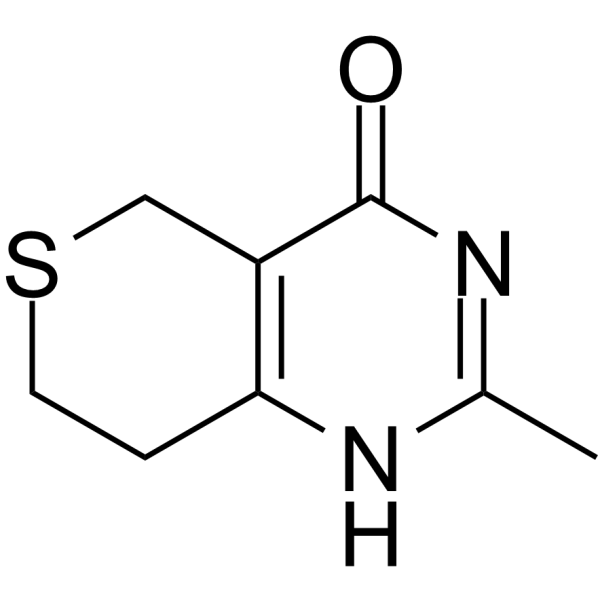
PARP1-IN-29
 0 ImagesCat. No.: HY-164475CAS No.: 1567375-93-2PARP1-IN-29 is an orally active PARP-1 inhibitor with an IC50 value of 6.3 nM. PARP1-IN-29, after being labeled with [18F], can be used for positron emission tomography (PET) imaging, specifically targeting PARP-1 in tumors. PARP1-IN-29 is applicable in the fields of oncology and imaging research, particularly for detecting PARP-1 activity in cancer.

-
N-Desmethyl clomipramine-d3 hydrochloride
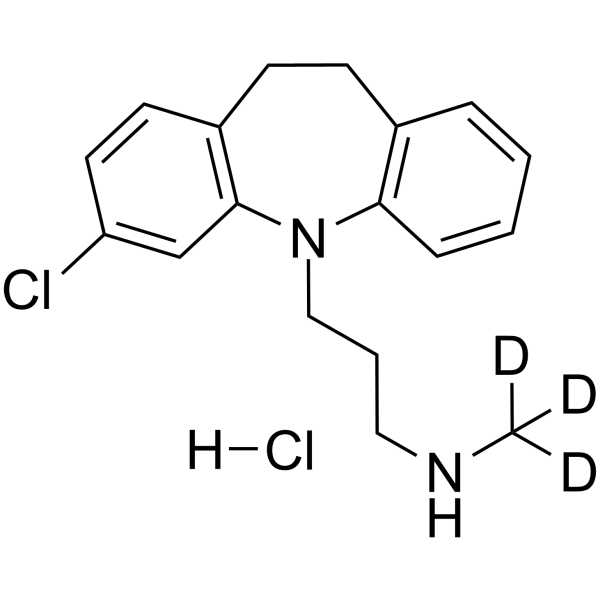 0 ImagesSynonyms: Desmethylclomipramine-d3 hydrochloride;Norclomipramine-d3 hydrochlorideN-Desmethyl clomipramine-d3 hydrochloride (Desmethylclomipramine-d3 hydrochloride; Norclomipramine-d3 hydrochloride) is the deuterated-labeled N-Desmethyl clomipramine hydrochloride (HY-12388A). N-Desmethyl clomipramine hydrochloride is the orally active major active metabolite of the tricyclic antidepressant Clomipramine (HY-B0457A), possessing multiple activities including anti-inflammatory, antioxidant, antibacterial, and antiparasitic effects. N-Desmethyl clomipramine hydrochloride blocks autophagosome-lysosome fusion, leading to the accumulation of LC3-II, p62, ATG7, WIPI2, and ATG5-12, reactivates the p53/p21 pathway, induces apoptosis through C-PARP and C-CAS3, and inhibits the proliferation, migration, and invasion of renal cancer cells. N-Desmethyl clomipramine hydrochloride inhibits LdTOPIA, inducing R-loop accumulation in the nucleus of Leishmania, ultimately causing parasite death. N-Desmethyl clomipramine hydrochloride can be used for research on depression, metastatic renal cell carcinoma, and leishmaniasis.
-
Itareparib
 0 ImagesSynonyms: NMS-03305293; NMS-293Itareparib (NMS-03305293; NMS-293) is a selective, orally active, blood-brain barrier-permeable PARP1 inhibitor with an IC50 < 0.01 μM. Itareparib does not form PARP1-DNA trapping complexes, avoids PARP-DNA "retention", reduces PAR levels and inhibits the growth of homologous recombination-deficient cells. Itareparib can be used in research on advanced solid tumors, recurrent gliomas and other conditions.




