



PDGFR
Platelet-derived growth factor receptor
PDGFR (Platelet-derived growth factor receptors) are cell surface tyrosine kinase receptors for members of the platelet-derived growth factor (PDGF) family. PDGF subunits -A and -B are important factors regulating cell proliferation, cellular differentiation, cell growth, development and many diseases including cancer. There are two forms of the PDGFR: PDGFR alpha and PDGFR beta.
PDGFR Isoform Specific Products
All Product Categories
-
PDGFR Inhibitors
(277)
View all products
-
PDGFR Antagonist
(1)
View all products
-
PDGFR Activators
(3)
View all products
-
PDGFR Modulators
(2)
View all products
-
PDGFR Chemical
(1)
View all products
-
PDGFR Degrader
(1)
View all products
-
PDGFR Control
(1)
View all products
-
PDGFR Ligands
(4)
View all products
-
PDGF-R-alpha Proteins
(12)
View all products
-
PDGF-R-beta Proteins
(8)
View all products
-
PDGFR Proteins
(22)
View all products
-
PDGFR Related Products (321)
Related Products (321)

-
Recombinant Proteins (22)
-
Antibodies (5)
-
PDGFR Isoform Comparison
-
Masitinib
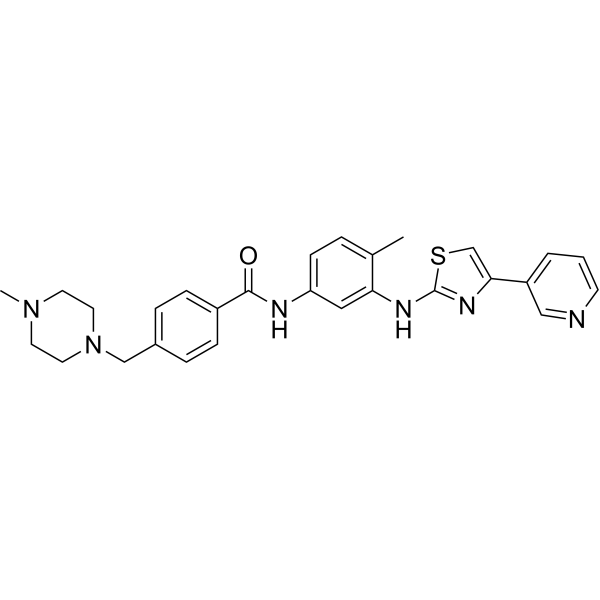 0 ImagesSynonyms: AB1010Masitinib (AB1010) is a potent, orally bioavailable, and selective inhibitor of c-Kit (IC50=200 nM for human recombinant c-Kit). It also inhibits PDGFRα/β (IC50s=540/800 nM), Lyn (IC50= 510 nM for LynB), Lck, and, to a lesser extent, FGFR3 and FAK. Masitinib (AB1010) has anti-proliferative, pro-apoptotic activity and low toxicity.
-
Vesencumab
 0 ImagesSynonyms: MNRP-1685AVesencumab (MNRP-1685A) is IG1 antibody against neuropilin-1 (NRP-1). Vesencumab binds to NRP-1 and prevents the subsequent coupling of NRP-1 to VEGFR-2. Vesencumab has anti-angiogenic and anti-neoplastic activities. Vesencumab can be used in the research of metastatic solid tumors, including ovarian cancer.
-
Velzatinib
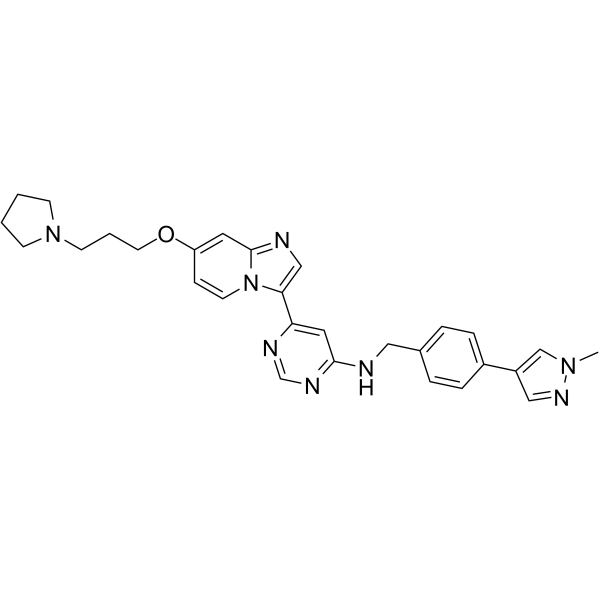 0 ImagesSynonyms: M4205; IDRX-42
-
Sennoside B
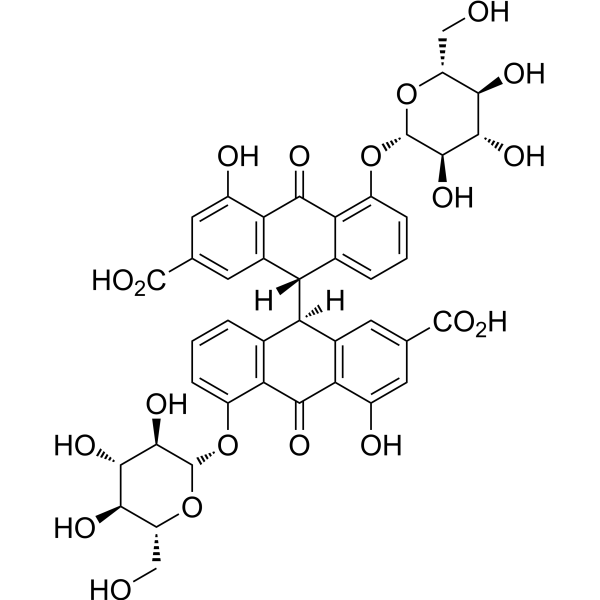 0 ImagesSennoside B is a potent and orally active platelet-derived growth factor (PDGF) inhibitor. Sennoside B inhibits cell proliferation and the expression of phosphorylation of PDGFR-β, STAT-5, AKT and ERK induced by PDGF-BB. Sennoside B shows gastroprotective activities. Sennoside B has the potential for the research of gastritis.
-
Ponatinib hydrochloride
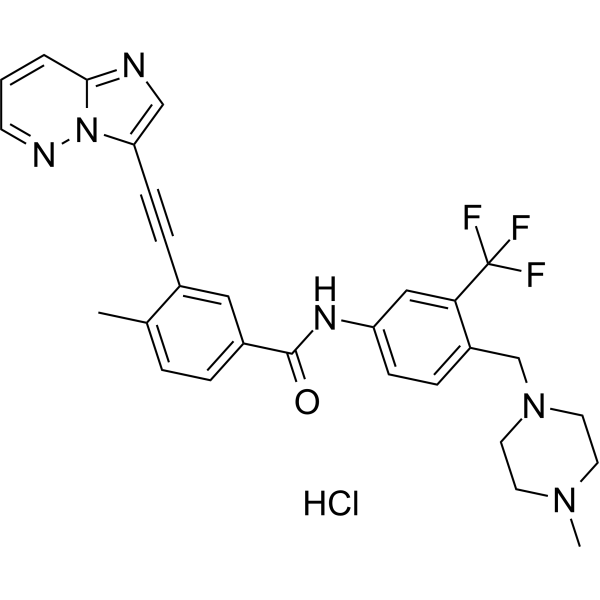 0 ImagesSynonyms: AP24534 hydrochloride
-
Regorafenib monohydrate
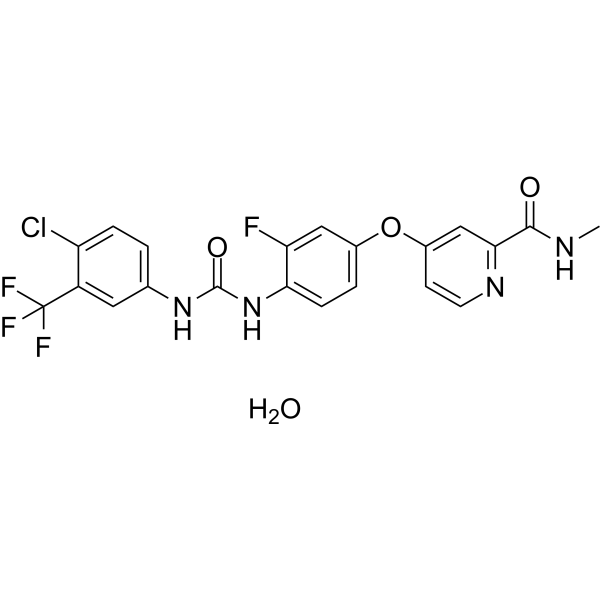 0 ImagesSynonyms: BAY 73-4506 monohydrateRegorafenib (BAY 73-4506) monohydrate is an orally active and potent multi-targeted receptor tyrosine kinase inhibitor, with IC50 values of 13/4.2/46, 22, 7, 1.5 and 2.5 nM for VEGFR1/2/3, PDGFRβ, Kit, RET and Raf-1, respectively. Regorafenib monohydrate shows very robust antitumor and antiangiogenic activity.
-
Pazopanib Hydrochloride
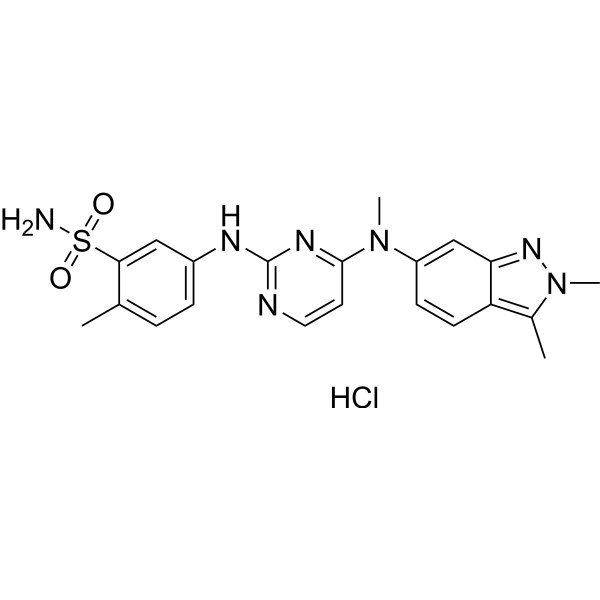 0 ImagesSynonyms: GW786034 Hydrochloride

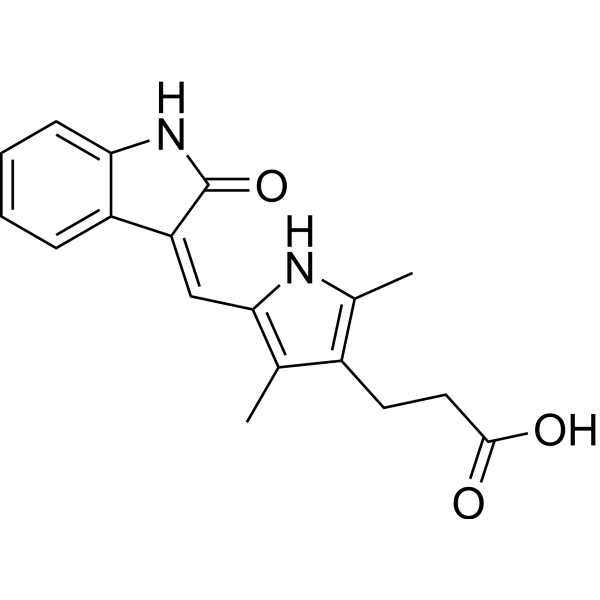
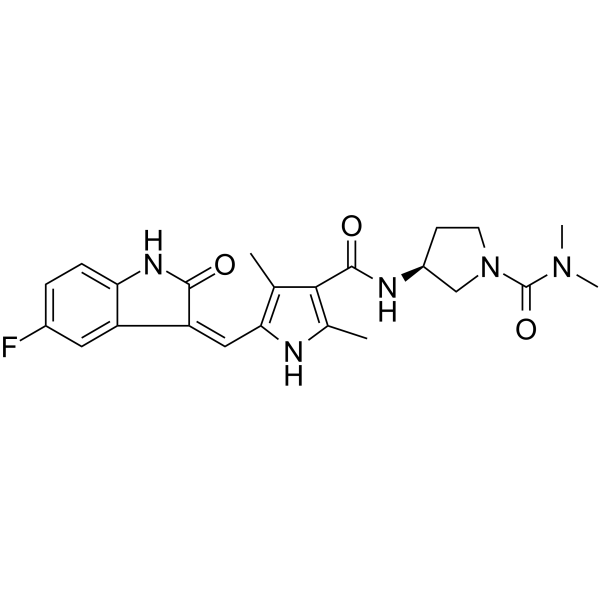
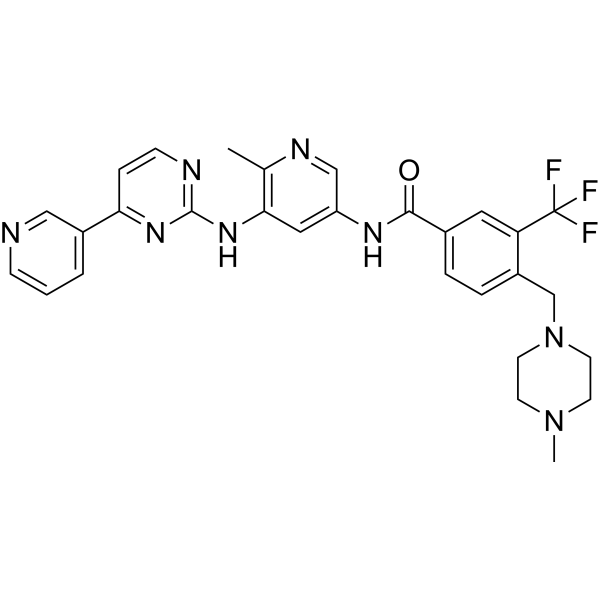
-
Pimicotinib
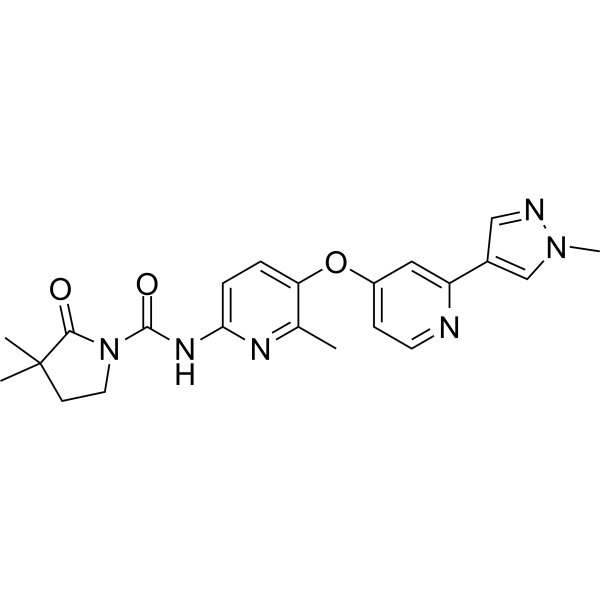 0 ImagesSynonyms: ABSK021Pimicotinib (ABSK021) is a selective and orally active CSF1R inhibitor with an IC50 value of 19.48 nM (determined by inhibiting ADP production). Pimicotinib exhibits anti-tumor activity.
-
Tyrphostin A9
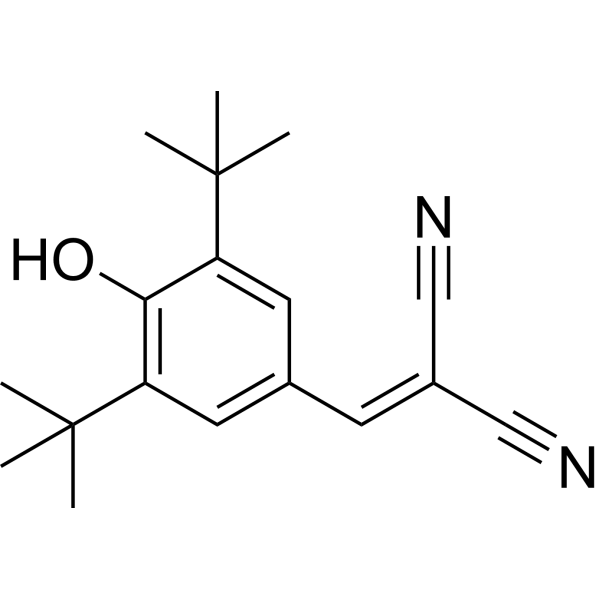 0 ImagesSynonyms: Tyrphostin 9; MalonobenTyrphostin A9, a PDGFR inhibitor, is a potent inducer of mitochondrial fission. Tyrphostin A9 emerged as the most potent and selective of 51 tyrosine kinase inhibitors tested against the TNF-induced respiratory burst. Tyrphostin A9 has anti-influenza virus activities.
-
Methylnissolin
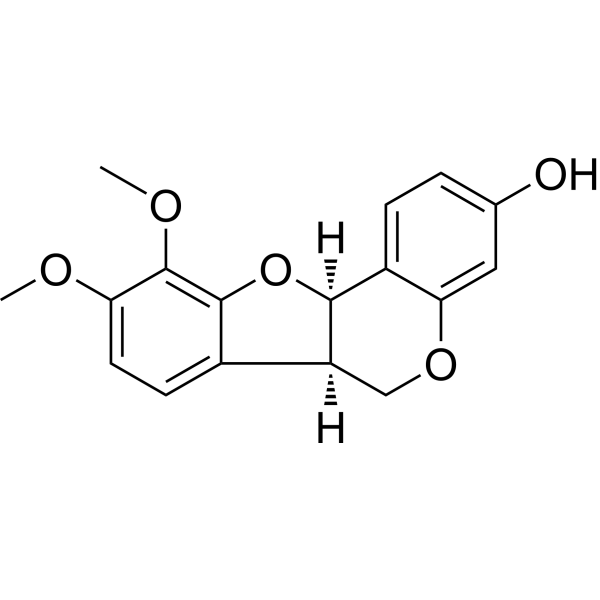 0 ImagesSynonyms: AstrapterocarpanMethylnissolin (Astrapterocarpan) is an osteoclast inhibitor with anti-inflammatory, neuroprotective and antioxidant activities. Methylnissolin downregulates the activation of the MAPK and PI3K/AKT pathways, inhibits the phosphorylation of MAPK1 and AKT1, and blocks PDGF-BB-induced phosphorylation of ERK1/2. Methylnissolin reduces the expression and secretion of proinflammatory mediators, decreases intracellular ROS levels, upregulates antioxidant enzymes, and downregulates osteoclastogenesis markers. Methylnissolin is applicable to research related to ischemic stroke, osteoporosis, cardiovascular diseases, skin aging, etc.
-
β-Glucogallin
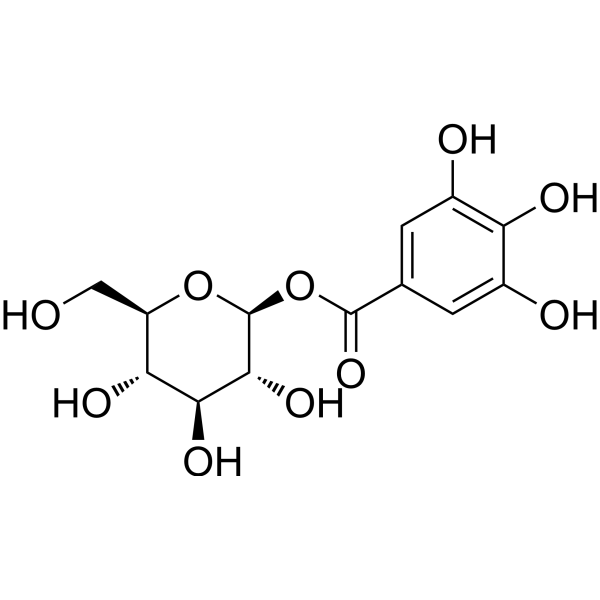 0 ImagesSynonyms: Glucogallin; 1-O-Galloyl-β-D-glucoseβ-Glucogallin is an orally active and selective aldose reductase (AKR1B1) inhibitor with an IC50 value of 58 μM when using Glyceraldehyde (HY-128748) as AKR1B1 substrate. β-Glucogallin reduces ROS, PDGF, RAGE, and NF-κB. β-Glucogallin increases SOD. β-Glucogallin has antioxidant and hepatoprotective effects. β-Glucogallin can be used in retinal research.
-
Tyrphostin AG1296
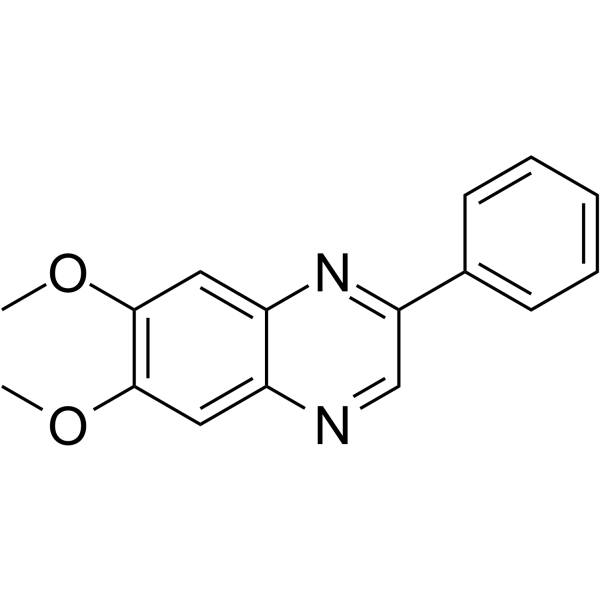 0 ImagesSynonyms: AG1296Tyrphostin AG1296 is a potent and selective inhibitor of platelet-derived growth factor receptor (PDGFR), with an IC50 of 0.8 μM. Tyrphostin AG1296 inhibits signaling of human PDGF α- and β-receptors as well as of the related stem cell factor receptor (c-Kit). Tyrphostin AG1296 is also a potent inhibitor of FLT3, with an IC50 in the micromolar range.
-
PD 174265
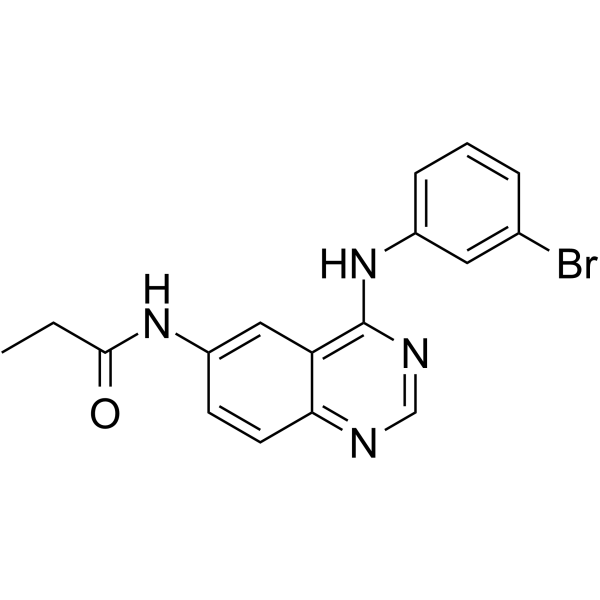 0 ImagesPD 174265 is a highly selective, reversible EGFR/ErbB2 tyrosine kinase inhibitor (IC50=0.45 nM) and cell differentiation inducer. By blocking receptor autophosphorylation and the downstream ERK signaling pathway (with an IC50 of 0.45 μM for full-length ERK), PD 174265 effectively inhibits tumor growth and exhibits antitumor activity without obvious toxicity in in vivo models. PD 174265 drives oligodendrocyte precursor cells to switch from a proliferative state to a differentiated state, significantly upregulates the expression of myelin proteins such as CNP, PLP and MBP, and induces neurite branching. PD 174265 shows no inhibitory effect on other kinases including insulin, PDGF and basic FGF receptors, and serves as a crucial tool molecule for investigating the treatment of human epidermoid carcinoma and the mechanism of myelin repair in multiple sclerosis.




