



PGE synthase Inhibitor
-
Aureusidin
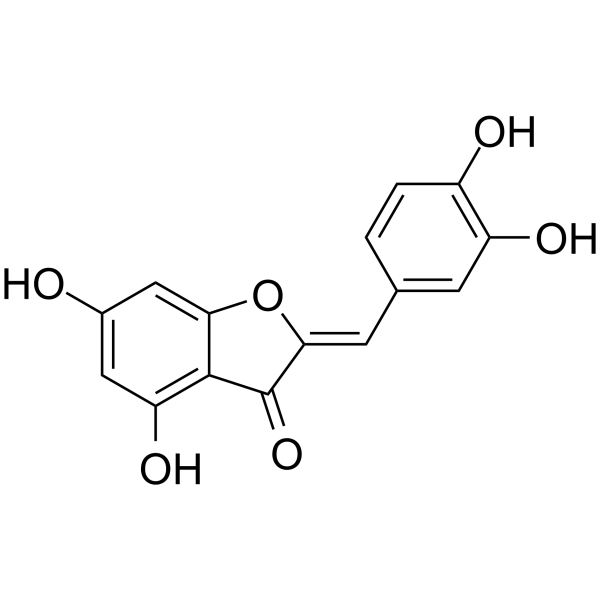 0 ImagesCat. No.: HY-N9834CAS No.: 38216-54-5
Aureusidin is a flavonoid compound that is isolated and extracted from Antirrhinum majus and exhibits oral activity. Aureusidin possesses antioxidant, neuroprotective, and anti-inflammatory properties. Aureusidin directly targets and binds MD2 and Caspase-3 with high affinity, synergistically inhibits the TLR4/NF-κB inflammatory pathway and GSDME-mediated pyroptosis, and activates the Nrf2/HO-1 antioxidant axis via the ROS/MAPKs pathway. Aureusidin is a bovine liver arginase inhibitor with an IC50 of 57.1 µM. Aureusidin is used for research on inflammation-related diseases (osteoarthritis), acute liver injury, and endothelial dysfunction.
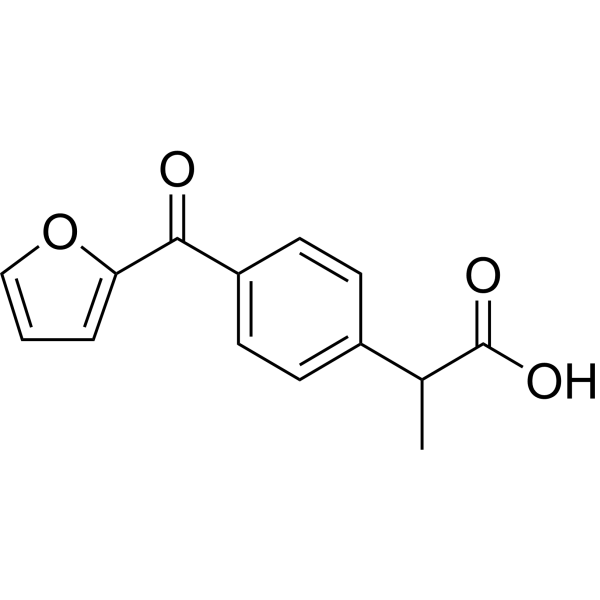
-
PF-9184
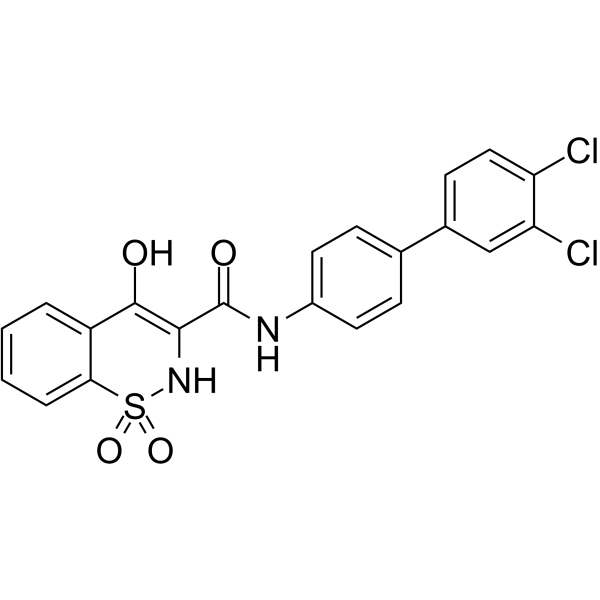 0 Images
PF-9184 is a potent and highly selective inhibitor of human microsomal prostaglandin E synthase-1 (mPGES-1), with an IC50 of 16.5 nM. PF-9184 inhibits IL-1β-induced PGE2 synthesis in vitro.
-
Friluglanstat
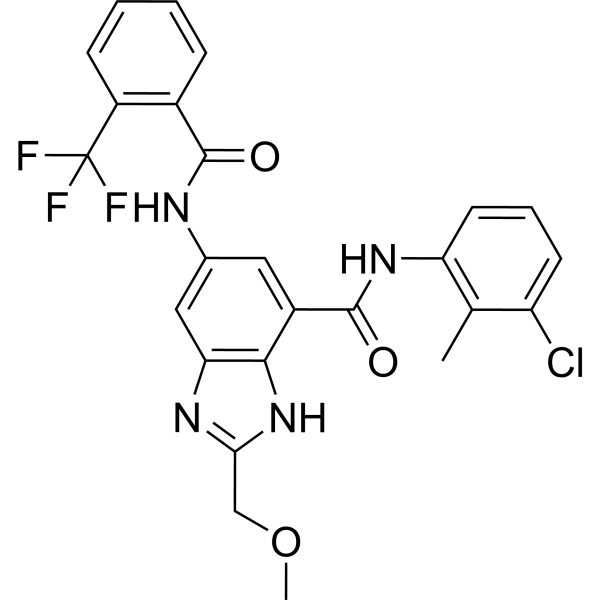 0 Images
Friluglanstat is a prostaglandin E synthase (mPGES-1) inhibitor, with anti-inflammatory activity.
-
HPGDS inhibitor 2
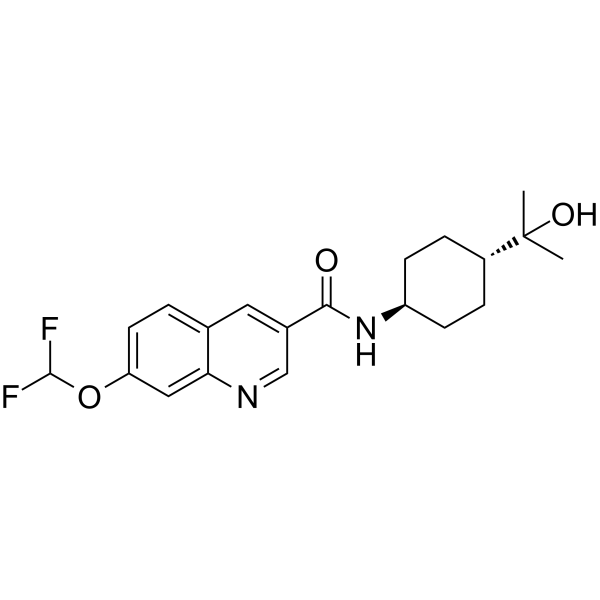 0 Images
HPGDS inhibitor 2 is a highly potent and selective hematopoietic prostaglandin D synthase (H-PGDS) inhibitor with an IC50 of 9.9 nM.
-
Yangambin
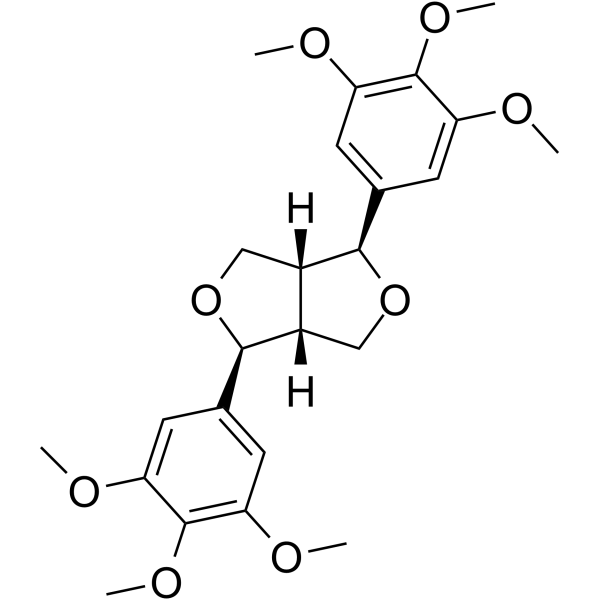 0 Images
Yangambin is a PAF receptor antagonist and UGT1A1/UGT1A3 inhibitor, with an IC50 of 29.7 μM and a Ki of 17.1 μM against human UGT1A1, and an IC50 of 56.5 μM and a Ki of 66.8 μM against human UGT1A3. Yangambin blocks PAF-mediated responses, inhibits LTB4-mediated neutrophil infiltration, and suppresses inflammatory events and anaphylactic contraction. Yangambin acts as a central nervous system inhibitor to reduce spontaneous activity, and also exhibits analgesic, anticonvulsant, antileishmanial, vasodilatory and hypotensive effects. Yangambin blocks voltage-gated Ca2+ channels, reduces the production of NO, TNF-α, IL-6 and PGE2 in cells, increases the production of IL-10, and exerts a protective effect against cardiovascular injury. Yangambin can be used in research related to allergies, cutaneous leishmaniasis, central nervous system diseases and cardiovascular diseases.
-
Hydralazine-d4 (hydrochloride)
 0 ImagesCat. No.: HY-B0464SCAS No.: 2749234-32-8
Hydralazine-d4 hydrochloride is the deuterium labeled Hydralazine hydrochloride. Hydralazine hydrochloride is an orally active, blood-brain barrier-permeable DNA methyltransferase inhibitor with vasodilatory, arterial smooth muscle relaxant and hypotensive activities. Hydralazine hydrochloride reactivates silenced tumor suppressor genes via mediating DNA demethylation, while exerting neuroprotective and anti-inflammatory properties. Hydralazine hydrochloride inhibits NOS-2 (iNOS) and COX-2, and reduces the production of NO and PGEE2; meanwhile, Hydralazine hydrochloride scavenges reactive oxygen species and inhibits macrophage activation. Hydralazine hydrochloride alleviates motor dysfunction, neuropathic inflammatory pain, and formalin-induced somatic and emotional pain responses. In addition, Hydralazine hydrochloride directly induces DNA strand breaks and sister chromatid exchange, exhibiting certain mutagenic characteristics. Hydralazine hydrochloride has been widely used in studies on hypertension, various cancers (such as cervical cancer, leukemia), spinal cord injury and the mechanisms of inflammatory pain.
-
Withaphysalin A
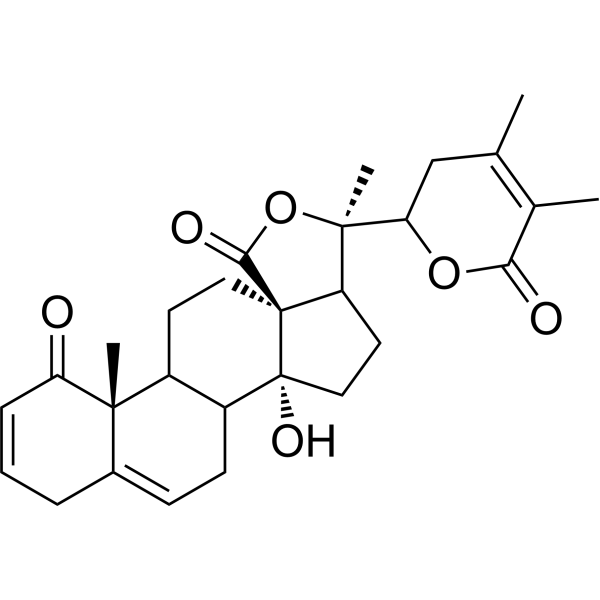 0 Images
Withaphysalin A is a withanolide compound with anti-inflammatory and antioxidant activities. Withaphysalin A inhibits LPS (HY-D1056)-induced nuclear translocation of NF-κB p65, as well as phosphorylation of STAT3, ERK, JNK and p38 MAPK. Withaphysalin A upregulates the expression of HO-1. Withaphysalin A inhibits LPS-induced production of NO, PGE2, IL-1β, IL-6 and TNF-α. Withaphysalin A downregulates LPS-induced expression of iNOS and COX-2. Withaphysalin A interacts with B-cell activating factor protein (BAFF) to exert inhibitory effects. Withaphysalin A exhibits ELOVL6 inhibitory activity. Withaphysalin A can be used in the research of inflammatory diseases, nephrotic syndrome and chronic myeloid leukemia.
-
Prostaglandin E2 Inhibitor 3
 0 ImagesCat. No.: HY-169858CAS No.: 3054217-03-4
Prostaglandin E2 Inhibitor 3 (Compound 3) is a selectivity microsomal prostaglandin E synthase-1 (mPGES-1) inhibitor (IC50 = 0.2 µM). Prostaglandin E2 Inhibitor 3 has higher selectivity for mPGES-1 than cyclooxygenases (COX)-1/2, 5-lipoxygenase (5-LO), and soluble epoxide hydrolase (sEH). Prostaglandin E2 Inhibitor 3 has anti-inflammatory activity and can attenuate zymosan-induced peritoneal leukocyte migration in mice.
-
4-Acetylaminoantipyrine
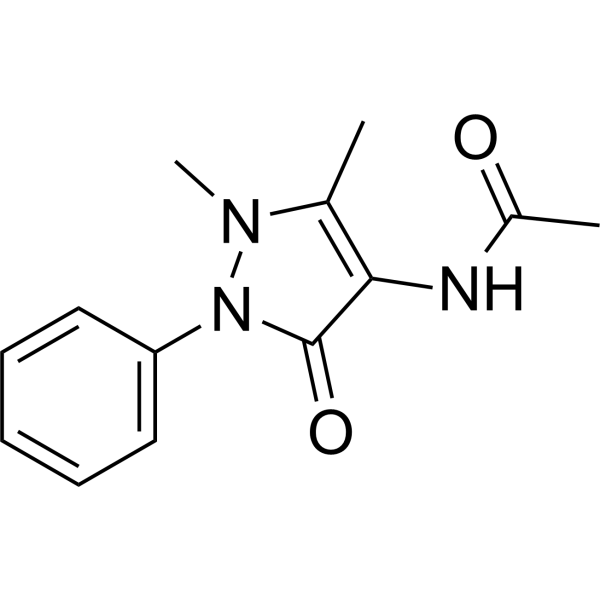 0 Images
4-Acetylaminoantipyrine (4-AA) is a derivative of antipyrine (HY-B0171). 4-Acetylaminoantipyrine acts as a PGE2-dependent blocker and inhibitor of cyclooxygenase (COX). 4-Acetylaminoantipyrine can inhibit Cu/ZnSOD. 4-Acetylaminoantipyrine can spontaneously bind with bovine serum albumin (BSA) and alter its conformation.
-
(E)-KME-4
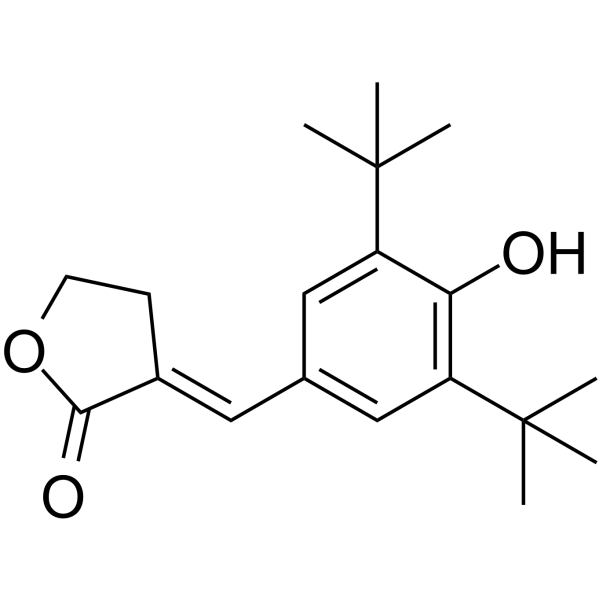 0 ImagesSynonyms: PGS-IN-1
(E)-KME-4 is a potent inhibitor of prostaglandin synthetase (PGS) with an IC50 of 0.28 μM; also inhibits 5-lipoxygenase with an IC50 of 1.05 μM.
-
AT-56 (Standard)
 0 Images
AT-56 (Standard) is the analytical standard of AT-56. This product is intended for research and analytical applications. AT-56 is a potent, selective and orally active inhibitor of lipocalin-type prostaglandin D synthase (L-PGDS), with an IC50 of 95 μM and Ki of 75 μM. AT-56 could selectively suppress the drowsiness or pain reaction mediated by L-PGDS-catalyzed PGD2.
-
HPGDS inhibitor 3
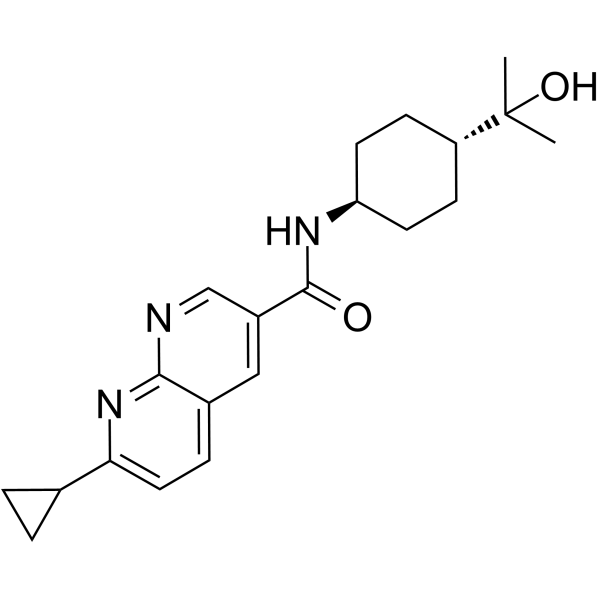 0 ImagesCat. No.: HY-146662CAS No.: 2255311-93-2
HPGDS inhibitor 3 is an orally active and highly potent peripherally restricted hematopoietic prostaglandin D synthase (H-PGDS) inhibitor with IC50 value of 9.4 nM and EC50 of 42 nM, respectively. HPGDS inhibitor 3 exhibits good selectivity, good pharmacokinetic parameters in mouse, rat, and dog, and no CNS toxicity. HPGDS inhibitor 3 has anti-inflammatory activity.
-
Sargachromanol E
 0 ImagesCat. No.: HY-123364CAS No.: 856414-54-5
Sargachromanol E is an apoptosis inducer, anti-inflammatory agent, and anti-aging agent. Sargachromanol E activates caspase-3, mediates PARP cleavage, downregulates Bcl-xL and upregulates Bax levels, and drives sub-G1 phase cell cycle arrest, inhibits LPS-induced COX-2 and iNOS transcription and expression (NO: IC50 = 6.99 μg/mL), reduces p38 MAPK and ERK1/2 phosphorylation levels, and suppresses the release of pro-inflammatory mediators such as TNF-α, IL-1β, and prostaglandin E2 (PGE2). Sargachromanol E can be used for research on skin aging, leukemia, oral squamous cell carcinoma, and inflammation-related studies.
-
Tectorigenin sodium sulfonate
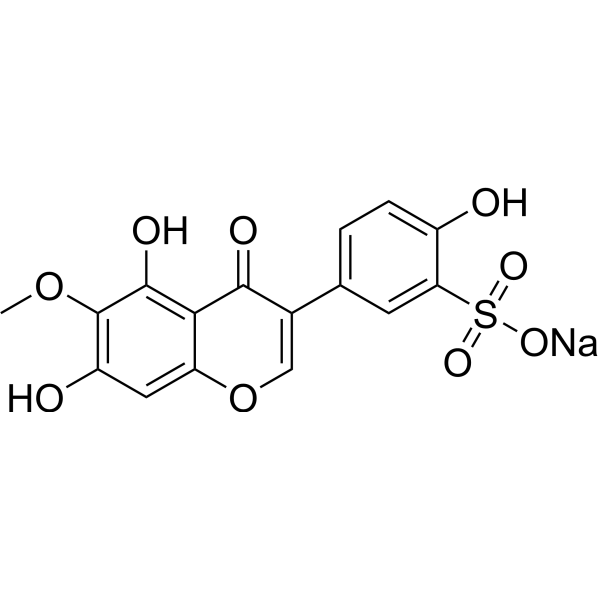 0 ImagesCat. No.: HY-N7878CAS No.: 807636-25-5
Tectorigenin sodium sulfonate is the product of tectorigenin sulfonated with sulfuric acid and mixed with saturated salt water. Tectorigenin sodium sulfonate has high water-solubility and good antioxidant properties.
-
Oxoglaucine
 0 Images
Oxoglaucine (O-Methylatheroline) is a natural product with multiple activities including autophagy activation, anti-inflammation, antibacterial activity, and immunoregulation. Oxoglaucine inhibits the TRPV5/calmodulin/CAMK-II pathway, suppresses TGFβ-induced Smad2 phosphorylation by upregulating Smad7, blocks Ca2+ influx, activates autophagy, alleviates apoptosis and inflammation, inhibits ROS production and the expression of fibrosis markers in hepatocytes, and regulates immune cell populations and responses. Oxoglaucine protects against infections caused by Candida albicans and Klebsiella pneumoniae, and exerts effects on adjuvant-induced arthritis. Oxoglaucine can be used in studies related to arthritis, liver fibrosis, bacterial infections, and fungal infections.
-
U-51605
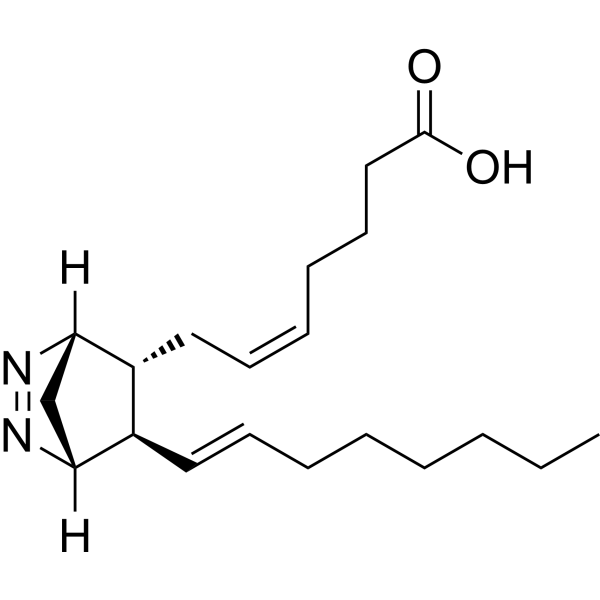 0 ImagesCat. No.: HY-129199CAS No.: 64192-56-9
U-51605 is a platelet aggregation inhibitor and inhibits thromboxane synthesis. U-51605 is also a prostaglandin I2 synthase inhibitor and can inhibit the retinal vasodilation response induced by NO donors (such as NOR3).
-
Linderaspirone A
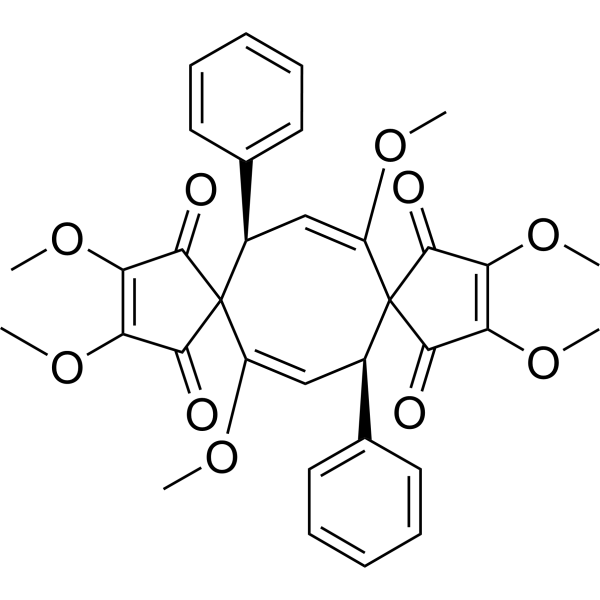 0 ImagesCat. No.: HY-N3380CAS No.: 1235126-46-1
Linderaspirone A is a natural compound that can be isolated from the roots of Lindera aggregate. Linderaspirone A shows significant inhibitory effects on the production of prostaglandin E2 (PGE2),TNF-α, and IL-6 .
-
CAY10589
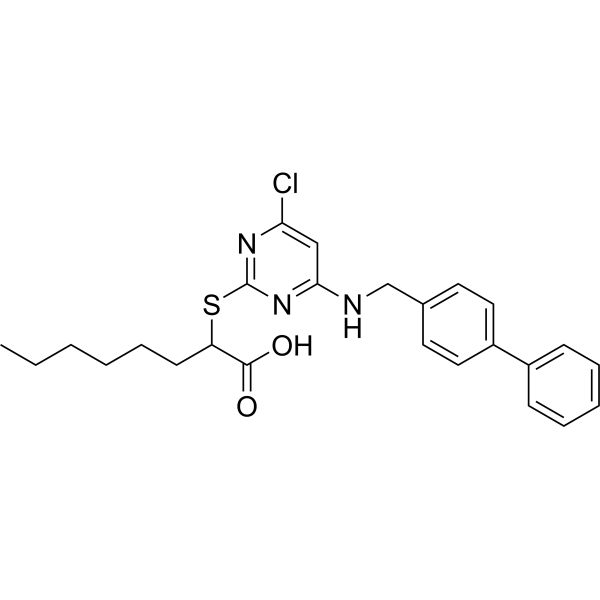 0 ImagesCat. No.: HY-117008CAS No.: 1077626-52-8
CAY10589 is an inhibitor of mPGES-1, an enzyme induced during inflammatory responses. CAY10589 has no significant effect on the differentiation of BM myeloid precursor cells into M2-like TAMs.
-
(9S,13R)-12-Oxo phytodienoic acid-d5
 0 ImagesCat. No.: HY-118828ASCAS No.: 2692624-08-9Synonyms: (9S,13R)-12-OPDA-d5
(9S,13R)-12-Oxo phytodienoic acid-d5 ((9S,13R)-12-OPDA-d5) is the deuterated-labeled (9S,13R)-12-Oxo phytodienoic acid (HY-118828A). (9S,13R)-12-Oxo phytodienoic acid ((9S,13R)-12-OPDA) is a mPGES-1 inhibitor and Nrf2 activator. (9S,13R)-12-Oxo phytodienoic acid selectively inhibits mPGES-1 expression and reduces inducible PGE2 production without affecting COX-1 or COX-2. (9S,13R)-12-Oxo phytodienoic acid inhibits the phosphorylation of IKKβ, IκBα, and NF-κB (p65), blocks the nuclear translocation of p65, increases the nuclear translocation of Nrf2, and upregulates HO-1 expression. (9S,13R)-12-Oxo phytodienoic acid inhibits the differentiation of M0 macrophages toward the M1 phenotype and promotes differentiation toward the M2 phenotype. (9S,13R)-12-Oxo phytodienoic acid decreases the levels of NO, PGE2, IL-1β, IL-6, iNOS, and PGD2. (9S,13R)-12-Oxo phytodienoic acid can be used for inflammation research.



