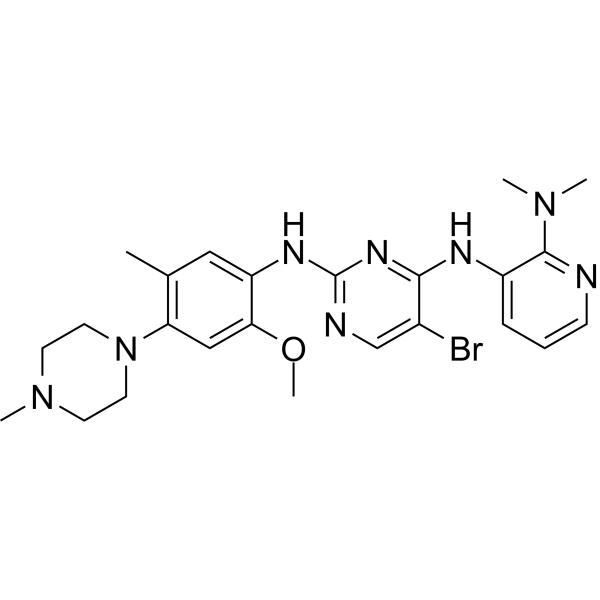
STAT Inhibitor
-
CAY10526
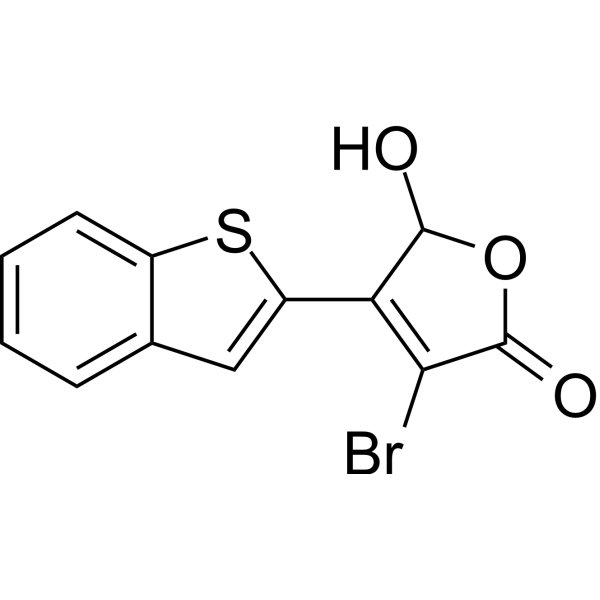 0 Images
CAY10526 is an inhibitor of Y-box binding protein 1 (YB-1) and microsomal prostaglandin E2 synthase 1 (mPGES1). CAY10526 inhibits the production of PGE2 by suppressing YB-1 and mPGES1. CAY10526 induces cell apoptosis (apoptosis) and inhibits the JAK/STAT, TGF-β/Smad3 and PI3K/AKT signaling pathways. CAY10526 can be used in research related to melanoma, prostate cancer, esophageal adenocarcinoma, T-cell lymphoma, etc.
-
STAT3-IN-13
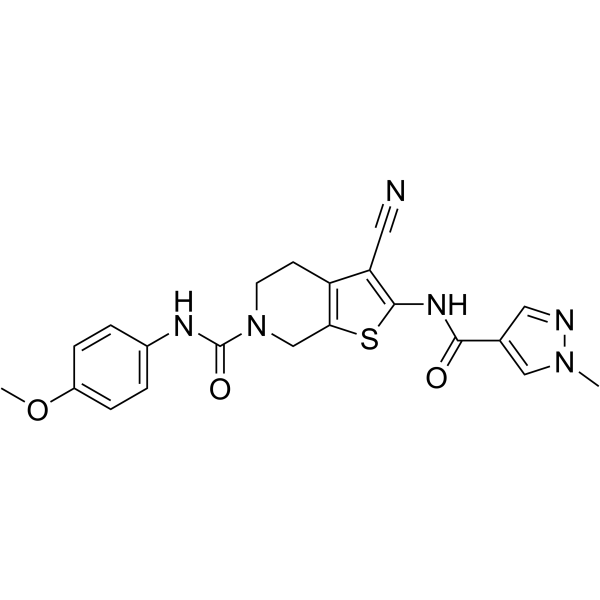 0 Images
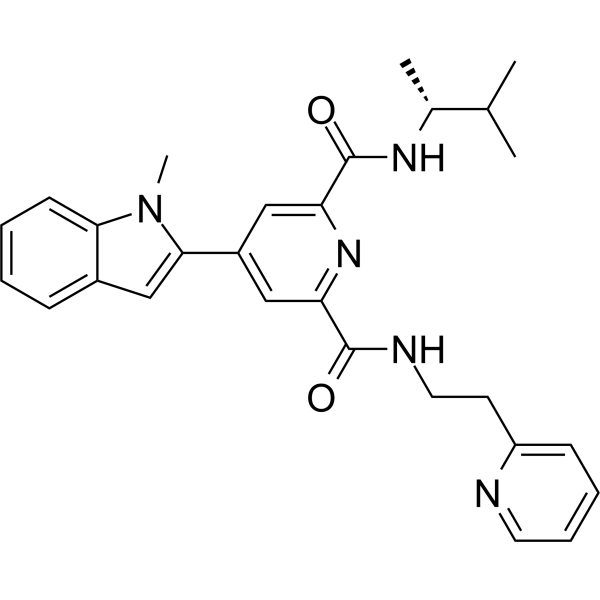
STAT3-IN-13 (compound 6f) is a potent STAT3 inhibitor. STAT3-IN-13 has anti-proliferative effects and binds to the STAT3 SH2 domain with a KD of 0.46 μM. STAT3-IN-13 inhibits the phosphorylation of STAT3 Y705 and downstream target gene expression. STAT3-IN-13 induces apoptosis in vitro and suppresses the growth and metastasis of tumor in vivo. STAT3-IN-13 can be used for cancer research.
-
Danvatirsen
 0 ImagesSynonyms: AZD9150
Danvatirsen (AZD9150) is an antisense oligonucleotide targeting STAT3. Danvatirsen reduces the viability and promotes apoptosis of leukemia cell lines. Danvatirsen inhibits the expression of endogenous STAT3 and its downstream target genes, and reduces the proliferation and tumorigenicity of neuroblastoma and lymphoma cells. Danvatirsen inhibited tumor growth in mouse models of neuroblastoma, lymphoma, and non-small cell lung cancer. Danvatirsen achieves STAT3 mRNA and protein depletion in a mouse model of epidermoid carcinoma. Danvatirsen can be used in research related to lymphoma, myelodysplastic syndrome, acute myeloid leukemia, neuroblastoma and non-small cell lung cancer.
-
L-Glutamine-13C5,15N2
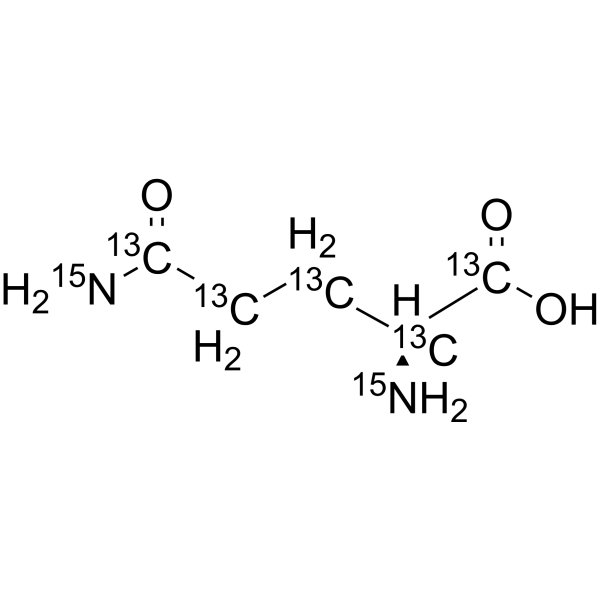 0 ImagesSynonyms: L-Glutamic acid 5-amide-13C5,15N2
L-Glutamine-13C5,15N2 is the 13C- and 15N-labeled L-Glutamine (HY-N0390). L-Glutamine is an orally active nutritional agent and cellular metabolism regulator. L-Glutamine is taken up in a Na+-dependent manner and targets multiple key molecules including glutaminase, mTORC1, NF-κB, STAT-3 and HIF-1α. L-Glutamine enhances glutaminolytic catabolism, drives the conversion of glutamate to α-ketoglutarate, thereby regulating gene expression, integrating metabolic signals, mediating glutamine flux and maintaining redox homeostasis. L-Glutamine also promotes cell proliferation, osteogenic differentiation and fracture healing, exerts neuroprotective and cardioprotective effects, and inhibits osteoarthritis. L-Glutamine can be applied to research related to osteoporosis, osteoarthritis, ischemic stroke and acute cantharidin-induced cardiotoxicity.
-
Gliquidone
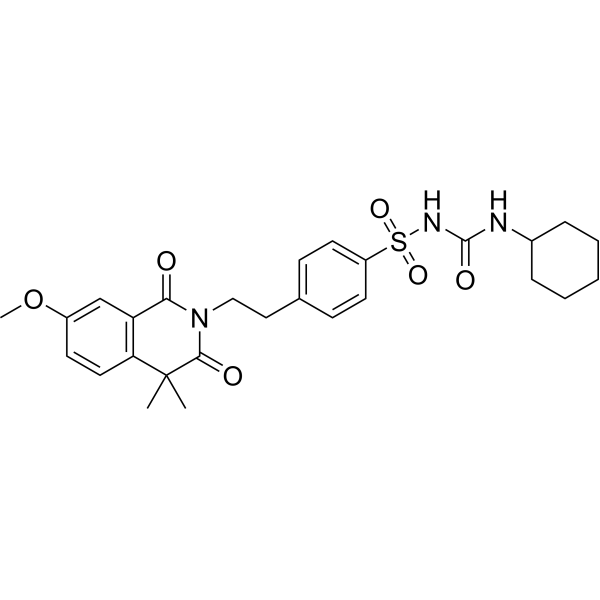 0 ImagesSynonyms: AR-DF 26
Gliquidone can bind to the pancreatic β-cells and increases insulin release to regulate blood glucose levels. Gliquidone significantly decreases LPS (HY-D1056)-induced proinflammatory responses and inhibits ERK/STAT3/NF-κB phosphorylation in BV2 microglial cells. Gliquidone can suppress microgliosis, microglial hypertrophy mediated by LPS, and proinflammatory cytokine COX-2 and IL-6 levels in murine model. Gliquidone also exhibits good anticancer activity in lung carcinoma cells. Gliquidone has antioxidant property. Gliquidone can be studied in research for type 2 diabetes and cancers.
-
Ponicidin
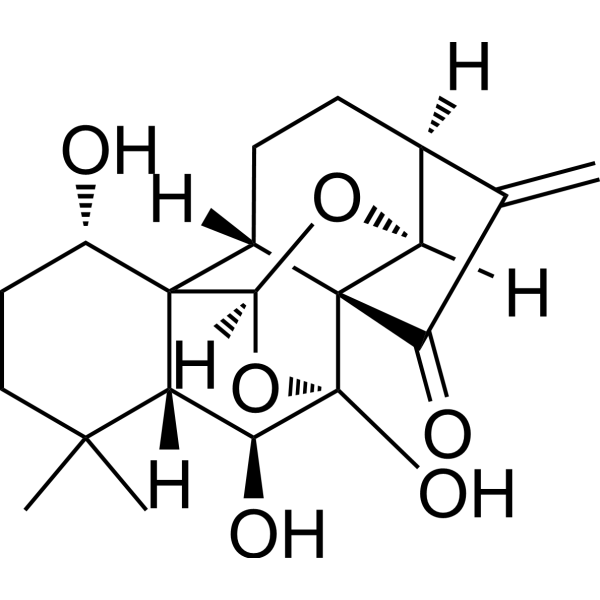 0 ImagesSynonyms: Rubescensine B
Ponicidin (Rubescensine B) is an orally active RIPK1 inhibitor with a Kd value of 135 nM. Ponicidin inhibits the JAK2/STAT3 pathway to induce apoptosis, activates the PI3K/Akt pathway, upregulates SIRT1 expression, alleviates oxidative stress, suppresses inflammatory responses and necroptosis, and blocks cell cycle progression. Ponicidin induces ROS production to exert antiproliferative and antiviral effects, while also improving cognitive function and reducing Aβ plaque deposition. Ponicidin can be used in studies related to hepatocellular carcinoma, Alzheimer's disease, and gastric cancer.
-
Fraxinellone
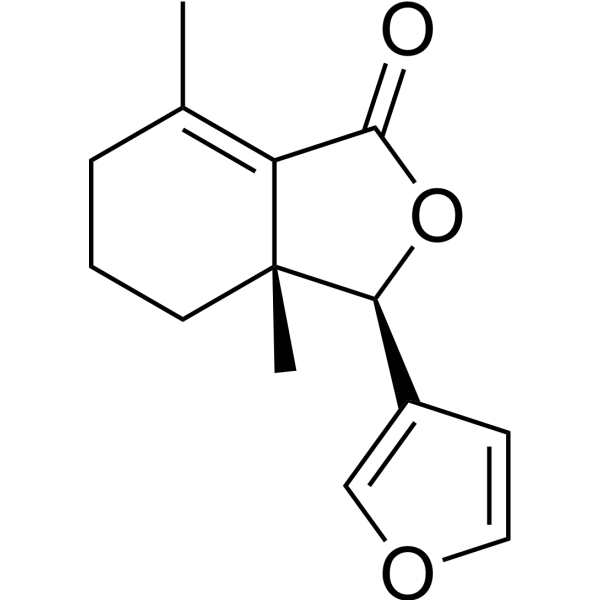 0 Images
Fraxinellone is isolated from the root bark of the Rutaceae plant, Dictamnus dasycarpus. Fraxinellone is a PD-L1 inhibitor and inhibits HIF-1α protein synthesis without affecting HIF-1α protein degradation. Fraxinellone has the potential to be a valuable candidate for cancer treatment by targeting PD-L1.
-
Tricarbonyldichlororuthenium(II) dimer
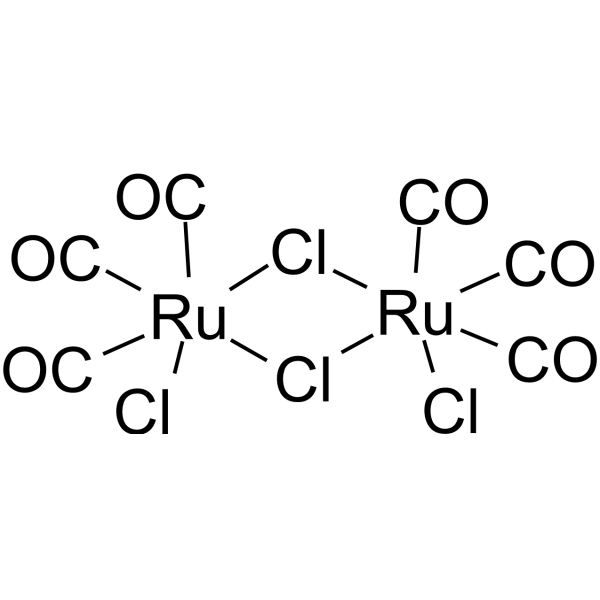 0 ImagesSynonyms: CORM-2
Tricarbonyldichlororuthenium(II) dimer (CORM-2) is a CO-releasing molecule. Tricarbonyldichlororuthenium(II) dimer exhibits anti-inflammatory, antioxidant, and gastric mucosa-protective activities. Additionally, Tricarbonyldichlororuthenium(II) dimer has CO-independent functional effects on multiple potassium channels.
-
NT219
 0 Images
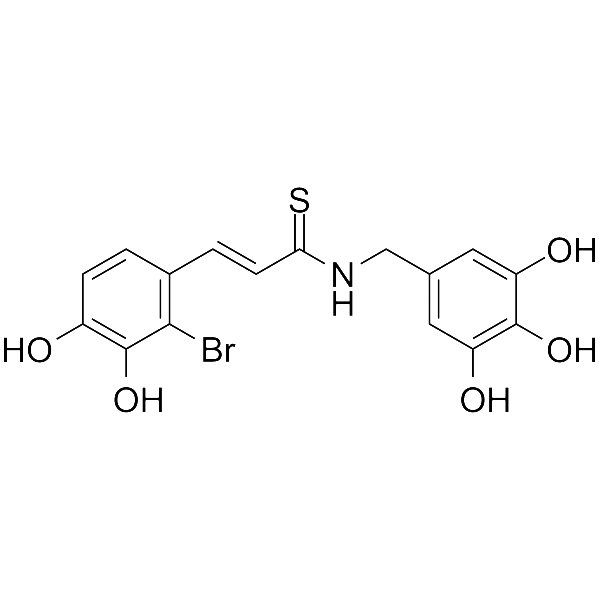
NT219 is a potent and dual inhibitor of insulin receptor substrates 1/2 (IRS1/2) and STAT3. IRS1/2 and STAT3 are major signaling junctions regulated by various oncogenes. NT219 affects IRS1/2 degradation and inhibits STAT3 phosphorylation. NT219 has the potential for the research of cancer diseases.
-
Iruplinalkib
 0 ImagesSynonyms: WX-0593
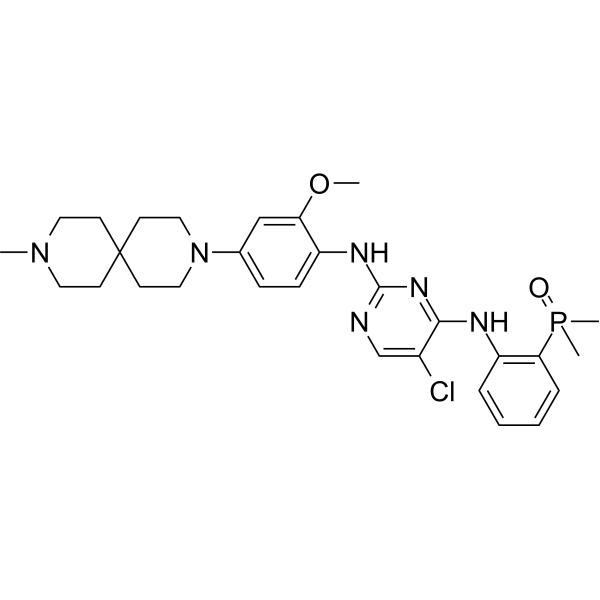
Iruplinalkib (WX-0593) is an orally active and selective ALK/ROS1 inhibitor. Iruplinalkib can effectively inhibit tyrosine autophosphorylation of ALK and mutant ALK, EGFR, with the IC50 between 5.38 and 16.74 nM. Iruplinalkib is also a suppressive agent of the transporter MATE1, MATE2K, P-gp and BCRP. Iruplinalkib can be used in the study of non-small cell lung cancer.
-
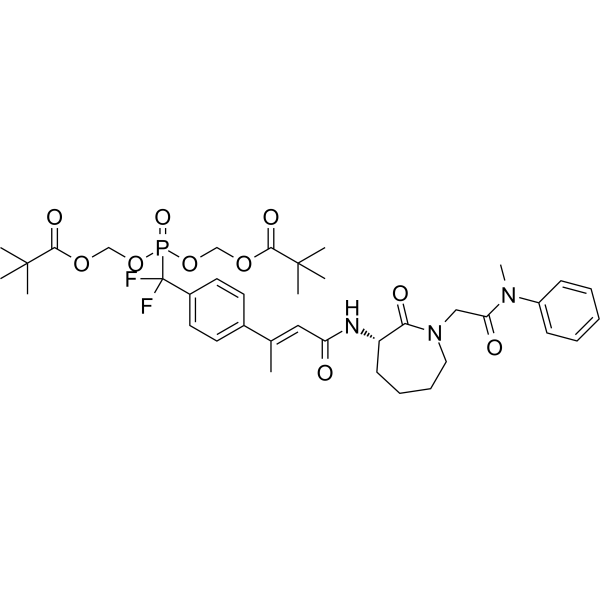
Panaxadiol
 0 ImagesSynonyms: 20(R)-Panaxadiol
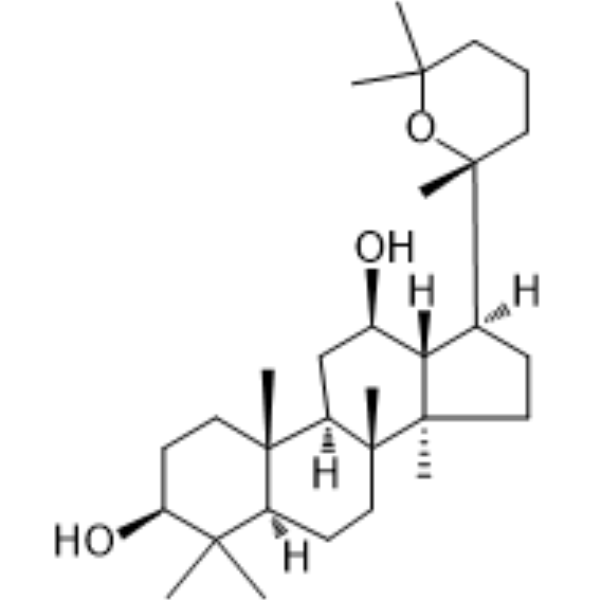
Panaxadiol (20(R)-Panaxadiol) is an orally active HIF-1α/STAT3 inhibitor. Panaxadiol can suppress HIF-1α and STAT3 then lead to downregulation of programmed cell death-ligand 1 (PD-L1) expression. Panaxadiol shows anticancer, cardioprotective, anti-arrhythmic, and antioxidative activities.
-
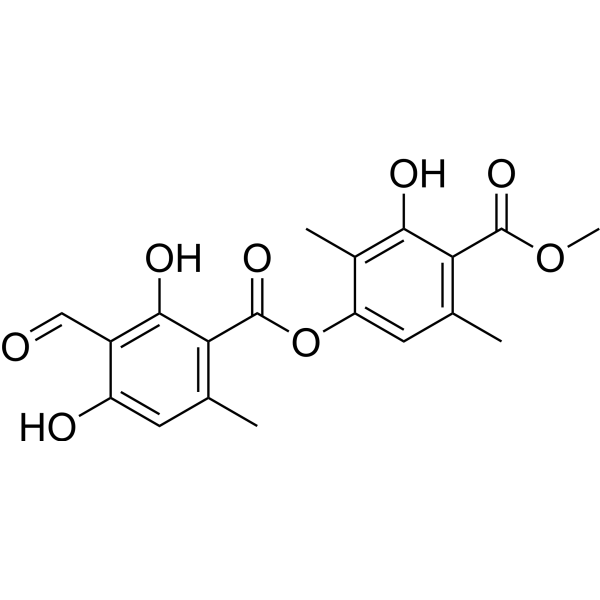
Atranorin
 0 Images
Atranorin is a secondary metabolite of lichens and AKT inhibitor. Atranorin possesses multiple activities such as antibacterial, anti-inflammatory, antioxidant, anti-glycation, analgesic, and anti-tumor effects. Atranorin has IC50 values for scavenging DPPH and ABTS free radicals of 117 μM and less than 10 μM, respectively. Additionally, Atranorin also exhibits effects in promoting wound healing. Atranorin can be used in the research of various diseases, including myelodysplastic syndromes, tumors, and inflammatory conditions.
-
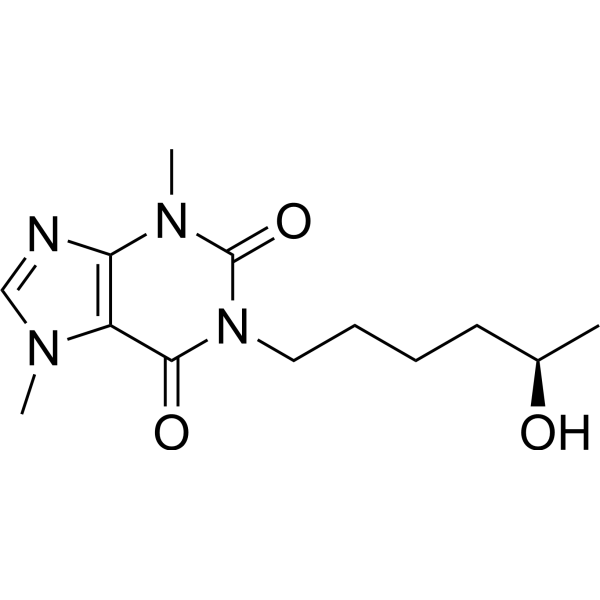
(R)-Lisofylline
 0 ImagesSynonyms: (R)-Lisophylline
(R)-Lisofylline ((R)-Lisophylline) is a (R)-enantiomer of the metabolite of Pentoxifylline with anti-inflammatory properties. (R)-Lisofylline is a lysophosphatidic acid acyltransferase inhibitor with an IC50 of 0.6 μM and interrupts IL-12 signaling-mediated STAT4 activation. (R)-Lisofylline has the potential for type 1 diabetes, autoimmune disorders research.
-
S-Propargylcysteine
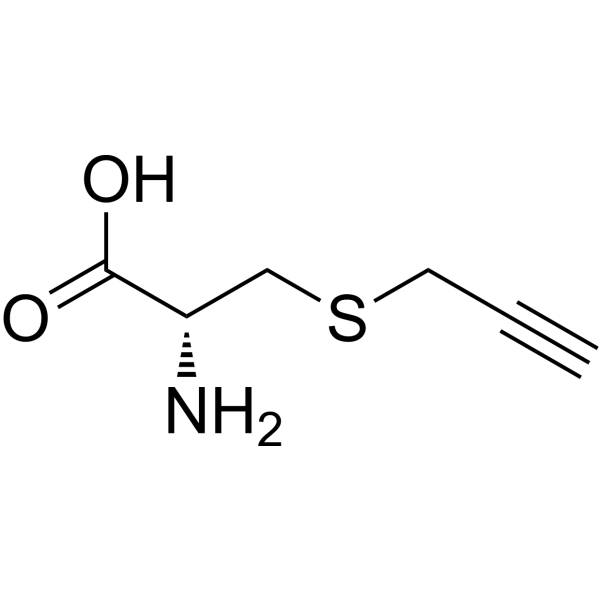 0 ImagesCat. No.: HY-W001538CAS No.: 3262-64-4Synonyms: SPRC
S-Propargylcysteine (SPRC), a structural analog of S-allyl cysteine (SAC), is a slow H2S-releasing compound. S-Propargylcysteine reduces Ca2+ accumulation and inflammatory cytokines, inhibits STAT3, and elevates p53 and Bax. S-Propargylcysteine has anti-inflammatory activity and protects mice against acute pancreatitis. S-Propargylcysteine also has cardioprotective, neuroprotective acitivties.
-
(-)-Asarinin
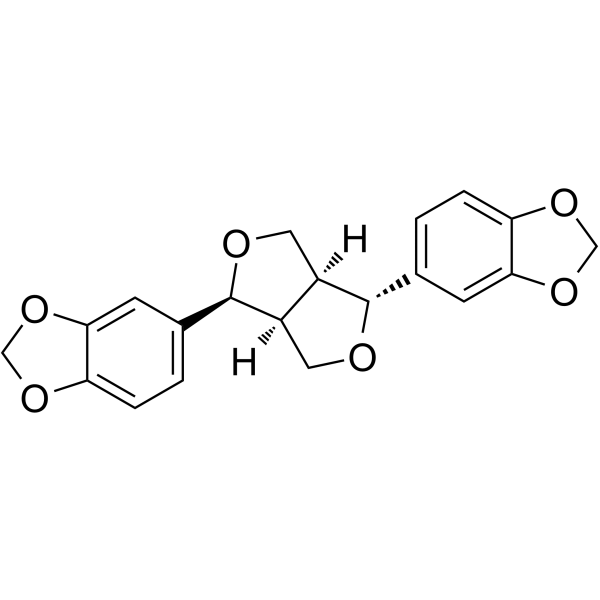 0 Images
(-)-Asarinin is a tetrahydrofurofurano lignan with various biological activities. (-)-Asarinin induces apoptosis in cancer cells. (-)-Asarinin promotes mitochondrial ROS accumulation, inhibits the STAT3 signaling pathway and induces apoptosis in precancerous cells. (-)-Asarinin is a Src family kinase inhibitor that suppresses mast cell activation. (-)-Asarinin is a non-competitive Δ5-desaturase inhibitor with a Ki of 0.28 mM. (-)-Asarinin possesses pain relief, anti-viral, anti-allergic and anti-tuberculous bacilli, and anti-tumor effects.
-
Calenduloside E
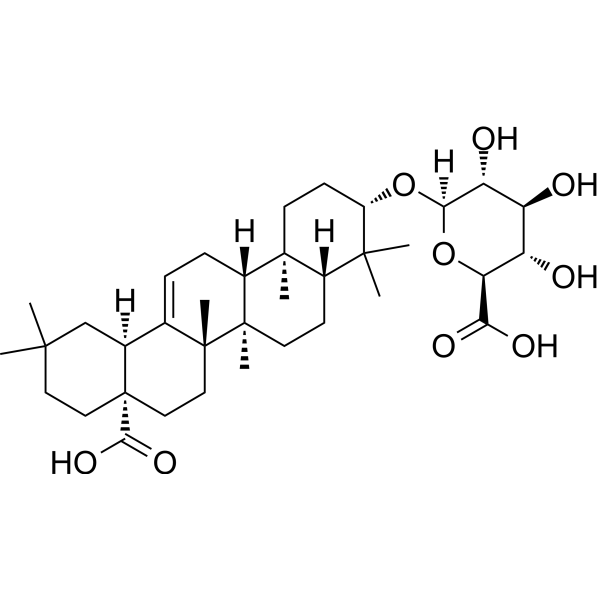 0 Images
Calenduloside E is a pentacyclic triterpenoid saponin that can be extracted from the bark and roots of Aralia ovata, and has anti-inflammatory and anti-apoptotic activities. Calenduloside E alleviates atherosclerosis by regulating macrophage polarization, improves mitochondrial function by regulating the AMPK-SIRT3 pathway, and alleviates acute liver injury. In addition, Calenduloside E promotes the interaction between L-type calcium channels and Bcl-2 related apoptosis genes, inhibits calcium overload, and alleviates myocardial ischemia/reperfusion injury. Calenduloside E also improves non-alcoholic fatty liver disease by regulating heat shock-dependent pathways, and inhibits ROS mediated JAK1-STAT3 pathways to reduce cellular inflammatory responses.