



Environmental Pollutants
Environmental Contaminants
Environmental pollutants are any physical, chemical, biological, or radiological substance or matter that has an adverse effect on air, water, soil, or living organisms.
All Product Categories
-
Environmental Pollutants Related Products (1423)
Related Products (1423)

-
Fluconazole
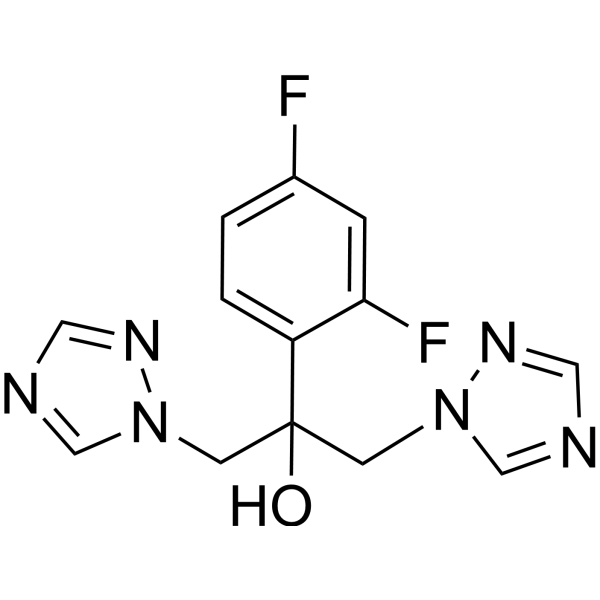 0 ImagesSynonyms: UK-49858Fluconazole (UK-49858) is a triazole antifungal agent with excellent activities against a broad range of fungi, especially against Candida albicans. Fluconazole inhibits C. albicans and Candida kefyr with IC99s range from 0.20 μg/mL to 0.39 μg/mL.
-
Palmitic acid sodium
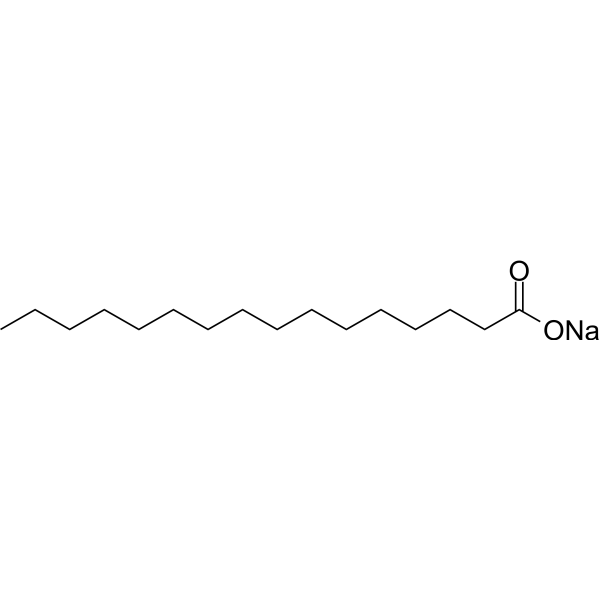 0 ImagesPalmitic acid sodium is a long-chain saturated fatty acid commonly found in both animals and plants. Palmitic acid sodium can induce the expression of glucose-regulated protein 78 (GRP78) and CCAAT/enhancer binding protein homologous protein (CHOP) in in mouse granulosa cells. Palmitic acid sodium is used to establish a cell steatosis model .
-
Atropine
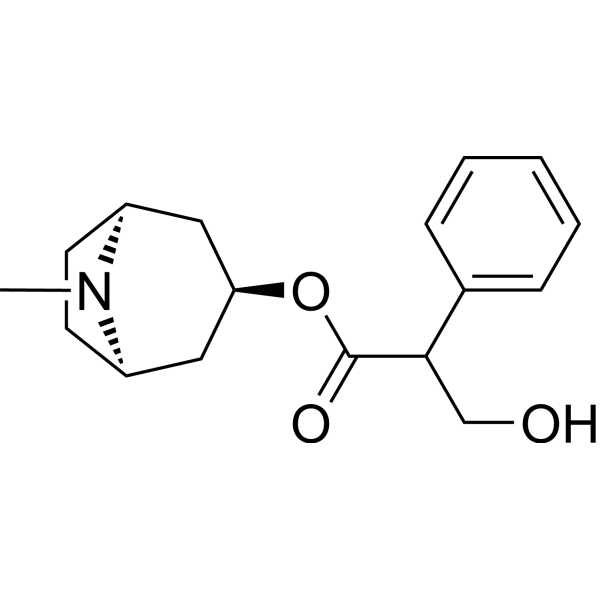 0 ImagesAtropine (Tropine tropate) is a competitive muscarinic acetylcholine receptor (mAChR) antagonist with IC50 values of 0.39 and 0.71 nM for Human mAChR M4 and Chicken mAChR M4, respectively. Atropine inhibits ACh-induced relaxations in human pulmonary veins. Atropine can be used for research of anti-myopia and bradycardia.
-
Methyl cellulose(Viscosity:100000mPa.s)
 0 ImagesMethyl cellulose (MC) (Viscosity:100000mPa.s) is a non-ionic cellulose ether with surface activity and thermogelation properties. Methyl cellulose (Viscosity:100000mPa.s) is widely used as drug delivery agents, thickeners, stabilizers, emulsifiers, etc., in industries such as pharmaceuticals, food, cosmetics, and construction.
-
Calcium chloride anhydrous, for cell culture
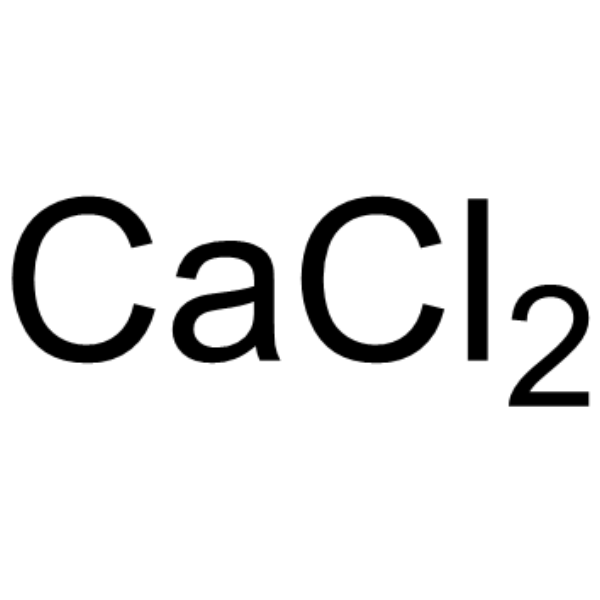 0 ImagesSynonyms: Calcium dichloride anhydrous, for cell cultureCalcium chloride anhydrous, for cell culture is an inorganic salt for the preparation of various buffers. Calcium chloride anhydrous, for cell culture can be used for animal modeling, to construct abdominal aortic aneurysm models.
-
Fluorescein sodium
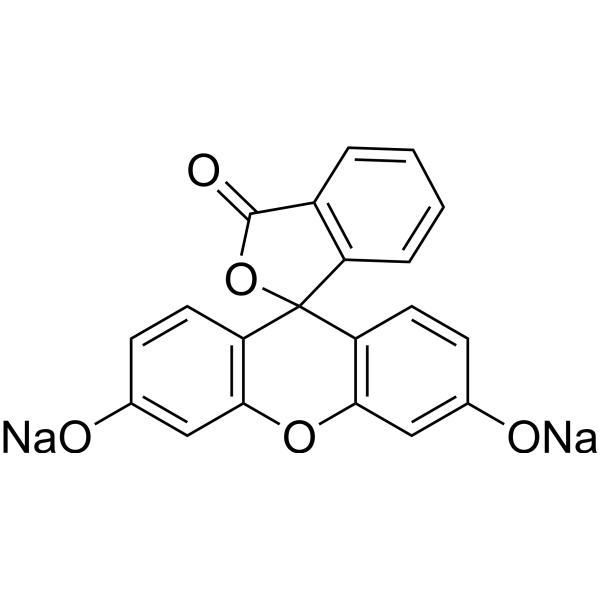 0 ImagesFluorescein (Uranine) sodium is widely used as a fluorescent tracer in medicinal and biological applications and tumor infected tissues tracer. Fluorescein (Uranine) sodium is a representative green fluorophore that has been widely used as a scaffold of practically useful green fluorescent probes.
-
6PPD-Q
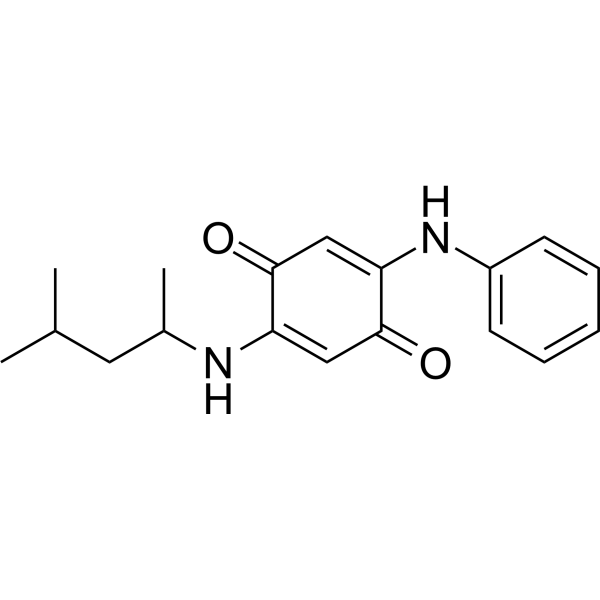 0 ImagesSynonyms: 6PPD-Quinone6PPD-Q (6PPD-Quinone) is an environmental pollutant that can be detected in human urine and is widely present in the environment. 6PPD-Q targets and binds to CNR2, CNR1, AA2AR, LCAT, and TRPA1, with CNR2 exhibiting the highest binding affinity, potentially acting as a CNR2 receptor agonist to activate cannabinoid receptors. 6PPD-Q induces intestinal inflammation and barrier damage by disrupting mitochondrial function, reducing neuronal glycolysis metabolites and TCA cycle intermediates, and exacerbating α-synuclein (α-syn) aggregation. 6PPD-Q is applicable in research on environmental toxicology, neurodegenerative diseases, and inflammation-related disorders.
-
Pyruvic acid
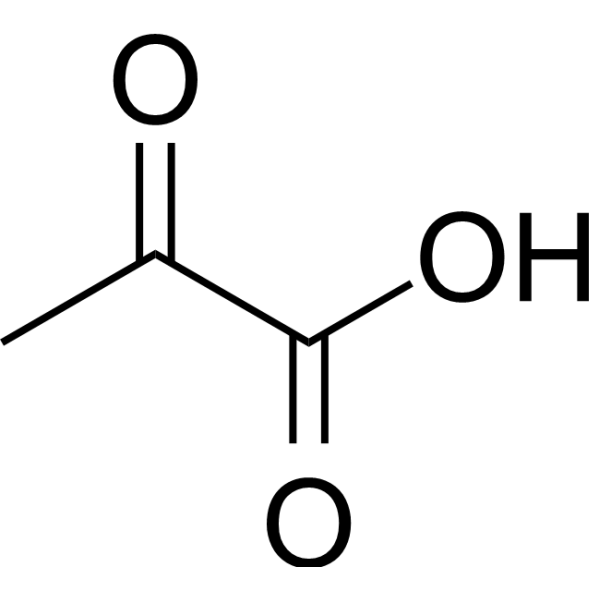 0 ImagesPyruvic acid is an intermediate metabolite in the metabolism of carbohydrates, proteins, and fats.
-
Sesame Oil
 0 ImagesSesame Oil is a vegetable oil. Sesame Oil can be extracted from the seeds of Sesamum indicum L. Sesame Oil decreases NF-κB, aspartate aminotransferase, alanine aminotransferase, IL-1β, IL-4 and nitric oxide. Sesame Oil has antitumor activity against malignant melanoma. Sesame Oil has protective effects against liver damage caused by various agents such as Cisplatin (HY-17394) and Acetaminophen (HY-66005). Sesame Oil shows antinociceptive and anti-inflammatory activities.
-
PEG3350
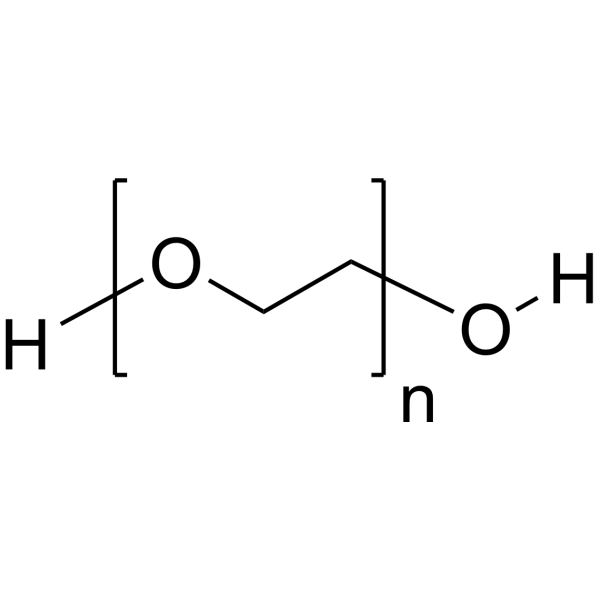 0 ImagesCat. No.: HY-Y0873CCAS No.: 25322-68-3Synonyms: Polyethylene glycol 3350PEG3350 (Polyethylene glycol 3350) a neutral polymer of molecular weight 3350. PEG3350 used as an excellent solvent for a large number of substances.
-
Tetracycline hydrochloride
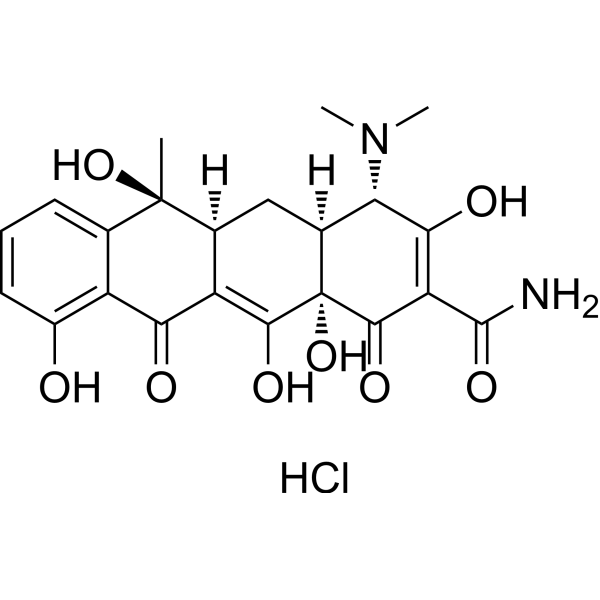 0 ImagesTetracycline hydrochloride is a broad-spectrum antibiotic with oral activity. Tetracycline hydrochloride exhibits activity against a wide range of bacteria including gram-positive, gram-negative bacteria, chlamydiae, mycoplasmas and rickettsiae. Tetracycline hydrochloride can be used for the research of infections.
-
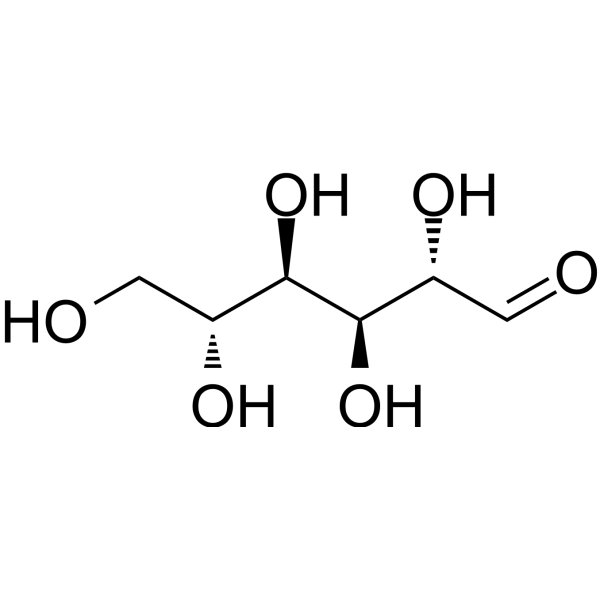
Riboflavin
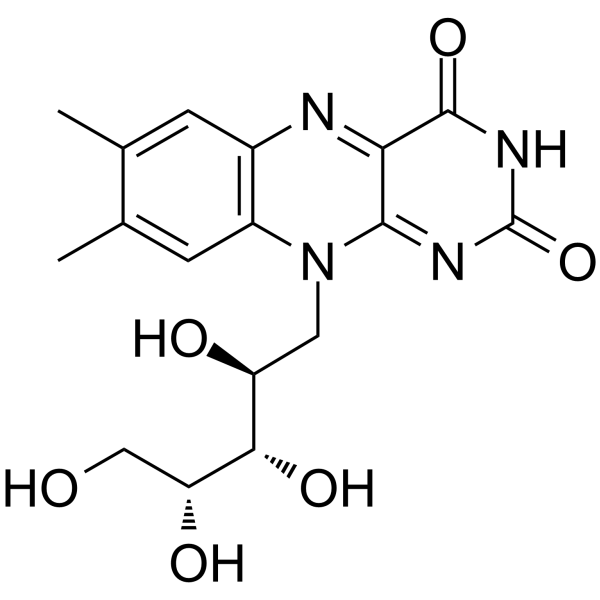 0 ImagesRiboflavin, an orally active and easily absorbed micronutrient, is a precursor of flavin mononucleotide (FMN) and flavin adenine dinucleotide (FAD), which serve as coenzymes for numerous enzymatic reactions and perform key metabolic functions by mediating the transfer of electrons in biological oxidation-reduction reaction.
-
Ammonium chloride, for cell culture
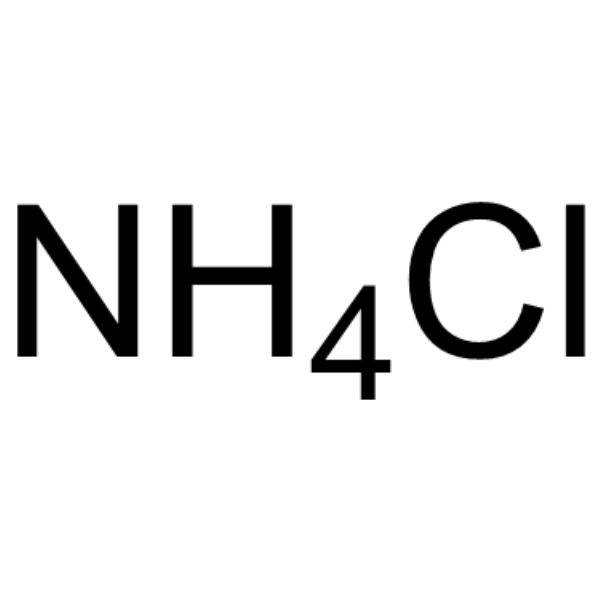 0 ImagesSynonyms: Salmiac, for cell cultureAmmonium chloride, for cell culture (Salmiac, for cell culture) is a reagent that can be used in cell culture to provide a source of nitrogen. Ammonium chloride can be used as a heteropolar compound to regulate pH value, which can cause intracellular alkalination and metabolic acidosis, thus affecting the activity of enzymes and affecting the process of biological systems. Ammonium chloride acts as an autophagy inhibitor.Ammonium chloride is also a lysosome inhibitor.
-
o-Phenanthroline
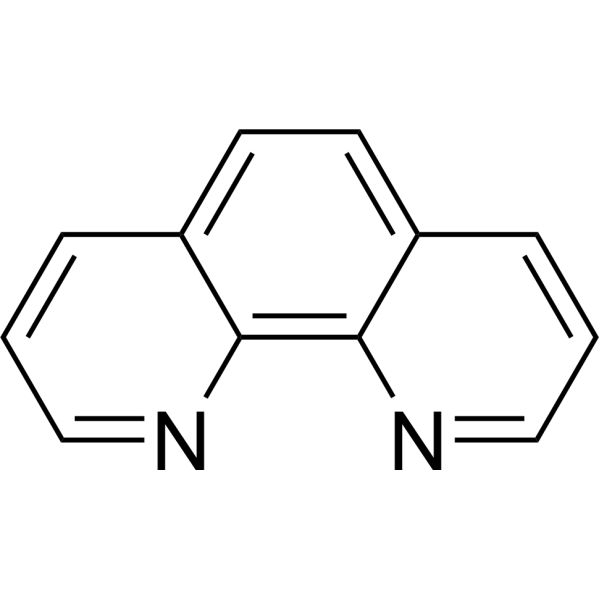 0 ImagesSynonyms: 1,10-Phenanthrolineo-Phenanthroline (1,10-Phenanthroline), a metal chelator, prevents the induction of chromosomal aberrations in streptozotocin-treated cells. o-Phenanthroline (1,10-Phenanthroline) forms a red chelate with Fe2+ that absorbs maximally at 510 nm. o-Phenanthroline (1,10-Phenanthroline) is also a MMP inhibitor.
-
Citric acid
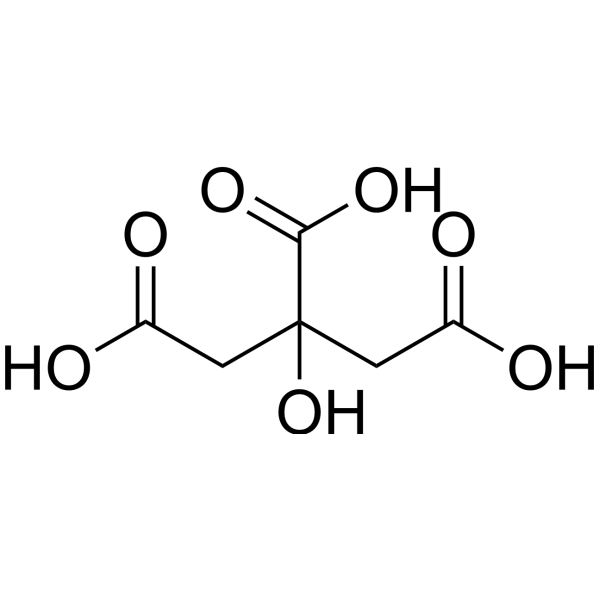 0 ImagesCitric acid is a natural preservative and food tartness enhancer. Citric acid induces apoptosis and cell cycle arrest at G2/M phase and S phase in HaCaT cells. Citric acid cause oxidative damage of the liver by means of the decrease of antioxidative enzyme activities. Citric acid is also an acidulant, emulsifier, sequestrant and buffering agent widely used across many industries.
-
Saponins
 0 ImagesSaponins (Saponin) is a class of chemical compound of glycosides found in particular abundance in various plant species. In plants, Saponins may serve as anti-feedants, and to protect the plant against microbes and fungi.
-
Streptomycin
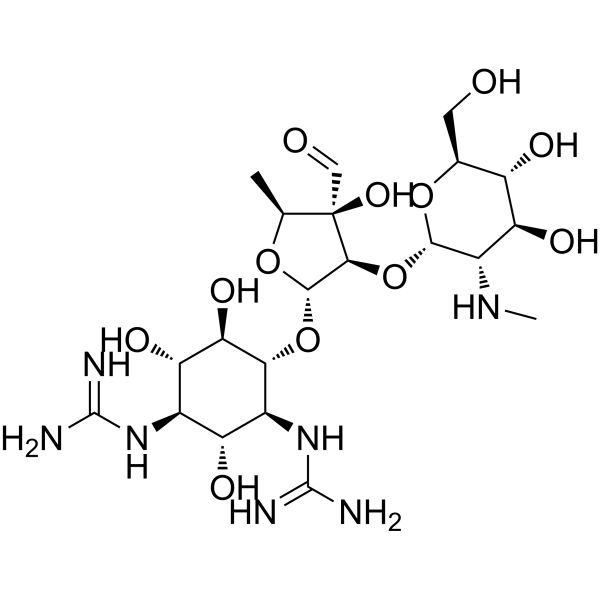 0 ImagesStreptomycin (Agrept) is an effective antibiotic against M. tuberculosis, is used for the research of tuberculosis (TB). Streptomycin also is a bacteriocidal agent that can be used for the research of a number of bacterial infections. Streptomycin can bind strongly to nucleic acids, interferes and blocks protein synthesis while permitting continued RNA and DNA synthesis. Streptomycin, as a common antibiotic used in culture media, also is a blocker of stretch-activated and mechanosensitive ion channels in neurons and cardiac myocytes .



