



Reactive Oxygen Species (ROS) Activator
-
Aminoadipic acid (Standard)
 0 Images
Aminoadipic acid (Standard) is the analytical standard of Aminoadipic acid. This product is intended for research and analytical applications. Aminoadipic acid is an orally active lysine oxide derivative. Aminoadipic acid induces ROS generation, increases free Ca2+, decreases SOD, and activates TXNIP/NLRP3 pathway. Aminoadipic acid has pro-inflammatory effects. Aminoadipic acid can be used in atherosclerosis research[1][2][3][4].
-
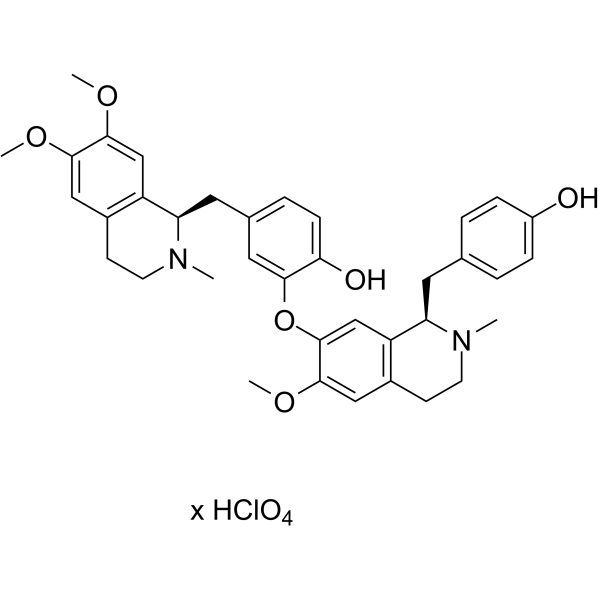
Liensinine perchlorate
 0 Images
Liensinine perchlorate is a bisbenzylisoquinoline alkaloid. By inhibiting the PI3K/AKT and JNK/p38-MAPK signaling pathways, Liensinine perchlorate suppresses autophagy and apoptosis, clears Aβ, and exerts anti-inflammatory, antioxidant and neuroprotective effects. Liensinine perchlorate activates AMPK and inhibits the expression of HIF-1α and VEGF, thereby suppressing angiogenesis. Liensinine perchlorate exerts anti-tumor effects through ROS-mediated inhibition of the JAK2/STAT3 signaling pathway. Liensinine perchlorate can be used for the research of diseases such as Alzheimer's disease, hepatocellular carcinoma, osteosarcoma, sepsis-induced organ injury and stroke.
-
Phoxim
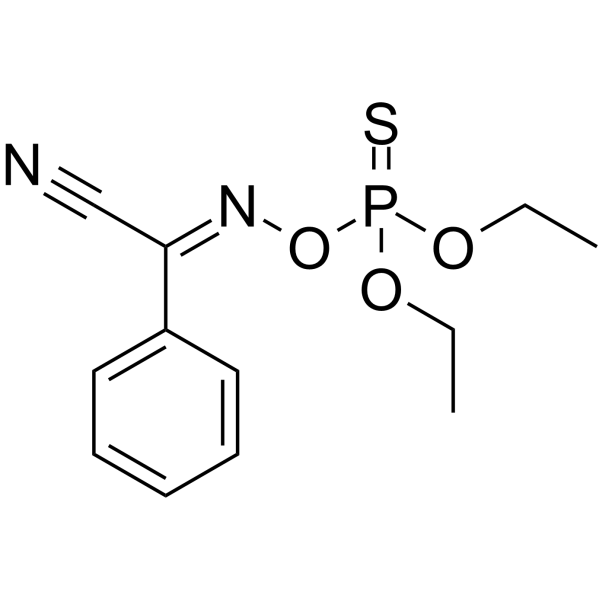 0 ImagesCat. No.: HY-B0819CAS No.: 14816-18-3
Phoxim is an organophosphorus pesticide and an orally active inhibitor of cholinesterase and CYP3A, which induces neurotoxicity in Caenorhabditis elegans and causes nephrotoxicity characterized by glomerular atrophy and interstitial fibrosis. Phoxim induces inhibition of the autophagy pathway. Phoxim induces dopaminergic neuron degeneration and exacerbates Aβ-induced paralysis. Phoxim damages enterocytes and disrupts intestinal barrier integrity. Phoxim induces ROS accumulation. Phoxim induces mitochondrial apoptosis, involving upregulation of Bad, Bax, caspase-3, and caspase-9 and downregulation of Bcl-2. Phoxim inhibits mitochondrial functional enzymes (COX, Ca2+-Mg2+-ATPase, SDH). Phoxim upregulates Nrf2 mRNA expression in the jejunal mucosa. Phoxim increases TNF-α and decreases IL-6 and IL-8 in the intestinal mucosa. Phoxim alters gut microbial composition by increasing total bacteria and Escherichia coli and reducing Lactobacillus. Phoxim enhances energy metabolism in silver carp by upregulating key glycolytic and gluconeogenic enzymes. Phoxim is used in research on neurodegenerative diseases, nephrotoxicity, intestinal oxidative stress and barrier dysfunction, and bacterial sepsis.
-
Nrf2-IN-4
 0 ImagesCat. No.: HY-175209CAS No.: 2417486-06-5
Nrf2-IN-4 is a Nrf2 inhibitor. Nrf2-IN-4 induces ferroptosis via NRF2 inhibition. Nrf2-IN-4 disrupts cellular iron homeostasis, facilitates ferritin degradation, and ultimately triggers ferroptosis. Nrf2-IN-4 induces lysosome activation by promoting iron-dependent ROS production and lysosomal acidification. Nrf2-IN-4 demonstrates significant antitumor efficacy. Nrf2-IN-4 can be used for the study of breast cancer.
-
Perfluorotetradecanoic acid
 0 ImagesSynonyms: PFTeDA
Perfluorotetradecanoic acid (PFTeDA) is an orally active perfluoroalkyl substance. Perfluorotetradecanoic acid directly binds to the ligand-binding domain of purified hPPARγ, with a Kd value of 157.8 μM. Perfluorotetradecanoic acid significantly reduces the activity of the SIRT1/PGC1α and AMPK signaling pathways while stimulating the activity of the AKT1/mTOR signaling pathway. Perfluorotetradecanoic acid significantly upregulates the expression of corticosterone biosynthesis genes. Perfluorotetradecanoic acid increases ROS levels and promotes Apoptosis. Perfluorotetradecanoic acid impairs Leydig cell function and male reproductive endocrine function in adult male rats.
-
BAY-1128688
 0 Images
BAY-1128688 is a selective, orally active aldo-keto reductase family 1 member C3 (AKR1C3) inhibitor with an IC50 of 1.4 nM. BAY-1128688 inhibits OATP, BSEP, MRP4, NTCP, UGT1A1, MRP2, and MRP3. BAY-1128688 induces reactive oxygen species (ROS) production, inhibits the mitochondrial electron transport chain, and increases circulating androsterone, etiocholanolone, dihydrotestosterone, and serum bilirubin concentrations. BAY-1128688 alters bilirubin disposition, leading to elevated plasma bilirubin, independent of liver injury. BAY-1128688 can be used in research on endometriosis and polycystic ovary syndrome.
-
4-Propylphenol
 0 Images
4-Propylphenol is a plant-derived phenolic compound. 4-Propylphenol causes an increase in ROS within the Fusarium graminearum cells, leading to damage to the DNA and cell membranes of the mycelia, effectively inhibiting the growth of the mycelia. 4-Propylphenol also has a growth inhibitory effect on walnut pathogenic fungi (C. gloeosporioides, C. siamense, A. alternata), with its EC50 ranging from 29.11 to 31.89 mg/L, and it also inhibits spore germination, with EC50 being 55.04-71.85 mg/L. 4-Propylphenol can be used in the research of fungal diseases in walnuts and wheat Fusarium head blight.
-
Iprodione (Standard)
 0 Images
Iprodione (Standard) is the analytical standard of Iprodione. This product is intended for research and analytical applications. Iprodione is an orally active diformimide fungicide. Iprodione can specifically cause oxidative damage by producing free radicals (ROS). Iprodione is also an antiandrogen agent that delays adolescent development in rats and reduces sexual behavior and reproductive ability in rats.
-
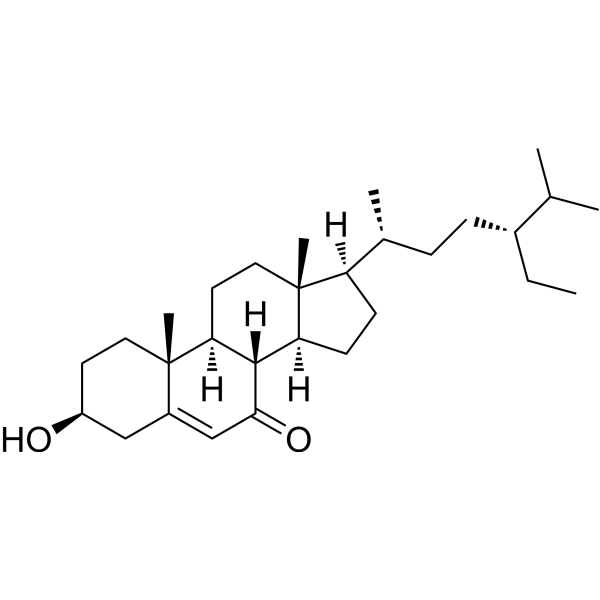
7-Ketositosterol
 0 Images
7-Ketositosterol is an orally active inducer of apoptosis and ferroptosis. 7-Ketositosterol inhibits the phosphorylation of ERK1/2 and NF-κB, promotes the opening of the mitochondrial/apoptotic pathway, and induces ferroptosis in macrophages by increasing the levels of malondialdehyde, Fe2+ and ROS. 7-Ketositosterol upregulates the expression of gut microbiota-dependent PDLIM3, activates the p38MAPK/NF-κB signaling pathway, alters the composition of gut microbiota, increases the abundance of pathogenic bacteria, and exacerbates colitis in mice. 7-Ketositosterol can be used in studies related to breast cancer, liver cancer, and colitis.
-
Lexibulin dihydrochloride
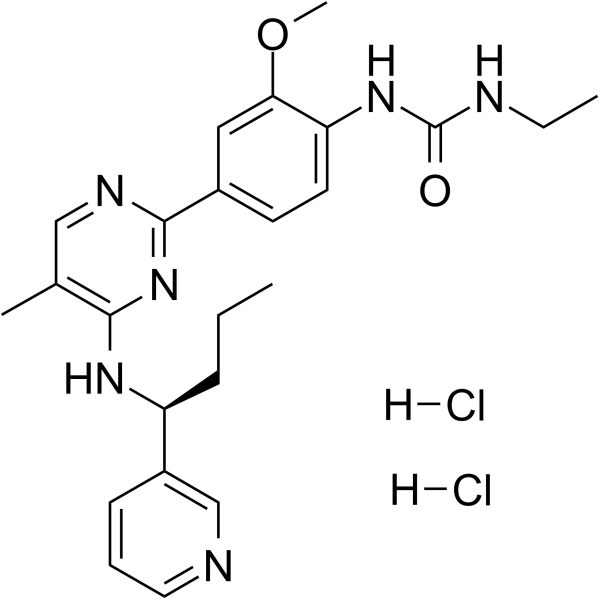 0 ImagesCat. No.: HY-10498ACAS No.: 917111-49-0Synonyms: CYT-997 dihydrochloride
Lexibulin dihydrochloride (CYT-997 dihydrochloride) is a potent and orally active tubulin polymerisation inhibitor with IC50s of 10-100 nM in cancer cell lines; with potent cytotoxic and vascular disrupting activity in vitro and in vivo. Lexibulin dihydrochloride induces cell apoptosis and induces mitochondrial ROS generation in GC cells.
-
Fluopimomide
 0 ImagesCat. No.: HY-W420337CAS No.: 1309859-39-9Synonyms: LH2010A
Fluopimomide (LH2010A) is a potent pesticide, widely used for agricultural pest management. Fluopimomide adversely affects the nematodes growth, locomotive behaviors, reproduction, and lifespan, accompanying with enhanced of reactive oxygen species (ROS) generation, lipid and lipofuscin accumulation, and malondialdehyde content. Fluopimomide inhibits antioxidant systems in the nematodes.
-
Bisphenol F-13C6
 0 ImagesCat. No.: HY-W014901SCAS No.: 1410794-06-7Synonyms: BPF-13C6; 4,4'-Dihydroxydiphenylmethane-13C6
Bisphenol F-13C6 is the 13C labeled Bisphenol F (HY-W014901). Bisphenol F is an orally active endocrine disruptor. Bisphenol F promotes ROS generation, upregulates p-AKT/p-GSK3β, and induces Apoptosis. Bisphenol F interferes with glucose metabolism, affects neurodevelopment and reproductive function. Bisphenol F reduces social novelty preference in mouse offspring. Bisphenol F can be used in bone, blood, and fat-related studies. Bisphenol F is used as a substitute for Bisphenol A (HY-18260).
-
Propiconazole (Standard)
 0 Images
Propiconazole (Standard) is the analytical standard of Propiconazole. This product is intended for research and analytical applications. Propiconazole is an orally active N-substituted triazole used as a fungicide. Propiconazole is a mouse liver hepatotoxicant and a hepatocarcinogen that has adverse reproductive and developmental toxicities in experimental animals.
-
2-Acetamidophenol (Standard)
 0 ImagesSynonyms: Orthocetamol (Standard)
2-Acetamidophenol (Standard) is the analytical standard of 2-Acetamidophenol. This product is intended for research and analytical applications. 2-Acetamidophenol (Orthocetamol) is a regulator that targets ferroptosis and glutathione metabolic pathways, is the ortho-regioisomer of Paracetamol (HY-66005). 2-Acetamidophenol has anti-atherosclerotic activity, and inhibiting total cholesterol (TC) and triglyceride (TG) in a zebrafish hyperlipidemia model with IC50s for 30 μM and 40 μM, respectively. 2-Acetamidophenol upregulates the expression of glutathione synthesis-related genes (such as GCLC, GCLM, GSS) and iron ion transport genes (such as FPN1, FTH), reduces the accumulation of intracellular reactive oxygen species (ROS) and ferrous ions (Fe2+), and enhances the activity of glutathione peroxidase GPX4, thereby inhibiting macrophage phagocytosis of oxidized low-density lipoprotein (ox-LDL) and foam cell formation.
-
Cysteinylglycine (Standard)
 0 ImagesSynonyms: L-Cysteinylglycine (Standard); Cys-Gly (Standard); H-Cys-Gly-OH (Standard)
Cysteinylglycine (Standard) is the analytical standard of Cysteinylglycine. This product is intended for research and analytical applications. Cysteinylglycine is a dipeptide formed by the peptide bond linkage between cysteine (Cysteine) and glycine (Glycine). Cysteinylglycine is an important metabolic intermediate in the human body, mainly derived from the degradation of glutathione (GSH). Cysteinylglycine reduces ferric iron to ferrous iron, drives the redox cycle of iron, generates reactive oxygen species (ROS), stimulates oxidative reactions, induces lipid peroxidation of human plasma LDL lipoproteins, and causes oxidative damage to DNA bases. Cysteinylglycine can be used as a biomarker to evaluate ischemic heart disease, breast cancer and other conditions.
-
Berberine chloride (Standard)
 0 ImagesSynonyms: Natural Yellow 18 chloride (Standard)
Berberine (chloride) (Standard) is the analytical standard of Berberine (chloride). This product is intended for research and analytical applications. Berberine chloride is an alkaloid that acts as an antibiotic. Berberine chloride induces reactive oxygen species (ROS) generation and inhibits DNA topoisomerase. Antineoplastic properties.
-
Dihydroartemisinin-d5
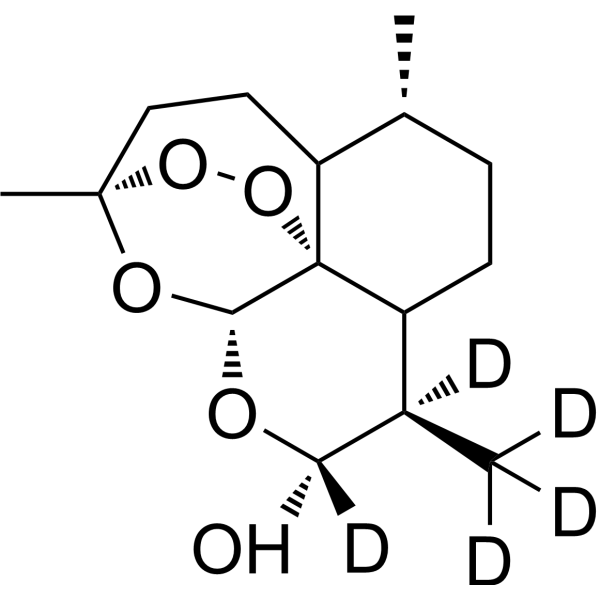 0 ImagesCat. No.: HY-N0176S3Synonyms: Dihydroqinghaosu-d5; β-Dihydroartemisinin-d5; Artenimol-d5
Dihydroartemisinin-d5 (Dihydroqinghaosu-d5) is the d5-labeled Dihydroartemisinin (HY-N0176). Dihydroartemisinin is an orally active metabolite of rtemisinin (HY-B0094) and antimalarial agent. Dihydroartemisinin induces Autophagy by inhibiting NF-κB activation. Dihydroartemisinin promotes ROS accumulation. Dihydroartemisinin exhibits anticancer activity in esophageal cancer cells. Dihydroartemisinin shows schistosomicidal activity against juvenile and adult worms of Schistosoma japonicum, reduces worm burden, and displays antiparasitic activity. Dihydroartemisinin can be used in research related to multiple myeloma, promyelocytic leukemia, esophageal cancer, and Schistosoma japonicum infection.
-
TLD-1433
 0 ImagesCat. No.: HY-156786CAS No.: 1471479-22-7
TLD-1433 is a ruthenium (II)-based water-soluble photodynamic compound. TLD-1433 inactivates enveloped viruses by inducing lipid peroxidation. TLD-1433 inactivates a variety of human pathogenic enveloped and non-enveloped viruses. TLD-1433 can be used in the research of viral infections and BCG-unresponsive non-muscle invasive bladder cancer.
-
Pyocyanin (Standard)
 0 ImagesCat. No.: HY-111278RCAS No.: 85-66-5Synonyms: Pyocyanine (Standard); Sanazin (Standard); Sanasin (Standard)
Pyocyanin (Standard) is the analytical standard of Pyocyanin. This product is intended for research and analytical applications. Pyocyanin (Pyocyanine) is a toxic, quorum sensing (QS) controlled metabolite produced by Pseudomonas aeruginosa. Pyocyanin is a REDOX active compound that promotes the production of reactive oxygen species (ROS). Pyocyanin has antibacterial and anti-inflammatory activity[1][2][3][4].
-
Trimethylamine-N-oxide-13C3
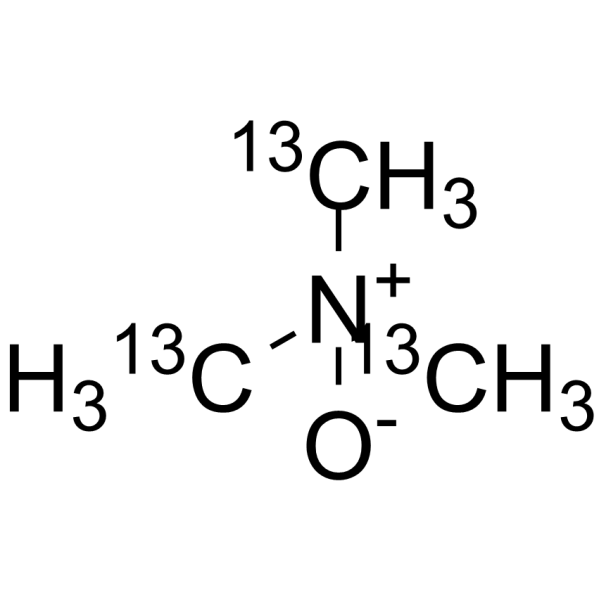 0 ImagesCat. No.: HY-116084S1CAS No.: 2413127-00-9
Trimethylamine-N-oxide-13C3 is the 13C-labeled Trimethylamine N-oxide. Trimethylamine N-oxide is a gut microbe-dependent metabolite of dietary choline and other trimethylamine-containing nutrients. Trimethylamine N-oxide induces inflammation by activating the ROS/NLRP3 inflammasome. Trimethylamine N-oxide also accelerates fibroblast-myofibroblast differentiation and induces cardiac fibrosis by activating the TGF-β/smad2 signaling pathway.



