



PKCβ
PKCβ (protein kinase C beta, PRKCB) is a conventional serine/threonine kinase that functions as a calcium- and diacylglycerol-dependent signaling enzyme and regulates diverse cellular responses through protein phosphorylation[1][2]. Mechanistically, PKCβ integrates signals downstream of growth factor and immunoreceptor pathways, and PKCβ-mediated phosphorylation of CARMA1 promotes assembly of signaling complexes required for IKK and NF-κB activation in B-cell receptor signaling[3]. In vascular and metabolic tissues, PKCβ is activated by diacylglycerol accumulation and oxidative stress, linking nutrient excess and hyperglycemia to altered endothelial function, angiogenic signaling, and inflammatory responses[4][5]. Disease relevance is particularly evident in diabetes-associated microvascular complications, where PKCβ activation contributes to retinal and renal dysfunction and modulates VEGF-dependent vascular permeability and angiogenesis[4][5]. In experimental models, inhibition of PKCβ improves retinal and glomerular abnormalities and has therefore been widely used to investigate mechanisms underlying diabetic retinopathy and nephropathy[4][5]. Compared with related PKC isoforms, PKCβ exists as the alternatively spliced PKCβI and PKCβII variants, which share calcium- and diacylglycerol-dependent activation but differ in their C-terminal sequences and isoform-specific signaling functions[1][6]. For experimental applications, selective PKCβ inhibitors such as ruboxistaurin (LY333531) have been extensively employed to evaluate PKCβ-dependent vascular, inflammatory, and metabolic pathways and to assess the therapeutic significance of isoform-selective kinase inhibition in disease models[4][5].
Verweise:
- [1]. Kawakami T, et al. Protein kinase C beta (PKC beta): normal functions and diseases. J Biochem. 2002 Nov;132(5):677-82. [Content Brief]
- [2]. Uniprotkb.
- [3]. Shinohara H, et al. PKC beta regulates BCR-mediated IKK activation by facilitating the interaction between TAK1 and CARMA1. J Exp Med. 2005 Nov 21;202(10):1423-31. [Content Brief]
- [4]. From the American Association of Neurological Surgeons (AANS), et al. Multisociety Consensus Quality Improvement Revised Consensus Statement for Endovascular Therapy of Acute Ischemic Stroke. Int J Stroke. 2018 Aug;13(6):612-632. [Content Brief]
- [5]. Gibbons RJ, et al. Noninvasive risk stratification after myocardial infarction: new evidence, new questions. J Am Coll Cardiol. 2006 Dec 19;48(12):2468-70. [Content Brief]
- [6]. Database: Guide to pharmacology.
-
PKCβ Verwandte Produkte (43)
Verwandte Produkte (43)

-
Antibodies (3)
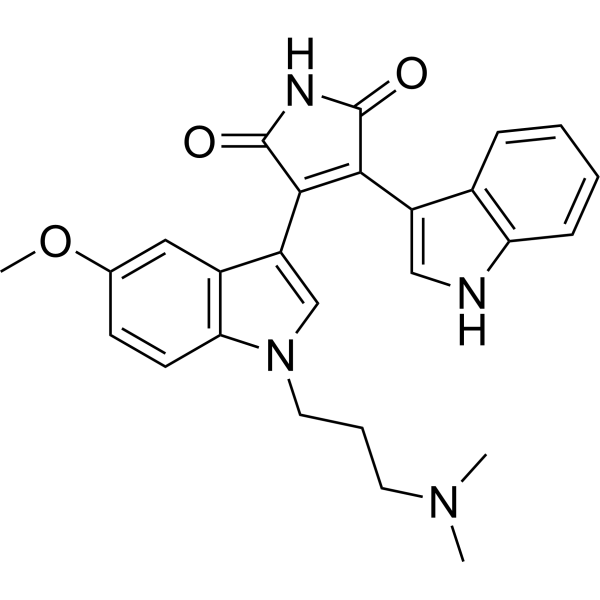
-
Midostaurin
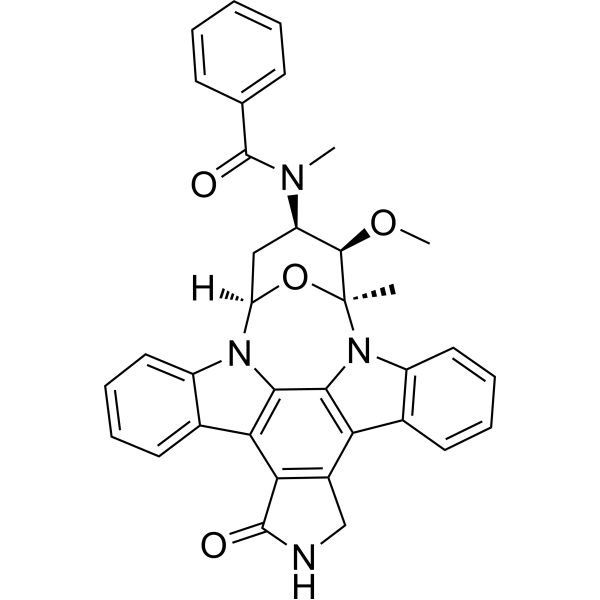 0 ImagesSynonyms: PKC412; CGP 41251Midostaurin (PKC412; CGP 41251) is an orally active, reversible multi-targeted protein kinase inhibitor. Midostaurin inhibits PKCα/β/γ, Syk, Flk-1, Akt, PKA, c-Kit, c-Fgr, c-Src, FLT3, PDFRβ and VEGFR1/2 with IC50s ranging from 22-500 nM. Midostaurin also upregulates endothelial nitric oxide synthase (eNOS) gene expression. Midostaurin shows powerful anticancer effects.
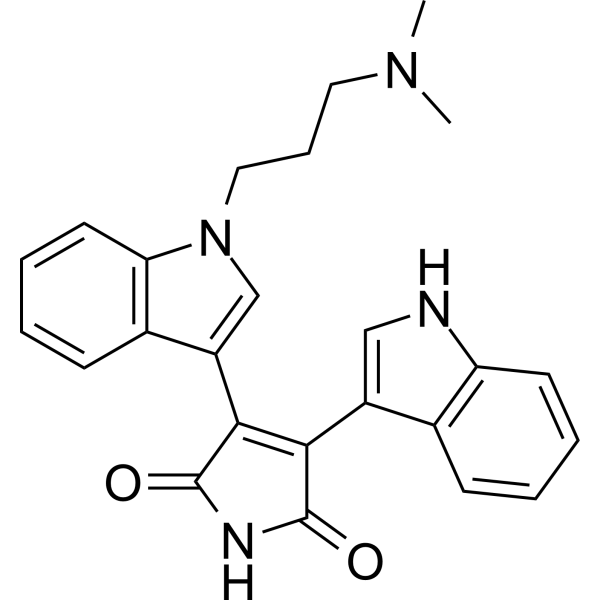
-
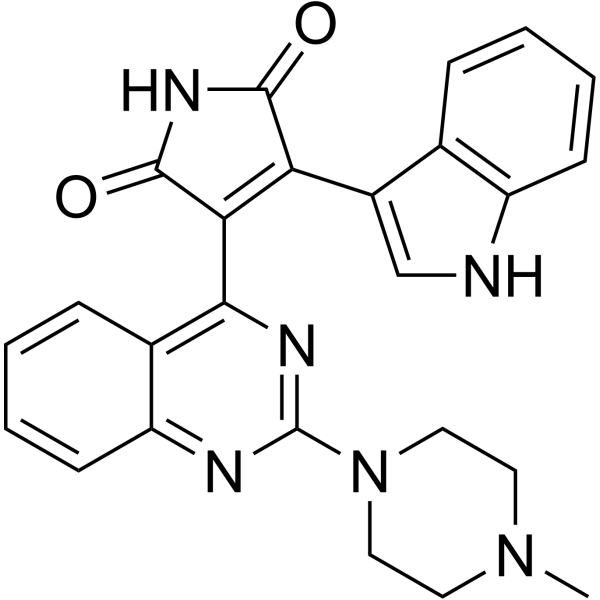
Rottlerin
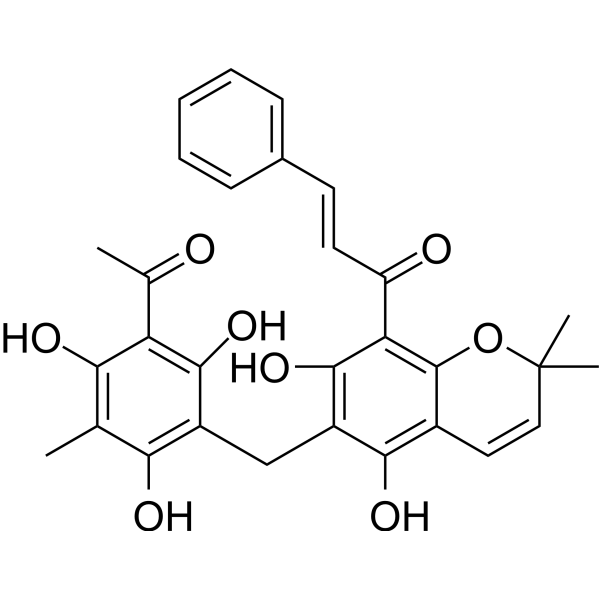 0 ImagesRottlerin, a natural product purified from Mallotus Philippinensis, is a specific PKC inhibitor, with IC50 values for PKCδ of 3-6 μM, PKCα,β,γ of 30-42 μM, PKCε,η,ζ of 80-100 μM. Rottlerin acts as a direct mitochondrial uncoupler, and stimulates autophagy by targeting a signaling cascade upstream of mTORC1. Rottlerin induces apoptosis via caspase 3 activation. Rottlerin inhibits HIV-1 integration and Rabies virus (RABV) infection.
-
ML191
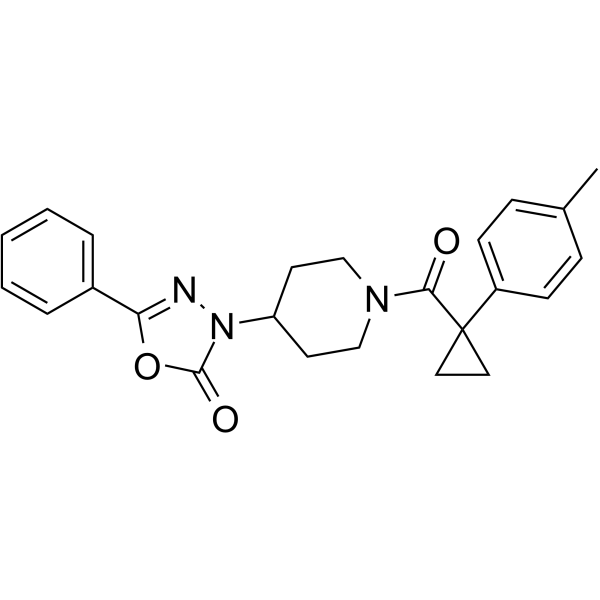 0 ImagesSynonyms: CID23612552ML191 (CID23612552) is a GPR55 antagonist. ML191 inhibits ERK phosphorylation and PKC β II translocation downstream of GPR55 signaling. ML191 suppresses LPI-induced activation of ERK1/2 and p38 MAPK signaling, blocks the transcription of RANKL-induced osteoclastogenesis markers, and reduces the bone resorption activity of mature osteoclasts promoted by RANKL. ML191 can be used to investigate diseases associated with bone degradation caused by excessive osteoclast activation, such as osteoporosis and bone damage during the formation stage of bone metastases.
-
18:0-22:6 DG
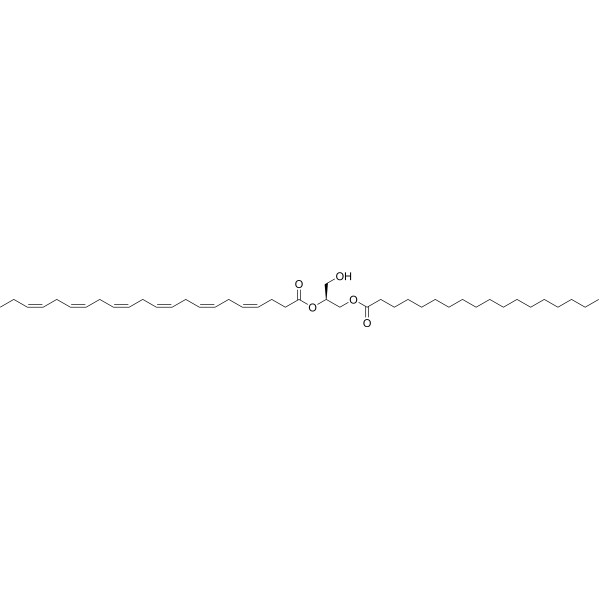 0 ImagesSynonyms: 1-Stearoyl-2-docosahexaenoyl-sn-glycerol18:0-22:6 DG (1-Stearoyl-2-docosahexaenoyl-sn-glycerol) is a diacylglycerol (DG) that can interact with RasGRP (Ras guanine nucleotide-releasing protein) (Ki = 8.37 μM) and modulate the activation of MAP kinases (such as ERK1/ERK2), which play a crucial role in cellular signaling processes. 18:0-22:6 DG can also activate protein kinase C (PKC) isozyme. 18:0-22:6 DG can be used for research of cancer, immunology and metabolic disease.
-
1,2-Dipalmitoyl-sn-glycerol-d9
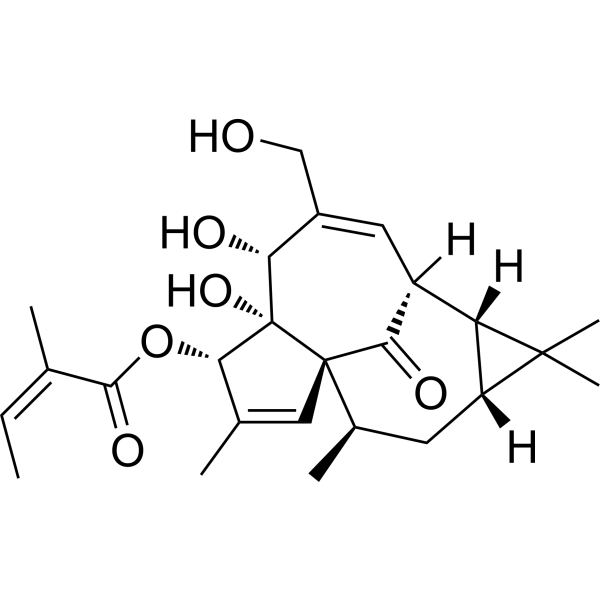
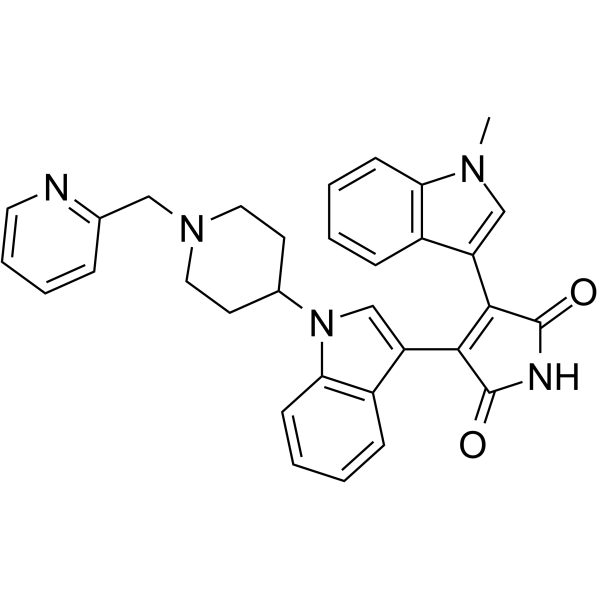
 0 ImagesArt. -Nr.: HY-W010736SCAS. Nr.: 1872379-48-01,2-Dipalmitoyl-sn-glycerol-d9 is the deuterated-labeled 1,2-Dipalmitoyl-sn-glycerol (HY-W010736). 1,2-Dipalmitoyl-sn-glycerol is a diacylglycerol that activates PKC. 1,2-Dipalmitoyl-sn-glycerol promotes GLUT4 translocation to the cell surface and recruitment to the plasma membrane of adipocytes. 1,2-Dipalmitoyl-sn-glycerol can be used in research on type 2 diabetes.
-
Afuresertib
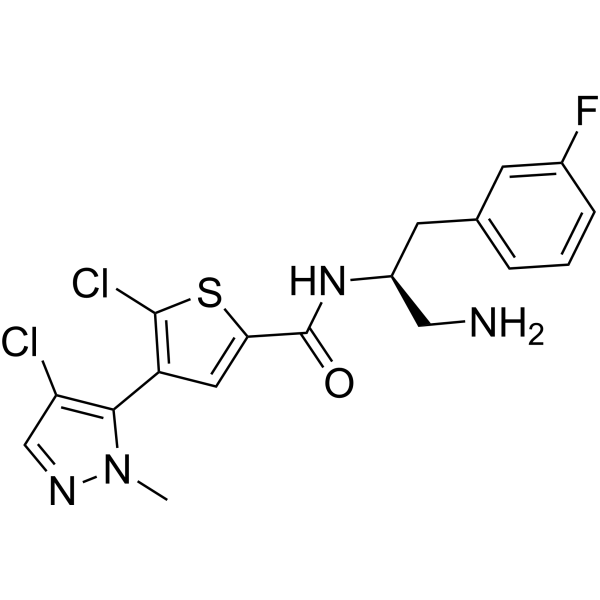 0 ImagesSynonyms: GSK2110183; LAE002Afuresertib (GSK2110183) is an orally bioavailable, selective, ATP-competitive and potent pan-Akt kinase inhibitor with Kis of 0.08/2/2.6 nM for Akt1/Akt2/Akt3, respectively.
-
Ruboxistaurin
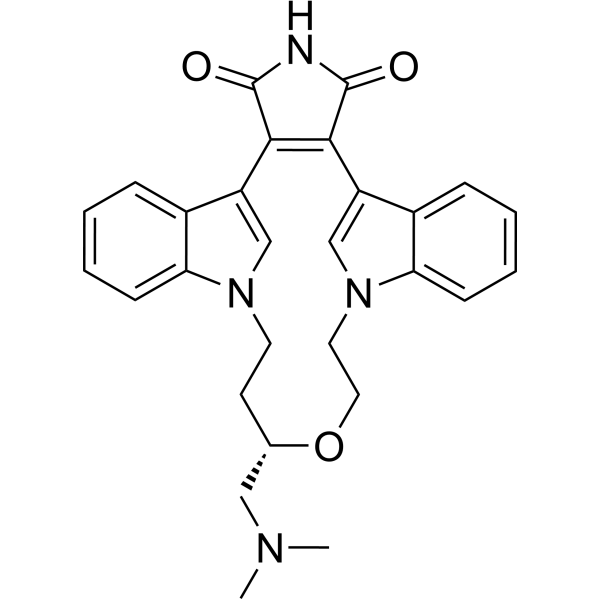 0 ImagesSynonyms: LY333531
-
Ro 31-8220 mesylate
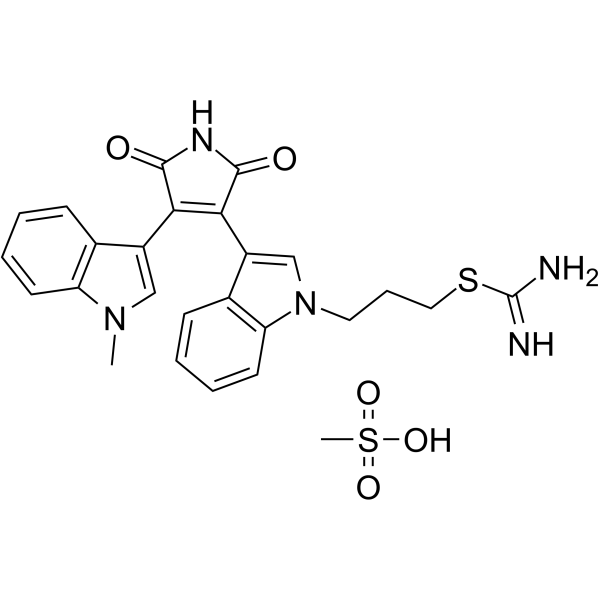 0 ImagesSynonyms: Ro 31-8220 methanesulfonate; Bisindolylmaleimide IX mesylateRo 31-8220 mesylate is a potent PKC inhibitor, with IC50s of 5, 24, 14, 27, 24 and 23 nM for PKCα, PKCβI, PKCβII, PKCγ, PKCε and rat brain PKC, respectively. Ro 31-8220 also significantly inhibits MAPKAP-K1b, MSK1, S6K1 and GSK3β (IC50s, 3, 8, 15, and 38 nM, respectively), with no effect on MKK3, MKK4, MKK6 and MKK7. Ro 31-8220 mesylate can also inhibit the expression of MKP-1, induce the expression of c-Jun, and activate JNK, and these effects possess pharmacological properties independent of PKC.
-
(-)-Indolactam V
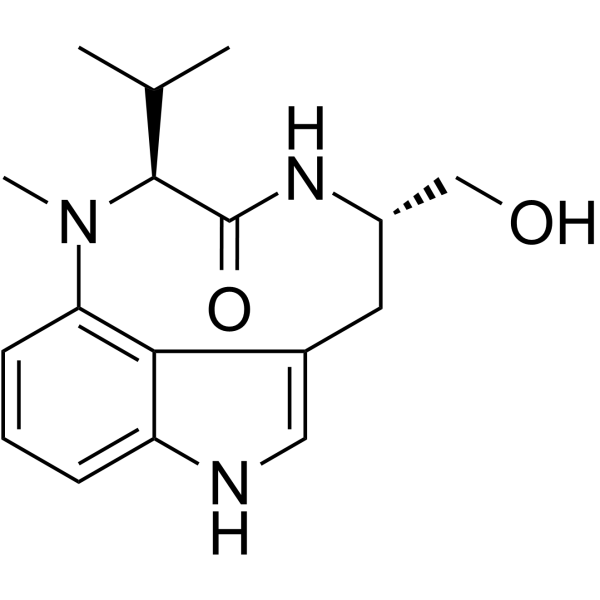 0 ImagesSynonyms: Indolactam V(-)-Indolactam V is a PKC activator, with Kis of 3.36 nM, 1.03 μM for η-CRD2 (PKCη surrogate peptide), γ-CRD2 (PKCγ surrogate peptide), and Kds of 5.5 nM (η-C1B), 7.7 nM (ε-C1B), 8.3 nM (δ-C1B), 18.9 nM (β-C1A-long), 20.8 nM (α-C1A-long), 137 nM (β-C1B), 138 nM (γ-C1A), 213 nM (γ-C1B), and has antitumor activity.
-
Ruboxistaurin hydrochloride
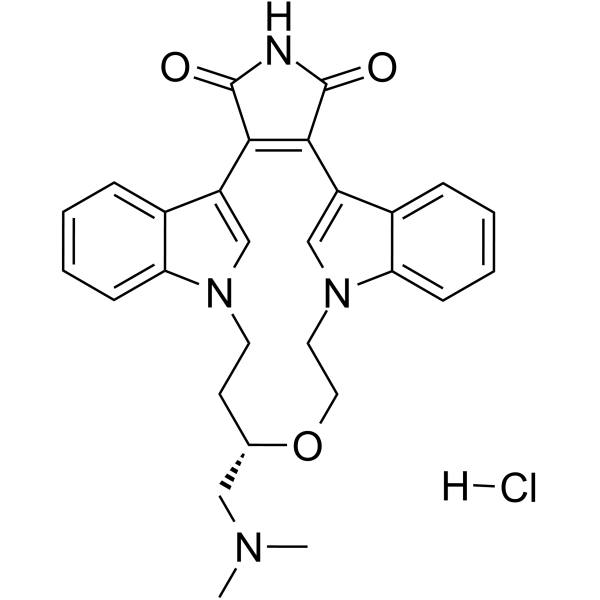 0 ImagesSynonyms: LY333531 hydrochloride
-
PKCβ inhibitor 1
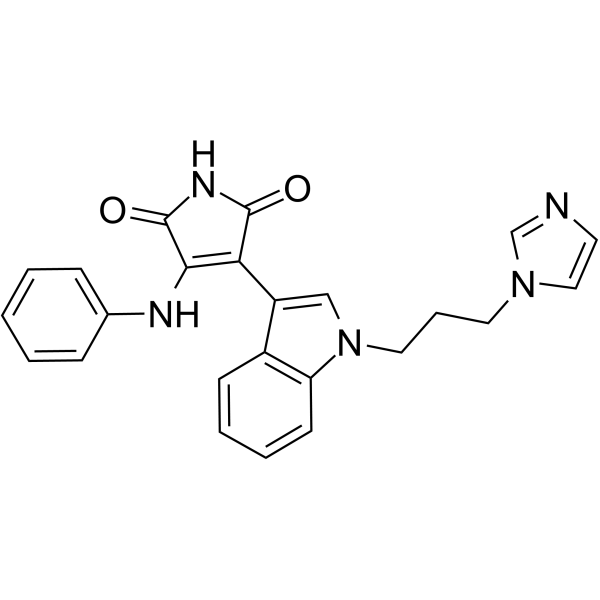 0 ImagesPKCβ inhibitor 1 is a potent, ATP-competitive, and selective PKCβ inhibitor with IC50s of 21 and 5 nM for human PKCβ1 and PKCβ2, respectively. PKCβ inhibitor 1 exhibits selectivity of more than 60-fold in favor of PKCβ2 relative to other PKC isozymes (PKCα, PKCγ, and PKCε).
-
Bisindolylmaleimide I hydrochloride
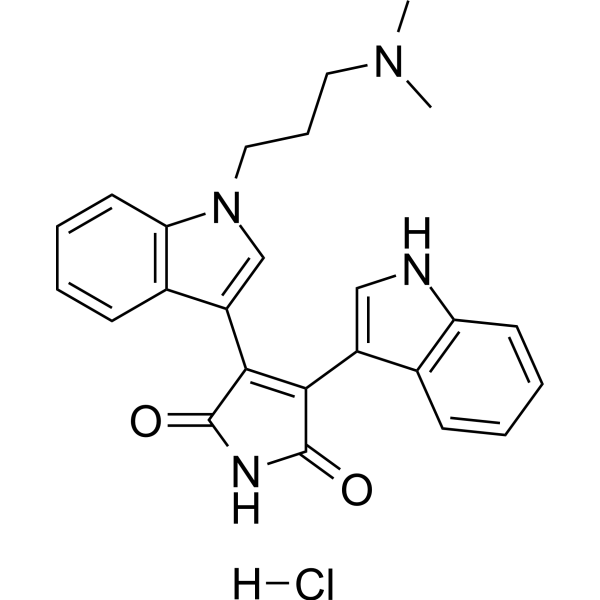 0 ImagesSynonyms: GF109203X hydrochloride; Go 6850 hydrochloride
-
Endoxifen (Z-isomer)
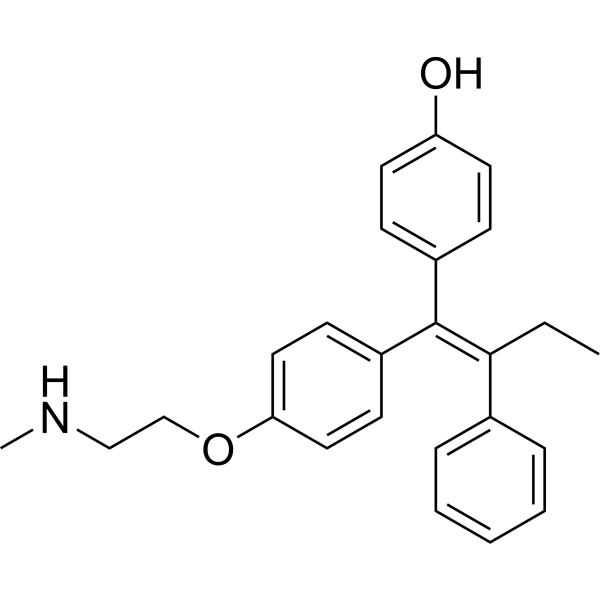 0 ImagesEndoxifen Z-isomer is an orally active selective PKCβ1 inhibitor with an IC50 of 360 nM against human PKCβ1. Endoxifen Z-isomer also acts as an estrogen receptor modulator and antiestrogen. Endoxifen Z-isomer binds to and blocks ERα, ERβ and PKCβ1, inhibits estrogen and PI3K/AKT/mTORC1 signaling pathways, suppresses the expression of genes associated with cell cycle, cell proliferation and extracellular matrix remodeling, and induces apoptosis, reactive oxygen species (ROS) production and hypoxic features. Endoxifen Z-isomer inhibits tumor growth in breast tumor and glioblastoma models, reduces bone turnover and blood lipid levels, and does not require metabolism via CYP2D6. Endoxifen Z-isomer can be used in research related to ER+ breast cancer, invasive breast cancer, glioblastoma multiforme, type I bipolar disorder, desmoid tumor, gynecological malignancies, melanoma and hormone receptor-positive solid tumors.
-
Bisindolylmaleimide VIII acetate
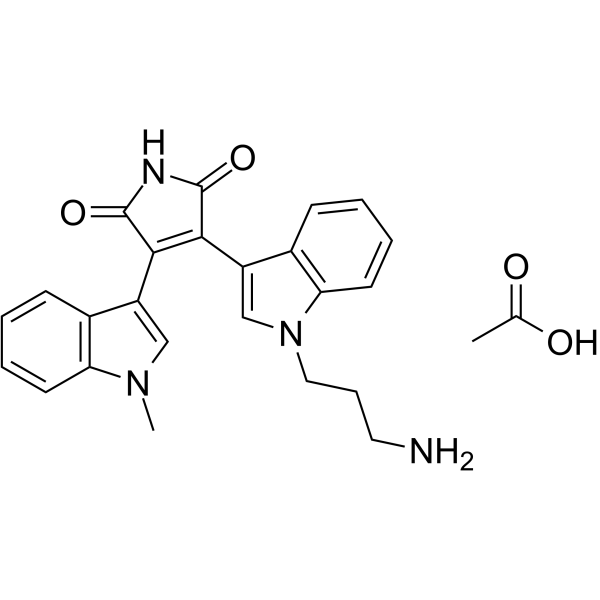 0 ImagesSynonyms: Ro 31-7549 acetate; Bis VIII acetateBisindolylmaleimide VIII acetate (Ro 31-7549 acetate) is a potent and selective protein kinase C (PKC) inhibitor with an IC50 of 158 nM for rat brain PKC. Bisindolylmaleimide VIII acetate has IC50s of 53, 195, 163, 213, and 175 nM for PKC-α, PKC-βI, PKC-βII, PKC-γ, PKC-ε, respectively. Bisindolylmaleimide VIII acetate facilitates Fas-mediated apoptosis and inhibits T cell-mediated autoimmune diseases.




