



Cell Function Analysiss
-
- Apoptosis Dyes (36)
- Blood Dyes (4)
- Cancer Analysis Dyes (42)
- Cell Viability Dyes (26)
- Cytotoxicity Analysis Dyes (19)
- Endocytosis and pinocytosis Dyes (12)
- Exosome Dyes (5)
- N0S Dyes (24)
- Neuroscience Analysis dyes (74)
- Nucleic Acid Dyes (102)
- PH Indicators (50)
- ROS Dyes (50)
- Other Analysis Dyes (63)
-

Fluorescent Dyes (471)
Classical products, mainly supplied as solid powder
-

FluoroStock & Ready (32)
Easy to use, provided in solution form
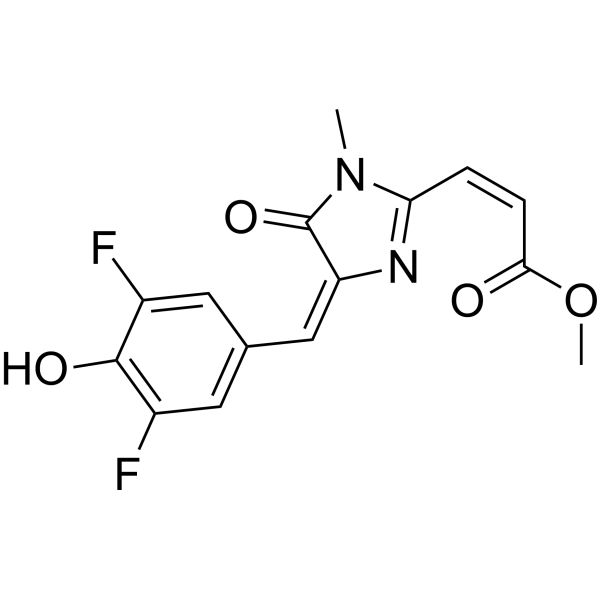
- Formula: C15H12F2N2O4
- Molecular Weight: 322.26
DFAME is a red fluorophore (Ex = 508 nm, Em = 641 nm). DFAME binds to Beetroot and Corn (dimeric fluorescent RNA aptamers) to form Beetroot-DFAME (Kd = 460 nM) and Corn-DFAME (Kd = 3600 nM). Beetroot-DFAME and Corn-DFAME can be used to form RNA assemblies in living cells. Creating RNA assemblies can be used for the study of RNA Nanostructures. DNA/RNA Nanostructures would be useful in cell and gene therapy (CGT) research.
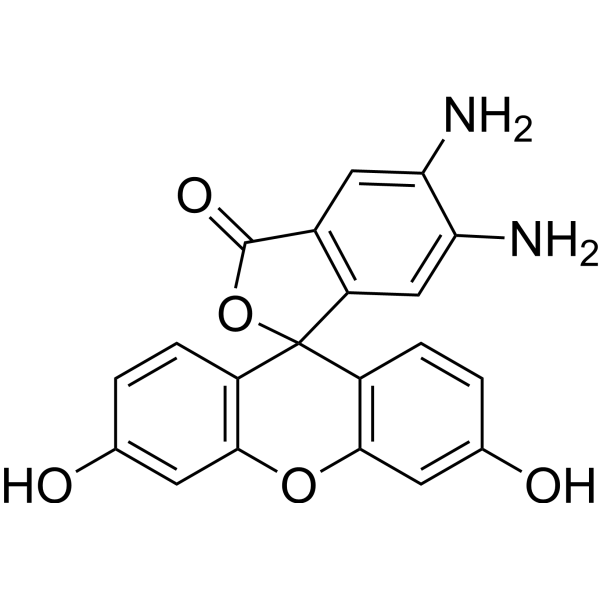
- Formula: C20H14N2O5
- Molecular Weight: 362.34
4,5-Diaminofluorescein is a fluorescent detector for nitric oxide (NO) in cells and tissues.
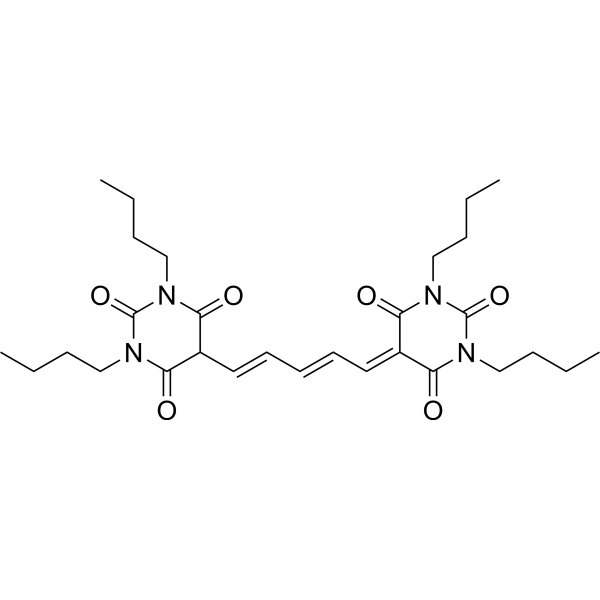
- Formula: C29H42N4O6
- Molecular Weight: 542.67
DiBaC4(5) is a fluorescent voltage-sensitive dye that can be used to monitor the transmembrane potentials when Papain-dissociated retinal cells from adult zebrafish were exposed to GABAergic ligands. DiBaC4(5) is a potential-sensitive fluorescence dye.
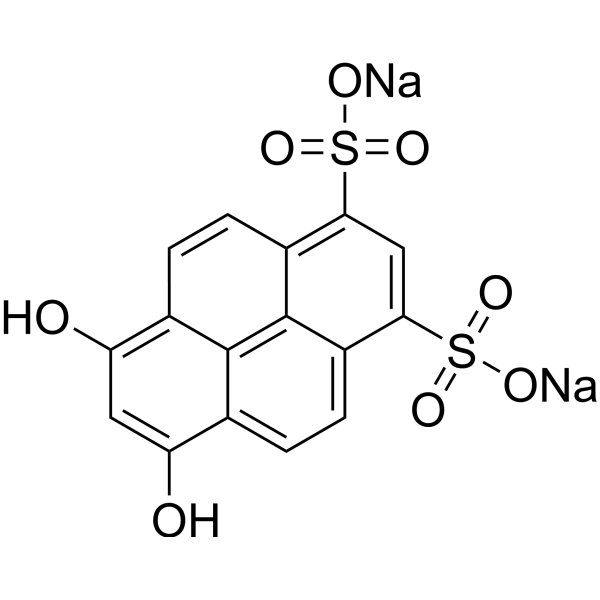
- Formula: C16H8Na2O8S2
- Molecular Weight: 438.34
DHPDS disodium salt is a pH-sensitive fluorescent dye. DHPDS disodium salt is used to measure intracellular pH (pHi) from the surface fluorescence of the isolated perfused rat liver.
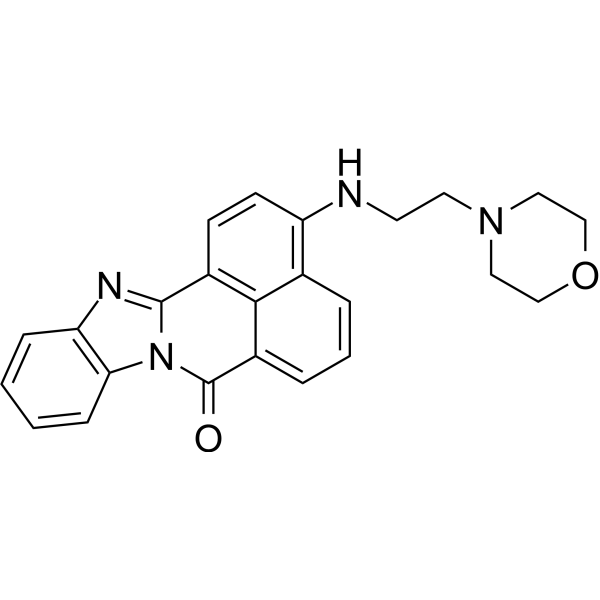
- Formula: C24H22N4O2
- Molecular Weight: 398.46
DND-189, a low-pH fluorescent probe, is sensitive to neutral and low pH range. DND-189 can be used to measure the pH of acidic organelles.
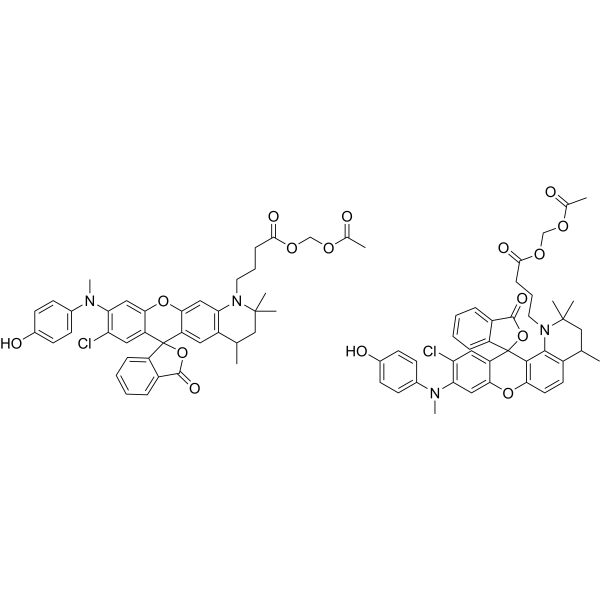
- Formula: C80H78Cl2N4O16
- Molecular Weight: 1422.40
HKYellow-AM (6/12-mixture) is a yellow fluorescent probe that can detect ONOO- in living cells and tissues with high selectivity and sensitivity without cytotoxicity.
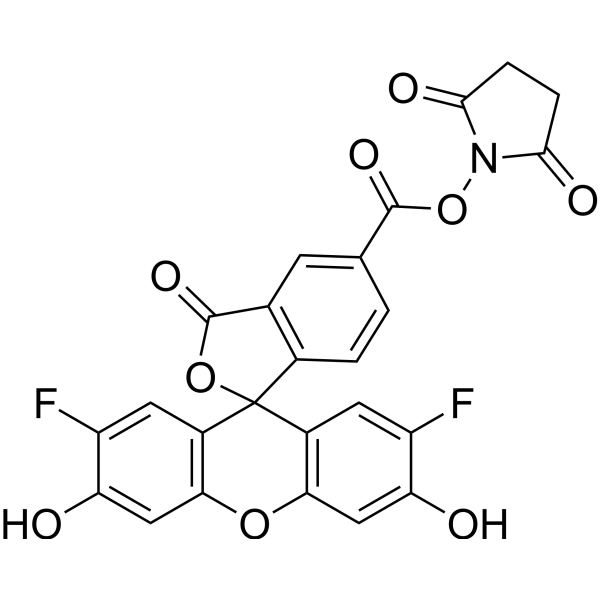
- Formula: C25H13F2NO9
- Molecular Weight: 509.37
OG 488, SE (Oregon green 488 succinimidyl ester), a fluorescent pH indicator, has many applications in biochemistry and neurosciences.
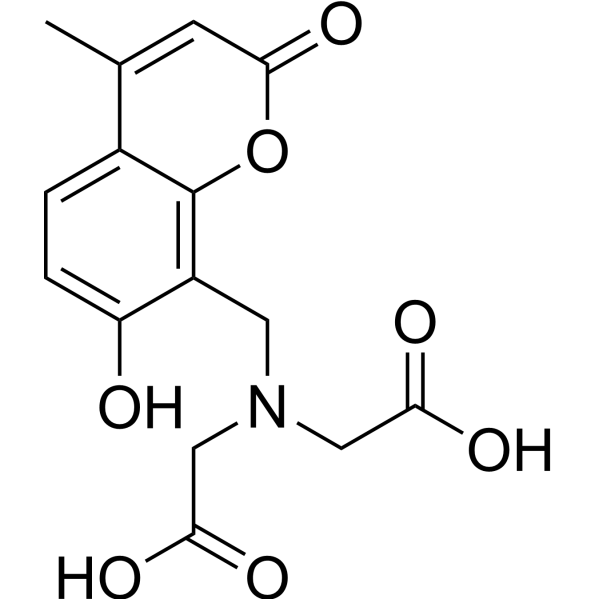
- Formula: C15H15NO7
- Molecular Weight: 321.28
Calcein Blue, a membrane-impermeant fluorescent dye, is a coumarin derivative that contains an iminodiacetic acid structure. Calcein Blue is also a metallofluorochromic indicator.
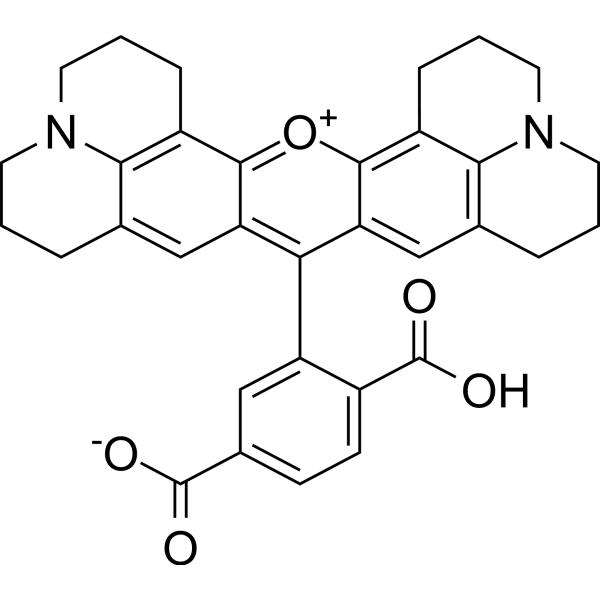
- Formula: C33H30N2O5
- Molecular Weight: 534.60
6-ROX is a selective fluorescent probe and potential inhibitor of COX-2. 6-ROX binds to the active site of COX-2 and inhibits its conversion of arachidonic acid into prostaglandins. 6-ROX is often used in the field of optical imaging related to tumors and inflammation, and helps detect diseased tissues with high expression of COX-2.
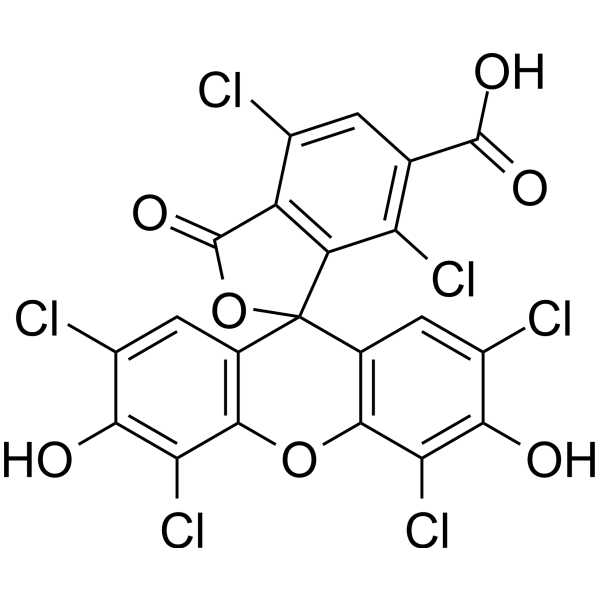
- Formula: C21H6Cl6O7
- Molecular Weight: 582.99
6-HEX is one kind of light base group, the wave length is 532 nm, the wave length is 556 nm. 6-HEX can be used to record nucleic acid sequences and design optical materials. 6-HEX can be used to record nucleic acids at 543 nm radiation, and at 550 nm and 650 nm radiation (5 nm radiation), it can be used to directly locate the base of the cell group.
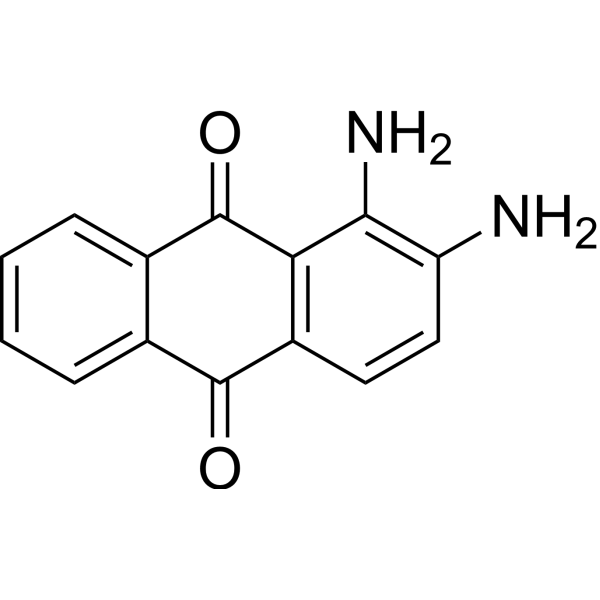
- Formula: C14H10N2O2
- Molecular Weight: 238.25
1,2-Diaminoanthraquinone is a sensitivity, specificity and nontoxic nitric oxide (NO) fluorescent probe. 1,2-Diaminoanthraquinone can be used to detect NO productions in live cell and animals with a maximum of absorption at about 540 nm and a detection limit of 5 μM for NO.
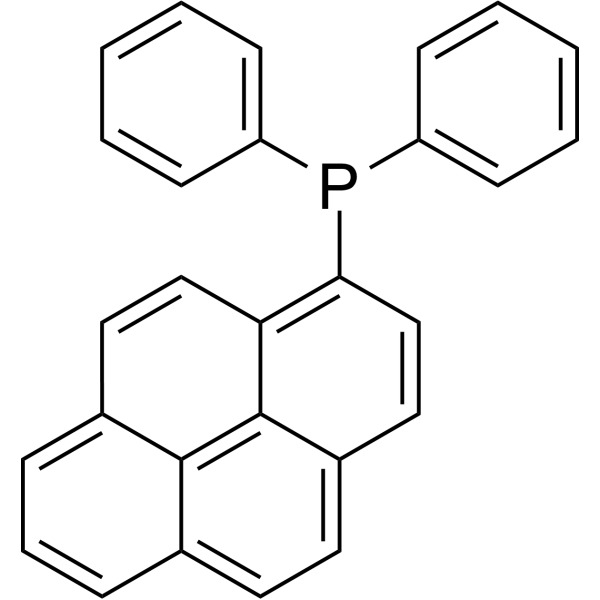
- Formula: C28H19P
- Molecular Weight: 386.42
Diphenyl-1-pyrenylphosphine (DPPP) is a functional organic molecule with both fluorescent properties and metal coordination ability, which is commonly used in materials and coordination chemistry research. Upon exposure to ultraviolet light, Diphenyl-1-pyrenylphosphine undergoes photoinduced phosphorus atom oxidation to form O-DPPP, triggering a transition from aggregation-induced emission (AIE) to aggregation-caused quenching (ACQ). Diphenyl-1-pyrenylphosphine reacts stoichiometrically with lipid hydroperoxides to produce fluorescent diphenyl-1-pyrenylphosphine oxide. Diphenyl-1-pyrenylphosphine can insert into cell membranes to monitor lipid peroxidation processes in living cells.
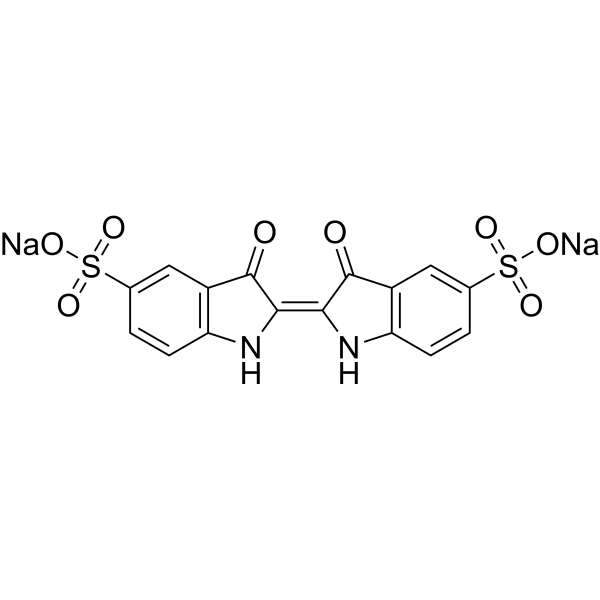
- Formula: C16H8N2Na2O8S2
- Molecular Weight: 466.35
Indigo carmine is an efficient reagent for the determination of ozone by chemlluminescence (CL).
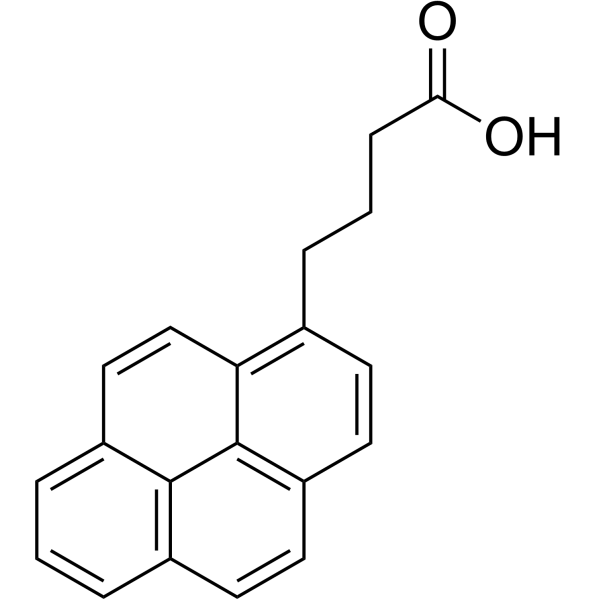
- Formula: C20H16O2
- Molecular Weight: 288.35
1-Pyrenebutyric acid is a pyrene-based fluorescent probe compound. The fluorescence lifetime of 1-Pyrenebutyric acid is quenched by molecular oxygen and intracellular ROS, thus it serves as a fluorescent probe for detecting ROS and oxygen concentration through fluorescence lifetime measurements. 1-Pyrenebutyric acid undergoes electrostatic interactions with arginine-rich peptides, increasing their net hydrophobicity, promoting their direct translocation across lipid bilayers, and enhancing cytosolic delivery. 1-Pyrenebutyric acid is used for intracellular reactive oxygen species detection and research related to arginine-rich peptide-mediated cytosolic delivery.
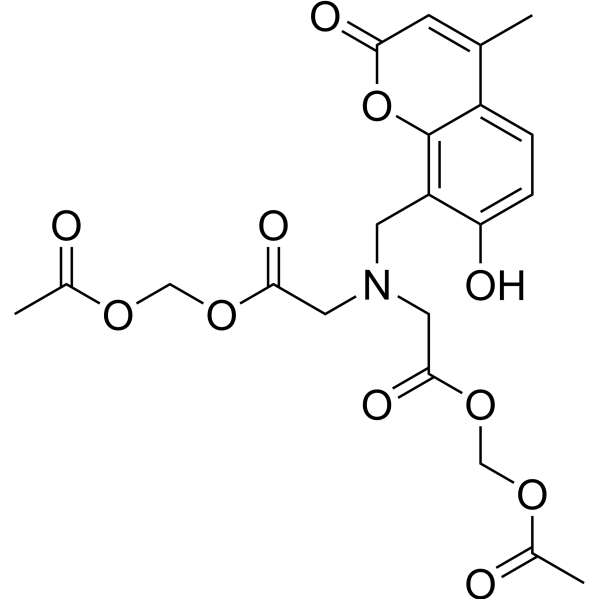
- Formula: C21H23NO11
- Molecular Weight: 465.41
Calcein Blue AM is a cell staining agent. Calcein Blue AM serves as a substrate for intracellular esterases, which hydrolyze its acetoxymethyl (AM) ester group to convert the non-fluorescent reagent into fluorescent Calcein Blue. Calcein Blue AM passively penetrates the plasma membrane of both live and dead cells; it is converted into a polar fluorescent product and retained in the cytoplasm of live cells, whereas dead cells cannot retain the dye. Calcein Blue AM exhibits significant dye leakage, and its fluorescence intensity gradually decreases over time. Calcein Blue AM can be used for endpoint-based cell viability assays and short-term cell tracking experiments with a duration of no more than 4 hours.
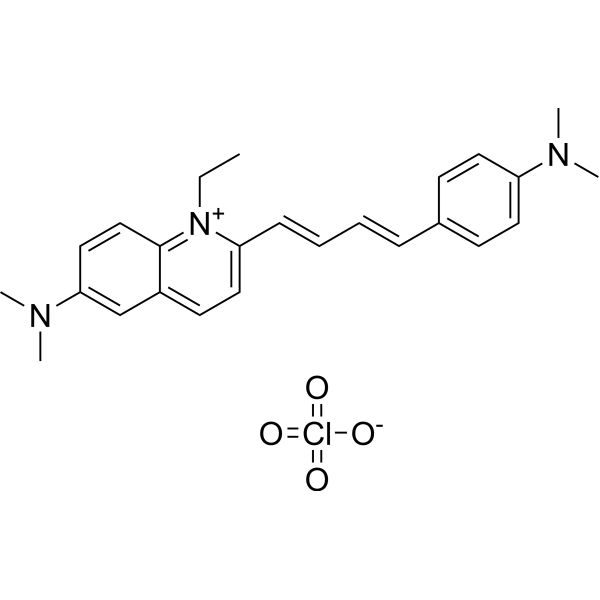
- Formula: C25H30ClN3O4
- Molecular Weight: 471.98
Lds-751 is a nucleic acid stain that mainly detects DNA. Lds-751 is a nucleic acid stain that mainly detects DNA. Lds-751 has a high affinity for DNA and fluorescence is enhanced after binding, but the maximum emission wavelength is 670nm. Lds-751 and Thiazole orange can be used for the differentiation of red blood cells, platelets, reticulocytes, and nucleated cells and can be stimulated at 488nm. Studies have shown that LDS-751 binds almost exclusively to mitochondria when incubated with nucleated living cells. After nucleated Acridine Orange (HY-101879) staining and LDS-751 treatment of cells, confocal microscopy revealed almost no co-location of the cells. Staining with Rhodamine 123 (HY-D0816), a dye known to bind polarized mitochondria, was almost identical to the pattern observed with LDS-751.
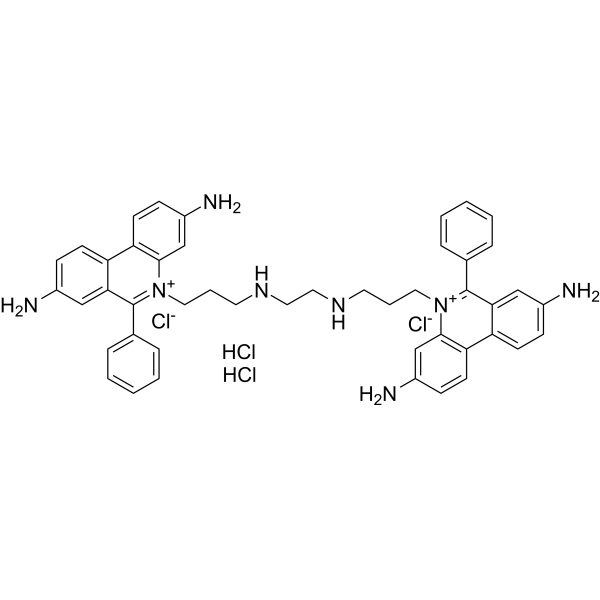
- Formula: C46H50Cl4N8
- Molecular Weight: 856.75
Ethidium homodimer (EthD-1) is a high-affinity fluorescent nucleic acid dye commonly used to stain mammals, bacteria, yeast, and fungi. Ethidium homodimer binds to DNA or RNA, enhancing fluorescence more than 30 times. The Ethidium homodimer has a strong positive charge, so it cannot cross cell membranes and stain living cells; But the Ethidium homodimer can cross the disordered region of the dead cell membrane to reach the nucleus and embed the DNA double strand to produce red fluorescence. Therefore, Ethidium homodimer is a relatively sensitive nucleic acid stain that can accurately detect nucleic acids in solution or in decomposing cells. Ethidium homodimer binds DNA, Ex/Em=528/617 nm.
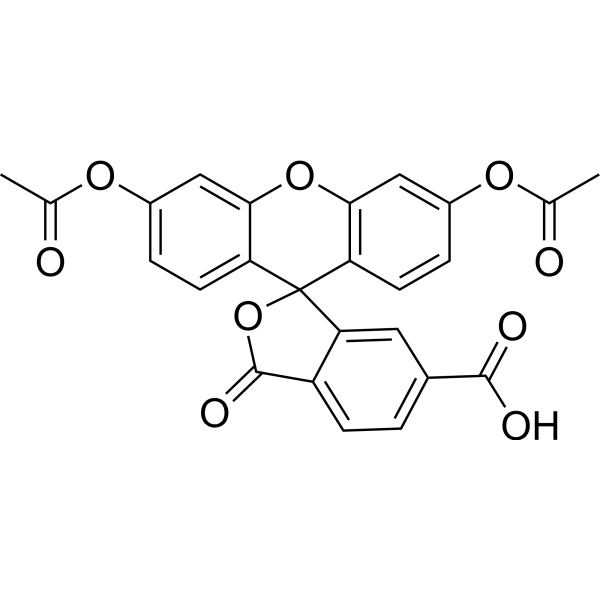
- Formula: C25H16O9
- Molecular Weight: 460.39
6-CFDA is a common aliphatic luciferin-line organism. CFDA conducts free diffusion into cells, and then it is hydrolyzed into carboxyl fluorescein (CF) by intracellular non-specific lipase. CF containing portion contains an additional negative charge so that it is better retained in cells, compared to fluorescein dyes.
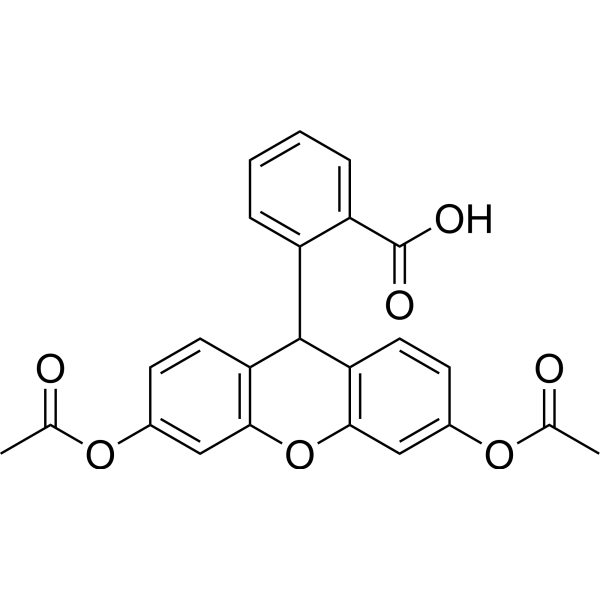
- Formula: C24H18O7
- Molecular Weight: 418.40
Dihydrofluorescein diacetate is a fluorimetric probe mainly used for oxidative stress measurements, in both cell-free systems and cellular models.
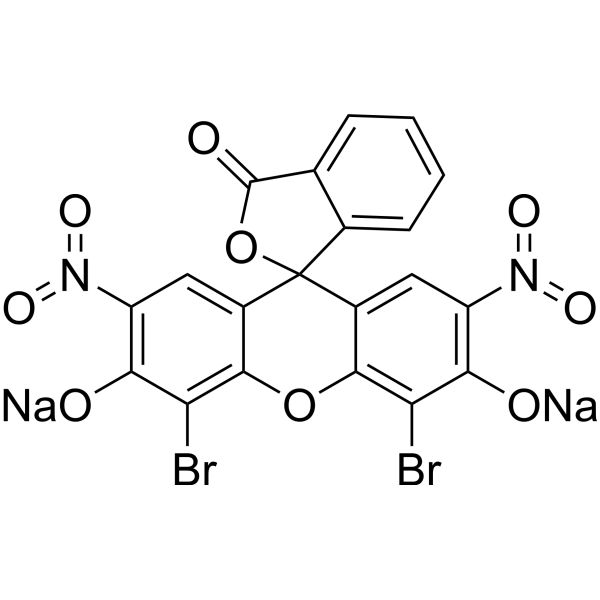
- Formula: C20H6Br2N2Na2O9
- Molecular Weight: 624.06
Eosin B (Acid Red 91) is a multifunctional dye. Dyes are important tools in biological experiments. They can help researchers observe and analyze cell structures, track biomolecules, evaluate cell functions, distinguish cell types, detect biomolecules, study tissue pathology and monitor microorganisms. Their applications range from basic scientific research to clinical A wide range of diagnostics. Dyes are also widely used in traditional fields such as textile dyeing, as well as in emerging fields such as functional textile processing, food pigments and dye-sensitized solar cells.



