434 Results for "

G1-phase

" in MedChemExpress (MCE) Product Catalog:
Products (434)

434 Results for "G1-phase" in MCE Product Catalog:

3
3 Cited Publications
Cat. No.: HY-15221
CAS No.: 1310877-95-2
Purity:  98.34%
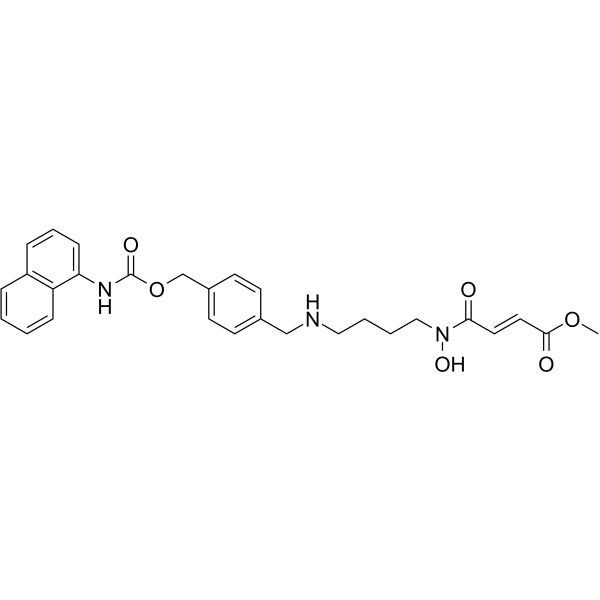
Methylstat is a potent histone demethylases inhibitor. Methylstat shows anti-proliferative activity with low cytotoxicity. Methylstat induces apoptosis and cell cycle arrest at G0/G1 phase. Methylstat increases the expression of p53 and p21 protein levels. Methylstat inhibits angiogenesis induced by various cytokines. Methylstat can be used as a chemical probe for addressing its role in angiogenesis [1] .
loading...
    loading...
3
3 Cited Publications
Cat. No.: HY-N0202
CAS No.: 73069-14-4
Synonyms: Asterolide
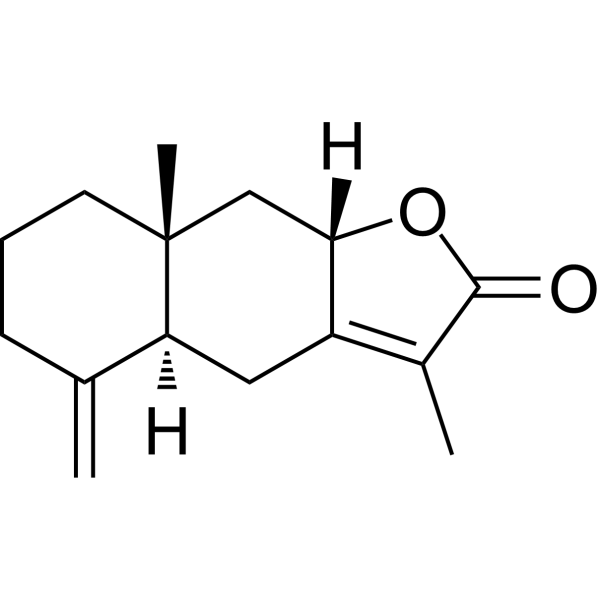
Atractylenolide II (Asterolide) is a sesquiterpenoid compound. Atractylenolide II can induce G1 phase cell cycle arrest and apoptosis in B16 melanoma cells. Atractylenolide II is an orally effective anticancer agent that can exert anti-melanoma effects by inhibiting the STAT3 signaling pathway. In addition, Atractylenolide II has been shown to ameliorate myocardial fibrosis, oxidative stress, and neuroprotective activity [1] .
loading...
    loading...
3
3 Cited Publications
Cat. No.: HY-18981
CAS No.: 5928-25-6
Synonyms: (+)-Decursin
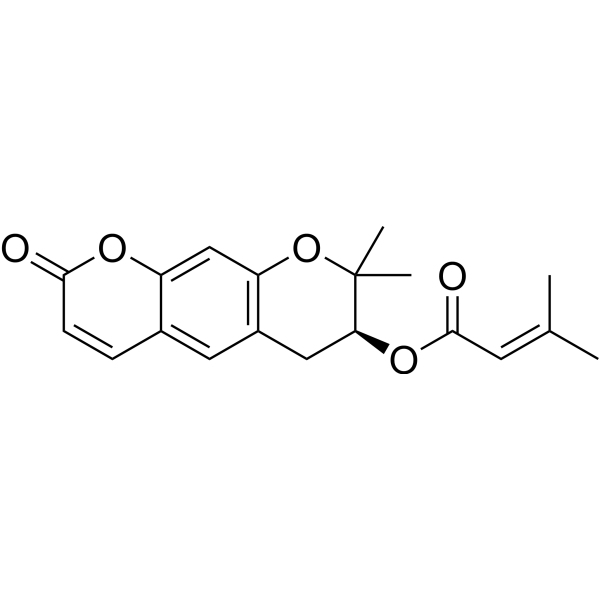
Decursin ((+)-Decursin) is a potent anti-tumor agent. Decursin also is a cytotoxic agent and a potent protein kinase C activator. Decursin induces apoptosis and cell cycle arrest at G1 phase. Decursin decreases the expression of CDK2, CDK4, CDK6, cyclin D1 protein at 48 h. Decursin inhibits cell proliferation and migration. Decursin shows anti-tumor, anti-inflammatory and analgesic activities [1] .
loading...
    loading...
3
3 Cited Publications
Cat. No.: HY-N0858
CAS No.: 62956-48-3
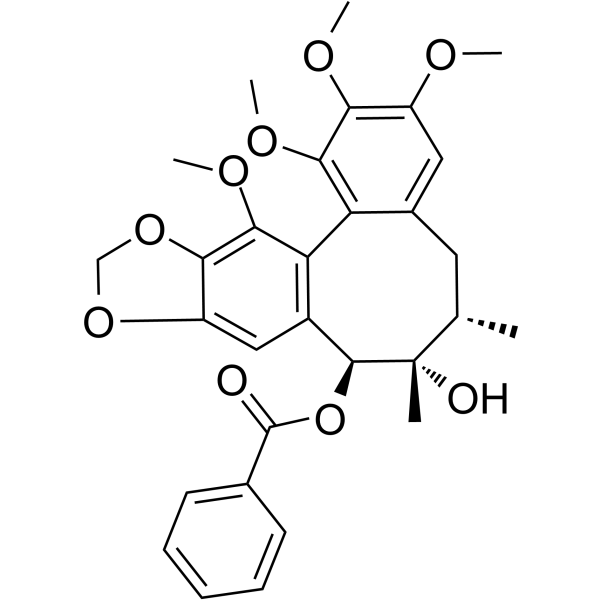
Gomisin G is a lignin from S. chinesis with anti-HIV (EC50 = 0.006 μg/mL), anti-liver cancer and anti-inflammatory activities. Gomisin G has an AKT-cyclin D1 dependent mechanism against triple-negative breast cancer (TNBC) cells through suppressing phosphorylation rather than inducing apoptosis. Gomisin G can inhibit AKT phosphorylation. Gomisin G can cause cell cycle arrest in the G1 phase. Gomisin G can be studied in research for diseases such as HIV, breast and liver cancers [1] .
loading...
    loading...
3
3 Cited Publications
Cat. No.: HY-15466
CAS No.: 1007207-67-1
Purity:  99.01%
Synonyms: CH5132799
Target:  

PI3K Apoptosis mTOR Akt

Research Areas:  

Cancer

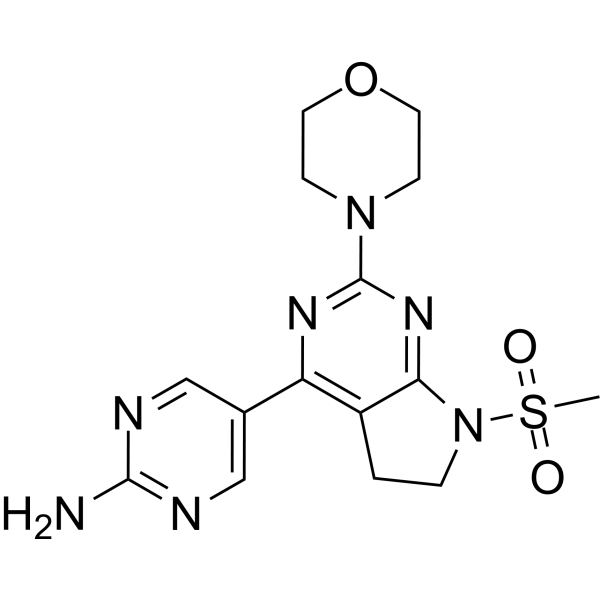
Izorlisib (CH5132799) is an orally active, selective Class I PI3K inhibitor with an IC50 value of 14 nM against PI3Kα. Izorlisib specifically inhibits Class I PI3K (particularly PI3Kα and its mutants) and blocks the PI3K/Akt/mTOR pathway; this leads to cell cycle arrest at the G1 phase and apoptosis without triggering feedback activation of Akt by competitively binding to the ATP-binding site of PI3K. Izorlisib can be used in research on cancers harboring PIK3CA mutations or PTEN loss (such as breast, ovarian, prostate, and endometrial cancers) [1] .
loading...
    loading...
3
3 Cited Publications
Cat. No.: HY-N4185
CAS No.: 61153-77-3
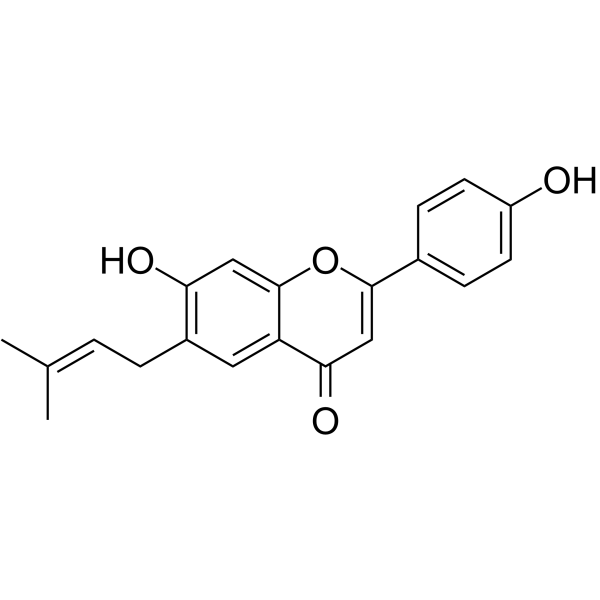
Licoflavone A is an orally active PTP1B/VEGFR-2 inhibitor, with an IC50 of 54.5 μM against PTP1B, an IC50 of 14.36 μM and a Kd of 142.38 nM against human VEGFR-2. Licoflavone A blocks the PI3K/AKT and MEK/ERK signaling pathways. Licoflavone A induces G1 phase cell cycle arrest, apoptosis via the intrinsic mitochondrial pathway (apoptosis), and inhibits migration, invasion and epithelial-mesenchymal transition (EMT) of gastric cancer cells. Licoflavone A inhibits the proliferation of gastric cancer cells in vitro and in xenograft models. Licoflavone A reduces the expression levels of HIF-1α, GLUT1, LDHA, PKM2 and HK2 in hypoxic gastric cancer cells, decreases glucose uptake and suppresses glycolysis. Licoflavone A can be used in research related to gastric cancer, type 2 diabetes and obesity [1] .
loading...
    loading...
2
2 Cited Publications
Cat. No.: HY-110111
CAS No.: 1380782-27-3
Purity:  99.04%
Target:  

DNA/RNA Synthesis

Research Areas:  

Cancer

T2AA is a monoubiquitinated proliferating cell nuclear antigen (PCNA) inhibitor that prevents DNA repair, increases double-strand break (DSB) formation and promotes necroptosis and cell cycle arrest in G1 phase [1].
loading...
    loading...
2
2 Cited Publications
Cat. No.: HY-13680
CAS No.: 97207-47-1
Purity:  99.91%
Synonyms: Dian III; N-Methylisoindigotin; Natura-α
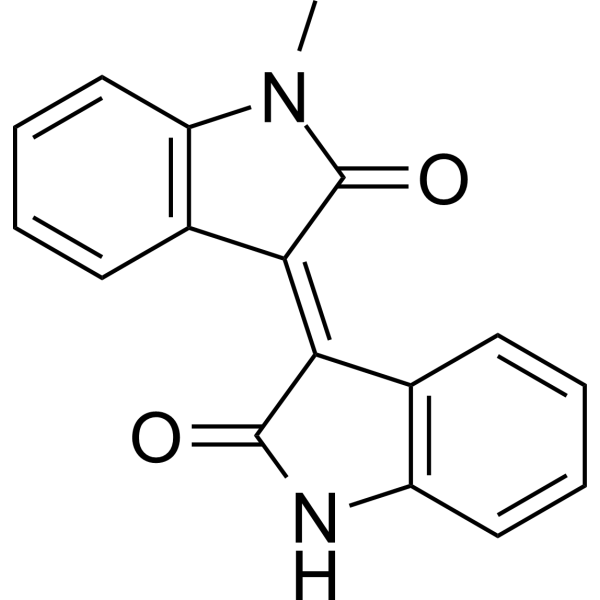
Meisoindigo (Dian III), a derivative of Indirubin (HY-N0117), halts the cell cycle at the G0/G1 phase and induces apoptosis in primary acute myeloid leukemia (AML) cells. Meisoindigo exhibits high antitumor activity [1] .
loading...
    loading...
2
2 Cited Publications
Cat. No.: HY-19350
CAS No.: 537034-17-6
Target:  

HDAC Apoptosis

Research Areas:  

Cancer

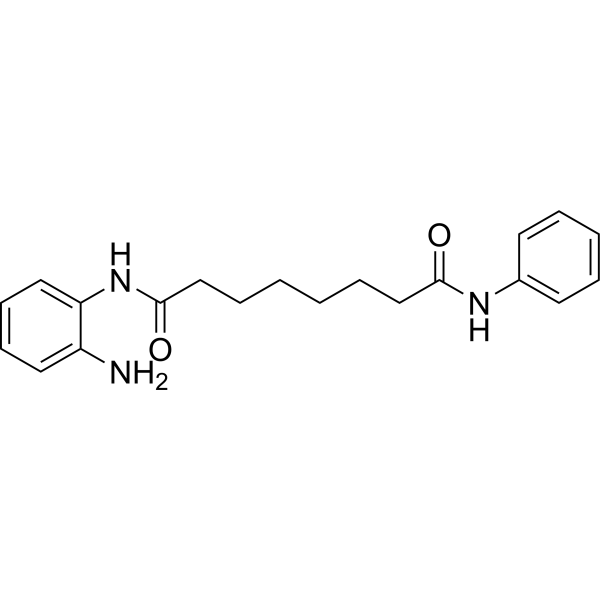
BML-210 is a potent HDAC inhibitor. BML-210 can inhibit the HDAC4-VP16-driven reporter signal with an apparent IC50 of ∼5 µM. BML-210 has a specific disruptive effect on the HDAC4:MEF2 interaction. BML-210 causes an increase in the G0/G1 phase. BML-210 induces apoptosis and displays antitumour activities in orthotopic mammary tumours in mice [1] .
loading...
    loading...
2
2 Cited Publications
Cat. No.: HY-111334
CAS No.: 105748-59-2
Purity:  99.74%
Synonyms: Brassinine
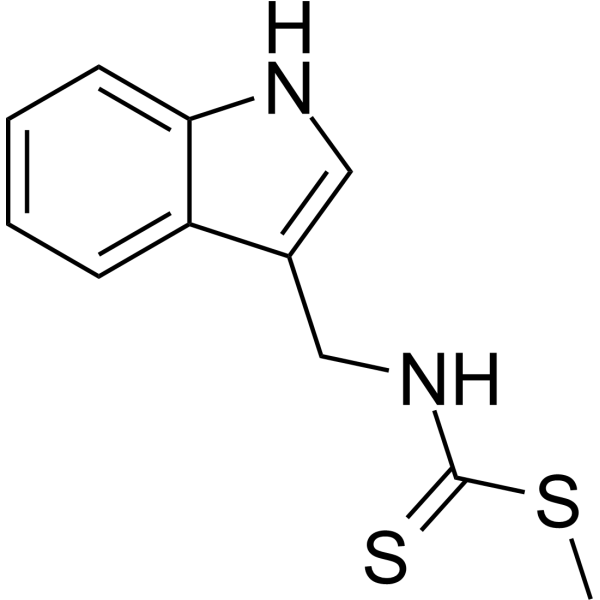
Brassinin is an indole derivative found in cruciferous plants. Brassinin acts as an IDO inhibitor (Ki = 97.7 μM). Brassinin inhibits angiogenesis and induces apoptosis, autophagy, paraptosis, ROS production, and ER stress. Brassinin selectively stimulates lysosomal degradation of Tie2 and promotes lysosomal and proteasomal degradation of FGFR1 in endothelial cells, downregulating AKT and ERK phosphorylation. Brassinin inhibits endothelial cell proliferation, migration, tube formation, spheroid sprouting, and angiogenesis. Brassinin inhibits PI3K/Akt/mTOR/S6K1 signaling, upregulates p21 and p27, and induces G1 phase cell cycle arrest through RB hypophosphorylation. Brassinin inhibits tyrosinase catalytic activity, reduces tyrosinase mRNA, and inhibits MITF nuclear translocation. Brassinin is used for research on triple-negative breast cancer, chronic myeloid leukemia, colon cancer, glioma, atherosclerosis, and skin cancer [1] .
loading...
    loading...
1
1 Cited Publications
Cat. No.: HY-149428
CAS No.: 2918262-09-4
Purity:  98.01%
Research Areas:  

Cancer

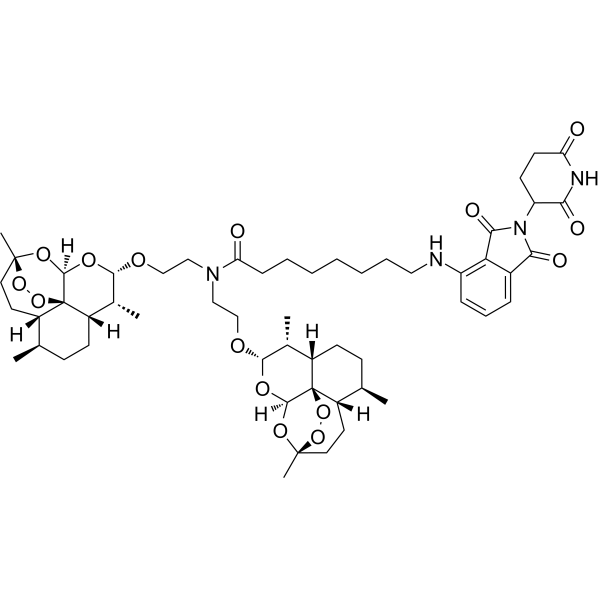
AD4 is a PROTAC that induces the degradation of PCLAF by recruiting cereblon. AD4 is also an artemisinin derivative. AD4 directly binds to PCLAF with a KD of 6.1 μM, and induces apoptosis and G1-phase cell cycle arrest. By degrading PCLAF, AD4 upregulates p21, reduces Rb phosphorylation, downregulates Bcl-2 and upregulates Bax, thereby activating the p21/Rb axis. AD4 can be used in studies related to acute B-lymphoblastic leukemia and PCLAF-dependent anticancer mechanisms [1].
loading...
    loading...
1
1 Cited Publications
Cat. No.: HY-W011370
CAS No.: 134-04-3
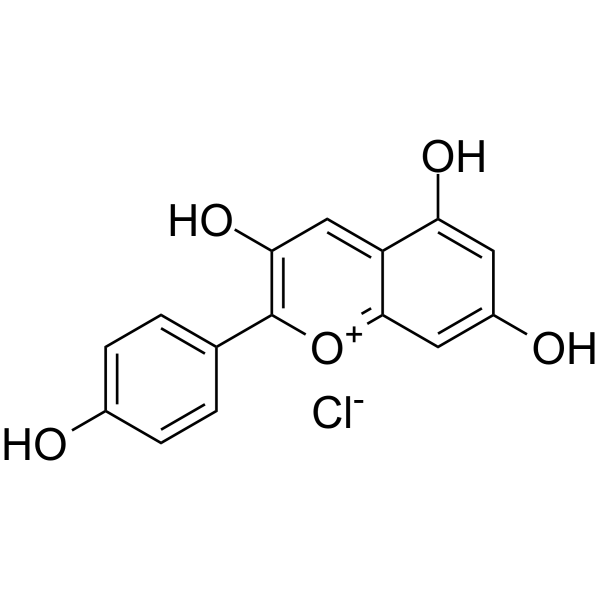
Pelargonidin chloride is an anthocyanidin and also is a scavenger of nitric oxide radical and has antioxidant activities. Pelargonidin inhibits cell viability and induces cell cycle arrest at sub-G1 phase. Pelargonidin chloride increases the mRNA and protein expression of HO-1, NQO1, Nrf2. Pelargonidin chloride improves Aβ-induced memory and learning impairment [1] .
loading...
    loading...
1
1 Cited Publications
Cat. No.: HY-10815
CAS No.: 1204401-49-9
Purity:  99.89%
Research Areas:  

Neurological Disease Cancer

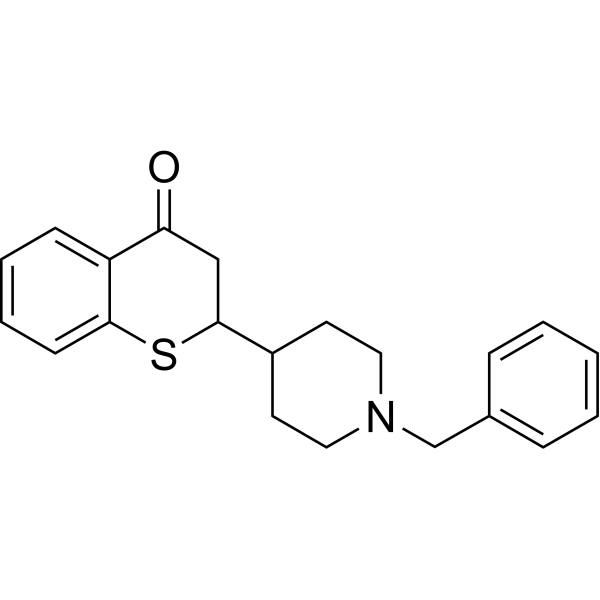
σ1 Receptor antagonist-1 is a highly potent and selective sigma 1 receptor antagonist (pKi=10.28). σ1 Receptor antagonist-1 inhibits cell growth, arrests cell cycle at G0/G1 phase and induces apoptosis of MCF-7/ADR cells [1].
loading...
    loading...
1
1 Cited Publications
Cat. No.: HY-114414
CAS No.: 2271413-06-8
Purity:  99.01%
Target:  

HDAC mTOR Apoptosis

Research Areas:  

Cancer

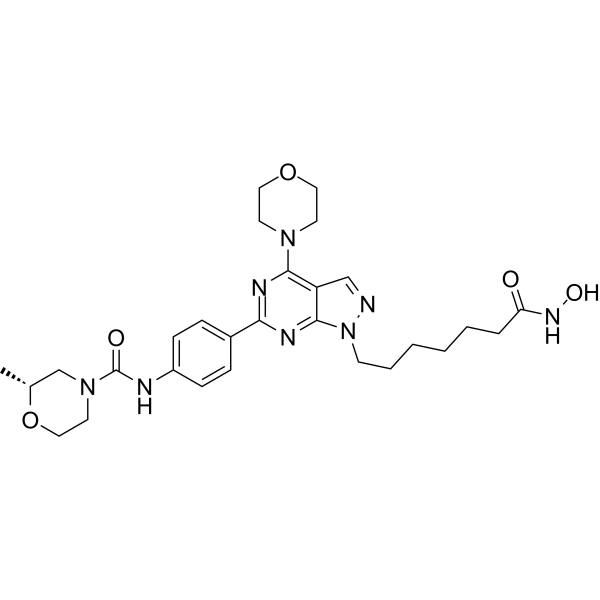
HDACs/mTOR Inhibitor 1 is a dual HDACs and mTOR inhibitor, with IC50s of 0.19 nM, 1.8 nM, 1.2 nM for HDAC1, HDAC6, mTOR, respectively. HDACs/mTOR Inhibitor 1 stimulates cell cycle arrest in G0/G1 phase and induces tumor cell apoptosis with low toxicity in vivo. HDACs/mTOR Inhibitor 1 can be used in the research of hematologic malignancies [1] .
loading...
    loading...
1
1 Cited Publications
Cat. No.: HY-15485
CAS No.: 101975-10-4
Purity:  98.59%
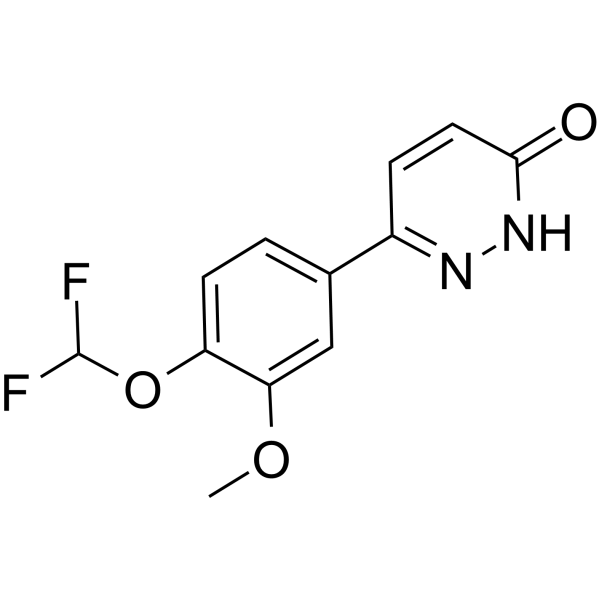
Zardaverine is an orally active and selective PDE3/4 inhibitor (IC50)=0.58 uM/0.17 uM) with potent bronchodilator activity. Zardaverine also selectively inhibits the proliferation of HCC cells and induces apoptosis and cycle arrest (G0/G1 phase). Zardaverine has good antitumor potential and is effective in both bronchial relaxation and reduction of inflammation in asthma [1] .
loading...
    loading...
1
1 Cited Publications
Cat. No.: HY-16160
CAS No.: 851636-83-4
Target:  

Autophagy ICMT

Research Areas:  

Neurological Disease Cancer

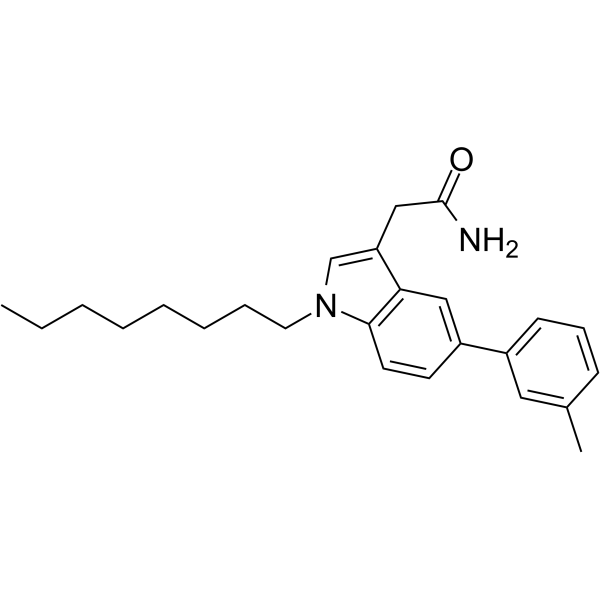
Cysmethynil is an Icmt inhibitor(IC50 = 2.4 μM). Cysmethynil inhibites RAS membrane binding and EGF signal transduction. Cysmethynil prevents the cells in the G1 phase and induces autophagy. Cysmethynil inhibits PC3 cells proliferation, has synergistic effect with Paclitaxel (HY-B0015) and Doxorubicin (HY-15142A). Cysmethynil has anti-tumor effects and can be used for solid tumor (such as prostate cancer et al.) research [1] .
loading...
    loading...
1
1 Cited Publications
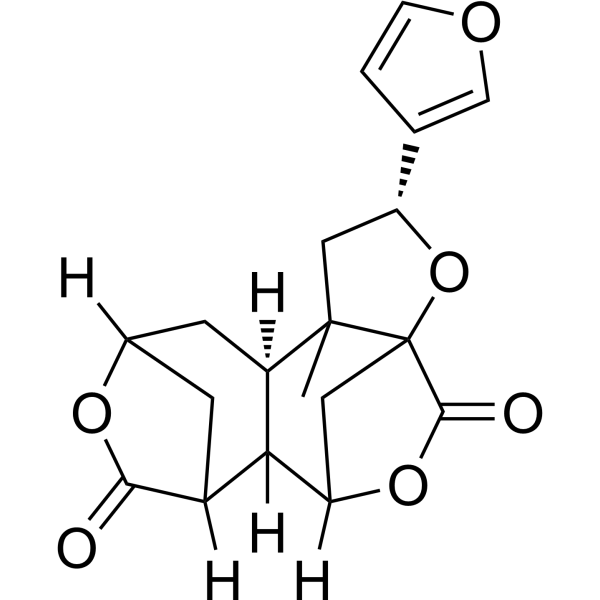
Cat. No.: HY-N0429
CAS No.: 20086-06-0
Diosbulbin B, a diterpene lactone, is an anticancer agent. Diosbulbin B is an orally active component of Dioscorea. bulbifera L. Diosbulbin B can inhibit cell proliferation, induce G0/G1 phase arrest and apoptosis. Diosbulbin B can induce autophagy and mitochondrial dysfunction. Diosbulbin B can induce liver injury. Diosbulbin B can be used for the research of cancer, such as non-small cell lung cancer (NSCLC) [1] .
loading...
    loading...
1
1 Cited Publications
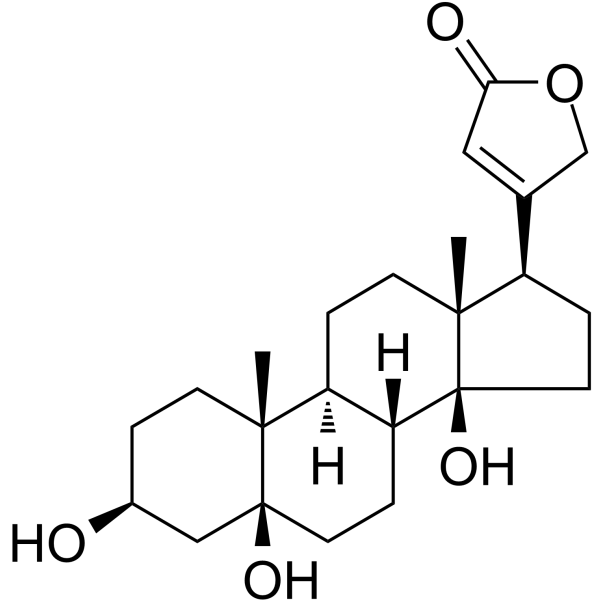
Cat. No.: HY-N2414
CAS No.: 514-39-6
Periplogenin is an orally active cardiac glycoside found in Cortex periplocae. Periplogenin can induce ROS production and necroptosis and cause G0/G1 phase arrest. Periplogenin can inhibit pyroptosis by regulating the NLRP3/Caspase-1/GSDMD signaling. Periplogenin suppresses growth of prostate carcinoma cells by docking to an ATP1A1 protein pocket and forming a hydrogen bond with T804. Periplogenin can be used for the researches of cancer, inflammation and immunology, such as prostate carcinoma, rheumatoid arthritis and psoriasis [1] .
loading...
    loading...
1
1 Cited Publications
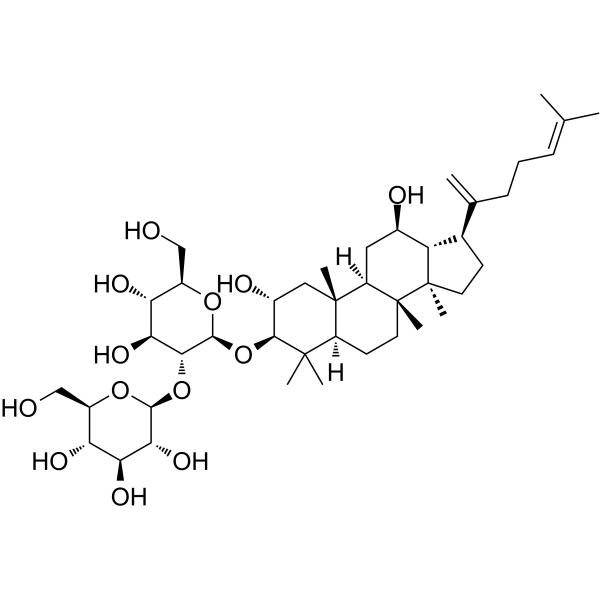
Cat. No.: HY-16942
CAS No.: 1202868-75-4
Damulin B is a dammarane-type saponin found in Gynostemma pentaphyllum. Damulin B can inhibit cancer cell apoptosis, decrease mitochondrial membrane potential, inhibit ROS production and cause G0/G1 phase arrest. Damulin B can prevent Cisplatin (HY-17394)-induced acute kidney injury and induce hair growth. Damulin B shows anti-inflammation anti-diabetic and anti-obesity effect. Damulin B can be used for the researches of cancer, inflammation, metabolic disease, such as lung cancer, osteoarthritis and diabetes [1] .
loading...
    loading...
1
1 Cited Publications
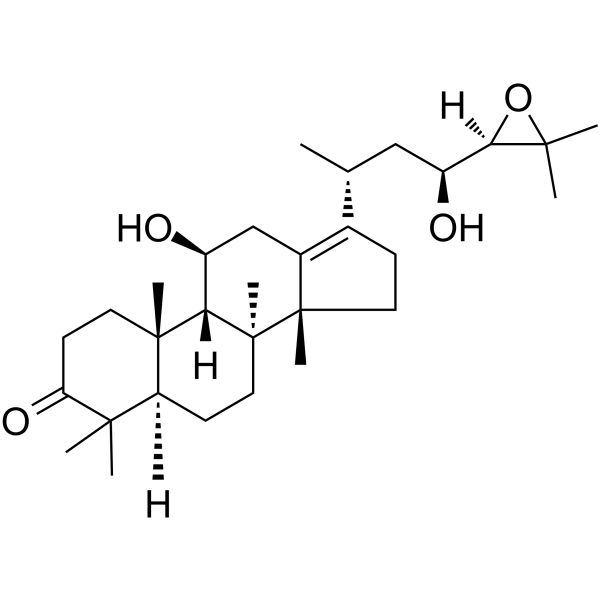
Cat. No.: HY-N0805A
CAS No.: 18649-93-9
Alisol B is a triterpene with diverse biological activities. Alisol B binds human soluble epoxide hydrolase (sEH) with a Ki of 5.97 μM and reduces sEH activity. Alisol B inhibits RANKL-induced JNK phosphorylation, NFATc1 and c-Fos expression, osteoclast formation, mature osteoclast pit-forming and actin ring activity, and SERCA pump activity. Alisol B induces calcium mobilization, CaMKK-AMPK-mTOR pathway activation, autophagic flux, autophagosome formation, G1 phase cell cycle arrest, endoplasmic reticulum stress, unfolded protein responses, and cancer cell apoptosis. Alisol B can be used for the research of hypercalcemia, osteoporosis, rheumatoid arthritis, periodontitis, acute kidney injury, and breast cancer [1] .
loading...
    loading...

