465 Results for "

bile

" in MedChemExpress (MCE) Product Catalog:
Products (465)

465 Results for "bile" in MCE Product Catalog:

9
9 Cited Publications
Cat. No.: HY-N2334A
CAS No.: 16564-43-5
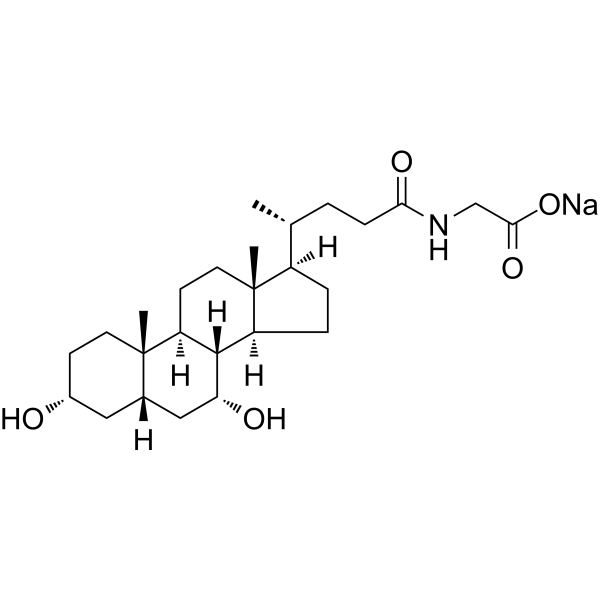
Synonyms: Chenodeoxycholylglycine sodium salt; Sodium glycochenodeoxycholate
Glycochenodeoxycholic acid sodium salt (Sodium glycochenodeoxycholate) is a relatively toxic bile salt generated in the liver from chenodeoxycholic acid and glycine. Glycochenodeoxycholic acid sodium salt inhibits Autophagosome formation and impairs lysosomal function by inhibiting lysosomal proteolysis and increasing lysosomal pH in human normal liver cells, leading to the Apoptosis of human hepatocyte cells. Glycochenodeoxycholic acid sodium salt induces stemness and chemoresistance via activating STAT3 signaling pathway in hepatocellular carcinoma cells (HCC). Glycochenodeoxycholic acid sodium salt is promising for research in the field of cholestasis desease, hepatocellular carcinoma and primary sclerosing cholangitis (PSC) .
loading...
    loading...
8
8 Cited Publications
Cat. No.: HY-W018512
CAS No.: 4651-67-6
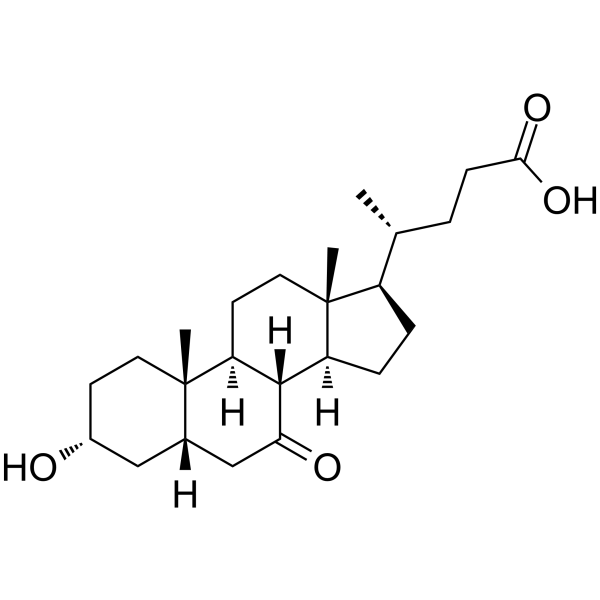
Synonyms: 3α-Hydroxy-7-oxo-5β-cholanic acid
7-Ketolithocholic acid (3α-Hydroxy-7-oxo-5β-cholanic acid), a bile acid, can be absorbed and suppresses endogenous bile acid production and biliary cholesterol secretion .
loading...
    loading...
8
8 Cited Publications
Cat. No.: HY-B1899
CAS No.: 516-50-7
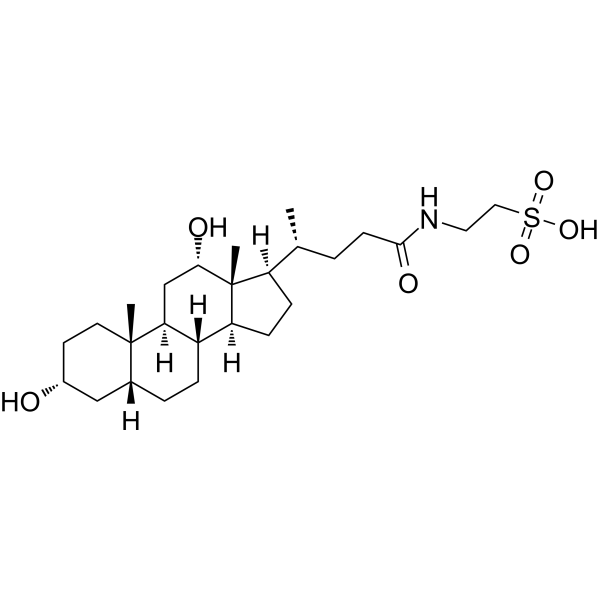
Synonyms: Taurodeoxycholate
Taurodeoxycholate sodium salt is a bile salt-related anionic detergent. Taurodeoxycholic acid is formed in the liver by conjugation of deoxycholate with Taurine (HY-B0351). Taurodeoxycholic acid is used for isolation of membrane proteins including inner mitochondrial membrane proteins. Taurodeoxycholic acid (TDCA) exhibits anti-inflammatory and neuroprotective effects .
loading...
    loading...
7
7 Cited Publications
Cat. No.: HY-135747
CAS No.: 2553218-46-3
Purity:  98.23%
Synonyms: GR-7
Target:  

Bacterial

Research Areas:  

Infection

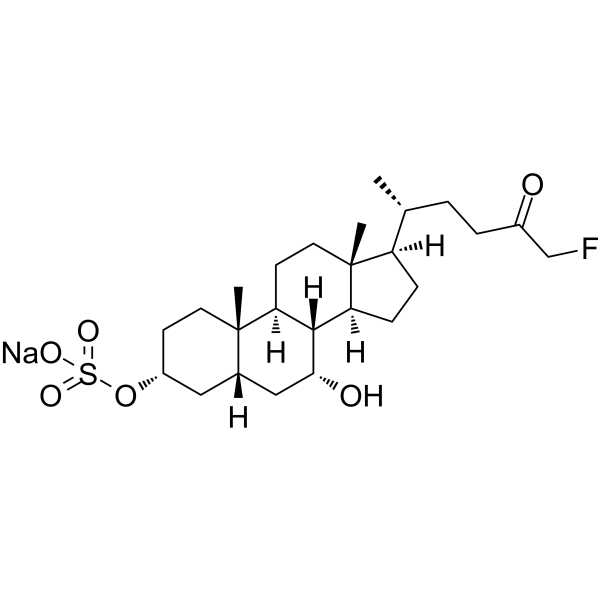
Gut restricted-7 (GR-7) is a potent, covalent and orally active pan-bile salt hydrolase (BSH) inhibitor. Gut restricted-7 has a tissue-selective and is restricted to the gut. Gut restricted-7 decreases gut bacterial BSHs and decreases deconjugated bile acid levels in feces of mice .
loading...
    loading...
7
7 Cited Publications
Cat. No.: HY-N0169
CAS No.: 83-49-8
Synonyms: HDCA
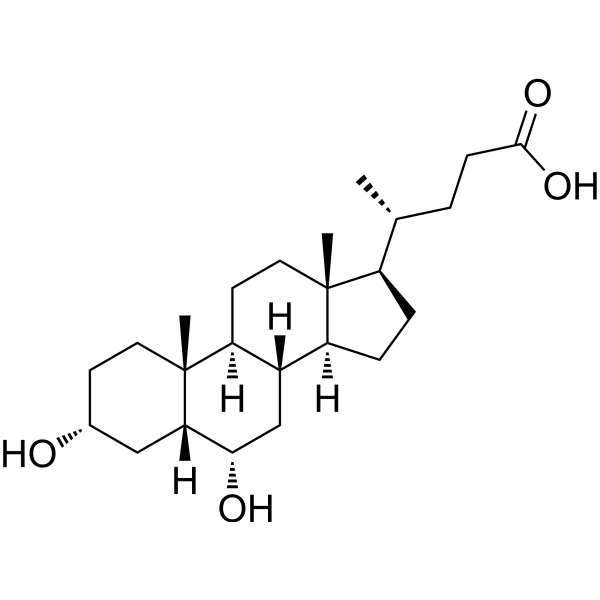
Hyodeoxycholic acid is a secondary bile acid formed in the small intestine by the gut flora, and acts as a TGR5 (GPCR19) agonist, with an EC50 of 31.6 µM in CHO cells.
loading...
    loading...
7
7 Cited Publications
Cat. No.: HY-N0169A
CAS No.: 10421-49-5
Synonyms: HDCA sodium
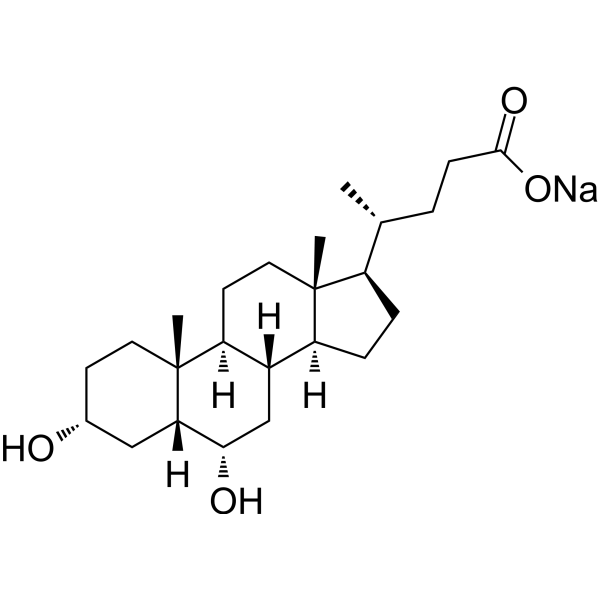
Hyodeoxycholic acid sodium is a secondary bile acid formed in the small intestine by the gut flora, and acts as a TGR5 (GPCR19) agonist, with an EC50 of 31.6 µM in CHO cells .
loading...
    loading...
7
7 Cited Publications
Cat. No.: HY-128853
CAS No.: 1180-95-6
Purity:  99.80%
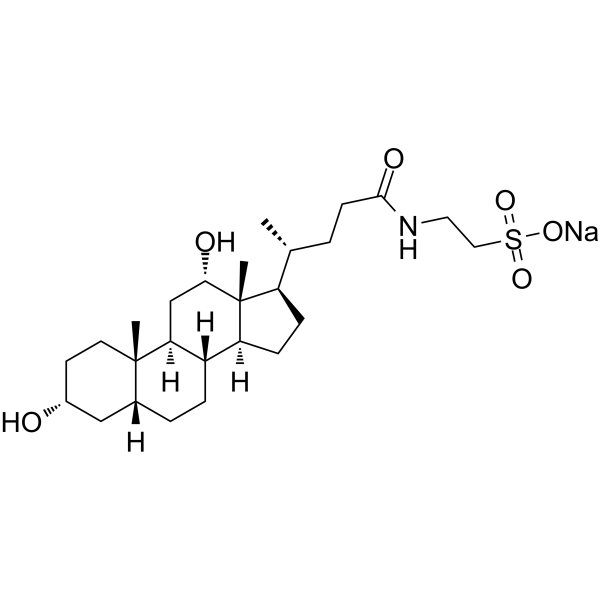
Taurodeoxycholate sodium salt is a bile salt-related anionic detergent. Taurodeoxycholate sodium salt is formed in the liver by conjugation of deoxycholate with Taurine (HY-B0351). Taurodeoxycholate sodium salt is used for isolation of membrane proteins including inner mitochondrial membrane proteins. Taurodeoxycholate (TDCA) exhibits anti-inflammatory and neuroprotective effects .
loading...
    loading...
7
7 Cited Publications
Cat. No.: HY-N0010
CAS No.: 27741-01-1
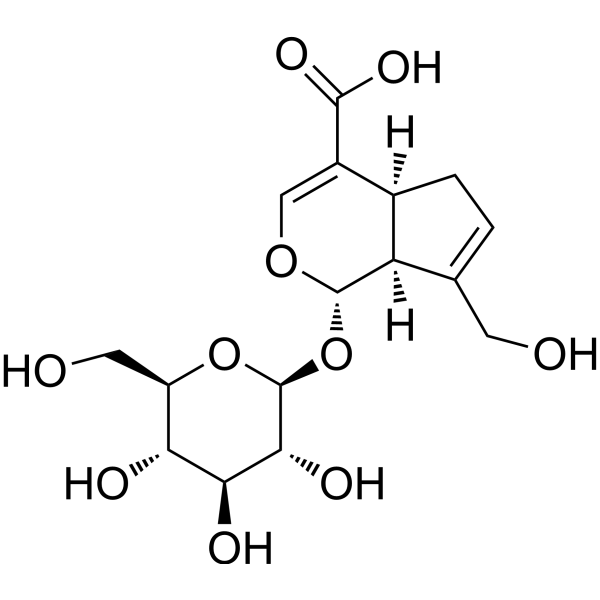
Geniposidic acid is an orally active FXR modulator and SIRT6 activator. Geniposidic acid binds to the Ser332 and His447 sites on the FXR ligand-binding domain, thereby driving nuclear translocation, coactivator recruitment, and transcription of downstream bile acid and cholesterol metabolism-related genes. Geniposidic acid improves metabolic dysfunction-related fatty liver disease by activating the SIRT6 signaling pathway. Geniposidic acid inhibits inflammation and modulates gut microbiota to alleviate colitis. Geniposidic acid can be used in research on drug-induced liver injury, inflammatory bowel disease, metabolic dysfunction-related fatty liver disease, and metabolic dysfunction-related steatohepatitis .
loading...
    loading...
6
6 Cited Publications
Cat. No.: HY-N9933
CAS No.: 25696-60-0
Synonyms: TβMCA
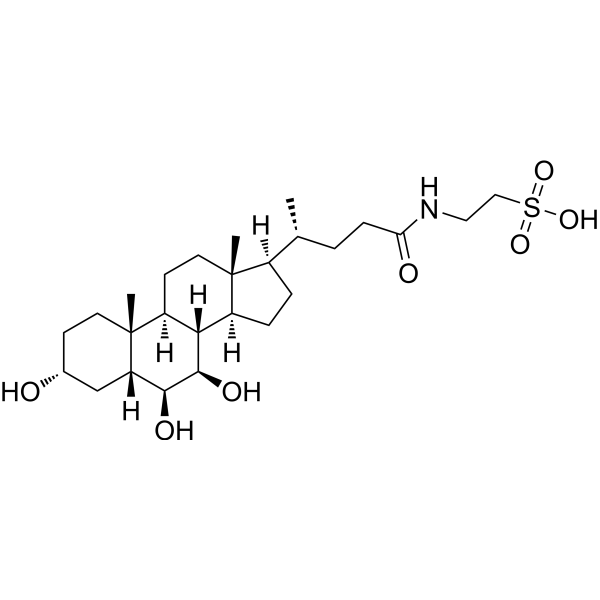
Tauro-β-muricholic acid (TβMCA) is an orally active trihydroxylated bile acid and a competitive, reversible FXR antagonist (IC50=40 μM). Tauro-β-muricholic acid inhibits bile acid-induced hepatocyte apoptosis by maintaining mitochondrial membrane potential, while simultaneously inhibiting intestinal FXR signaling, affecting bile acid synthesis, hepatic lipid metabolism, and insulin sensitivity. Accumulation of tauro-β-muricholic acid disrupts metabolic homeostasis, promoting cancer stem cell proliferation and tumor progression. The mechanisms of tauro-β-muricholic acid involve two aspects: first, inhibiting the translocation of the pro-apoptotic protein Bax to mitochondria and maintaining mitochondrial membrane potential (MMP); and second, blocking the FXR signaling pathway to regulate bile acid metabolism, reduce serum ceramide production, and downregulate the hepatic SREBP1C/CIDEA pathway. Tauro-β-muricholic acid possesses anti-hepatocyte apoptosis, bile acid homeostasis regulation, and liver fat accumulation reduction properties, and also functions as a biomarker, making it useful in the study of diseases such as bile acid metabolism disorders, non-alcoholic fatty liver disease, colorectal cancer, and liver fibrosis .
loading...
    loading...
6
6 Cited Publications
Cat. No.: HY-113308
CAS No.: 516-90-5
Purity:  98.06%
Taurolithocholic acid is an orally active bile acid and antiviral agent. Taurolithocholic acid upregulates FADS2 by activating the TGR5-PI3K/AKT-SREBP2 signaling axis, inhibits SFTSV-induced ferroptosis (Ferroptosis), viral replication and viral entry of HBV/HDV, while reducing the release of IL-1β, lipid ROS and LDH. While exerting antiviral protective effects, Taurolithocholic acid also stimulates the recycling of hepatocellular membrane transporters, impairs canalicular bile acid secretion function, and induces hepatocyte cholestasis, apoptosis and acute hepatocellular injury. Taurolithocholic acid serves as an experimental model compound for hepatocellular cholestasis. At concentrations ≤200 μM, Taurolithocholic acid shows no cytotoxicity and does not activate the interferon pathway. Taurolithocholic acid not only protects mice from lethal SFTSV infection but also is suitable for studies related to severe fever with thrombocytopenia syndrome and cholestasis .
loading...
    loading...
6
6 Cited Publications
Cat. No.: HY-113308A
CAS No.: 6042-32-6
Purity:  99.81%
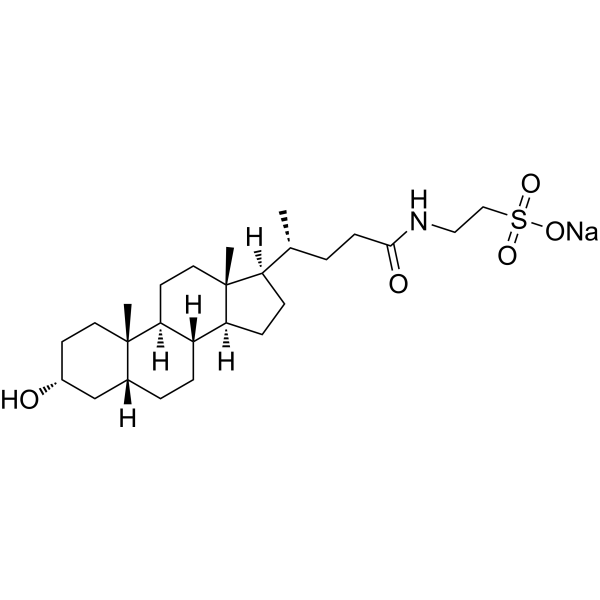
Taurolithocholic acid sodium salt is an orally active bile acid and antiviral agent. Taurolithocholic acid sodium salt upregulates FADS2 by activating the TGR5-PI3K/AKT-SREBP2 signaling axis, inhibits SFTSV-induced ferroptosis, viral replication and viral entry of HBV/HDV, while reducing the release of IL-1β, lipid ROS and LDH. While exerting antiviral protective effects, Taurolithocholic acid sodium salt also stimulates the recycling of hepatocellular membrane transporters, impairs canalicular bile acid secretion function, and induces hepatocyte cholestasis, apoptosis and acute hepatocellular injury. Taurolithocholic acid sodium salt serves as an experimental model compound for hepatocellular cholestasis. At concentrations ≤200 μM, Taurolithocholic acid sodium salt shows no cytotoxicity and does not activate the interferon pathway. Taurolithocholic acid sodium salt not only protects mice from lethal SFTSV infection but also is suitable for studies related to severe fever with thrombocytopenia syndrome and cholestasis .
loading...
    loading...
6
6 Cited Publications
Cat. No.: HY-113342
CAS No.: 566-28-9
Purity:  99.87%
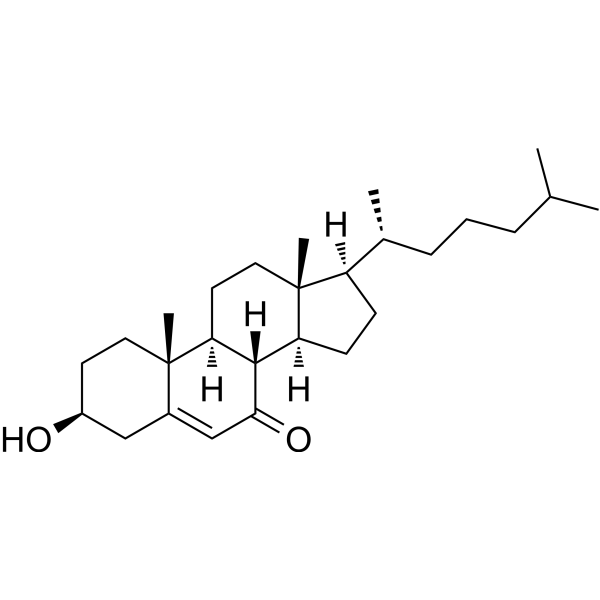
7-Ketocholesterol is an oxidation product of cholesterol, widely present in atherosclerotic plaques, and has a stronger atherogenic effect than cholesterol. 7-Ketocholesterol can inhibit the rate-limiting enzymes involved in bile acid and cholesterol synthesis, such as cholesterol 7α-hydroxylase and HMG-CoA reductase. 7-Ketocholesterol exhibits pro-inflammatory effects both in vivo and in vitro and can induce cell apoptosis (apoptosis) .
loading...
    loading...
6
6 Cited Publications
Cat. No.: HY-N0430A
CAS No.: 1198398-71-8
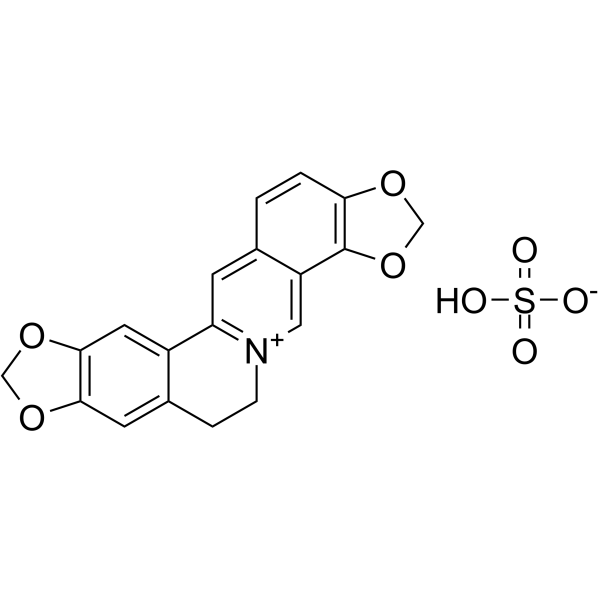
Coptisine Sulfate is an orally active and brain-penetrant alkaloid found in Coptis chinensis. Coptisine Sulfate is a reversible, uncompetitive IDO inhibitor with a Ki of 5.8 μM and an IC50 of 6.3 μM. Coptisine Sulfate suppresses neuroinflammation, reduces Aβ plaque burden and shows neuroprotective activity. Coptisine Sulfate shows anti-inflammation activity by blocking NF-κB, MAPK, and PI3K/Akt activation. Coptisine Sulfate inhibits cancer cells proliferation, induces DNA damage, G2/M phase cell cycle arrest, apoptosis, ROS production and mitochondrial dysfunction. Coptisine Sulfate inhibits Rho/ROCK pathway activation, reduces arrhythmia, limits cardiac injury marker release, reduces infarct size, and preserves cardiac function in rat myocardial ischemia/reperfusion models. Coptisine Sulfate downregulates HMGCR and upregulates LDLR and CYP7A1 to modulate cholesterol metabolism, reduces abnormal serum lipid levels, and promotes fecal bile acid excretion. Coptisine Sulfate be used for the research of cancer, hypercholesterolemia, Alzheimer’s disease, inflammatory disorders and cardiovascular disease .
loading...
    loading...
5
5 Cited Publications
Cat. No.: HY-N1427
CAS No.: 16409-34-0
Synonyms: Sodium glycyldeoxycholate
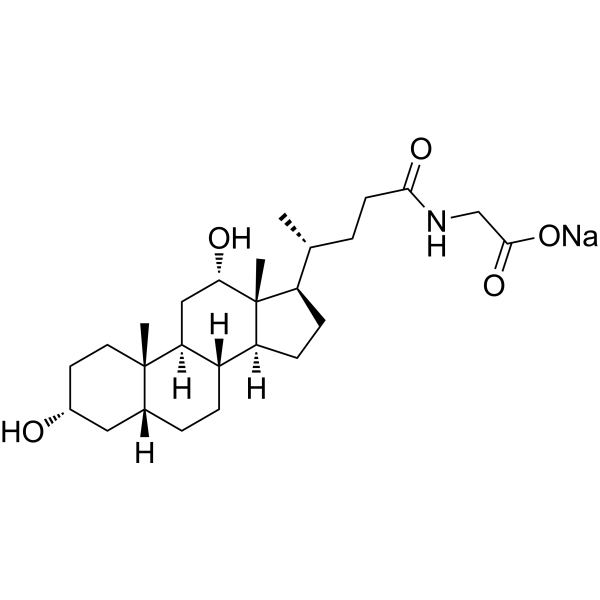
Glycodeoxycholate Sodium (Sodium glycyldeoxycholate) is a bile salt. Glycodeoxycholate Sodium has cytotoxicity to cancer cell, changes the permeability of the pancreatic duct and decreases glucose levels .
loading...
    loading...
5
5 Cited Publications
Cat. No.: HY-N0324S
CAS No.: 116380-66-6
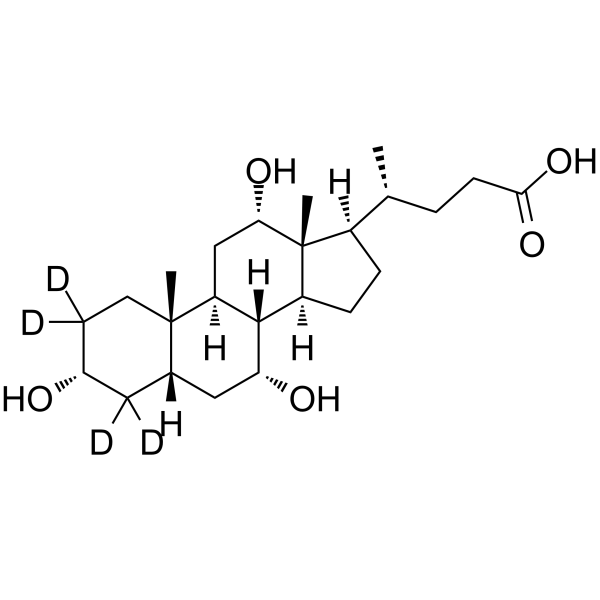
Cholic acid-d4 is the deuterium labeled Cholic acid. Cholic acid is a major primary bile acid produced in the liver and usually conjugated with glycine or taurine. It facilitates fat absorption and cholesterol excretion.
loading...
    loading...
4
4 Cited Publications
Cat. No.: HY-N1424
CAS No.: 64480-66-6
Synonyms: GUDCA; Ursodeoxycholylglycine
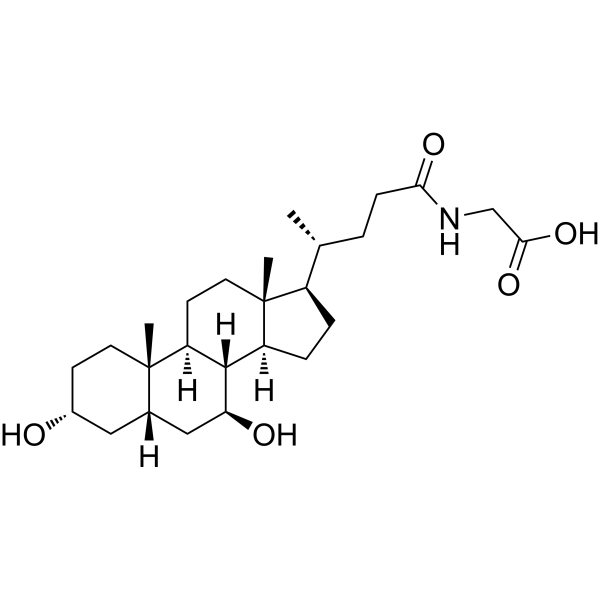
Glycoursodeoxycholic acid, a acyl glycine and a bile acid-glycine conjugate, is a metabolite of ursodeoxycholic acid.
loading...
    loading...
4
4 Cited Publications
Cat. No.: HY-109120
CAS No.: 501692-44-0
Purity:  99.92%
Synonyms: A4250
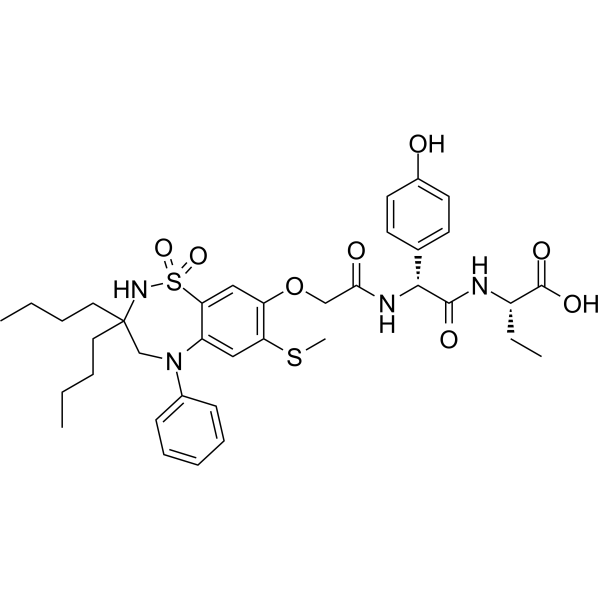
Odevixibat (A4250) is a selective and orally active ileal apical sodium-dependent bile acid transporter (ASBT) inhibitor. Odevixibat decreases cholestatic liver and bile duct injury in mice model. Odevixibat has the potential for the treatment of primary biliary cirrhosis .
loading...
    loading...
4
4 Cited Publications
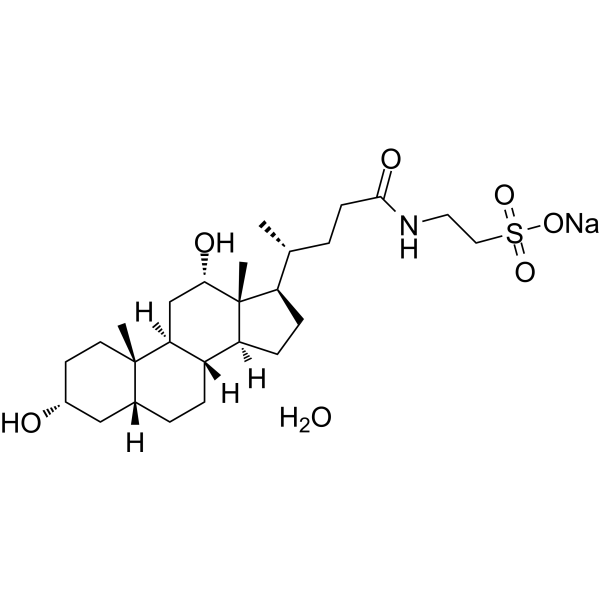
Cat. No.: HY-B1899A
CAS No.: 110026-03-4
Synonyms: Taurodeoxycholate sodium hydrate
Taurodeoxycholic acid sodium hydrate (Sodium taurodeoxycholate monohydrate), a bile acid, is an amphiphilic surfactant molecule synthesized from cholesterol in the liver. Taurodeoxycholic acid sodium hydrate activates the S1PR2 pathway in addition to the TGR5 pathway .
loading...
    loading...
4
4 Cited Publications
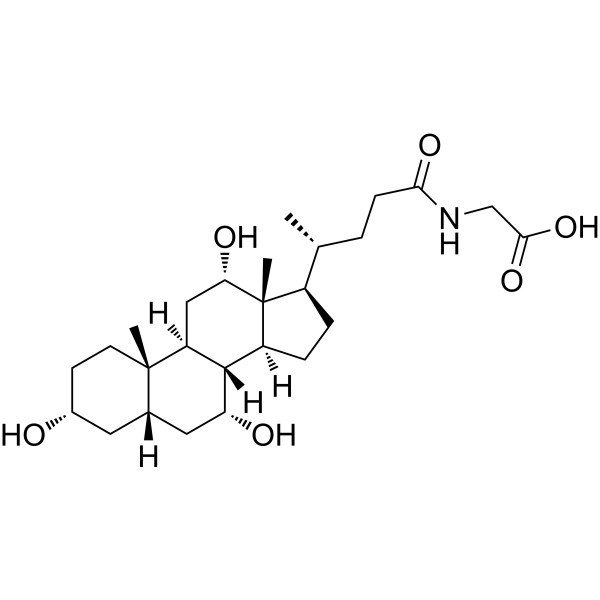
Cat. No.: HY-N1423
CAS No.: 475-31-0
Glycocholic acid is a bile acid derivative. Glycocholic acid downregulates MDR1, Bcl-2, MRP1, MRP2 and FXR, upregulates Bax, p53, caspase-9, caspase-3, TGR5 and S1PR2. Glycocholic acid inhibits multidrug resistance and efflux pumps, induces mitochondrial apoptosis, and enhances chemosensitivity. Glycocholic acid modulates related bile acid receptor signaling. Glycocholic acid suppresses growth and conjugation of Enterobacteriaceae and increases their antibiotic susceptibility. Glycocholic acid can be used for the research of colon adenocarcinoma and cholangiocarcinoma (CCA) .
loading...
    loading...
4
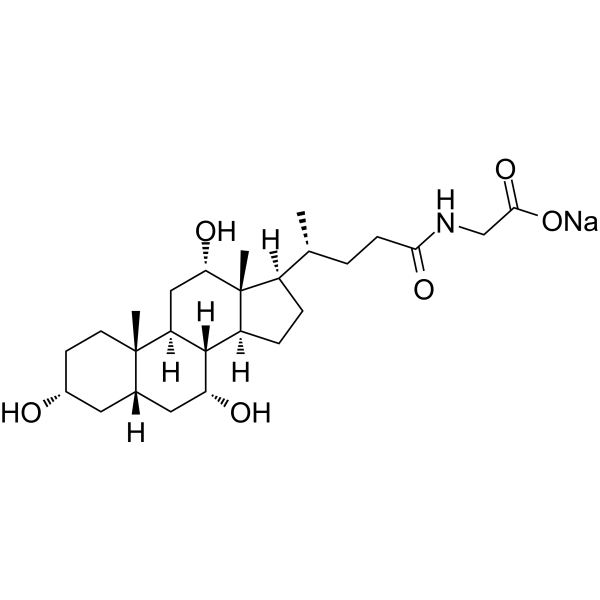
4 Cited Publications
Cat. No.: HY-N1423A
CAS No.: 863-57-0
Glycocholic acid sodium is a bile acid derivative. Glycocholic acid downregulates MDR1, Bcl-2, MRP1, MRP2 and FXR, upregulates Bax, p53, caspase-9, caspase-3, TGR5 and S1PR2. Glycocholic acid sodium inhibits multidrug resistance and efflux pumps, induces mitochondrial apoptosis, and enhances chemosensitivity. Glycocholic acid sodium modulates related bile acid receptor signaling. Glycocholic acid sodium suppresses growth and conjugation of Enterobacteriaceae and increases their antibiotic susceptibility. Glycocholic acid sodium can be used for the research of colon adenocarcinoma and cholangiocarcinoma (CCA) .
loading...
    loading...

