

7959 Results for "

B-form DNA structure

" in MedChemExpress (MCE) Product Catalog:
Products (7959)

7959 Results for "B-form DNA structure" in MCE Product Catalog:

89
89 Cited Publications
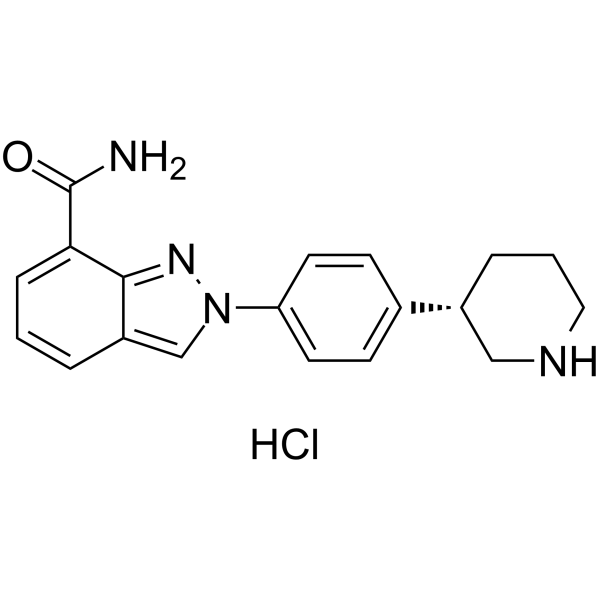
Cat. No.: HY-10619A
CAS No.: 1038915-64-8
Purity:  99.41%
Synonyms: MK-4827 hydrochloride
Target:  

PARP Apoptosis

Research Areas:  

Cancer

Niraparib hydrochloride (MK-4827 hydrochloride) is a highly potent and orally bioavailable PARP1 and PARP2 inhibitor with IC50s of 3.8 and 2.1 nM, respectively. Niraparib hydrochloride leads to inhibition of repair of DNA damage, activates apoptosis and shows anti-tumor activity .
loading...
    loading...
88
88 Cited Publications
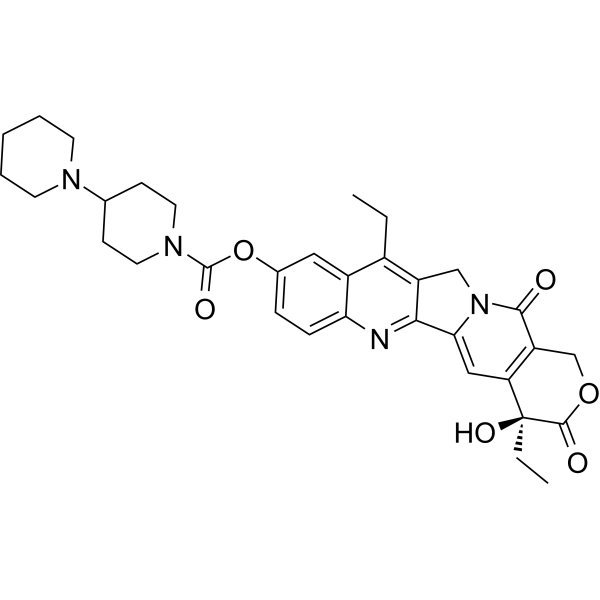
Cat. No.: HY-16562
CAS No.: 97682-44-5
Synonyms: (+)-Irinotecan; CPT-11; VAL-413free base
Target:  

Topoisomerase Autophagy

Research Areas:  

Neurological Disease Cancer

Irinotecan ((+)-Irinotecan) is a topoisomerase I inhibitor, preventing religation of the DNA strand by binding to topoisomerase I-DNA complex .
loading...
    loading...
88
88 Cited Publications
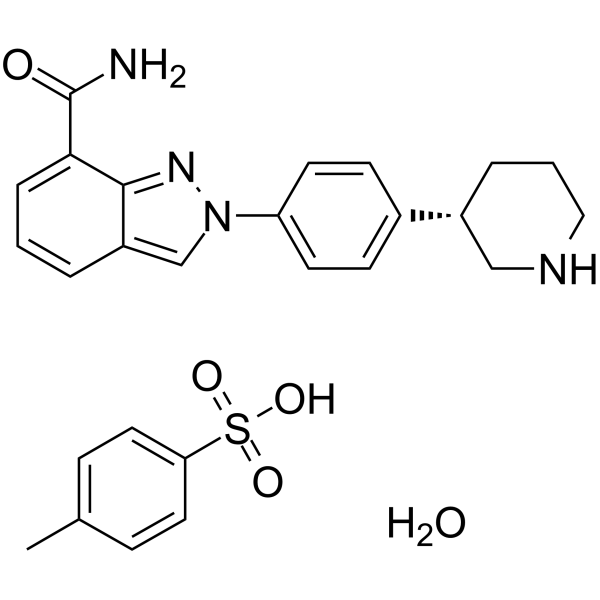
Cat. No.: HY-10619E
CAS No.: 1613220-15-7
Purity:  99.97%
Synonyms: MK-4827 tosylate hydrate
Target:  

PARP Apoptosis

Research Areas:  

Cancer

Niraparib (MK-4827) tosylate hydrate is a highly potent and orally bioavailable PARP1 and PARP2 inhibitor with IC50s of 3.8 and 2.1 nM, respectively. Niraparib tosylate hydrate leads to inhibition of repair of DNA damage, activates apoptosis and shows anti-tumor activity .
loading...
    loading...
87
87 Cited Publications
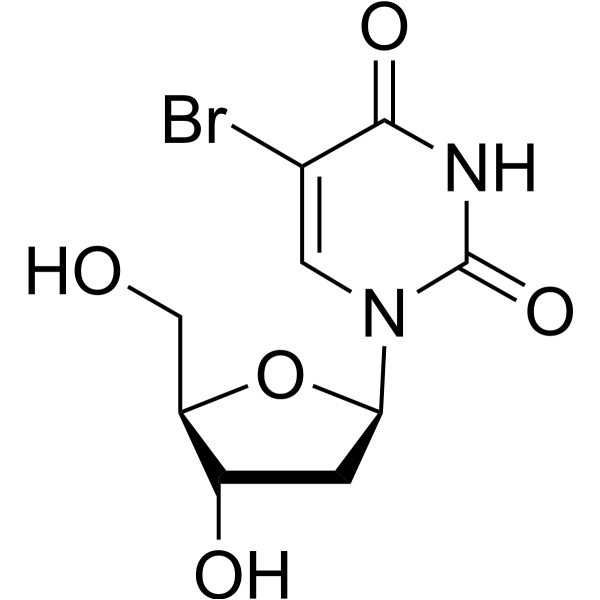
Cat. No.: HY-15910
CAS No.: 59-14-3
Purity:  99.89%
Synonyms: BrdU; 5-Bromo-2'-deoxyuridine; Bromodeoxyuridine
5-BrdU (BrdU) is a nucleoside analog that competes with thymidine for incorporation into DNA. 5-BrdU is commonly used in the detection of proliferating cells.
loading...
    loading...
83
83 Cited Publications
Cat. No.: HY-18258
CAS No.: 633-65-8
Synonyms: Natural Yellow 18 chloride
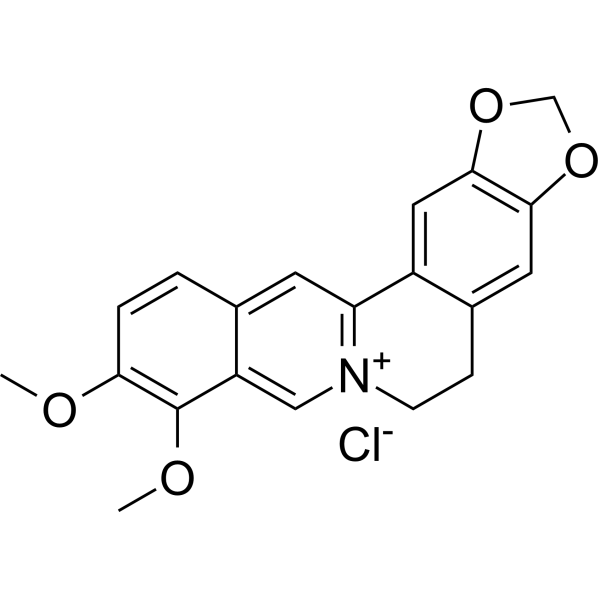
Berberine chloride is an alkaloid that acts as an antibiotic. Berberine chloride induces reactive oxygen species (ROS) generation and inhibits DNA topoisomerase. Antineoplastic properties .
loading...
    loading...
80
80 Cited Publications
Cat. No.: HY-N0716B
CAS No.: 633-66-9
Synonyms: Natural Yellow 18 sulfate
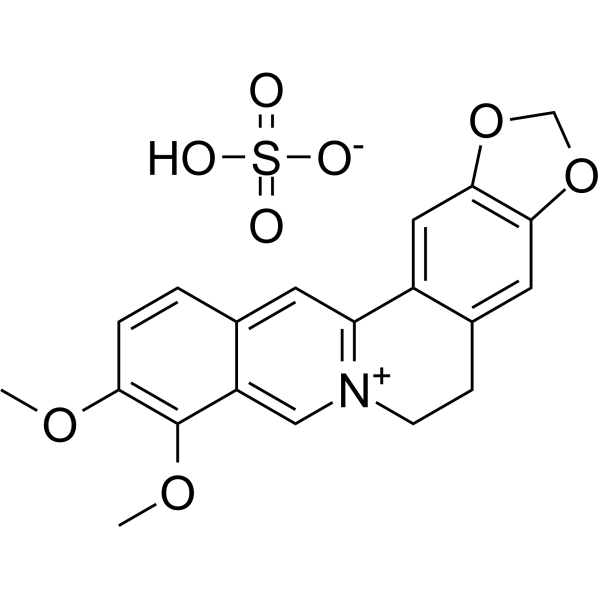
Berberine sulfate is an alkaloid isolated from the Chinese herbal medicine Huanglian, as an antibiotic. Berberine sulfate induces reactive oxygen species (ROS) generation and inhibits DNA topoisomerase. Berberine sulfate has antineoplastic properties. The sulfate form improves bioavailability .
loading...
    loading...
79
79 Cited Publications
Cat. No.: HY-13704
CAS No.: 86639-52-3
Purity:  99.94%
Synonyms: 7-Ethyl-10-hydroxycamptothecin
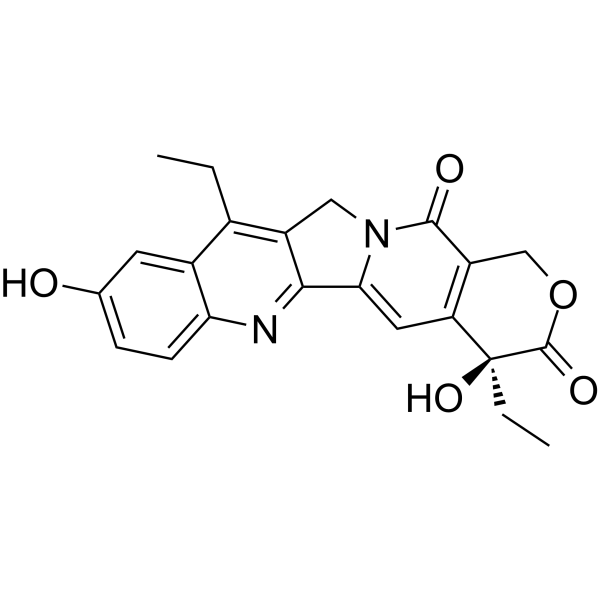
SN-38 is an active metabolite of the Topoisomerase I inhibitor Irinotecan. SN-38 can bind to RPL15. SN-38 inhibits DNA and RNA synthesis with IC50s of 0.077 and 1.3 μM, respectively. SN-38 is a payload of sacituzumab govitecan (HY -132254) .
loading...
    loading...
77
77 Cited Publications
Cat. No.: HY-17577
CAS No.: 68030-18-2
Synonyms: Natural Yellow 18 chloride hydrate
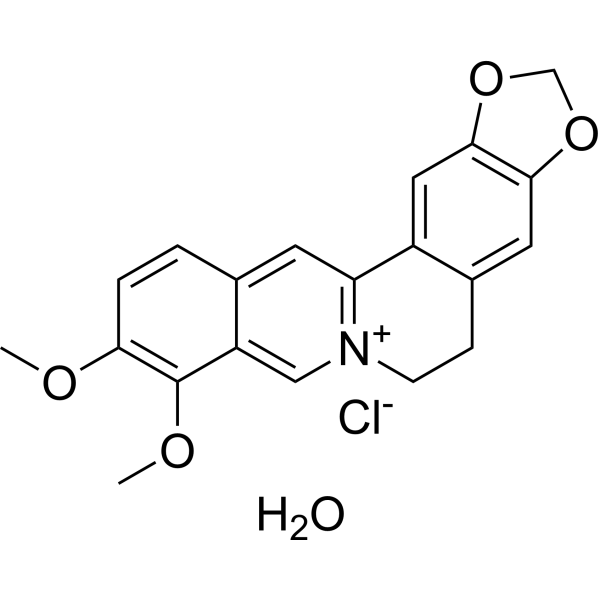
Berberine chloride hydrate (Natural Yellow 18 chloride hydrate) is an alkaloid that acts as an antibiotic. Berberine chloride hydrate induces reactive oxygen species (ROS) generation and inhibits DNA topoisomerase. Antineoplastic properties .
loading...
    loading...
73
73 Cited Publications
Cat. No.: HY-16560
CAS No.: 7689-03-4
Synonyms: Campathecin; (S)-(+)-Camptothecin; CPT
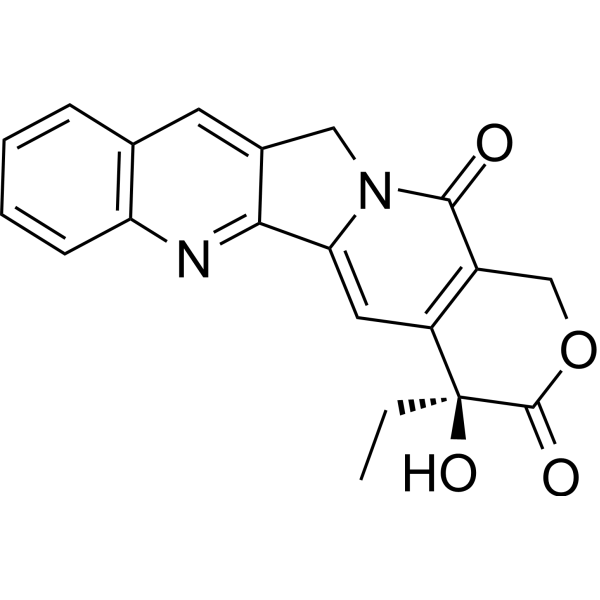
Camptothecin (CPT), a kind of alkaloid, is a DNA topoisomerase I (Topo I) inhibitor with an IC50 of 679 nM . Camptothecin (CPT) exhibits powerful antineoplastic activity against colorectal, breast, lung and ovarian cancers, modulates hypoxia-inducible factor-1α (HIF-1α) activity by changing microRNAs (miRNA) expression patterns in human cancer cells .
loading...
    loading...
72
72 Cited Publications
Cat. No.: HY-13443
CAS No.: 141758-74-9
Purity:  99.95%
Synonyms: Exenatide
Exendin‑4 (Exenatide) is an orally active, blood-brain barrier-permeable glucagon-like peptide-1 receptor (GLP‑1 receptor) agonist that resists degradation mediated by dipeptidyl peptidase IV. Exendin‑4 mediates multiple glucose-regulating effects, including stimulation of glucose-dependent insulin secretion, inhibition of glucagon production, increase in β-cell mass, delay of gastric emptying, reduction of food intake, improvement of peripheral insulin sensitivity, and restoration of normal islet structure. Exendin‑4 inhibits oxidative stress, alleviates inflammatory responses, and reduces neuronal apoptosis. Exendin‑4 reduces the aggregation level of mutant huntingtin, improves motor function, prolongs survival time, and regulates the expression levels of leptin and ghrelin. Exendin‑4 can be used in research related to type 2 diabetes, acute ischemic stroke, and Huntington's disease .
loading...
    loading...
72
72 Cited Publications
Cat. No.: HY-13443A
CAS No.: 914454-01-6
Purity:  99.91%
Synonyms: Exenatide acetate
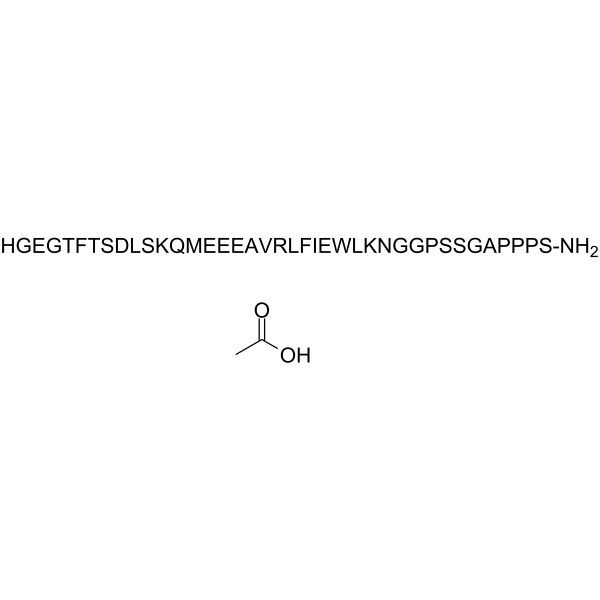
Exendin-4 acetate (Exenatide acetate) is an orally active, blood-brain barrier-permeable glucagon-like peptide-1 receptor (GLP‑1 receptor) agonist that resists degradation mediated by dipeptidyl peptidase IV. Exendin-4 acetate mediates multiple glucose-regulating effects, including stimulation of glucose-dependent insulin secretion, inhibition of glucagon production, increase in β-cell mass, delay of gastric emptying, reduction of food intake, improvement of peripheral insulin sensitivity, and restoration of normal islet structure. Exendin-4 acetate inhibits oxidative stress, alleviates inflammatory responses, and reduces neuronal apoptosis. Exendin-4 acetate reduces the aggregation level of mutant huntingtin, improves motor function, prolongs survival time, and regulates the expression levels of leptin and ghrelin. Exendin-4 acetate can be used in research related to type 2 diabetes, acute ischemic stroke, and Huntington's disease .
loading...
    loading...
72
72 Cited Publications
Cat. No.: HY-13323
CAS No.: 1138549-36-6
Purity:  99.49%
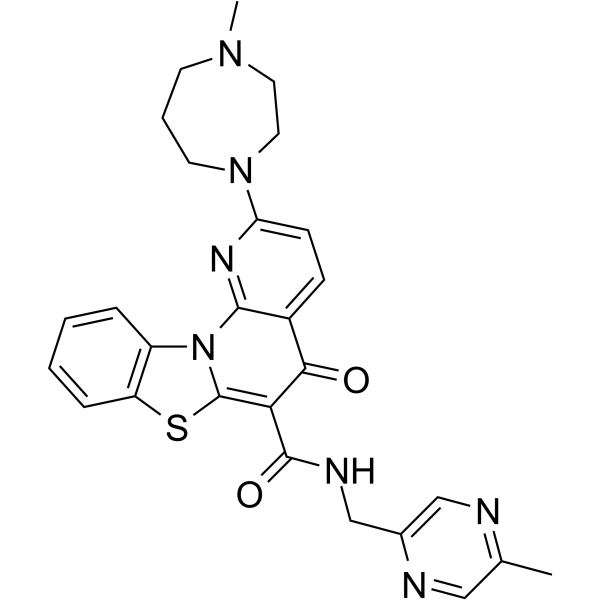
CX-5461 is a selective, orally active RNA polymerase I inhibitor. CX-5461 disrupts the formation of the SL1-rDNA complex, thereby blocking the transcription initiation of ribosomal RNA without altering the activity of RNA polymerase II, DNA replication, or protein translation processes. CX-5461 upregulates the expression of p21, MDM2, Sestrin1/2, and phosphorylated AMPKα, and reduces the level of phosphorylated Akt. CX-5461 induces G2/G2/M cell cycle arrest, Autophagy, Apoptosis, and cellular senescence, and activates CHK1, CHK2, and RPA. CX-5461 can be used in research related to osteosarcoma, cervical cancer, hematologic malignancies, high-grade serous ovarian cancer, and solid tumors .
loading...
    loading...
72
72 Cited Publications
Cat. No.: HY-13323A
Purity:  99.41%
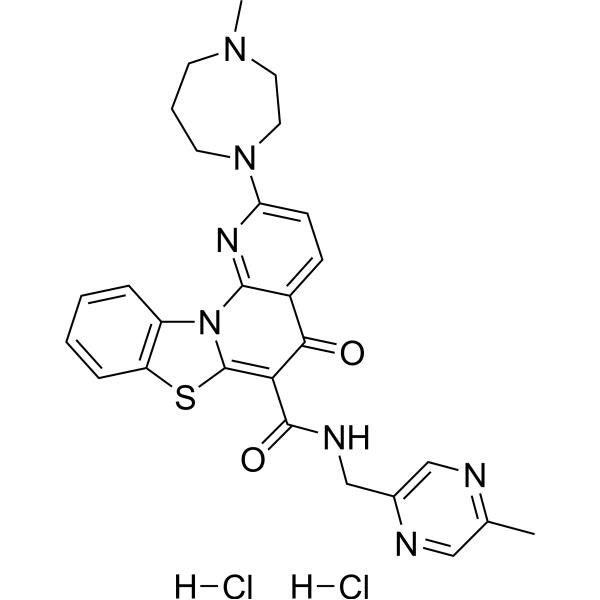
CX-5461 dihydrochloride is a selective, orally active RNA polymerase I inhibitor. CX-5461 dihydrochloride disrupts the formation of the SL1-rDNA complex, thereby blocking the transcription initiation of ribosomal RNA without altering the activity of RNA polymerase II, DNA replication, or protein translation processes. CX-5461 dihydrochloride upregulates the expression of p21, MDM2, Sestrin1/2, and phosphorylated AMPKα, and reduces the level of phosphorylated Akt. CX-5461 dihydrochloride induces G2/G2/M cell cycle arrest, Autophagy, Apoptosis, and cellular senescence, and activates CHK1, CHK2, and RPA. CX-5461 dihydrochloride can be used in research related to osteosarcoma, cervical cancer, hematologic malignancies, high-grade serous ovarian cancer, and solid tumors .
loading...
    loading...
71
71 Cited Publications
Cat. No.: HY-108718
CAS No.: 49863-47-0
Synonyms: Geneticin; Antibiotic G-418
Research Areas:  

Infection

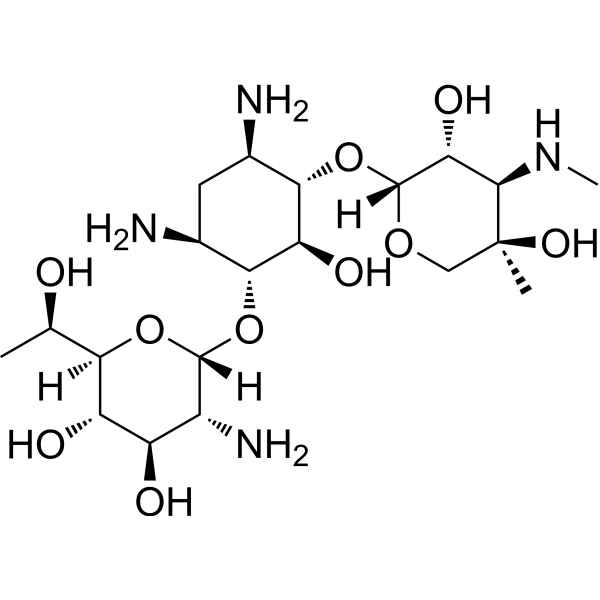
G-418 (Geneticin) is an aminoglycoside antibiotic with a structure similar to gentamicin. It is toxic to both eukaryotic and prokaryotic cells and works by interfering with protein synthesis .
loading...
    loading...
70
70 Cited Publications
Cat. No.: HY-B0324A
CAS No.: 548-62-9
Synonyms: Basic Violet 3; Gentian Violet; Methyl Violet 10B
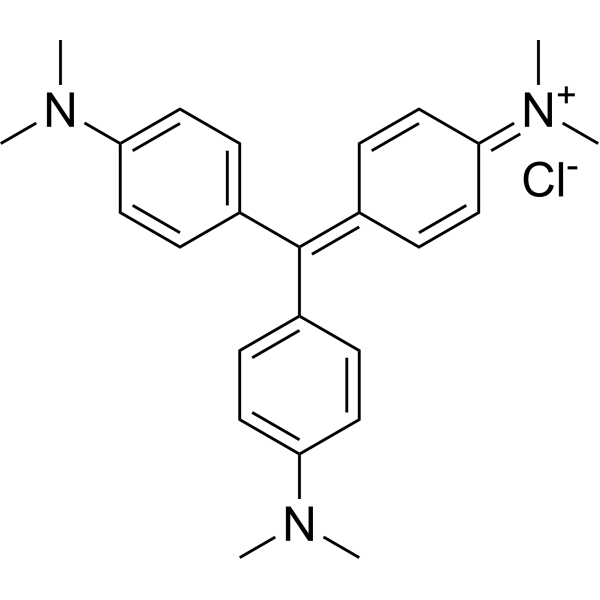
Crystal Violet, also known as Gentian violet, methyl violet 10B, is a triphenyl-methane, an alkaline dye that binds to DNA in the nucleus of a cell, staining it a deep purple. It is often used for Gram staining to classify bacteria, or for cell or histological staining[1].
loading...
    loading...
68
68 Cited Publications
Cat. No.: HY-12016
CAS No.: 587871-26-9
Purity:  99.92%
Target:  

ATM/ATR Autophagy

Research Areas:  

Cancer

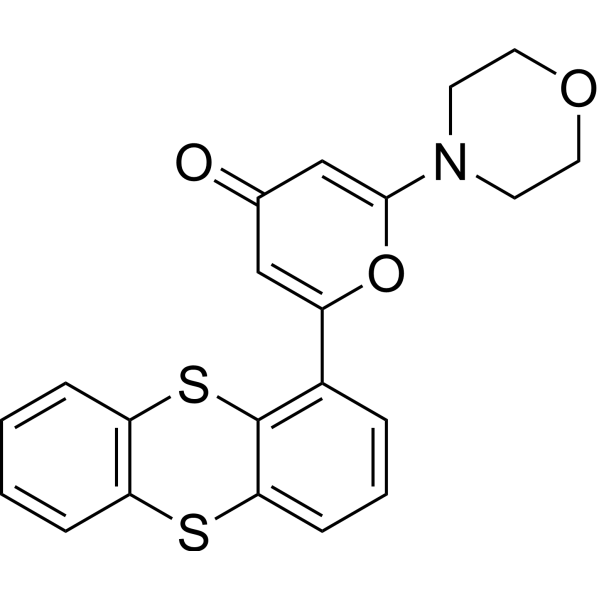
KU-55933 is a potent ATM inhibitor with an IC50 and Ki of 12.9 and 2.2 nM, respectively, and is highly selective for ATM as compared to DNA-PK, PI3K/PI4K, ATR and mTOR.
loading...
    loading...
68
68 Cited Publications
Cat. No.: HY-13067
CAS No.: 34157-83-0
Purity:  99.64%
Synonyms: Tripterine; Tripterin
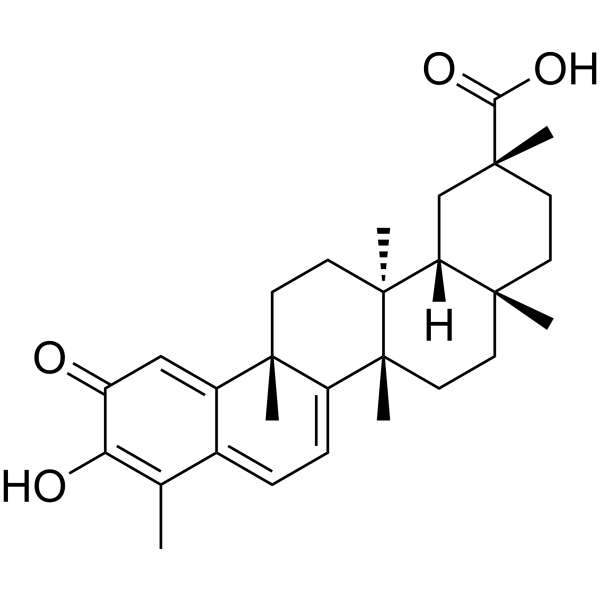
Celastrol (Tripterine;Tripterin) is a proteasome inhibitor which potently and preferentially inhibits the chymotrypsin-like activity of a purified 20S proteasome with IC50 of 2.5 μM. In addition, Celastrol is also an antibiotic with potent antimicrobial activity against standard and clinical methicillin-resistant Staphylococcus aureus (MRSA) strains, inducing oxidative stress and inhibiting DNA synthesis by binding to P5CDH .
loading...
    loading...
66
66 Cited Publications
Cat. No.: HY-D0842
CAS No.: 9048-46-8
Synonyms: Albumin bovine serum; BSA
BSA Protein (Bovine Serum Albumin; BSA) is a 583-residue protein consisting of three homologous all-α domains, organized in a heart-shaped structure. BSA is a globular protein that is used in numerous biochemical applications.
loading...
    loading...
61
61 Cited Publications
Cat. No.: HY-B0356
CAS No.: 85721-33-1
Synonyms: Bay-09867
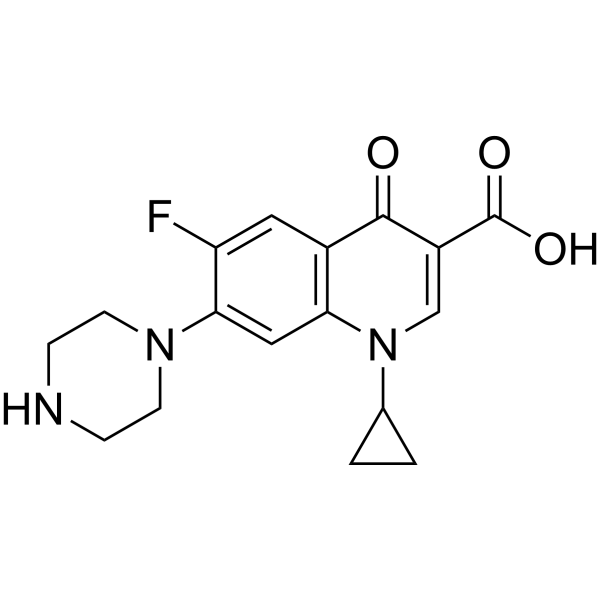
Ciprofloxacin (Bay-09867) is a potent, orally active topoisomerase IV inhibitor. Ciprofloxacin induces mitochondrial DNA and nuclear DNA damage and lead to mitochondrial dysfunction, ROS production. Ciprofloxacin has anti-proliferative activity and induces apoptosis. Ciprofloxacin is a fluoroquinolone antibiotic, exhibiting potent antibacterial activity .
loading...
    loading...
58
58 Cited Publications
Cat. No.: HY-111783
CAS No.: 2230820-11-6
Purity:  99.86%
Research Areas:  

Cancer

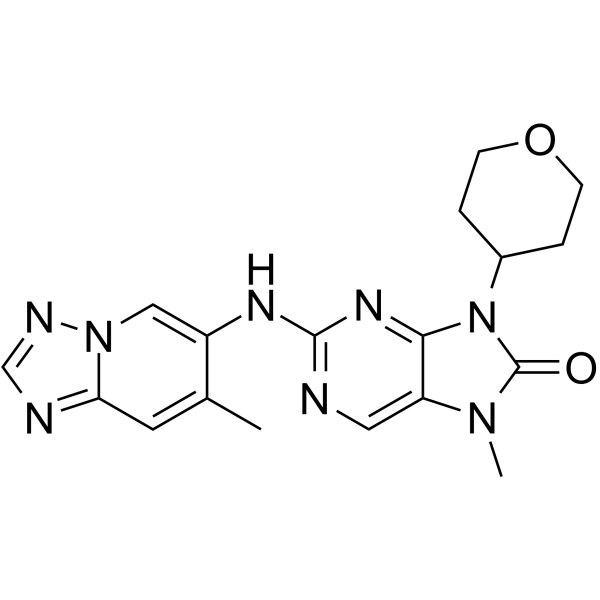
AZD-7648 is a potent, orally active, selective DNA-PK inhibitor with an IC50 of 0.6 nM. AZD-7648 induces apoptosis and shows antitumor activity .
loading...
    loading...

