

Search Result
Results for "
Intestinal Barriers
" in MedChemExpress (MCE) Product Catalog:
2
Biochemical Assay Reagents
4
Isotope-Labeled Compounds
| Cat. No. |
Product Name |
Target |
Research Areas |
Chemical Structure |
-
- HY-13771
-
|
Ursodeoxycholate; Ursodiol; UDCA
|
G protein-coupled Bile Acid Receptor 1
FXR
Angiotensin-converting Enzyme (ACE)
Endogenous Metabolite
|
Infection
Metabolic Disease
Cancer
|
|
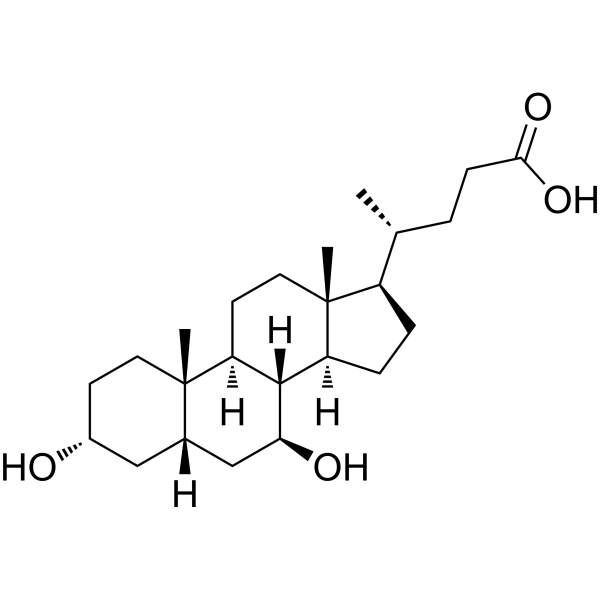
Ursodeoxycholic acid (Ursodeoxycholate) is a secondary bile acid issued from the transformation of (cheno)deoxycholic acid by intestinal bacteria, acting as a key regulator of the intestinal barrier integrity and essential for lipid metabolism. Ursodeoxycholic acid acts as signaling molecule, exerting its effects by interacting with bile acid activated receptors, including G-protein coupled bile acid receptor 5 (TGR5, GPCR19) and the farnesoid X receptor (FXR). Ursodeoxycholic acid can be used for the research of a variety of hepatic and gastrointestinal diseases. Ursodeoxycholic acid also reduces ACE2 expression and is beneficial for reducing SARS-CoV-2 infection. Orally active .
|
-
-
- HY-153169
-
|
6PPD-Quinone
|
α-synuclein
Environmental Pollutants
|
Others
|
|
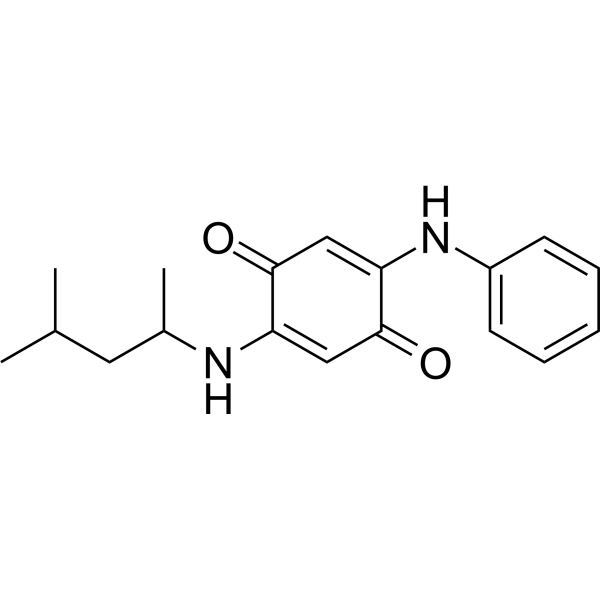
6PPD-Q (6PPD-Quinone) is an environmental pollutant that can be detected in human urine and is widely present in the environment. 6PPD-Q targets and binds to CNR2, CNR1, AA2AR, LCAT, and TRPA1, with CNR2 exhibiting the highest binding affinity, potentially acting as a CNR2 receptor agonist to activate cannabinoid receptors. 6PPD-Q induces intestinal inflammation and barrier damage by disrupting mitochondrial function, reducing neuronal glycolysis metabolites and TCA cycle intermediates, and exacerbating α-synuclein (α-syn) aggregation.
6PPD-Q is applicable in research on environmental toxicology, neurodegenerative diseases, and inflammation-related disorders .
|
-
-
- HY-W007376
-
|
3-Formylindole
|
Endogenous Metabolite
|
Others
|
|
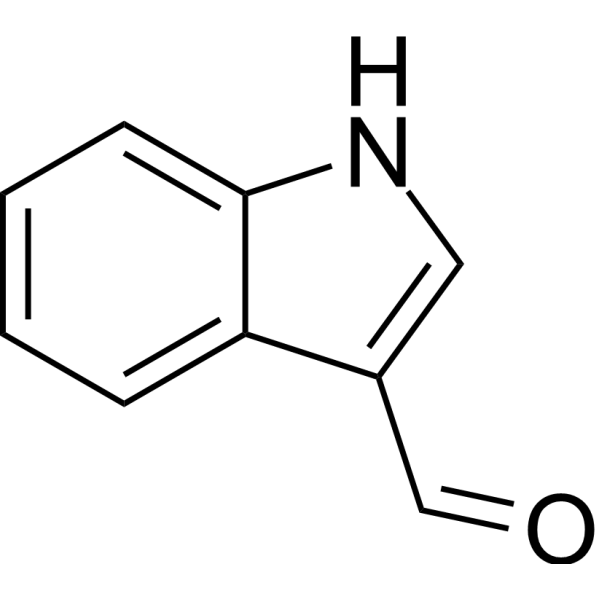
Indole-3-carboxaldehyde (3-Formylindole), a banlangen extract, is the product of the oxidative degradation of indole-3-acetic acid (IAA) by crude enzyme preparations from etiolated pea seedlings. Indole-3-carboxaldehyde is a biochemical used to prepare analogs of the indole phytoalexin cyclobrassinin. Indole-3-carboxaldehyde also enhances the epithelial barrier and anti-inflammatory activity in the intestinal tract .
|
-
-
- HY-N7075
-
Inulin
4 Publications Verification
|
Endogenous Metabolite
|
Infection
Neurological Disease
Metabolic Disease
Cancer
|
|
Inulin is an orally active prebiotic targeting the intestinal microbiota, selectively promoting the proliferation and activity of beneficial bacteria such as bifidobacteria and lactic acid bacteria, and playing a role in regulating the intestinal microecology. The functions of Inulin include: Fermentation by probiotics in the colon to produce short-chain fatty acids (such as butyrate and propionate), lowering the intestinal pH and inhibiting the overgrowth of harmful bacteria; Enhancing the intestinal barrier function and reducing endotoxin translocation; Directly scavenging free radicals (such as superoxide free radicals, hydroxyl free radicals) and activating antioxidant enzymes (SOD, CAT) to reduce oxidative stress. Inulin can also be used in the study of intestinal diseases (constipation, IBD), metabolic syndrome (diabetes, obesity) and liver damage by regulating glucose and lipid metabolism (such as reducing triglycerides, improving insulin sensitivity) and immune response (enhancing NK cell activity, inhibiting inflammatory factors)[1][2][3][4].
|
-
-
- HY-P2764
-
|
|
NTPDase
|
Inflammation/Immunology
|
|
Apyrase is an Nucleoside triphosphate diphosphohydrolase (NTPDase). Apyrase can hydrolyze extracellular adenosine triphosphate (ATP) and adenosine diphosphate (ADP). Apyrase can inhibit Stx2 toxin release of enterohemorrhagic Escherichia coli (EHEC) infection and protect the intestinal barrier function. Apyrase can be used for the research of infection and inflammation, such as hemorrhagic colitis .
|
-
-
- HY-W145499
-
|
|
PPAR
NF-κB
Toll-like Receptor (TLR)
|
Inflammation/Immunology
Cancer
|
|
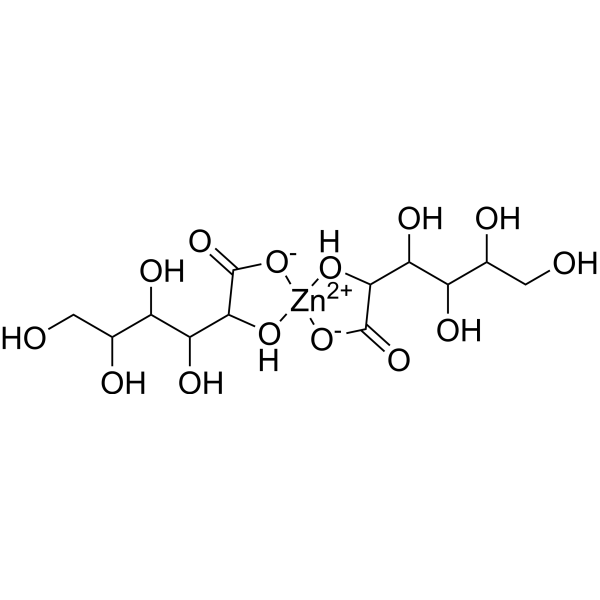
Zinc Gluconate is a zinc supplement in the form of a gluconate salt, which plays a role in various physiological processes such as immune function, wound healing, and olfaction. Zinc Gluconate has a LD50 of 39.6 mg/kg in mice (Tail vein injection). Zinc Gluconate can be used in the research of inflammation, zinc deficiency, colds, cancer, and nutritional supplements .
|
-
-
- HY-115340
-
|
Sodium decanoate; Sodium caprate
|
Biochemical Assay Reagents
|
Others
|
|
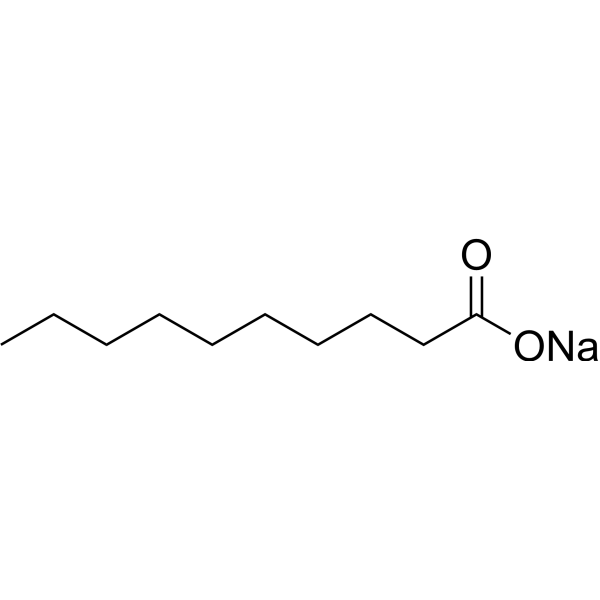
Decanoic acid sodium, also known as Decanoic acid sodium, is a salt of the fatty acid capric acid. It is easily soluble in water and has a slightly soapy smell. Decanoic acid sodium acts as a penetration enhancer, which means it increases the absorption and bioavailability of drugs across biological membranes, including the intestinal epithelium and the blood-brain barrier. This property makes it useful in pharmaceutical formulations to improve drug delivery and effectiveness. Furthermore, Decanoic acid sodium has potential applications in food preservatives and cosmetics due to its antibacterial properties.
|
-
-
- HY-Y1683
-
|
Racementhol
|
Environmental Pollutants
GABA Receptor
|
Infection
Neurological Disease
|
|
DL-Menthol (Racementhol) is an orally active, GABAaR positive allosteric modulator and UDP-glucuronosyltransferase (UGT) inhibitor that can cross the blood-brain barrier. DL-Menthol binds to GABAAR and exhibits an allosteric activation effect, enhancing GABA-mediated chloride influx and inhibiting neuronal excitability. DL-Menthol can induce surgical anesthesia in fish and inhibit the metabolic detoxification of tobacco carcinogens by human liver and intestinal UGT enzymes, resulting in reduced NNAL-N-Gluc production .
|
-
-
- HY-17623
-
|
CJ-12420; RQ-00000004
|
Proton Pump
Potassium Channel
Na+/K+ ATPase
|
Inflammation/Immunology
|
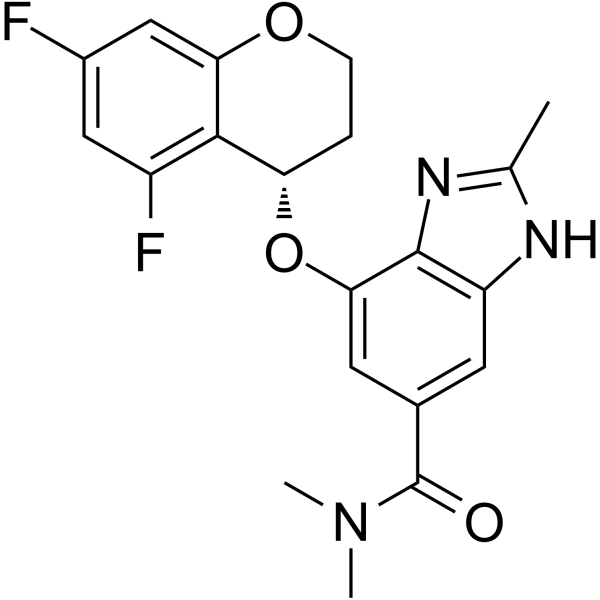
Tegoprazan (CJ-12420), a potassium-competitive acid blocker, is a reversible, orally active and highly selective inhibitor of gastric H +/K +-ATPase. Tegoprazan inhibits gastric acid secretion and motility against porcine, canine and human H +/K +-ATPase with IC50 values ranging from 0.29-0.52 μM in vitro. Tegoprazan significantly improves colitis and enhances the intestinal epithelial barrier function in mice. Tegoprazan is promising for research of Inflammatory bowel, gastric acid-related, motilityimpaired diseases .
|
-
-
- HY-13771A
-
|
Ursodeoxycholate sodium; Ursodiol sodium; UCDA sodium
|
G protein-coupled Bile Acid Receptor 1
FXR
Endogenous Metabolite
|
Metabolic Disease
Inflammation/Immunology
Cancer
|
|
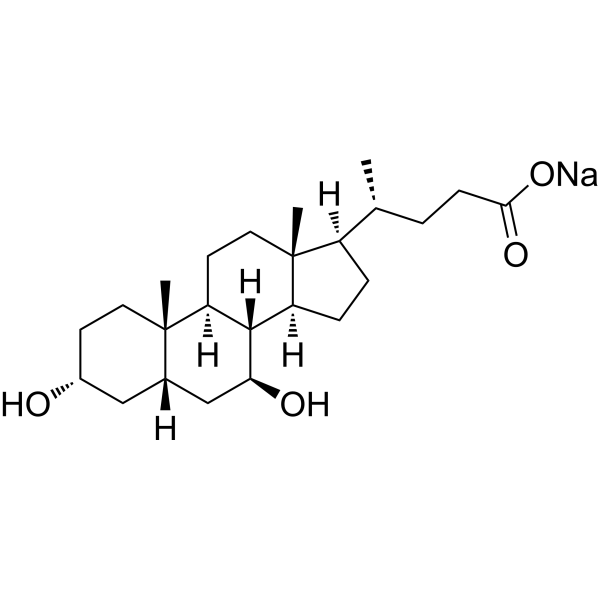
Ursodeoxycholic acid (Ursodeoxycholate) sodium is a secondary bile acid issued from the transformation of (cheno)deoxycholic acid by intestinal bacteria, acting as a key regulator of the intestinal barrier integrity and essential for lipid metabolism. Ursodeoxycholic acid sodium acts as signaling molecule, exerting its effects by interacting with bile acid activated receptors, including G-protein coupled bile acid receptor 5 (TGR5, GPCR19) and the farnesoid X receptor (FXR). Ursodeoxycholic acid sodium can be used for the research of a variety of hepatic and gastrointestinal diseases. Orally active .
|
-
-
- HY-123630
-
|
FD&C RED NO. 40; CI 16035
|
Environmental Pollutants
Fluorescent Dye
5-HT Receptor
Interleukin Related
Reactive Oxygen Species (ROS)
IFNAR
|
Inflammation/Immunology
|
|
Allura Red AC is a food colorant, appearing as a deep red water-soluble powder or granules, used in various applications such as beverages, syrups, candies, and cereals. Allura Red AC can statically quench the intrinsic fluorescence of HSA. Additionally, Allura Red AC is a 5-hydroxytryptamine (5-HT) pathway-associated pro-inflammatory agent, capable of exacerbating experimental colitis. Allura Red AC holds potential for research in inflammatory bowel disease (IBD), intestinal barrier function, and food additive safety .
|
-
-
- HY-N2468
-
|
1,4-β-D-Xylobiose; 1,4-D-Xylobiose
|
TNF Receptor
Claudin
HSP
|
Metabolic Disease
Inflammation/Immunology
|
|
Xylobiose (1,4-β-D-Xylobiose; 1,4-D-Xylobiose) is an orally active Claudin 2/CLDN2 inhibitor and HSP27 inducer. Xylobiose works by regulating intestinal barrier function and glucose and lipid metabolism-related signaling pathways. Xylobiose inhibits CLDN2 expression to reduce intestinal permeability, induces HSP27 to enhance cell protection, and regulates the miR-122a/miR-33a axis to inhibit liver lipid synthesis and improve insulin resistance. Xylobiose can strengthen intestinal barrier integrity, reduce blood sugar and blood lipid levels, and reduce oxidative stress and inflammatory response. Xylobiose can be used in the study of type 2 diabetes and metabolic syndrome .
|
-
-
- HY-W105835
-
|
Trimagnesium dicitrate
|
Toll-like Receptor (TLR)
|
Neurological Disease
|
|
Magnesium citrate (Trimagnesium dicitrate) is an orally active magnesium-containing compound that can cross the blood-brain barrier (BBB). Magnesium citrate can be used as an intestinal cleanser and is studied for its application in laxatives. Magnesium citrate can also increase the pain threshold and is studied for pain-relief purposes .
|
-
-
- HY-112624I
-
|
Dextran 3; Dextran D3; Dextran T3(MW 2400-3600)
|
Bacterial
|
Others
|
|
Dextran T3 (Dextran 3; Dextran T3(MW 2400-3600)) is a neural tracer and intestinal permeability probe that can move anterogradely and retrogradely in neuronal axons by passive diffusion. Dextran T3 (MW 3,000) is able to permeate across the intestinal epithelial cell membrane in the presence of cholera toxin-induced cytoskeletal disturbance. Dextran T3 (MW 3,000) is used as a fluorescent marker to rapidly label developing neurons (such as Xenopus retinal ganglion cells) and to assess intestinal barrier function. It can be used to study axonal transport in neuroanatomy and permeability changes in intestinal pathophysiology. The Dextran series of compounds are also natural polysaccharide drug carriers that can be connected to drugs through covalent bonding methods such as ester bonds, amide bonds or click chemistry, or self-assembled to form carriers such as nanoparticles and hydrogels. Dextran is biodegradable and biocompatible, and can achieve targeted delivery and controlled release of drugs. Dextran derivatives can prolong the half-life of drugs, increase local concentrations, and reduce the activity of immune clearance .
|
-
-
- HY-N0671
-
|
Rhaponiticin
|
Apoptosis
|
Cardiovascular Disease
Metabolic Disease
Inflammation/Immunology
Cancer
|
|
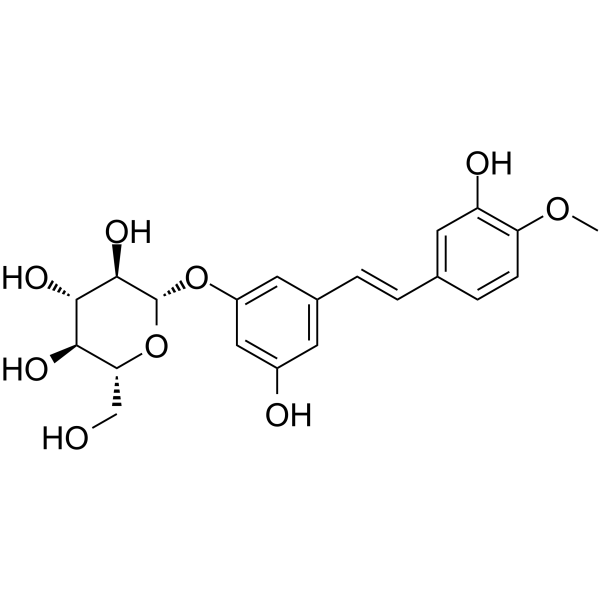
Rhapontin (Rhaponiticin) is an orally aactive SIRT1 agonist and AMPK activator with anti-inflammatory and anti-fibrotic activities. Rhapontin inhibits NLRP3 inflammasome activation by activating SIRT1 and inhibits TGF-β/Smad signaling via the AMPK pathway. Rhapontin reduces intestinal and lung inflammation, inhibits fibroblast differentiation and extracellular matrix deposition, and enhances tight junction protein expression to repair epithelial barriers. Rhapontin can be used in the study of inflammatory bowel diseases (such as ulcerative colitis) and pulmonary fibrosis .
|
-
-
- HY-N2376
-
|
|
Glycosidase
Amylases
NF-κB
|
Metabolic Disease
Inflammation/Immunology
|
|
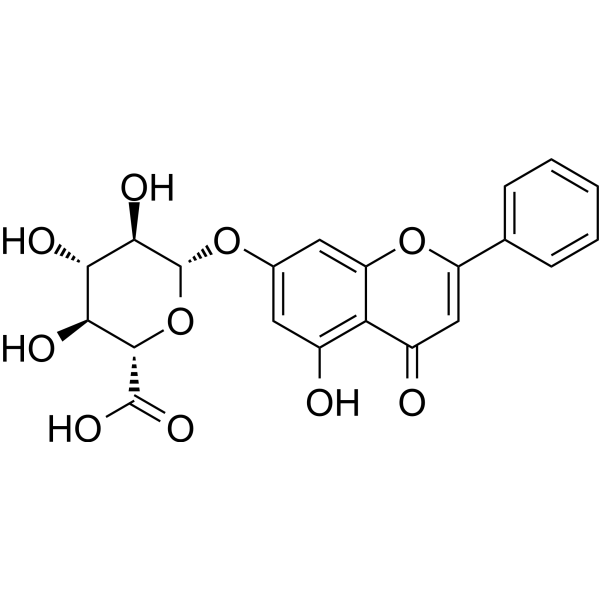
Chrysin-7-O-glucuronide is a flavonoid found in Scutellaria baicalensis. Chrysin-7-O-glucuronide inhibits α-glucosidase and α-amylase with IC50 values of 612.13 and 980.73 μg/mL. Chrysin-7-O-glucuronide suppresses NF-κB signaling activity. Chrysin-7-O-glucuronide scavenges free radicals, acts as a tight junction protector, and mitigates intestinal mucosal barrier injury. Chrysin-7-O-glucuronide can be used for the research of type 2 diabetes and severe acute pancreatitis-induced intestinal mucosal barrier injury .
|
-
-
- HY-W081067
-
|
HFPO-DA
|
Biochemical Assay Reagents
|
Infection
|
|
Perfluoro (2-methyl-3-oxahexanoic) acid (HFPO-DA) is an orally active peroxisome proliferator-activated receptor α (PPARα) agonist with an EC50 of 2.1 μM for human PPARα. Perfluoro (2-methyl-3-oxahexanoic) acid induces peroxisome proliferation and increases the levels of proinflammatory mediators. It impairs intestinal barrier function and disrupts cecal flora balance. Perfluoro (2-methyl-3-oxahexanoic) acid is applicable to research related to developmental toxicity, hepatotoxicity and intestinal toxicity .
|
-
-
- HY-113478S
-
|
Ursodeoxycholate-d4; Ursodiol-d4; UDCA-d4
|
Isotope-Labeled Compounds
|
Infection
Metabolic Disease
|
|
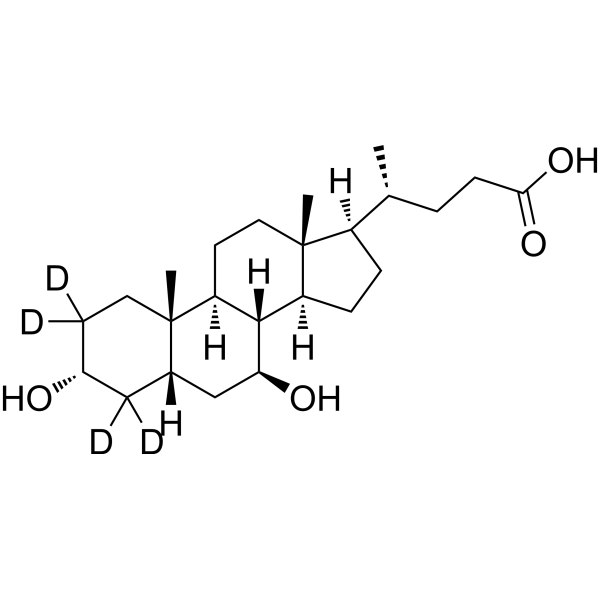
Ursodeoxycholic acid-2,2,4,4-d4 is the deuterium labeled Ursodeoxycholic acid (HY-13771). Ursodeoxycholic acid is a secondary bile acid issued from the transformation of (cheno)deoxycholic acid by intestinal bacteria, acting as a key regulator of the intestinal barrier integrity and essential for lipid metabolism. Ursodeoxycholic acid acts as signaling molecule, exerting its effects by interacting with bile acid activated receptors, including G-protein coupled bile acid receptor 5 (TGR5, GPCR19) and the farnesoid X receptor (FXR). Ursodeoxycholic acid can be used for the research of a variety of hepatic and gastrointestinal diseases. Ursodeoxycholic acid also reduces ACE2 expression and is beneficial for reducing SARS-CoV-2 infection .
|
-
-
- HY-19696B
-
|
Tauroursodeoxycholic acid dihydrate; TUDCA dihydrate; UR 906 dihydrate
|
Caspase
Apoptosis
Endogenous Metabolite
IRE1
NF-κB
JNK
Reactive Oxygen Species (ROS)
Akt
|
Neurological Disease
Metabolic Disease
Inflammation/Immunology
|
|
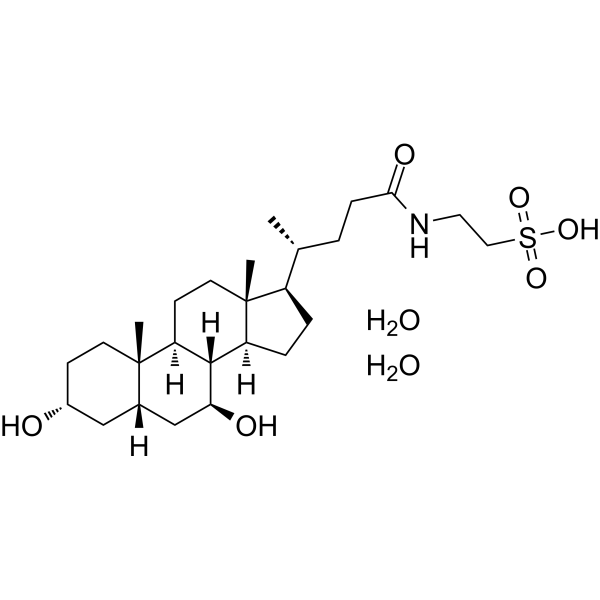
Tauroursodeoxycholate dehydrate is an orally active taurine conjugate of Ursodeoxycholic acid (HY-13771). Tauroursodeoxycholate dehydrate inhibits caspase-3/7, Apoptosis, IRE1α/TRAF2/NF-κB, prevents JNK phosphorylation, inhibits ROS generation, and activates Akt signaling. Tauroursodeoxycholate dehydrate prevents cataract formation, reduces renal tubular damage in type 2 diabetic mice, reduces I/R injury in liver, and inhibits intestinal inflammation and barrier disruption in nonalcoholic fatty liver disease .
|
-
-
- HY-N3415
-
|
|
Apoptosis
Autophagy
Caspase
Ferroptosis
SARS-CoV
|
Neurological Disease
Inflammation/Immunology
Cancer
|
|
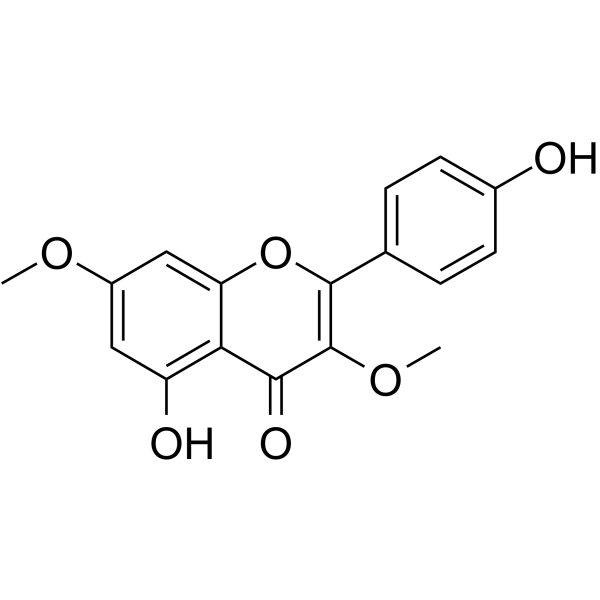
Kumatakenin is an orally active apoptosis inducer and autophagy inhibitor, with a Kd value of 2.94 μM for mouse ATG5. Kumatakenin increases the activities of caspase-3, caspase-8 and caspase-9, thereby inducing caspase-dependent apoptosis in ovarian cancer cells. Kumatakenin reduces the expression of chemokines and pro-oncogenic factors in ovarian cancer cells, and inhibits M2 macrophage polarization. Kumatakenin inactivates TRIM65 function, reduces the expression and stability of FASN, and thus inhibits the proliferation, migration, invasion and tumor progression of esophageal cancer cells. Kumatakenin interacts with ATG5 to reduce its protein level, decrease LC3 level, and reduce the number of autophagosomes in the hippocampus. Kumatakenin binds to Eno3 to upregulate its expression, reduce the stability and expression level of IRP1 mRNA, inhibit ferroptosis, alleviate intestinal inflammation, and restore epithelial barrier function. Kumatakenin enhances the efficacy of antibiotics against pathogenic bacteria, inhibits SARS-CoV-2 replication, and reduces cytokine production. Kumatakenin is applicable to research related to ovarian cancer, esophageal cancer, depression and colitis .
|
-
-
- HY-P99917
-
|
|
STAT
|
Infection
Inflammation/Immunology
|
|
Eflepedocokin alfa is a recombinant fusion protein. Eflepedocokin alfa consists of human IL-22 fused to human IgG2-Fc domain. Eflepedocokin alfa leads to the activation of IL-22/IL-22R-mediated signal transduction pathways as well as STAT3. Eflepedocokin alfa plays a role in immune response and bacterial infection, enhancing intestinal barrier function, intestinal immunity, and tissue repair .
|
-
-
- HY-N0237
-
-
-
- HY-P1108A
-
|
|
CRFR
|
Neurological Disease
Inflammation/Immunology
|
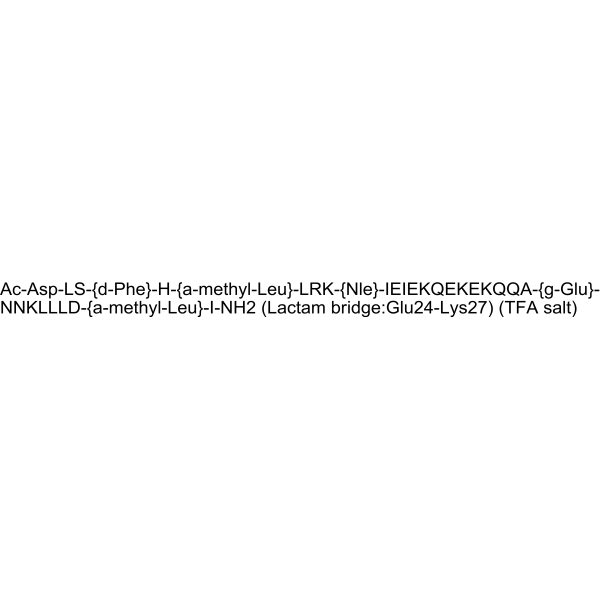
Astressin 2B TFA is a blood-brain barrier-impermeable, highly selective CRFR2 antagonist (rCRFR2, IC50=0.57 nM). Astressin 2B TFA blocks the protective effects mediated by CRFR2, thereby exacerbating indomethacin (HY-14397)-induced hemorrhagic intestinal injury in rats. Astressin 2B TFA reverses the protective effects of Urocortin 1 against intestinal hypermotility, bacterial invasion and upregulation of inflammatory mediators. Astressin 2B TFA also blocks the anxiogenic effect of Urocortin 2 and attenuates stress-induced anxiety-related behaviors. In the Clostridioides difficile toxin A (C. difficile toxin A)-mediated enteritis model, Astressin 2B TFA mimics the phenotype of CRFR2-deficient mice, significantly exacerbating intestinal epithelial damage, edema, neutrophil migration and the expression of multiple proinflammatory cytokines. Astressin 2B TFA is an important tool molecule for investigating the intestinal protective mechanisms of CRFR2 .
|
-
-
- HY-N6625
-
|
|
Environmental Pollutants
Estrogen Receptor/ERR
Fungal
|
Infection
|
|
Chlorothalonil is a broad-spectrum foliar fungicide with oral activity. Chlorothalonil can be used to combat fungal diseases in vegetable and crop leaves. Chlorothalonil can alter the microbial community in the soil. Chlorothalonil inhibits spermatogenesis. Chlorothalonil can cause intestinal epithelial barrier dysfunction and fetal toxicity .
|
-
-
- HY-P1108
-
|
|
CRFR
|
Neurological Disease
Inflammation/Immunology
|
Astressin 2B is a blood-brain barrier-impermeable, highly selective CRFR2 antagonist (rCRFR2, IC50=0.57 nM). Astressin 2B blocks the protective effects mediated by CRFR2, thereby exacerbating indomethacin (HY-14397)-induced hemorrhagic intestinal injury in rats. Astressin 2B reverses the protective effects of Urocortin 1 against intestinal hypermotility, bacterial invasion and upregulation of inflammatory mediators. Astressin 2B also blocks the anxiogenic effect of Urocortin 2 and attenuates stress-induced anxiety-related behaviors. In the Clostridioides difficile toxin A (C. difficile toxin A)-mediated enteritis model, Astressin 2B mimics the phenotype of CRFR2-deficient mice, significantly exacerbating intestinal epithelial damage, edema, neutrophil migration and the expression of multiple proinflammatory cytokines. Astressin 2B is an important tool molecule for investigating the intestinal protective mechanisms of CRFR2 .
|
-
-
- HY-W002199
-
|
6:2 FTOH; 1H,1H,2H,2H-Perfluoro-1-octanol; 2-(Perfluorohexyl)ethanol
|
Bacterial
Apoptosis
ERK
TNF Receptor
|
Infection
Neurological Disease
|
|
6:2 Fluorotelomer alcohol (6:2 FTOH) is an orally active, blood-brain barrier-permeable modulator of cyclin D1 and ETS1. 6:2 Fluorotelomer alcohol downregulates cyclin D1 expression, upregulates ETS1 via the TNF-α/ERK 1/2 pathway, impairs mitochondrial membrane potential and respiratory function, increases reactive oxygen species levels, disrupts calcium homeostasis and activates endoplasmic reticulum stress markers, and induces cell proliferation inhibition and endothelial-mesenchymal transition. Furthermore, 6:2 Fluorotelomer alcohol induces morphological abnormalities in zebrafish embryos and liver developmental damage, while disrupting the brain immune microenvironment in mice, causing systemic toxicity and delayed pup maturation in CD-1 mice. 6:2 Fluorotelomer alcohol also induces cortical neuron apoptosis, glial cell activation, synaptic abnormalities, colonic barrier damage, intestinal dysbiosis and autism spectrum disorder-like symptoms in mice. 6:2 Fluorotelomer alcohol shows no mutagenic, clastogenic, primary skin/eye irritation or skin sensitizing effects, exhibits no selective reproductive toxicity in CD-1 mice, and is classified as GHS Category 4 for acute oral toxicity. 6:2 Fluorotelomer alcohol can be used in studies of neurodevelopmental disorders and autism spectrum disorders .
|
-
-
- HY-N0442
-
-
-
- HY-158766
-
|
3-Succinylated cholic acid
|
Endogenous Metabolite
Bacterial
|
Infection
Inflammation/Immunology
|
|
3-sucCA is an orally available bacterial bile acid that exerts anti-MASH effects by promoting the growth of Akkermansia muciniphila. By remodeling the intestinal microbiota and promoting the growth of Akkermansia, 3-sucCA can improve intestinal barrier damage and reduce chronic low-level inflammation, thereby alleviating the progression of metabolic dysfunction-associated steatohepatitis (MASH). 3-sucCA accelerates the synthesis of cell wall peptidoglycan and has in vivo efficacy in the mouse MAFL-MASH model. 3-sucCA levels are low in the MAFLD model and are mainly used in the study of MASH .
|
-
-
- HY-13771R
-
|
Ursodeoxycholate (Standard); Ursodiol (Standard); UDCA (Standard)
|
Reference Standards
G protein-coupled Bile Acid Receptor 1
FXR
Angiotensin-converting Enzyme (ACE)
Endogenous Metabolite
|
Infection
Metabolic Disease
Cancer
|
|
Ursodeoxycholic acid (Standard) is the analytical standard of Ursodeoxycholic acid. This product is intended for research and analytical applications. Ursodeoxycholic acid (Ursodeoxycholate) is a secondary bile acid issued from the transformation of (cheno)deoxycholic acid by intestinal bacteria, acting as a key regulator of the intestinal barrier integrity and essential for lipid metabolism. Ursodeoxycholic acid acts as signaling molecule, exerting its effects by interacting with bile acid activated receptors, including G-protein coupled bile acid receptor 5 (TGR5, GPCR19) and the farnesoid X receptor (FXR). Ursodeoxycholic acid can be used for the research of a variety of hepatic and gastrointestinal diseases. Ursodeoxycholic acid also reduces ACE2 expression and is beneficial for reducing SARS-CoV-2 infection. Orally active .
|
-
-
- HY-170522
-
|
|
HIF/HIF Prolyl-Hydroxylase
|
Inflammation/Immunology
|
|
ISM012-042 is an orally active PHD1 and PHD2 inhibitor with IC50 values of 1.9 and 2.5 nM, respectively. ISM012-042 (2.5 μM) can protect Caco-2 cells from DSS-induced barrier disruption. In lipopolysaccharide (LPS)-induced mouse bone marrow-derived dendritic cells (BMDC), ISM012-042 has anti-inflammatory effects and can dose-dependently reduce the expression of IL-12 subunit IL-12p35 and TNF. ISM012-042 restores intestinal barrier function and alleviates intestinal inflammation in various experimental colitis models. ISM012-042 can be used for intestinal mucosal repair and research into immune diseases .
|
-
-
- HY-N4031
-
|
|
Anaplastic lymphoma kinase (ALK)
METTL3
|
Inflammation/Immunology
|
|
Humantenine is a highly toxic indole alkaloid from Gelsemium elegans (Gardn. & Champ.) Benth. that binds to RNA m6A modification regulatory proteins (ALKBH5, METTL). Humantenine stably binds via hydrogen bonding and hydrophobic interactions and disrupts the m6A methylation level of target genes, thereby impairing the expression of intestinal epithelial cell tight junction and cytoskeleton-related genes, causing intestinal barrier dysfunction and significant intestinal cytotoxicity. The intraperitoneal injection LD50 values of Humantenine are <1 mg/kg in mice, 1.2 mg/kg in male rats and 1.5 mg/kg in female rats, respectively. Species differences exist in the metabolism of Humantenine in human, porcine, goat and rat liver microsomes, and demethylation, dehydrogenation and oxidation occur in liver microsomes .
|
-
-
- HY-W007376R
-
|
3-Formylindole (Standard)
|
Reference Standards
Endogenous Metabolite
|
Others
|
|
Indole-3-carboxaldehyde (Standard) is the analytical standard of Indole-3-carboxaldehyde. This product is intended for research and analytical applications. Indole-3-carboxaldehyde (3-Formylindole), a banlangen extract, is the product of the oxidative degradation of indole-3-acetic acid (IAA) by crude enzyme preparations from etiolated pea seedlings. Indole-3-carboxaldehyde is a biochemical used to prepare analogs of the indole phytoalexin cyclobrassinin. Indole-3-carboxaldehyde also enhances the epithelial barrier and anti-inflammatory activity in the intestinal tract[1][2].
|
-
-
- HY-N0671R
-
|
Rhaponiticin (Standard)
|
Reference Standards
Apoptosis
|
Cardiovascular Disease
Metabolic Disease
Inflammation/Immunology
Cancer
|
|
Rhapontin (Standard) is the analytical standard of Rhapontin (HY-N0671). This product is intended for research and analytical applications. Rhapontin (Rhaponiticin) is an orally aactive SIRT1 agonist and AMPK activator with anti-inflammatory and anti-fibrotic activities. Rhapontin inhibits NLRP3 inflammasome activation by activating SIRT1 and inhibits TGF-β/Smad signaling via the AMPK pathway. Rhapontin reduces intestinal and lung inflammation, inhibits fibroblast differentiation and extracellular matrix deposition, and enhances tight junction protein expression to repair epithelial barriers. Rhapontin can be used in the study of inflammatory bowel diseases (such as ulcerative colitis) and pulmonary fibrosis .
|
-
-
- HY-N7635
-
|
β-D-Glucopyranosyl oleanolate
|
NO Synthase
COX
Interleukin Related
Claudin
p38 MAPK
Akt
PI3K
|
Inflammation/Immunology
|
|
Oleanolic acid 28-O-β-D-glucopyranoside (β-D-Glucopyranosyl oleanolate) is an orally active pentacyclic triterpenoid compound. Oleanolic acid 28-O-β-D-glucopyranoside has anti-inflammatory effects. In ulcerative colitis models, Oleanolic acid 28-O-β-D-glucopyranoside can inhibit the inflammatory response, enhance the intestinal epithelial barrier function, and modulate the gut microbiota. Its mechanism of action is related to the PI3K-AKT and MAPK signaling pathways. Oleanolic acid 28-O-β-D-glucopyranoside can be used in the research of diseases such as colitis .
|
-
-
- HY-139583
-
|
S 117957; IMB 115
|
Opioid Receptor
|
Neurological Disease
|
|
Sunobinop (S 117957; IMB 115) is an orally active and blood-brain barrier-permeable selective partial agonist of the human nociceptin/orphanin FQ receptor (NOP), which exhibits high affinity for human targets (Ki=3.3 nM; EC50=4.03 nM; Emax=47.8%) without activating μ and κ opioid receptors. Sunobinop significantly reduces wakefulness time and increases non-rapid eye movement sleep in rats by activating NOP receptors, and produces no significant side effects on learning, memory, reward, respiration or intestinal function at effective doses. Sunobinop displays competitive antagonist properties in specific signaling pathways, such as β-arrestin 2 recruitment. With these unique pharmacological properties, Sunobinop can be used to investigate insomnia, moderate-to-severe alcohol use disorder, and urinary incontinence caused by overactive bladder .
|
-
-
- HY-I0746
-
|
m-Aminobenzoic acid; 3ABA
|
Endogenous Metabolite
|
Neurological Disease
Inflammation/Immunology
|
|
3-Aminobenzoic acid (3-ABA) is an orally active anti-inflammatory agent targeting the tight junction (TJ) regulatory pathways in intestinal epithelial cells. 3-Aminobenzoic acid improves intestinal inflammation by enhancing intestinal barrier integrity and reducing epithelial permeability. It can be used in studies related to improving gut health. Additionally, 3-Aminobenzoic acid analogs can act as γ-aminobutyric acid transaminase (GABA-AT) inhibitors, exhibiting anticonvulsant effects .
|
-
-
- HY-161343
-
|
|
P2Y Receptor
Necroptosis
|
Inflammation/Immunology
|
|
HDL-16 is a potent P2Y14R antagonist with an IC50 of 0.3095 nM. HDL-16 ameliorates DSS (HY-116282C)-induced colitis through suppressing necroptosis of intestinal epithelium cells (IECs) and protecting mucosal barrier function .
|
-
-
- HY-N6612B
-
|
|
Bacterial
|
Inflammation/Immunology
|
|
Glucuronic acid sodium is a polysaccharide that exhibits anti-inflammatory activity, supporting the healing of ulcerative colitis. Glucuronic acid sodium also enhances the intestinal barrier by upregulating tight junction proteins like ZO-1 and Occludin. Furthermore, Glucuronic acid sodium plays a role in modulating gut microbiota by increasing beneficial bacterial populations while suppressing harmful ones.
|
-
-
- HY-N6625R
-
|
|
Reference Standards
Fungal
Estrogen Receptor/ERR
|
Infection
|
|
Chlorothalonil (Standard) is the analytical standard of Chlorothalonil. This product is intended for research and analytical applications. Chlorothalonil is a broad-spectrum foliar fungicide with oral activity. Chlorothalonil can be used to combat fungal diseases in vegetable and crop leaves. Chlorothalonil can alter the microbial community in the soil. Chlorothalonil inhibits spermatogenesis. Chlorothalonil can cause intestinal epithelial barrier dysfunction and fetal toxicity .
|
-
-
- HY-17623S
-
|
CJ-12420-d6; RQ-00000004-d6
|
Proton Pump
Na+/K+ ATPase
|
Metabolic Disease
|
|
Tegoprazan (CJ-12420; RQ-00000004), a potassium-competitive acid blocker, is a reversible, oral active and highly selective inhibitor of gastric H+/K+-ATPase that could control gastric acid secretion and motility, with IC50 values ranging from 0.29-0.52 μM for porcine, canine, and human H +/K +-ATPases in vitro. Tegoprazan significantly improves colitis in mice and enhances the intestinal epithelial barrier function. Tegoprazan is promising for research of Inflammatory bowel, gastric acid-related, motilityimpaired diseases .
|
-
-
- HY-N6685
-
-
-
- HY-123630R
-
|
FD&C RED NO. 40 (Standard); CI 16035 (Standard)
|
Fluorescent Dye
Interleukin Related
5-HT Receptor
IFNAR
Reactive Oxygen Species (ROS)
Reference Standards
|
Inflammation/Immunology
|
|
Allura Red AC (Standard) is an analytical standard of Allura Red AC. This product is intended for research and analytical applications. Allura Red AC is a food colorant, appearing as a deep red water-soluble powder or granules, used in various applications such as beverages, syrups, candies, and cereals. Allura Red AC can statically quench the intrinsic fluorescence of HSA. Additionally, Allura Red AC is a 5-hydroxytryptamine (5-HT) pathway-associated pro-inflammatory agent, capable of exacerbating experimental colitis. Allura Red AC holds potential for research in inflammatory bowel disease (IBD), intestinal barrier function, and food additive safety .
|
-
-
- HY-N2468R
-
|
1,4-β-D-Xylobiose (Standard); 1,4-D-Xylobiose (Standard)
|
Reference Standards
TNF Receptor
Claudin
HSP
|
Metabolic Disease
Inflammation/Immunology
|
|
Xylobiose (1,4-β-D-Xylobiose; 1,4-D-Xylobiose) is an orally active Claudin 2/CLDN2 inhibitor and HSP27 inducer. Xylobiose works by regulating intestinal barrier function and glucose and lipid metabolism-related signaling pathways. Xylobiose inhibits CLDN2 expression to reduce intestinal permeability, induces HSP27 to enhance cell protection, and regulates the miR-122a/miR-33a axis to inhibit liver lipid synthesis and improve insulin resistance. Xylobiose can strengthen intestinal barrier integrity, reduce blood sugar and blood lipid levels, and reduce oxidative stress and inflammatory response. Xylobiose can be used in the study of type 2 diabetes and metabolic syndrome .
|
-
-
- HY-159986
-
|
|
Pantetheinase
|
Cancer
|
|
X-17 is a Vanin-1 Inhibitor with potent anti-inflammatory and antioxidant activities. X-17 repressrs the inflammatory factor expressions and myeloperoxidase activity, elevats the colonic glutathione reserve, and restors the intestinal barrier .
|
-
-
- HY-146391
-
|
|
P-glycoprotein
|
Cancer
|
|
P-gp inhibitor 4 (Compound 8b) is a selective P-glycoprotein modulator with an EC50 of 94 nM. P-gp inhibitor 4 increases agent transport across gastro-intestinal barrier and recovers doxorubicin toxicity in multidrug resistant cancer cells .
|
-
-
- HY-13771S1
-
|
Ursodeoxycholate-13C; Ursodiol-13C; UDCA-13C
|
Isotope-Labeled Compounds
G protein-coupled Bile Acid Receptor 1
FXR
Endogenous Metabolite
|
Cancer
|
|
Ursodeoxycholic acid- 13C is the 13C labeled Ursodeoxycholic acid. Ursodeoxycholic acid (Ursodeoxycholate) is a secondary bile acid issued from the transformation of (cheno)deoxycholic acid by intestinal bacteria, acting as a key regulator of the intestinal barrier integrity and essential for lipid metabolism. Ursodeoxycholic acid acts as signaling molecule, exerting its effects by interacting with bile acid activated receptors, including G-protein coupled bile acid receptor 5 (TGR5, GPCR19) and the farnesoid X receptor (FXR). Ursodeoxycholic acid can be used for the research of a variety of hepatic and gastrointestinal diseases. Orally active .
|
-
-
- HY-177878
-
|
|
Sirtuin
|
Inflammation/Immunology
|
|
IMU-856 is an orally active and systemic action SIRT6 small molecule regulator. IMU-856 effectively and selectively inhibits the deacetylase activity of SIRT6, while increasing the protein level of SIRT6. IMU-856 can restore intestinal barrier function and can be used for research on celiac disease .
|
-
-
- HY-161620
-
|
|
IRAK
|
Inflammation/Immunology
|
|
DW18134 is an inhibitor for interleukin receptor-associated kinase 4 (IRAK 4) with an IC50 of 11.2 nM. DW18134 inhibits phosphorylation of IRAK4 and IKK, downregulates the secretion of TNF-α and IL-6. DW18134 attenuates the Lipopolysaccharides (HY-D1056)-induced peritonitis and DSS-induced colitis in mouse models, and protects the intestinal barrier function .
|
-
-
- HY-W750674
-
|
3-Formylindole-C13C8
|
Isotope-Labeled Compounds
|
Inflammation/Immunology
|
|
Indole-3-carboxaldehyde- 13C8 (3-Formylindole- 13C8) is the 13C-labeled Indole-3-carboxaldehyde (HY-W007376). Indole-3-carboxaldehyde, a banlangen extract, is the product of the oxidative degradation of indole-3-acetic acid (IAA) by crude enzyme preparations from etiolated pea seedlings. Indole-3-carboxaldehyde is a biochemical used to prepare analogs of the indole phytoalexin cyclobrassinin. Indole-3-carboxaldehyde also enhances the epithelial barrier and anti-inflammatory activity in the intestinal tract .
|
-
-
- HY-I0746R
-
|
m-Aminobenzoic acid (Standard); 3ABA (Standard)
|
Reference Standards
Endogenous Metabolite
|
Neurological Disease
Inflammation/Immunology
|
|
3-Aminobenzoic acid (Standard) is the analytical standard of 3-Aminobenzoic acid. This product is intended for research and analytical applications. 3-Aminobenzoic acid (3-ABA) is an orally active anti-inflammatory agent targeting the tight junction (TJ) regulatory pathways in intestinal epithelial cells. 3-Aminobenzoic acid improves intestinal inflammation by enhancing intestinal barrier integrity and reducing epithelial permeability. It can be used in studies related to improving gut health. Additionally, 3-Aminobenzoic acid analogs can act as γ-aminobutyric acid transaminase (GABA-AT) inhibitors, exhibiting anticonvulsant effects .
|
-
- HY-N1516R
-
|
|
Reference Standards
Apoptosis
|
Cancer
|
|
3-Aminobenzoic acid (Standard) is the analytical standard of 3-Aminobenzoic acid. This product is intended for research and analytical applications. 3-Aminobenzoic acid (3-ABA) is an orally active anti-inflammatory agent targeting the tight junction (TJ) regulatory pathways in intestinal epithelial cells. 3-Aminobenzoic acid improves intestinal inflammation by enhancing intestinal barrier integrity and reducing epithelial permeability. It can be used in studies related to improving gut health. Additionally, 3-Aminobenzoic acid analogs can act as γ-aminobutyric acid transaminase (GABA-AT) inhibitors, exhibiting anticonvulsant effects .
|
-
- HY-N2376R
-
|
|
Reference Standards
Glycosidase
Amylases
NF-κB
|
Metabolic Disease
Inflammation/Immunology
|
|
Chrysin-7-O-glucuronide (Standard) is the analytical standard of Chrysin-7-O-glucuronide (Hy-N2376). This product is intended for research and analytical applications. Chrysin-7-O-glucuronide is a flavonoid found in Scutellaria baicalensis. Chrysin-7-O-glucuronide inhibits α-glucosidase and α-amylase with IC50 values of 612.13 and 980.73 μg/mL. Chrysin-7-O-glucuronide suppresses NF-κB signaling activity. Chrysin-7-O-glucuronide scavenges free radicals, acts as a tight junction protector, and mitigates intestinal mucosal barrier injury. Chrysin-7-O-glucuronide can be used for the research of type 2 diabetes and severe acute pancreatitis-induced intestinal mucosal barrier injury .
|
-
- HY-176554
-
-
- HY-P11149
-
|
|
Bacterial
|
Infection
Metabolic Disease
|
|
Human Defensin-5 (1-9) is an orally active antimicrobial peptide. Human Defensin-5 (1-9) can inhibit metabolic disorders induced by Western-style diet (WSD) or Western-style diet with fructose (WSDF). Human Defensin-5 (1-9) enhances intestinal barrier function by upregulating the gene expression of ileal tight junction protein and mucins. Human Defensin-5 (1-9) can be used for the study of obesity and related metabolic diseases .
|
-
- HY-171837A
-
|
|
TNF Receptor
Interleukin Related
SOD
|
Inflammation/Immunology
|
|
t9,t11,c15-CLNA is a conjugated linolenic acid (CLNA) isomer produced by Lactobacillus plantarum ZS2058. t9,t11,c15-CLNA has the main activities of anti-inflammatory, antioxidant and improving intestinal barrier function. The regulatory mechanism of t9,t11,c15-CLNA includes upregulation of tight junction proteins, inhibition of pro-inflammatory cytokines (such as TNF-α, IL-6) and activation of antioxidant enzymes (such as SOD, CAT). t9,t11,c15-CLNA can be used in the study of inflammatory bowel diseases (such as colitis) .
|
-
- HY-N0442R
-
|
4'-O-β-D-Glucosyl-5-O-methylvisamminol (Standard)
|
Reference Standards
p38 MAPK
Reactive Oxygen Species (ROS)
TNF Receptor
MEK
ERK
VEGFR
Src
Amyloid-β
Anaplastic lymphoma kinase (ALK)
NF-κB
NOD-like Receptor (NLR)
JNK
Ferroptosis
|
Neurological Disease
Metabolic Disease
Inflammation/Immunology
Cancer
|
|
5-O-Methylvisammioside (4'-O-β-D-Glucosyl-5-O-methylvisamminol) (Standard) is the analytical standard of 5-O-Methylvisammioside. This product is intended for research and analytical applications. 5-O-Methylvisammioside is an orally active natural chromone glycoside and multiple biological activities. 5-O-Methylvisammioside inhibits ferroptosis by activating the Nrf2/HO-1 signaling axis. 5-O-Methylvisammioside alleviates intestinal barrier damage by inhibiting the ROS/NF-κB/NLRP3 pathway. 5-O-Methylvisammioside exerts a protective effect against acute liver injury by reducing ALT/AST, decreasing inflammatory infiltration, and inhibiting IκB-α phosphorylation and NF-κB nuclear translocation. 5-O-Methylvisammioside blocks the HMGB1/RAGE/MEK/ERK signaling axis to exert anti-tumor and anti-angiogenic effects. 5-O-Methylvisammioside improves depression-like behaviors by inhibiting Src kinase and the NF-κB pathway.
|
-
- HY-162812
-
|
|
Apoptosis
Cholinesterase (ChE)
Tau Protein
Ferroptosis
Histamine Receptor
|
Neurological Disease
|
|
H3R antagonist 4 (compound 11L) was a dual inhibitor of cholinesterase and histamine receptor (H3R), with corresponding IC50 of 7.04 μM (eeAChE), 9.73 μM (hAChE)(reversible) and 1.09 nM (H3R) , respectively. H3R antagonist 4 inhibited the aggregation of Aβ1-42 induced by itself and Cu 2+ (95.48% and 88.63%) , and degraded the Aβ1-42 fibrils induced by itself and Cu 2+ (80.16% and 89.30%) . H3R antagonist 4 chelate biometals such as Cu 2+, Zn 2+, Al 3+, and Fe 2+. H3R antagonist 4 significantly reduced tau protein hyperphosphorylation induced by Aβ1-42 and inhibited RSL-3-induced apoptosis and ferroptosis in PC12 cells. H3R antagonist 4 had the best blood-brain barrier permeability and intestinal absorption in hCMEC/D3 and hPepT1-MDCK cells.H3R antagonist 4 ameliorates learning and memory impairment in a mouse model of Alzheimer's disease induced by scopolamine (HY-N0296) .
|
-
- HY-N19420
-
|
|
Renin
Bacterial
Interleukin Related
TNF Receptor
|
Cardiovascular Disease
Inflammation/Immunology
|
|
Theasinensin C is an orally effective renin inhibitor and gut microbiota modulator, with an IC50 of 40.21 μM against renin activity. Theasinensin C selectively enriches Akkermansia muciniphila in the gut microbiota, enhances the Akkermansia muciniphila-mediated hydrolysis of the PTS domain of mucin, drives the accumulation of luminal glutamine and serine, and regulates the gut-kidney-liver glutamine/serine metabolic signaling pathway to promote creatine biosynthesis. Theasinensin C improves cognitive function, reduces pro-inflammatory cytokines, alleviates neuropathological changes and restores intestinal barrier integrity. Theasinensin C can be used in research related to hypertension and neuroinflammation induced by high-fructose diet .
|
-
- HY-139583A
-
|
S 117957 TFA; IMB 115 TFA
|
Opioid Receptor
|
Neurological Disease
|
|
Sunobinop (S 117957) TFA is an orally active and blood-brain barrier-permeable selective partial agonist of the human nociceptin/orphanin FQ receptor (NOP), which exhibits high affinity for human targets (Ki=3.3 nM; EC50=4.03 nM; Emax=47.8%) without activating μ and κ opioid receptors. Sunobinop TFA significantly reduces wakefulness time and increases non-rapid eye movement sleep in rats by activating NOP receptors, and produces no significant side effects on learning, memory, reward, respiration or intestinal function at effective doses. Sunobinop TFA displays competitive antagonist properties in specific signaling pathways, such as β-arrestin 2 recruitment. With these unique pharmacological properties, Sunobinop TFA can be used to investigate insomnia, moderate-to-severe alcohol use disorder, and urinary incontinence caused by overactive bladder .
|
-
| Cat. No. |
Product Name |
Type |
-
- HY-123630
-
|
FD&C RED NO. 40; CI 16035
|
Fluorescent Dye
|
|
Allura Red AC is a food colorant, appearing as a deep red water-soluble powder or granules, used in various applications such as beverages, syrups, candies, and cereals. Allura Red AC can statically quench the intrinsic fluorescence of HSA. Additionally, Allura Red AC is a 5-hydroxytryptamine (5-HT) pathway-associated pro-inflammatory agent, capable of exacerbating experimental colitis. Allura Red AC holds potential for research in inflammatory bowel disease (IBD), intestinal barrier function, and food additive safety .
|
-
- HY-123630R
-
|
FD&C RED NO. 40 (Standard); CI 16035 (Standard)
|
Fluorescent Dye
|
|
Allura Red AC (Standard) is an analytical standard of Allura Red AC. This product is intended for research and analytical applications. Allura Red AC is a food colorant, appearing as a deep red water-soluble powder or granules, used in various applications such as beverages, syrups, candies, and cereals. Allura Red AC can statically quench the intrinsic fluorescence of HSA. Additionally, Allura Red AC is a 5-hydroxytryptamine (5-HT) pathway-associated pro-inflammatory agent, capable of exacerbating experimental colitis. Allura Red AC holds potential for research in inflammatory bowel disease (IBD), intestinal barrier function, and food additive safety .
|
| Cat. No. |
Product Name |
Type |
-
- HY-115340
-
|
Sodium decanoate; Sodium caprate
|
Biochemical Assay Reagents
|
|
Decanoic acid sodium, also known as Decanoic acid sodium, is a salt of the fatty acid capric acid. It is easily soluble in water and has a slightly soapy smell. Decanoic acid sodium acts as a penetration enhancer, which means it increases the absorption and bioavailability of drugs across biological membranes, including the intestinal epithelium and the blood-brain barrier. This property makes it useful in pharmaceutical formulations to improve drug delivery and effectiveness. Furthermore, Decanoic acid sodium has potential applications in food preservatives and cosmetics due to its antibacterial properties.
|
-
- HY-112624I
-
|
Dextran 3; Dextran D3; Dextran T3(MW 2400-3600)
|
Biochemical Assay Reagents
|
|
Dextran T3 (Dextran 3; Dextran T3(MW 2400-3600)) is a neural tracer and intestinal permeability probe that can move anterogradely and retrogradely in neuronal axons by passive diffusion. Dextran T3 (MW 3,000) is able to permeate across the intestinal epithelial cell membrane in the presence of cholera toxin-induced cytoskeletal disturbance. Dextran T3 (MW 3,000) is used as a fluorescent marker to rapidly label developing neurons (such as Xenopus retinal ganglion cells) and to assess intestinal barrier function. It can be used to study axonal transport in neuroanatomy and permeability changes in intestinal pathophysiology. The Dextran series of compounds are also natural polysaccharide drug carriers that can be connected to drugs through covalent bonding methods such as ester bonds, amide bonds or click chemistry, or self-assembled to form carriers such as nanoparticles and hydrogels. Dextran is biodegradable and biocompatible, and can achieve targeted delivery and controlled release of drugs. Dextran derivatives can prolong the half-life of drugs, increase local concentrations, and reduce the activity of immune clearance .
|
| Cat. No. |
Product Name |
Target |
Research Area |
-
- HY-P1108A
-
|
|
CRFR
|
Neurological Disease
Inflammation/Immunology
|
Astressin 2B TFA is a blood-brain barrier-impermeable, highly selective CRFR2 antagonist (rCRFR2, IC50=0.57 nM). Astressin 2B TFA blocks the protective effects mediated by CRFR2, thereby exacerbating indomethacin (HY-14397)-induced hemorrhagic intestinal injury in rats. Astressin 2B TFA reverses the protective effects of Urocortin 1 against intestinal hypermotility, bacterial invasion and upregulation of inflammatory mediators. Astressin 2B TFA also blocks the anxiogenic effect of Urocortin 2 and attenuates stress-induced anxiety-related behaviors. In the Clostridioides difficile toxin A (C. difficile toxin A)-mediated enteritis model, Astressin 2B TFA mimics the phenotype of CRFR2-deficient mice, significantly exacerbating intestinal epithelial damage, edema, neutrophil migration and the expression of multiple proinflammatory cytokines. Astressin 2B TFA is an important tool molecule for investigating the intestinal protective mechanisms of CRFR2 .
|
-
- HY-P1108
-
|
|
CRFR
|
Neurological Disease
Inflammation/Immunology
|
Astressin 2B is a blood-brain barrier-impermeable, highly selective CRFR2 antagonist (rCRFR2, IC50=0.57 nM). Astressin 2B blocks the protective effects mediated by CRFR2, thereby exacerbating indomethacin (HY-14397)-induced hemorrhagic intestinal injury in rats. Astressin 2B reverses the protective effects of Urocortin 1 against intestinal hypermotility, bacterial invasion and upregulation of inflammatory mediators. Astressin 2B also blocks the anxiogenic effect of Urocortin 2 and attenuates stress-induced anxiety-related behaviors. In the Clostridioides difficile toxin A (C. difficile toxin A)-mediated enteritis model, Astressin 2B mimics the phenotype of CRFR2-deficient mice, significantly exacerbating intestinal epithelial damage, edema, neutrophil migration and the expression of multiple proinflammatory cytokines. Astressin 2B is an important tool molecule for investigating the intestinal protective mechanisms of CRFR2 .
|
-
- HY-P11423
-
|
|
Peptides
|
Others
|
|
CSK peptide is a peptide that improves transport of macromolecules across the intestinal mucosal barrier targeting goblet cells. CSK peptide can be used for oral delivery system research .
|
-
- HY-P11149
-
|
|
Bacterial
|
Infection
Metabolic Disease
|
|
Human Defensin-5 (1-9) is an orally active antimicrobial peptide. Human Defensin-5 (1-9) can inhibit metabolic disorders induced by Western-style diet (WSD) or Western-style diet with fructose (WSDF). Human Defensin-5 (1-9) enhances intestinal barrier function by upregulating the gene expression of ileal tight junction protein and mucins. Human Defensin-5 (1-9) can be used for the study of obesity and related metabolic diseases .
|
| Cat. No. |
Product Name |
Target |
Research Area |
Image |
-
- HY-P99917
-
|
|
STAT
|
Infection
Inflammation/Immunology
|
|
Eflepedocokin alfa is a recombinant fusion protein. Eflepedocokin alfa consists of human IL-22 fused to human IgG2-Fc domain. Eflepedocokin alfa leads to the activation of IL-22/IL-22R-mediated signal transduction pathways as well as STAT3. Eflepedocokin alfa plays a role in immune response and bacterial infection, enhancing intestinal barrier function, intestinal immunity, and tissue repair .
|
-
(5)
| Cat. No. |
Product Name |
Category |
Target |
Chemical Structure |
-
- HY-13771
-
-
-
- HY-153169
-
|
6PPD-Quinone
|
Quinones
Structural Classification
Alkaloids
Classification of Application Fields
Other Alkaloids
Other Diseases
Benzene Quinones
Endogenous metabolite
Disease Research Fields
Source Classification
|
α-synuclein
Environmental Pollutants
|
|
6PPD-Q (6PPD-Quinone) is an environmental pollutant that can be detected in human urine and is widely present in the environment. 6PPD-Q targets and binds to CNR2, CNR1, AA2AR, LCAT, and TRPA1, with CNR2 exhibiting the highest binding affinity, potentially acting as a CNR2 receptor agonist to activate cannabinoid receptors. 6PPD-Q induces intestinal inflammation and barrier damage by disrupting mitochondrial function, reducing neuronal glycolysis metabolites and TCA cycle intermediates, and exacerbating α-synuclein (α-syn) aggregation.
6PPD-Q is applicable in research on environmental toxicology, neurodegenerative diseases, and inflammation-related disorders .
|
-
-
- HY-W007376
-
-
-
- HY-N7075
-
Inulin
4 Publications Verification
|
Structural Classification
Human Gut Microbiota Metabolites
Polysaccharides
Classification of Application Fields
Metabolic Disease
Plants
Compositae
Endogenous metabolite
Disease Research Fields
Saccharides
Sophora tomentosa L.
Source Classification
|
Endogenous Metabolite
|
|
Inulin is an orally active prebiotic targeting the intestinal microbiota, selectively promoting the proliferation and activity of beneficial bacteria such as bifidobacteria and lactic acid bacteria, and playing a role in regulating the intestinal microecology. The functions of Inulin include: Fermentation by probiotics in the colon to produce short-chain fatty acids (such as butyrate and propionate), lowering the intestinal pH and inhibiting the overgrowth of harmful bacteria; Enhancing the intestinal barrier function and reducing endotoxin translocation; Directly scavenging free radicals (such as superoxide free radicals, hydroxyl free radicals) and activating antioxidant enzymes (SOD, CAT) to reduce oxidative stress. Inulin can also be used in the study of intestinal diseases (constipation, IBD), metabolic syndrome (diabetes, obesity) and liver damage by regulating glucose and lipid metabolism (such as reducing triglycerides, improving insulin sensitivity) and immune response (enhancing NK cell activity, inhibiting inflammatory factors)[1][2][3][4].
|
-
-
- HY-Y1683
-
-
-
- HY-13771A
-
-
-
- HY-N2468
-
|
1,4-β-D-Xylobiose; 1,4-D-Xylobiose
|
Zea mays L.
Polysaccharides
Classification of Application Fields
Gramineae
Other Diseases
Plants
Disease Research Fields
Saccharides
Source Classification
|
TNF Receptor
Claudin
HSP
|
|
Xylobiose (1,4-β-D-Xylobiose; 1,4-D-Xylobiose) is an orally active Claudin 2/CLDN2 inhibitor and HSP27 inducer. Xylobiose works by regulating intestinal barrier function and glucose and lipid metabolism-related signaling pathways. Xylobiose inhibits CLDN2 expression to reduce intestinal permeability, induces HSP27 to enhance cell protection, and regulates the miR-122a/miR-33a axis to inhibit liver lipid synthesis and improve insulin resistance. Xylobiose can strengthen intestinal barrier integrity, reduce blood sugar and blood lipid levels, and reduce oxidative stress and inflammatory response. Xylobiose can be used in the study of type 2 diabetes and metabolic syndrome .
|
-
-
- HY-N0671
-
-
-
- HY-N2376
-
-
-
- HY-19696B
-
-
-
- HY-N3415
-
|
|
Flavonols
Structural Classification
Flavonoids
Classification of Application Fields
Phenols
Polyphenols
Myrtaceae
Plants
Syzygium aromaticum
Disease Research Fields
Source Classification
Cancer
|
Apoptosis
Autophagy
Caspase
Ferroptosis
SARS-CoV
|
|
Kumatakenin is an orally active apoptosis inducer and autophagy inhibitor, with a Kd value of 2.94 μM for mouse ATG5. Kumatakenin increases the activities of caspase-3, caspase-8 and caspase-9, thereby inducing caspase-dependent apoptosis in ovarian cancer cells. Kumatakenin reduces the expression of chemokines and pro-oncogenic factors in ovarian cancer cells, and inhibits M2 macrophage polarization. Kumatakenin inactivates TRIM65 function, reduces the expression and stability of FASN, and thus inhibits the proliferation, migration, invasion and tumor progression of esophageal cancer cells. Kumatakenin interacts with ATG5 to reduce its protein level, decrease LC3 level, and reduce the number of autophagosomes in the hippocampus. Kumatakenin binds to Eno3 to upregulate its expression, reduce the stability and expression level of IRP1 mRNA, inhibit ferroptosis, alleviate intestinal inflammation, and restore epithelial barrier function. Kumatakenin enhances the efficacy of antibiotics against pathogenic bacteria, inhibits SARS-CoV-2 replication, and reduces cytokine production. Kumatakenin is applicable to research related to ovarian cancer, esophageal cancer, depression and colitis .
|
-
-
- HY-N0237
-
-
-
- HY-N0442
-
-
-
- HY-13771R
-
-
-
- HY-N4031
-
-
-
- HY-W007376R
-
-
-
- HY-N0671R
-
|
Rhaponiticin (Standard)
|
Stilbenes
Classification of Application Fields
Polygonaceae
Rheum officinale Baill.
Phenols
Plants
Disease Research Fields
Source Classification
Cancer
|
Reference Standards
Apoptosis
|
|
Rhapontin (Standard) is the analytical standard of Rhapontin (HY-N0671). This product is intended for research and analytical applications. Rhapontin (Rhaponiticin) is an orally aactive SIRT1 agonist and AMPK activator with anti-inflammatory and anti-fibrotic activities. Rhapontin inhibits NLRP3 inflammasome activation by activating SIRT1 and inhibits TGF-β/Smad signaling via the AMPK pathway. Rhapontin reduces intestinal and lung inflammation, inhibits fibroblast differentiation and extracellular matrix deposition, and enhances tight junction protein expression to repair epithelial barriers. Rhapontin can be used in the study of inflammatory bowel diseases (such as ulcerative colitis) and pulmonary fibrosis .
|
-
-
- HY-N7635
-
-
-
- HY-N6685
-
-
-
- HY-N2468R
-
|
1,4-β-D-Xylobiose (Standard); 1,4-D-Xylobiose (Standard)
|
Structural Classification
Zea mays L.
Polysaccharides
Gramineae
Plants
Saccharides
Source Classification
|
Reference Standards
TNF Receptor
Claudin
HSP
|
|
Xylobiose (1,4-β-D-Xylobiose; 1,4-D-Xylobiose) is an orally active Claudin 2/CLDN2 inhibitor and HSP27 inducer. Xylobiose works by regulating intestinal barrier function and glucose and lipid metabolism-related signaling pathways. Xylobiose inhibits CLDN2 expression to reduce intestinal permeability, induces HSP27 to enhance cell protection, and regulates the miR-122a/miR-33a axis to inhibit liver lipid synthesis and improve insulin resistance. Xylobiose can strengthen intestinal barrier integrity, reduce blood sugar and blood lipid levels, and reduce oxidative stress and inflammatory response. Xylobiose can be used in the study of type 2 diabetes and metabolic syndrome .
|
-
-
- HY-N1516R
-
-
-
- HY-N2376R
-
-
-
- HY-N0442R
-
-
-
- HY-N19420
-
|
|
Structural Classification
Phenols
Polyphenols
Camellia sinensis (L.) O. Ktze.
Plants
Source Classification
Theaceae
|
Renin
Bacterial
Interleukin Related
TNF Receptor
|
|
Theasinensin C is an orally effective renin inhibitor and gut microbiota modulator, with an IC50 of 40.21 μM against renin activity. Theasinensin C selectively enriches Akkermansia muciniphila in the gut microbiota, enhances the Akkermansia muciniphila-mediated hydrolysis of the PTS domain of mucin, drives the accumulation of luminal glutamine and serine, and regulates the gut-kidney-liver glutamine/serine metabolic signaling pathway to promote creatine biosynthesis. Theasinensin C improves cognitive function, reduces pro-inflammatory cytokines, alleviates neuropathological changes and restores intestinal barrier integrity. Theasinensin C can be used in research related to hypertension and neuroinflammation induced by high-fructose diet .
|
-
| Cat. No. |
Product Name |
Chemical Structure |
-
- HY-113478S
-
|
|
|
Ursodeoxycholic acid-2,2,4,4-d4 is the deuterium labeled Ursodeoxycholic acid (HY-13771). Ursodeoxycholic acid is a secondary bile acid issued from the transformation of (cheno)deoxycholic acid by intestinal bacteria, acting as a key regulator of the intestinal barrier integrity and essential for lipid metabolism. Ursodeoxycholic acid acts as signaling molecule, exerting its effects by interacting with bile acid activated receptors, including G-protein coupled bile acid receptor 5 (TGR5, GPCR19) and the farnesoid X receptor (FXR). Ursodeoxycholic acid can be used for the research of a variety of hepatic and gastrointestinal diseases. Ursodeoxycholic acid also reduces ACE2 expression and is beneficial for reducing SARS-CoV-2 infection .
|
-
-
- HY-17623S
-
|
|
|
Tegoprazan (CJ-12420; RQ-00000004), a potassium-competitive acid blocker, is a reversible, oral active and highly selective inhibitor of gastric H+/K+-ATPase that could control gastric acid secretion and motility, with IC50 values ranging from 0.29-0.52 μM for porcine, canine, and human H +/K +-ATPases in vitro. Tegoprazan significantly improves colitis in mice and enhances the intestinal epithelial barrier function. Tegoprazan is promising for research of Inflammatory bowel, gastric acid-related, motilityimpaired diseases .
|
-
-
- HY-13771S1
-
|
|
|
Ursodeoxycholic acid- 13C is the 13C labeled Ursodeoxycholic acid. Ursodeoxycholic acid (Ursodeoxycholate) is a secondary bile acid issued from the transformation of (cheno)deoxycholic acid by intestinal bacteria, acting as a key regulator of the intestinal barrier integrity and essential for lipid metabolism. Ursodeoxycholic acid acts as signaling molecule, exerting its effects by interacting with bile acid activated receptors, including G-protein coupled bile acid receptor 5 (TGR5, GPCR19) and the farnesoid X receptor (FXR). Ursodeoxycholic acid can be used for the research of a variety of hepatic and gastrointestinal diseases. Orally active .
|
-
-
- HY-W750674
-
|
|
|
Indole-3-carboxaldehyde- 13C8 (3-Formylindole- 13C8) is the 13C-labeled Indole-3-carboxaldehyde (HY-W007376). Indole-3-carboxaldehyde, a banlangen extract, is the product of the oxidative degradation of indole-3-acetic acid (IAA) by crude enzyme preparations from etiolated pea seedlings. Indole-3-carboxaldehyde is a biochemical used to prepare analogs of the indole phytoalexin cyclobrassinin. Indole-3-carboxaldehyde also enhances the epithelial barrier and anti-inflammatory activity in the intestinal tract .
|
-
Your information is safe with us. * Required Fields.
Inquiry Information
- Product Name:
- Cat. No.:
- Quantity:
- MCE Japan Authorized Agent:

