Search Result
Results for "
Ion detection
" in MedChemExpress (MCE) Product Catalog:
12
Biochemical Assay Reagents
1
Isotope-Labeled Compounds
| Cat. No. |
Product Name |
Target |
Research Areas |
Chemical Structure |
-
- HY-D0090
-
|
|
Fluorescent Dye
|
Others
|
|
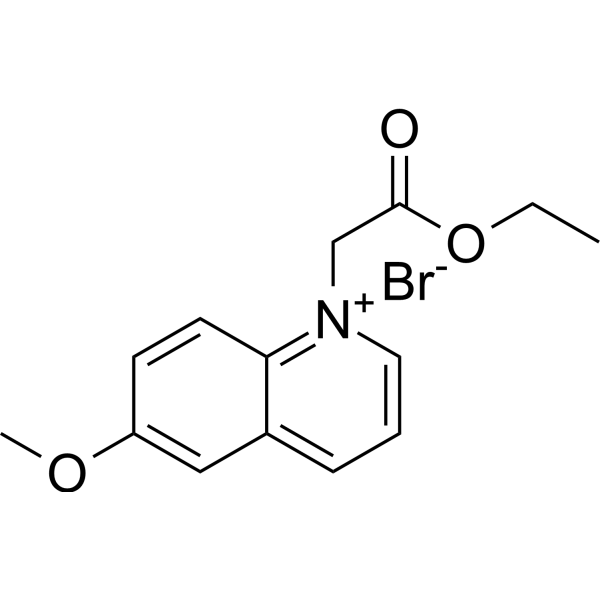
MQAE is a chloride ion (Cl -) fluorescent probe that can be used to measure chloride concentrations. The fluorescence intensity of MQAE decreases proportionally as Cl - ions increase. MQAE has high cell permeability and is suitable for fluorescence detection such as confocal microscopy and flow cytometry (Ex/Em=350/460 nm) .
|
-
-
- HY-D1533
-
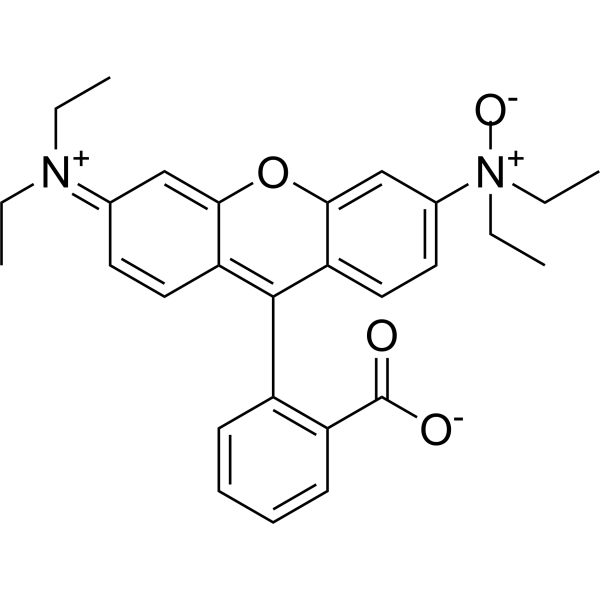
RhoNox-1
Maximum Cited Publications
39 Publications Verification
|
Fluorescent Dye
|
Others
|
|
RhoNox-1 is a fluorescent probe for the specific detection of divalent iron ions, and when RhoNox-1 reacts with Fe 2+. RhoNox-1 can generate an irreversible orange (red) fluorescent product (Ex/Em:540/575 nm) . FeRhoNox-1 can enter the cell well, suitable for the detection of Fe 2+ in living cells, and tends to be localized in the Golgi apparatus .
|
-
-
- HY-D0027
-
|
Coumarin 120; AMC
|
Fluorescent Dye
Antibiotic
Fungal
|
Infection
|
|
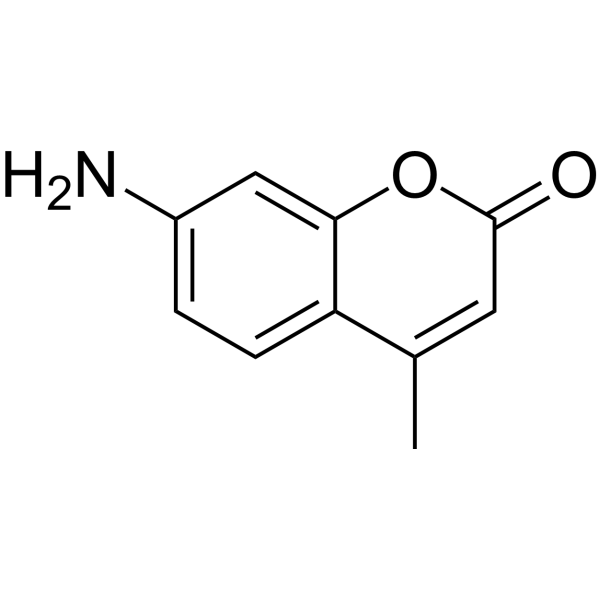
7-Amino-4-methylcoumarin belongs to the coumarin class, can be isolated from the endophytic fungus Xylaria sp. and has a broad spectrum of antibacterial activity. 7-Amino-4-methylcoumarin is also commonly used as an important laser dye that emits in the blue region, capable of analyzing glycoprotein monosaccharides and N-linked oligosaccharides, and is also utilized in tissue pathology analysis, enzyme activity measurement, and copper ion detection. The excitation wavelength and emission wavelength are 351 nm and 430 nm, respectively.
|
-
-
- HY-141511
-
|
|
Fluorescent Dye
|
Neurological Disease
Cancer
|
|
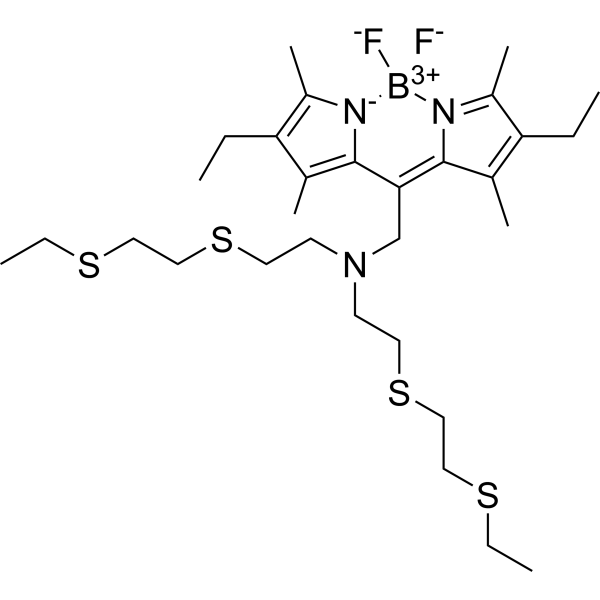
Coppersensor-1 (CS1) is a membrane-permeable fluorescent dye. Coppersensor-1 has a picomolar affinity for Cu + with high selectivity over competing cellular metalions. Coppersensor-1 as a probe, can selective and sensitive detection of copper(I) ions (Cu +) in biological samples, including live cells. Coppersensor-1 can be used for the research of imaging of severe diseases such as cancer, cardiovascular disorders and neurogenerative diseases .
|
-
-
- HY-15943
-
6-TAMRA
1 Publications Verification
6-Carboxytetramethylrhodamine
|
Fluorescent Dye
|
Others
|
|
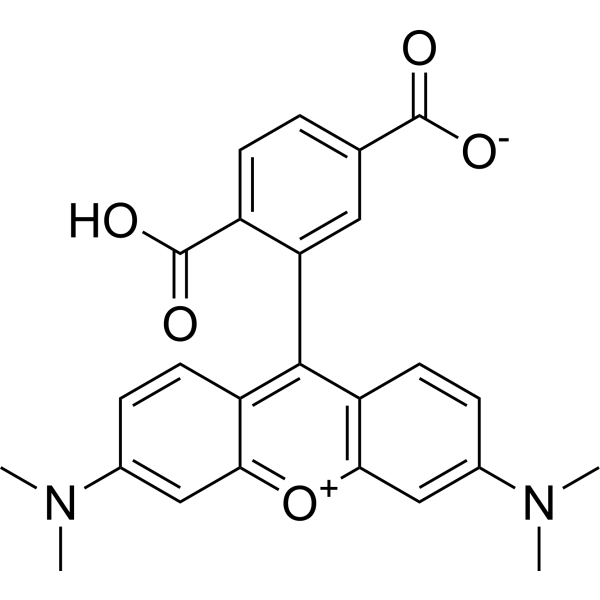
6-TAMRA (6-Carboxytetramethylrhodamine) is a fluorescent dye. 6-TAMRA is often used in combination with 6-FAM (HY-66021) as an acceptor or fluorescence quencher for fluorescence resonance energy transfer (FRET) in biochemical studies such as potassium ion detection and ribonuclease activity assays .
|
-
-
- HY-D0155
-
|
|
Fluorescent Dye
|
Others
|
|
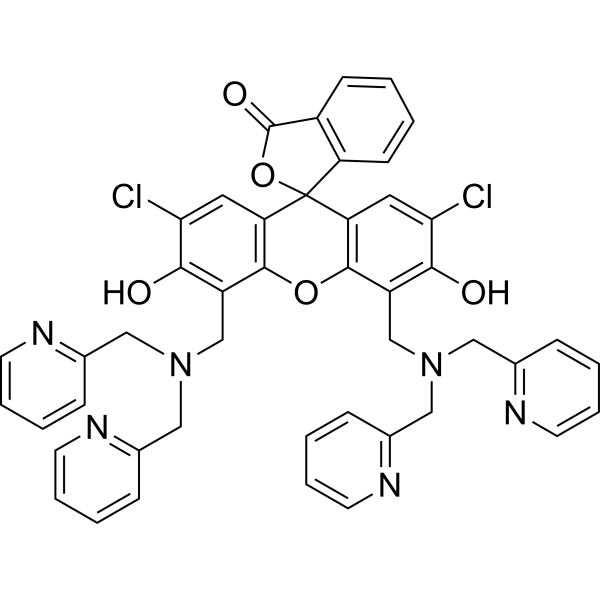
Zinpyr-1 is a zinc-responsive fluorescent indicator and a membrane-permeable metal-binding probe. Zinpyr-1 forms a complex with Mn 2+ ions and generates a fluorescence turn-on signal. Zinpyr-1 binds to free zinc ions in serum, enabling quantitative detection of free zinc concentration. Zinpyr-1 produces fluorescence signals reflecting the relative zinc concentration in plant root cells, localizes to specific layers of plant root cells, and can be used to support analyses related to plant zinc transporter mutations and homeostasis .
|
-
-
- HY-123645
-
|
|
Fluorescent Dye
|
Others
|
Rhodamine B hydrazide is a fluorescent derivative based on rhodamine B, containing the spirocyclic structure of Rhodamine B (HY-Y0016), which can be used to detect copper ions (Cu 2+), mercury ions, peroxynitrite, hydroxyl radicals and nitric oxide (NO) .
Excitation/emission wavelength:
Conventional detection: 510/578 nm.
Sulfite detection: 554 nm absorption, 574 nm emission (due to the formation of Rhodamine B fluorescent product).
|
-
-
- HY-101898
-
|
Indo-1 Acetoxymethyl ester
|
Fluorescent Dye
|
Others
|
|
Calcium is an important part of the human body, usually in the form of calcium, a large number of bones and teeth of the human body, a small amount of blood and tissues.
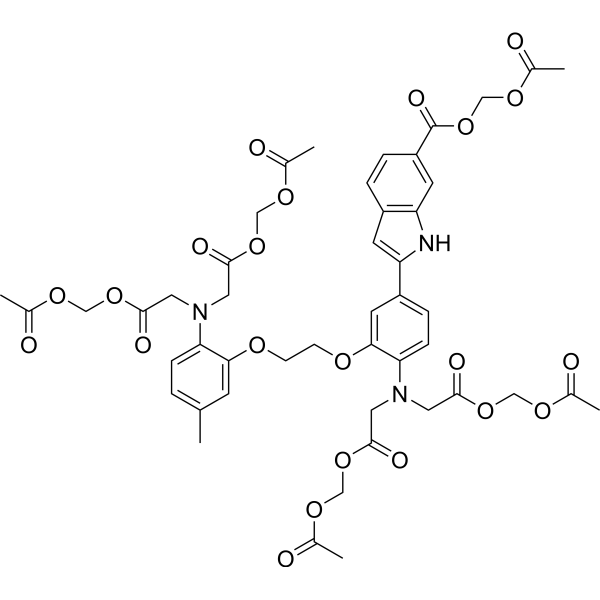
MCE calcium ion detection probe can specifically identify intracellular calcium ions, with high sensitivity, low cytotoxicity, increased AM acetylmethyl ester can enter the cell well, after being sheared by the intracellular esterase stay in the cell to bind to calcium ions, produce strong fluorescence, in addition, Mag-indo-1/AM and Mag-Fluo-4 AM at a certain concentration (usually 5 mM) can effectively identify intracellular magnesium ions .
|
-
-
- HY-W129633
-
|
DCIP sodium hydrate; DPIP sodium hydrate
|
Biochemical Assay Reagents
|
Others
|
|
2,6-Dichlorophenolindophenol (DCIP; DPIP) sodium hydrate is a redox chromogenic indicator with a redox potential of +217 mV relative to SHE, and it acts as a substrate for reduction reactions. During the metabolic process of nutrient consumption by Saccharomyces cerevisiae, 2,6-Dichlorophenolindophenol sodium hydrate is reduced from dark blue to colorless, resulting in a decrease in absorbance. 2,6-Dichlorophenolindophenol sodium hydrate is widely used in spectrophotometric biochemical oxygen demand determination and preclinical colorimetric toxicity analysis for heavy metal ion detection based on Saccharomyces cerevisiae .
|
-
-
- HY-W110927
-
|
|
Biochemical Assay Reagents
Fluorescent Dye
|
Others
|
|
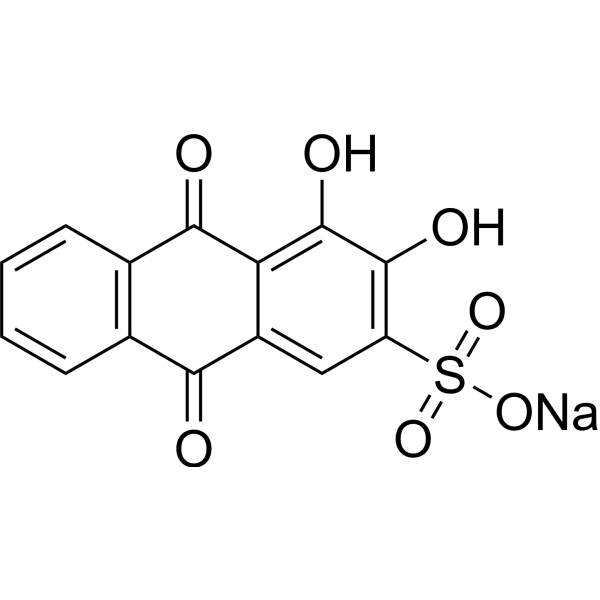
Alizarin red S indicator (C.I. 58005) is a reductively active (quinone-based) anthraquinone dye that forms complexes with metal ions (such as zirconium, calcium) or boric acid to label calcium deposition and perform electrochemical sensing functions. Alizarin Red S undergoes reversible redox reactions (for electrochemical detection) and irreversible chelation (for bone staining). Alizarin Red S is mainly used in bone metabolism research (labeling mineralized tissue), sugar detection (boric acid-sugar competition system) and metal ion sensing (such as zirconium ion detection), and can be used in osteoporosis and metabolic disease research .
|
-
-
- HY-D2295
-
|
|
Fluorescent Dye
|
Others
|
|
Mito-FerroGreen is a mitochondria-specific ferrous ion detection probe with an excitation wavelength of 488nm .
|
-
-
- HY-DY1030
-
|
|
Fluorescent Dye
|
Others
|
RhoNox-1 (solution) is a fluorescent probe for the specific detection of divalent iron ions, and when RhoNox-1 reacts with Fe 2+. RhoNox-1 can generate an irreversible orange (red) fluorescent product (Ex/Em:540/575 nm). FeRhoNox-1 can enter the cell well, suitable for the detection of Fe 2+ in living cells, and tends to be localized in the Golgi apparatus . Solvent and concentration: DMSO: 5 mM
|
-
-
- HY-D0006
-
|
|
Fluorescent Dye
|
Others
|
|
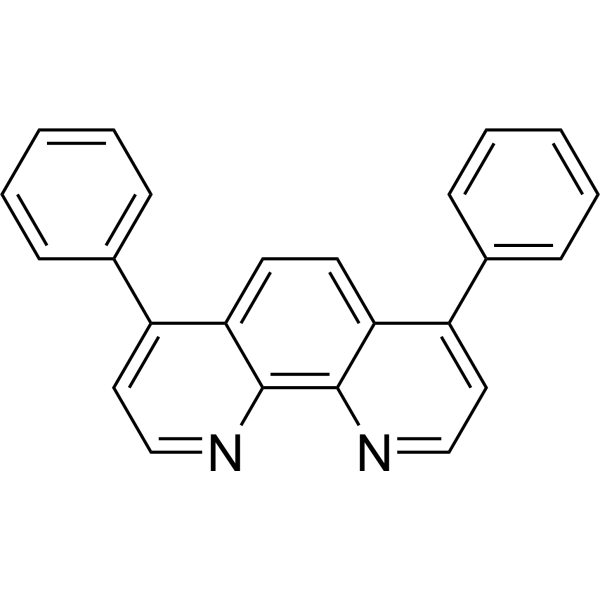
Bathophenanthroline is a nitrogen-containing organic ligand that can form stable complexes with transition metal ions such as Ru 2+. In proteomics, Bathophenanthroline is often used for in-gel protein staining. The negatively charged sulfonic acid groups of Bathophenanthroline interact electrostatically with the positively charged amino acid residues of proteins, thereby achieving specific binding to proteins and enhancing the fluorescent signal of detection. Bathophenanthroline can be used for protein separation and detection in SDS-PAGE gels in the field of proteomics, as well as other fluorescence studies[1]. Ex/Em=532 nm/610 nm[1].
|
-
-
- HY-W110910
-
|
|
Biochemical Assay Reagents
|
Infection
|
|
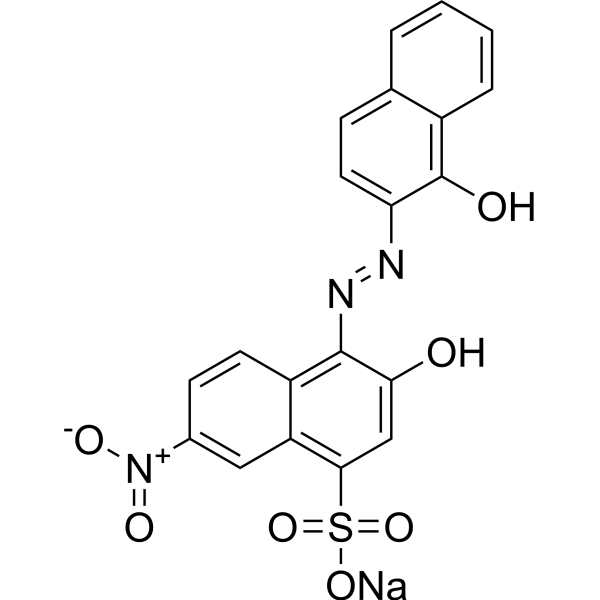
Eriochrome black T, Indicator is a complexing agent for metal ions (e.g., Ca 2+, Mg 2+) and is used as an indicator in complexometric titrations. Eriochrome black T, Indicator forms colored complexes with metal ions through covalent coordination bonds, and indicates the endpoint of the titration by color change. Eriochrome black T, Indicator can be used as an anionic azo dye in photocatalytic degradation studies to evaluate the performance of photocatalysts. The reaction solution of Eriochrome black T, Indicator combined with Mg 2+ is initially purple. During loop-mediated isothermal amplification (LAMP), the color changes from purple to sky blue due to the consumption of Mg 2+ by the formation of magnesium pyrophosphate, indicating a positive reaction. The optimal concentration of Eriochrome black T, Indicator in LAMP is 60 μM, and the detection limit for Mycobacterium tuberculosis is 1 pg DNA/reaction .
|
-
-
- HY-W250149
-
|
|
Biochemical Assay Reagents
|
Cancer
|
|
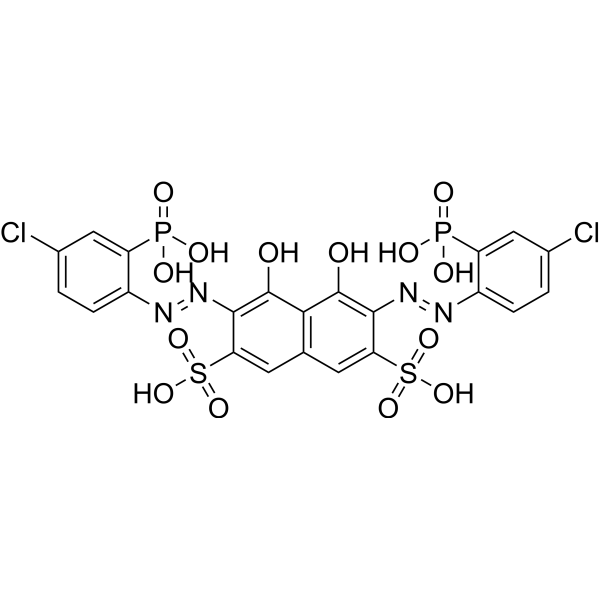
Chlorophosphonazo III is a cell membrane-permeable contrast agent and spectrophotometric reagent. Chlorophosphonazo III forms stable 1:1 complexes with intracellular calcium, magnesium, uranium, titanium, zirconium, thorium, scandium, equivalent actinides and protactinium. Chlorophosphonazo III generates photoacoustic signals correlated with Ca 2+ concentrations, which is applicable for imaging 3D tumor cell cultures and tumor spheroids. Chlorophosphonazo III exhibits no cytotoxicity, can be used for spectrophotometric detection of target ions, and the absorbance of its complexes remains stable for up to one week within the pH range of 2.2 to 7.0 .
|
-
-
- HY-W115721
-
|
Sodium rhodizonate dibasic
|
Reactive Oxygen Species (ROS)
DNA/RNA Synthesis
|
Others
|
|
Rhodizonic acid disodium (Sodium rhodizonate dibasic) is a transition metal-dependent pro-oxidant and lead detection agent that induces reactive oxygen species generation, DNA damage, and inhibits Aconitase activity. Rhodizonic acid disodium generates superoxide anion radicals in an iron (II)-dependent manner, leading to aconitase inactivation. Rhodizonic acid disodium also triggers hydroxyl radical-mediated DNA strand breaks and 8-OHdG formation via copper ion reduction. Rhodizonic acid disodium reacts with lead to form a scarlet precipitate, with the color intensity proportional to lead content, enabling qualitative or quantitative analysis of lead. Rhodizonic acid disodium can also be used for real-time visualization of the dynamic process of lead sequestration in the plant rhizosphere and evaluation of the effects of environmental factors such as soil type on the stability of lead-sequestering structures .
|
-
-
- HY-D1249
-
|
|
Fluorescent Dye
|
Others
|
|
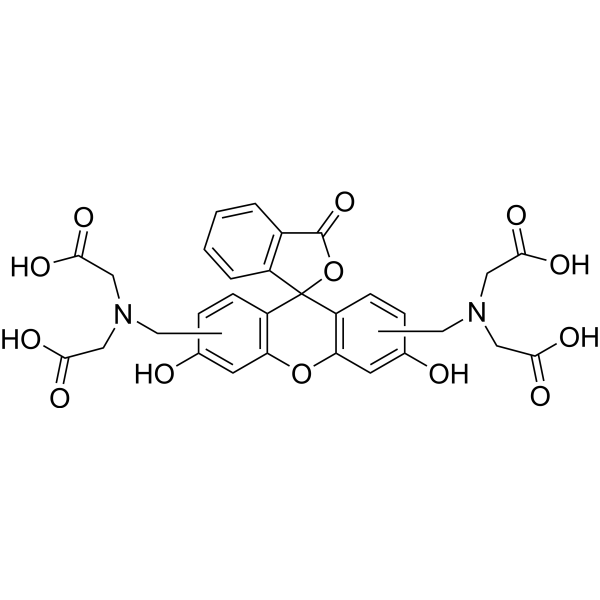
Calcein (mixture of isomers), Calcein (HY-D0040) Derivative, is a fluorescent dye (Ex/Em = 495/515 nm). Calcein (mixture of isomers) can be used for the researches for live cell staining, calcium ion detection, bone fluorescence labeling and membrane permeability leakage detection.
|
-
-
- HY-W012683
-
|
|
Biochemical Assay Reagents
|
Cancer
|
|
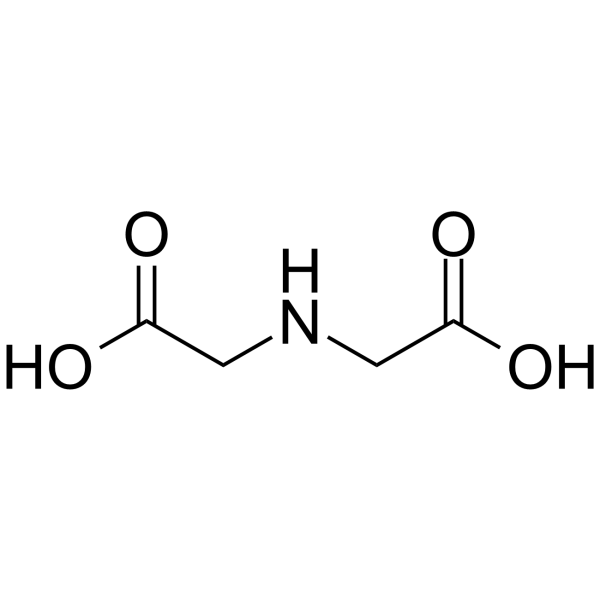
Iminodiacetic acid is a metal ion chelator targeting Cr 6+, Cd 2+, Ni 2+, and Pb 2+. Iminodiacetic acid selectively and irreversibly binds metal ions through the coordination of carboxyl and imino groups, reduces the toxicity of metal ions and promotes their adsorption and separation. Iminodiacetic acid has the functions of heavy metal ion removal and coordination complex stabilization. Iminodiacetic acid is often used in environmental pollution control (such as heavy metal adsorption in water) and coordination chemistry (such as metal ion detection and separation) research .
|
-
-
- HY-W110793
-
|
Diphenylthiocarbazone
|
Biochemical Assay Reagents
|
Metabolic Disease
|
|
Dithizone can be toxic to pancreatic islet cells and cause experimental diabetes. Dithizone can be used for in vitro in vivo staining of transplanted islets and cytoplasmic granules of bone marrow cells. Dithizone can be used as a chelating agent and colorimetric indicator for the detection and extraction of various heavy metals, including lead and mercury, in analytical and biochemical applications. Dithizone forms stable colored complexes with metal ions and can be quantitatively analyzed by methods such as spectrophotometry .
|
-
-
- HY-D0813
-
|
|
Fluorescent Dye
|
Others
|
|
Zincon sodium is an excellent colorimetric reagent for the detection of zinc and copper ions in aqueous solution. Zincon sodium can be used for the determination of zinc, copper, and cobalt ions in metalloproteins .
|
-
-
- HY-D1601
-
|
|
Fluorescent Dye
|
Others
|
|
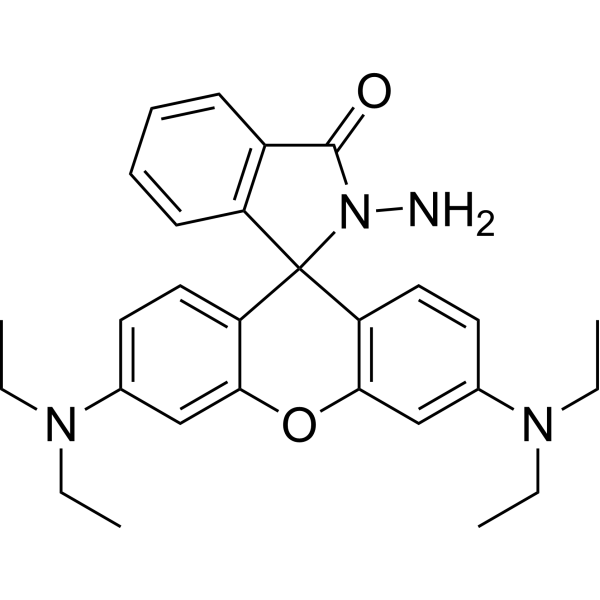
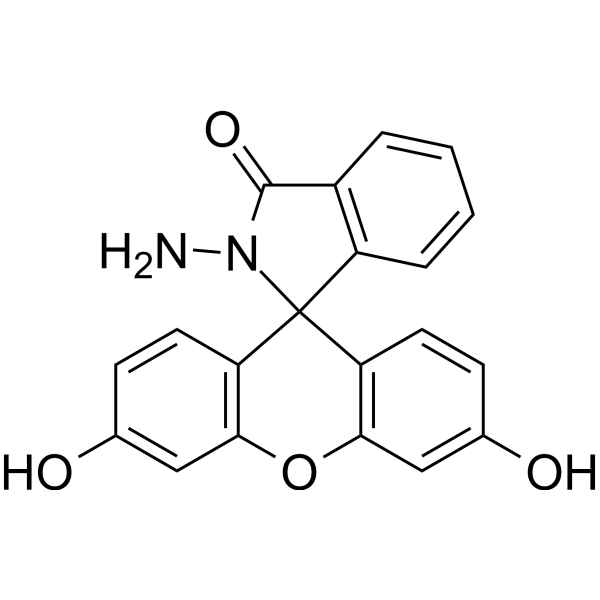
N-Aminofluorescein is a fluorescein hydrazide with spiro form, a highly selective and sensitive fluorescence probe for Cu 2+. N-Aminofluorescein has no selective fluorescence response to other common metal ions, can be used for direct detection of Cu 2+ in biological systems with λex/em=495/516 nm . N-Aminofluorescein can be used to measure the concentration of copper ions in cells .
|
-
-
- HY-75200
-
|
|
Biochemical Assay Reagents
|
Others
|
|
N-(Benzyloxycarbonyloxy)succinimide is an efficient amino-protecting reagent in organic synthesis, playing an important role in the field of organic synthesis. N-(Benzyloxycarbonyloxy)succinimide is also a neutral ionophore, which significantly improves the performance of erbium ion (Er 3+) sensors and provides a practical tool for the rapid detection of erbium ions in the environment and water quality .
|
-
-
- HY-W004547
-
|
4,4'-Diamino-2,2'-bipyridine
|
Biochemical Assay Reagents
|
Others
|
|
(NH2)2bpy (4,4'-Diamino-2,2'-bipyridine) is an organic compound commonly used as a catalyst and complexing reagent. It can form complexes with other metal ions or organic molecules, and can play a catalytic role in some organic synthesis reactions. In addition, this compound is also widely used in some chemical analysis and detection methods, such as in biological analysis and electrochemical analysis
|
-
-
- HY-P11057
-
|
|
Fluorescent Dye
|
Others
|
|
FGGH is a water-soluble peptide-based probe. FGGH performs the sequential detection of Cu 2+ and S 2- by fluorescence and colorimetry with high sensitivity (LOD: 1.42 and 22.2 nM for Cu 2+ and S 2-, respectively) (Ex=488 nm, Em=525 nm), and images both two ions in living cells and zebrafish models with low cytotoxicity. FGGH can be used for in vivo imaging and environmental pollution monitoring research .
|
-
-
- HY-20794
-
|
|
Fluorescent Dye
|
Others
|
|
8-Hydroxyjulolidine is a chromophore moiety of a fluorescent probe for the detection of weak acid ions. 8-Hydroxyjulolidine can be used to synthesize the salicylaldehyde derivative 9-formyl-8-hydroxyjulolidine, which exhibits sensitive detection ability to pH changes of hydrogen sulfide and silicate in aqueous solution .
|
-
-
- HY-W012683R
-
|
|
Biochemical Assay Reagents
Reference Standards
|
Cancer
|
|
Iminodiacetic acid is a metal ion chelator targeting Cr6+, Cd2+, Ni2+, and Pb2+. Iminodiacetic acid selectively and irreversibly binds metal ions through the coordination of carboxyl and imino groups, reduces the toxicity of metal ions and promotes their adsorption and separation. Iminodiacetic acid has the functions of heavy metal ion removal and coordination complex stabilization. Iminodiacetic acid is often used in environmental pollution control (such as heavy metal adsorption in water) and coordination chemistry (such as metal ion detection and separation) research .
|
-
-
- HY-D1701
-
|
|
Fluorescent Dye
|
Others
|
|
Calcium is an important part of the human body, usually in the form of calcium, a large number of bones and teeth of the human body, a small amount of blood and tissues.
MCE calcium ion detection probe can specifically identify intracellular calcium ions, with high sensitivity, low cytotoxicity, increased AM acetylmethyl ester can enter the cell well, after being sheared by the intracellular esterase stay in the cell to bind to calcium ions, produce strong fluorescence, in addition, Mag-indo-1/AM and Mag-Fluo-4 AM at a certain concentration (usually 5 mM) can effectively identify intracellular magnesium ions .
|
-
-
- HY-Y1132
-
|
6-Chloroanthranilic acid
|
Biochemical Assay Reagents
|
Others
|
|
2-Amino-6-chlorobenzoic acid is an autocoupling diazotization reagent used for spectrophotometric detection of nitrite ions in water. 2-Amino-6-chlorobenzoic acid exhibits good tolerance to various anions under acidic conditions. 2-Amino-6-chlorobenzoic acid is commonly used as a reagent in organic synthesis and analytical chemistry .
|
-
-
- HY-157926
-
|
|
Biochemical Assay Reagents
|
Others
|
|
Nitroso-PSAP is a sensitive and specific chromogenic reagent for iron (Fe 2+), which is used for the colorimetric determination of iron in blood after mineralization with periodic acid. TNitroso-PSAP chelates with iron (Fe 2+) to produce a green complex (λmax=756 nm, Epsilon = 4.5 x 10 < sup > 4 < / sup > dm < sup > 3 < / sup > mol < sup > 1 < / sup > cm < sup > 1 < / sup >) .
|
-
-
- HY-W076042
-
|
Sodium tetrakis(4-fluorophenyl)borate dihydrate
|
Biochemical Assay Reagents
|
Others
|
|
Cesibor dihydrate is an additive salt used in ion-selective electrodes (ISEs) and micro ion-selective field effect transistors (μ-ISFETs) to enhance or modulate their selective responses to specific ions .
|
-
-
- HY-158746
-
|
Fluo-2 acetoxymethyl ester; Fluo-2 ha; Fluo-2 high affinity
|
Fluorescent Dye
|
Others
|
|
Fluo-2 AM (Fluo-2 acetoxymethyl ester) is a fluorescent dye, that can be used for detection of intracellular calcium ion concentration .
|
-
-
- HY-D1547
-
|
|
Fluorescent Dye
|
Others
|
|
1-(3',6'-Bis(ethylamino)-2',7'-dimethyl-3-oxospiro[isoindoline-1,9'-xanthen]-2-yl)-3-phenylurea (compound 1a) can be used as a fast-responsive fluorescent gold ion probe for detection of gold ions in water and synthetic products .
|
-
-
- HY-D2012
-
|
|
Fluorescent Dye
|
Others
|
|
ATTO 488 iodacetamid is a fluorescent dye suitable for single molecule detection applications and high-resolution microscopy for use in flow cytometry (FACS), fluorescence in situ hybridization (FISH) experiments. ATTO 488 iodacetamid has an effective excitation wavelength of 480-515 nm. When using an argon ion laser, the excitation wavelength is recommended to be 488 nm.
|
-
-
- HY-D2204
-
|
|
Phosphatase
SHP1
Fluorescent Dye
|
Cancer
|
|
SHP1-IN-1 (compound 5p) is a fluorescent probe for the protein tyrosine phosphatase SHP1 containing the Src homology 2 domain. SHP1-IN-1 has SHP1 inhibitory activity, selectivity for Fe 3+ ions and good fluorescence properties. SHP1-IN-1 exhibits aggregation post-quenching (ACQ) effect, good interference immunity and low detection limit (5.55 μM) .
|
-
-
- HY-D0027R
-
|
Coumarin 120 (Standard); AMC (Standard)
|
Fluorescent Dye
Antibiotic
Fungal
Reference Standards
|
Infection
|
|
7-Amino-4-methylcoumarin (Standard) is the analytical standard of 7-Amino-4-methylcoumarin. This product is intended for research and analytical applications. 7-Amino-4-methylcoumarin belongs to the coumarin class, can be isolated from the endophytic fungus Xylaria sp. and has a broad spectrum of antibacterial activity. 7-Amino-4-methylcoumarin is also commonly used as an important laser dye that emits in the blue region, capable of analyzing glycoprotein monosaccharides and N-linked oligosaccharides, and is also utilized in tissue pathology analysis, enzyme activity measurement, and copper ion detection. The excitation wavelength and emission wavelength are 351 nm and 430 nm, respectively. [4]
|
-
-
- HY-D3315
-
|
|
Fluorescent Dye
|
Others
|
|
Rhodamine B carbohydrazide is a fluorescent derivative based on Rhodamine B (HY-Y0016) that contains the spirocyclic structure of Rhodamine B; it can be used for the detection of copper ions (Cu 2+), mercury ions, peroxynitrite, hydroxyl radicals, and nitric oxide (NO).
|
-
-
- HY-D3247
-
|
|
Fluorescent Dye
|
Others
|
|
Cobalt (II) plant dye (Compound 3) is a Cobalt (II) probe. Cobalt (II) plant dye is used for the selective detection of bioaccumulated Cobalt (II) ions in root and stem tissues of Hybanthus enneaspermus plants .
|
-
-
- HY-W150770
-
|
Isophthalic acid diamide
|
Drug Intermediate
|
Others
|
|
Isophthalamide (Isophthalic acid diamide) is a widely used chemical scaffold for the design of high-performance fluorescent chemosensors.Isophthalamide, with its inherent hydrogen-bond-donating properties and tunable chelating cavity, enables highly selective recognition and detection of various analytes ranging from inorganic ions to complex organic molecules.Isophthalamide can be incorporated with various fluorophores to develop sensors displaying “turn-on” or “turn-off” signal responses.Isophthalamide-based sensors are thus capable of detecting diverse analytes including metal ions, anions, neutral molecules, pharmaceuticals, and explosives .
|
-
-
- HY-DY1087
-
|
|
Fluorescent Dye
|
Cancer
|
Coppersensor 1 (solution) is a membrane-permeable fluorescent dye. Coppersensor-1 has a picomolar affinity for Cu + with high selectivity over competing cellular metalions. Coppersensor-1 as a probe, can selective and sensitive detection of copper(I) ions (Cu +) in biological samples, including live cells. Coppersensor-1 can be used for the research of imaging of severe diseases such as cancer, cardiovascular disorders and neurogenerative diseases . Solvent and concentration: DMSO: 2 mM
|
-
-
- HY-D0027S1
-
|
Coumarin 120-d4; AMC-d4
|
Isotope-Labeled Compounds
Fluorescent Dye
Antibiotic
Fungal
|
Infection
|
|
7-Amino-4-methylcoumarin-d4 (Coumarin 120-d4) is the deuterium labeled 7-Amino-4-methylcoumarin (HY-D0027). 7-Amino-4-methylcoumarin belongs to the coumarin class, can be isolated from the endophytic fungus Xylaria sp. and has a broad spectrum of antibacterial activity. 7-Amino-4-methylcoumarin is also commonly used as an important laser dye that emits in the blue region, capable of analyzing glycoprotein monosaccharides and N-linked oligosaccharides, and is also utilized in tissue pathology analysis, enzyme activity measurement, and copper ion detection. The excitation wavelength and emission wavelength are 351 nm and 430 nm, respectively .
|
-
-
- HY-W783351
-
|
Coppersensor 790 acetoxymethyl ester
|
Fluorescent Dye
|
Metabolic Disease
|
|
CS790AM (Coppersensor 790 acetoxymethyl ester) is a cell-permeable, Cu +-targeted near-infrared fluorescent probe (λabs=760 nm, λem=790 nm) applicable to live cells. CS790AM can cross lipophilic cell membranes, and is converted into negatively charged CS790 under the action of intracellular esterases to be retained, thus enabling highly sensitive, reversible "turn-on" detection of labile Cu + pools in live cells and mice. CS790AM possesses excellent biocompatibility and selectivity, avoids interference from other metal ions, shows no obvious toxicity, and can be rapidly cleared. CS790AM allows long-term longitudinal monitoring of individual mice, visualizes copper levels in internal organs and isolated livers, and effectively evaluates abnormal copper accumulation in Wilson's disease models (Atp7b -/-) as well as dynamic changes after chelator treatment. CS790AM can be used for research on Wilson's disease and related copper metabolic disorders .
|
-
| Cat. No. |
Product Name |
Type |
-
- HY-D0090
-
|
|
Fluorescent Dyes
|
|
MQAE is a chloride ion (Cl -) fluorescent probe that can be used to measure chloride concentrations. The fluorescence intensity of MQAE decreases proportionally as Cl - ions increase. MQAE has high cell permeability and is suitable for fluorescence detection such as confocal microscopy and flow cytometry (Ex/Em=350/460 nm) .
|
-
- HY-D1533
-
RhoNox-1
Maximum Cited Publications
39 Publications Verification
|
Fluorescent Dyes
|
|
RhoNox-1 is a fluorescent probe for the specific detection of divalent iron ions, and when RhoNox-1 reacts with Fe 2+. RhoNox-1 can generate an irreversible orange (red) fluorescent product (Ex/Em:540/575 nm) . FeRhoNox-1 can enter the cell well, suitable for the detection of Fe 2+ in living cells, and tends to be localized in the Golgi apparatus .
|
-
- HY-D0027
-
|
Coumarin 120; AMC
|
Fluorescent Dyes
|
|
7-Amino-4-methylcoumarin belongs to the coumarin class, can be isolated from the endophytic fungus Xylaria sp. and has a broad spectrum of antibacterial activity. 7-Amino-4-methylcoumarin is also commonly used as an important laser dye that emits in the blue region, capable of analyzing glycoprotein monosaccharides and N-linked oligosaccharides, and is also utilized in tissue pathology analysis, enzyme activity measurement, and copper ion detection. The excitation wavelength and emission wavelength are 351 nm and 430 nm, respectively.
|
-
- HY-141511
-
|
|
Fluorescent Dyes
|
|
Coppersensor-1 (CS1) is a membrane-permeable fluorescent dye. Coppersensor-1 has a picomolar affinity for Cu + with high selectivity over competing cellular metalions. Coppersensor-1 as a probe, can selective and sensitive detection of copper(I) ions (Cu +) in biological samples, including live cells. Coppersensor-1 can be used for the research of imaging of severe diseases such as cancer, cardiovascular disorders and neurogenerative diseases .
|
-
- HY-15943
-
6-TAMRA
1 Publications Verification
6-Carboxytetramethylrhodamine
|
Fluorescent Dyes
|
|
6-TAMRA (6-Carboxytetramethylrhodamine) is a fluorescent dye. 6-TAMRA is often used in combination with 6-FAM (HY-66021) as an acceptor or fluorescence quencher for fluorescence resonance energy transfer (FRET) in biochemical studies such as potassium ion detection and ribonuclease activity assays .
|
-
- HY-D0155
-
|
|
Fluorescent Dyes
|
|
Zinpyr-1 is a zinc-responsive fluorescent indicator and a membrane-permeable metal-binding probe. Zinpyr-1 forms a complex with Mn 2+ ions and generates a fluorescence turn-on signal. Zinpyr-1 binds to free zinc ions in serum, enabling quantitative detection of free zinc concentration. Zinpyr-1 produces fluorescence signals reflecting the relative zinc concentration in plant root cells, localizes to specific layers of plant root cells, and can be used to support analyses related to plant zinc transporter mutations and homeostasis .
|
-
- HY-123645
-
|
|
Fluorescent Dyes
|
Rhodamine B hydrazide is a fluorescent derivative based on rhodamine B, containing the spirocyclic structure of Rhodamine B (HY-Y0016), which can be used to detect copper ions (Cu 2+), mercury ions, peroxynitrite, hydroxyl radicals and nitric oxide (NO) .
Excitation/emission wavelength:
Conventional detection: 510/578 nm.
Sulfite detection: 554 nm absorption, 574 nm emission (due to the formation of Rhodamine B fluorescent product).
|
-
- HY-101898
-
|
Indo-1 Acetoxymethyl ester
|
Fluorescent Dyes
|
|
Calcium is an important part of the human body, usually in the form of calcium, a large number of bones and teeth of the human body, a small amount of blood and tissues.
MCE calcium ion detection probe can specifically identify intracellular calcium ions, with high sensitivity, low cytotoxicity, increased AM acetylmethyl ester can enter the cell well, after being sheared by the intracellular esterase stay in the cell to bind to calcium ions, produce strong fluorescence, in addition, Mag-indo-1/AM and Mag-Fluo-4 AM at a certain concentration (usually 5 mM) can effectively identify intracellular magnesium ions .
|
-
- HY-D2295
-
|
|
Fluorescent Dyes
|
|
Mito-FerroGreen is a mitochondria-specific ferrous ion detection probe with an excitation wavelength of 488nm .
|
-
- HY-DY1030
-
|
|
Fluorescent Dyes
|
RhoNox-1 (solution) is a fluorescent probe for the specific detection of divalent iron ions, and when RhoNox-1 reacts with Fe 2+. RhoNox-1 can generate an irreversible orange (red) fluorescent product (Ex/Em:540/575 nm). FeRhoNox-1 can enter the cell well, suitable for the detection of Fe 2+ in living cells, and tends to be localized in the Golgi apparatus . Solvent and concentration: DMSO: 5 mM
|
-
- HY-D0006
-
|
|
Fluorescent Dyes
|
|
Bathophenanthroline is a nitrogen-containing organic ligand that can form stable complexes with transition metal ions such as Ru 2+. In proteomics, Bathophenanthroline is often used for in-gel protein staining. The negatively charged sulfonic acid groups of Bathophenanthroline interact electrostatically with the positively charged amino acid residues of proteins, thereby achieving specific binding to proteins and enhancing the fluorescent signal of detection. Bathophenanthroline can be used for protein separation and detection in SDS-PAGE gels in the field of proteomics, as well as other fluorescence studies[1]. Ex/Em=532 nm/610 nm[1].
|
-
- HY-D1249
-
|
|
Fluorescent Dyes
|
|
Calcein (mixture of isomers), Calcein (HY-D0040) Derivative, is a fluorescent dye (Ex/Em = 495/515 nm). Calcein (mixture of isomers) can be used for the researches for live cell staining, calcium ion detection, bone fluorescence labeling and membrane permeability leakage detection.
|
-
- HY-D0813
-
|
|
Fluorescent Dyes
|
|
Zincon sodium is an excellent colorimetric reagent for the detection of zinc and copper ions in aqueous solution. Zincon sodium can be used for the determination of zinc, copper, and cobalt ions in metalloproteins .
|
-
- HY-D1601
-
|
|
Fluorescent Dyes
|
|
N-Aminofluorescein is a fluorescein hydrazide with spiro form, a highly selective and sensitive fluorescence probe for Cu 2+. N-Aminofluorescein has no selective fluorescence response to other common metal ions, can be used for direct detection of Cu 2+ in biological systems with λex/em=495/516 nm . N-Aminofluorescein can be used to measure the concentration of copper ions in cells .
|
-
- HY-D1701
-
|
|
Fluorescent Dyes
|
|
Calcium is an important part of the human body, usually in the form of calcium, a large number of bones and teeth of the human body, a small amount of blood and tissues.
MCE calcium ion detection probe can specifically identify intracellular calcium ions, with high sensitivity, low cytotoxicity, increased AM acetylmethyl ester can enter the cell well, after being sheared by the intracellular esterase stay in the cell to bind to calcium ions, produce strong fluorescence, in addition, Mag-indo-1/AM and Mag-Fluo-4 AM at a certain concentration (usually 5 mM) can effectively identify intracellular magnesium ions .
|
-
- HY-158746
-
|
Fluo-2 acetoxymethyl ester; Fluo-2 ha; Fluo-2 high affinity
|
Fluorescent Dyes
|
|
Fluo-2 AM (Fluo-2 acetoxymethyl ester) is a fluorescent dye, that can be used for detection of intracellular calcium ion concentration .
|
-
- HY-D1547
-
|
|
Fluorescent Dyes
|
|
1-(3',6'-Bis(ethylamino)-2',7'-dimethyl-3-oxospiro[isoindoline-1,9'-xanthen]-2-yl)-3-phenylurea (compound 1a) can be used as a fast-responsive fluorescent gold ion probe for detection of gold ions in water and synthetic products .
|
-
- HY-D2012
-
|
|
Fluorescent Dyes
|
|
ATTO 488 iodacetamid is a fluorescent dye suitable for single molecule detection applications and high-resolution microscopy for use in flow cytometry (FACS), fluorescence in situ hybridization (FISH) experiments. ATTO 488 iodacetamid has an effective excitation wavelength of 480-515 nm. When using an argon ion laser, the excitation wavelength is recommended to be 488 nm.
|
-
- HY-D2204
-
|
|
Fluorescent Dyes
|
|
SHP1-IN-1 (compound 5p) is a fluorescent probe for the protein tyrosine phosphatase SHP1 containing the Src homology 2 domain. SHP1-IN-1 has SHP1 inhibitory activity, selectivity for Fe 3+ ions and good fluorescence properties. SHP1-IN-1 exhibits aggregation post-quenching (ACQ) effect, good interference immunity and low detection limit (5.55 μM) .
|
-
- HY-D0027R
-
|
Coumarin 120 (Standard); AMC (Standard)
|
Fluorescent Dyes
|
|
7-Amino-4-methylcoumarin (Standard) is the analytical standard of 7-Amino-4-methylcoumarin. This product is intended for research and analytical applications. 7-Amino-4-methylcoumarin belongs to the coumarin class, can be isolated from the endophytic fungus Xylaria sp. and has a broad spectrum of antibacterial activity. 7-Amino-4-methylcoumarin is also commonly used as an important laser dye that emits in the blue region, capable of analyzing glycoprotein monosaccharides and N-linked oligosaccharides, and is also utilized in tissue pathology analysis, enzyme activity measurement, and copper ion detection. The excitation wavelength and emission wavelength are 351 nm and 430 nm, respectively. [4]
|
-
- HY-D3315
-
|
|
Fluorescent Dyes
|
|
Rhodamine B carbohydrazide is a fluorescent derivative based on Rhodamine B (HY-Y0016) that contains the spirocyclic structure of Rhodamine B; it can be used for the detection of copper ions (Cu 2+), mercury ions, peroxynitrite, hydroxyl radicals, and nitric oxide (NO).
|
-
- HY-D3247
-
|
|
Fluorescent Dyes
|
|
Cobalt (II) plant dye (Compound 3) is a Cobalt (II) probe. Cobalt (II) plant dye is used for the selective detection of bioaccumulated Cobalt (II) ions in root and stem tissues of Hybanthus enneaspermus plants .
|
-
- HY-DY1087
-
|
|
Fluorescent Dyes
|
Coppersensor 1 (solution) is a membrane-permeable fluorescent dye. Coppersensor-1 has a picomolar affinity for Cu + with high selectivity over competing cellular metalions. Coppersensor-1 as a probe, can selective and sensitive detection of copper(I) ions (Cu +) in biological samples, including live cells. Coppersensor-1 can be used for the research of imaging of severe diseases such as cancer, cardiovascular disorders and neurogenerative diseases . Solvent and concentration: DMSO: 2 mM
|
| Cat. No. |
Product Name |
Type |
-
- HY-D0155
-
|
|
Biochemical Assay Reagents
|
|
Zinpyr-1 is a zinc-responsive fluorescent indicator and a membrane-permeable metal-binding probe. Zinpyr-1 forms a complex with Mn 2+ ions and generates a fluorescence turn-on signal. Zinpyr-1 binds to free zinc ions in serum, enabling quantitative detection of free zinc concentration. Zinpyr-1 produces fluorescence signals reflecting the relative zinc concentration in plant root cells, localizes to specific layers of plant root cells, and can be used to support analyses related to plant zinc transporter mutations and homeostasis .
|
-
- HY-W129633
-
|
DCIP sodium hydrate; DPIP sodium hydrate
|
Biochemical Assay Reagents
|
|
2,6-Dichlorophenolindophenol (DCIP; DPIP) sodium hydrate is a redox chromogenic indicator with a redox potential of +217 mV relative to SHE, and it acts as a substrate for reduction reactions. During the metabolic process of nutrient consumption by Saccharomyces cerevisiae, 2,6-Dichlorophenolindophenol sodium hydrate is reduced from dark blue to colorless, resulting in a decrease in absorbance. 2,6-Dichlorophenolindophenol sodium hydrate is widely used in spectrophotometric biochemical oxygen demand determination and preclinical colorimetric toxicity analysis for heavy metal ion detection based on Saccharomyces cerevisiae .
|
-
- HY-W110927
-
|
|
Biochemical Assay Reagents
|
|
Alizarin red S indicator (C.I. 58005) is a reductively active (quinone-based) anthraquinone dye that forms complexes with metal ions (such as zirconium, calcium) or boric acid to label calcium deposition and perform electrochemical sensing functions. Alizarin Red S undergoes reversible redox reactions (for electrochemical detection) and irreversible chelation (for bone staining). Alizarin Red S is mainly used in bone metabolism research (labeling mineralized tissue), sugar detection (boric acid-sugar competition system) and metal ion sensing (such as zirconium ion detection), and can be used in osteoporosis and metabolic disease research .
|
-
- HY-W110910
-
|
|
Biochemical Assay Reagents
|
|
Eriochrome black T, Indicator is a complexing agent for metal ions (e.g., Ca 2+, Mg 2+) and is used as an indicator in complexometric titrations. Eriochrome black T, Indicator forms colored complexes with metal ions through covalent coordination bonds, and indicates the endpoint of the titration by color change. Eriochrome black T, Indicator can be used as an anionic azo dye in photocatalytic degradation studies to evaluate the performance of photocatalysts. The reaction solution of Eriochrome black T, Indicator combined with Mg 2+ is initially purple. During loop-mediated isothermal amplification (LAMP), the color changes from purple to sky blue due to the consumption of Mg 2+ by the formation of magnesium pyrophosphate, indicating a positive reaction. The optimal concentration of Eriochrome black T, Indicator in LAMP is 60 μM, and the detection limit for Mycobacterium tuberculosis is 1 pg DNA/reaction .
|
-
- HY-W250149
-
|
|
Biochemical Assay Reagents
|
|
Chlorophosphonazo III is a cell membrane-permeable contrast agent and spectrophotometric reagent. Chlorophosphonazo III forms stable 1:1 complexes with intracellular calcium, magnesium, uranium, titanium, zirconium, thorium, scandium, equivalent actinides and protactinium. Chlorophosphonazo III generates photoacoustic signals correlated with Ca 2+ concentrations, which is applicable for imaging 3D tumor cell cultures and tumor spheroids. Chlorophosphonazo III exhibits no cytotoxicity, can be used for spectrophotometric detection of target ions, and the absorbance of its complexes remains stable for up to one week within the pH range of 2.2 to 7.0 .
|
-
- HY-W115721
-
|
Sodium rhodizonate dibasic
|
Biochemical Assay Reagents
|
|
Rhodizonic acid disodium (Sodium rhodizonate dibasic) is a transition metal-dependent pro-oxidant and lead detection agent that induces reactive oxygen species generation, DNA damage, and inhibits Aconitase activity. Rhodizonic acid disodium generates superoxide anion radicals in an iron (II)-dependent manner, leading to aconitase inactivation. Rhodizonic acid disodium also triggers hydroxyl radical-mediated DNA strand breaks and 8-OHdG formation via copper ion reduction. Rhodizonic acid disodium reacts with lead to form a scarlet precipitate, with the color intensity proportional to lead content, enabling qualitative or quantitative analysis of lead. Rhodizonic acid disodium can also be used for real-time visualization of the dynamic process of lead sequestration in the plant rhizosphere and evaluation of the effects of environmental factors such as soil type on the stability of lead-sequestering structures .
|
-
- HY-W110793
-
|
Diphenylthiocarbazone
|
Biochemical Assay Reagents
|
|
Dithizone can be toxic to pancreatic islet cells and cause experimental diabetes. Dithizone can be used for in vitro in vivo staining of transplanted islets and cytoplasmic granules of bone marrow cells. Dithizone can be used as a chelating agent and colorimetric indicator for the detection and extraction of various heavy metals, including lead and mercury, in analytical and biochemical applications. Dithizone forms stable colored complexes with metal ions and can be quantitatively analyzed by methods such as spectrophotometry .
|
-
- HY-75200
-
|
|
Biochemical Assay Reagents
|
|
N-(Benzyloxycarbonyloxy)succinimide is an efficient amino-protecting reagent in organic synthesis, playing an important role in the field of organic synthesis. N-(Benzyloxycarbonyloxy)succinimide is also a neutral ionophore, which significantly improves the performance of erbium ion (Er 3+) sensors and provides a practical tool for the rapid detection of erbium ions in the environment and water quality .
|
-
- HY-W004547
-
|
4,4'-Diamino-2,2'-bipyridine
|
Biochemical Assay Reagents
|
|
(NH2)2bpy (4,4'-Diamino-2,2'-bipyridine) is an organic compound commonly used as a catalyst and complexing reagent. It can form complexes with other metal ions or organic molecules, and can play a catalytic role in some organic synthesis reactions. In addition, this compound is also widely used in some chemical analysis and detection methods, such as in biological analysis and electrochemical analysis
|
-
- HY-Y1132
-
|
6-Chloroanthranilic acid
|
Biochemical Assay Reagents
|
|
2-Amino-6-chlorobenzoic acid is an autocoupling diazotization reagent used for spectrophotometric detection of nitrite ions in water. 2-Amino-6-chlorobenzoic acid exhibits good tolerance to various anions under acidic conditions. 2-Amino-6-chlorobenzoic acid is commonly used as a reagent in organic synthesis and analytical chemistry .
|
-
- HY-157926
-
|
|
Biochemical Assay Reagents
|
|
Nitroso-PSAP is a sensitive and specific chromogenic reagent for iron (Fe 2+), which is used for the colorimetric determination of iron in blood after mineralization with periodic acid. TNitroso-PSAP chelates with iron (Fe 2+) to produce a green complex (λmax=756 nm, Epsilon = 4.5 x 10 < sup > 4 < / sup > dm < sup > 3 < / sup > mol < sup > 1 < / sup > cm < sup > 1 < / sup >) .
|
-
- HY-W076042
-
|
Sodium tetrakis(4-fluorophenyl)borate dihydrate
|
Biochemical Assay Reagents
|
|
Cesibor dihydrate is an additive salt used in ion-selective electrodes (ISEs) and micro ion-selective field effect transistors (μ-ISFETs) to enhance or modulate their selective responses to specific ions .
|
| Cat. No. |
Product Name |
Target |
Research Area |
-
- HY-P11057
-
|
|
Fluorescent Dye
|
Others
|
|
FGGH is a water-soluble peptide-based probe. FGGH performs the sequential detection of Cu 2+ and S 2- by fluorescence and colorimetry with high sensitivity (LOD: 1.42 and 22.2 nM for Cu 2+ and S 2-, respectively) (Ex=488 nm, Em=525 nm), and images both two ions in living cells and zebrafish models with low cytotoxicity. FGGH can be used for in vivo imaging and environmental pollution monitoring research .
|
-
- HY-K0322
-
4 Publications Verification
|
|
MCE Cell Ferrous Iron (Fe2+) Assay Kit (Fluorometric) utilizes fluorescence detection technology to analyze the levels of ferrous ions (Fe2+) in cells.
|
| Cat. No. |
Product Name |
Category |
Target |
Chemical Structure |
-
- HY-W012683
-
-
-
- HY-W012683R
-
|
|
Alkaloids
Other Alkaloids
Endogenous metabolite
Source Classification
|
Biochemical Assay Reagents
Reference Standards
|
|
Iminodiacetic acid is a metal ion chelator targeting Cr6+, Cd2+, Ni2+, and Pb2+. Iminodiacetic acid selectively and irreversibly binds metal ions through the coordination of carboxyl and imino groups, reduces the toxicity of metal ions and promotes their adsorption and separation. Iminodiacetic acid has the functions of heavy metal ion removal and coordination complex stabilization. Iminodiacetic acid is often used in environmental pollution control (such as heavy metal adsorption in water) and coordination chemistry (such as metal ion detection and separation) research .
|
-
| Cat. No. |
Product Name |
Chemical Structure |
-
- HY-D0027S1
-
|
|
|
7-Amino-4-methylcoumarin-d4 (Coumarin 120-d4) is the deuterium labeled 7-Amino-4-methylcoumarin (HY-D0027). 7-Amino-4-methylcoumarin belongs to the coumarin class, can be isolated from the endophytic fungus Xylaria sp. and has a broad spectrum of antibacterial activity. 7-Amino-4-methylcoumarin is also commonly used as an important laser dye that emits in the blue region, capable of analyzing glycoprotein monosaccharides and N-linked oligosaccharides, and is also utilized in tissue pathology analysis, enzyme activity measurement, and copper ion detection. The excitation wavelength and emission wavelength are 351 nm and 430 nm, respectively .
|
-
Your information is safe with us. * Required Fields.
Inquiry Information
- Product Name:
- Cat. No.:
- Quantity:
- MCE Japan Authorized Agent:

