Search Result
Results for "
Serotonergic
" in MedChemExpress (MCE) Product Catalog:
7
Isotope-Labeled Compounds
| Cat. No. |
Product Name |
Target |
Research Areas |
Chemical Structure |
-
- HY-B0352
-
-
-
- HY-105174
-
|
|
JAK
FAK
|
Inflammation/Immunology
|
|
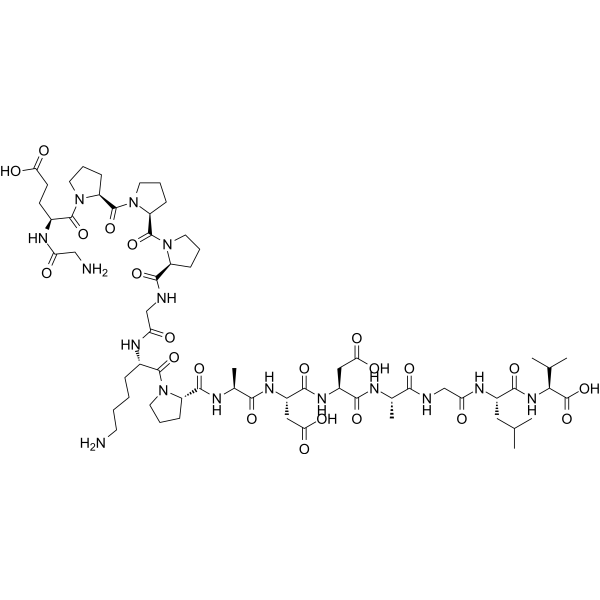
BPC 157 is the 15-amino acide fragment of gastric peptide BPC. BPC 157 exhibits wound healing promoting and neuroprotective activity. BPC 157 maintains the integrity of the gastrointestinal mucosa without significant toxicity. BPC 157 acetate counteracts NSAIDs/insulin overdose/copper-induced toxicity. BPC 157 ameliorates specific (over)stimulated/damaged neurotransmitter systems-induced behavioral disorders through serotonergic and dopaminergic systems .
|
-
-
- HY-108324
-
-
-
- HY-32329
-
|
Org-8282
|
5-HT Receptor
Adrenergic Receptor
|
Neurological Disease
|
|
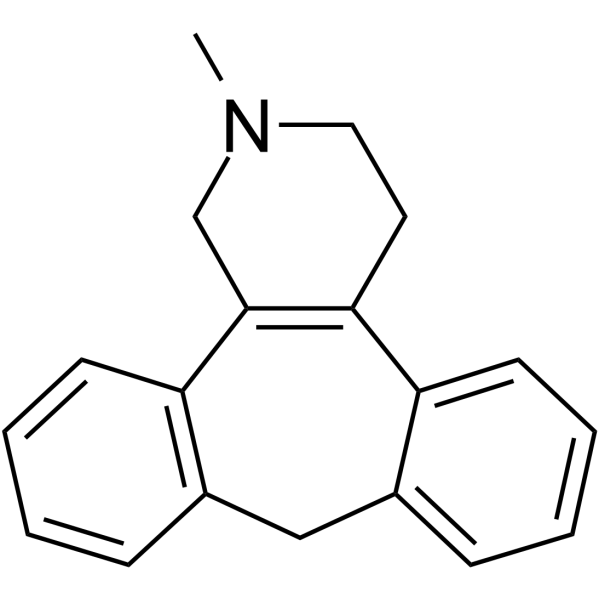
Setiptiline (Org-8282) is a serotonin receptor antagonist. Setiptiline is a tetracyclic antidepressant (TeCA) which acts as a noradrenergic and specific serotonergic antidepressant (NaSSA). Setiptiline acts as a norepinephrine reuptake inhibitor, α2-adrenergic receptor antagonist, and serotonin receptor antagonist, likely at the 5-HT2A, 5-HT2C, and/or 5-HT3 subtypes, as well as an H1 receptor inverse agonist/antihistamine.
|
-
-
- HY-W019599
-
|
L-PCPA
|
5-HT Receptor
Tryptophan Hydroxylase
|
Neurological Disease
|
|
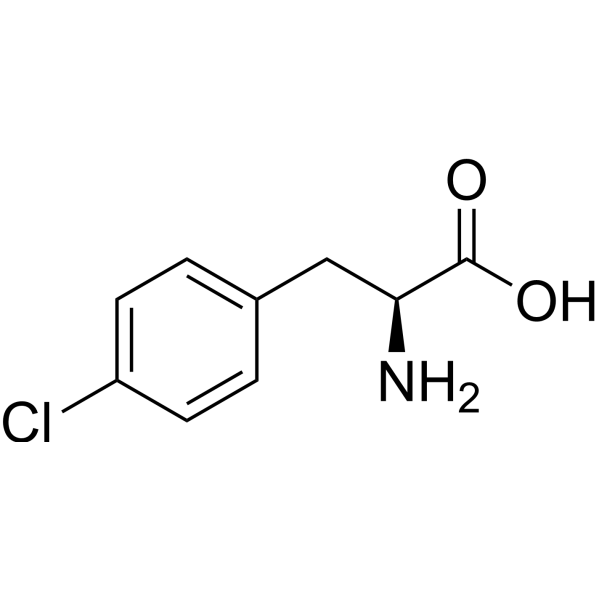
4-Chloro-L-phenylalanine (L-PCPA) is a tryptophan hydroxylase inhibitor targeting TPH1 and TPH2, with the activity of blocking serotonin biosynthesis. 4-Chloro-L-phenylalanine reduces the levels of serotonin and its metabolites in the brain without impairing the survival of serotonergic neurons. 4-Chloro-L-phenylalanine enhances anhedonic, depression-like and anxiety-like behaviors in mice with depleted noradrenergic and dopaminergic neurons. 4-Chloro-L-phenylalanine acts as a decarboxylation substrate for aromatic L-amino acid decarboxylase from Bacillus atrophaeus. 4-Chloro-L-phenylalanine can be used in studies related to Parkinson's disease .
|
-
-
- HY-Y0265
-
|
Indoline-2,3-dione
|
Monoamine Oxidase
Apoptosis
|
Cardiovascular Disease
Neurological Disease
Cancer
|
|
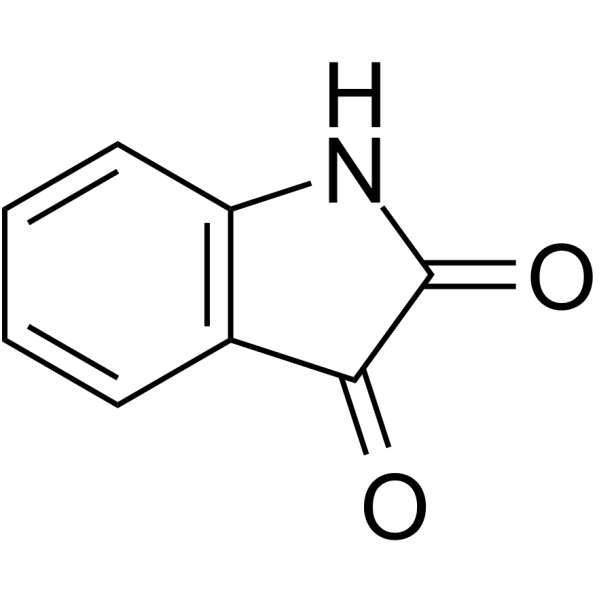
Isatin (Indoline-2,3-dione) is a potent inhibitor of monoamine oxidase (MAO) with an IC50 of 3 μM. Also binds to central benzodiazepine receptors (IC50 against clonazepam, 123 μM) . Also acts as an antagonist of both atrial natriuretic peptide stimulated and nitric oxide-stimulated guanylate cyclase activity . Shows effect on the serotonergic system .
|
-
-
- HY-125784
-
|
Viloxazin hydrochloride; Emovit hydrochloride
|
5-HT Receptor
|
Neurological Disease
|
|
Viloxazine hydrochloride is a non-brain-penetrant, selective norepinephrine transporter (NET) inhibitor (IC50=0.26 μM) and 5-HT receptor modulator. Viloxazine antagonizes 5-HT2B receptors (Ki=4.2 μM) and agonizes 5-HT2C receptors (EC50=32 μM), respectively, and enhances 5-HT neurotransmission by modulating 5-HT2B/C receptors. Viloxazine also competitively inhibits NET from increasing NE and DA levels in the synaptic cleft, and can be used in the study of attention deficit hyperactivity disorder (ADHD) .
|
-
-
- HY-W380450
-
|
Viloxazin; Emovit
|
5-HT Receptor
|
Neurological Disease
|
|
Viloxazine is a non-brain-penetrant, selective norepinephrine transporter (NET) inhibitor (IC50= 0.26 μM) and 5-HT receptor modulator. Viloxazine antagonizes 5-HT2B receptors (Ki=4.2 μM) and agonizes 5-HT2C receptors (EC50= 32 μM), respectively, and enhances 5-HT neurotransmission by modulating 5-HT2B/C receptors. Viloxazine also competitively inhibits NET from increasing NE and DA levels in the synaptic cleft, and can be used in the study of attention deficit hyperactivity disorder (ADHD) .
|
-
-
- HY-12390
-
|
Lopramine
|
5-HT Receptor
Adrenergic Receptor
|
Neurological Disease
|
|
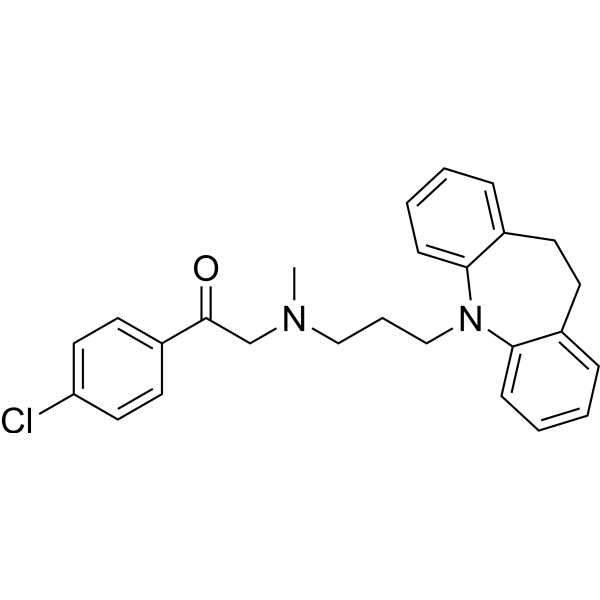
Lofepramine (Lopramine) is a modified tricyclic and orally active antidepressant. Lofepramine inhibits the uptake of Noradrenaline (NA) (HY-13715) and 5-hydroxytryptamine (5-HT) with IC50s of 2.7 μM and 11 μM, respectively. Lofepramine exerts its antidepressant activity by promoting noradrenergic neurotransmission. Lofepramine also enhances serotonergic neurotransmission by inhibiting neuronal uptake of 5-HT and tryptophan pyrrolase. Lofepramine exhibits significant anxiolytic properties. .
|
-
-
- HY-B0799
-
|
Ergoloid mesylates
|
GABA Receptor
Chloride Channel
Adrenergic Receptor
Dopamine Receptor
Phosphodiesterase (PDE)
|
Cardiovascular Disease
Neurological Disease
|
|
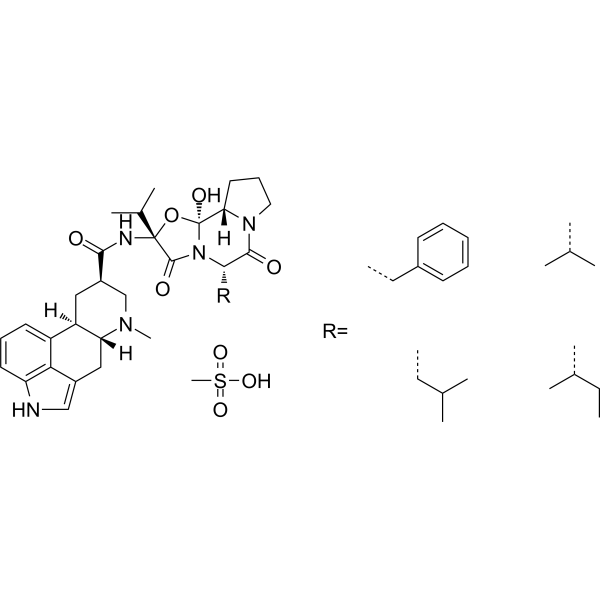
Dihydroergotoxine mesylate (Ergoloid mesylates) is an α-adrenergic blocking agent. Dihydroergotoxine mesylate binds with high affinity to the GABAA receptor associated Cl - channel. Dihydroergotoxine mesylate also interacts with central dopaminergic and serotonergic receptors. Dihydroergotoxine mesylate displays antiproliferative, antihypertensive and neuroprotective activity .Dihydroergotoxine mesylate (Ergoloid mesylates) is an α-adrenergic blocking agent. Dihydroergotoxine mesylate binds with high affinity to the GABAA receptor associated Cl - channel. Dihydroergotoxine mesylate also interacts with central dopaminergic and serotonergic receptors. Dihydroergotoxine mesylate displays antiproliferative, antihypertensive and neuroprotective activity .
|
-
-
- HY-136832
-
|
|
Serotonin Transporter
Potassium Channel
Arrestin
Opioid Receptor
|
Cardiovascular Disease
Neurological Disease
|
|
Noribogaine hydrochloride is an orally active, blood-brain barrier permeable SERT inhibitor (IC50=50-300 nM) and hERG channel blocker. Noribogaine hydrochloride enhances serotonergic transmission, activates the κ-opioid receptor (OPRK) G protein signaling pathway and inhibits β-arrestin recruitment. Meanwhile, Noribogaine hydrochloride blocks the μ-opioid receptor (OPRM) signaling pathway as well as ion channels associated with cardiac repolarization. Noribogaine hydrochloride induces neuritogenesis, upregulates GDNF mRNA expression, and modulates opioid tolerance. Noribogaine hydrochloride reduces alcohol-seeking behavior in experimental animals, and is widely used in studies related to depression, addiction, alcoholism, and cardiotoxicity .
|
-
-
- HY-14537
-
-
-
- HY-149170
-
|
|
5-HT Receptor
Monoamine Transporter
|
Neurological Disease
|
|
FFN246 is a fluorescent, dual substrate of serotonin transporter (SERT) probe and vesicular monoamine transporter 2 (VMAT2) with excitation and emission spectra 392/427 nm. FFN246 can be used for labeling serotonergic neurons in mouse brain tissue through SERT-dependent accumulation .
|
-
-
- HY-121793
-
|
(-)-Roemerine
|
Endogenous Metabolite
5-HT Receptor
mGluR
iGluR
Bacterial
Antibiotic
|
Infection
Neurological Disease
Cancer
|
|
Roemerine is an alkaloid that has been identified from the leaves of Fibraurea recisa Pierre. Roemerine exhibits antibacterial, anticancer, and antidepressant activities, can reverse the multidrug resistance phenotype in cultured cells, and exerts antibacterial effects by regulating the cAMP signaling pathway. Additionally, Roemerine influences neuronal activity by increasing BDNF protein expression and modulating the serotonergic and glutamatergic systems. Roemerine holds promise for research in the fields of cancer, infections, and neurological diseases .
|
-
-
- HY-D2335
-
|
|
Fluorescent Dye
|
Neurological Disease
|
|
SERTlight is a fluorescent agent that can specifically label serotonergic neuronal cell bodies, dendrites, and axonal projections as fluorescent substrates of the serotonin transporter (SERT). SERTlight is orthogonal to various genetically encoded sensors in terms of optics, pharmacology, and operation, enabling multiple imaging. SERTlight allows the use of GRAB5HT sensors to label distal 5HT axonal projections and simultaneously image the release of endogenous 5HT, providing a new multifunctional molecular tool for studying serotonergic systems .
|
-
-
- HY-14862
-
-
-
- HY-100938
-
|
1-(3-Chlorophenyl)biguanide hydrochloride
|
5-HT Receptor
|
Neurological Disease
|
|
m-CPBG (1-(3-Chlorophenyl)biguanide) hydrochloride is a selective 5-HT3 agonist. m-CPBG hydrochloride can be used for the research of neurological disease .
|
-
-
- HY-122537A
-
|
|
Adrenergic Receptor
5-HT Receptor
|
Cardiovascular Disease
|
|
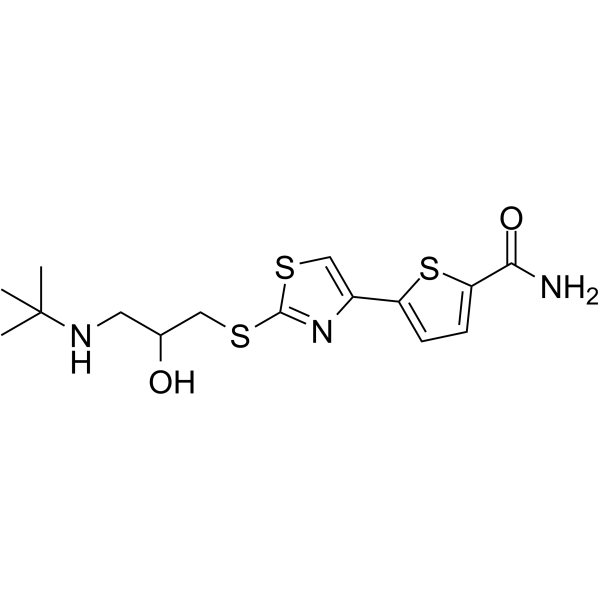
Arotinolol is a nonselective α/β-adrenergic receptor blocker and a vasodilating β-blocker . Arotinolol also shows potency for inhibiting the binding of the radioligand 125I-ICYP to 5HT1B-serotonergic receptor sites . Arotinolol is an antihypertensive agent for the treatment of a variety of cardiovascular pathologies as well as non-cardiovascular diseases .
|
-
-
- HY-110023
-
|
|
Serotonin Transporter
|
Neurological Disease
|
|
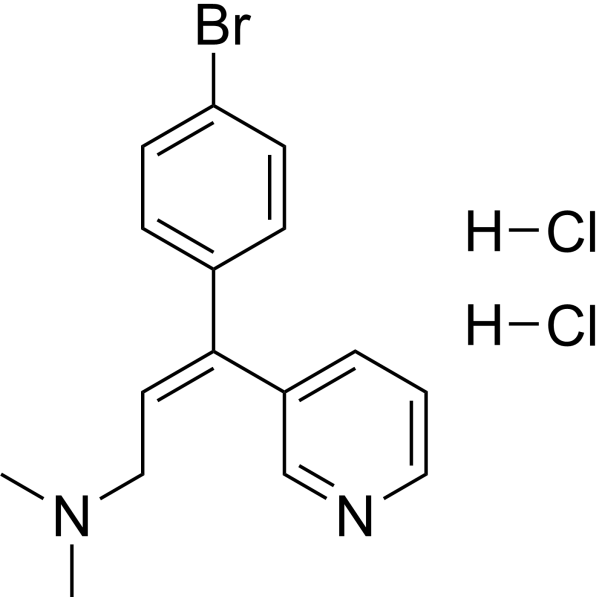
Zimelidine dihydrochloride is an orally active selective serotonin reuptake inhibitor. Zimelidine dihydrochloride competitively inhibits central 5-HT uptake and desensitizes 5-HT autoreceptors in dorsal raphe nucleus. Zimelidine dihydrochloride time-dependently modulates 5-HT neuronal firing and hippocampal CA3 responses. Zimelidine dihydrochloride strengthens central serotonergic neurotransmission and produces related behavioral changes. Zimelidine dihydrochloride exerts anxiolytic, analgesic, feeding-suppressive and tolerance-attenuating effects. Zimelidine dihydrochloride is used for the study of depressive disorders and analgesic tolerance .
|
-
-
- HY-N7512
-
|
|
Dopamine Receptor
5-HT Receptor
Parasite
|
Infection
Cancer
|
|
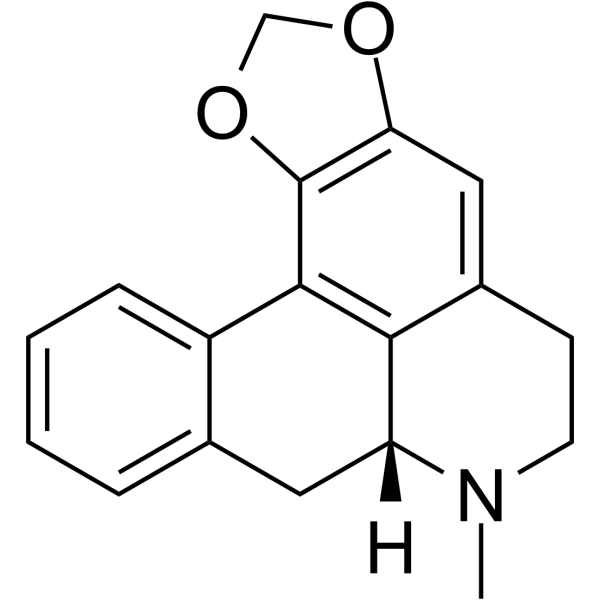
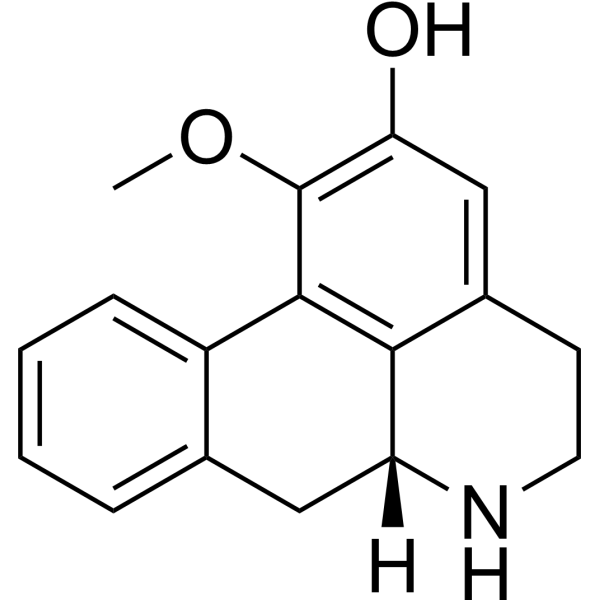
Asimilobine is an aporphine isoquinoline alkaloid isolated from plant species of Magnolia obobata Thun. Asimilobine is a dopamine biosynthesis inhibitor and a serotonergic receptor antagonist. Asimilobine shows an antimalarial and anti-cancer activity .
|
-
-
- HY-118328
-
|
|
5-HT Receptor
Potassium Channel
|
Cancer
|
|
Hymenidin is a natural antagonist of serotonergic receptor and inhibitor of voltage-gated potassium channels. Hymenidin also induces cancer cell apoptosis .
|
-
-
- HY-N9141
-
|
|
5-HT Receptor
|
Neurological Disease
|
|
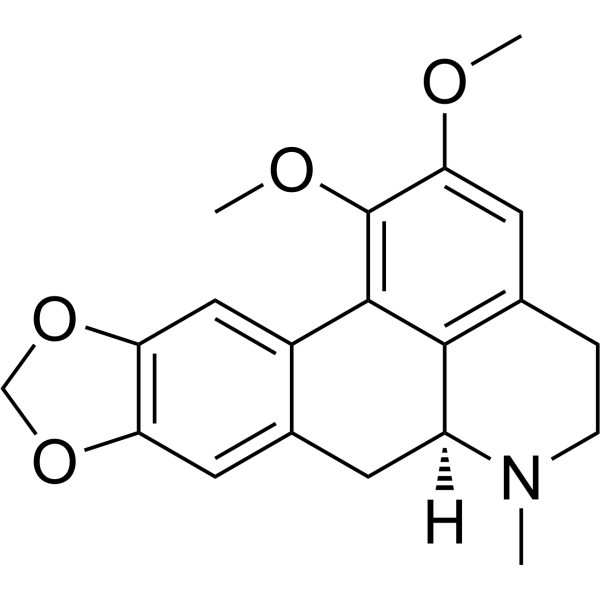
Nantenine is a serotonergic receptor antagonist. Nantenine selectively inhibits the contractile response of tissues to serotonin. Nantenine can be isolated from Nandina domestica .
|
-
-
- HY-118796
-
|
4-HO-MET; 4-Hydroxy-N-methyl-N-ethyltryptamine
|
5-HT Receptor
Serotonin Transporter
|
Neurological Disease
|
|
4-Hydroxy MET (4-HO-MET; 4-Hydroxy-N-methyl-N-ethyltryptamine) is a synthetic tryptamine psychoactive substance. 4-Hydroxy MET is a partial 5-HT2A receptor agonist, a serotonin transporter inhibitor and weak norepinephrine transporter inhibitor. 4-Hydroxy MET affects emotional, motoric, and cognitive functions via serotonergic hallucinogenic activity .
|
-
-
- HY-32329A
-
|
MO-8282
|
5-HT Receptor
|
Neurological Disease
|
|
Setiptiline maleate (MO-8282 maleate) is a serotonin receptor antagonist. Setiptiline maleate is a tetracyclic antidepressant (TeCA) which acts as a noradrenergic and specific serotonergic antidepressant (NaSSA). Setiptiline maleate acts as a norepinephrine reuptake inhibitor, α2-adrenergic receptor antagonist, and serotonin receptor antagonist, likely at the 5-HT2A, 5-HT2C, and/or 5-HT3 subtypes, as well as an H1 receptor inverse agonist/antihistamine .
|
-
-
- HY-B0352S
-
|
Org3770 d3; 6-Azamianserin d3
|
5-HT Receptor
|
Neurological Disease
|
|
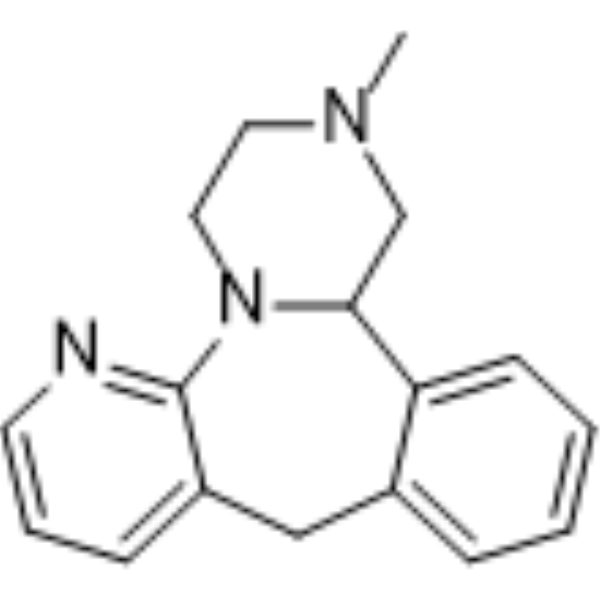
Mirtazapine-d3 is a deuterium labeled Mirtazapine. Mirtazapine is a 5-HT receptor inhibitor. Mirtazapine is a potent and orally active noradrenergic and specific serotonergic antidepressant (NaSSA) agent by blocking 5-HT2 and 5-HT3 receptors .
|
-
-
- HY-101100
-
|
D-16949 hydrochloride
|
5-HT Receptor
|
Neurological Disease
|
|
Anpirtoline (D-16949) hydrochloride is a centrally acting 5-HT1B receptor agonist, with Kis of 28 nM (5-HT1B), 150 nM (5-HT1A) and 1.49 μM (5-HT2). Anpirtoline hydrochloride has serotonergic, antinociceptive, antidepressant-like effects .
|
-
-
- HY-125784B
-
|
(S)-Viloxazin hydrochloride; (S)-Emovit hydrochloride
|
Drug Isomer
Adrenergic Receptor
|
Neurological Disease
|
|
(S)-Viloxazine hydrochloride is the isomer of Viloxazine hydrochloride (HY-125784). Viloxazine hydrochloride is the hydrochloride salt form of Viloxazine (HY-W380450). Viloxazine (Viloxazin) hydrochloride is a norepinephrine reuptake inhibitor and a potent 5-HT2C agonist agent and 5-HT2B antagonist,EC50 for 5-HT2C b> is 32 μM,and the IC50 for 5-HT2B is 27 μM. Viloxazine hydrochloride's mechanism of action primarily involves serotonergic and noradrenergic pathways. Viloxazine hydrochloride is used in antidepressant research .
|
-
-
- HY-B0352S3
-
-
-
- HY-N3078
-
|
|
Glycosidase
|
Endocrinology
Cancer
|
|
p-Hydroxyphenethyl trans-ferulate has anti-hyperglycemic (yeast α-glucosidase, IC50=19.24 ± 1.73 µM), antioxidant, and anti-inflammatory activities . p-Hydroxyphenethyl trans-ferulate shows inhibiting anticancer and serotonergic activity .
|
-
-
- HY-122537
-
|
|
Adrenergic Receptor
5-HT Receptor
|
Cardiovascular Disease
|
|
Arotinolol hydrochloride is a nonselective α/β-adrenergic receptor blocker and a vasodilating β-blocker . Arotinolol hydrochloride also shows potency for inhibiting the binding of the radioligand 125I-ICYP to 5HT1B-serotonergic receptor sites . Arotinolol hydrochloride is an antihypertensive agent for the treatment of a variety of cardiovascular pathologies as well as non-cardiovascular diseases .
|
-
-
- HY-B0352R
-
-
-
- HY-12390A
-
|
Lopramine hydrochloride
|
5-HT Receptor
Adrenergic Receptor
|
Neurological Disease
|
|
Lofepramine (Lopramine) is a modified tricyclic and orally active antidepressant. Lofepramine inhibits the uptake of Noradrenaline (NA) (HY-13715) and 5-hydroxytryptamine (5-HT) with IC50s of 2.7 μM and 11 μM, respectively. Lofepramine exerts its antidepressant activity by promoting noradrenergic neurotransmission. Lofepramine also enhances serotonergic neurotransmission by inhibiting neuronal uptake of 5-HT and tryptophan pyrrolase. Lofepramine exhibits significant anxiolytic properties. .
|
-
-
- HY-118835
-
|
|
Serotonin Transporter
|
Neurological Disease
|
|
Zimelidine is an orally active selective serotonin reuptake inhibitor. Zimelidine competitively inhibits central 5-HT uptake and desensitizes 5-HT autoreceptors in dorsal raphe nucleus. Zimelidine time-dependently modulates 5-HT neuronal firing and hippocampal CA3 responses. Zimelidine strengthens central serotonergic neurotransmission and produces related behavioral changes. Zimelidine exerts anxiolytic, analgesic, feeding-suppressive and tolerance-attenuating effects. Zimelidine is used for the study of depressive disorders and analgesic tolerance .
|
-
-
- HY-106361A
-
|
CRL 40827 hydrochloride
|
Adrenergic Receptor
|
Neurological Disease
|
|
Flerobuterol hydrochloride is a beta-adrenoceptor agonist with antidepressant activity. Flerobuterol hydrochloride enhances serotonergic neurotransmission .
|
-
-
- HY-105161
-
|
|
5-HT Receptor
|
Neurological Disease
|
|
AP-521 (free base) is a benzothienopyridine derivative that exhibits potent anxiolytic effects by acting as a postsynaptic 5-HT1A receptor agonist and by enhancing serotonergic neural transmission in the medial prefrontal cortex (mPFC). AP-521 (free base) is promising for research of anxiety disorders .
|
-
-
- HY-A0160
-
|
LM 5008
|
Serotonin Transporter
|
Neurological Disease
|
|
Indalpine (LM 5008) is a potent and selective 5-HT uptake blocker. Indalpine is potent in displacing 3H-5-HT bound to brain membranes with the IC50 of 36 μM . Indalpine, two antidepressant agent .
|
-
-
- HY-Z8537
-
-
-
- HY-W380450R
-
|
Viloxazin (Standard); Emovit (Standard)
|
Reference Standards
5-HT Receptor
|
Neurological Disease
|
|
Viloxazine is a non-brain-penetrant, selective norepinephrine transporter (NET) inhibitor (IC50= 0.26 μM) and 5-HT receptor modulator. Viloxazine antagonizes 5-HT2B receptors (Ki=4.2 μM) and agonizes 5-HT2C receptors (EC50= 32 μM), respectively, and enhances 5-HT neurotransmission by modulating 5-HT2B/C receptors. Viloxazine also competitively inhibits NET from increasing NE and DA levels in the synaptic cleft, and can be used in the study of attention deficit hyperactivity disorder (ADHD) .
|
-
-
- HY-108324R
-
|
|
Reference Standards
5-HT Receptor
|
Neurological Disease
|
|
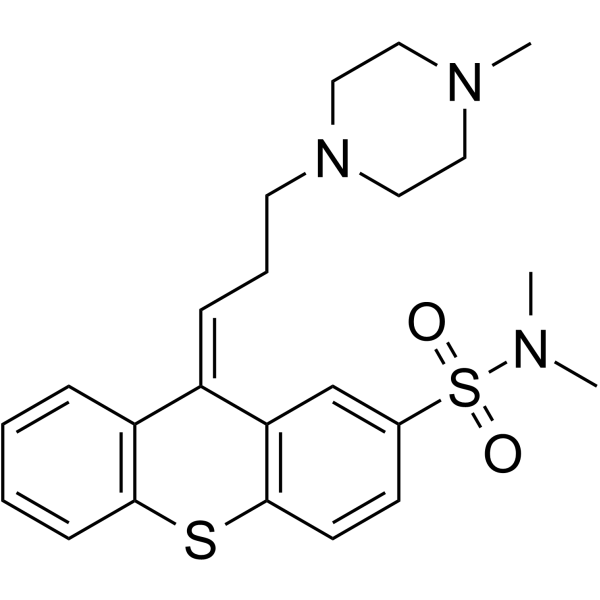
(Z)-Thiothixene (Standard) is the analytical standard of (Z)-Thiothixene. This product is intended for research and analytical applications. (Z)-Thiothixene is an antagonist of serotonergic receptor extracted from patent US 20150141345 A1.
|
-
-
- HY-155206
-
|
|
5-HT Receptor
|
Neurological Disease
|
|
(+)-OSU6162 is an stabilizer on dopaminergic and serotonergic brain signaling. (+)-OSU6162 is a partial agonist of 5-HT2A receptor. (+)-OSU6162 can be used for neurological research .
|
-
-
- HY-17390BS
-
-
-
- HY-14537R
-
-
-
- HY-170053
-
|
4-OH-MPT; Meprocin
|
5-HT Receptor
|
Neurological Disease
|
|
4-Hydroxy MPT (4-OH-MPT), a serotonergic hallucinogen, is a 5-HT2A and 5-HT2B receptors agonist with EC50 values of 3.82 nM and 3.4 nM, respectively .
|
-
-
- HY-103090
-
|
|
5-HT Receptor
|
Neurological Disease
|
|
NPS ALX Compound 4a is a potent and selective 5-hydroxytryptamine6 (5-HT6) receptor antagonist, with an IC50 of 7.2 nM and a Ki of 0.2 nM .
|
-
-
- HY-103090A
-
|
|
5-HT Receptor
|
Neurological Disease
|
|
NPS ALX Compound 4a dihydrochloride is a potent and selective 5-hydroxytryptamine6 (5-HT6) receptor antagonist, with an IC50 of 7.2 nM and a Ki of 0.2 nM .
|
-
-
- HY-133112
-
|
3-Hydroxy-7-desmethyl agomelatine
|
Melatonin Receptor
5-HT Receptor
|
Neurological Disease
|
|
7-Desmethyl-3-hydroxyagomelatine (3-Hydroxy-7-desmethyl agomelatine), a metabolite of Agomelatine, has less activity than Agomelatine . Agomelatine is a melatonergic (MT1 and MT2) agonist and serotonergic (5HT2C) antagonist .
|
-
-
- HY-106465
-
-
-
- HY-117575
-
|
|
5-HT Receptor
|
Neurological Disease
|
|
WAY-100135 is a serotonergic compound belonging to the phenylpiperazine family, utilized in scientific research for its role as a strong antagonist of the 5-HT1A receptor and a partial agonist of the 5-HT1D receptor, with minimal activity at the 5-HT1B receptor.
|
-
-
- HY-112538
-
|
1-NP hydrochloride; 1-Naphthylpiperazine hydrochloride
|
5-HT Receptor
Apoptosis
|
Inflammation/Immunology
Cancer
|
|
1-1-Naphthylpiperazine hydrochloride (1-NP hydrochloride; 1-Naphthylpiperazine hydrochloride) is a serotonergic derivative of quipazine, which is both an agonist for 5-HT1A receptor and an antagonist for 5-HT2A receptor. 1-1-Naphthylpiperazine hydrochloride induces cell apoptosis. 1-1-Naphthylpiperazine hydrochloride prevents the immunosuppression and photocarcinogenesis .
|
-
-
- HY-101100A
-
|
D-16949
|
5-HT Receptor
|
Neurological Disease
|
|
Anpirtoline (D-16949) is a centrally acting 5-HT1B receptor agonist, with Kis of 28 nM (5-HT1B), 150 nM (5-HT1A) and 1.49 μM (5-HT2). Anpirtoline has serotonergic, antinociceptive, antidepressant-like effects .
|
-
- HY-19225A
-
|
KA-672; Anseculin
|
iGluR
5-HT Receptor
Adrenergic Receptor
Dopamine Receptor
|
Neurological Disease
|
|
Ensaculin free base (KA-672) is a NMDA antagonist and have high affinities to serotonergic 5-HT1A and 5-HT7 receptors, adrenergic α1, and dopaminergic D2 and D3 receptors. Ensaculin free base is a memory-enhancing agent. Ensaculin free base has the potential as an antidementia agent acting on various transmitter systems .
|
-
- HY-B0352S2
-
-
- HY-W394903R
-
|
|
Reference Standards
Drug Metabolite
JAK
|
Inflammation/Immunology
|
|
Isatin (Standard) is the analytical standard of Isatin. This product is intended for research and analytical applications. Isatin (Indoline-2,3-dione) is a potent inhibitor of monoamine oxidase (MAO) with an IC50 of 3 μM. Also binds to central benzodiazepine receptors (IC50 against clonazepam, 123 μM) . Also acts as an antagonist of both atrial natriuretic peptide stimulated and nitric oxide-stimulated guanylate cyclase activity . Shows effect on the serotonergic system .
|
-
- HY-Y0265R
-
|
Indoline-2,3-dione (Standard)
|
Reference Standards
Monoamine Oxidase
Apoptosis
|
Cardiovascular Disease
Neurological Disease
Cancer
|
|
Isatin (Standard) is the analytical standard of Isatin. This product is intended for research and analytical applications. Isatin (Indoline-2,3-dione) is a potent inhibitor of monoamine oxidase (MAO) with an IC50 of 3 μM. Also binds to central benzodiazepine receptors (IC50 against clonazepam, 123 μM) . Also acts as an antagonist of both atrial natriuretic peptide stimulated and nitric oxide-stimulated guanylate cyclase activity . Shows effect on the serotonergic system .
|
-
- HY-W653969
-
|
|
Isotope-Labeled Compounds
Adrenergic Receptor
5-HT Receptor
|
Cardiovascular Disease
|
|
Arotinolol-d5 (hydrochloride) is deuterium labeled Arotinolol. Arotinolol is a nonselective α/β-adrenergic receptor blocker and a vasodilating β-blocker . Arotinolol also shows potency for inhibiting the binding of the radioligand 125I-ICYP to 5HT1B-serotonergic receptor sites. Arotinolol is an antihypertensive agent for the treatment of a variety of cardiovascular pathologies as well as non-cardiovascular diseases .
|
-
- HY-122537AR
-
|
|
Adrenergic Receptor
5-HT Receptor
Reference Standards
|
Cardiovascular Disease
|
|
Arotinolol (Standard) is the analytical standard of Arotinolol. This product is intended for research and analytical applications. Arotinolol is a nonselective α/β-adrenergic receptor blocker and a vasodilating β-blocker . Arotinolol also shows potency for inhibiting the binding of the radioligand 125I-ICYP to 5HT1B-serotonergic receptor sites . Arotinolol is an antihypertensive agent for the treatment of a variety of cardiovascular pathologies as well as non-cardiovascular diseases .
|
-
- HY-101225
-
|
|
5-HT Receptor
Histamine Receptor
|
Inflammation/Immunology
|
|
8 Hydroxy PIPAT oxalate is a selective 5-HT1A receptor agonist that promotes the release of histamine from enteric mast cells. 8 Hydroxy PIPAT oxalate activates serotonergic signaling pathways, leading to the degranulation of mast cells in both guinea pig and human intestinal preparations. 8 Hydroxy PIPAT oxalate enhances the spontaneous release of histamine, which may contribute to the regulation of gastrointestinal functions. 8 Hydroxy PIPAT oxalate has potential implications for understanding and treating functional gastrointestinal disorders such as irritable bowel syndrome.
|
-
- HY-12390R
-
|
Lopramine (Standard)
|
5-HT Receptor
Adrenergic Receptor
Reference Standards
|
Neurological Disease
|
|
Lofepramine (Standard) is the analytical standard of Lofepramine. This product is intended for research and analytical applications. Lofepramine (Lopramine) is a modified tricyclic and orally active antidepressant. Lofepramine inhibits the uptake of Noradrenaline (NA) (HY-13715) and 5-hydroxytryptamine (5-HT) with IC50s of 2.7 μM and 11 μM, respectively. Lofepramine exerts its antidepressant activity by promoting noradrenergic neurotransmission. Lofepramine also enhances serotonergic neurotransmission by inhibiting neuronal uptake of 5-HT and tryptophan pyrrolase. Lofepramine exhibits significant anxiolytic properties. .
|
-
- HY-32329S
-
|
|
Isotope-Labeled Compounds
5-HT Receptor
Adrenergic Receptor
|
Neurological Disease
|
|
Setiptiline-d3 is the deuterium labeled Setiptiline. Setiptiline (Org-8282) is a serotonin receptor antagonist. Setiptiline is a tetracyclic antidepressant (TeCA) which acts as a noradrenergic and specific serotonergic antidepressant (NaSSA). Setiptiline acts as a norepinephrine reuptake inhibitor, α2-adrenergic receptor antagonist, and serotonin receptor antagonist, likely at the 5-HT2A, 5-HT2C, and/or 5-HT3 subtypes, as well as an H1 receptor inverse agonist/antihistamine .
|
-
- HY-32329R
-
|
Org-8282 (Standard)
|
5-HT Receptor
Adrenergic Receptor
Reference Standards
|
Neurological Disease
|
|
Setiptiline (Standard) is the analytical standard of Setiptiline. This product is intended for research and analytical applications. Setiptiline (Org-8282) is a serotonin receptor antagonist. Setiptiline is a tetracyclic antidepressant (TeCA) which acts as a noradrenergic and specific serotonergic antidepressant (NaSSA). Setiptiline acts as a norepinephrine reuptake inhibitor, α2-adrenergic receptor antagonist, and serotonin receptor antagonist, likely at the 5-HT2A, 5-HT2C, and/or 5-HT3 subtypes, as well as an H1 receptor inverse agonist/antihistamine.
|
-
- HY-32329AR
-
|
MO-8282 (Standard)
|
5-HT Receptor
Reference Standards
|
Neurological Disease
|
|
Setiptiline (maleate) (Standard) is the analytical standard of Setiptiline (maleate). This product is intended for research and analytical applications. Setiptiline maleate (MO-8282 maleate) is a serotonin receptor antagonist. Setiptiline maleate is a tetracyclic antidepressant (TeCA) which acts as a noradrenergic and specific serotonergic antidepressant (NaSSA). Setiptiline maleate acts as a norepinephrine reuptake inhibitor, α2-adrenergic receptor antagonist, and serotonin receptor antagonist, likely at the 5-HT2A, 5-HT2C, and/or 5-HT3 subtypes, as well as an H1 receptor inverse agonist/antihistamine .
|
-
- HY-110023R
-
|
|
Reference Standards
Serotonin Transporter
|
Neurological Disease
|
|
Zimelidine dihydrochloride (Standard) is the analytical standard of Zimelidine dihydrochloride (HY-110023). This product is intended for research and analytical applications. Zimelidine dihydrochloride is an orally active selective serotonin reuptake inhibitor. Zimelidine dihydrochloride competitively inhibits central 5-HT uptake and desensitizes 5-HT autoreceptors in dorsal raphe nucleus. Zimelidine dihydrochloride time-dependently modulates 5-HT neuronal firing and hippocampal CA3 responses. Zimelidine dihydrochloride strengthens central serotonergic neurotransmission and produces related behavioral changes. Zimelidine dihydrochloride exerts anxiolytic, analgesic, feeding-suppressive and tolerance-attenuating effects. Zimelidine dihydrochloride is used for the study of depressive disorders and analgesic tolerance .
|
-
- HY-118835S
-
|
|
Isotope-Labeled Compounds
Serotonin Transporter
|
Neurological Disease
|
|
Zimeldine-d6 is the deuterium labeled Zimeldine (HY-118835) . Zimelidine is an orally active selective serotonin reuptake inhibitor. Zimelidine competitively inhibits central 5-HT uptake and desensitizes 5-HT autoreceptors in dorsal raphe nucleus. Zimelidine time-dependently modulates 5-HT neuronal firing and hippocampal CA3 responses. Zimelidine strengthens central serotonergic neurotransmission and produces related behavioral changes. Zimelidine exerts anxiolytic, analgesic, feeding-suppressive and tolerance-attenuating effects. Zimelidine is used for the study of depressive disorders and analgesic tolerance .
|
-
- HY-106361
-
-
- HY-182244
-
|
|
Serotonin Transporter
5-HT Receptor
|
Endocrinology
|
|
SERT/NET-IN-1 is a blood-brain barrier-permeable SERT and NET inhibitor, with an IC50 of 11.2 nM against human SERT and an IC50 of 32.0 nM against human NET. SERT/NET-IN-1 blocks 5-HT reuptake to enhance serotonergic signaling. SERT/NET-IN-1 also blocks norepinephrine reuptake to enhance central noradrenergic transmission and inhibits the ejaculatory reflex. SERT/NET-IN-1 prolongs ejaculatory latency, reduces ejaculation frequency and preserves sexual function. SERT/NET-IN-1 exhibits cross-species microsomal metabolic stability, shows acceptable oral brain exposure in rats, and has favorable safety profiles. SERT/NET-IN-1 can be used in studies related to premature ejaculation .
|
-
- HY-181425
-
-
- HY-183805
-
|
|
5-HT Receptor
FAAH
|
Neurological Disease
|
|
5-HT6R/FAAH modulator 2 is a dual 5-HT6R antagonist and FAAH inhibitor with human 5-HT6R pKi 7.24, human FAAH pIC50 5.47, and blood-brain barrier penetration.5-HT6R/FAAH modulator 2 modulates serotonergic signaling, blocks 5-HT6R function, inhibits endocannabinoid degradation via FAAH catalytic activity suppression.5-HT6R/FAAH modulator 2 exhibits neuroprotective effects against mitochondrial dysfunction, amyloid-β, and glutamate-induced toxicity, reverses memory deficits.5-HT6R/FAAH modulator 2 shows reduced cytotoxicity relative to oxygen-containing lead compounds.5-HT6R/FAAH modulator 2 can be used for the research of Alzheimer's disease .
|
-
- HY-100938R
-
|
1-(3-Chlorophenyl)biguanide hydrochloride (Standard)
|
5-HT Receptor
Reference Standards
|
Neurological Disease
|
|
m-CPBG (hydrochloride) (Standard) is the analytical standard of m-CPBG (hydrochloride) (HY-100938). This product is intended for research and analytical applications. m-CPBG (1-(3-Chlorophenyl)biguanide) hydrochloride is a selective 5-HT3 agonist. m-CPBG hydrochloride can be used for the research of neurological disease .
|
-
- HY-182440
-
|
|
5-HT Receptor
|
Neurological Disease
|
|
AZD3783 is an orally active, blood-brain barrier-penetrant 5-HT1B receptor antagonist. AZD3783 reverses agonist-induced hypothermia, inhibits separation-induced vocalizations in guinea pig pups, and acts as a moderately permeable glycoprotein substrate with moderate clearance. AZD3783 inhibits hERG channel activity. AZD3783 is applicable for research on depression, anxiety disorders, and other psychiatric diseases associated with serotonergic neurotransmission .
|
-
- HY-179579
-
|
|
5-HT Receptor
|
Neurological Disease
|
|
TMU4142 is a selective 5-HT1a agonist with high GoA activity. TMU4142 has weak Gi3 activity, can elicit rapid antidepressant like effects without triggering significant activation of dorsal raphe nucleus (DRN) 5-HT1a R autoreceptors or serotonergic neuron firing. TMU4142 demonstrates fast-acting efficacy in mouse models of depression. TMU4142 can be used for antidepressants research .
|
-
- HY-105174AR
-
|
|
Reference Standards
JAK
FAK
|
Neurological Disease
Metabolic Disease
|
|
BPC 157 acetate (Standard) is the analytical standard of BPC 157 acetate (HY-105174A). This product is intended for research and analytical applications. BPC 157 acetate is the acetate salt form of BPC 157 (HY-105174). BPC 157 acetate is the 15-amino acide fragment of gastric peptide BPC. BPC 157 acetate exhibits wound healing promoting and neuroprotective activity. BPC 157 acetate maintains the integrity of the gastrointestinal mucosa without significant toxicity. BPC 157 acetate counteracts NSAIDs/insulin overdose/copper-induced toxicity. BPC 157 acetate ameliorates specific (over)stimulated/damaged neurotransmitter systems-induced behavioral disorders through serotonergic and dopaminergic systems .
|
-
- HY-180584
-
|
|
5-HT Receptor
|
Neurological Disease
|
|
5-HT2A agonist 9 (Compound I-53) is a 5-HT2A agonist with an EC₅₀ of 34 nM. 5-HT2A agonist 9 can be used for the study of mental disorders and central system disorders .
|
-
- HY-N18471A
-
|
5,7-DHP hydrobromide
|
Monoamine Oxidase
5-HT Receptor
|
Neurological Disease
|
|
5,7-Dihydroxytryptamine (5,7-DHT) hydrobromide is an autofluorescent (Ex ≈ 365 nm), selective neurotoxin and a transport substrate for MAO-A and 5-HT. 5,7-Dihydroxytryptamine hydrobromide can specifically target and damage central and peripheral 5-HTergic neurons, while affecting 5-HT-related pathways and neurotransmitter balance. 5,7-Dihydroxytryptamine hydrobromide can be used to establish 5-HTergic neuron injury models for studies on neural development, neurodegenerative diseases, as well as mechanisms related to platelet function and retinal neurons .
|
-
- HY-N18471
-
|
5,7-DHP
|
Monoamine Oxidase
5-HT Receptor
|
Cardiovascular Disease
Neurological Disease
|
|
5,7-Dihydroxytryptamine (5,7-DHP) is an autofluorescent (λex≈365 nm), selective neurotoxin and a transport substrate for MAO-A and 5-HT. 5,7-Dihydroxytryptamine can specifically target and damage central and peripheral 5-HTergic neurons, while affecting 5-HT-related pathways and neurotransmitter balance. 5,7-Dihydroxytryptamine can be used to establish 5-HTergic neuron injury models for studies on neural development, neurodegenerative diseases, as well as mechanisms related to platelet function and retinal neurons .
|
-
| Cat. No. |
Product Name |
Type |
-
- HY-D2335
-
|
|
Fluorescent Dye
|
|
SERTlight is a fluorescent agent that can specifically label serotonergic neuronal cell bodies, dendrites, and axonal projections as fluorescent substrates of the serotonin transporter (SERT). SERTlight is orthogonal to various genetically encoded sensors in terms of optics, pharmacology, and operation, enabling multiple imaging. SERTlight allows the use of GRAB5HT sensors to label distal 5HT axonal projections and simultaneously image the release of endogenous 5HT, providing a new multifunctional molecular tool for studying serotonergic systems .
|
| Cat. No. |
Product Name |
Target |
Research Area |
-
- HY-105174
-
|
|
JAK
FAK
|
Inflammation/Immunology
|
|
BPC 157 is the 15-amino acide fragment of gastric peptide BPC. BPC 157 exhibits wound healing promoting and neuroprotective activity. BPC 157 maintains the integrity of the gastrointestinal mucosa without significant toxicity. BPC 157 acetate counteracts NSAIDs/insulin overdose/copper-induced toxicity. BPC 157 ameliorates specific (over)stimulated/damaged neurotransmitter systems-induced behavioral disorders through serotonergic and dopaminergic systems .
|
-
- HY-W019599
-
|
L-PCPA
|
5-HT Receptor
Tryptophan Hydroxylase
|
Neurological Disease
|
|
4-Chloro-L-phenylalanine (L-PCPA) is a tryptophan hydroxylase inhibitor targeting TPH1 and TPH2, with the activity of blocking serotonin biosynthesis. 4-Chloro-L-phenylalanine reduces the levels of serotonin and its metabolites in the brain without impairing the survival of serotonergic neurons. 4-Chloro-L-phenylalanine enhances anhedonic, depression-like and anxiety-like behaviors in mice with depleted noradrenergic and dopaminergic neurons. 4-Chloro-L-phenylalanine acts as a decarboxylation substrate for aromatic L-amino acid decarboxylase from Bacillus atrophaeus. 4-Chloro-L-phenylalanine can be used in studies related to Parkinson's disease .
|
-
- HY-105174AR
-
|
|
Reference Standards
JAK
FAK
|
Neurological Disease
Metabolic Disease
|
|
BPC 157 acetate (Standard) is the analytical standard of BPC 157 acetate (HY-105174A). This product is intended for research and analytical applications. BPC 157 acetate is the acetate salt form of BPC 157 (HY-105174). BPC 157 acetate is the 15-amino acide fragment of gastric peptide BPC. BPC 157 acetate exhibits wound healing promoting and neuroprotective activity. BPC 157 acetate maintains the integrity of the gastrointestinal mucosa without significant toxicity. BPC 157 acetate counteracts NSAIDs/insulin overdose/copper-induced toxicity. BPC 157 acetate ameliorates specific (over)stimulated/damaged neurotransmitter systems-induced behavioral disorders through serotonergic and dopaminergic systems .
|
| Cat. No. |
Product Name |
Category |
Target |
Chemical Structure |
| Cat. No. |
Product Name |
Chemical Structure |
-
- HY-B0352S
-
|
|
|
Mirtazapine-d3 is a deuterium labeled Mirtazapine. Mirtazapine is a 5-HT receptor inhibitor. Mirtazapine is a potent and orally active noradrenergic and specific serotonergic antidepressant (NaSSA) agent by blocking 5-HT2 and 5-HT3 receptors .
|
-
-
- HY-B0352S3
-
|
|
|
Mirtazapine-d4 hydrochloride is deuterated labeled Mirtazapine (HY-B0352). Mirtazapine (Org3770) is a potent and orally active noradrenergic and specific serotonergic antidepressant (NaSSA) agent. Mirtazapine is also a 5-HT2, 5-HT3, histamine H1 receptor and α2-adrenoceptor antagonist with pKi values of 8.05, 8.1, 9.3 and 6.95, respectively .
|
-
-
- HY-17390BS
-
|
|
|
Loxapine-d8 hydrochloride is the deuterium labeled Loxapine. Loxapine Succinate is a D2DR and D4DR inhibitor, serotonergic receptor antagonist and also a dibenzoxazepine anti-psychotic agent .
|
-
-
- HY-B0352S2
-
|
|
|
Mirtazapine-d4 is deuterium labeled Mirtazapine. Mirtazapine (Org3770) is a potent and orally active noradrenergic and specific serotonergic antidepressant (NaSSA) agent. Mirtazapine is also a 5-HT2, 5-HT3, histamine H1 receptor and α2-adrenoceptor antagonist with pKi values of 8.05, 8.1, 9.3 and 6.95, respectively .
|
-
-
- HY-W653969
-
|
|
|
Arotinolol-d5 (hydrochloride) is deuterium labeled Arotinolol. Arotinolol is a nonselective α/β-adrenergic receptor blocker and a vasodilating β-blocker . Arotinolol also shows potency for inhibiting the binding of the radioligand 125I-ICYP to 5HT1B-serotonergic receptor sites. Arotinolol is an antihypertensive agent for the treatment of a variety of cardiovascular pathologies as well as non-cardiovascular diseases .
|
-
-
- HY-32329S
-
|
|
|
Setiptiline-d3 is the deuterium labeled Setiptiline. Setiptiline (Org-8282) is a serotonin receptor antagonist. Setiptiline is a tetracyclic antidepressant (TeCA) which acts as a noradrenergic and specific serotonergic antidepressant (NaSSA). Setiptiline acts as a norepinephrine reuptake inhibitor, α2-adrenergic receptor antagonist, and serotonin receptor antagonist, likely at the 5-HT2A, 5-HT2C, and/or 5-HT3 subtypes, as well as an H1 receptor inverse agonist/antihistamine .
|
-
-
- HY-118835S
-
|
|
|
Zimeldine-d6 is the deuterium labeled Zimeldine (HY-118835) . Zimelidine is an orally active selective serotonin reuptake inhibitor. Zimelidine competitively inhibits central 5-HT uptake and desensitizes 5-HT autoreceptors in dorsal raphe nucleus. Zimelidine time-dependently modulates 5-HT neuronal firing and hippocampal CA3 responses. Zimelidine strengthens central serotonergic neurotransmission and produces related behavioral changes. Zimelidine exerts anxiolytic, analgesic, feeding-suppressive and tolerance-attenuating effects. Zimelidine is used for the study of depressive disorders and analgesic tolerance .
|
-
Your information is safe with us. * Required Fields.
Inquiry Information
- Product Name:
- Cat. No.:
- Quantity:
- MCE Japan Authorized Agent:

