Search Result
Results for "
amastigotes
" in MedChemExpress (MCE) Product Catalog:
1
Isotope-Labeled Compounds
| Cat. No. |
Product Name |
Target |
Research Areas |
Chemical Structure |
-
- HY-124481
-
|
|
COX
Reactive Oxygen Species (ROS)
NO Synthase
Keap1-Nrf2
Heme Oxygenase (HO)
Amyloid-β
Parasite
|
Infection
Neurological Disease
Inflammation/Immunology
Cancer
|
|
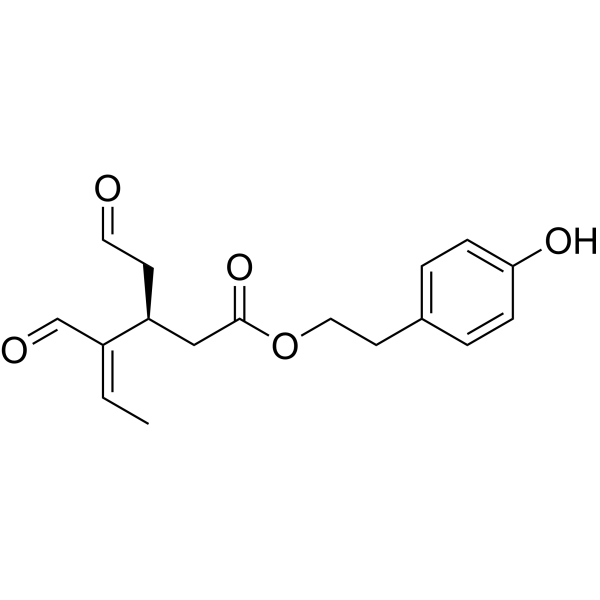
Oleocanthal is an orally active phenolic seciridoid compound. Oleocanthal can be extracted from olive oil. Oleocanthal inhibits COX-1 and COX-2, reduces ROS and NO, and upregulates Nrf-2 and HO-1. Oleocanthal reduces Aβ deposition. Oleocanthal exhibits anti-Leishmania activity against promastigotes and amastigotes of L. major, with IC50 values of 18.7 and 87 μg/mL, respectively. Oleocanthal exhibits anticancer activity against colon, breast, liver, and melanoma cancers. Oleocanthal also exhibits anti-inflammatory and neuroprotective properties. Oleocanthal can be used in Alzheimer's disease research .
|
-
-
- HY-N3980
-
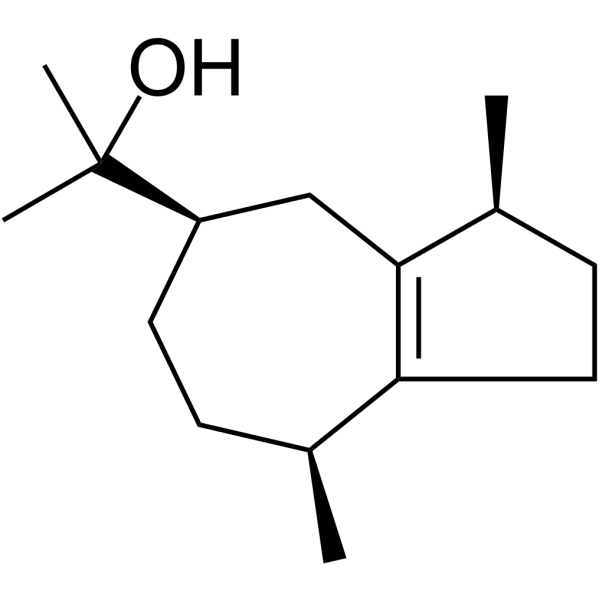
Guaiol
1 Publications Verification
Champacol; Guaiac alcohol
|
Autophagy
RAD51
|
Infection
Cardiovascular Disease
Inflammation/Immunology
Cancer
|
|
Guaiol is a sesquiterpenoid alcohol with oral activity found in various traditional Chinese medicines, exhibiting biological activities such as anti-proliferative, autophagy-promoting, insecticidal, anti-anxiety, anti-inflammatory, diuretic, and blood pressure-lowering effects. Guaiol induces apoptosis in non-small cell lung cancer cells by regulating the stability of RAD51 through autophagy modulation. Guaiol can also act directly on parasites, inhibiting their growth by affecting the kinetoplast, mitochondrial matrix and plasma membrane of the promastigotes. Guaiol kills amastigotes at an IC50 of 0.01 µg/mL. Guaiol can be used in research related to cancer, infections, cardiovascular diseases, and inflammatory conditions [4]
|
-
-
- HY-W016813
-
|
|
Parasite
|
Infection
|
|
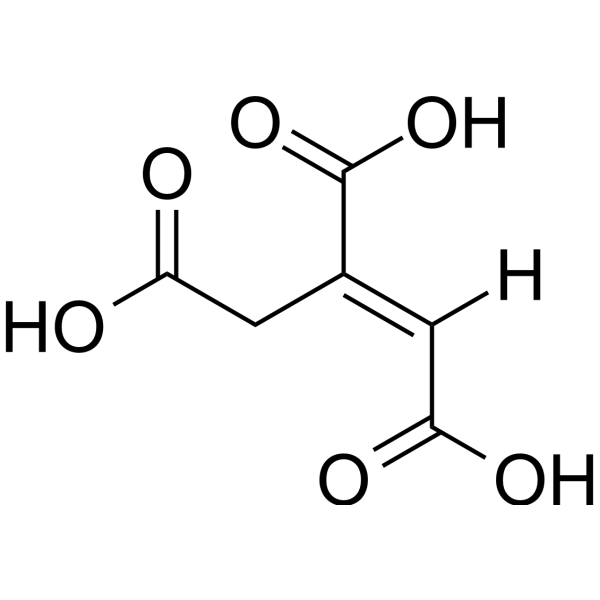
trans-Aconitic acid is an orally active aconitase inhibitor that non-competitively inhibits the conversion of citric acid to cis-aconitic acid and competitively inhibits the conversion of cis-aconitic acid to isocitric acid. trans-Aconitic acid inhibits the growth of Leishmania donovani promastigotes, the transformation of Leishmania donovani amastigotes to promastigotes, and the in vitro proliferation of Leishmania donovani amastigotes within macrophages in vitro. trans-Aconitic acid can be used in research related to visceral leishmaniasis (kala-azar) .
|
-
-
- HY-N7926
-
|
|
Environmental Pollutants
Apoptosis
Parasite
TNF Receptor
Interleukin Related
|
Infection
Inflammation/Immunology
|
|
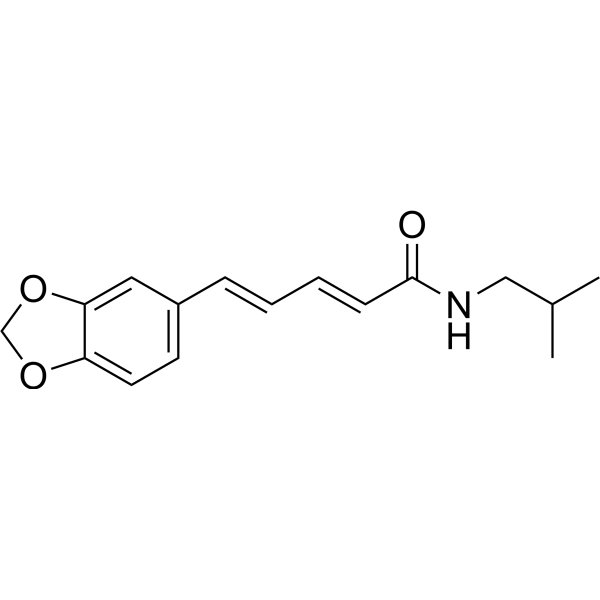
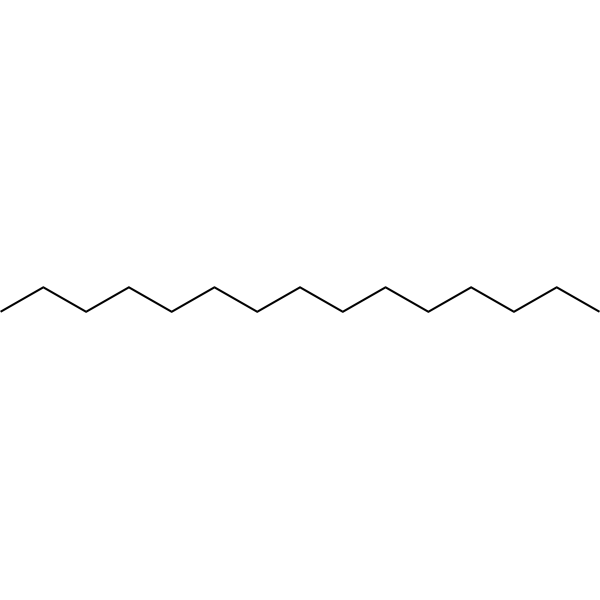
Pentadecane is an orally active natural plant volatile alkane with anti-inflammatory, analgesic, antipyretic and anti-leishmanial activities. Pentadecane presents IC50 values of 65.3 μM, 60.5 μM and 194.8 μM against Leishmania infantum promastigotes, amastigotes and intracellular amastigotes, respectively. Pentadecane downregulates the mRNA expression of TNF-α and IL-12 and inhibits the release of inflammatory mediators. Pentadecane arrests the cell cycle of Leishmania infantum and induces apoptosis. Pentadecane can be applied to the research of inflammation and leishmaniasis .
|
-
-
- HY-134467
-
|
|
Parasite
NO Synthase
|
Infection
|
|
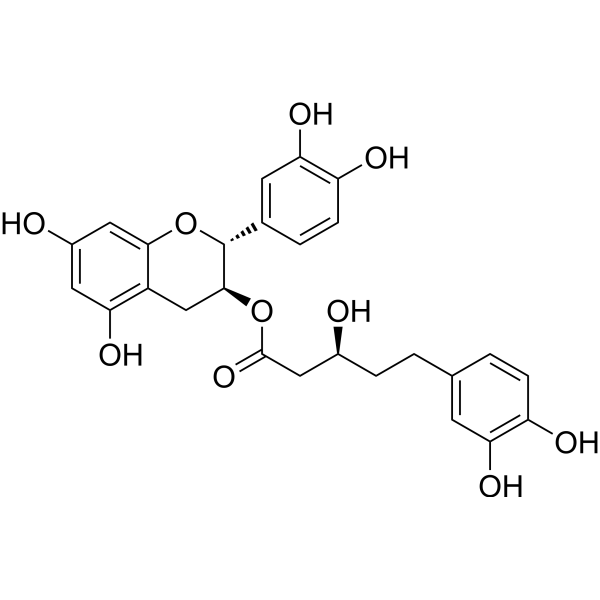
Phylloflavan is an antileishmanial (Antileishmanial) agent with an EC50 of 3.2 nM against intracellular amastigotes of Leishmania donovani. Phylloflavan is isolated from Phyllocldus plants. Phylloflavan induces moderate levels of NO release. Phylloflavan also inhibits the cytopathic effect of encephalomyocarditis virus on L929 fibroblasts (38 U/mL) .
|
-
-
- HY-162066
-
|
|
Parasite
|
Infection
|
|
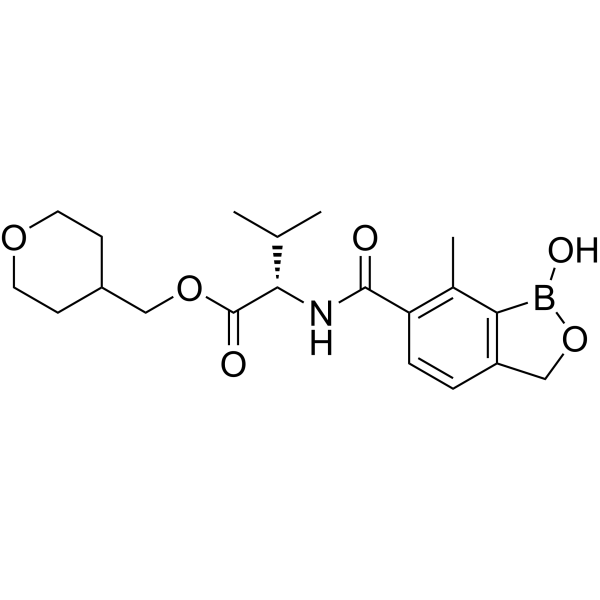
DNDI-6174 is an orally active Leishmania cytochrome b (Qi site of cytochrome bc1 complex/complex III) inhibitor. DNDI-6174 binds to the Qi site of Leishmania cytochrome b, inhibits cytochrome bc1 complex activity in the parasite's electron transport chain across promastigote and axenic amastigote stages. DNDI-6174 reduces parasite burden in rodent models, inhibits growth of various Leishmania species, drug-resistant clinical isolates, and Trypanosoma cruzi, with marginal activity against Trypanosoma brucei. DNDI-6174 can be used for the research of visceral leishmaniasis, cutaneous leishmaniasis .
|
-
-
- HY-N12788
-
|
|
Parasite
|
Infection
|
|
T-Cadinol is a sesquiterpene isolated from C. sylvestris that exhibits anti-Trypanosoma cruzi activity, with IC50 values of 18.2 μM and 15.8 μM against trypomastigote and amastigote forms, respectively. T-Cadinol can induce mitochondrial damage in parasites, leading to membrane hyperpolarization and decreased levels of reactive oxygen species. T-Cadinol can be used for the research of Chagas disease .
|
-
-
- HY-W014120
-
|
|
Biochemical Assay Reagents
Parasite
|
Infection
|
|
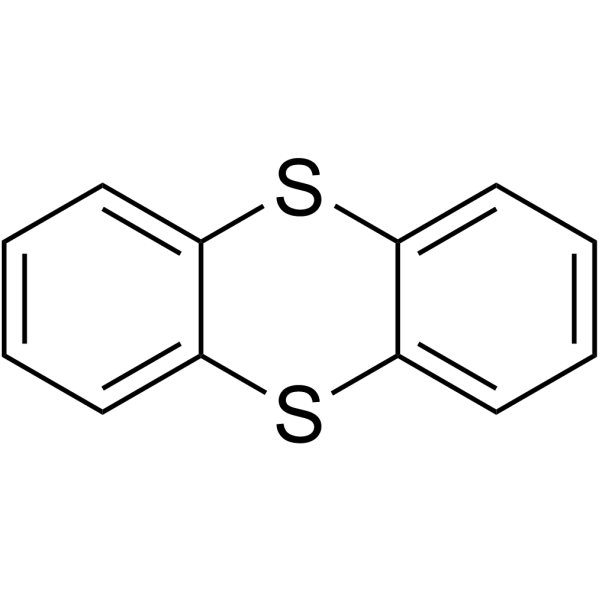
Thianthrene is a potent and orally active inhibitor of Leishmania donovani pteridine reductase 1 (PTR1). Thianthrene is a sulfur-containing tricyclic molecule distributed widely within the macro-structure of hydrocarbon fossil fuels. Thianthrene inhibits the intracellular amastigotes of Leishmania donovani (IC50 = 23 μM). Thianthrene has a moderate anthelmintic activity. Thianthrene appears to inhibit RNA function and subsequent protein production. Thianthrene can stimulate liver regeneration in vivo .
|
-
-
- HY-151935
-
|
|
Parasite
|
Infection
|
|
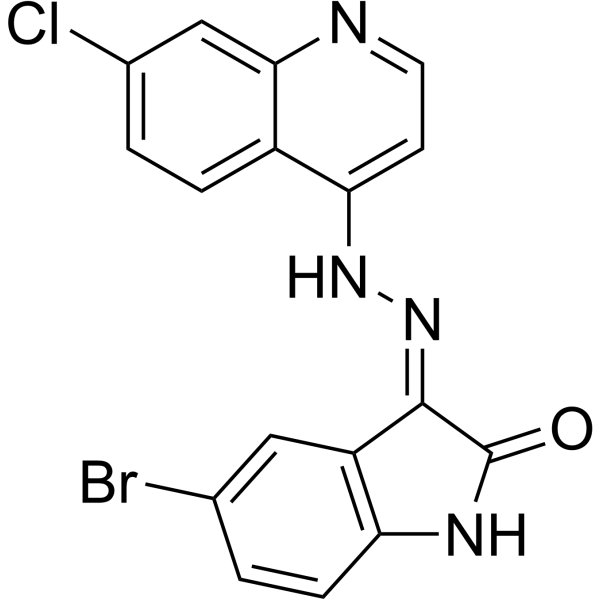
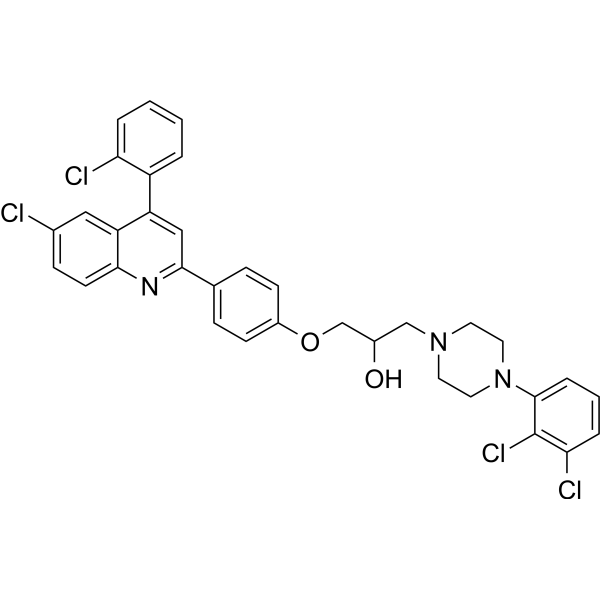
Antileishmanial agent-13 is a quinoline-isatin hybrid, acts as an antileishmanial agent against L. Major Leishmania strain. Antileishmanial agent-13 acquires the antileishmanial activity via the anti-folate mechanism. Antileishmanial agent-13 has potent inhibition against both promastigote and amastigote forms with IC50s of 0.604 μM and 0.508 μM, respectively .
|
-
-
- HY-146045
-
|
|
Parasite
|
Infection
|
|
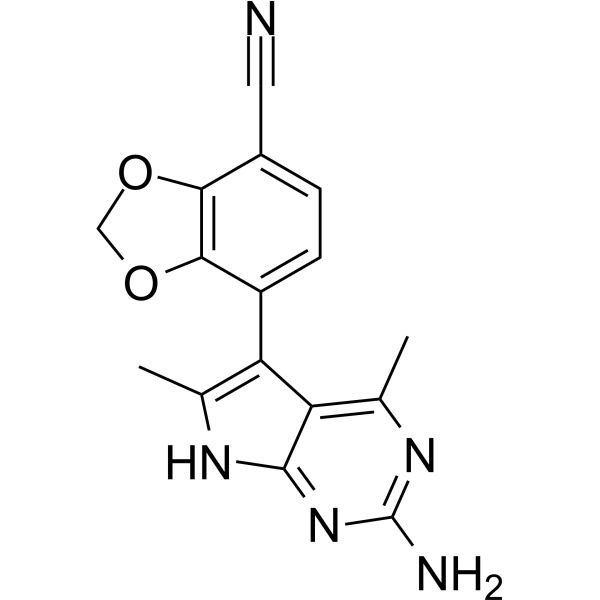
Antiparasitic agent-7 (compound 5d) has selectively antiparasitic activity against Leishmania infantum (L. infantum) with an IC50 value of 2.85 μM. Antiparasitic agent-7 also has certain cytotoxicity against HepG2 (CC50 = 10.61 μM) .
|
-
-
- HY-P1957
-
|
|
Parasite
|
Infection
|
|
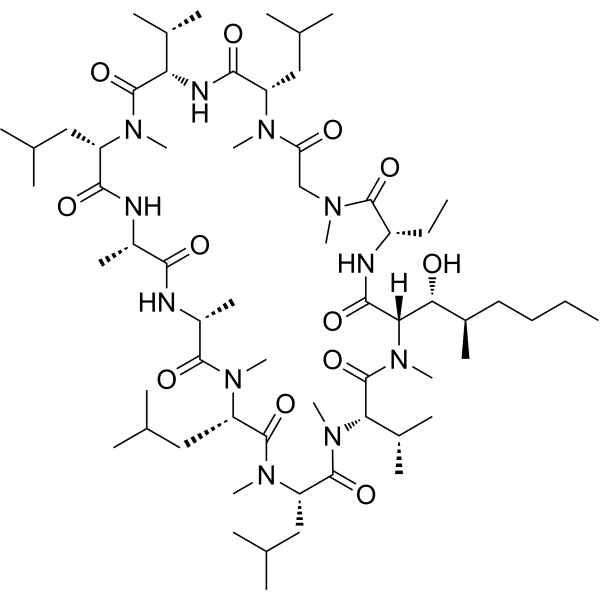
Dihydrocyclosporin A is a derivative of Cyclosporine A (HY-B0579). Dihydrocyclosporin A significantly inhibites promastigotes and intracellular amastigotes. Dihydrocyclosporin A is highly cytotoxic .
|
-
-
- HY-N7489
-
|
|
Parasite
|
Infection
Inflammation/Immunology
|
|
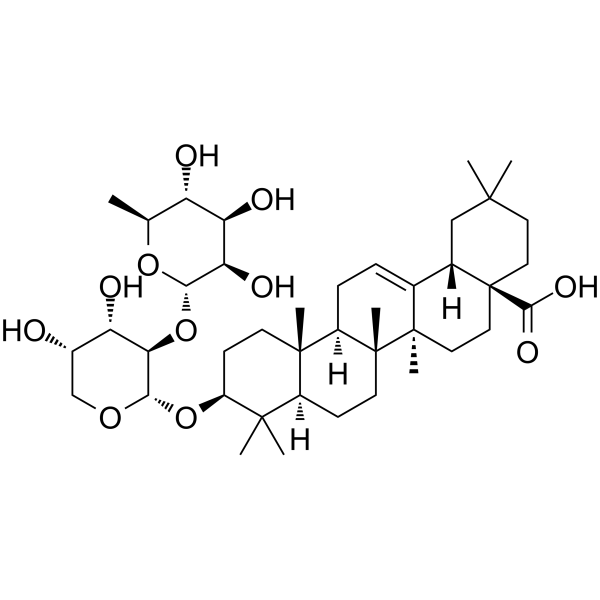
β-Hederin, a saponin isolated from Hedera helix L.(Araliaceae), possesses antileishmanial activity. β-Hederin exhibits IC50 values of 1.5 μM, 68 nM and 4.57 μM in L. Mexicana promastigotes, L. mexicana amastigotes and THP1 cells, respectively .
|
-
-
- HY-149958
-
|
|
Parasite
|
Infection
|
|
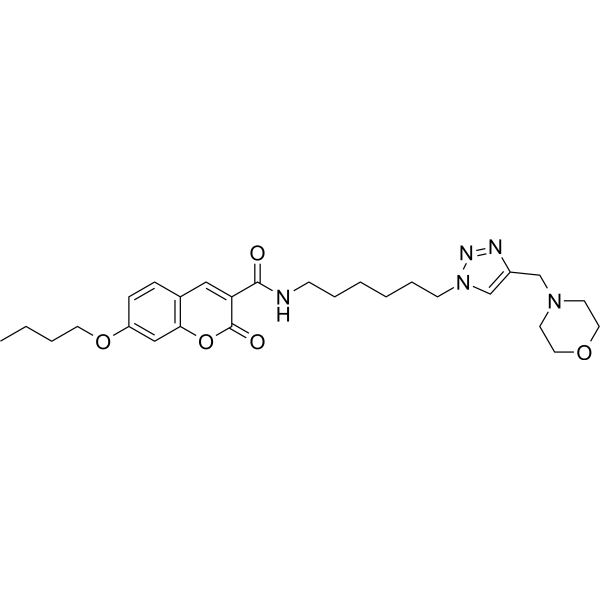
Antileishmanial agent-17 is a coumarin hybrid compound with antileishmanial effects (IC50 <0.78 μM). Antileishmanial agent-17 is safe to normal VERO cells. Antileishmanial agent-17 binds to folate pathway enzymes pteridine reductase and DHFR-TS. And Antileishmanial agent-17 shows the most potent with IC50 value of 0.40 μM against promastigote and 0.68 μM against amastigote, respectivley.
|
-
-
- HY-130484
-
|
|
Parasite
|
Infection
|
|
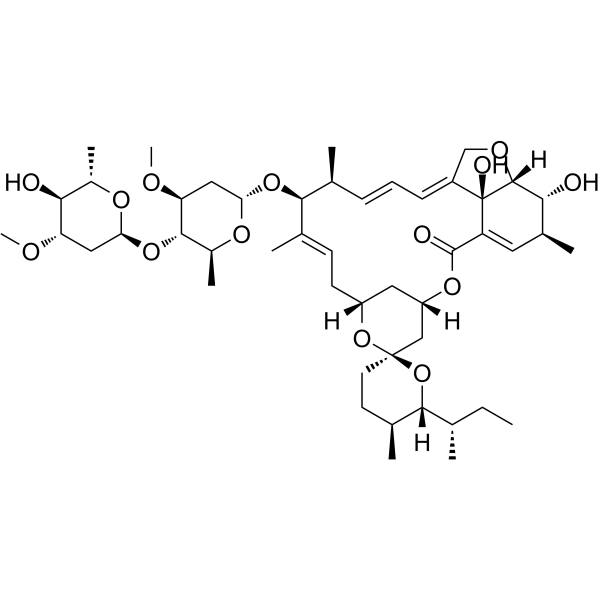
2,3-Dehydro-3,4-dihydro ivermectin is an analog of ivermectin (HY-15310) and an anthelmintic. 2,3-Dehydro-3,4-dihydro ivermectin has activity against L. amazonensis promastigotes and amastigotes (IC50s=13.8 and 3.6 µM, respectively) without inducing cytotoxicity to macrophages (IC50= 65.5 µM).
|
-
-
- HY-156427
-
|
|
Parasite
|
Infection
|
|
Antileishmanial agent-25 (compound 24) is selective antileishmanial activity on intracellular amastigotes, with the IC50 of 6.63 μM .
|
-
-
- HY-149078
-
|
|
Parasite
|
Infection
|
|
Antiparasitic agent-14 is a potent antiparasitic agent. Antiparasitic agent-14 shows cytotoxicity and antiparasitic activity. Antiparasitic agent-14 inhibits the growth of trypomastigote and amastigote .
|
-
-
- HY-149956
-
|
|
Parasite
|
Infection
|
|
Antileishmanial agent-15 (compound 13c) is a potent antileishmanial agent. Antileishmanial agent-15 shows antileishmanial and cytotoxic activity against L. major promastigotes and amastigotes, with IC50 values of 0.78 and 0.99 μM, respectively .
|
-
-
- HY-172951
-
|
|
Parasite
|
Infection
|
|
Antitrypanosomal agent 23 is an antitrypanosomal agent. Antitrypanosomal agent 23 has activity against intracellular amastigotes of T. cruzi in LLC-MK2 and C2C12 cells (IC50: 0.10 and 0.11 μM). Antitrypanosomal agent 23 is a weak inhibitor of Recombinant trans-sialidase from T. cruzi (TcTS) (IC50: 1.1 mM) .
|
-
-
- HY-149957
-
|
|
Parasite
|
Infection
|
|
Antileishmanial agent-16 (compound 14c) is an anti-Leishmania agent. Antileishmanial agent-16 has superior anti-Leishmania major promastigotes activity (IC50 = 0.59 µM) and anti-Leishmania major amastigotes activity (IC50 = 0.81 µM). Antileishmanial agent-16 has good safety to mammalian cells (VERO cells) .
|
-
-
- HY-149093
-
|
|
Parasite
|
Infection
|
|
Antileishmanial agent-14 is a sulfuretin analog with potential activity against the parasite Leishmania donovani promastigotes (IC50=4.1 μM). Antileishmanial agent-14 also inhibits infection by L. donovani amastigotes (IC50=11.1 μM) .
|
-
-
- HY-149079
-
|
|
Parasite
Necroptosis
|
Infection
|
|
Antiparasitic agent-15, a pyridine-thiazolidinone, has anti-Trypanosoma cruzi and leishmanicidal activities. Antiparasitic agent-15 has IC50s of 0.9 μM and 0.64 μM against trypomastigote and amastigote forms of T. cruzi. Antiparasitic agent-15 has IC50s of 42.2 μM and 9.58 μM against trypomastigote and amastigote forms of L. amazonensis. Antiparasitic agent-15 induces parasite cell death through necrosis induction. Antiparasitic agent-15 induces morphological changes such as shortening, retraction and curvature of the parasite body and leakage of internal content with T. cruzi trypomastigotes .
|
-
-
- HY-149080
-
|
|
Parasite
Necroptosis
|
Infection
|
|
Antiparasitic agent-16, a pyridine-thiazolidinone, has anti-Trypanosoma cruzi and leishmanicidal activities. Antiparasitic agent-16 has IC50s of 1.0 μM and 0.6 μM against trypomastigote and amastigote forms of T. cruzi. Antiparasitic agent-16 has IC50s of 150.2 μM and 16.75 μM against trypomastigote and amastigote forms of L. amazonensis. Antiparasitic agent-16 induces parasite cell death through necrosis induction. Antiparasitic agent-16 induces morphological changes such as shortening, retraction and curvature of the parasite body and leakage of internal content with T. cruzi trypomastigotes .
|
-
-
- HY-155301
-
|
|
Parasite
|
Infection
|
|
Antileishmanial agent-24 (compound 33) is an antileishmanial agent with an IC50 of 5.39 μM against amastigote .
|
-
-
- HY-158690
-
|
|
Aminopeptidase
Parasite
|
Infection
|
|
DDD00057570 is a selective M17 leucyl-aminopeptidase (LAP) inhibitor. DDD00057570 inhibits L. major and L. donovani intracellular amastigotes in vitro growth .
|
-
-
- HY-115725
-
|
|
Parasite
|
Infection
|
|
Antileishmanial agent-1 exhibits the activity against L. amazonensis promastigotes (IC50 = 15.52 μM) and intracellular amastigotes (IC50 = 4.10 μM).
|
-
-
- HY-159097
-
|
|
Parasite
|
Infection
|
|
T.cruzi-IN-4 (Compound 21) is an anti-parasitic agent. T.cruzi-IN-4 inhibits the trypomastigote and amastigote form of Trypanosoma cruzi with IC50 of 0.033 μM (120 h), T.cruzi-IN-4 inhibits the promastigote and amastigote form of Leishmania infantum with IC50 of 28.74 and 61.82 μM. T.cruzi-IN-4 inhibits Leishmania amazonensis promastigote form with IC50 of 18.38 μM .
|
-
-
- HY-149980
-
|
|
Parasite
|
Infection
|
|
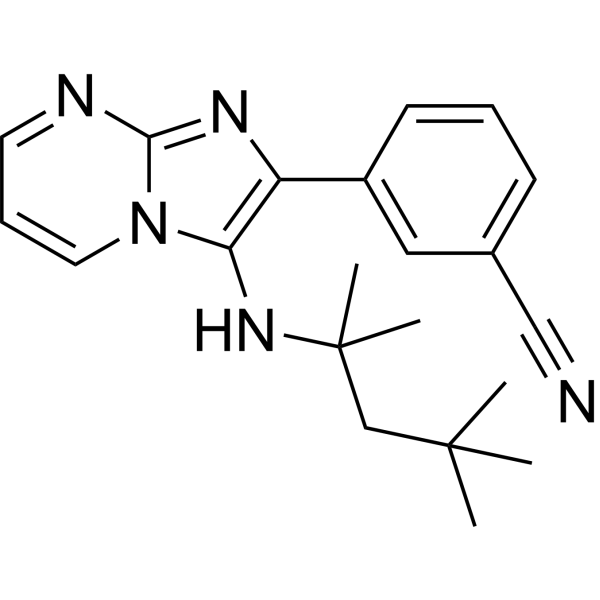
DCN-83, an anti-leishmania agent, is most potent against the amastigote form with an IC50 of 0.71 μM. DCN-83 has the potential to cross the blood-brain barrier and central nervous system .
|
-
-
- HY-P11155
-
|
|
Parasite
|
Infection
|
|
Halictine 2 is an antimicrobial peptide. Halictine 2 exhibits promising anti-parasitic activity against Leishmania spp., targeting both the extracellular infective metacyclic promastigotes and intracellular amastigotes. Halictine 2 can be used for the study of leishmaniases .
|
-
-
- HY-N7926S
-
|
|
Isotope-Labeled Compounds
Parasite
TNF Receptor
Interleukin Related
Apoptosis
|
Infection
Inflammation/Immunology
|
|
Pentadecane-d32 is the deuterium labeled Pentadecane (HY-N7926). Pentadecane is an orally active natural plant volatile alkane with anti-inflammatory, analgesic, antipyretic and anti-leishmanial activities. Pentadecane presents IC50 values of 65.3 μM, 60.5 μM and 194.8 μM against Leishmania infantum promastigotes, amastigotes and intracellular amastigotes, respectively. Pentadecane downregulates the mRNA expression of TNF-α and IL-12 and inhibits the release of inflammatory mediators. Pentadecane arrests the cell cycle of Leishmania infantum and induces apoptosis. Pentadecane can be applied to the research of inflammation and leishmaniasis .
|
-
-
- HY-N7926R
-
|
|
Parasite
Reference Standards
TNF Receptor
Interleukin Related
Apoptosis
|
Infection
Inflammation/Immunology
|
|
Pentadecane (Standard) is the analytical standard of Pentadecane (HY-N7926). This product is intended for research and analytical applications. Pentadecane is an orally active natural plant volatile alkane with anti-inflammatory, analgesic, antipyretic and anti-leishmanial activities. Pentadecane presents IC50 values of 65.3 μM, 60.5 μM and 194.8 μM against Leishmania infantum promastigotes, amastigotes and intracellular amastigotes, respectively. Pentadecane downregulates the mRNA expression of TNF-α and IL-12 and inhibits the release of inflammatory mediators. Pentadecane arrests the cell cycle of Leishmania infantum and induces apoptosis. Pentadecane can be applied to the research of inflammation and leishmaniasis .
|
-
-
- HY-168342
-
|
|
Parasite
|
Infection
|
|
Anti-Trypanosoma cruzi agent-6 (Compound 8) exhibits inhibitory activity against Trypanosoma cruzi, that inhibits the epimastigote, trypomastigote and amastigote form of T. cruzi with IC50s of 24.7 µM, 1.8 µM and 1.6 µM, respectively .
|
-
-
- HY-N8181
-
|
|
Parasite
|
Infection
|
|
1,3-Linolein-2-Olein, a triglyceride, is an antileishmanial agent. 1,3-Linolein-2-Olein inhibits promatigotes of the parasite (IC50=0.079 ug/ml) and inhibits the growth of amastigotes (IC50= 40.03 ug/ml) .
|
-
-
- HY-146043
-
|
|
Parasite
|
Infection
|
|
Antiparasitic agent-5 (compound 8h) has selectively antiparasitic activity against Leishmania infantum (L. infantum) with an IC50 value of 2.50 μM. Antiparasitic agent-5 also has certain cytotoxicity against HepG2 (CC50 = 6.78 μM) .
|
-
-
- HY-W159102
-
|
|
Parasite
|
Infection
|
|
8CN, a 2-amino-thiophene derivative, has anti-leishmanial activity. 8CN can be used in research of Leishmaniasis .
|
-
-
- HY-146044
-
|
|
Parasite
|
Infection
|
|
Antiparasitic agent-6 (compound 5b) has selectively antiparasitic activity against Leishmania infantum (L. infantum) with an IC50 value of 3.89 μM. Antiparasitic agent-6 also has certain cytotoxicity against HepG2 (CC50 = 13.64 μM) .
|
-
-
- HY-168918
-
|
|
Parasite
Dihydrofolate reductase (DHFR)
|
Infection
|
|
Insecticidal agent 19 (Compound 7b) exhibits antimalarial activity by inhibiting dihydrofolate
reductase-thymidylate synthase (DHFR-TS) and pteridine reductase 1 (PTR1) through the folic acid metabolic pathway. Insecticidal agent 19 inhibits Leishmania major promastigote and amastigote with IC50 of 1.43 μM and 3.78 μM .
|
-
-
- HY-175246
-
|
|
Parasite
|
Infection
|
|
Antitoxoplasmal agent-1 (Compound 4) is an antiparasitic agent. Antitoxoplasmal agent-1 has strong activity and selectivity against T. gondii, with an IC50 of 3.1 μM. Antitoxoplasmal agent-1 also has certain activity against L. major amastigotes, with an EC50 of 23.3 μM. Antitoxoplasmal agent-1 can be used in the research of parasite-related diseases .
|
-
-
- HY-146042
-
|
|
Parasite
|
Infection
|
|
Antiparasitic agent-4 (compound 4q) has highly antiparasitic activity against Leishmania infantum (L. infantum) and Trypanosoma cruzi (T. cruzi) with IC50s of 8.51 μM and 2.20 μM, respectively. Antiparasitic agent-4 also has certain cytotoxicity against HepG2 (CC50 = 18.97 μM) .
|
-
-
- HY-146041
-
|
|
Parasite
|
Infection
|
|
Antiparasitic agent-2 (compound 8a) has highly antiparasitic activity against Leishmania infantum (L. infantum) and Trypanosoma cruzi (T. cruzi) with IC50s of 7.28 μM and 2.30 μM, respectively. Antiparasitic agent-2 also has certain cytotoxicity against HepG2 (CC50 = 26.79 μM) .
|
-
-
- HY-151151
-
|
|
Parasite
|
Infection
|
|
Trypanothione synthetase-IN-3 is a noncompetitive mixed hyperbolic Trypanothione synthetase (TryS) inhibitor (Ki: 0.8 μM). Trypanothione synthetase-IN-3 can be used in the study of parasites, such as L. infantum .
|
-
-
- HY-158379
-
|
|
Parasite
|
Infection
|
|
Antiparasitic agent-22 (Compound 24) is a pan antiparasitic agent, that inhibits T. Brucei, L. infantum, L. tropica promastigotes (IC50 of 2.41, 5.95, 8.98 μM), L. infantum amastigotes (IC50 of 8.18 μM) and P. falciparum W2 strain (IC50 of 0.155 μM). Antiparasitic agent-22 exhibits low cytotoxicity against THP1, with CC50 of 64.16 μM .
|
-
-
- HY-W014120R
-
|
|
Biochemical Assay Reagents
Reference Standards
Parasite
|
Infection
|
|
Thianthrene (Standard) is the analytical standard of Thianthrene. This product is intended for research and analytical applications. Thianthrene is a potent and orally active inhibitor of Leishmania donovani pteridine reductase 1 (PTR1). Thianthrene is a sulfur-containing tricyclic molecule distributed widely within the macro-structure of hydrocarbon fossil fuels. Thianthrene inhibits the intracellular amastigotes of Leishmania donovani (IC50 = 23 μM). Thianthrene has a moderate anthelmintic activity. Thianthrene appears to inhibit RNA function and subsequent protein production. Thianthrene can stimulate liver regeneration in vivo .
|
-
-
- HY-159915
-
|
|
Parasite
|
Infection
|
|
Se2h is a cruzain inhibitor that exhibits strong activity against the intracellular amastigotes of Trypanosoma cruzi (EC50 < 1 μM, SI > 10), with an inhibitory activity against cruzain of IC50 < 100 nM (SI > 5.55). Compared to Benznidazole (HY-B1548) and the cruzain inhibitor K777 (HY-119293), Se2h shows superior selectivity and inhibition, while its selenazole structure reduces selenium-related toxicity. Se2h exhibits antiparasitic activity and holds promise for research in Chagas disease .
|
-
-
- HY-N3980R
-
|
Champacol (Standard); Guaiac alcohol (Standard)
|
Reference Standards
Autophagy
RAD51
|
Infection
Cardiovascular Disease
Inflammation/Immunology
Cancer
|
|
Guaiol (Standard) is the analytical standard of Guaiol. This product is intended for research and analytical applications. Guaiol is a sesquiterpenoid alcohol with oral activity found in various traditional Chinese medicines, exhibiting biological activities such as anti-proliferative, autophagy-promoting, insecticidal, anti-anxiety, anti-inflammatory, diuretic, and blood pressure-lowering effects. Guaiol induces apoptosis in non-small cell lung cancer cells by regulating the stability of RAD51 through autophagy modulation. Guaiol can also act directly on parasites, inhibiting their growth by affecting the kinetoplast, mitochondrial matrix and plasma membrane of the promastigotes. Guaiol kills amastigotes at an IC50 of 0.01 µg/mL. Guaiol can be used in research related to cancer, infections, cardiovascular diseases, and inflammatory conditions [4]
|
-
-
- HY-130743
-
|
Bis-eugenol; Dehydrodieugenol
|
Parasite
|
Infection
|
|
Dieugenol is a neolignan that has been found in N. leucantha and has antioxidative and antiprotozoal activities. It inhibits the formation of thiobarbituric acid reactive substances (TBARS) and scavenges superoxide anions, but not hydroxyl radicals, in cell-free assays. It has anti-trypanosomal activity against T. cruzi amastigotes and trypomastigotes (IC50s=15.1 and 11.5 μM, respectively) but is cytotoxic to NCTC L-929 fibroblasts with a 50% cytotoxic concentration (CC50) value of 58.2 μM.2 Dieugenol (15 μM) disrupts the integrity of the T. cruzi trypomastigote plasma membrane but does not induce the production of reactive oxygen species (ROS) in trypomastigotes or LPS-stimulated and unstimulated isolated mouse peritoneal macrophages.
|
-
-
- HY-139090
-
|
28-O-Acetyl-3-Oxobetulin; 3-oxo-28-O-Acetylbetulin
|
Bacterial
HIV
Drug Derivative
|
Cancer
|
|
3-Oxobetulin acetate (28-O-Acetyl-3-Oxobetulin; 3-oxo-28-O-Acetylbetulin) is a derivative of betulin (HY-N0083), a cholesterol biosynthesis inhibitor. 3-Oxobetulin acetate inhibits the growth of P388 murine lymphocytic leukemia cells (EC50=0.12 μg/mL) and human MCF-7 breast cancer, SF-268 CNS cancer, H460 lung cancer, and KM20L2 colon cancer cells (GI50s=8, 10.6, 5.2, and 12.7 μg/mL), but not BxPC-3 pancreatic cancer cells or DU145 prostate cancer cells (GI50s=>10 μg/mL for both). 3-Oxobetulin acetate inhibits the replication of X4-tropic recombinant HIV (NL4.3-Ren) in MT-2 lymphoblastoid cells (IC50=13.4 μM). 3-Oxobetulin acetate is also effective against Listeria donovani amastigotes.
|
-
-
- HY-185556
-
|
|
Parasite
|
Infection
|
|
14-Hydroxydehydroabietane is a ribosomal enzyme inhibitor. 14-Hydroxydehydroabietane exhibits in vitro antileishmanial activity against promastigotes, amastigotes and intracellular amastigotes of *Leishmania infantum* and *Leishmania braziliensis*. 14-Hydroxydehydroabietane induces ultrastructural changes in *Leishmania braziliensis* promastigotes. 14-Hydroxydehydroabietane reduces the infection rate of macrophages by *Leishmania infantum* and *Leishmania braziliensis*. 14-Hydroxydehydroabietane can be used for the research of leishmaniasis .
|
-
-
- HY-183362
-
|
|
Parasite
Adenosine Kinase
|
Infection
|
|
Antileishmanial agent-42 is an antileishmanial agent. Antileishmanial agent-42 has favorable interactions with key active site residues (e.g., Ser63, Asn66/295/299) of adenosine kinase. Antileishmanial agent-42 exerts activity against promastigote and amastigote forms of L. amazonensis, L. braziliensis, L. infantum, and L. donovani .
|
-
-
- HY-181516
-
|
|
Parasite
|
Infection
|
|
Anti-Trypanosoma cruzi agent-8 is an anti-Trypanosoma agent and also a Trypanosoma cruzi trypanothione reductase (TcTR) inhibitor, with an IC50 of 3.9 μM against TcTR. Anti-Trypanosoma cruzi agent-8 functionally inhibits the enzymatic activity of TcTR. Anti-Trypanosoma cruzi agent-8 exhibits trypanocidal activity against intracellular Trypanosoma cruzi amastigotes .
|
-
-
- HY-182516
-
|
|
Farnesyl Transferase
|
Infection
Others
|
|
Aminobutane bisphosphonate is a Trypanosoma cruzi farnesyl pyrophosphate synthase (FPPS) inhibitor with an IC50 of 30.77 μM against Trypanosoma cruzi. Aminobutane bisphosphonate inhibits proliferation of intracellular amastigote Trypanosoma cruzi and lacks activity against non-infective epimastigote forms. Aminobutane bisphosphonate reduces osteoclastic bone resorption, osteoid surface extent, and osteoclast number per mm of bone surface. Aminobutane bisphosphonate can be used for the research of american trypanosomiasis (chagas' disease) and immobilization-related bone loss .
|
-
- HY-183621
-
|
|
Parasite
Reactive Oxygen Species (ROS)
Autophagy
|
Infection
|
|
Antileishmanial agent-43 is a 3,4,5‑trisubstituted isoxazole with selective antileishmanial activity. Antileishmanial agent-43 shows IC50 values of 12.7 μM against Leishmania amazonensis promastigotes and 0.96 μM against intracellular amastigotes. Antileishmanial agent-43 induces ROS elevation, oxidative stress and mitochondrial dysfunction, resulting in lipid peroxidation, mitochondrial depolarization and ATP imbalance. Antileishmanial agent-43 causes cell shrinkage, phosphatidylserine externalization, plasma membrane permeabilization, and promotes autophagy. Antileishmanial agent-43 can be used for the research of leishmaniasis .
|
-
- HY-W001119
-
|
|
Parasite
|
Infection
|
|
6-Hydroxyindazole is an anti-parasite agent with an EC50 of 128.9 μM against intracellular amastigotes of Leishmania amazonensis. 6-Hydroxyindazole can be used in the research of leishmaniasis .
|
-
- HY-180833
-
|
|
Parasite
|
Infection
|
|
Antileishmanial agent-39 (Compound 4h) is an antileishmanial agent. Antileishmanial agent-39 shows antileishmanial activity against the axenic amastigote form of Leishmania infantum with an IC50 of 0.42 μM .
|
-
- HY-N19720
-
|
|
Drug Derivative
Parasite
|
Infection
|
|
Bractein is a natural aurone flavonoid with potential antioxidant activity. Bractein shows in vitro antileishmanial activity and inhibits promastigotes and intracellular amastigotes of Leishmania donovani. Bractein exhibits no obvious cytotoxicity against mammalian macrophages with an EC50 value > 25.0 μg/mL. Bractein can be used for the research of Leishmania .
|
-
- HY-183008
-
|
|
Parasite
TNF Receptor
Interleukin Related
NF-κB
Toll-like Receptor (TLR)
|
Infection
Inflammation/Immunology
|
|
BSF2 is a anti-Leishmania agent. BSF2 modulates gene expression linked to ubiquitination, chromatin remodeling, and peroxisomal membrane transport pathways in Leishmania braziliensis. BSF2 downregulates TNF, IL-17, NF-κB, and Toll-like receptor pathways in Leishmania-infected macrophages. BSF2 exerts leishmanicidal activity against intracellular Leishmania braziliensis amastigotes. BSF2 can be used for the research of american tegumentary leishmaniasis .
|
-
- HY-105111
-
|
|
Parasite
Angiotensin-converting Enzyme (ACE)
HSV
DNA/RNA Synthesis
|
Cardiovascular Disease
Metabolic Disease
|
|
P-536 is a ACE inhibitor that also inhibits herpes simplex virus HSV-1 thymidine kinase and Trypanosoma cruzi RNA polymerase. By inhibiting the renin-angiotensin system, downregulating the expression of AT1R and NOX4, and reducing oxidative stress (decreasing plasma hydrogen peroxide (H2O2) and 8-isoprostaglandin levels), P-536 effectively reduces systolic blood pressure and improves vascular reactivity. P-536 also inhibits the replication of DNA/RNA viruses such as HSV-1 by blocking nucleotide metabolism and nucleic acid synthesis, competitively inhibits RNA synthesis in Trypanosoma cruzi, and inhibits amastigote replication, thereby impeding its growth. P-536 is suitable for research on hypertension, insulin resistance, and Chagas disease .
|
-
- HY-181508
-
|
|
Parasite
|
Infection
|
|
Antitrypanosomal agent 30 (compound 6b) is a trypanocidal agent with extremely low cytotoxicity against mouse macrophages. Antitrypanosomal agent 30 can be used for the research of Chagas disease .
|
-
| Cat. No. |
Product Name |
Target |
Research Area |
-
- HY-P1957
-
|
|
Parasite
|
Infection
|
|
Dihydrocyclosporin A is a derivative of Cyclosporine A (HY-B0579). Dihydrocyclosporin A significantly inhibites promastigotes and intracellular amastigotes. Dihydrocyclosporin A is highly cytotoxic .
|
-
- HY-P11155
-
|
|
Parasite
|
Infection
|
|
Halictine 2 is an antimicrobial peptide. Halictine 2 exhibits promising anti-parasitic activity against Leishmania spp., targeting both the extracellular infective metacyclic promastigotes and intracellular amastigotes. Halictine 2 can be used for the study of leishmaniases .
|
| Cat. No. |
Product Name |
Category |
Target |
Chemical Structure |
-
- HY-124481
-
-
-
- HY-N3980
-
Guaiol
1 Publications Verification
Champacol; Guaiac alcohol
|
Infection
Structural Classification
Classification of Application Fields
Terpenoids
Sesquiterpenes
Distemonanthus benthamianus Baill.
Plants
Compositae
Disease Research Fields
Source Classification
|
Autophagy
RAD51
|
|
Guaiol is a sesquiterpenoid alcohol with oral activity found in various traditional Chinese medicines, exhibiting biological activities such as anti-proliferative, autophagy-promoting, insecticidal, anti-anxiety, anti-inflammatory, diuretic, and blood pressure-lowering effects. Guaiol induces apoptosis in non-small cell lung cancer cells by regulating the stability of RAD51 through autophagy modulation. Guaiol can also act directly on parasites, inhibiting their growth by affecting the kinetoplast, mitochondrial matrix and plasma membrane of the promastigotes. Guaiol kills amastigotes at an IC50 of 0.01 µg/mL. Guaiol can be used in research related to cancer, infections, cardiovascular diseases, and inflammatory conditions [4]
|
-
-
- HY-W016813
-
-
-
- HY-N7926
-
-
-
- HY-134467
-
-
-
- HY-N12788
-
|
|
Citrus × aurantium Natsudaidai
Terpenoids
Sesquiterpenes
Plants
Salicaceae
Source Classification
|
Parasite
|
|
T-Cadinol is a sesquiterpene isolated from C. sylvestris that exhibits anti-Trypanosoma cruzi activity, with IC50 values of 18.2 μM and 15.8 μM against trypomastigote and amastigote forms, respectively. T-Cadinol can induce mitochondrial damage in parasites, leading to membrane hyperpolarization and decreased levels of reactive oxygen species. T-Cadinol can be used for the research of Chagas disease .
|
-
-
- HY-N7489
-
-
-
- HY-N7926R
-
|
|
Structural Classification
Natural Products
Kaempferia galanga L.
Plants
Source Classification
Zingiberaceae
|
Parasite
Reference Standards
TNF Receptor
Interleukin Related
Apoptosis
|
|
Pentadecane (Standard) is the analytical standard of Pentadecane (HY-N7926). This product is intended for research and analytical applications. Pentadecane is an orally active natural plant volatile alkane with anti-inflammatory, analgesic, antipyretic and anti-leishmanial activities. Pentadecane presents IC50 values of 65.3 μM, 60.5 μM and 194.8 μM against Leishmania infantum promastigotes, amastigotes and intracellular amastigotes, respectively. Pentadecane downregulates the mRNA expression of TNF-α and IL-12 and inhibits the release of inflammatory mediators. Pentadecane arrests the cell cycle of Leishmania infantum and induces apoptosis. Pentadecane can be applied to the research of inflammation and leishmaniasis .
|
-
-
- HY-N8181
-
-
-
- HY-N3980R
-
|
Champacol (Standard); Guaiac alcohol (Standard)
|
Structural Classification
Natural Products
Distemonanthus benthamianus Baill.
Plants
Compositae
Source Classification
|
Reference Standards
Autophagy
RAD51
|
|
Guaiol (Standard) is the analytical standard of Guaiol. This product is intended for research and analytical applications. Guaiol is a sesquiterpenoid alcohol with oral activity found in various traditional Chinese medicines, exhibiting biological activities such as anti-proliferative, autophagy-promoting, insecticidal, anti-anxiety, anti-inflammatory, diuretic, and blood pressure-lowering effects. Guaiol induces apoptosis in non-small cell lung cancer cells by regulating the stability of RAD51 through autophagy modulation. Guaiol can also act directly on parasites, inhibiting their growth by affecting the kinetoplast, mitochondrial matrix and plasma membrane of the promastigotes. Guaiol kills amastigotes at an IC50 of 0.01 µg/mL. Guaiol can be used in research related to cancer, infections, cardiovascular diseases, and inflammatory conditions [4]
|
-
-
- HY-N19720
-
-
| Cat. No. |
Product Name |
Chemical Structure |
-
- HY-N7926S
-
|
|
|
Pentadecane-d32 is the deuterium labeled Pentadecane (HY-N7926). Pentadecane is an orally active natural plant volatile alkane with anti-inflammatory, analgesic, antipyretic and anti-leishmanial activities. Pentadecane presents IC50 values of 65.3 μM, 60.5 μM and 194.8 μM against Leishmania infantum promastigotes, amastigotes and intracellular amastigotes, respectively. Pentadecane downregulates the mRNA expression of TNF-α and IL-12 and inhibits the release of inflammatory mediators. Pentadecane arrests the cell cycle of Leishmania infantum and induces apoptosis. Pentadecane can be applied to the research of inflammation and leishmaniasis .
|
-
Your information is safe with us. * Required Fields.
Inquiry Information
- Product Name:
- Cat. No.:
- Quantity:
- MCE Japan Authorized Agent:

