
1. Search Result
Search Result
Results for "

aromatic amino acid ester

" in MedChemExpress (MCE) Product Catalog:

75

Inhibitors & Agonists

2

Screening Libraries

3

Fluorescent Dyes

5

Biochemical Assay Reagents

5

Peptides

2

Inhibitory Antibodies

25

Natural
Products

5

Recombinant Proteins

23

Isotope-Labeled Compounds

1

Antibodies

1

Click Chemistry

3

Oligonucleotides

Cat. No. Product Name Target Research Areas Chemical Structure
  • HY-N0122
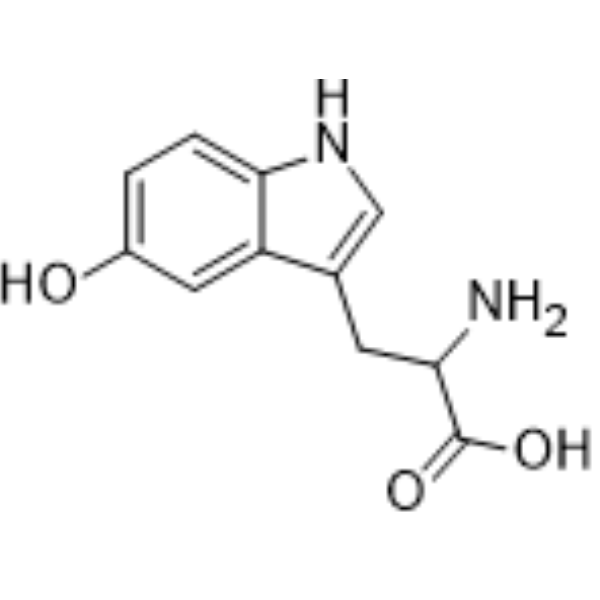
    5-Hydroxytryptophan
    2 Publications Verification

    5-HTP; DL-5-Hydroxytryptophan

    Endogenous Metabolite 5-HT Receptor Neurological Disease Metabolic Disease
    5-Hydroxytryptophan, a tryptophan metabolite, is a direct 5-hydroxytryptamine (5-HT) precursor and an L-aromatic amino acid decarboxylase substrate. .
    5-Hydroxytryptophan
  • HY-D0017

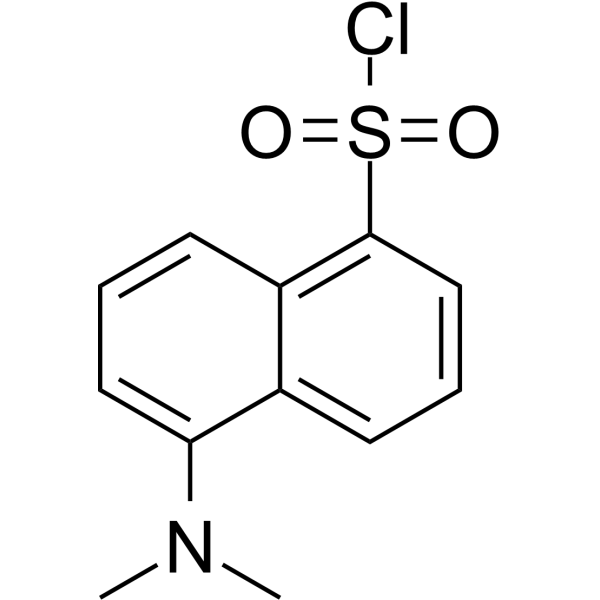
    DNSCl

    Fluorescent Dye Others
    Dansyl chloride is a reagent that produces stable blue or blue-green fluorescent sulfonamide adducts in the reaction of aliphatic and aromatic amines with primary amino groups, and is widely used for modified amino acids, protein sequencing and amino acid analysis .
    Dansyl chloride
  • HY-N0384

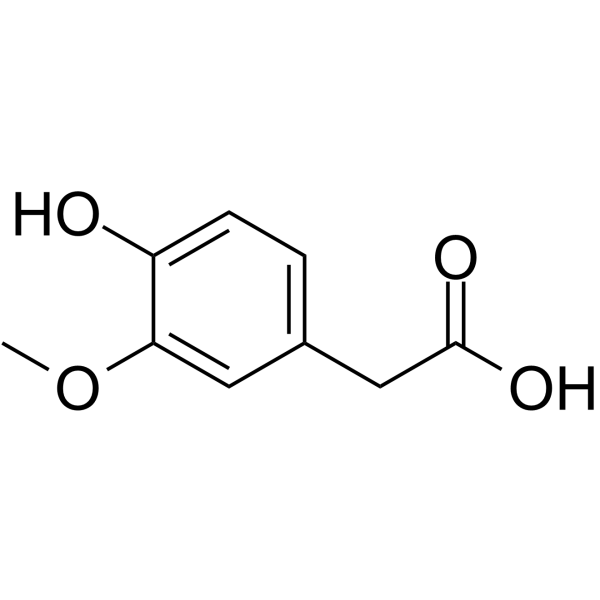
    Vanilacetic acid

    Drug Metabolite Endogenous Metabolite Autophagy Metabolic Disease
    Homovanillic acid (Vanilacetic acid) is a dopamine metabolite found to be associated with aromatic L-amino acid decarboxylase deficiency, celiac disease, growth hormone deficiency, and sepiapterin reductase deficiency .
    Homovanillic acid
  • HY-B0404A
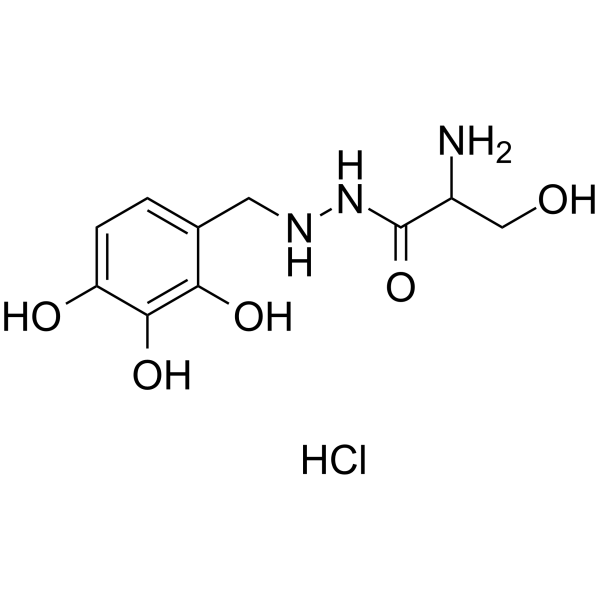
    Benserazide hydrochloride
    Maximum Cited Publications
    7 Publications Verification

    Ro 4-4602 hydrochloride

    Pyruvate Kinase Neurological Disease Cancer
    Benserazide hydrochloride (Serazide) is an aromatic L-amino acid decarboxylase (AADC) and L-DOPA decarboxylase inhibitor. Benserazide hydrochloride is also a PKM2 inhibitor. Benserazide hydrochloride directly binds to and blocks PKM2 enzyme activity, leading to inhibition of aerobic glycolysis concurrent up-regulation of OXPHOS. Benserazide hydrochloride can be used for the study of Parkinson's disease and melanoma .
    Benserazide hydrochloride
  • HY-N0130
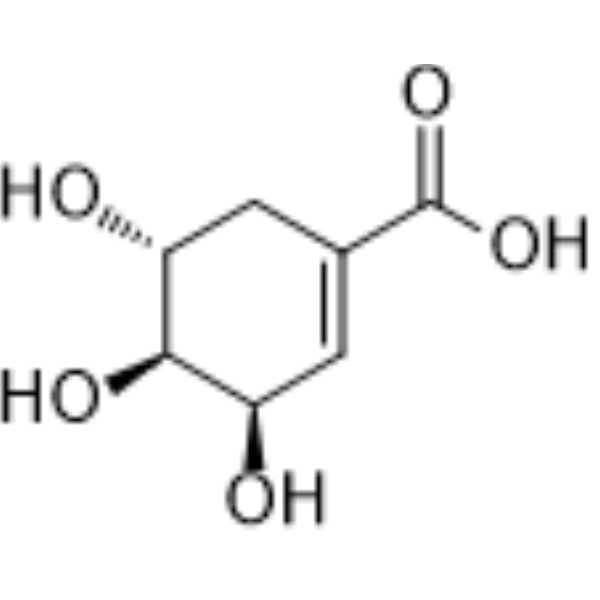
    Shikimic acid
    3 Publications Verification

    Endogenous Metabolite Others
    Shikimic acid is a key metabolic intermediate of the aromatic amino acid biosynthesis pathway, found in microbes and plants.
    Shikimic acid
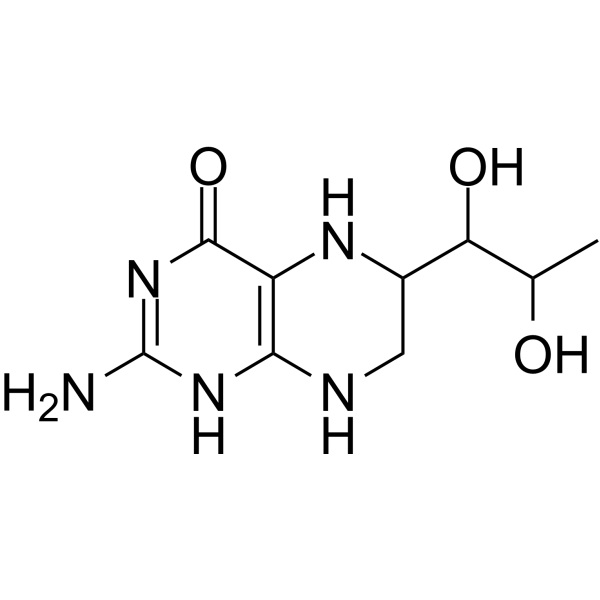
  • HY-107383
    Tetrahydrobiopterin
    3 Publications Verification

    (Rac)-Sapropterin

    NO Synthase Endogenous Metabolite Inflammation/Immunology
    Tetrahydrobiopterin ((Rac)-Sapropterin) is a cofactor of the aromatic amino acid hydroxylases enzymes and also acts as an essential cofactor for all nitric oxide synthase (NOS) isoforms.
    Tetrahydrobiopterin
  • HY-W011727A
    Pyridoxal 5'-​phosphate monohydrate
    4 Publications Verification

    Pyridoxal phosphate monohydrate

    Endogenous Metabolite Amyloid-β ERK Neurological Disease Metabolic Disease Cancer
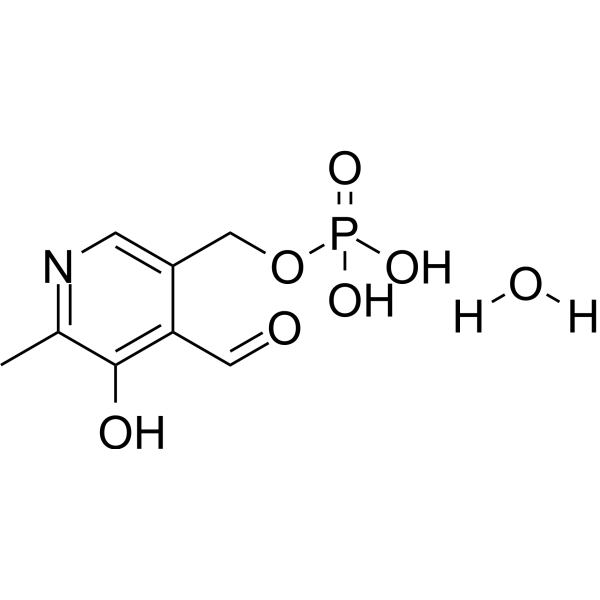
    Pyridoxal 5'-phosphate monohydrate, the active form of vitamin B6, is an essential cofactor for multiple enzymes, including aromatic l-amino acid decarboxylase that catalyzes the final stage in the production of the neurotransmitters dopamine and serotonin. Pyridoxal 5'-phosphate monohydrate is the most important coenzyme variant in the process of vitamin B6 intracellular phosphorylation and is interconvertible with other variants, including pyridoxine 5′‐phosphate (PNP) and pyridoxamine 5′‐phosphate (PMP) .
    Pyridoxal 5'-​phosphate monohydrate
  • HY-108910B
    TLCK-treated Chymotrypsin
    1 Publications Verification

    Ser/Thr Protease Others
    TLCK-treated Chymotrypsin is a serine protease. Chymotrypsin cleaves protein chains at the carboxyl side of aromatic amino acids. TLCK treated to inactivate residual tryspin activity .
    TLCK-treated Chymotrypsin
  • HY-B0863
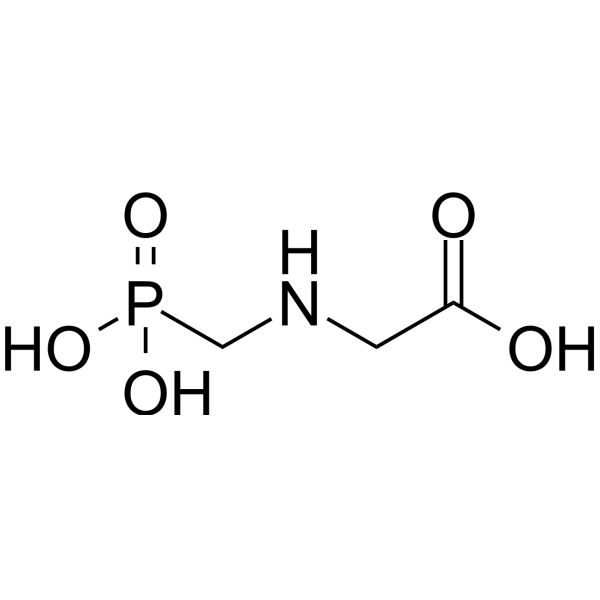
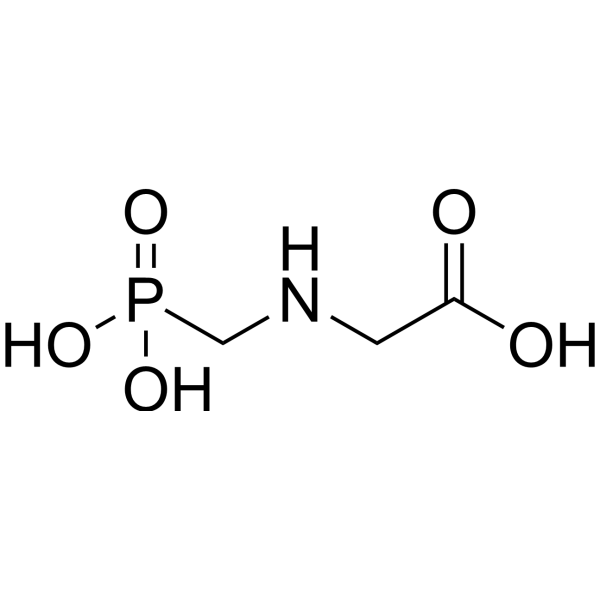
    Glyphosate
    1 Publications Verification

    Environmental Pollutants Necroptosis Apoptosis Autophagy Neurological Disease
    Glyphosate, a non-selective systemic biocide with broad-spectrum activity, is an herbicidal derivative of the amino acid glycine. Glyphosate inhibits the enzymatic activity of the 5-endopyruvylshikimate 3-phosphate synthase (EPSPS) in the shikimic acid pathway, preventing the synthesis of the aromatic amino acids tyrosine, phenylalanine, and tryptophan. Glyphosate induces oxidative stress, neuroinflammation, and mitochondrial dysfunction, processes that lead to neuronal death by autophagia, necrosis, or apoptosis, as well as the appearance of behavioral and motor disorders .
    Glyphosate
  • HY-W440823A

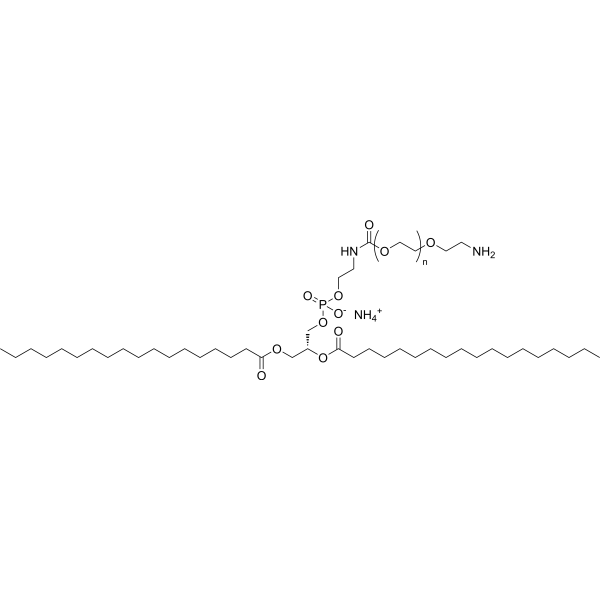
    DSPE-PEG1000-NH2 ammonium

    Liposome Cancer
    DSPE-PEG1000-Amine (DSPE-PEG1000-NH2) ammonium is a 1,2-distearoyl-sn-glycero-3-phosphoethanolamine-polyethylene glycol conjugate with a terminal amino group. DSPE-PEG1000-Amine ammonium can functionalize the surface of PLGA-lecithin-PEG core-shell nanoparticles to introduce positive surface charges. The amino group of DSPE-PEG1000-Amine ammonium can be converted into an aromatic aldehyde to react with the acetone-protected aromatic hydrazide on the surface of bovine carbonic anhydrase (BCA) molecules .
    DSPE-PEG1000-Amine ammonium
  • HY-121275
    Benserazide
    Maximum Cited Publications
    7 Publications Verification

    Ro 4-4602

    Pyruvate Kinase Neurological Disease Cancer
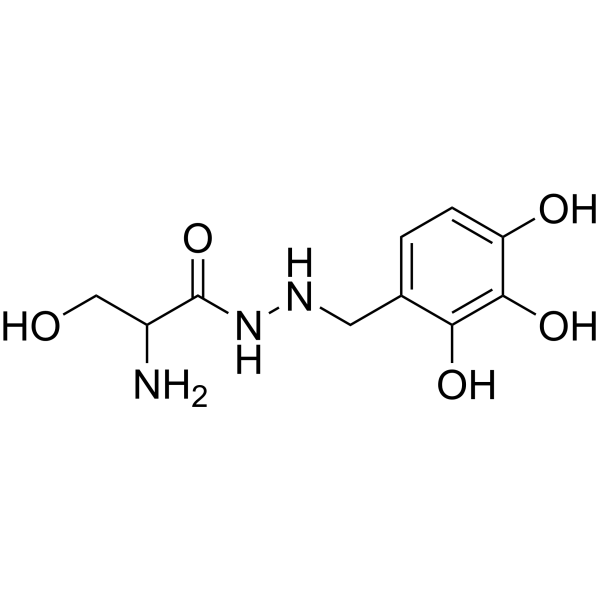
    Benserazide is an aromatic L-amino acid decarboxylase (AADC) and L-DOPA decarboxylase inhibitor. Benserazide is also a PKM2 inhibitor. Benserazide directly binds to and blocks PKM2 enzyme activity, leading to inhibition of aerobic glycolysis concurrent up-regulation of OXPHOS. Benserazide can be used for the study of Parkinson's disease and melanoma .
    Benserazide
  • HY-W011727S

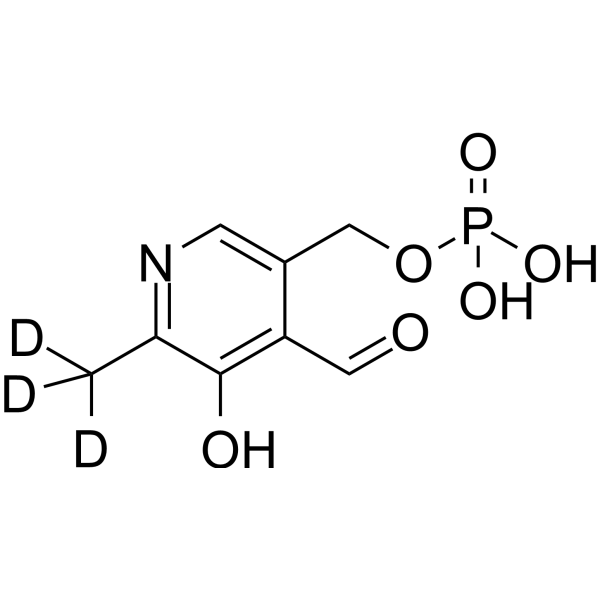
    Pyridoxal 5'-phosphate-d3

    Endogenous Metabolite Amyloid-β ERK Neurological Disease Metabolic Disease Cancer
    Pyridoxal Phosphate-d3 is the deuterium labeled Pyridoxal 5'-phosphate. Pyridoxal 5'-phosphate, the active form of vitamin B6, is an essential cofactor for multiple enzymes, including aromatic l-amino acid decarboxylase that catalyzes the final stage in the production of the neurotransmitters dopamine and serotonin. Pyridoxal 5'-phosphate is the most important coenzyme variant in the process of vitamin B6 intracellular phosphorylation and is interconvertible with other variants, including pyridoxine 5′‐phosphate (PNP) and pyridoxamine 5′-phosphate (PMP) .
    Pyridoxal Phosphate-d3
  • HY-W019599

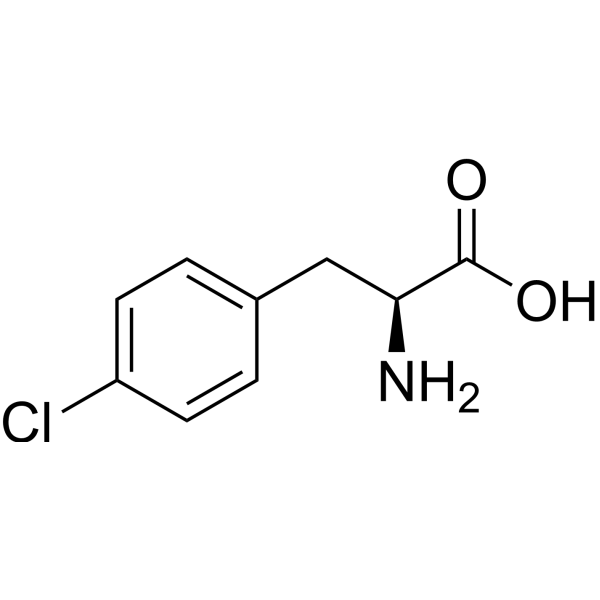
    L-PCPA

    5-HT Receptor Tryptophan Hydroxylase Neurological Disease
    4-Chloro-L-phenylalanine (L-PCPA) is a tryptophan hydroxylase inhibitor targeting TPH1 and TPH2, with the activity of blocking serotonin biosynthesis. 4-Chloro-L-phenylalanine reduces the levels of serotonin and its metabolites in the brain without impairing the survival of serotonergic neurons. 4-Chloro-L-phenylalanine enhances anhedonic, depression-like and anxiety-like behaviors in mice with depleted noradrenergic and dopaminergic neurons. 4-Chloro-L-phenylalanine acts as a decarboxylation substrate for aromatic L-amino acid decarboxylase from Bacillus atrophaeus. 4-Chloro-L-phenylalanine can be used in studies related to Parkinson's disease .
    4-Chloro-L-phenylalanine
  • HY-W011727
    Pyridoxal 5'-phosphate hydrate
    4 Publications Verification

    Pyridoxal phosphate hydrate

    Endogenous Metabolite Amyloid-β ERK Neurological Disease Metabolic Disease Cancer
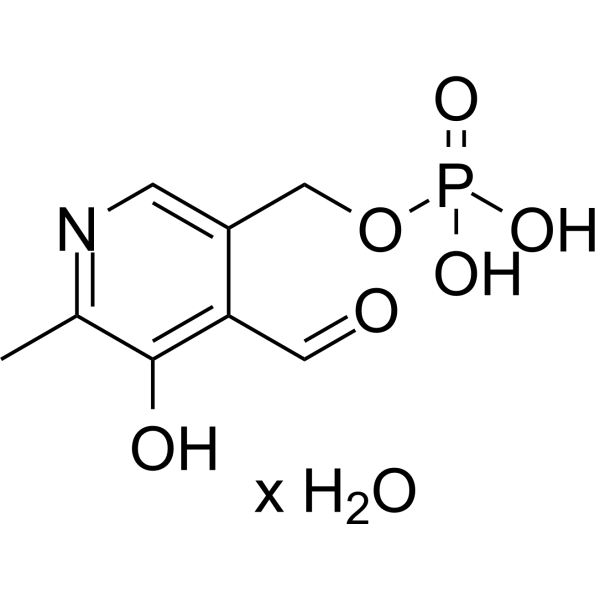
    Pyridoxal 5'-phosphate hydrate, the active form of vitamin B6, is an essential cofactor for multiple enzymes, including aromatic l-amino acid decarboxylase that catalyzes the final stage in the production of the neurotransmitters dopamine and serotonin. Pyridoxal 5'-phosphate hydrate is the most important coenzyme variant in the process of vitamin B6 intracellular phosphorylation and is interconvertible with other variants, including pyridoxine 5′‐phosphate (PNP) and pyridoxamine 5′-phosphate (PMP) .
    Pyridoxal 5'-phosphate hydrate
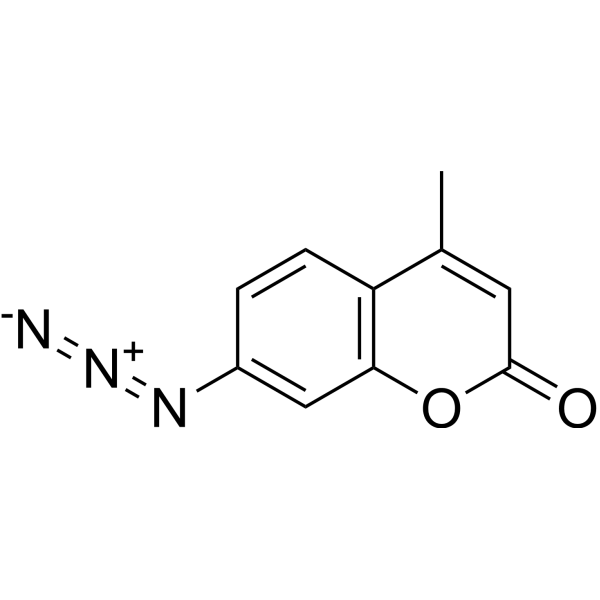
  • HY-119323
    7-Azido-4-methylcoumarin
    1 Publications Verification

    Fluorescent Dye Others
    7-Azido-4-methylcoumarin is a selective coumarin-based fluorescent probe for hydrogen sulfide (H2S). In the presence of H2S, the aromatic azido group of 7-Azido-4-methylcoumarin is selectively reduced to produce the fluorescently active 7-amino-4-methylcoumarin (AMC). 7-Azido-4-methylcoumarin binds to the coumarin/phenol-binding site of BSA, the aglycone-binding site of UGT1A6, and the substrate-binding site of SULT1A1, respectively. 7-Azido-4-methylcoumarin retains its fluorescent properties after covalent binding, acts as a fluorescent H2S probe, and does not react with cysteine, homocysteine or glutathione (Ex/Em = 340/445 nm) .
    7-Azido-4-methylcoumarin
  • HY-113468

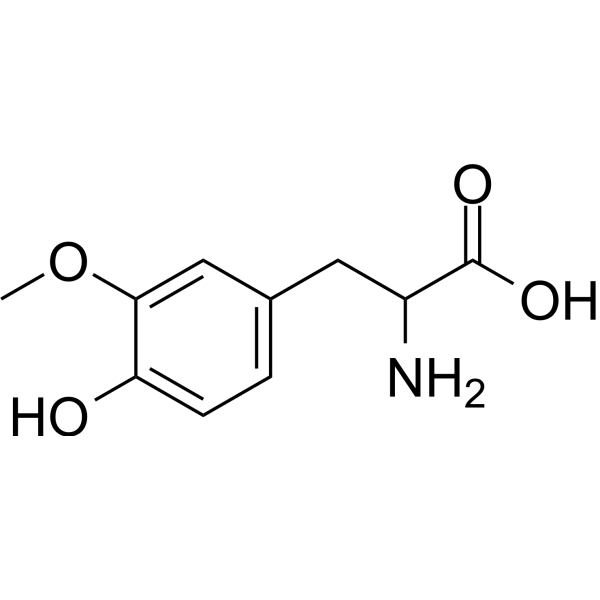
    3-Methoxytyrosine

    Endogenous Metabolite Neurological Disease
    3-O-Methyl-DL-DOPA is an endogenous metabolite present in Cerebrospinal_Fluid that can be used for the research of Epilepsy, Purine Nucleoside Phosphorylase Deficiency and Aromatic L Amino Acid Decarboxylase Deficiency .
    3-O-Methyl-DL-DOPA
  • HY-B0863R

    Reference Standards Apoptosis Autophagy Necroptosis Cancer
    Glyphosate (Standard) is the analytical standard of Glyphosate. This product is intended for research and analytical applications. Glyphosate is an herbicidal derivative of the amino acid glycine. Glyphosate targets and blocks a plant metabolic pathway not found in animals, the shikimate pathway, required for the synthesis of aromatic amino acids in plants .
    Glyphosate (Standard)
  • HY-109131

    ABBV-951; Carbidopa 4′-monophosphate

    Aryl Hydrocarbon Receptor Drug Metabolite Neurological Disease
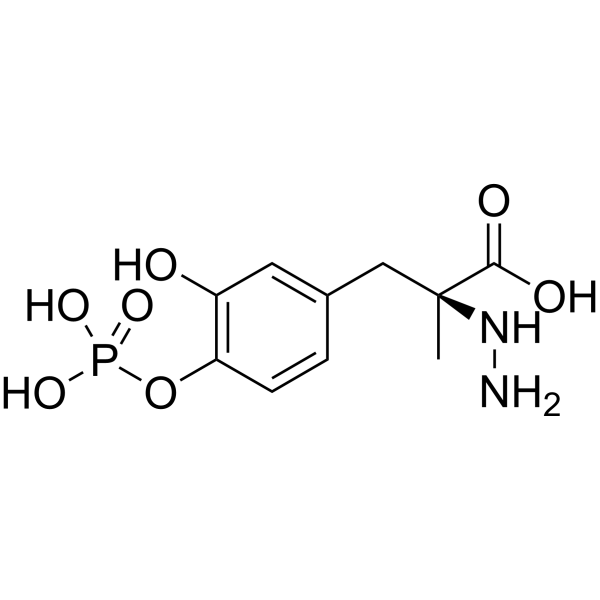
    Foscarbidopa (ABBV-951; Carbidopa 4′-monophosphate) is an inhibitory prodrug targeting peripheral aromatic L-amino acid decarboxylase. Foscarbidopa is hydrolyzed into Carbidopa (HY-B0311) by phosphatases in vivo to suppress peripheral metabolism of levodopa and elevate brain delivery of levodopa. Foscarbidopa can be used for the research of Parkinson’s disease and advanced Parkinson’s disease .
    Foscarbidopa
  • HY-Y0123

    Drug Derivative Infection Neurological Disease
    DL-Tyrosine is an aromatic nonessential amino acid synthesized from the essential amino acid phenylalanine. DL-Tyrosine is a precursor for several important neurotransmitters (epinephrine, norepinephrine, dopamine) .
    DL-Tyrosine
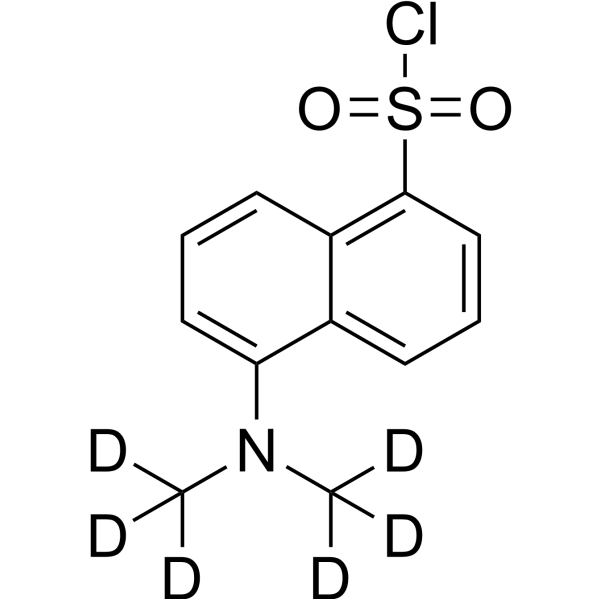
  • HY-D0017S

    DNSCl-d6

    Biochemical Assay Reagents Others
    Dansyl chloride-d6 is the deuterium labeled Dansyl chloride (HY-D0017). Dansyl chloride is a reagent that produces stable blue or blue-green fluorescent sulfonamide adducts in the reaction of aliphatic and aromatic amines with primary amino groups, and is widely used for modified amino acids, protein sequencing and amino acid analysis .
    Dansyl chloride-d6
  • HY-B0863S3

    Isotope-Labeled Compounds Apoptosis Autophagy Necroptosis Neurological Disease
    Glyphosate- 13C2, 15N is the 13C and 15N labled Glyphosate (HY-B0863). Glyphosate is an herbicidal derivative of the amino acid glycine. Glyphosate targets and blocks a plant metabolic pathway not found in animals, the shikimate pathway, required for the synthesis of aromatic amino acids in plants .
    Glyphosate-13C2,15N
  • HY-N0384S2

    Vanilacetic acid-d5

    Isotope-Labeled Compounds Autophagy Endogenous Metabolite Drug Metabolite Neurological Disease Metabolic Disease
    Homovanillic acid-d5 (Vanilacetic acid-d5) is the deuterium labeled Homovanillic acid (HY-N0384). Homovanillic acid (Vanilacetic acid) is a dopamine metabolite found to be associated with aromatic L-amino acid decarboxylase deficiency, celiac disease, growth hormone deficiency, and sepiapterin reductase deficiency .
    Homovanillic acid-d5
  • HY-P4560

    Pro-Phe

    Angiotensin-converting Enzyme (ACE) Cardiovascular Disease
    H-Pro-Phe-OH is a dipeptide containing proline and phenylalanine, which can serve as a substrate for prolinase. H-Pro-Phe-OH can also be used for polypeptide synthesis, where phenylalanine is an aromatic amino acid that can inhibit the activity of Angiotensin-converting enzyme (ACE, HY-P2983) .
    H-Pro-Phe-OH
  • HY-W041343

    Benzoylbenzoicacid

    Bacterial Antibiotic Photosensitizer Infection
    4-(Phenylcarbonyl)benzoic acid is a photooxidant. Upon light activation, 4-(Phenylcarbonyl)benzoic acid forms an electrophilic aromatic ketone that acts as an oxidant in organic synthesis or biological systems. 4-(Phenylcarbonyl)benzoic acid has been used in the study of amino acid oxidation, as well as the synthesis of photoactivated antibacterial and antiviral compounds 1 2 3.
    4-Benzoylbenzoic acid
  • HY-W747676

    Isotope-Labeled Compounds Apoptosis Autophagy Necroptosis Neurological Disease
    Glyphosate- 13C is the 13C-labeled Glyphosate (HY-B0863). Glyphosate, a non-selective systemic biocide with broad-spectrum activity, is an herbicidal derivative of the amino acid glycine. Glyphosate inhibits the enzymatic activity of the 5-endopyruvylshikimate 3-phosphate synthase (EPSPS) in the shikimic acid pathway, preventing the synthesis of the aromatic amino acids tyrosine, phenylalanine, and tryptophan. Glyphosate induces oxidative stress, neuroinflammation, and mitochondrial dysfunction, processes that lead to neuronal death by autophagia, necrosis, or apoptosis, as well as the appearance of behavioral and motor disorders .
    Glyphosate-13C
  • HY-W003445

    Endogenous Metabolite Neurological Disease
    4-Bromo-3-hydroxybenzoic acid is a metabolite of Brocresine and a histidine decarboxylase (HDC) inhibitor with IC50s of 1 mM for both rat fetal and rat gastric HDC. 4-Bromo-3-hydroxybenzoic acid also inhibits aromatic-L-amino acid decarboxylase from hog kidney and rat gastric mucosa in vitro with IC50s of 1 mM for both enzymes .
    4-Bromo-3-hydroxybenzoic acid
  • HY-N3394

    Others Infection
    Lecanoric acid is a histidine-decarboxylase inhibitor isolated from fungus. The inhibition by lecanoric acid is competitive with histidineand noncompetitive with pyridoxal phosphate. Lecanoric acid did not inhibit aromatic amino acid decarboxylase .
    Lecanoric acid
  • HY-N0130R

    Reference Standards Endogenous Metabolite Others
    Shikimic acid (Standard) is the analytical standard of Shikimic acid. This product is intended for research and analytical applications. Shikimic acid is a key metabolic intermediate of the aromatic amino acid biosynthesis pathway, found in microbes and plants.
    Shikimic acid (Standard)
  • HY-P3150

    Ser/Thr Protease Others
    Recombinant Proteinase K is a serine protease that cleaves the carboxy-terminated peptide bonds of aliphatic and aromatic amino acids. Recombinant Proteinase K can be used to digest proteins and remove contamination from nucleic acid preparations .
    Recombinant Proteinase K
  • HY-P2981

    Carboxypeptidase Y; EC 3.4.16.1

    Carboxypeptidase Others
    Carboxypeptidase C is a carboxypeptidase, is often used in biochemical studies. Carboxypeptidase C removes COOH-terminal lysine, arginine, and proline, as well as all other neutral, aliphatic, aromatic, and the acidic protein amino acids of a peptide chain .
    Carboxypeptidase C
  • HY-N0384R

    Vanilacetic acid (Standard)

    Reference Standards Autophagy Endogenous Metabolite Drug Metabolite Neurological Disease Metabolic Disease
    Homovanillic acid (Standard) (Vanilacetic acid (Standard)) is the analytical standard of Homovanillic acid (HY-N0384). This product is intended for research and analytical applications. Homovanillic acid (Vanilacetic acid) is a dopamine metabolite found to be associated with aromatic L-amino acid decarboxylase deficiency, celiac disease, growth hormone deficiency, and sepiapterin reductase deficiency .
    Homovanillic acid (Standard)
  • HY-N10479

    DNA/RNA Synthesis Drug Intermediate Endogenous Metabolite Bacterial Infection
    Chorismic acid is a precursor for the biosynthesis of aromatic amino acids and vitamins, as well as a key metabolite in tRNA modification. Chorismic acid is a critical metabolite for the synthesis of cmo 5U. Deficiency of Chorismic acid inhibits the formation of cmo 5U and mcmo 5U. Chorismic acid can be used in studies of S. typhimurium and E. coli infections .\n


    Chorismic acid
  • HY-W002820

    Endogenous Metabolite Cancer
    2-Amino-5-phenylpyridine is a mutagenic heterocyclic aromatic amine that is formed by pyrolysis of phenylalanine in proteins. 2-Amino-5-phenylpyridine is in broiled sardines and is considered as potentially carcinogenic .
    2-Amino-5-phenylpyridine
  • HY-113305

    Endogenous Metabolite Metabolic Disease
    Dopamine 3-O-sulfate mainly exists in plasma and can be used as a biomarker to characterize aromatic amino acid decarboxylase (AADC) deficiency .
    Dopamine 3-O-sulfate
  • HY-Y0123S

    Isotope-Labeled Compounds Neurological Disease
    L-Tyrosine- 13C9, 15N is the 13C- and 15N-labeled L-Tyrosine. L-Tyrosine is an aromatic nonessential amino acid synthesized from the essential amino acid phenylalanine. L-Tyrosine is a precursor for several important neurotransmitters (epinephrine, norepinephrine, dopamine) .
    L-Tyrosine-13C9,15N
  • HY-155908

    DSPE-PEG10000-NH2 ammonium

    Liposome Others
    DSPE-PEG10000-Amine ammonium is a phosphoethanolamine involved in the synthesis of liposomes for delivery systems. The amino group of DSPE-PEG10000-Amine ammonium can be converted into aromatic aldehydes by reacting with acetone-protected aromatic hydrazines on the surface of bovine carbonic anhydrase (BCA) molecules. Liposomes form a liposome-BAH-BCA conjugate by forming a bisarylhydrazone (BAH) with the target enzyme molecule. The conjugate catalyzes the hydration of carbon dioxide to bicarbonate.
    DSPE-PEG10000-Amine ammonium
  • HY-155907

    DSPE-PEG5000-NH2 ammonium

    Liposome Others
    DSPE-PEG5000-Amine ammonium is a phosphoethanolamine involved in the synthesis of liposomes for delivery systems. DSPE-PEG5000-Amine ammonium amino group can be converted to aromatic aldehydes that react with acetone-protected aromatic hydrazides on the surface of the bovine carbonic anhydrase (BCA) molecule. Liposomes produce liposome-Bah-BCA conjugates by forming diaryl hydrazone (BAH) with target enzyme molecules. The conjugate catalyzes the hydration of carbon dioxide to bicarbonate.
    DSPE-PEG5000-Amine ammonium
  • HY-N0384S

    Vanilacetic acid-d3

    Isotope-Labeled Compounds Autophagy Endogenous Metabolite Drug Metabolite Neurological Disease Metabolic Disease
    Homovanillic acid-d3 (Vanilacetic acid-d3) is the deuterium labeled Homovanillic acid (HY-N0384). Homovanillic acid (Vanilacetic acid) is a dopamine metabolite found to be associated with aromatic L-amino acid decarboxylase deficiency, celiac disease, growth hormone deficiency, and sepiapterin reductase deficiency .
    Homovanillic acid-d3
  • HY-113468R

    3-Methoxytyrosine (Standard)

    Endogenous Metabolite Reference Standards Neurological Disease
    3-O-Methyl-DL-DOPA (Standard) is the analytical standard of 3-O-Methyl-DL-DOPA. This product is intended for research and analytical applications. 3-O-Methyl-DL-DOPA is an endogenous metabolite present in Cerebrospinal_Fluid that can be used for the research of Epilepsy, Purine Nucleoside Phosphorylase Deficiency and Aromatic L Amino Acid Decarboxylase Deficiency [4].
    3-O-Methyl-DL-DOPA (Standard)
  • HY-B0404AR

    Ro 4-4602 hydrochloride (Standard)

    Reference Standards Pyruvate Kinase Neurological Disease Cancer
    Benserazide hydrochloride (Standard) (Serazide (Standard)) is the analytical standard of Benserazide hydrochloride (HY-B0404A). This product is intended for research and analytical applications. Benserazide hydrochloride (Serazide) is an aromatic L-amino acid decarboxylase (AADC) and L-DOPA decarboxylase inhibitor. Benserazide hydrochloride is also a PKM2 inhibitor. Benserazide hydrochloride directly binds to and blocks PKM2 enzyme activity, leading to inhibition of aerobic glycolysis concurrent up-regulation of OXPHOS. Benserazide hydrochloride can be used for the study of Parkinson's disease and melanoma .
    Benserazide hydrochloride (Standard)
  • HY-B0863S

    Isotope-Labeled Compounds Apoptosis Autophagy Necroptosis Neurological Disease
    Glyphosate-d2 is the deuterium labeled Glyphosate. Glyphosate is an herbicidal derivative of the amino acid glycine. Glyphosate targets and blocks a plant metabolic pathway not found in animals, the shikimate pathway, required for the synthesis of aromatic amino acids in plants .
    Glyphosate-d2
  • HY-N0384S1

    Vanilacetic acid-d2

    Isotope-Labeled Compounds Autophagy Endogenous Metabolite Drug Metabolite Neurological Disease Metabolic Disease
    Homovanillic acid-d2 (Vanilacetic acid-d2) is the deuterium labeled Homovanillic acid (HY-N0384). Homovanillic acid (Vanilacetic acid) is a dopamine metabolite found to be associated with aromatic L-amino acid decarboxylase deficiency, celiac disease, growth hormone deficiency, and sepiapterin reductase deficiency .
    Homovanillic acid-d2
  • HY-B0404AS

    Ro 4-4602-d3 hydrochloride

    Isotope-Labeled Compounds Pyruvate Kinase Neurological Disease Cancer
    Benserazide-d3 (hydrochloride) is the deuterium labeled Benserazide hydrochloride (HY-B0404A). Benserazide hydrochloride (Serazide) is an aromatic L-amino acid decarboxylase (AADC) and L-DOPA decarboxylase inhibitor. Benserazide hydrochloride is also a PKM2 inhibitor. Benserazide hydrochloride directly binds to and blocks PKM2 enzyme activity, leading to inhibition of aerobic glycolysis concurrent up-regulation of OXPHOS. Benserazide hydrochloride can be used for the study of Parkinson's disease and melanoma .
    Benserazide-d3 hydrochloride
  • HY-W141825

    Fluorescent Dye Infection Metabolic Disease
    N-Acetyl-DL-phenylalanine β-naphthyl ester is an aromatic amino acid ester, which functions as a chromogenic substrate for chymotrypsin and microbial serine proteases such as subtilisin .
    N-Acetyl-DL-phenylalanine β-naphthyl ester
  • HY-113154

    VLA

    Endogenous Metabolite Others
    Vanillactic acid (VLA) is a relevant biomarker associated with Aromatic L-amino acid decarboxylase (AADC) deficiency. AADC deficiency is a primary neurotransmitter defect of the biosynthesis of catecholamines and serotonin .
    Vanillactic acid
  • HY-W002114

    Bacterial Infection
    4-Amino-3-hydroxybenzoic acid is an aromatic substrate degradable by Bordetella sp. strain 10d. 4-Amino-3-hydroxybenzoic acid can serve as a carbon source, nitrogen source and energy source for the growth of Bordetella sp. strain 10d. 4-Amino-3-hydroxybenzoic acid acts as a substrate for 2-amino-5-carboxymuconate-6-semialdehyde deaminase and 4-amino-3-hydroxybenzoate 2,3-dioxygenase .
    4-Amino-3-hydroxybenzoic acid
  • HY-P1512

    SOD Cancer
    Antioxidant peptide A is a short peptide, which contains alternative aromatic or sulfur-containing amino acid. The side chains of Antioxidant peptide A are believed to contribute to strong radical scavenging activities of peptides in the cancer cell.
    Antioxidant peptide A
  • HY-W587874

    Fluorescent Dye Others
    Disperse Orange 3 is a monoazo dye characterized by a dye content of 90% along with dispersing agents and surfactants; it features two aromatic rings, one of which possesses an amino group while the other is modified with a nitro group, exhibiting a prominent absorption peak at 415 nm.
    Disperse orange 3
  • HY-N0122R

    5-HTP (Standard); DL-5-Hydroxytryptophan (Standard)

    Endogenous Metabolite 5-HT Receptor Reference Standards Neurological Disease Metabolic Disease
    5-Hydroxytryptophan (Standard) is the analytical standard of 5-Hydroxytryptophan. This product is intended for research and analytical applications. 5-Hydroxytryptophan, a tryptophan metabolite, is a direct 5-hydroxytryptamine (5-HT) precursor and an L-aromatic amino acid decarboxylase substrate. .
    5-Hydroxytryptophan (Standard)
  • HY-B0863B

    Apoptosis Autophagy Necroptosis Neurological Disease
    Glyphosate isopropylammonium, a non-selective systemic biocide with broad-spectrum activity, is an herbicidal derivative of the amino acid glycine. Glyphosate isopropylammonium inhibits the enzymatic activity of the 5-endopyruvylshikimate 3-phosphate synthase (EPSPS) in the shikimic acid pathway, preventing the synthesis of the aromatic amino acids tyrosine, phenylalanine, and tryptophan. Glyphosate isopropylammonium induces oxidative stress, neuroinflammation, and mitochondrial dysfunction, processes that lead to neuronal death by autophagia, necrosis, or apoptosis, as well as the appearance of behavioral and motor disorders .
    Glyphosate isopropylammonium

Inquiry Online

Your information is safe with us. * Required Fields.

Salutation


Country or Region *

Applicant Name *


Organization Name *

Department *


Email Address *


Product Name *

Cat. No.


Requested quantity *

Phone Number *


Remarks

Inquiry Online

Inquiry Information

Product Name:
Cat. No.:
Quantity:
MCE Japan Authorized Agent:

