1. Search Result
Search Result
Pathways Recommended: MAPK/ERK Pathway
Results for "

biosynthesis pathways

" in MedChemExpress (MCE) Product Catalog:

159

Inhibitors & Agonists

5

Screening Libraries

6

Biochemical Assay Reagents

6

Peptides

48

Natural
Products

13

Isotope-Labeled Compounds

6

Oligonucleotides

Cat. No. Product Name Target Research Areas Chemical Structure
  • HY-F0003
    NADPH tetrasodium salt
    Maximum Cited Publications
    18 Publications Verification

    Ferroptosis Endogenous Metabolite Metabolic Disease Cancer
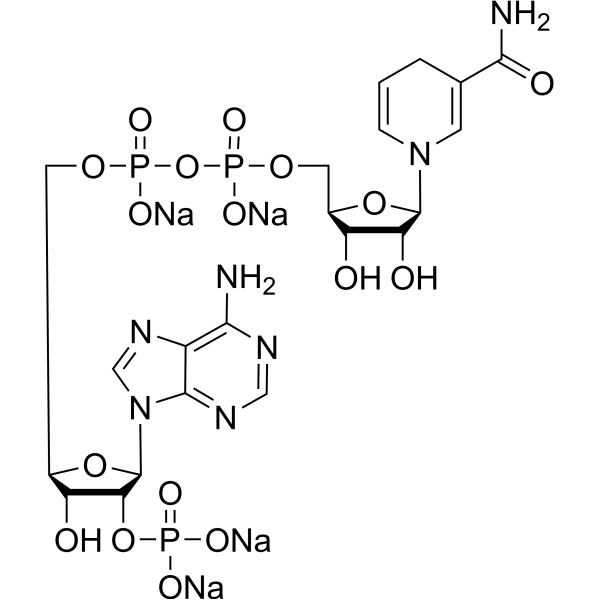
    NADPH tetrasodium salt functions as an important cofactor in a variety of metabolic and biosynthetic pathways. NADPH tetrasodium salt is an endogenous inhibitor of ferroptosis. NADPH tetrasodium salt plays a vital role in the biosynthesis of agents, chiral alcohols, fatty acids and biopolymers, while also being required for lipid biosynthesis, biomass formation, and cell replication .
    NADPH tetrasodium salt
  • HY-N0130
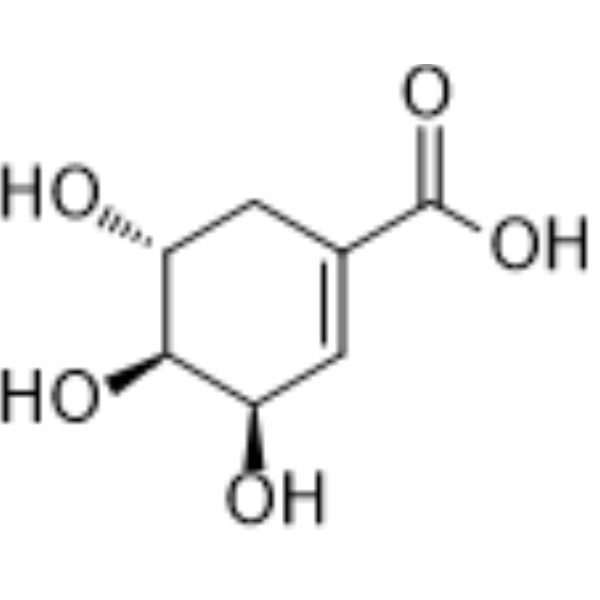
    Shikimic acid
    3 Publications Verification

    Endogenous Metabolite Others
    Shikimic acid is a key metabolic intermediate of the aromatic amino acid biosynthesis pathway, found in microbes and plants.
    Shikimic acid
  • HY-134433

    Endogenous Metabolite Metabolic Disease
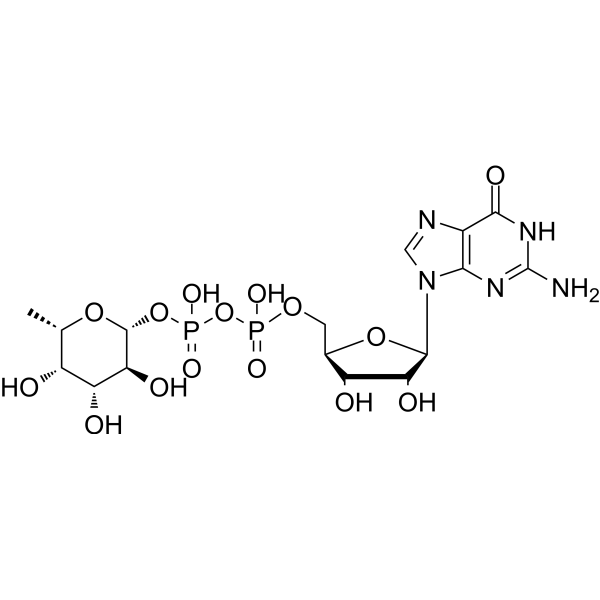
    GDP-L-fucose is a nucleotide sugar that is a key substrate for the biosynthesis of fucose oligosaccharides, providing the fucose moiety for the oligosaccharides.The formation of GDP-L-fucose occurs through two pathways, the major ab initio metabolic pathway and the minor remedial metabolic pathway. GDP-L-fucose is associated with diabetes in rats .
    GDP-L-fucose
  • HY-104029

    F901318

    Fungal Dihydroorotate Dehydrogenase Infection
    Olorofim (F901318) selectively inhibits fungal dihydroorotate dehydrogenase (DHODH), a key enzyme in the pyrimidine biosynthesis pathway. Olorofim (F901318). Olorofim exhibits excellent activity against A. fumigatus and other Aspergillus spp. .
    Olorofim
  • HY-113131

    DHAP

    Endogenous Metabolite Biochemical Assay Reagents Metabolic Disease
    Dihydroxyacetone phosphate (DHPA), a derivative of Dihydroxyacetone (DHA), is an important intermediate that participates in key pathways including glycolysis, lipid biosynthesis, and the plant Calvin cycle. Dihydroxyacetone phosphate can be used as a substrate and metabolic marker in biochemical research .
    Dihydroxyacetone phosphate
  • HY-W015924

    Endogenous Metabolite Metabolic Disease
    2-Hydroxyisobutyric acid (2-HIBA) is a selective modulator of the Insulin/IGF-1 pathway and the p38 MAPK pathway, which reduces reactive oxygen species (ROS) and fat accumulation in Caenorhabditis elegans. 2-Hydroxyisobutyric acid promotes β-oxidation and inhibits fatty acid synthesis by upregulating SKN-1/NRF2 and downregulating SREBP-1c transcription factors. 2-Hydroxyisobutyric acid has anti-aging and lipid-lowering effects, and can be used to study metabolic diseases such as obesity and diabetes. 2-Hydroxyisobutyric acid is also a renewable precursor of methacrylate through 2-HIB-CoA mutase-mediated biosynthesis[1][2].
    2-Hydroxyisobutyric acid
  • HY-16274
    Lapaquistat acetate
    1 Publications Verification

    TAK-475

    Farnesyl Transferase Metabolic Disease
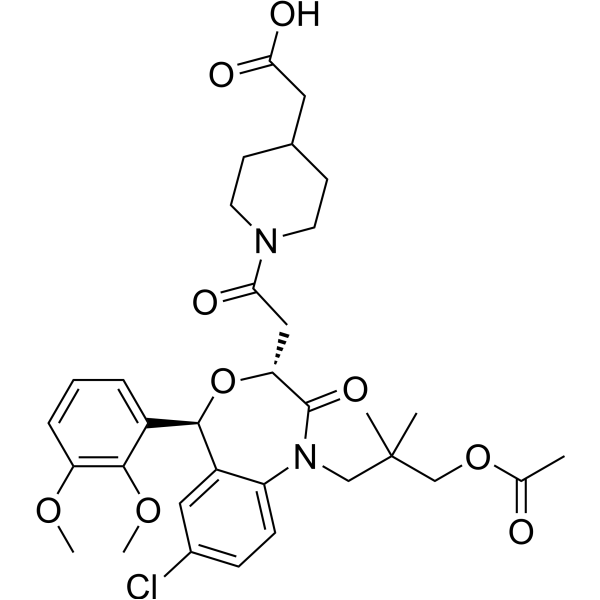
    Lapaquistat acetate (TAK-475) is a squalene synthase inhibitor, blocking the conversion of farnesyl diphosphate (FPP) to squalene in the cholesterol biosynthesis pathway . Lapaquistat acetate is effective at lowering low-density lipoprotein cholesterol, but it might cause liver damage. Lapaquistat acetate is used for hypercholesterolemia and mevalonate kinase deficiency (MKD) research .
    Lapaquistat acetate
  • HY-114295A

    Geranyl pyrophosphate triammonium

    Endogenous Metabolite Metabolic Disease
    Geranyl diphosphate triammonium is a key intermediate in the isoprenoid biosynthesis pathway (IBP). Geranyl diphosphate triammonium plays key roles in cellular metabolism and is responsible for the production of both sterol and non-sterol isoprenoids .
    Geranyl diphosphate triammonium
  • HY-116956

    Biochemical Assay Reagents Others
    D-Erythrose is a four-carbon sugar classified as an aldose. D-Erythrose has unique chemical properties that make it an important intermediate in various metabolic pathways, especially in the biosynthesis of amino acids and nucleotides. It also plays a role in the pentose phosphate pathway, which generates reducing equivalents for biosynthetic reactions and cellular defense against oxidative damage.
    D-Erythrose (50% in water)
  • HY-E70009

    ACO

    Glutathione Peroxidase Others
    Acyl-CoA oxidase (ACO) is a peroxisomal catalyst. Acyl-CoA oxidase acts as a key rate-limiting enzyme in the process of peroxisomal fatty acid β-oxidation. Acyl-CoA oxidase participates in lipid catabolism and phytohormone biosynthesis pathways .
    Acyl-CoA oxidase
  • HY-16343
    NB-598
    10+ Cited Publications

    COX Metabolic Disease
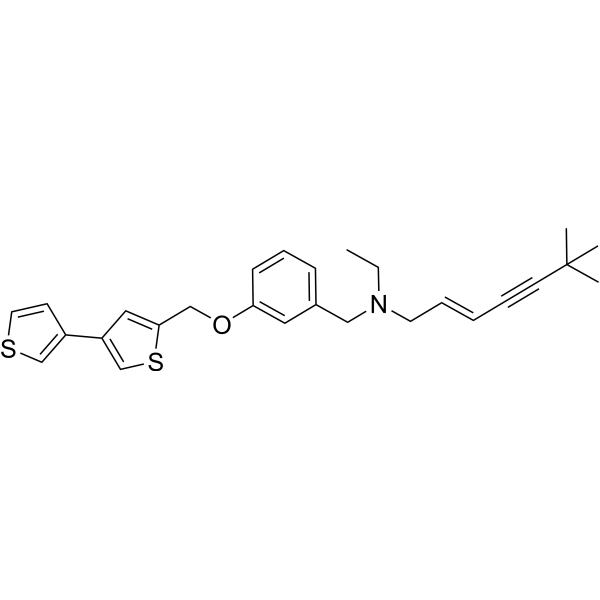
    NB-598 is a potent and competitive inhibitor of squalene epoxidase (SE), and suppresses triglyceride biosynthesis through the farnesol pathway. NB-598 is a click chemistry reagent, it contains an Alkyne group and can undergo copper-catalyzed azide-alkyne cycloaddition (CuAAc) with molecules containing Azide groups.
    NB-598
  • HY-133068

    COMT Endogenous Metabolite Others
    5-Hydroxyferulic acid is a hydroxycinnamic acid and is a metabolite of the phenylpropanoid pathway. 5-Hydroxyferulic acid is a precursor in the biosynthesis of sinapic acid and is also a COMT non-esterifed substrate .
    5-Hydroxyferulic acid
  • HY-113131A

    DHAP hemimagnesium hydrate

    Endogenous Metabolite Biochemical Assay Reagents Metabolic Disease
    Dihydroxyacetone phosphate (DHPA) hemimagnesium hydrate, a derivative of Dihydroxyacetone (DHA), is an important intermediate that participates in key pathways including glycolysis, lipid biosynthesis, and the plant Calvin cycle. Dihydroxyacetone phosphate hemimagnesium hydrate can be used as a substrate and metabolic marker in biochemical research .
    Dihydroxyacetone phosphate hemimagnesium hydrate
  • HY-N7392A

    3-Oxobutanoyl-coenzyme A sodium hydrate

    Endogenous Metabolite Metabolic Disease
    Acetoacetyl CoA sodium hydrate is the precursor of HMG-CoA in the mevalonate pathway. Acetoacetyl-CoA thiolase catalyzes the reaction to form acetoacetyl-CoA sodium hydrate from two acetyl-CoA molecules. Acetoacetyl CoA sodium hydrate is essential for cholesterol biosynthesis. Acetoacetyl-CoA sodium hydrate is also a intermediate in the biological breakdown and synthesis of fatty acids .
    Acetoacetyl-CoA sodium hydrate
  • HY-177105

    Bacterial Infection
    JNJ-6640 is an inhibitor targeting mycobacterial PurF (the first enzyme in the de novo purine biosynthesis pathway) with potent anti-tuberculosis activity. JNJ-6640 exhibits bactericidal activity against Mycobacterium tuberculosis in vitro, with an MIC90 of 8.6 nM. JNJ-6640 disrupts de novo purine biosynthesis, inhibits M. tuberculosis DNA replication in vivo. JNJ-6640 exhibits anti-tuberculosis efficacy in acutely infected mice. JNJ-6640 can be used for the study of tuberculosis .
    JNJ-6640
  • HY-108036

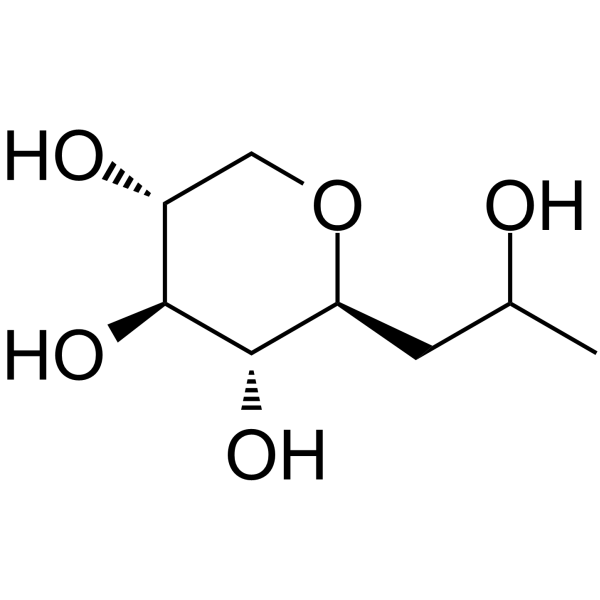
    Hydroxypropyl tetrahydropyrantriol (30% in water)

    Biochemical Assay Reagents Metabolic Disease
    Pro-xylane (30% in water) (Hydroxypropyl tetrahydropyrantriol) is a bioactive C-glycoside that targets the biosynthesis pathway of glycosaminoglycans/mucopolysaccharides (GAGs) in the skin matrix and can be absorbed transdermally. Pro-xylane (30% in water) stimulates the biosynthesis of GAGs in fibroblasts, enhances the structural stability of the skin extracellular matrix, improves skin elasticity and moisturizing ability, and delays wrinkle formation. Pro-xylane (30% in water) can effectively promote the synthesis of collagen fibers and hyaluronic acid in the dermis. Pro-xylane (30% in water) is used in the field of anti-aging cosmetics to improve skin hydration and elasticity. Pro-xylane (30% in water) is eco-friendly and biodegradable .
    Pro-xylane (30% in water)
  • HY-B1162
    Sulisobenzone
    1 Publications Verification

    Benzophenone-4

    Environmental Pollutants Biochemical Assay Reagents Metabolic Disease
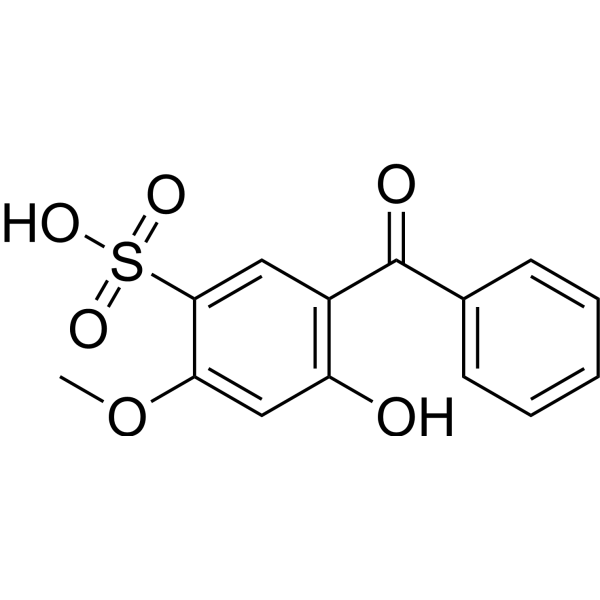
    Sulisobenzone (Benzophenone-4) is a benzophenone-type UV filter. Sulisobenzone can act as a endocrine disrupting compound. Sulisobenzone disrupts energy metabolism, nucleotide synthesis, oxidative stress response, and endocrine function. Sulisobenzone thyroid hormone biosynthesis and induces oxidative stress .
    Sulisobenzone
  • HY-114295

    Geranyl pyrophosphate

    Endogenous Metabolite Metabolic Disease
    Geranyl diphosphate is a key intermediate in the isoprenoid biosynthesis pathway (IBP). HY-114295 plays key roles in cellular metabolism and is responsible for the production of both sterol and non-sterol isoprenoids .
    Geranyl diphosphate
  • HY-F0003A
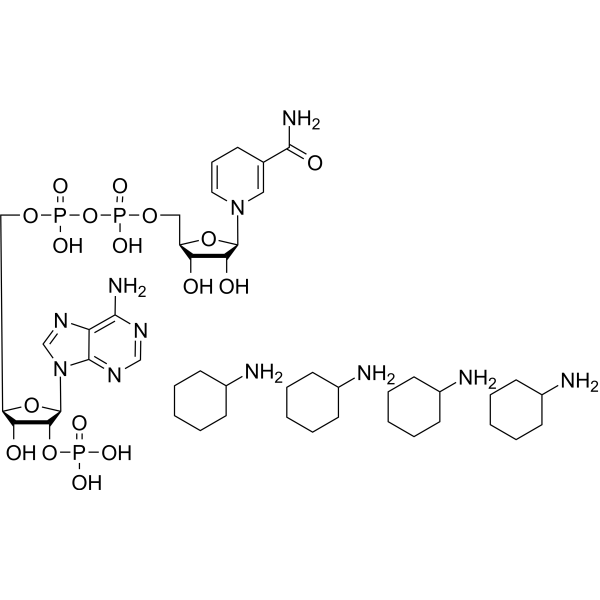
    NADPH tetracyclohexanamine
    Maximum Cited Publications
    18 Publications Verification

    Ferroptosis Endogenous Metabolite Metabolic Disease Cancer
    NADPH tetracyclohexanamine functions as an important cofactor in a variety of metabolic and biosynthetic pathways. NADPH tetracyclohexanamine is an endogenous inhibitor of ferroptosis. NADPH tetracyclohexanamine plays a vital role in the biosynthesis of agents, chiral alcohols, fatty acids and biopolymers, while also being required for lipid biosynthesis, biomass formation, and cell replication .
    NADPH tetracyclohexanamine
  • HY-119683
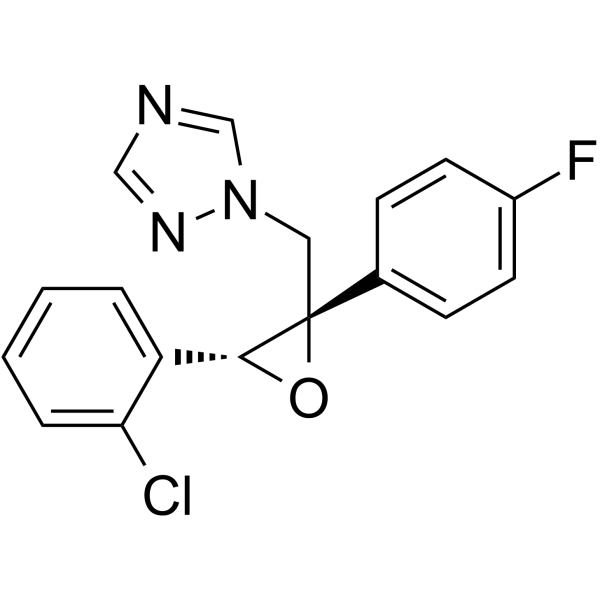
    Epoxiconazole
    1 Publications Verification

    Environmental Pollutants Apoptosis Fungal Infection
    Epoxiconazole, a fungicide, is a demethylation inhibitor of the Ergosterol biosynthesis pathway. Epoxiconazole exhibits strong inhibitory effects on both carbendazim-resistant and phenamacril-resistant isolates, and can be used for controlling many crop diseases .
    Epoxiconazole
  • HY-134891

    (E)-4-Hydroxy-3-methyl-but-2-enyl diphosphate lithium

    Nuclear Factor of activated T Cells (NFAT) Infection Inflammation/Immunology
    HMBPP lithium is an intermediate in isoprenoid biosynthesis that can be produced by bacteria and protozoa that use the non-mevalonate pathway for isoprenoid biosynthesis. HMBPP lithium is a ligand of the internal domain of BTN3A1 and is an activator for human Vγ9/Vδ2 T cells. HMBPP lithium exhibits phagostimulant property in mosquitos .
    HMBPP lithium
  • HY-N7392

    3-Oxobutanoyl-coenzyme A

    Endogenous Metabolite Metabolic Disease
    Acetoacetyl CoA is the precursor of HMG-CoA in the mevalonate pathway. Acetoacetyl-CoA thiolase catalyzes the reaction to form acetoacetyl-CoA from two acetyl-CoA molecules. Acetoacetyl CoA is essential for cholesterol biosynthesis. Acetoacetyl-CoA is also a intermediate in the biological breakdown and synthesis of fatty acids .
    Acetoacetyl-CoA
  • HY-108036B

    Hydroxypropyl tetrahydropyrantriol

    Biochemical Assay Reagents Metabolic Disease
    Pro-xylane (Hydroxypropyl tetrahydropyrantriol) is a bioactive C-glycoside that targets the biosynthesis pathway of glycosaminoglycans/mucopolysaccharides (GAGs) in the skin matrix and can be absorbed transdermally. Pro-xylane stimulates the biosynthesis of GAGs in fibroblasts, enhances the structural stability of the skin extracellular matrix, improves skin elasticity and moisturizing ability, and delays wrinkle formation. Pro-xylane can effectively promote the synthesis of collagen fibers and hyaluronic acid in the dermis. Pro-xylane is used in the field of anti-aging cosmetics to improve skin hydration and elasticity. Pro-xylane is eco-friendly and biodegradable .
    Pro-xylane
  • HY-W013100
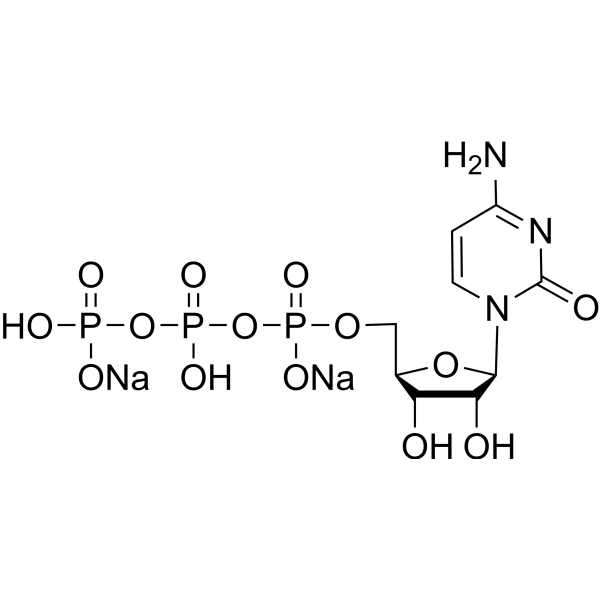
    Cytidine-5'-triphosphate disodium
    3 Publications Verification

    Cytidine triphosphate disodium; 5'-CTP disodium

    DNA/RNA Synthesis Nucleoside Antimetabolite/Analog Endogenous Metabolite Metabolic Disease
    Cytidine-5'-triphosphate (Cytidine triphosphate; 5'-CTP) disodium is a nucleoside triphosphate, that is invovled in biosynthesis of DNA, RNA and lipid. Cytidine triphosphate synthase can catalyze the formation of cytidine 5′-triphosphate from uridine 5′-triphosphate (UTP). Cytidine 5′-triphosphate disodium is an essential biomolecule in the de novo pyrimidine biosynthetic pathway in T. gondii .
    Cytidine-5'-triphosphate disodium
  • HY-113224S

    Isotope-Labeled Compounds Endogenous Metabolite Metabolic Disease
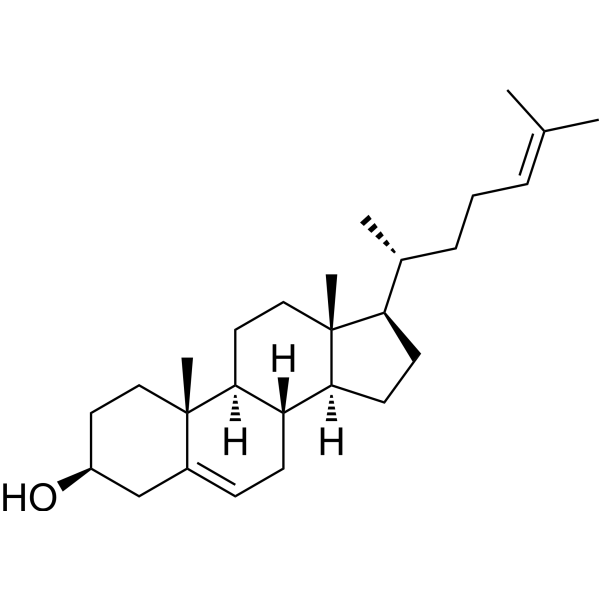
    Desmosterol-d6 is the deuterium labeled Desmosterol. Desmosterol is a molecule similar to cholesterol. Desmosterol is the immediate precursor of cholesterol in the Bloch pathway of cholesterol biosynthesis. Desmosterol, as an endogenous metabolite, used to study cholesterol metabolism .
    Desmosterol-d6
  • HY-16343C
    NB-598 Maleate
    10+ Cited Publications

    COX Metabolic Disease
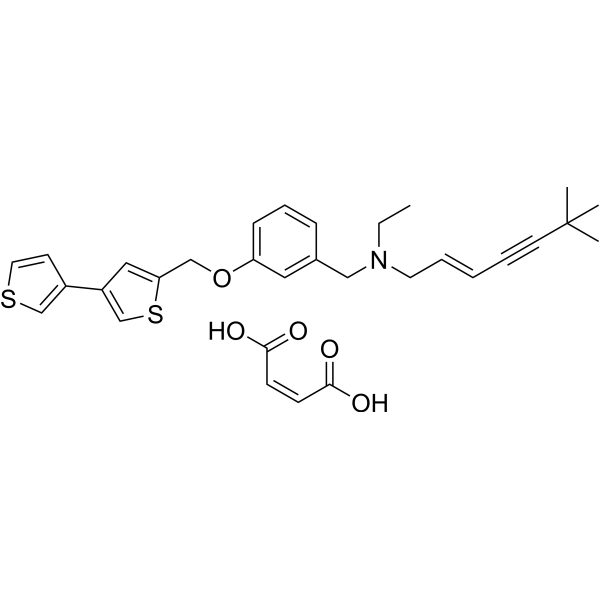
    NB-598 Maleate is a potent and competitive inhibitor of squalene epoxidase (SE), and suppresses triglyceride biosynthesis through the farnesol pathway. NB-598 (Maleate) is a click chemistry reagent, it contains an Alkyne group and can undergo copper-catalyzed azide-alkyne cycloaddition (CuAAc) with molecules containing Azide groups.
    NB-598 Maleate
  • HY-116872
    MAC13772
    1 Publications Verification

    Bacterial Infection
    MAC13772 is a BioA inhibitor with an IC50 of 0.28 μM against E. coli and an IC50 of 0.269 μM against A. baumannii. MAC13772 inhibits bacterial growth by targeting the biotin biosynthesis pathway. MAC13772 can be used in studies related to bacterial infections .
    MAC13772
  • HY-W040206

    Environmental Pollutants Acetolactate Synthase (ALS) Herbicide Others
    Diflufenican is a Herbicide. Diflufenican inhibits phytoene desaturase (PDS) in the carotenoid synthesis pathway. Diflufenican suppresses the production of PDS, blocks carotenoid biosynthesis, thereby inducing chlorophyll destruction and cell membrane rupture, and ultimately causes the death of broadleaf weeds. The combination of Diflufenican and Flufenacet can be used to control Lolium rigidum populations resistant to ALS/ACCase .
    Diflufenican
  • HY-108036A

    (S)-Hydroxypropyl tetrahydropyrantriol

    Biochemical Assay Reagents Metabolic Disease
    (S)-Pro-xylane ((S)-Hydroxypropyl tetrahydropyrantriol) is a bioactive C-glycoside that targets the biosynthesis pathway of glycosaminoglycans/mucopolysaccharides (GAGs) in the skin matrix and can be absorbed transdermally. (S)-Pro-xylane stimulates the biosynthesis of GAGs in fibroblasts, enhances the structural stability of the skin extracellular matrix, improves skin elasticity and moisturizing ability, and delays wrinkle formation. (S)-Pro-xylane can effectively promote the synthesis of collagen fibers and hyaluronic acid in the dermis. (S)-Pro-xylane is used in the field of anti-aging cosmetics to improve skin hydration and elasticity. (S)-Pro-xylane is eco-friendly and biodegradable .
    (S)-Pro-xylane
  • HY-135282

    Dihydroorotate Dehydrogenase DNA/RNA Synthesis Infection
    DHODH-IN-1 (compound 18d) is a potent Dihydroorotate Dehydrogenase (DHODH) inhibitor with an IC50 of 25 nM. DHODH-IN-1 is an inhibitor of pyrimidine biosynthesis pathway .
    DHODH-IN-1
  • HY-160821A

    ManNAc-6P sodium salt

    Endogenous Metabolite Others
    N-Acetylmannosamine 6-phosphate sodium salt is a NanR modulator and an intermediate in the sialic acid pathway. N-Acetylmannosamine 6-phosphate sodium salt disrupts the binding of NanR to the promoter regions of nanAT and nanE, and prevents NanR-mediated transcriptional repression of these loci. N-Acetylmannosamine 6-phosphate sodium salt acts as a key precursor for sialic acid biosynthesis, participating in this process via Neu5Ac-9-P synthase. N-Acetylmannosamine 6-phosphate sodium salt can be used in research related to GNE myopathy .
    N-Acetylmannosamine 6-phosphate sodium salt
  • HY-119989

    Herbicide Infection
    Cyclopyrimorate, a highly effective bleaching herbicide for weed control in rice fields, targets homogentisate solanesyltransferase (HST). HST is a downstream enzyme of 4-hydroxyphenylpyruvate dioxygenase in the plastoquinone (PQ) biosynthesis pathway .
    Cyclopyrimorate
  • HY-F0003R

    Reference Standards Ferroptosis Endogenous Metabolite Metabolic Disease Cancer
    NADPH tetrasodium salt (Standard) is the analytical standard of NADPH tetrasodium salt (HY-F0003). This product is intended for research and analytical applications. NADPH tetrasodium salt functions as an important cofactor in a variety of metabolic and biosynthetic pathways. NADPH tetrasodium salt is an endogenous inhibitor of ferroptosis. NADPH tetrasodium salt plays a vital role in the biosynthesis of agents, chiral alcohols, fatty acids and biopolymers, while also being required for lipid biosynthesis, biomass formation, and cell replication.
    NADPH tetrasodium salt (Standard)
  • HY-113131B

    DHAP dilithium

    Biochemical Assay Reagents Endogenous Metabolite Metabolic Disease
    Dihydroxyacetone phosphate (DHPA) dilithium, a derivative of Dihydroxyacetone (DHA), is an important intermediate that participates in key pathways including glycolysis, lipid biosynthesis, and the plant Calvin cycle. Dihydroxyacetone phosphate dilithium can be used as a substrate and metabolic marker in biochemical research .
    Dihydroxyacetone phosphate dilithium
  • HY-N8515C

    UDP-3-O-(3-hydroxytetradecanoyl)-N-acetylglucosamine disodium

    Endogenous Metabolite Infection Others
    UDP-3-O-acyl-GlcNAc (UDP-3-O-(3-hydroxytetradecanoyl)-N-acetylglucosamine) disodium is an E. coli metabolite that is involved in 3-deoxy-D-manno-octulosonate (KDO) biosynthesis pathway .
    UDP-3-O-acyl-GlcNAc disodium
  • HY-W585865

    UDP-3-O-(3-hydroxytetradecanoyl)-N-acetylglucosamine Tris

    Endogenous Metabolite Infection
    UDP-3-O-acyl-GlcNAc (UDP-3-O-(3-hydroxytetradecanoyl)-N-acetylglucosamine) Tris is an E. coli metabolite that is involved in 3-deoxy-D-manno-octulosonate (KDO) biosynthesis pathway .
    UDP-3-O-acyl-GlcNAc Tris
  • HY-176557

    Deubiquitinase Ferroptosis Reactive Oxygen Species (ROS) Glutathione Peroxidase Autophagy Cancer
    NCI677397 is a USP24 inhibitor. NCI677397 increases lipid ROS, activates cholesterol and fatty acid biosynthesis, degrades ABC transporters, GPX4 and DHFR through the autophagy pathway, decreases the level of P-gp and ultimately leads to ferroptosis in drug-resistant cancer cells. NCI677397 can be used for the study of lung caner and brain cancer .
    NCI677397
  • HY-P3519

    Drug Intermediate Infection
    ACV Tripeptide, a tripeptide, is the first dedicated intermediate in the biosynthetic pathway leading to the penicillin and cephalosporin classes of β-lactam natural products in bacteria and fungi. ACV Tripeptide is is synthesized nonribosomally by the ACV synthetase (ACVS) enzyme, which is encoded by the 11 kb The pchAB gene encodes this enzyme. ACV Tripeptide can be used for the biosynthesis of β-lactam antibiotics .
    ACV Tripeptide
  • HY-128033

    Environmental Pollutants Fungal Infection
    Fenpropimorph is a fungicide that inhibits the sterol pathway. Fenpropimorph inhibits δ8-δ7-sterol isomerase in yeast at low concentrations, with δ14-sterol reductase being blocked at higher levels, preventing the biosynthesis of ergosterol. Fenpropimorph also inhibits sterol synthesis in certain plants and mammalian cells .
    Fenpropimorph
  • HY-139793

    OGT Endogenous Metabolite Metabolic Disease
    UDP-glucosamine (UDP-GlcNAc) disodium is a substrate for O-GlcNAc transferase, which catalyzes the attachment of O-GlcNAc to proteins. O-GlcNAcase catalyzes the removal of O-GlcNAc from proteins. UDP-glucosamine (UDP-GlcNAc) disodium is the end product of the hexosamine biosynthesis pathway, which is regulated primarily by glucose-6-phosphate-Glutamine:fructose-6-phosphate amidotransferase (GFAT) .
    UDP-glucosamine disodium
  • HY-N6243

    Fungal Cardiovascular Disease Others
    Veratrosine is a Trihydroxynapthalene reductase (THR) inhibitor and fungal plant pathogen inhibitor with activity against Curvularia lunata THR. Veratrosine interacts with THR, an enzyme in the DHN melanin biosynthesis pathway of Curvularia lunata. Veratrosine can be used for the research of leaf blight of rice, brown spot of rice, and blast disease of foxtail millet .
    Veratrosine
  • HY-Y0889A

    Endogenous Metabolite Metabolic Disease
    1-(2,3-Dichlorphenyl)piperazine hydrochloride is a potent DHCR7 inhibitor with the activity of inhibiting cholesterol biosynthesis. 1-(2,3-Dichlorphenyl)piperazine hydrochloride is often used in biological research to evaluate the function of cholesterol biosynthesis pathway. The application of 1-(2,3-Dichlorphenyl)piperazine hydrochloride is of great significance for understanding diseases related to cholesterol biosynthesis .
    1-(2,3-Dichlorphenyl)piperazine hydrochloride
  • HY-134433A

    Endogenous Metabolite Metabolic Disease
    GDP-L-fucose disodium is a nucleotide sugar that is a key substrate for the biosynthesis of fucose oligosaccharides. GDP-L-fucose disodium provides the fucose moiety for the oligosaccharides. The formation of GDP-L-fucose disodium occurs through two pathways, the major de novo metabolic pathway and the minor remedial metabolic pathway .
    GDP-L-fucose disodium
  • HY-130702

    Drug Derivative Others
    24(28)-Dehydroergosterol is a derivative of Episterol .
    24(28)-Dehydroergosterol
  • HY-N0130R

    Reference Standards Endogenous Metabolite Others
    Shikimic acid (Standard) is the analytical standard of Shikimic acid. This product is intended for research and analytical applications. Shikimic acid is a key metabolic intermediate of the aromatic amino acid biosynthesis pathway, found in microbes and plants.
    Shikimic acid (Standard)
  • HY-W145649
    Ribose-5-phosphate barium salt
    1 Publications Verification

    Biochemical Assay Reagents Others
    Ribose-5-phosphate Barium Salt is an organic compound that belongs to the monosaccharide phosphate family. It is commonly used as an intermediate in various biochemical pathways, especially in the biosynthesis of nucleotides and coenzymes. Ribose-5-phosphate Barium Salt has several applications in biochemical research, including as a precursor for the synthesis of other phosphorylated sugars and as a substrate for enzymes involved in the pentose phosphate pathway. In addition, it can be used as an energy source and dietary supplement for certain microorganisms.
    Ribose-5-phosphate barium salt
  • HY-W250307
    Diphenyliodonium iodide
    1 Publications Verification

    Reactive Oxygen Species (ROS) Others
    Diphenyliodonium iodide is an inhibitor of reactive oxygen species (ROS). Diphenyliodonium iodide can inhibit the accumulation of bisdemethoxycurcumin in fresh-cut yam by inhibiting the phenylpropanoid pathway and the biosynthesis of bisdemethoxycurcumin, thereby preventing the yellowing of fresh-cut yam. Diphenyliodonium iodide can be used in medicine and fruit preservation .
    Diphenyliodonium iodide
  • HY-E70020

    Others Others
    UDP-Glc dehydrogenase (UGDH) catalyzes is a NAD+-dependent enzyme that catalyzes the two-fold oxidation of UDP-glucose (UDP-Glc) to produce UDP-glucuronic acid. UDP-Glc dehydrogenase (UGDH) is a key enzyme in the nucleotide-sugar interconversion pathway necessary for biosynthesis of many cell-wall polysaccharides .
    UDP-Glc dehydrogenase (UGDH)
  • HY-126858

    (+)-Ambuic acid

    ERK JNK NO Synthase COX Infection Inflammation/Immunology
    Ambuic acid exhibits antimicrobial activity against Staphylococcus aureus, with IC50 of 43.9 μM for strain ATCC 6538. Ambuic acid is an inhbitor for the biosynthesis of cyclic peptide quorum sensing molecules (quormones) in gram-positive bacteria. Ambuic acid exhibits anti-inflammatory activity through ERK/JNK/MAPK signaling pathway .
    Ambuic acid
  • HY-Y0889

    Endogenous Metabolite Metabolic Disease
    1-(2,3-Dichlorphenyl)piperazine is a potent DHCR7 inhibitor with the activity of inhibiting cholesterol biosynthesis. 1-(2,3-Dichlorphenyl)piperazine is often used in biological research to evaluate the function of cholesterol biosynthesis pathway. The application of 1-(2,3-Dichlorphenyl)piperazine is of great significance for understanding diseases related to cholesterol biosynthesis .
    1-(2,3-Dichlorphenyl)piperazine

Inquiry Online

Your information is safe with us. * Required Fields.

Salutation


Country or Region *

Applicant Name *


Organization Name *

Department *


Email Address *


Product Name *

Cat. No.


Requested quantity *

Phone Number *


Remarks

Inquiry Online

Inquiry Information

Product Name:
Cat. No.:
Quantity:
MCE Japan Authorized Agent:

