


1. Search Result
Search Result
Pathways Recommended: Immunology/Inflammation
Results for "

inflammation models

" in MedChemExpress (MCE) Product Catalog:

319

Inhibitors & Agonists

2

Screening Libraries

3

Fluorescent Dye

6

Biochemical Assay Reagents

32

Peptides

10

Inhibitory Antibodies

49

Natural
Products

10

Isotope-Labeled Compounds

9

Oligonucleotides

Cat. No. Product Name Target Research Areas Chemical Structure
  • HY-107575
    TLR4-IN-C34
    10+ Cited Publications

    Toll-like Receptor (TLR) Inflammation/Immunology
    TLR4-IN-C34 is an orally active TLR4 inhibitor and reduces systemic inflammation in models of endotoxemia and necrotizing enterocolitis .
    TLR4-IN-C34
  • HY-W011474

    NF-κB Inflammation/Immunology
    Geranylgeraniol is an orally acitve vitamin K2 sub-type, an intermediate of the mevalonate pathway. Geranylgeraniol targets NF-kB signaling pathway and could alleviate LPS-induced microglial inflammation in animal model .
    Geranylgeraniol
  • HY-126360

    TNF Receptor Interleukin Related Inflammation/Immunology
    Oxazolone is a haptenizing agent that induces acute or chronic inflammation of the large intestine and is used to construct models of colitis. Oxazolone can cause Th1/Th2-dependent colitis with weight loss and diarrhea. Oxazolone-induced inflammation can be mitigated by neutralizing anti-IL-4 or anti-TNF-α antibodies or decoy IL-13R2-α-FC proteins .
    Oxazolone
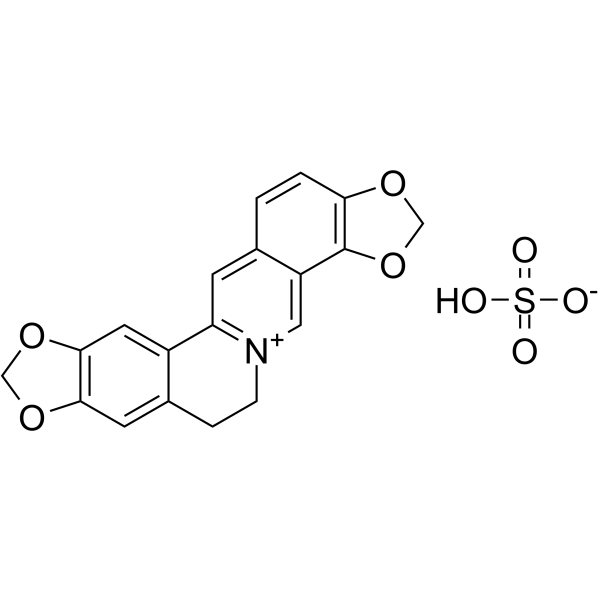
  • HY-125850
    Berberrubine chloride
    2 Publications Verification

    Drug Metabolite HIV Interleukin Related Infection Inflammation/Immunology Cancer
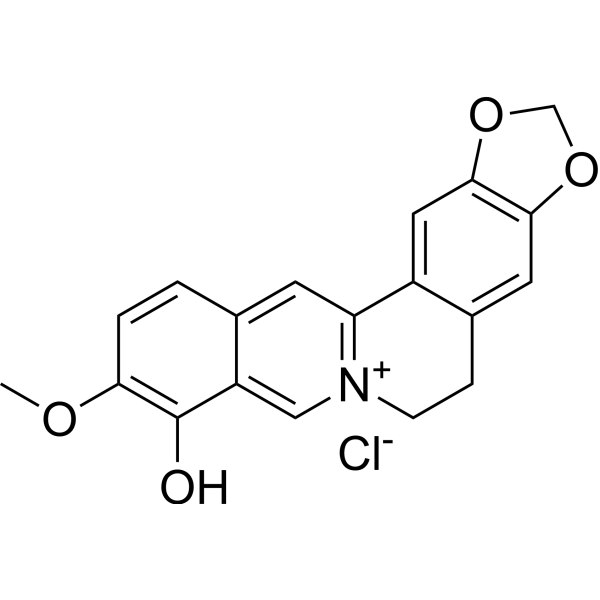
    Berberrubine chloride is an orally active metabolite of berberine. Berberrubine chloride alleviates mucosal lesions and inflammation in mouse colitis models. Berberrubine chloride has anti-inflammatory, anti-tumor, and antiviral activities .
    Berberrubine chloride
  • HY-N0088
    Apocynin
    25+ Cited Publications

    Acetovanillone

    NADPH Oxidase Metabolic Disease Inflammation/Immunology
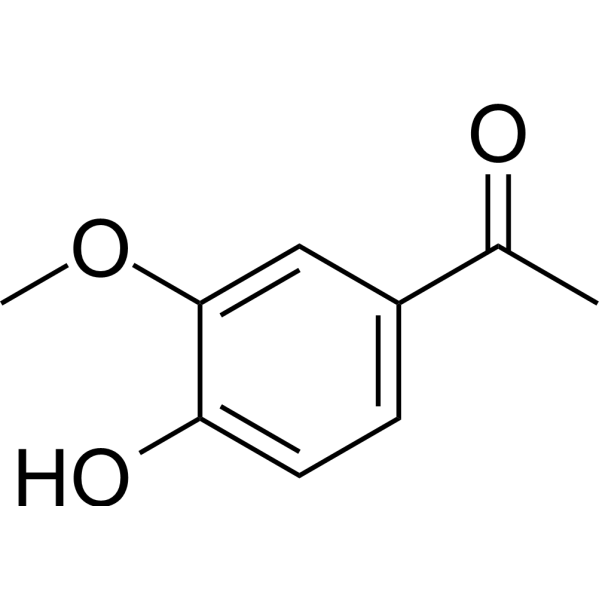
    Apocynin is a selective NADPH-oxidase inhibitor with an IC50 of 10 μM . Apocynin improves acute lung inflammation in Carrageenan (HY-125474)-induced pleurisy mice model . Apocynin can also be used for cancer research . Apocynin reverses the aging process in mesenchymal stem cells to promote osteogenesis and increases bone mass .
    Apocynin
  • HY-B0661
    Tamsulosin
    2 Publications Verification

    (R)-(-)-YM12617 free base; LY253351 free base

    Adrenergic Receptor Apoptosis Neurological Disease Endocrinology Cancer
    Tamsulosin ((R)-(-)-YM12617 free base) is an orally active antagonist of α1-adrenergic receptor. Tamsulosin induces Apoptosis. Tamsulosin is used for the research of prostatic hyperplasia. Tamsulosin attenuates abdominal aortic aneurysm growth and inhibits inflammation in animal models .
    Tamsulosin
  • HY-P1717
    AMY-101
    5+ Cited Publications

    Cp40

    Complement System SARS-CoV Inflammation/Immunology
    AMY-101 (Cp40), a peptidic inhibitor of the central complement component C3 (KD = 0.5 nM), inhibits naturally occurring periodontitis in non-human primates (NHPs). AMY-101 (Cp40) exhibits a favorable anti-inflammatory activity in models with COVID-19 severe pneumonia with systemic hyper inflammation .
    AMY-101
  • HY-W092043
    TLR4-IN-C34-C2-COOH
    2 Publications Verification

    PROTAC Linkers Toll-like Receptor (TLR) Cardiovascular Disease Inflammation/Immunology
    TLR4-IN-C34-C2-COO is a linker that incorporates TLR4 inhibitor TLR4-IN-C34. TLR4-IN-C34-C2-COOH can be used in the research of inflammation and acute myocardial injury. TLR4-IN-C34 inhibits TLR4 in enterocytes and macrophages, and reduces systemic inflammation in mouse models of endotoxemia and necrotizing enterocolitis .
    TLR4-IN-C34-C2-COOH
  • HY-N2909

    NF-κB RIP kinase Mixed Lineage Kinase Cardiovascular Disease Neurological Disease Inflammation/Immunology
    Aurantiamide is a non-covalent, orally active, blood-brain-permeable GRPR selective antagonist with anti-inflammatory and neuroprotective effects. Aurantiamide reduces inflammation and oxidative stress in renal tissue by inhibiting GRPR-mediated renal necrosis pathways (such as RIPK3/MLKL signaling) and NF-κB inflammatory pathways, exerting anti-acute kidney injury and endothelial function activities. Aurantiamide also inhibits the M1 polarization of microglia and inhibits NLRP3 activation, thereby improving AD mouse models. Aurantiamide has in vivo inhibitory efficacy in acute kidney injury models such as ischemia/reperfusion, sepsis, and hypertension models .
    Aurantiamide
  • HY-B0661A
    Tamsulosin hydrochloride
    2 Publications Verification

    (R)-(-)-YM12617; LY253351

    Adrenergic Receptor Apoptosis Neurological Disease Endocrinology Cancer
    Tamsulosin hydrochloride ((R)-(-)-YM12617 free base) is an orally active antagonist of α1-adrenergic receptor. Tamsulosin hydrochloride induces Apoptosis. Tamsulosin hydrochloride is used for the research of prostatic hyperplasia. Tamsulosin hydrochloride attenuates abdominal aortic aneurysm growth and inhibits inflammation in animal models .
    Tamsulosin hydrochloride
  • HY-156798
    ADS032
    3 Publications Verification

    NOD-like Receptor (NLR) Interleukin Related Inflammation/Immunology
    ADS032 is a sulfonylurea compound that is an NLRP1 and NLRP3 inflammasome inhibitor. ADS032 reduces the secretion of inflammatory factors and inhibits the oligomerization of ASC. ADS032 has anti-inflammatory effects in a variety of inflammatory models and can be used in the study of inflammatory diseases .
    ADS032
  • HY-15323
    PRT062607 Hydrochloride
    4 Publications Verification

    P505-15 Hydrochloride

    Syk Mixed Lineage Kinase PAK Pyk2 FAK Apoptosis Src Cancer
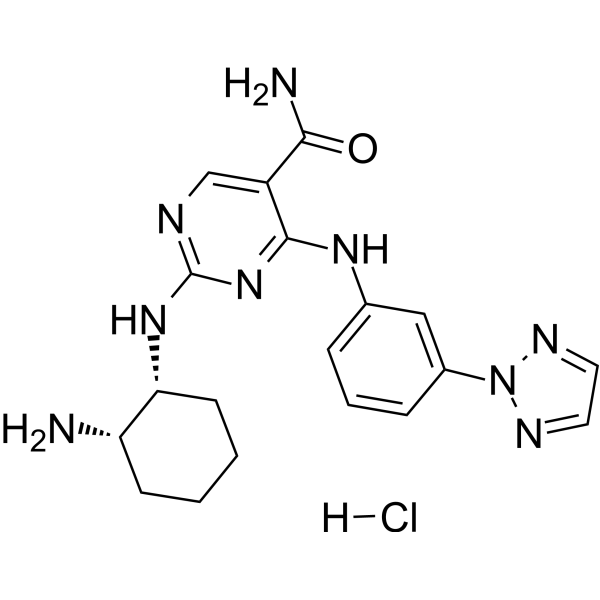
    PRT062607 (P505-15) Hydrochloride is an orally available Syk inhibitor (IC50: 1 nM) that inhibits inflammation and induction Apoptosis. PRT062607 Hydrochloride exerts potent antitumor activity in tumor xenograft mouse models .
    PRT062607 Hydrochloride
  • HY-W250116
    Co(III) protoporphyrin IX chloride
    1 Publications Verification

    Protoporphyrin IX cobaltic chloride; CoPPIX-Cl

    Heme Oxygenase (HO) Apoptosis Bcl-2 Family Caspase Cytochrome P450 Bacterial Keap1-Nrf2 Infection Cardiovascular Disease Inflammation/Immunology
    Co(III) protoporphyrin IX chloride (Protoporphyrin IX cobaltic chloride) is an inducer of HO-1. Co(III) protoporphyrin IX chloride has activities such as anti-inflammation and antibacterial properties. Co(III) protoporphyrin IX chloride can also be used in the research of ischemia-reperfusion injury models .
    Co(III) protoporphyrin IX chloride
  • HY-116835
    BI-6901
    1 Publications Verification

    CCR Inflammation/Immunology
    BI 6901 is a potent, selective CCR10 antagonist (pIC50=9.0). BI 6901 shows high selectivity over other GPCRs, including a number of other chemokine receptors. BI 6901 is efficacious in the murine DNFB model of contact hypersensitivity and can be used for inflammation research .
    BI-6901
  • HY-P1717B
    AMY-101 acetate
    5+ Cited Publications

    Cp40 acetate

    Complement System SARS-CoV Inflammation/Immunology
    AMY-101 acetate (Cp40 acetate), a peptidic inhibitor of the central complement component C3 (KD = 0.5 nM), inhibits naturally occurring periodontitis in non-human primates (NHPs). AMY-101 acetate (Cp40 acetate) exhibits a favorable anti-inflammatory activity in models with COVID-19 severe pneumonia with systemic hyper inflammation .
    AMY-101 acetate
  • HY-19644
    GSK2256294A
    2 Publications Verification

    GSK 2256294

    Epoxide Hydrolase Cardiovascular Disease
    GSK2256294A (GSK 2256294) is a selective and orally active inhibitor of soluble epoxide hydrolase (sEH). GSK2256294A inhibits recombinant human sEH, rat sEH orthologs and murine sEH orthologs with IC50s of 27, 61 and 189 pM, respectively. GSK2256294A can be used for the research of chronic obstructive pulmonary disease (COPD) and cardiovascular disease .
    GSK2256294A
  • HY-P1717A
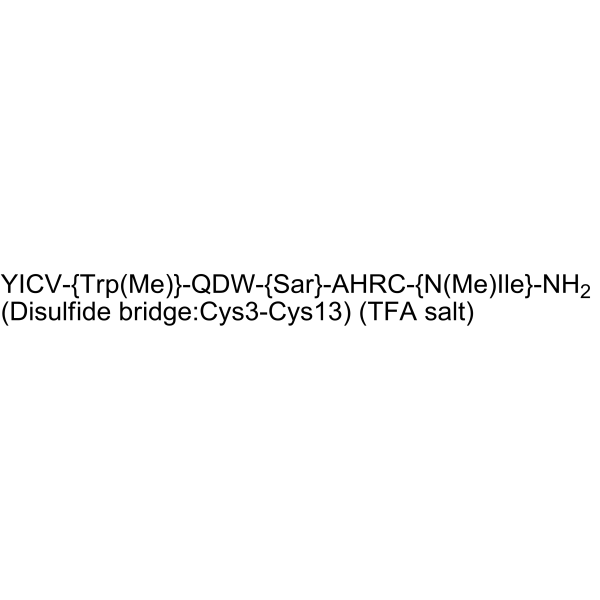
    AMY-101 TFA
    5+ Cited Publications

    Cp40 TFA

    Complement System SARS-CoV Inflammation/Immunology
    AMY-101 TFA (Cp40 TFA), a peptidic inhibitor of the central complement component C3 (KD = 0.5 nM), inhibits naturally occurring periodontitis in non-human primates (NHPs). AMY-101 (Cp40) exhibits a favorable anti-inflammatory activity in models with COVID-19 severe pneumonia with systemic hyper inflammation .
    AMY-101 TFA
  • HY-34350

    2-Hydroxybenzylamine; o-Hydroxybenzylamine; 2-HOBA

    Reactive Oxygen Species (ROS) Cardiovascular Disease Inflammation/Immunology
    2-(Aminomethyl)phenol (2-Hydroxybenzylamine) is a selective dicarbonyl scavenger. 2-(Aminomethyl)phenol is an antioxidant and scavanger of free radicals and isolevuglandins (IsoLGs). 2-(Aminomethyl)phenol can prevent early recurrence of atrial fibrillation. 2-(Aminomethyl)phenol can reduce inflammation and plaque apoptotic cells and promote efferocytosis and features of stable plaques. 2-(Aminomethyl)phenol can reduce malondialdehyde (MDA)-LDL and MDA-HDL levels in Ldlr -/- mouse model. 2-(Aminomethyl)phenol can be studied in the research of inflammation and cardiovascular disease, such as atherosclerosis, early recurrence of atrial fibrillation (AF) and arrhythmias .
    2-(Aminomethyl)phenol
  • HY-111149A
    PS372424 hydrochloride
    2 Publications Verification

    CXCR Inflammation/Immunology
    PS372424 hydrochloride, a three amino-acid fragment of CXCL10, is a specific human CXCR3 agonist with anti-inflammatory activity. PS372424 hydrochloride prevents human T-cell migration in a humanized model of arthritic inflammation .
    PS372424 hydrochloride
  • HY-P991363

    Myosin STAT Inflammation/Immunology
    AX-202 is a humanized IgG4 monoclonal antibody targeting S100A4. AX-202 neutralizes the activity of S100A4. AX-202 effectively reverses established fibrosis and reduces inflammation and fibrosis-related biomarkers in a mouse model of skin fibrosis. AX-202 is applicable for the research of fibrotic and inflammatory diseases .
    AX-202
  • HY-106841
    Draflazine
    1 Publications Verification

    R-75231; R88021

    Adenosine Receptor Nucleoside Transporters Inflammation/Immunology
    Draflazine (R-75231) is a ENT1 inhibitor. Draflazine (R-75231) completely reverses the hypersensitivity in the complete Freund’s adjuvant (CFA) model of mechanical hyperalgesia and the carrageenan inflammation model of thermal and mechanical hyperalgesia .
    Draflazine
  • HY-122607

    Mitochondrial Metabolism TSPO Inflammation/Immunology Cancer
    DPA-714 is a high affinity translocator protein (TSPO) ligand (Ki=7 nM), which is designed with a fluorine atom in its structure, allowing labelling with fluorine -18 and in vivo imaging using positron emission tomography. 18FDPA-714 successfully evaluates for the specific imaging of inflammation in various models of neuroinflammation and in a brain tumor model .
    DPA-714
  • HY-120012
    Mizacorat
    5+ Cited Publications

    AZD9567

    Glucocorticoid Receptor Inflammation/Immunology Endocrinology
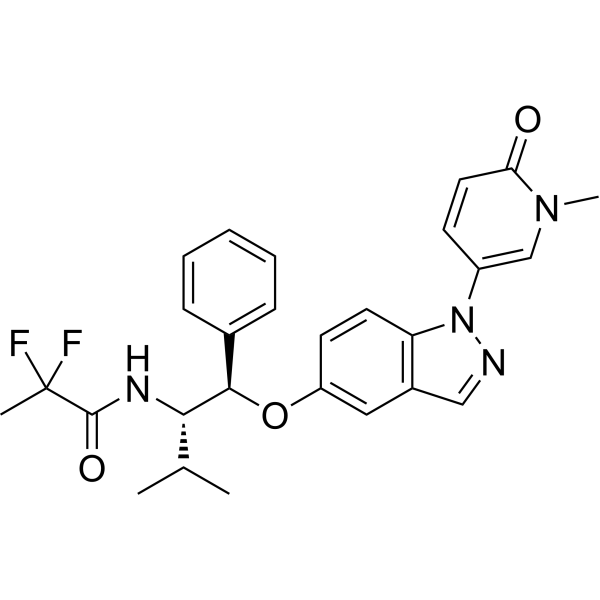
    Mizacorat (AZD9567; compound 15) is a potent, oral active, non-steroidal and selective glucocorticoid receptor modulator (SGRM), with an IC50 of 3.8 nM. Exhibits excellent efficacy in the streptococcal cell wall (SCW) reactivation model of joint inflammation .
    Mizacorat
  • HY-P99439

    IMA-638

    Interleukin Related Inflammation/Immunology
    Anrukinzumab (IMA-638) is a humanized anti-IL-13 monoclonal antibody. Anrukinzumab effectively reduces lung inflammation in a cynomolgus monkey model. Anrukinzumab can be used in studies of ulcerative colitis (UC) as well as asthma .
    Anrukinzumab
  • HY-120371
    CPUY192018
    1 Publications Verification

    Keap1-Nrf2 Apoptosis Reactive Oxygen Species (ROS) NF-κB Inflammation/Immunology
    CPUY192018 is a potent inhibitor of the Keap1-Nrf2 protein-protein interaction, with an IC50 of 0.63 µM. CPUY192018 exhibits anti-inflammatory and antioxidant activities. CPUY192018 can activate the Nrf2-dependent antioxidant pathway and inhibit the NF-κB-related inflammatory response. CPUY192018 can be used in the research of inflammation-related diseases .
    CPUY192018
  • HY-W011168

    Nucleoside Antimetabolite/Analog DNA/RNA Synthesis Inflammation/Immunology Cancer
    8-Bromo-2'-deoxyguanosine is an inflammation-related DNA halogenated adduct and an early biomarker of inflammation-induced oxidative tissue damage. The formation of 8-Bromo-2'-deoxyguanosine precedes that of oxidative and nitrative products, and it can be generated via the MPO-H2O2-Cl --Br - system. 8-Bromo-2'-deoxyguanosine serves as the immunogen for preparing the monoclonal antibody mAb8B3, which can be used to detect early DNA modifications in preclinical models; its urinary level also increases significantly in inflammatory disease models. 8-Bromo-2'-deoxyguanosine can also be produced in the dermis of UV-B irradiated mice, and the extract of Coprinus comatus significantly reduces its level. 8-Bromo-2'-deoxyguanosine finds applications in studies related to inflammatory diseases, diabetes, hepatocellular carcinoma, and UV-B induced skin inflammation .
    8-Bromo-2'-deoxyguanosine
  • HY-144549

    LXR Cardiovascular Disease
    LXR (Liver X receptor) agonist 1 is potent LXR agonist with AC50s of 1.5 nM and 12 nM for LXR-α and LXR-β, respectively. LXR agonist 1 has the potential for the research of atherosclerosis .
    LXR agonist 1
  • HY-155657

    Src Inflammation/Immunology
    BT424 is a specific HCK inhibitor. BT424 can regulate macrophage activation and autophagy in vitro. BT424 ameliorates inflammation and kidney fibrosis in UUO model .
    BT424
  • HY-117762
    U-83836E
    1 Publications Verification

    PNU-83836E

    Reactive Oxygen Species (ROS) Inflammation/Immunology
    U-83836E (PNU-83836E) is a compound with anti-inflammatory and antioxidant activities that reduces lung inflammation inhibiting oxidative stress and ROS production. U-83836E has shown potential for studying asthma and lung inflammation in animal models .
    U-83836E
  • HY-10596
    BMS-688521
    1 Publications Verification

    Integrin Inflammation/Immunology
    BMS-688521 is a highly potent, orally active inhibitor of the LFA-1/ICAM interaction, with an IC50 of 2.5 nM in the adhesion assay and an IC50 of 60 nM in the MLR assay. BMS-688521 is efficacious in a mouse allergic eosinophilic lung inflammation model .
    BMS-688521
  • HY-136990

    p38 MAPK Cancer
    GLPG0259 is a ATP-competitive inhibitor of MAPK-activated protein kinase 5 (MK5) with oral activity. GLPG0259 reduces inflammation and bone destruction in a mouse model of collagen-induced arthritis. GLPG0259 also inhibited the metastasis of prostate cancer (PCa) cells .
    GLPG0259
  • HY-142520

    Epigenetic Reader Domain Inflammation/Immunology Cancer
    I-BET567 is a potent and orally active inhibitor of pan-BET candidate with pIC50s of 6.9 and 7.2 for BRD4 BD1 and BD2, respectively. I-BET567 has been demonstrated efficacy in mouse models of oncology and inflammation .
    I-BET567
  • HY-139915

    Glutathione Peroxidase Inflammation/Immunology
    MPO-IN-1 is a potent, orally active, and irreversible indole-containing inhibitor of myeloperoxidase (MPO). MPO-IN-1 has IC50s of 2.6 μM and 5.3 μM for MPO and thyroid peroxidase (TPO), respectively. MPO-IN-1 inhibits MPO activity in an acute mouse model of inflammation .
    MPO-IN-1
  • HY-N8249

    nAChR Interleukin Related Inflammation/Immunology
    Cynandione A is an acetophenone that can be isolated from Cynanchum Wilfordii Radix. Cynandione A protects hepatocytes and cortical neurons from toxicity and improves neurological deficits in a rat model of cerebral ischemia. On the other hand, cynandione A has significant anti-inflammatory effects and inhibits inflammation by activating macrophage α7 nAChR and IL-10 expression .
    Cynandione A
  • HY-W764758

    Aryl Hydrocarbon Receptor Inflammation/Immunology
    3-OH-Kynurenamine dihydroiodide is the dihydroiodide form of 3-OH-Kynurenamine (HY-156908). 3-OH-Kynurenamine dihydroiodide is an activator for aryl hydrocarbon receptor (AhR), and thus regulates the immune response. 3-OH-Kynurenamine dihydroiodide upregulates the expressions of Ido1 and Tgfb1, ameliorates the skin inflammation in psoriasis mouse model and kidney damage in nephrotoxic lupus mouse model .
    3-OH-Kynurenamine dihydroiodide
  • HY-W011474R

    Reference Standards NF-κB Inflammation/Immunology
    Geranylgeraniol (Standard) is the analytical standard of Geranylgeraniol. This product is intended for research and analytical applications. Geranylgeraniol is an orally acitve vitamin K2 sub-type, an intermediate of the mevalonate pathway. Geranylgeraniol targets NF-kB signaling pathway and could alleviate LPS-induced microglial inflammation in animal model [4].
    Geranylgeraniol (Standard)
  • HY-157456

    RIP kinase Inflammation/Immunology
    RIPK1-IN-19 is a selective RIPK1 inhibitor (IC50=15 nM). RIPK1-IN-19 does not show obvious activity against RIPK2, RIPK3, and RIPK4. RIPK1-IN-19 displays potent protective activity in TNFα-induced systemic inflammatory response syndrome (SIRS) model and Imiquimod (IMQ)-induced psoriasis model. RIPK1-IN-19 can be used in research on inflammation and immune system diseases .
    RIPK1-IN-19
  • HY-118282

    PGE synthase Endocrinology
    mPGES-1-IN-2 (compound III) is a benzimidazole-based mPGES-1 inhibitor that also inhibits adipophysin PGD synthase (I-PGDS) (5 μM, IR=60 %). mPGES-1-IN-2 reduces PGE2 production and tends to reduce levels of other prostaglandins. mPGES-1-IN-2 effectively inhibits acute inflammation in an air sac model stimulated by Carrageenan (HY-125474) in mice .
    mPGES1-IN-7
  • HY-W591838

    PFPeS

    Biochemical Assay Reagents Phosphatase Metabolic Disease
    Perfluoropentanesulfonic acid (PFPeS) is a per- and polyfluoroalkyl substance. Perfluoropentanesulfonic acid increases alkaline phosphatase (ALKP). Perfluoropentanesulfonic acid induces systemic toxicity in mouse models and alters the expression of genes related to fatty acid metabolism, inflammation and skin integrity in the liver and skin .
    Perfluoropentanesulfonic acid
  • HY-175022

    PROTACs IRAK Toll-like Receptor (TLR) Interleukin Related Inflammation/Immunology
    PROTAC IRAK4 degrader-13 (Degrader 1) is a selective IRAK4 PROTAC degrader with DC50s of 0.86 and 1.1 nM for monocytes and lymphocytes in PBMCs, respectively. PROTAC IRAK4 degrader-13 significantly induces TIR signal activation, and inhibits the expression of circulating proinflammatory cytokines in Imiquimod (HY-B0180) induced psoriasis mice model. PROTAC IRAK4 degrader-13 can be used for TLR- and IL-1R-driven driven neutrophilic inflammation diseases like hidradenitis suppurativa (HS) and atopic dermatitis (AD) research . Pink: IRAK4 ligand; Blue: E3 ligase ligand; Black: linker
    PROTAC IRAK4 degrader-13
  • HY-15324
    PRT062607 acetate
    4 Publications Verification

    P505-15 acetate; PRT-2607 acetate; BIIB-057 acetate

    Syk Src Mixed Lineage Kinase PAK Pyk2 FAK Apoptosis Cancer
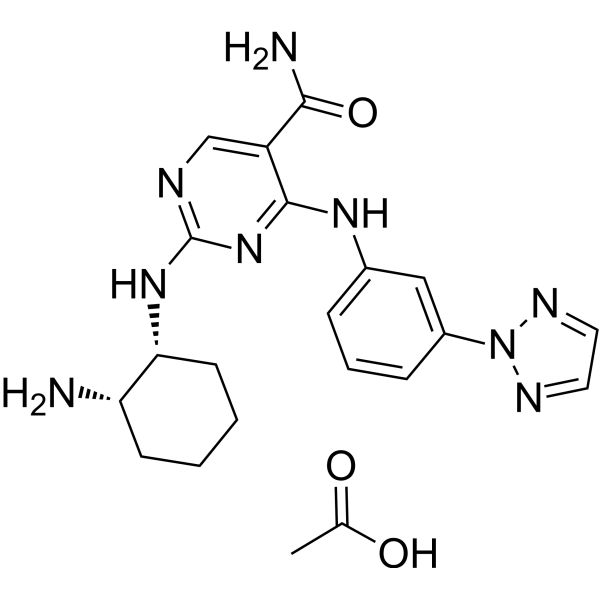
    PRT062607 (P505-15) acetate is an orally available Syk inhibitor (IC50: 1 nM) that inhibits inflammation and induction Apoptosis. PRT062607 acetate exerts potent antitumor activity in tumor xenograft mouse models . .
    PRT062607 acetate
  • HY-165027

    NO Synthase COX Others
    DL-1′-Acetoxychavicol acetate is a compound with anti-inflammatory and anticancer preventive potential that inhibits the activities of NOX, iNOS, and COX-2 in inflammatory cells and exhibits preventive activity in multiple inflammation-related cancer models.
    DL-1′-Acetoxychavicol acetate
  • HY-111149

    CXCR Inflammation/Immunology
    PS372424, a three amino-acid fragment of CXCL10, is a specific human CXCR3 agonist with anti-inflammatory activity. PS372424 prevents human T-cell migration in a humanized model of arthritic inflammation .
    PS372424
  • HY-162152

    Keap1-Nrf2 Inflammation/Immunology
    biKEAP1 (compound 3) is an inhibitor targeting the dimerKEAP1. biKEAP1 binds to cellular KEAP1 dimers and releases the NRF2 protein sequestered by KEAP1, resulting in immediate activation of NRF2. biKEAP1 also promotes nuclear translocation of NRF2 and directly inhibits proinflammatory cytokine transcription. biKEAP1 can reduce acute inflammation and reduce inflammatory damage in acute inflammation models .
    biKEAP1
  • HY-19443

    Histamine Receptor Lipoxygenase Inflammation/Immunology
    UCB-35440 is an orally active histamine H1 receptor antagonist and 5-lipoxygenase inhibitor. UCB-35440 inhibits LTB4 formation in human whole blood and reduces polymorphonuclear cell infiltration in mouse models. UCB-35440 inhibits histamine-stimulated bronchoconstriction and reduces skin inflammation in guinea pigs. UCB-35440 can be used for research on asthma and skin inflammation .
    UCB-35440
  • HY-B1130

    COX Inflammation/Immunology
    Isoxicam is an orally active nonsteroidal anti-inflammatory compound and a COX-1/COX-2 inhibitor. Isoxicam exhibits potent anti-inflammatory activity in rat models of inflammation and significantly lower ulcerogenic risk. Isoxicam can be used for the study of inflammatory diseases and rheumatic disorders .
    Isoxicam
  • HY-117985

    DA-1229

    Dipeptidyl Peptidase Autophagy Metabolic Disease Inflammation/Immunology
    Evogliptin (DA-1229) is an orally active DPP4 inhibitor with significant and sustained hypoglycaemic effects in mouse models. Evogliptin also inhibits the production of inflammatory and fibrotic signals in hepatocytes by inducing autophagy. Evogliptin can be used in studies of type 2 diabetes, osteoporosis, renal impairment and chronic liver inflammation .
    Evogliptin
  • HY-107561

    Histamine Receptor Inflammation/Immunology
    A-943931 (Compound 10) is a histamine H4 receptor antagonists. A-943931 has improved pharmacotropic and in vivo efficacy in models of pain and inflammation. A-943931 can be used in vivo anti-inflammatory and anti-nociception research .
    A-943931 hydrochloride
  • HY-16384

    Antibiotic L 156602; PD 124966

    Complement System Inflammation/Immunology
    L-156602 is a C5a receptor antagonist. L-156602 inhibits inflammation, and the migration of monocytes and neutrophils to the infiltrating site in mouse inflammatory models. L-156602 suppresses the efferent phase of delayed-type hypersensitivity (DTH) .
    L-156602
  • HY-168498

    Glutathione S-transferase Inflammation/Immunology
    GJG057 is a selective, orally active inhibitor for leukotriene C4 synthase (LTC4S) with an IC50 of 44 nM. GJG057 exhibits anti-inflammatory activity in mouse skin inflammation model and mouse asthma model .
    GJG057

Inquiry Online

Your information is safe with us. * Required Fields.

Salutation


Country or Region *

Applicant Name *


Organization Name *

Department *


Email Address *


Product Name *

Cat. No.


Requested quantity *

Phone Number *


Remarks

Inquiry Online

Inquiry Information

Product Name:
Cat. No.:
Quantity:
MCE Japan Authorized Agent:

