1. Search Result
Search Result
Results for "

invasive prostate cancer

" in MedChemExpress (MCE) Product Catalog:

36

Inhibitors & Agonists

1

Fluorescent Dyes

2

Peptides

1

Inhibitory Antibodies

8

Natural
Products

1

Oligonucleotides

Targets Recommended:
Cat. No. 상품명 Target 연구분야 Chemical Structure
  • HY-N0171
    Beta-Sitosterol (purity>80%)
    20+ Cited Publications

    Apoptosis Endogenous Metabolite Cardiovascular Disease Inflammation/Immunology Cancer
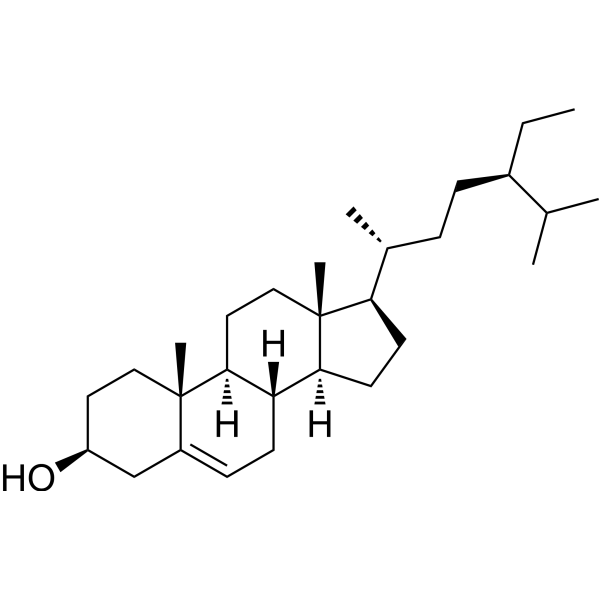
    Beta-Sitosterol (purity≥80%) is orally active. Beta-Sitosterol exhibits multiple activities, including anti-inflammatory, anticancer, antioxidant, antimicrobial, antidiabetic, antioxidant enzyme, and analgesic. Beta-Sitosterol inhibits inflammation and impaired adipogenesis in bovine mammary epithelial cells by reducing levels of ROS, TNF-α, IL-1β, and NF-κB p65 and restoring the activity of the HIF-1α/mTOR signaling pathway. Beta-Sitosterol induces apoptosis in cancer cells through ROS-mediated mitochondrial dysregulation and p53 activation. Beta-Sitosterol exerts its anticancer effects in cancer cells by activating caspase-3, caspase-8, and caspase-9, mediating PARP inactivation, MMP loss, altered Bcl-2-Bax ratio, and cytochrome c release. Beta-Sitosterol modulates macrophage polarization and reduces rheumatoid inflammation in mice. Beta-Sitosterol inhibits tumor growth in multiple mouse cancer models. Beta-Sitosterol can be used in the research of arthritis, lung cancer, breast cancer and other cancers, diabetes, etc .
    Beta-Sitosterol (purity>80%)
  • HY-142870

    Pyruvate Carboxylase (PC) Apoptosis β-catenin ERK Wnt Cancer
    ZY-444 is an anti-cancer agent, targeting pyruvate carboxylase (PC). ZY-444 suppresses the Wnt/β-catenin/Snail signaling pathway by blocking nuclear translocation of β-catenin. ZY-444 selectively inhibits proliferation, migration, and invasion and induces apoptosis in cancer cells. ZY-444 exhibits potent anti-tumor in cancer mouse models. ZY-444 can be used for the study of breast cancer, lung cancer (NSCLC), prostate cancer and iodine-refractory thyroid cancer .
    ZY-444
  • HY-P1416
    Foxy-5
    5+ Cited Publications

    Wnt Cancer
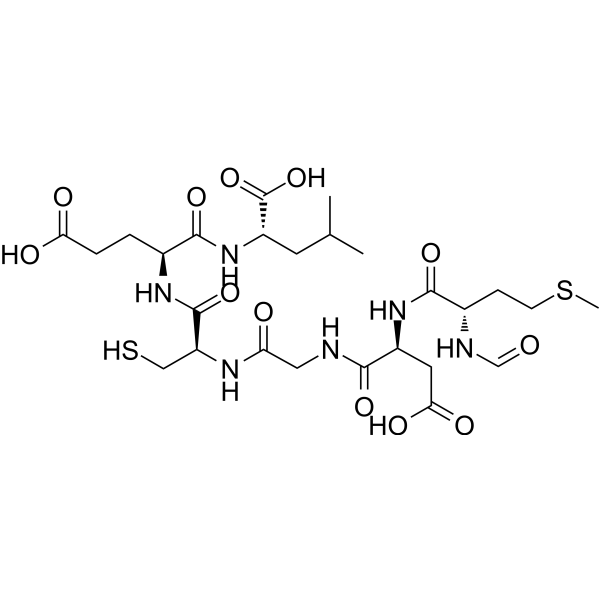
    Foxy-5, a WNT5A agonist, is a mimicking peptide of WNT5A which is a non-canonical member of the Wnt family. Foxy-5 triggers cytosolic free calcium signaling without affecting β-catenin activation and it impairs the migration and invasion of epithelial cancer cells. Foxy-5 effectively reduces the metastatic spread of WNT5A-low prostate cancer cells in an orthotopic mouse model .
    Foxy-5
  • HY-131498

    Mca-Pro-Leu-Gly-Leu-Dpa-Ala-Arg-NH2

    Fluorescent Dye MMP Cancer
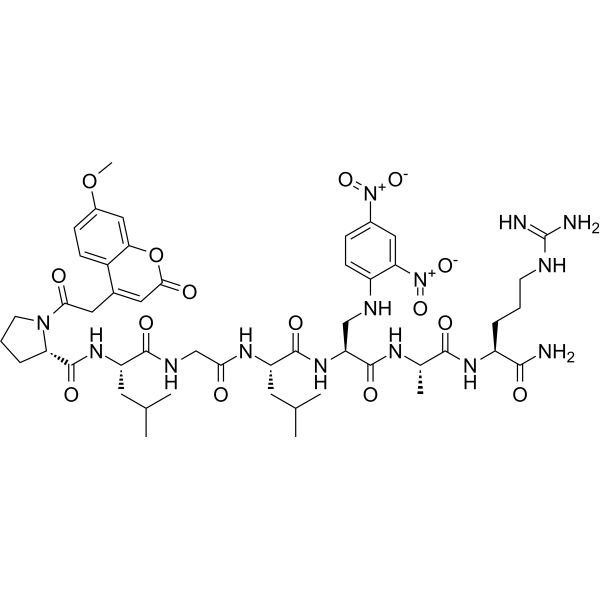
    MOCAc-PLGL (Dpa) AR (Mca-Pro-Leu-Gly-Leu-Dpa-Ala-Arg-NH2) is a synthetic fluorescent substrate mainly used for in vitro enzymatic activity assays of MMP-7 (detection at 393 nm after excitation at 328 nm). MOCAc-PLGL (Dpa) AR is specifically cleaved and hydrolyzed by MMP-7 at the Gly-Leu peptide bond, allowing enzymatic activity to be monitored via fluorometry or HPLC (DMSO is usually added to ensure sufficient dissolution when determining kinetic parameters). MOCAc-PLGL (Dpa) AR is used to accurately evaluate the catalytic activity and pH dependence of recombinant mature human MMP-7 in vitro. MOCAc-PLGL (Dpa) AR is suitable for research on the mechanisms of tumor metastasis and invasion, particularly in fields such as prostate cancer, colon cancer, lung cancer and breast cancer .\n
    MOCAc-PLGL(Dpa)AR
  • HY-50901
    ONO-AE3-208
    10+ Cited Publications

    AE 3-208

    Prostaglandin Receptor Endocrinology Cancer
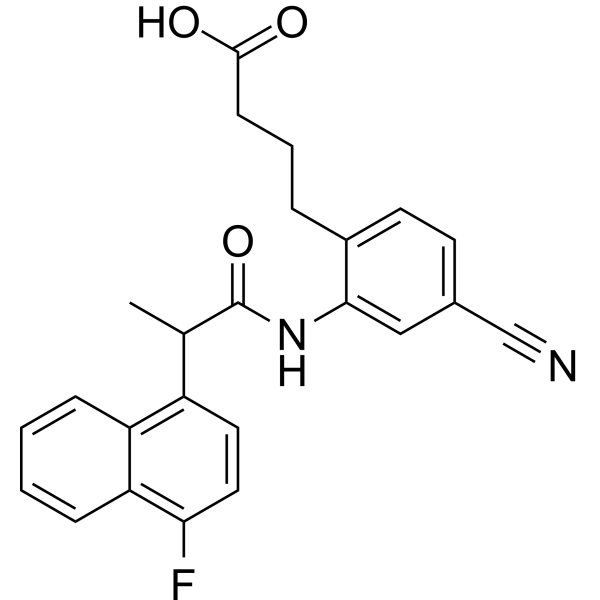
    ONO-AE3-208 is a selective and orally active EP4 receptor antagonist with a Ki of 1.3 nM. ONO-AE3-208 shows less potently affects EP3, FP, and TP receptors (Ki of 30 nM, 790 nM, and 2400 nM, respectively). ONO-AE3-208 suppresses cell invasion, migration, and metastasis of prostate cancer .
    ONO-AE3-208
  • HY-107582

    Ser/Thr Protease Calcium Channel PKC Cancer
    JW480 is a selective KIAA1363/AADACL1 inhibitor with oral activity, featuring IC50 values of 12 nM against human KIAA1363, 20 nM against mouse KIAA1363. JW480 blocks lipid deacetylase activity to restrain HAG metabolism and lowers retinyl ester hydrolase function in hepatic stellate cells. JW480 reduces MAGE lipid levels and inhibits migration, invasion, survival and tumor growth of prostate cancer cells. JW480 lowers PKCδ phosphorylation, facilitates HAGP accumulation, diminishes platelet aggregation, dense granule secretion and Ca 2+ flux, delays arterial thrombosis and prolongs tail bleeding time in rats. JW480 can be used for the study of prostate cancer and thrombosis .
    JW480
  • HY-136383
    AZA1
    1 Publications Verification

    Rac1/Cdc42-IN-1

    Ras Apoptosis Cancer
    AZA1 is a potent dual inhibitor of Rac1 and Cdc42. AZA1 induces prostate cancer cells apoptosis and inhibits prostate cancer cells proliferation, migration and invasion .
    AZA1
  • HY-15194
    Dimethylcurcumin
    10+ Cited Publications

    ASC-J9; GO-Y025

    Androgen Receptor Cancer
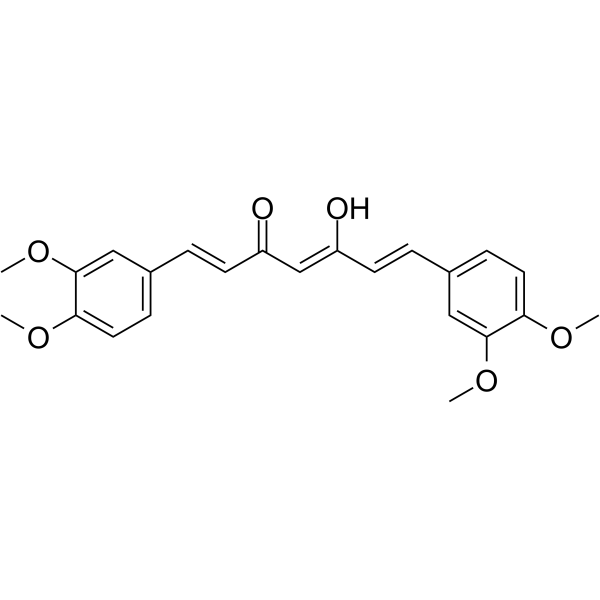
    Dimethylcurcumin (ASC-J9) is an androgen receptor degradation enhancer that effectively suppresses castration resistant prostate cancer cell proliferation and invasion.
    Dimethylcurcumin
  • HY-168534

    SF3B1 Apoptosis Cancer
    WX-02-23 is a small-molecule probe that stereoselectively and site-specifically binds to C258 of FOXA1 and C1111 of SF3B1. WX-02-23 remodels FOXA1's chromatin binding and pioneer activity in a DNA-dependent manner, disrupts spliceosome assembly, and enhances the thermal stability of SF3B1. WX-02-23 inhibits tumor cell proliferation and induces apoptosis. WX-02-23 can be used for research on cancers such as prostate cancer .
    WX-02-23
  • HY-N0819
    Raddeanin A
    1 Publications Verification

    Apoptosis PI3K Akt ERK mTOR Wnt β-catenin Wee1 JNK VEGFR CDK Neurological Disease Inflammation/Immunology Cancer
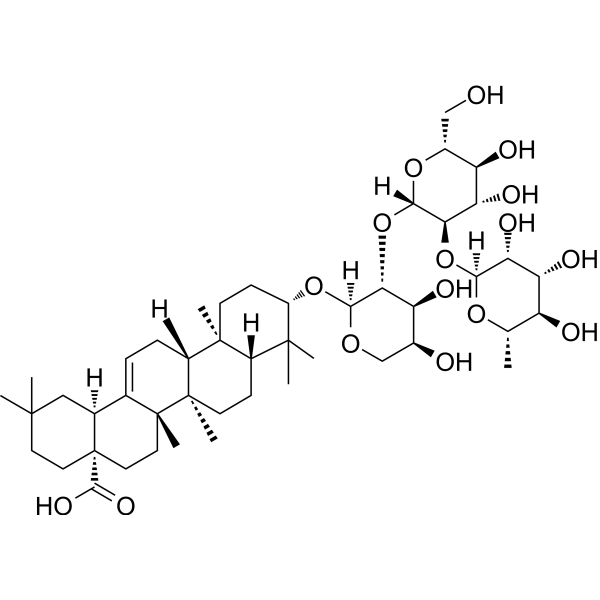
    Raddeanin A is an oleanane-type triterpenoid saponin with oral activity. Raddeanin A inhibits SRC, mTOR, JNK, VEGFR2, NLRP3 inflammasome, Wnt/β-catenin, Wee1, PI3K/AKT signaling pathway, MAPK/ERK signaling pathway, AR-FL, AR-Vs, and downregulates the expression of p-PI3K and p-AKT. Raddeanin A inhibits osteoclast formation, bone resorption, osteolysis, cancer cell invasion, migration, proliferation, angiogenesis and epithelial-mesenchymal transition, while induces apoptosis, cell cycle arrest, ROS production, immunogenic cell death and dendritic cell maturation. Raddeanin A improves blood-retinal barrier function, alleviates inflammation, regulates the tumor microenvironment, and enhances the activity of anti-PD-1 antibody. Raddeanin A is applicable to the research of breast cancer-associated osteolysis, human osteosarcoma, colorectal cancer, glioblastoma, Alzheimer's disease, cholangiocarcinoma, melanoma, non-small cell lung cancer, castration-resistant prostate cancer and multiple myeloma .
    Raddeanin A
  • HY-N0863

    NSC-698790; Smilax saponin B

    Bcl-2 Family Apoptosis Akt c-Myc ERK p38 MAPK JNK FOXO Cancer
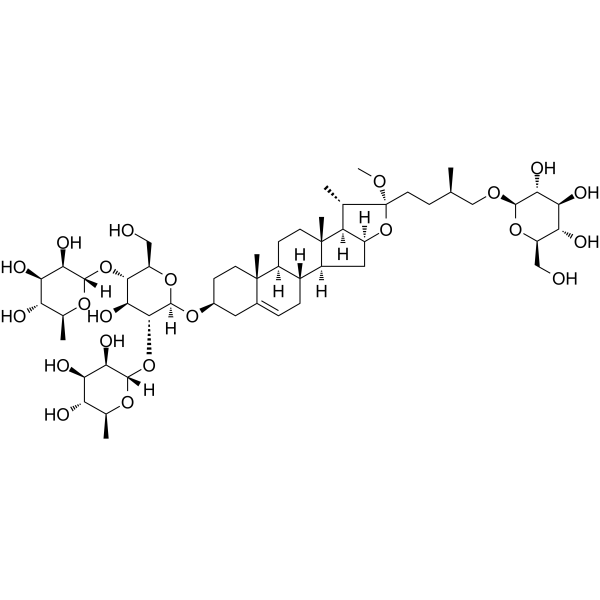
    Methyl protodioscin (NSC-698790; Smilax saponin B) is a multi-target, selective, steroidal diglycoside inhibitor with antitumor activity that induces cell cycle arrest. The mechanism of action of Methyl protodioscin is complex, involving the induction of G2/M cell cycle arrest, regulation of the Bcl-2/Bax apoptotic pathway, inhibition of the Akt1/c-Myc axis and MAPK/ERK signaling, while simultaneously downregulating ADAM15 and inducing FOXO1 to reduce cholesterol synthesis. It also inhibits the JNK/c-Jun pathway, reducing the production of inflammatory factors (IL-6, TNF-α). Methyl protodioscin exhibits significant antitumor (inhibiting proliferation, migration, invasion, and inducing apoptosis), anti-inflammatory, and anti-restenosis activities. Methyl protodioscin can be used in research on lung cancer, prostate cancer, pancreatic cancer, and other tumors, as well as inflammatory diseases such as airway inflammation and enteritis .
    Methyl protodioscin
  • HY-124813

    113B7

    FAK EGFR MMP NF-κB SDCBP Cancer
    PDZ1i (113B7) is a inhibitor of MDA-9/Syntenin, with selective binding to the PDZ1 domain. PDZ1i inhibits radiation-induced invasion of glioblastoma (GBM) cells, radiosensitizes GBM cells, and impairs GBM-related signaling pathways (including Src/EphA2, EGFRvIII/FAK, and NF-κB). PDZ1i reduces radiation-induced secretion of invasion-related proteases (MMP-2, MMP-9, ADAM9). PDZ1i shows anti-tumor effects in nude mice bearing intracranial U1242-luc xenografts or GBM xenografts. PDZ1i can be used for the study of glioblastoma (GBM), breast cancer and prostate cancer .
    PDZ1i
  • HY-115062

    Phospholipase NADPH Oxidase p38 MAPK Akt NF-κB AP-1 Reactive Oxygen Species (ROS) Cardiovascular Disease Inflammation/Immunology Cancer
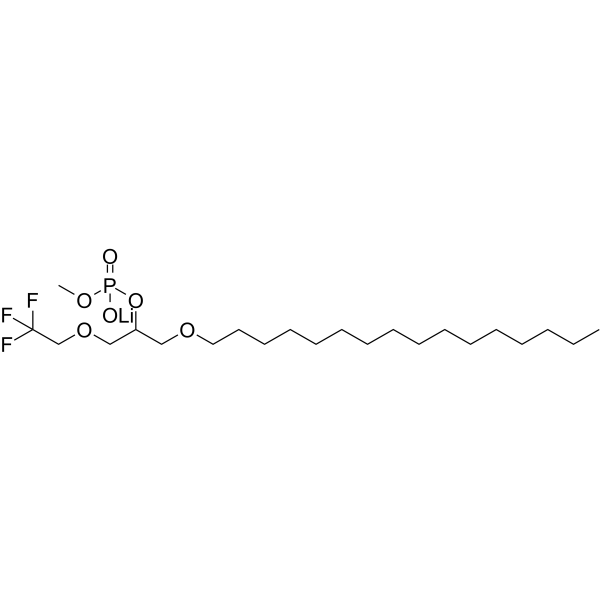
    MJ-33 lithium salt is a competitive phospholipase A2 (PLA2) inhibitor with an IC50 of 0.3 μM. MJ-33 lithium salt inhibits NOX2 activation and reduces ROS production by blocking the PLA2 activity of Prdx6. MJ-33 lithium salt effectively inhibits the activity of acidic PLA2 (pH 4.0) and reduces the degradation of alveolar surfactant phosphatidylcholine (PC), but exerts no effect on alkaline PLA2 (pH 8.5). MJ-33 lithium salt significantly alleviates lung oxidative injury induced by ischemia-reperfusion (I/R). MJ-33 lithium salt significantly inhibits the invasion, migration and adhesion abilities of prostate cancer cells by suppressing the MAPK, AKT, NF-κB and AP-1 signaling pathways. MJ-33 lithium salt can be used for the research of ROS-related diseases and prostate cancer .
    MJ33 lithium salt
  • HY-P1416A
    Foxy-5 TFA
    5+ Cited Publications

    Wnt Cancer
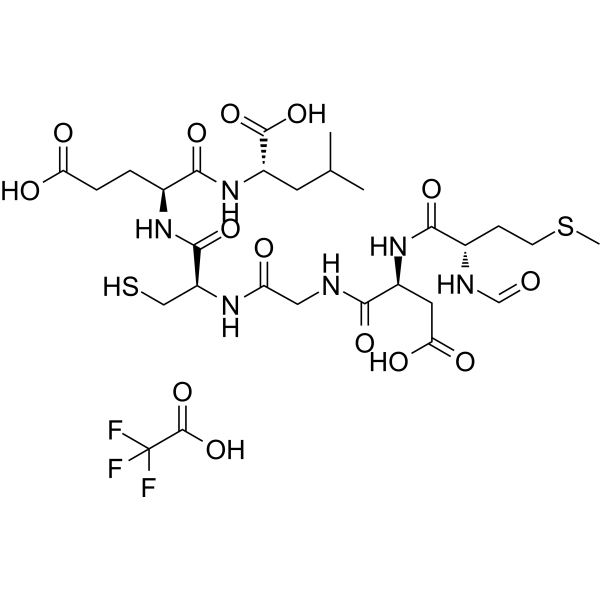
    Foxy-5 TFA, a WNT5A agonist, is a mimicking peptide of WNT5A which is a non-canonical member of the Wnt family. Foxy-5 TFA triggers cytosolic free calcium signaling without affecting β-catenin activation and it impairs the migration and invasion of epithelial cancer cells. Foxy-5 TFA effectively reduces the metastatic spread of WNT5A-low prostate cancer cells in an orthotopic mouse model .
    Foxy-5 TFA
  • HY-149894

    c-Myc Cadherin Cancer
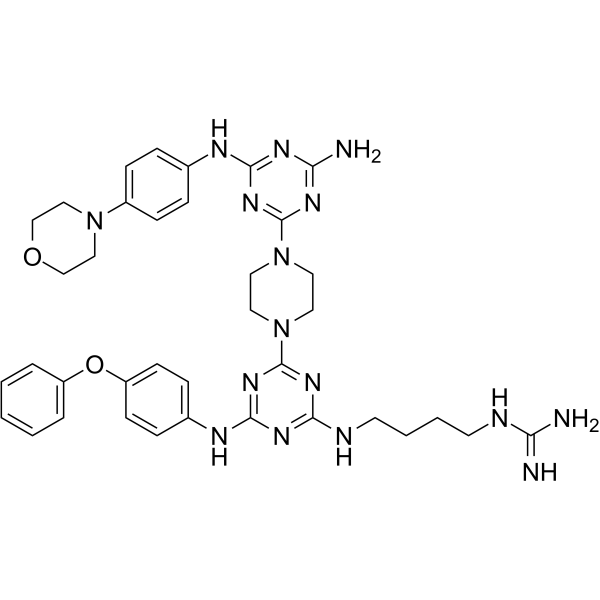
    MC-1-F2 is a FOXC2 inhibitor. MC-1-F2 shows a binding affinity (Kd) of 26 μM for full-length FOXC2. MC-1-F2 reduces epithelial-mesenchymal transition (EMT) markers in breast cancer cells, suppresses cancer stem cell (CSC) properties and reduces invasiveness in castration-resistant prostate cancer (CRPC) cells. MC-1-F2 can be used for the study of CRPC and breast cancer .
    MC-1-F2
  • HY-157486

    Epigenetic Reader Domain Cancer
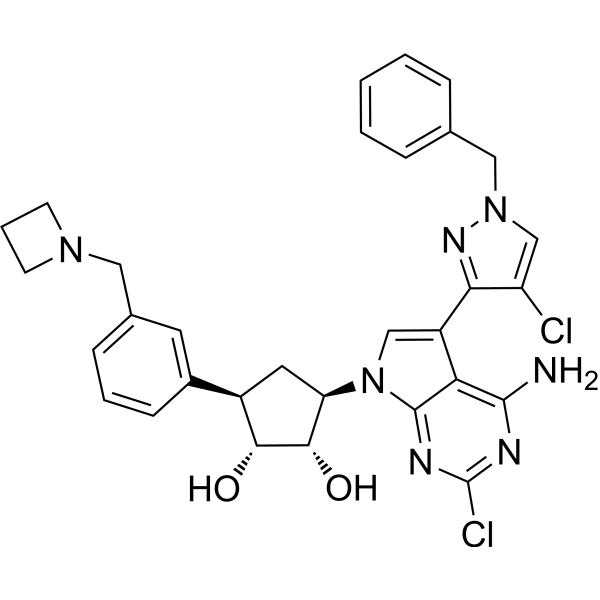
    KMI169 is a potent and selective inhibitor targeting lysine methyl-transferase (KMT9) (IC50 = 0.05 μM, Kd = 0.025 μM). KMI169 functions as a bi-substrate inhibitor targeting the cofactor S-5’-adenosyl-L-methionine (SAM) and substrate binding pockets of KMT9. KMI169 can downregulate target genes involved in cell cycle regulation and impair proliferation of tumor cells by inhibiting KMT9. KMI169 is a valuable tool to probe cellular KMT9 functions and can be research for combating diseases including prostate, lung, colon, and invasive bladder cancer .
    KMI169
  • HY-135319

    Bacterial Antibiotic ERK JNK NF-κB ROR Apoptosis Caspase GSK-3 Akt PI3K Infection Metabolic Disease Inflammation/Immunology Cancer
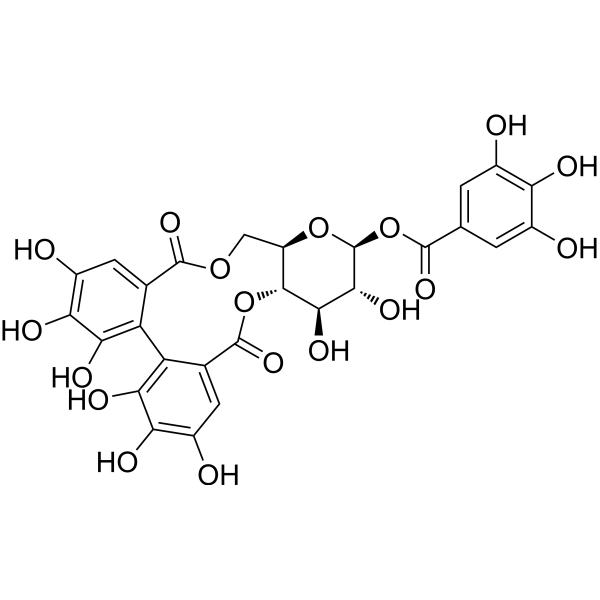
    Strictinin is an orally active phenolic compound. Strictinin reduces xanthine oxidase activity, uric acid production, and the activation of ERK1/2, JNK, NF-κB, and NLRP3 inflammasome components in hepatocytes treated with Xanthine (HY-W017389). Strictinin decreases elevated serum uric acid levels and enhanced xanthine oxidase activity in mice treated with potassium oxonate. Strictinin acts as a ROR1 inhibitor and exhibits anticancer activity against highly aggressive non-androgen-dependent prostate cancer. Strictinin induces cancer cell apoptosis (apoptosis), arrests cell cycle, and inhibits cancer cell migration, invasion, and epithelial-mesenchymal transition. Strictinin modulates gut microbiota, inhibits bacterial growth and biofilm formation, accelerates small intestinal transit, and blocks viral entry and replication. Strictinin can be used in research related to hyperuricemia, androgen receptor-negative non-androgen-dependent prostate cancer, triple-negative breast cancer, bacterial infections, constipation, coronavirus infections, dental caries, and infections caused by influenza A, influenza B, and human parainfluenza virus type 1 .
    Strictinin
  • HY-170933

    SGK Cancer
    SGK1-IN-6 is a selective SGK1 inhibitor with an IC50 of 0.39 μM, showing selectivity over SGK2/3. SGK1-IN-6 inhibits cancer cell migration and invasion, improves SGK1 protein thermal stability. SGK1-IN-6 decreases SGK1 protein levels in tumor tissues, suppresses tumor growth in mouse xenograft models. SGK1-IN-6 can be used for the research of prostate cancer .
    SGK1-IN-6
  • HY-77826

    Epigenetic Reader Domain Cancer
    4-Chloro-N-methylpicolinamide (Compound 3) is a BAZ2A bromodomain inhibitor with a Kd of >500 μM. 4-Chloro-N-methylpicolinamide forms a weak hydrogen bond with the carbonyl oxygen of Pro1817. 4-Chloro-N-methylpicolinamide can be used in the research of invasive prostate cancer .
    4-Chloro-N-methylpicolinamide
  • HY-171450

    Trk Receptor Cancer
    VMD-928 is an orally active, allosteric, irreversible and selective tropomyosin receptor kinase A (TrkA) inhibitor. VMD-928 blocks the downstream signaling pathways triggered by the binding of nerve growth factor (NGF) to TrkA, thereby inhibiting cell proliferation, invasion, and promoting cancer cell death. VMD-928 is promising for research of various cancers, including prostate cancer, thymic carcinoma, mesothelioma, squamous cell carcinoma of the head and neck, squamous cell carcinoma of the lung, ovarian cancer, hepatocellular carcinoma .
    VMD-928
  • HY-175243

    Adenosine Deaminase Apoptosis Cancer
    ADAR1-IN-1 is a potent ADAR1 inhibitor. ADAR1-IN-1 significantly suppressed DU-145 cell proliferation (IC50 = 1.11 μM), clonogenicity, migration, and invasion, arrests cell cycle, and induces apoptosis. ADAR1-IN-1 safely and effectively inhibits tumor growth. ADAR1-IN-1 can be used for the study of prostate cancer (PCa) .
    ADAR1-IN-1
  • HY-174908

    Histone Methyltransferase 11β-HSD Androgen Receptor Cancer
    SJL2-1 is a PRMT5 inhibitor, with an IC50 of 1.56 μM. SJL2-1 suppresses proliferation, migration, and invasion in prostate cancer cells. SJL2-1 promotes apoptosis and blocks the cell cycle at the G0/G1 phase. SJL2-1 can target the binding of PRMT5 in cells and inhibit the methylation and expression of the androgen receptor. SJL2-1 can be used for the study of early androgen-sensitive prostate cancer and advanced castration-resistant prostate cancer (CRPC) .
    SJL2-1
  • HY-175826

    Deubiquitinase Ferroptosis Reactive Oxygen Species (ROS) Glutathione Peroxidase Cancer
    USP30-IN-20 is an orally active USP30 inhibitor (Kd = 1.61 μM, IC50 = 12.8 μM). USP30-IN-20 induces ferroptosis by promoting ubiquitination-mediated degradation of GPX4. USP30-IN-20 inhibits the proliferation, migration, invasion, and stemness of prostate cancer cells. USP30-IN-20 induces G0/G1 cell cycle arrest and ROS levels in prostate cancer cells. USP30-IN-20 exhibits significant anti-tumor efficacy in PC3 cell subcutaneous xenografts in mice. USP30-IN-20 can be used for the study of advanced prostate cancer .
    USP30-IN-20
  • HY-107640

    MMP Cancer
    WAY-170523 is a potent and selective MMP-13 (matrix metalloproteinase-13) inhibitor, with an IC50 of 17 nM. WAY-170523 can directly attenuate ERK1/2 phosphorylation. WAY-170523 inhibits the invasion of PC-3 cells, can be used for prostate cancer research .
    WAY-170523
  • HY-136271

    Phospholipase NADPH Oxidase p38 MAPK Akt NF-κB AP-1 Reactive Oxygen Species (ROS) Cardiovascular Disease Inflammation/Immunology Cancer
    MJ-33 is a competitive phospholipase A₂ (PLA₂) inhibitor with an IC50 of 0.3 μM. MJ-33 inhibits the activation of NOX2 by blocking the PLA₂ activity of Prdx6, thereby reducing the production of ROS. MJ-33 effectively inhibits the activity of acidic PLA₂ (pH 4.0), reduces the degradation of pulmonary surfactant phosphatidylcholine (PC), but has no effect on alkaline PLA₂ (pH 8.5). MJ-33 significantly alleviates lung oxidative damage induced by ischemia-reperfusion (I/R). MJ-33 significantly inhibits the invasive, migratory and adhesive abilities of prostate cancer cells by suppressing the MAPK, AKT, NF-κB and AP-1 signaling pathways. MJ-33 can be used to study ROS-related diseases and prostate cancer .
    MJ33
  • HY-15194R

    ASC-J9 (Standard); GO-Y025 (Standard)

    Androgen Receptor Reference Standards Cancer
    Dimethylcurcumin (Standard) is the analytical standard of Dimethylcurcumin. This product is intended for research and analytical applications. Dimethylcurcumin (ASC-J9) is an androgen receptor degradation enhancer that effectively suppresses castration resistant prostate cancer cell proliferation and invasion.
    Dimethylcurcumin (Standard)
  • HY-179032

    VEGFR PI3K Akt mTOR Apoptosis Cancer
    VEGFR-2-IN-77 (Compound 10) is a VEGFR-2 inhibitor with an IC50 value of 139 nM. VEGFR-2-IN-77 inhibits the PI3K/AKT/mTOR pathway. VEGFR-2-IN-77 exhibits selective cytotoxicity, being particularly sensitive to leukemia and prostate cancer cells. VEGFR-2-IN-77 causes cell cycle arrest and apoptosis, inhibiting cell migration and invasion. VEGFR-2-IN-77 can be used for the study of leukemia and prostate cancer.
    VEGFR-2-IN-77
  • HY-50901A

    AE 3-208 sodium salt

    Prostaglandin Receptor Endocrinology Cancer
    ONO-AE3-208 (sodium salt) is a selective and orally active EP4 receptor antagonist with a Ki of 1.3 nM. ONO-AE3-208 (sodium salt) shows less potently affects EP3, FP, and TP receptors (Ki of 30 nM, 790 nM, and 2400 nM, respectively). ONO-AE3-208 (sodium salt) suppresses cell invasion, migration, and metastasis of prostate cancer .
    ONO-AE3-208 sodium salt
  • HY-124068

    Apoptosis GSK-3 MMP Reactive Oxygen Species (ROS) Infection Inflammation/Immunology Cancer
    LQB-118 is an orally active compound derived from sandalwood. LQB-118 can inhibit the migration of glioblastoma cells and induce cell death. LQB-118 can suppress the migration and invasion of prostate cancer cells by regulating the AKT/GSK3β pathway and the expression of the MMP-9/reck genes. LQB-118 can also inhibit yeast polysaccharide-induced inflammation both in vivo and in vitro. Additionally, LQB-118 selectively induces ROS-triggered and mitochondrial-dependent apoptosis in Leishmania amazonensis. LQB-118 can be used in studies related to inflammation, infections, and cancer diseases .
    LQB-118
  • HY-N0819R

    Reference Standards Apoptosis PI3K Akt ERK mTOR Wnt β-catenin Wee1 JNK VEGFR CDK Neurological Disease Inflammation/Immunology Cancer
    Raddeanin A (Standard) is the analytical standard of Raddeanin A (HY-N0819). This product is intended for research and analytical applications. Raddeanin A is an oleanane-type triterpenoid saponin with oral activity. Raddeanin A inhibits SRC, mTOR, JNK, VEGFR2, NLRP3 inflammasome, Wnt/β-catenin, Wee1, PI3K/AKT signaling pathway, MAPK/ERK signaling pathway, AR-FL, AR-Vs, and downregulates the expression of p-PI3K and p-AKT. Raddeanin A inhibits osteoclast formation, bone resorption, osteolysis, cancer cell invasion, migration, proliferation, angiogenesis and epithelial-mesenchymal transition, while induces apoptosis, cell cycle arrest, ROS production, immunogenic cell death and dendritic cell maturation. Raddeanin A improves blood-retinal barrier function, alleviates inflammation, regulates the tumor microenvironment, and enhances the activity of anti-PD-1 antibody. Raddeanin A is applicable to the research of breast cancer-associated osteolysis, human osteosarcoma, colorectal cancer, glioblastoma, Alzheimer's disease, cholangiocarcinoma, melanoma, non-small cell lung cancer, castration-resistant prostate cancer and multiple myeloma.
    Raddeanin A (Standard)
  • HY-P992209

    Transmembrane Glycoprotein Cancer
    Anti-CD318/CDCP1 Antibody (25A11) is an anti-CDCP1 antibody. Anti-CD318/CDCP1 Antibody (25A11) drives the internalization of antibody-CDCP1 complexes, inhibits cancer cell migration and invasion, and blocks downstream migration/invasion signaling pathways. When conjugated with saponin, Anti-CD318/CDCP1 Antibody (25A11) mediates the killing of prostate cancer cells. When conjugated with saponin, this antibody acts as an immunotoxin to inhibit the growth and metastasis of primary prostate tumors in mouse xenograft models. Anti-CD318/CDCP1 Antibody (25A11) is applicable to prostate cancer-related research .
    Anti-CD318/CDCP1 Antibody (25A11)
  • HY-182288

    STAT Apoptosis Cancer
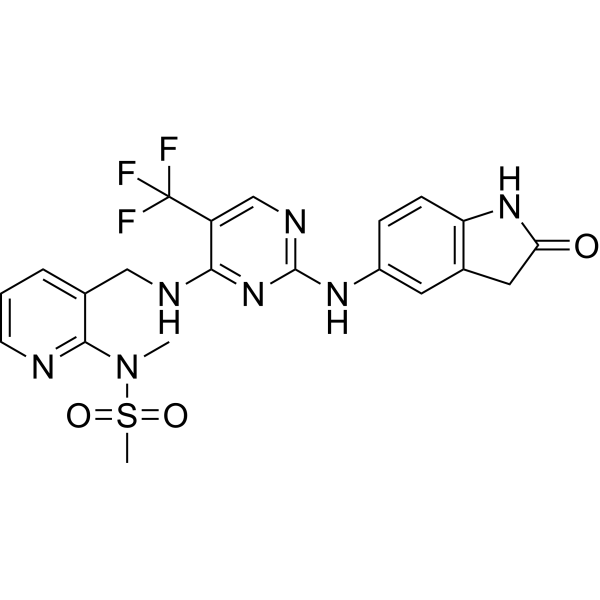
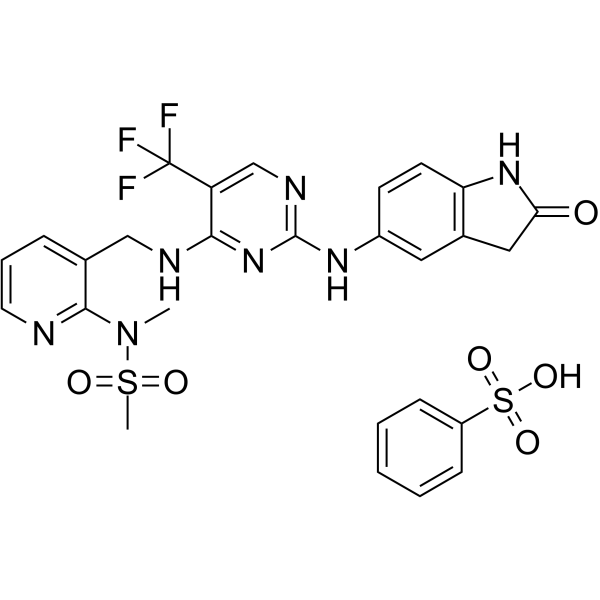
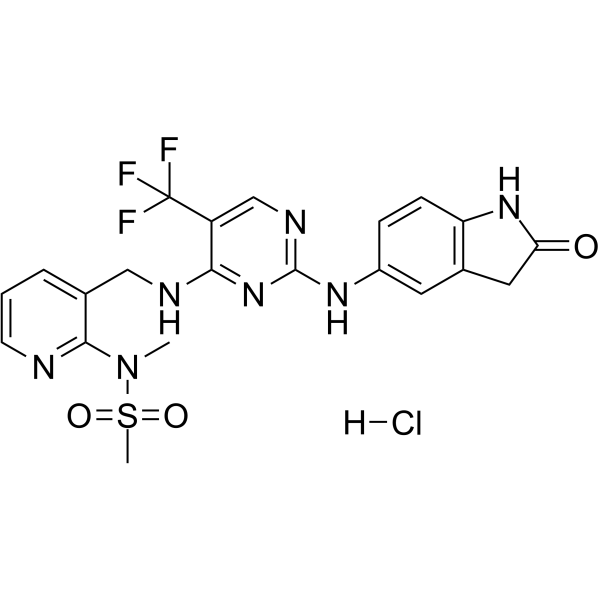
    YN11 is a STAT3 inhibitor (Kd=11.9 μM). YN11 directly binds to the SH2 domain of STAT3, inhibits the phosphorylation of STAT3, and reduces the expression of downstream target proteins. YN11 induces cell cycle arrest, promotes apoptosis, and inhibits cell invasion and migration in prostate cancer cells. YN11 suppresses tumor growth in a prostate cancer xenograft mouse model. YN11 does not cause significant body weight loss or obvious histopathological changes in major organs in xenograft mice. YN11 is applicable to relevant research on prostate cancer .
    YN11
  • HY-N18236

    Histone Demethylase Cancer
    3β-Acetoxyl-atractylenolide I is a LSD1 inhibitor with an IC50 of 57 μM. 3β-Acetoxyl-atractylenolide I blocks tumor growth, metastasis and invasion. 3β-Acetoxyl-atractylenolide I is used in the research of various cancers including prostate cancer, breast cancer, neuroblastoma, gastric cancer, colon cancer, bladder cancer, esophageal cancer, acute myeloid leukemia and retinoblastoma .
    3β-Acetoxyl-atractylenolide I
  • HY-181166

    EGFR Apoptosis Cancer
    EGFR-IN-194 is a potent EGFR tyrosine kinase inhibitor with an IC50 of 54.3 nM against human EGFR. EGFR-IN-194 induces apoptosis, inhibits migration in cancer cells, selectively promotes invasion in cancer cells, and exhibits antiproliferative effects across multiple cancer cell lines. EGFR-IN-194 can be used for the research of prostate adenocarcinoma, non-small cell lung carcinoma, breast carcinoma, chronic myeloid leukemia .
    EGFR-IN-194
  • HY-181285

    Methionine Adenosyltransferase (MAT) Cancer
    MAT2A ligand 1 is a MAT2A ligand inhibitor (IC50=29.5 nM) and PET tracer that crosses the blood-brain barrier. MAT2A ligand 1 enables non-invasive imaging of MAT2A-expressing tumors, with rapid tumor uptake equilibrium, a high tumor-to-muscle ratio, and specific tumor-binding properties. MAT2A ligand 1 is applicable to research related to non-small cell lung cancer, hepatocellular carcinoma, colorectal cancer, gastric cancer, glioblastoma, pancreatic adenocarcinoma, urothelial carcinoma, breast cancer, and prostate cancer .
    MAT2A ligand 1
  • HY-184178A

    Apoptosis Cancer
    HF-125 is an orally active, highly selective small-molecule inhibitor of Tribbles 2 (TRIB2). HF-125 promotes the destabilization and degradation of TRIB2 protein via the proteasome pathway. HF-125 downregulates neuroendocrine markers, induces cell cycle arrest and apoptosis, inhibits tumor cell colony formation and invasion, and reverses tumor cell resistance to Enzalutamide (HY-70002). HF-125 significantly inhibits tumor growth in SCID mouse xenograft models, and exerts synergistic inhibitory effects when combined with Enzalutamide. HF-125 can be used in research related to prostate cancer .
    HF-125

온라인 문의

Your information is safe with us. * Required Fields.

호칭


Country or Region *

고객명 *


회사명 *

Department *


메일주소 *


상품명 *

Cat. No.


Requested quantity *

전화번호 *


비고

온라인 문의

Inquiry Information

상품명:
Cat. No.:
수량:
MCE Japan Authorized Agent:

