1. Search Result
Search Result
Results for "

proinflammatory activity

" in MedChemExpress (MCE) Product Catalog:

244

Inhibitors & Agonists

1

Screening Libraries

7

Biochemical Assay Reagents

16

Peptides

7

Inhibitory Antibodies

97

Natural
Products

13

Isotope-Labeled Compounds

2

Click Chemistry

3

Oligonucleotides

Cat. No. Product Name Target Research Areas Chemical Structure
  • HY-13417
    AICAR
    Maximum Cited Publications
    215 Publications Verification

    Acadesine; AICA Riboside

    AMPK Autophagy YAP Mitophagy Endogenous Metabolite Cancer
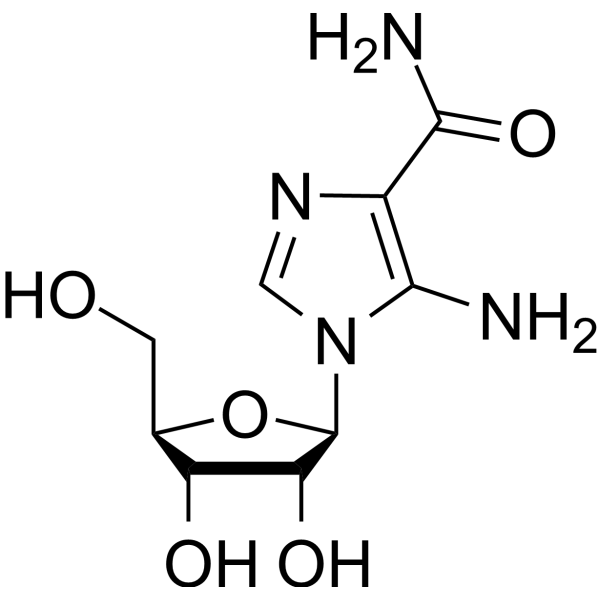
    AICAR (Acadesine) is an adenosine analog and a AMPK activator. AICAR is also an autophagy, YAP and mitophagy inhibitor. AICAR regulates the glucose and lipid metabolism, and inhibits proinflammatory cytokines and iNOS production. AICAR inhibits autophagy through a mechanism independent of AMPK activity .
    AICAR
  • HY-Y0344D
    Sodium chloride, for cell culture
    3 Publications Verification

    Halite, for cell culture

    Environmental Pollutants Biochemical Assay Reagents Interleukin Related Na+/K+ ATPase Inflammation/Immunology Cancer
    Sodium chloride, for cell culture is an orally active salt. Sodium chloride, for cell culture induces the expression of ATP1A1. Sodium chloride, for cell culture induces the pro-inflammatory cytokines IL-2, TNFα, IL-9 and several chemokines. Sodium chloride, for cell culture enhances the anti-tumor activities of Digoxin (HY-B1049) against small cell lung cancer. Sodium chloride, for cell culture drives autoimmune disease by the induction of pathogenic Th17 cells .
    Sodium chloride, for cell culture
  • HY-111431A
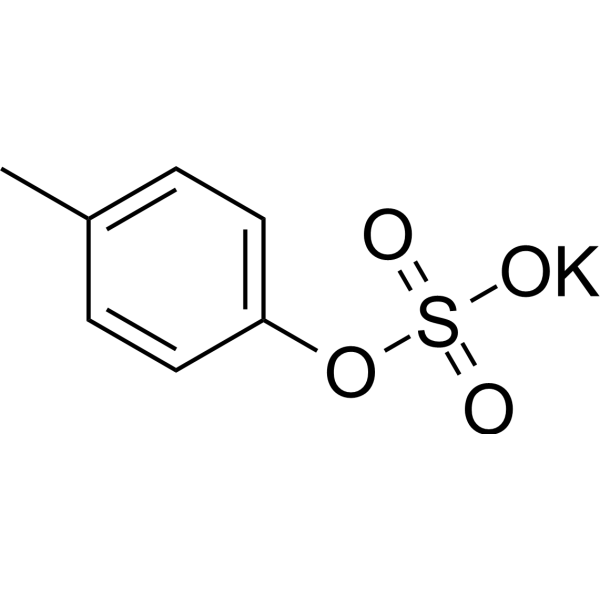
    p-Cresyl sulfate potassium
    5+ Cited Publications

    p-Tolyl sulfate potassium

    Endogenous Metabolite JNK p38 MAPK Metabolic Disease Inflammation/Immunology
    p-Cresyl sulfate potassium is a uremic toxin that binds to a prototype protein. p-Cresyl sulfate potassium activates the JNK and p38 MAPK signaling pathways. p-Cresyl sulfate potassium has pro-inflammatory activity .
    p-Cresyl sulfate potassium
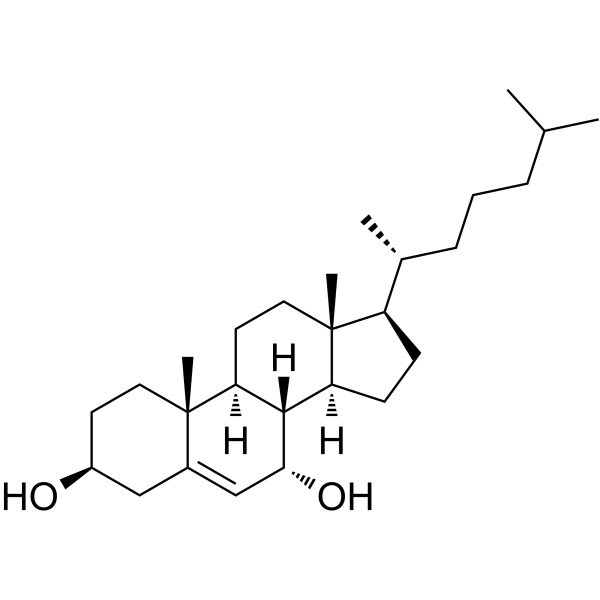
  • HY-N7264
    7α-Hydroxycholesterol
    3 Publications Verification

    HMG-CoA Reductase (HMGCR) Toll-like Receptor (TLR) Akt Src ERK MDM-2/p53 Metabolic Disease Inflammation/Immunology
    7α-Hydroxycholesterol is a cholesterol oxide and can serve as a biomarker for oxidative stress and lipid peroxidation. 7α-Hydroxycholesterol has cytotoxic and pro-inflammatory activities. 7α-Hydroxycholesterol can also inhibit sterol synthesis and reduce the activity of HMG-CoA reductase. 7α-Hydroxycholesterol can be used in the research of diseases such as diabetes and atherosclerosis .
    7α-Hydroxycholesterol
  • HY-125783
    1-Palmitoyl-sn-glycero-3-phosphocholine
    2 Publications Verification

    16:0 Lyso PC

    Endogenous Metabolite Cardiovascular Disease Metabolic Disease Inflammation/Immunology
    1-Palmitoyl-sn-glycero-3-phosphocholine (16:0 Lyso PC) is an abundant lysophosphatidylcholine. 1-Palmitoyl-sn-glycero-3-phosphocholine exhibits proinflammatory activity. 1-Palmitoyl-sn-glycero-3-phosphocholine can be used in the study of atherosclerosis .
    1-Palmitoyl-sn-glycero-3-phosphocholine
  • HY-N9470
    λ-Carrageenan
    2 Publications Verification

    Others Inflammation/Immunology Cancer
    λ-Carrageenan is a seaweed polysaccharide which has been generally used as proinflammatory agent in the basic research. λ-Carrageenan is a potent antitumor agent .
    λ-Carrageenan
  • HY-N6796
    Manumycin A
    2 Publications Verification

    Antibiotic Exosomes Farnesyl Transferase Ras Apoptosis Phospholipase TNF Receptor Atg8/LC3 Infection Inflammation/Immunology Cancer
    Manumycin A is a polyketide antibiotic and an inhibitor of thioredoxin reductase 1 (TrxR-1). Manumycin A can inhibit the growth of breast cancer cells and exert its anti-tumor activity through LC3. Manumycin A can downregulate the release of pro-inflammatory cytokines in human monocytes stimulated by TNF α, and has potential anti-inflammatory activity. Manumycin A can inhibit the Ras/Raf/ERK1/2 signaling and hnRNP H1 in castration resistant prostate cancer cells to suppress exosome biogenesis and secretion .
    Manumycin A
  • HY-N2072
    Crocetin
    3 Publications Verification

    Transcrocetin; trans-Crocetin

    iGluR Apoptosis COX p38 MAPK Neurological Disease Inflammation/Immunology Cancer
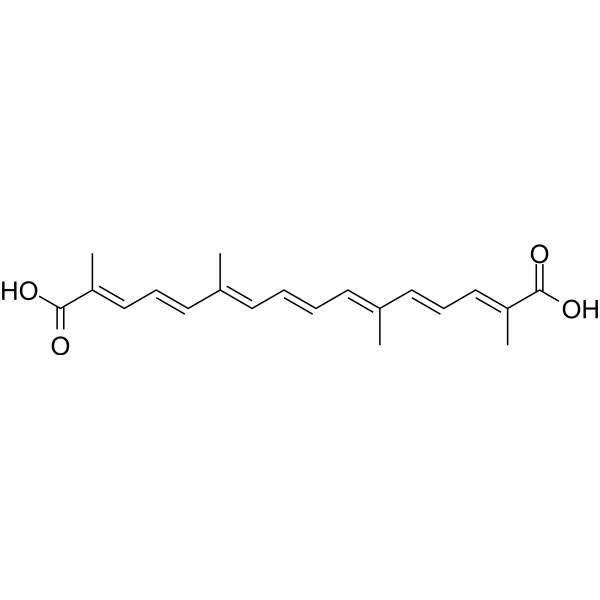
    Crocetin (Transcrocetin) is an aglycone of crocin. Crocetin is an orally active and brain-penetrant. Crocetin shows strong NMDA receptor affinity and channel opening activity. Crocetin can downregulate the proinflammatory cytokines and COX-2 exoression. Crocetin can inhibit apoptosis and activation of MAPK. Crocetin can delay delays brain and body aging. Crocetin can be used for the researches of cancer, neurological disease and inflammation, such as cervical cancer and ischemia .
    Crocetin
  • HY-P99389

    JNJ-64304500; IPH-2301; NN-8555

    C-type Lectin-like Receptors (CTLRs) Inflammation/Immunology
    Tesnatilimab (JNJ-64304500) is a human IgG4 monoclonal antibody targeting NKG2D, with a KD value of 9.2 pM . Tesnatilimab blocks the binding of ligands to the NKG2D receptor, thereby inhibiting downstream proinflammatory cytokine, cytotoxic mediator signaling pathways and proinflammatory immune responses. Tesnatilimab is applicable to research related to Crohn's disease .
    Tesnatilimab
  • HY-B1114
    Gliquidone
    2 Publications Verification

    AR-DF 26

    Potassium Channel ERK STAT NF-κB COX Interleukin Related Reactive Oxygen Species (ROS) Metabolic Disease
    Gliquidone can bind to the pancreatic β-cells and increases insulin release to regulate blood glucose levels. Gliquidone significantly decreases LPS (HY-D1056)-induced proinflammatory responses and inhibits ERK/STAT3/NF-κB phosphorylation in BV2 microglial cells. Gliquidone can suppress microgliosis, microglial hypertrophy mediated by LPS, and proinflammatory cytokine COX-2 and IL-6 levels in murine model. Gliquidone also exhibits good anticancer activity in lung carcinoma cells. Gliquidone has antioxidant property. Gliquidone can be studied in research for type 2 diabetes and cancers .
    Gliquidone
  • HY-Y0344J
    Sodium chloride, for molecular biology
    3 Publications Verification

    Halite, for molecular biology

    Biochemical Assay Reagents Na+/K+ ATPase Interleukin Related Inflammation/Immunology Cancer
    Sodium chloride is an orally active salt. Sodium chloride induces the expression of ATP1A1. Sodium chloride induces the pro-inflammatory cytokines IL-2, TNFα, IL-9 and several chemokines. Sodium chloride enhances the anti-tumor activities of Digoxin (HY-B1049) against small cell lung cancer. Sodium chloride drives autoimmune disease by the induction of pathogenic Th17 cells .
    Sodium chloride, for molecular biology
  • HY-P3042

    SARS-CoV Virus Protease NF-κB Interleukin Related Inflammation/Immunology
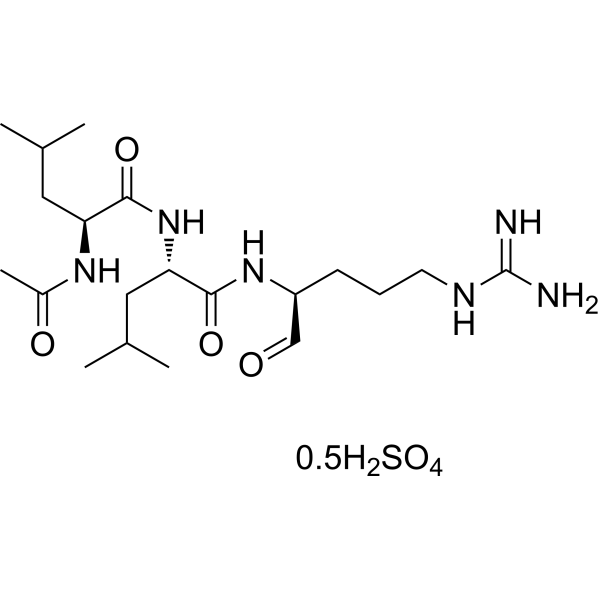
    Chymostatin is a SARS-CoV-2 M pro inhibitor. Chymostatin up-regulates endocan and inhibits NF-κBp65 activity. Chymostatin reduces proinflammatory cytokines (IL-1β and IL-6) and HMGB1. Chymostatin shows protective effects against Paraquat-induced acute lung injury. Chymostatin exhibits anticancer activity against lung cancer .
    Chymostatin
  • HY-N6967

    (-)-α-Bisabolol

    Environmental Pollutants Apoptosis Neurological Disease Inflammation/Immunology
    Levomenol ((-)-α-Bisabolol), a monocyclic sesquiterpene alcohol, exerts antioxidant, anti-inflammatory, and anti-apoptotic activities. Levomenol also has neuroprotective effects and prevents neuronal damage and memory deficits through reduction of proinflammatory markers induced by permanent focal cerebral ischemia in mice. Levomenol attenuates nociceptive behaviour and central sensitisation in a rodent model of trigeminal neuropathic pain. Orally active .
    Levomenol
  • HY-N6263
    EGCG Octaacetate
    2 Publications Verification

    AcEGCG; Peracetylated (-)-epigallocatechin-3-gallate

    Bacterial PI3K Akt NF-κB Infection Inflammation/Immunology Cancer
    EGCG Octaacetate (AcEGCG) is a proagent of Green tea epigallocatechin-3-gallate (EGCG). EGCG Octaacetate decreases the proinflammatory mediator levels by down-regulating of PI3K/Akt/NFκB phosphorylation and p65 acetylation. EGCG octaacetate is the potential antibacterial compound for gram-positive bacteria (GPB) and gram-negative bacteria (GNB). EGCG Octaacetate exhibits antioxidant, anti-angiogenesis, anti-inflammatory and antitumor activities .
    EGCG Octaacetate
  • HY-P99810

    AVTX-002; AEVI 002; SAR 252067; CERC-002; MDGN-002

    SARS-CoV Infection Inflammation/Immunology
    Quisovalimab (AVTX-002) is a human-derived monoclonal antibody against LIGHT (TNFSF14). Quisovalimab binds to LIGHT, blocks the signal transduction activity of LIGHT, reduces circulating LIGHT levels and attenuates pro-inflammatory effects. Quisovalimab can be used in research related to Crohn's disease, COVID-19-associated pneumonia and acute respiratory distress syndrome comorbidity .
    Quisovalimab
  • HY-N3029
    Noreugenin
    2 Publications Verification

    Interleukin Related Apoptosis Glutathione Peroxidase SOD Glutathione S-transferase Necroptosis Inflammation/Immunology
    Noreugenin is a phenolic compound found in Calea uniflora Less. Noreugenin inhibits myeloperoxidase activity and reduces levels of proinflammatory cytokines IL-1β and IL-17A levels in LPS (HY-D1056)-induced murine pleurisy model. Noreugenin reduces apoptosis and necrosis. Noreugenin reduces lipid peroxidation, and antioxidant enzyme (CAT, SOD, GST) activity. Noreugenin exhibits anti-inflammatory and antioxidant effects. Noreugenin can be used for the research of inflammatory conditions, such as pleurisy .
    Noreugenin
  • HY-B0506
    Nadifloxacin
    1 Publications Verification

    OPC7251

    Bacterial Antibiotic DNA/RNA Synthesis Interleukin Related Infection Inflammation/Immunology
    Nadifloxacin (OPC7251) is a broad-spectrum quinolone antibiotic. Nadifloxacin inhibits bacterial DNA gyrase and topoisomerase IV, interfering with DNA replication. It also suppresses the production of proinflammatory cytokines (such as IL-1α, IL-6, and IL-8). Nadifloxacin exhibits antibacterial activity against various pathogens, including Propionibacterium acnes and Staphylococcus aureus. Nadifloxacin also exhibits anti-inflammatory activity. Nadifloxacin can be used in the research of skin infections such as acne vulgaris, folliculitis, and impetigo .
    Nadifloxacin
  • HY-P9983

    SGN-33; HuM-195; GLK-33 Antibody

    Transmembrane Glycoprotein Radionuclide-Drug Conjugates (RDCs) Inflammation/Immunology
    Lintuzumab (HUM-195) is an anti-CD33 humanized monoclonal antibody. Lintuzumab reduces the production of TNFα-induced pro-inflammatory cytokines and chemokines by AML cells. Lintuzumab promotes tumor cell killing through antibody-dependent cellular cytotoxicity (ADCC) and phagocytosis (ADCP) activities against MDR and MDR+ AML cell lines and primary AML patient samples. Lintuzumab enhances survival and reduces tumor burden in mice .
    Lintuzumab
  • HY-B1051
    Flumethasone
    1 Publications Verification

    Flumetasone

    Glucocorticoid Receptor TNF Receptor Interleukin Related Keap1-Nrf2 Inflammation/Immunology Endocrinology Cancer
    Flumethasone (Flumetasone) is an orally active, high selective and potent glucocorticoid receptor (GR) agonist. Flumethasone activates GR to inhibit nuclear factor kappa B (NF-κB)-mediated pro-inflammatory cytokine production (TNF-α, IL-1β) and promotes anti-inflammatory gene expression (IL-10), while also regulating metabolic enzyme activity (tyrosine aminotransferase induction). Flumethasone is promising for research of inflammatory diseases, cancer, and endocrine regulation .
    Flumethasone
  • HY-W614507

    NADPH Oxidase Apoptosis Bcl-2 Family Metabolic Disease Cancer
    Dihydronicotinamide riboside is a potent NAD + concentration enhancer. Dihydronicotinamide riboside modulates targets BAX, PUMA, NQO2, and IκB kinase. Dihydronicotinamide riboside mediates apoptosis, induces pro-oxidant activity, mitochondrial dysfunction, metabolic dysregulation, redox modulation, and pro-inflammatory M1 phenotype induction. Dihydronicotinamide riboside increases intracellular and mitochondrial NAD + levels, maintains cell survival against NAD +-depleting genotoxins. Dihydronicotinamide riboside can be used for the research of hepatocellular carcinoma .
    Dihydronicotinamide riboside
  • HY-N2083

    NF-κB Inflammation/Immunology
    Handelin is a guaianolide dimer from Chrysanthemum boreale that has potent anti-inflammatory activity by down-regulating NF-κB signaling and pro-inflammatory cytokine production .
    Handelin
  • HY-W041608

    NF-κB Toll-like Receptor (TLR) Bacterial Infection Inflammation/Immunology
    Methylchloroisothiazolinone is a widely used fungicide and also an aquatic pollutant with pro-inflammatory activity and neurotoxicity. Methylchloroisothiazolinone induces the production of pro-inflammatory cytokines (such as IL-1β, TNF-α, IL-6) by activating the NF-κB signaling pathway and upregulating TLR4 expression, thereby triggering allergic contact dermatitis. Methylchloroisothiazolinone reduces cholinesterase activity and exacerbates oxidative stress by impairing catalase activity and disrupting redox balance. Methylchloroisothiazolinone poses significant harm to Mediterranean mussels, reducing the viability of hemocytes and digestive gland cells, inhibiting immune phagocytic function, and disrupting osmoregulatory capacity. Methylchloroisothiazolinone is used in studies on allergic contact dermatitis and related immunotoxicity mechanisms .
    Methylchloroisothiazolinone
  • HY-135317
    Emavusertib
    5+ Cited Publications

    CA-4948

    IRAK Apoptosis FLT3 NF-κB MyD88 Inflammation/Immunology Cancer
    Emavusertib is an orally active inhibitor for IRAK4 (IC50=57 nM) and FLT3. Emavusertib inhibits NF-κB and MyD88 signaling pathways, reduces the generation of pro-inflammatory cytokines like IL-6 and IL-10, thereby exhibiting anti-inflammatory and anti-proliferative activities against cancer cells, leading to cell apoptosis. Emavusertib exhibits antitumor activity in mouse model
    Emavusertib
  • HY-W026772
    Fluorene
    1 Publications Verification

    Environmental Pollutants Fluorescent Dye TNF Receptor Interleukin Related SOD Reactive Oxygen Species (ROS) Inflammation/Immunology
    Fluorene is an orally active polycyclic aromatic hydrocarbon (PAH) and a precursor to other fluorene-based compounds. Fluorene and its derivatives serve as dye precursors for fluorene synthesis. In A549 cells, Fluorene induces oxidative stress and inflammatory responses by increasing ROS and SOD generation, exacerbating lipid peroxidation, modulating antioxidant enzyme activity, and upregulating the expression of pro-inflammatory factors TNF-α and IL-6. In vivo, Fluorene exhibits anxiolytic activity. Fluorene holds potential for research in inflammation and neurological disorders .
    Fluorene
  • HY-W013331
    Deoxyartemisinin
    1 Publications Verification

    2-Deoxyartemisinin

    TNF Receptor Neurological Disease Inflammation/Immunology
    Deoxyartemisinin (2-Deoxyartemisinin) is an orally active anti-inflammatory and analgesic agent. Deoxyartemisinin selectively reduces the level of the pro-inflammatory cytokine TNF-α. Deoxyartemisinin alleviates neuropathic pain, inflammatory pain, and croton oil-induced ear edema.\nDeoxyartemisinin exerts an analgesic effect against thermal stimulation. Deoxyartemisinin has anti-ulcer activity. Deoxyartemisinin can be used in research related to inflammatory diseases, pain, and gastric ulcers .
    Deoxyartemisinin
  • HY-W011849

    NF-κB COX NO Synthase MMP Cancer
    Phenyl β-D-glucopyranoside is a component isolated from Phellodendron amurense, which has anti-inflammatory and anti-tumor activities. Phenyl β-D-glucopyranoside inhibits nitric oxide (NO) production, and the expression of iNOS and COX-2. Phenyl β-D-glucopyranoside also inhibits the nuclear translocation of NF-κB. Phenyl β-D-glucopyranoside inhibits the expression of pro-inflammatory cytokines and related genes .
    Phenyl β-D-glucopyranoside
  • HY-156649

    CR6086

    Prostaglandin Receptor Interleukin Related MMP PD-1/PD-L1 Cardiovascular Disease Inflammation/Immunology Cancer
    Vorbipiprant (CR6086) is an orally active EP4 receptor antagonist with high selectivity for the human EP4 receptor (Ki: 16.6 nM). Vorbipiprant has immunomodulatory, anti-inflammatory, antitumor, and anti-angiogenic activities. Vorbipiprant can inhibit the expression of multiple pro-inflammatory cytokines and the activation of immune cells, and convert "cold" tumors unresponsive to immune checkpoint inhibitors into "hot" tumors. Vorbipiprant is used in the research of diseases such as rheumatoid arthritis and colon cancer .
    Vorbipiprant
  • HY-P5255

    Bacterial Infection Inflammation/Immunology
    Oligopeptide-10 is a bioactive peptide with antimicrobial activity. Oligopeptide-10 exhibits broad-spectrum bactericidal effects against Gram-positive bacteria including Propionibacterium acnes and Staphylococcus aureus. Oligopeptide-10 targets lipoteichoic acid (LTA) on the surface of bacterial cell membranes, induces bacterial osmotic imbalance by disrupting the integrity of bacterial membranes, and reduces the release of pro-inflammatory cytokines induced by bacteria. Oligopeptide-10 possesses skin-protective activity. Oligopeptide-10 can be applied in research related to acne vulgaris, dandruff, seborrheic dermatitis, and tinea pedis .
    Oligopeptide-10
  • HY-B1402B
    Hydrocortisone hemisuccinate sodium
    1 Publications Verification

    Hydrocortisone 21-hemisuccinate sodium

    Glucocorticoid Receptor Cardiovascular Disease Metabolic Disease
    Hydrocortisone hemisuccinate sodium is an orally active physiological glucocorticoid. Hydrocortisone hemisuccinate sodium inhibits proinflammatory cytokine activity, with IC50s of 6.7 and 21.4 μM for IL-6 and IL-3, respectively. Hydrocortisone hemisuccinate sodium can be used for the research of ulcerative colitis (UC) .
    Hydrocortisone hemisuccinate sodium
  • HY-109567

    PD-72953

    LDLR Metabolic Disease Inflammation/Immunology
    Gemcabene (PD-72953), a first-in-class lipid-lowering agent, lowers low-density lipoprotein cholesterol (LDL-C), decreases triglycerides, and raises high-density lipoprotein cholesterol (HDL-C) and lowers pro-inflammatory acute-phase protein, C-reactive protein (CRP), exerting anti-inflammatory activity .
    Gemcabene
  • HY-N4148

    DNA/RNA Synthesis Apoptosis Bacterial Infection Inflammation/Immunology Cancer
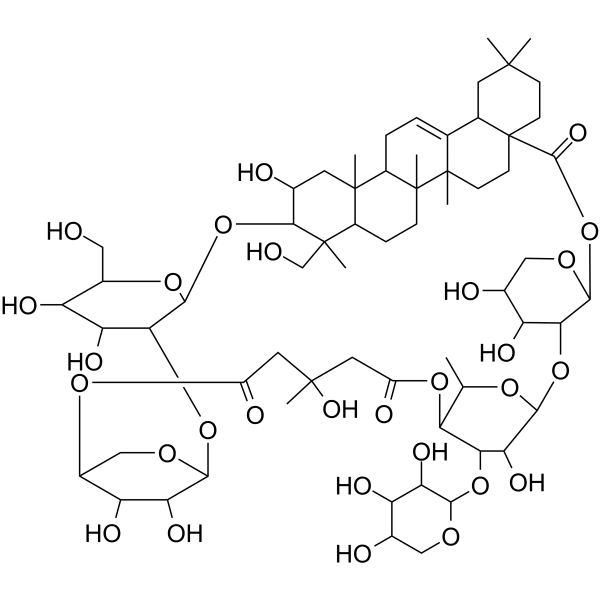
    Purpureaside C, phenolic glycoside, is a minichromosome maintenance complex component 6 (MCM6) inhibitor. Purpureaside C binds to the ATP-pocket of MCM6, suppresses MCM6 protein expression in gastric cancer cells. Purpureaside C suppresses gastric cancer cell growth and induces apoptosis. Purpureaside C exerts antibacterial activity and proinflammatory activity. Purpureaside C can be used for the researches of gastric cancer, bacterial infection and inflammation .
    Purpureaside C
  • HY-162734

    GPR65 Inflammation/Immunology
    BRD5075 is a selective GPR65 activator. BRD5075 enhances GPR65 activity under acidic conditions, promotes Gαs-dependent signaling pathways, including cAMP production and G protein recruitment. BRD5075 regulates the cytokine and chemokine expression network in dendritic cells, and inhibits the expression of pro-inflammatory cytokines and chemokines in a GPR65-dependent manner. BRD5075 is applicable to research related to inflammatory bowel disease .
    BRD5075
  • HY-N7652

    Bacterial Interleukin Related Infection Inflammation/Immunology Cancer
    Terminolic acid is a pentacyclic triterpene glycoside and antibacterial agent. Terminolic acid can be isolated from Combretum racemosum. Terminolic acid inhibits proinflammatory cytokines by binding to the receptor active sites of IL-1β and IL-6. Terminolic acid reduces IL-8. Terminolic acid has antibacterial activity against Staphylococcus aureus, Escherichia coli and Enterococcus faecalis with MICs ranging from 64 to 256 μg/mL. Terminolic acid is used in colon cancer research .
    Terminolic acid
  • HY-131502

    P2X Receptor Inflammation/Immunology
    Taspine is a natural product with anti-inflammatory activity. Taspine suppresses P2X4 receptor activity via PI3K inhibition. Taspine inhibits pro-inflammatory signalling via inhibition of P2X4 receptors in macrophage .
    Taspine
  • HY-N15720

    Pulsatilla saponin B

    Others Inflammation/Immunology
    HN-saponin F (Pulsatilla saponin B) is an orally active triterpenoid saponin found in Lonicera macranthoides. HN-saponin F exerts anti-inflammatory activity by regulating inflammation-related pathways (e.g., inhibiting pro-inflammatory factor release). HN-saponin F is promising for research of inflammatory diseases .
    HN-saponin F
  • HY-145961

    Toll-like Receptor (TLR) TNF Receptor Cancer
    TLR7 agonist 4 is a TLR7 agonist with pro-inflammatory cytokine-stimulating activity. TLR7 agonist 4 modulates TLR7 activity to stimulate the production of pro-inflammatory cytokines. TLR7 agonist 4 stimulates mouse bone marrow-derived macrophages to produce the pro-inflammatory cytokine TNFα. TLR7 agonist 4 can be conjugated with antibodies to form conjugates. TLR7 agonist 4 is applicable to cancer research .
    TLR7 agonist 4
  • HY-145653

    Phospholipase Cardiovascular Disease Neurological Disease Inflammation/Immunology
    GSK2647544 is an orally available, selective inhibitor of Lp-PLA2. Lipoprotein-associated phospholipase (Lp-PLA2) is a calcium-independent phospholipase A2 with proinflammatory activities that is primarily secreted by monocyte-derived macrophages .
    GSK2647544
  • HY-144604

    Formyl Peptide Receptor (FPR) Infection Neurological Disease
    FPR2 agonist 2 is a potent and CNS-penetrant FPR2 agonist with an EC50 of 0.13 μM, 1.1 μM for FPR2 and FPR1, respectively. FPR2 agonist 2 inhibits the production of pro-inflammatory cytokines, counterbalances the changes in mitochondrial function, and inhibits caspase-3 activity .
    FPR2 agonist 2
  • HY-P1722
    Spantide II
    1 Publications Verification

    Neurokinin Receptor Inflammation/Immunology
    Spantide II, an undecapeptide substance P (SP) analog, is a potent neurokinin-1 receptor (NK-1R) antagonist. Spantide II binds with NK-1R and blocks proinflammatory activities associated with SP. Spantide II can be used in the research of inflammatory skin disorders, such as psoriasis and contact dermatitis .
    Spantide II
  • HY-B1402R

    Hydrocortisone 21-hemisuccinate (Standard)

    Reference Standards Glucocorticoid Receptor Interleukin Related Metabolic Disease Inflammation/Immunology Endocrinology
    Hydrocortisone hemisuccinate (Standard) is the analytical standard of Hydrocortisone hemisuccinate. This product is intended for research and analytical applications. Hydrocortisone hemisuccinate (Hydrocortisone 21-hemisuccinate), a physiological glucocorticoid, is an orally active steroidal anti-in ammatory agent (SAID). Hydrocortisone hemisuccinate inhibits proinflammatory cytokine activity, with IC50s of 6.7 and 21.4 μM for IL-6 and IL-3, respectively. Hydrocortisone hemisuccinate can be used for the research of ulcerative colitis (UC).
    Hydrocortisone hemisuccinate (Standard)
  • HY-149391

    PROTACs Btk Inflammation/Immunology
    PROTAC BTK Degrader-6 (Compound 15) is a PROTAC BTK degrader (DC50: 3.18 nM. PROTAC BTK Degrader-6 has anti-inflammatory activity, inhibits NF-κB activation, and inhibits the expression of pro-inflammatory cytokines (e.g. IL-1β, IL-6) .
    PROTAC BTK Degrader-6
  • HY-155850

    Pyruvate Kinase Neurological Disease
    CIAC001 is a Pyruvate Kinase PKM2 inhibitor with anti-neuroinflammatory activity. CIAC001 inhibits LPS-induced proinflammatory nitric oxide (NO) production and protects immunologically active BV-2 cells (IC50=2.5 μM). CIAC001 also has anti-neuroinflammation in mouse models and inhibits chronic morphine-induced addiction .
    CIAC001
  • HY-P10839

    NF-κB Inflammation/Immunology
    NBD peptide inhibits NF-κB signaling pathway through inhibition of the NEMO-IKK complex combination. NBD peptide exhibits anti-inflammatory efficacy through block of pro-inflammatory cytokines production. NBD peptide exhibits immunosuppressive activity through regulation of immune cells. NBD peptide enhances its transmembrane ability by combining with cell-penetrating peptide HIV-TAT .
    NBD peptide
  • HY-147310

    Toll-like Receptor (TLR) Infection
    CU-CPD107 is a potent, selective toll-like receptor 8 (TLR 8) agonist. CU-CPD107 inhibits TLR8 signaling. CU-CPD107 converts to synergistic agonist activities in the presence of ssRNA and induces TLR8 signaling. CU-CPD107 inhibits proinflammatory factor expression and avoids immune responses in the presence of ssRNA .
    CU-CPD107
  • HY-N6908

    Bacterial p38 MAPK Apoptosis PARP Bcl-2 Family Caspase Interleukin Related COX PERK JNK NF-κB NO Synthase SOD Infection Neurological Disease Inflammation/Immunology Cancer
    Continentalic acid is a diterpenoid organic acid. Continentalic acid exhibits multiple activities including anti-inflammatory, antioxidant, neuroprotective, antibacterial and antitumor effects. Continentalic acid alleviates oxidative stress, reduces pro-inflammatory cytokine production, inhibits MAPK phosphorylation and neutrophil infiltration, and induces growth inhibition and apoptosis of cancer cells. Continentalic acid can be used in research related to traumatic brain injury, cancer, inflammation and infections .
    Continentalic acid
  • HY-N2072R

    Transcrocetin (Standard); trans-Crocetin (Standard)

    iGluR Reference Standards Apoptosis COX p38 MAPK Neurological Disease Inflammation/Immunology Cancer
    Crocetin (Standard) (TransCrocetin (Standard) ) is an aglycone of crocin. Crocetin (Standard) is orally active and brain-penetrant. Crocetin (Standard) shows strong NMDA receptor affinity and channel opening activity. Crocetin (Standard) can downregulate the proinflammatory cytokines and COX-2 exoression. Crocetin (Standard) can inhibit apoptosis and activation of MAPK. Crocetin (Standard) can delay delays brain and body aging. Crocetin (Standard) can be used for the researches of cancer, neurological disease and inflammation, such as cervical cancer and ischemia .
    Crocetin (Standard)
  • HY-W145695

    Biochemical Assay Reagents Apoptosis Interleukin Related IFNAR Cardiovascular Disease Inflammation/Immunology
    Chitoheptaose is an orally active chitooligosaccharide (degree of polymerization = 7). Chitoheptaose can be extracted from the exoskeletons of crustaceans, such as the shells of crabs, shrimps and lobsters. Chitoheptaose reduces pro-inflammatory cytokines while increasing the levels of anti-inflammatory cytokines (decreasing the levels of pro-inflammatory cytokines IL-1β, IL-17A and IFN-γ, and increasing the level of the anti-inflammatory cytokine IL-10). Chitoheptaose possesses antioxidant, anti-inflammatory and anti-Apoptotic activities. Chitoheptaose improves cardiac parameters, alleviates myocarditis injury, and exerts cardioprotective effects in a rat model of myocarditis. Chitoheptaose can be used in studies related to myocarditis .
    Chitoheptaose
  • HY-N16499

    Interleukin Related GDNF Receptor Trk Receptor ERK Neurological Disease Inflammation/Immunology
    Hericene A is an orally active aromatic hericene derivative. Hericene A exhibits anti-inflammatory and neurotrophic activities, and can found in the fruiting bodies of Hericium erinaceus. Hericene A inhibits the secretion of pro-inflammatory mediators. Hericene A promotes axonal growth, neurite branching, neurotrophic factor expression and downstream signal transduction. Hericene A can be used for the research of inflammatory and neurological diseases .
    Hericene A
  • HY-N10096

    Parasite Infection
    Epoxyazadiradione is a limonoid purified from neem (Azadirachta indica) fruits. Epoxyazadiradione inhibits the tautomerase activity of MIF of both human (huMIF) and malaria parasites (Plasmodium falciparum (PfMIF) and Plasmodium yoelii (PyMIF)) non-competitively in a reversible fashion (Ki, 2.11-5.23 μM). Epoxyazadiradione has the potential against proinflammatory reactions induced by MIF of both malaria parasites and human .
    Epoxyazadiradione
  • HY-147235

    RIP kinase PROTACs Infection
    RIPK2-IN-2 (example 25) is a RIP2 kinase PROTAC inhibitor. RIPK2-IN-2 can block RIP2-dependent proinflammatory signaling, regulated RIP2 kinase activity in auto inflammatory diseases .
    RIPK2-IN-2

Inquiry Online

Your information is safe with us. * Required Fields.

Salutation


Country or Region *

Applicant Name *


Organization Name *

Department *


Email Address *


Product Name *

Cat. No.


Requested quantity *

Phone Number *


Remarks

Inquiry Online

Inquiry Information

Product Name:
Cat. No.:
Quantity:
MCE Japan Authorized Agent: