41 Results for "

skin injury

" in MedChemExpress (MCE) Product Catalog:
Products (41)

41 Results for "skin injury" in MCE Product Catalog:

32
32 Publications Verification
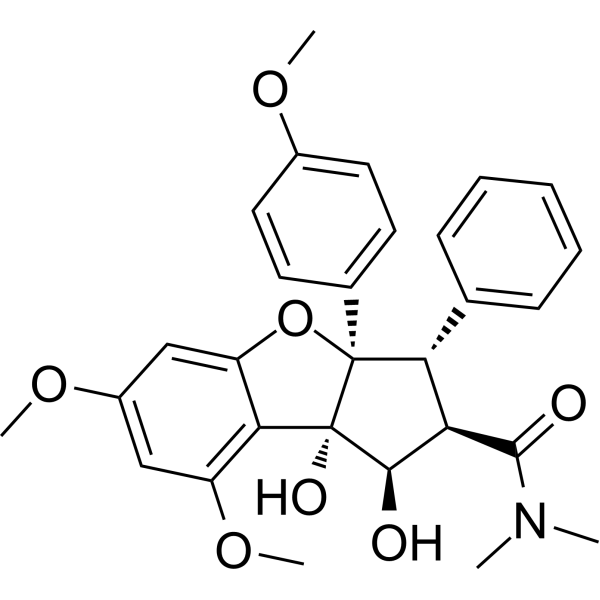
Cat. No.: HY-19356
CAS No.: 84573-16-0
Synonyms: Roc-A
Rocaglamide (Roc-A) is isolated from the genus Aglaia and can be used for coughs, injuries, asthma and inflammatory skin diseases. Rocaglamide is a potent inhibitor of NF-κB activation in T-cells. Rocaglamide is a potent and selective heat shock factor 1 (HSF1) activation inhibitor with an IC50 of ~50 nM. Rocaglamide inhibits the function of the translation initiation factor eIF4A. Rocaglamide also has anticancer properties in leukemia .
loading...
    loading...
12
12 Cited Publications
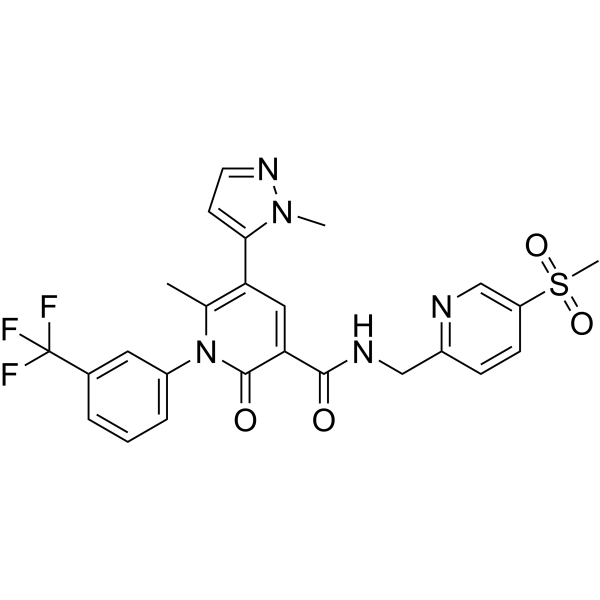
Cat. No.: HY-15651
CAS No.: 848141-11-7
Purity:  99.87%
Synonyms: AZD9668
Alvelestat (AZD9668) is an orally active, selective inhibitor of neutrophil elastase. Alvelestat reduces elastase activity, myeloperoxidase release, neutrophil recruitment and activation, and calcium phosphate precipitation; promotes smooth muscle cell colonization and collagen deposition; and inhibits the formation of neutrophil extracellular traps (NETs) as well as NET-derived neutrophil elastase activity. Alvelestat restores endothelial dysfunction, regulates antioxidant factors, improves the expression of endothelial tight junctions, reduces vascular leakage, and accelerates wound healing. Alvelestat prevents pulmonary hemorrhage, matrix protein degradation, airspace enlargement, and small airway wall remodeling; and alleviates cigarette-induced inflammatory responses. Alvelestat inhibits the growth of abdominal aortic aneurysms exacerbated by Porphyromonas gingivalis. Alvelestat can be used in research related to chronic obstructive pulmonary disease, abdominal aortic aneurysm, radiation-induced skin injury, and bronchiectasis .
loading...
    loading...
3
3 Cited Publications
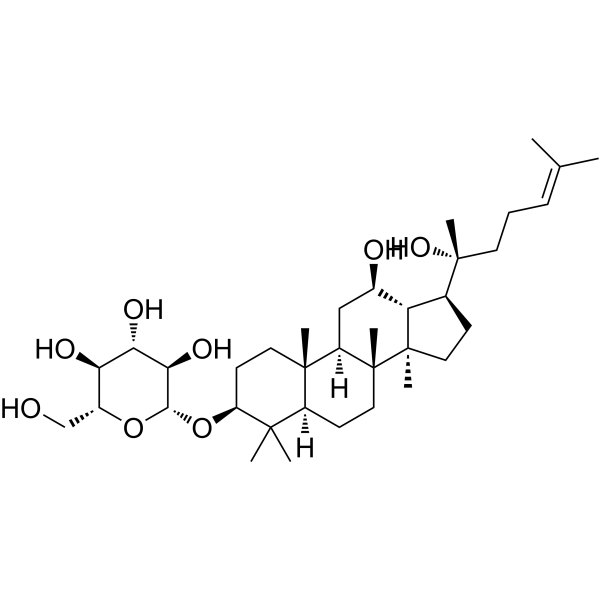
Cat. No.: HY-N1401
CAS No.: 112246-15-8
20(R)-Ginsenoside Rh2 is an orally active protopanaxadiol-type saponin with multiple biological activities. 20(R)-Ginsenoside Rh2 exerts a significant inhibitory effect on non-small cell lung cancer and liver cancer by inducing cell cycle arrest and promoting apoptosis. 20(R)-Ginsenoside Rh2 exerts anti-γ-herpesvirus effects by inhibiting viral DNA replication. 20(R)-Ginsenoside Rh2 inhibits inflammatory mediators by reducing the levels of NO, PGE2, and ROS; it can delay skin photoaging by reducing ROS and inhibiting MMP-9/2 activity. 20(R)-Ginsenoside Rh2 accelerates the recovery after muscle injury by activating the Akt1/PKB signaling pathway. 20(R)-Ginsenoside Rh2 can inhibit osteoclast formation and exert an anti-osteoporosis effect .
loading...
    loading...
2
2 Cited Publications
Cat. No.: HY-148013
CAS No.: 702668-62-0
Purity:  99.94%
K284-6111 is a high-affinity and orally active CHI3L1 inhibitor, and inhibits CHI3L1 expression. K284-6111 inhibits ERK and NF-κB pathway. K284-6111 suppresses nuclear translocation of p50 and p65, and phosphorylation of IκB. K284-6111 improves memory dysfunction by alleviating amyloidogenesis and neuroinflammation, with the reduction of inflammatory proteins (eg: iNOS, COX-2, GFAP, and Iba-1). K284-6111 reduces atopic-like skin inflammation and inhibits LPS (HY-D1056) -induced liver injury. K284-6111 can be used for the study of Alzheimer's diseases and sepsis like hepatic injury .
loading...
    loading...
2
2 Cited Publications
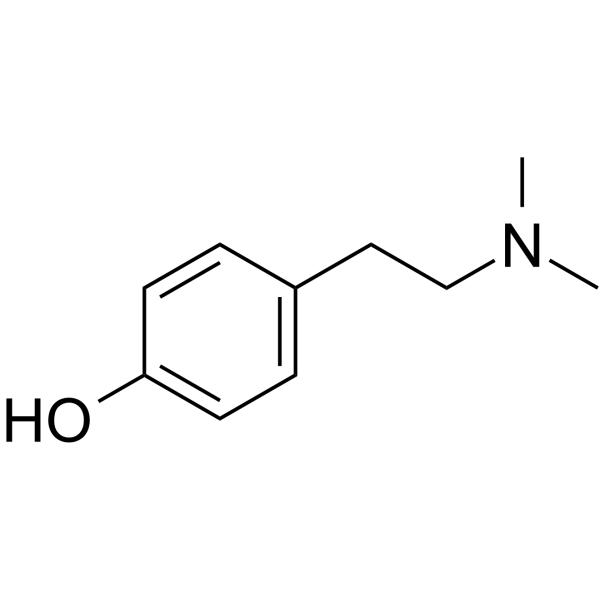
Cat. No.: HY-N0113
CAS No.: 539-15-1
Synonyms: Ordenina; Peyocactine
Hordenine (Ordenina; Peyocactine) is a multifunctional alkaloid with oral activity and blood-brain barrier penetration. Hordenine inhibits LPS-induced phosphorylation of p38, JNK, ERK1/2, p65, IκB, and AKT, prevents p65 nuclear translocation, and suppresses inflammatory cytokines and mediators. Hordenine promotes M2 macrophage polarization, restores blood-milk barrier integrity, alleviates oxidative stress by reducing ROS and MDA, and attenuates LPS-induced lung injury and pulmonary edema. Hordenine inhibits cAMP production, CREB phosphorylation, and MITF expression, thereby suppressing melanin synthesis in melanocytes and reconstructed epidermis. Hordenine activates the Wnt/β-catenin signaling pathway, promotes dermal papilla cell proliferation and hair shaft elongation, and accelerates hair regeneration. Hordenine activates DRD2, acts as a D3R partial agonist, α2A-AR full agonist, and 5-HT2A-R antagonist, and inhibits SERT and DAT. Hordenine inhibits α-synuclein accumulation and ameliorates motor deficits in Parkinson's disease models. Hordenine limits alcohol intake, reduces relapse drinking behavior, and modulates alcohol-induced conditioned place preference. Hordenine can be used for research on mastitis, skin pigmentation, acute lung injury, foodborne diseases, hair loss, Parkinson's disease, bacterial infections, and alcohol use disorder .
loading...
    loading...
2
2 Cited Publications
Cat. No.: HY-N0113B
CAS No.: 6027-23-2
Synonyms: Ordenina hydrochloride; Peyocactine hydrochloride
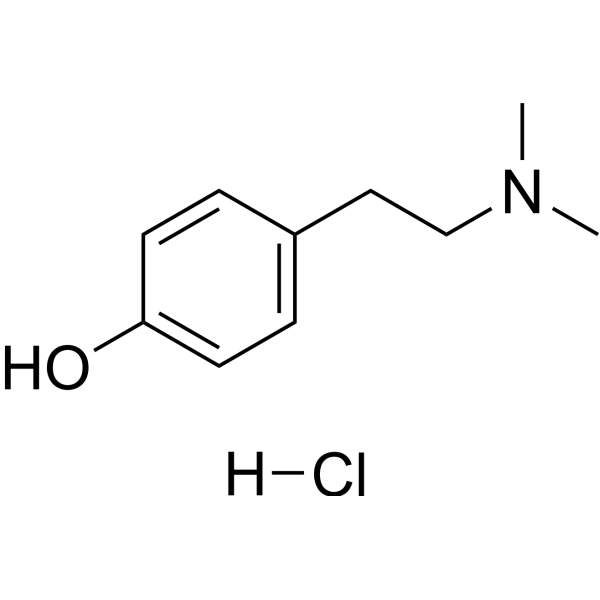
Hordenine hydrochloride (Ordenina hydrochloride; Peyocactine hydrochloride) is a multifunctional alkaloid with oral activity and blood-brain barrier penetration. Hordenine hydrochloride inhibits LPS-induced phosphorylation of p38, JNK, ERK1/2, p65, IκB, and AKT, prevents p65 nuclear translocation, and suppresses inflammatory cytokines and mediators. Hordenine hydrochloride promotes M2 macrophage polarization, restores blood-milk barrier integrity, alleviates oxidative stress by reducing ROS and MDA, and attenuates LPS-induced lung injury and pulmonary edema. Hordenine hydrochloride inhibits cAMP production, CREB phosphorylation, and MITF expression, thereby suppressing melanin synthesis in melanocytes and reconstructed epidermis. Hordenine hydrochloride activates the Wnt/β-catenin signaling pathway, promotes dermal papilla cell proliferation and hair shaft elongation, and accelerates hair regeneration. Hordenine hydrochloride activates DRD2, acts as a D3R partial agonist, α2A-AR full agonist, and 5-HT2A-R antagonist, and inhibits SERT and DAT. Hordenine hydrochloride inhibits α-synuclein accumulation and ameliorates motor deficits in Parkinson's disease models. Hordenine hydrochloride limits alcohol intake, reduces relapse drinking behavior, and modulates alcohol-induced conditioned place preference. Hordenine hydrochloride can be used for research on mastitis, skin pigmentation, acute lung injury, foodborne diseases, hair loss, Parkinson's disease, bacterial infections, and alcohol use disorder .
loading...
    loading...
1
1 Cited Publications
Cat. No.: HY-106950
CAS No.: 488-69-7
Synonyms: Diphosphofructose; Esafosfan; FDP
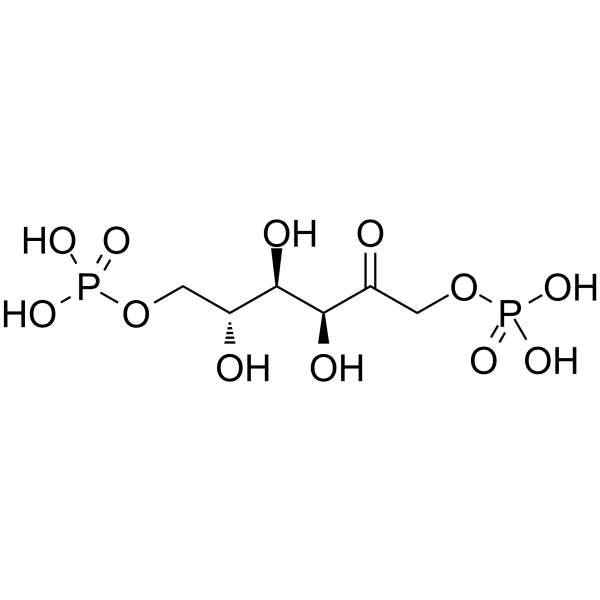
Fosfructose is an orally active cyclooxygenase-2 inhibitor and Toll-like receptor 4 modulator. Fosfructose reduces the expression of cyclooxygenase-2, thereby decreasing prostaglandin production. By inhibiting the Toll-like receptor 4 signaling pathway, Fosfructose downregulates LPS-induced adhesion molecule expression. Fosfructose is applicable to research related to ischemic stroke, epilepsy, sepsis, myocardial injury, osteoporosis, and ultraviolet B-induced skin damage .
loading...
    loading...
1
1 Cited Publications
Cat. No.: HY-171006
CAS No.: 701225-07-2
IRF1-IN-1 (Compound I-2) is an IRF1 inhibitor. IRF1-IN-1 decreases the recruitment of IRF1 to the promoter of CASP1. IRF1-IN-1 inhibits cell death signaling pathway (i.e., cleavage of Caspase 1, GSDMD, IL-1 and PARP1). IRF1-IN-1 has a protective effect on ionizing radiation-induced inflammatory skin injury .
loading...
    loading...
1
1 Cited Publications
Cat. No.: HY-30234A
CAS No.: 1163-36-6
Target:  

TRP Channel Apoptosis

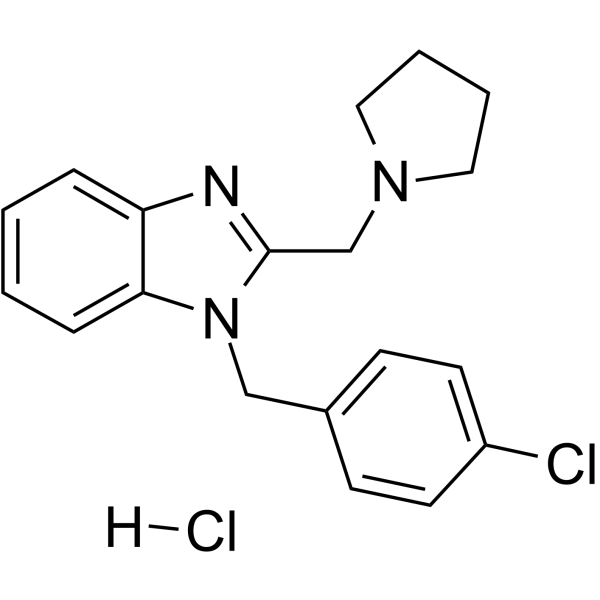
Clemizole hydrochloride is an orally active, blood-brain barrier permeable TRPC5 inhibitor, with an IC50 value of 1.05-1.34 μM against mouse TRPC5. Clemizole hydrochloride blocks TRPC1:TRPC5, TRPC3, TRPC4, TRPC6, TRPC7, hERG, hKCNQ1/hKCNE1 and hKv1.5 channels, and activates TRPA1; it modulates 5HT-2B and HTR2A receptors; it inhibits HCV RNA replication, CrtN enzymatic activity, oxidative stress, neuroinflammation, cell apoptosis and bacterial virulence; it maintains blood-brain barrier (BBB) integrity; it enhances DNA repair capacity; it improves cell viability; and it alters cardiac electrophysiological properties. Clemizole hydrochloride can be used in the research of Dravet syndrome, hepatitis C virus infection, Staphylococcus aureus skin infection, Cisplatin (HY-17394)-induced nephrotoxicity, STXBP1-related diseases, traumatic brain injury and xeroderma pigmentosum type C .
loading...
    loading...
1
1 Cited Publications
Cat. No.: HY-171007
CAS No.: 708245-32-3
IRF1-IN-2 (Compound I-19) is an IRF1 inhibitor. IRF1-IN-2 decreases the recruitment of IRF1 to the promoter of CASP1. IRF1-IN-2 inhibits cell death signaling pathway (i.e., cleavage of Caspase 1, GSDMD, IL-1 and PARP1; inhibits the Pho of TKB1, upregulates GPX4 and downregulates FACL4). IRF1-IN-2 has a protective effect on ionizing radiation-induced inflammatory skin injury .
loading...
    loading...
1
1 Cited Publications
Cat. No.: HY-30234
CAS No.: 442-52-4
Target:  

TRP Channel Apoptosis

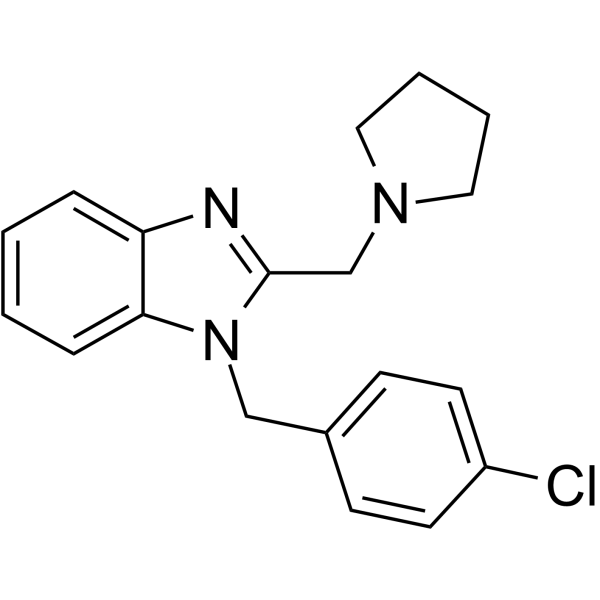
Clemizole is an orally active, blood-brain barrier permeable TRPC5 inhibitor, with an IC50 value of 1.05-1.34 μM against mouse TRPC5. Clemizole blocks TRPC1:TRPC5, TRPC3, TRPC4, TRPC6, TRPC7, hERG, hKCNQ1/hKCNE1 and hKv1.5 channels, and activates TRPA1; it modulates 5HT-2B and HTR2A receptors; it inhibits HCV RNA replication, CrtN enzymatic activity, oxidative stress, neuroinflammation, cell apoptosis and bacterial virulence; it maintains blood-brain barrier (BBB) integrity; it enhances DNA repair capacity; it improves cell viability; and it alters cardiac electrophysiological properties. Clemizole can be used in the research of Dravet syndrome, hepatitis C virus infection, Staphylococcus aureus skin infection, Cisplatin (HY-17394)-induced nephrotoxicity, STXBP1-related diseases, traumatic brain injury and xeroderma pigmentosum type C .
loading...
    loading...
Cat. No.: HY-W017982
CAS No.: 55965-84-9
Synonyms: CMI/MI
CMIT/MIT (14.5% in water) (CMI/MI) is a mixture of CMIT and MIT, and is also a preservative and skin sensitizer. CMIT/MIT (14.5% in water) increases the levels of phosphorylated ERK1/2, p38, JNK1/2, p53, p21 and Bax, decreases the level of Bcl-2, and activates the Nrf-2/HO-1 signaling pathway. CMIT/MIT (14.5% in water) increases LDH release and lipid peroxidation levels, impairs antioxidant defense capacity, promotes pro-inflammatory cytokine release, induces apoptosis, triggers cell cycle arrest, exhibits neurotoxicity in neuroblastoma cells, and causes dysregulation of Th2/Th17 immune responses. CMIT/MIT (14.5% in water) can be used in studies related to allergy, atopic dermatitis and lung injury .
loading...
    loading...
Cat. No.: HY-N5048
CAS No.: 122965-41-7
Synonyms: 6'-O-Galloyl paeoniflorin
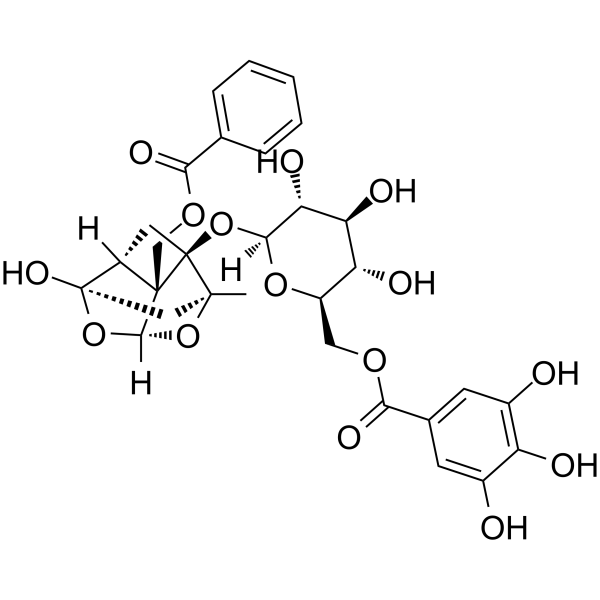
Galloylpaeoniflorin (6'-O-Galloyl paeoniflorin) is an orally active galloylated derivative of Paeoniflorin (HY-N0293) found in peony roots with various anti-inflammatory and antioxidant activities. Galloylpaeoniflorin suppresses RANKL-induced activation of ERK, JNK, c-Fos, c-Jun, and NFATc1, and reduces osteoclast-specific gene expression. Galloylpaeoniflorin activates Nrf2 and PI3K/Akt pathways, inhibits NF-κB activation, and scavenges ROS to reduce oxidative DNA, lipid, and protein damage. Galloylpaeoniflorin attenuates neuroinflammation, inhibits apoptosis, reduces Helicobacter pylori-induced gastric mucosa injury and UVB-induced cell damage. Galloylpaeoniflorin can be used for the research of osteoporosis, gastritis, ischemic stroke and skin diseases .
loading...
    loading...
Cat. No.: HY-21200
CAS No.: 375-92-8
Synonyms: 1-Perfluoroheptanesulfonic acid; Perfluoroheptanesulphonic acid; PFHpS
Target:  

PPAR

Perfluoroheptanesulfonic acid (1-Perfluoroheptanesulfonic acid; Perfluoroheptanesulphonic acid; PFHpS) is a per- and polyfluoroalkyl substance (PFAS) that penetrates the skin and induces systemic toxicity and immunotoxicity. Perfluoroheptanesulfonic acid reduces the expression of PPARδ in liver tissue; it induces hepatocyte hypertrophy and necrosis in liver tissue and alters serum biochemical markers associated with liver injury. Perfluoroheptanesulfonic acid upregulates genes related to fatty acid metabolism, cell necrosis and inflammation, reduces the relative weights of the spleen and thymus, suppresses humoral immune responses, and alters the composition of immune cell subsets in the spleen and skin. The plasma concentration of Perfluoroheptanesulfonic acid correlates with food intake. Perfluoroheptanesulfonic acid and perfluorooctanesulfonic acid exhibit synchronous pulse events in influent samples from wastewater treatment plants. Perfluoroheptanesulfonic acid can be used in studies related to liver injury and immune system damage .
loading...
    loading...
Cat. No.: HY-142026
CAS No.: 142449-89-6
Synonyms: (+)-Vitisin A
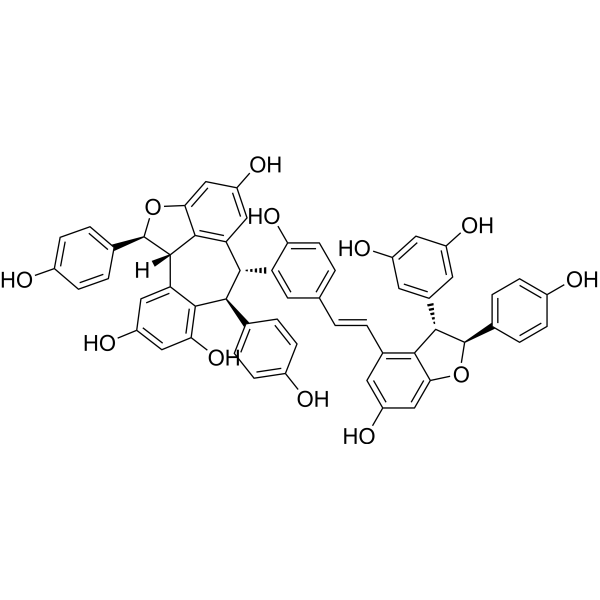
Vitisin A ((+)-Vitisin A) is an orally active natural product with multiple pharmacological activities including anti-inflammatory, anti-tumor, anti-oxidant, anti-pathogenic microorganism, hypoglycemic and lipid-regulating, anti-osteoporotic, neuroprotective and cardiovascular protective effects. Vitisin A exhibits inhibitory effects on human AChE and MAO-B with IC50 values of 1.29 µM and 4.94 µM, respectively. Vitisin A inhibits the ERK, MAPK, NF-κB, STAT1, HMGCR and TRAF6 pathways, downregulates the related phosphorylation and protein expression, while activates the Nrf2/HO-1 pathway and upregulates p21 expression. Vitisin A induces tumor cell apoptosis and cell cycle arrest, inhibits adipogenesis and lipid accumulation, while alleviates oxidative stress, suppresses inflammatory responses, blocks hepatic fibrosis, Cuproptosis and cholesterol synthesis, and increases the expression levels of central BDNF and TrkB. Vitisin A can be used in the research of tumors, infectious diseases, metabolic diseases, bone and joint diseases, liver diseases, skin injuries, as well as neurodegenerative and cognitive dysfunction-related diseases .
loading...
    loading...
Cat. No.: HY-101059
CAS No.: 142720-24-9
Purity:  99.95%
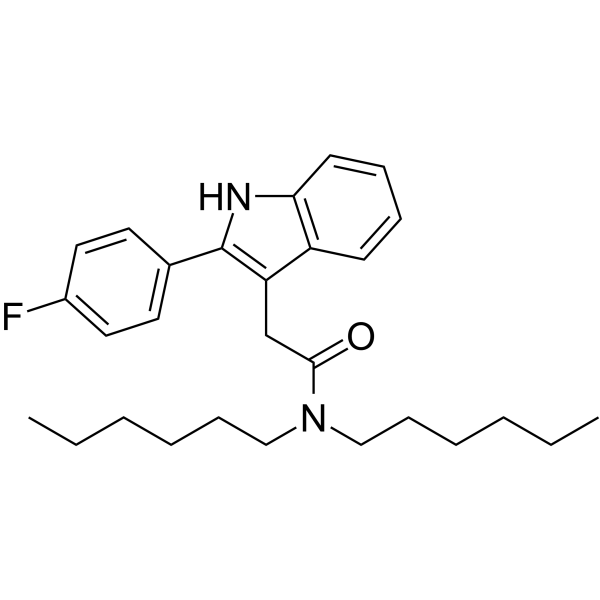
FGIN-1-27 is a blood-brain barrier-penetrant TSPO ligand with a Ki value of 5 nM. FGIN 1-27 inhibits PKC-β, PKA/CREB, p38/ERK MAPK, MITF, tyrosinase, TRP-1, and TRP-2, thereby inhibiting melanogenesis and pigmentation. FGIN-1-27 alleviates X-ray radiation-induced astrocyte mitochondrial hyperfunction, reduces ROS and superoxide production, inhibits excessive activation of A1-type astrocytes, downregulates GFAP and C3 protein expression, and restores astrocyte proliferative capacity. FGIN-1-27 produces anticonvulsant effects in normal mice; in diazepam-withdrawn mice, the brain MDR pathway becomes subsensitive, and the anticonvulsant activity disappears. FGIN-1-27 attenuates pigmentation in zebrafish embryos and ameliorates UVB-induced skin pigmentation in guinea pigs. FGIN-1-27 directly stimulates testicular Leydig cells while upregulating luteinizing hormone levels, causing an acute increase in serum testosterone in male rats. FGIN 1-27 can be used for research related to hyperpigmentation, epilepsy, brain injury, and other diseases .
loading...
    loading...
Cat. No.: HY-P10886
CAS No.: 1465809-36-2
Research Areas:  

Inflammation/Immunology

Zifogaptide is a gap junction protein channel regulator. Zifogaptide mimics the PDZ-binding motif at the C-terminal of Claudin C and competitively interferes with the interaction between Claudin–TJP1 (ZO-1) scaffold. Zifogaptide can promote epithelial cell migration, reduce scar formation, and accelerate wound healing. Zifogaptide can be used for radiation dermatitis, skin injuries, etc .
loading...
    loading...
Cat. No.: HY-24504
CAS No.: 305866-70-0
MBA-m1 is a reversible non-covalent allosteric inhibitor of mMLKL2, with a Kd value of 6 μM for mMLKL2. MBA-m1 delays Necroptosis. MBA-m1 has no effect on the activities of RIPK1 or RIPK3. MBA-m1 alleviates skin injury, epidermal thickening and immune cell infiltration in dermatitis models, and reduces aortic diameter enlargement and structural changes in abdominal aortic aneurysm models. MBA-m1 can be used in research related to dermatitis and abdominal aortic aneurysm .
loading...
    loading...
Cat. No.: HY-156959
CAS No.: 19683-98-8
Target:  

JAK TRP Channel MetAP

Research Areas:  

Infection Inflammation/Immunology

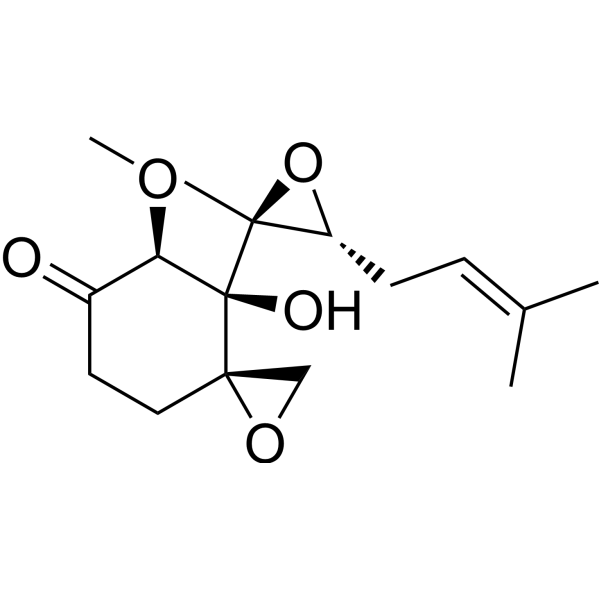
Ovalicin is a multi-target inhibitor that targets MetAP2, HRH2, JAK2 and TRPV1, with anti-inflammatory and anti-atopic dermatitis activities. Ovalicin covalently binds to MetAP2 to inhibit its function, thereby blocking the replication of Enterocytozoon bieneusi and Vittaforma corneae. Ovalicin alleviates intestinal injury and prolongs survival in infected mouse models, without showing obvious hepatorenal toxicity. Ovalicin attenuates LPS-induced calcium influx, reduces the infiltration of macrophages and mast cells in the skin, and regulates the expression of inflammation-related genes such as IL-31, effectively relieving allergic symptoms in mouse models. Ovalicin can be used for the research of microsporidiosis and atopic dermatitis .
loading...
    loading...
Cat. No.: HY-132187
CAS No.: 1670-26-4
Purity:  99.50%
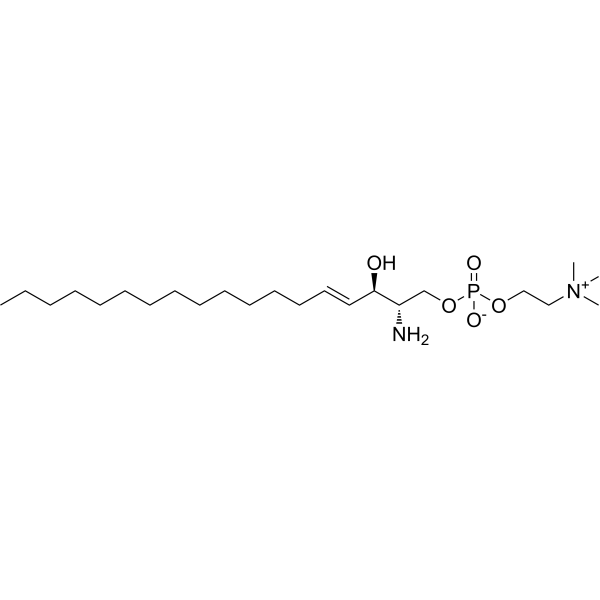
Sphingosylphosphorylcholine is a bioactive lipid and a major component of plasma high-density lipoprotein that binds to OGR1 with a Kd of 33.3 nM. Sphingosylphosphorylcholine triggers delayed phosphorylation of Smad2, upregulates α-SMA expression, and activates TRPM3. Sphingosylphosphorylcholine reduces Apoptosis and upregulates the expression of uPA and its receptor uPA-R. Sphingosylphosphorylcholine exerts anti-apoptotic, anti-cardiac hypertrophy and pro-wound healing effects. Sphingosylphosphorylcholine induces scratching behavior in mice. Sphingosylphosphorylcholine is used in studies related to atopic dermatitis, promyelocytic leukemia, heart failure, myocardial ischemia/reperfusion injury, ovarian cancer, breast cancer, pancreatic cancer, and skin wound healing disorders in genetically impaired healing diabetes .
loading...
    loading...

