



Akt
PKB; Protein kinase B
Akt/PKB (Protein kinase B), a serine/threonine protein kinase with antiapoptotic activity, is one of the major downstream targets of PtdIns(3,4,5)P3 signaling pathway. It contains a pleckstrin homology domain (PH domain) that specifically binds PtdIns(3,4,5)P3 on the plasma membrane. Akt phosphorylation and activation are directly determined by the level of PtdIns(3,4,5)P3 on the plasma membrane, which is regulated by PI3K.
Akt consists of three isoforms: PKBα/Akt1, PKBβ/Akt2 and PKBγ/Akt3. Akt isoforms have an N-terminal PH (pleckstrin homology) domain and a kinase domain, which are separated by a 39-amino-acid hinge region. Catalytically active Akt regulates the function of numerous substrates involved in cell survival, growth, proliferation, metabolism and protein synthesis.
Akt is a crucial mediator of cell survival and its deactivation is implicated in various stress-induced pathological cell death and degenerative diseases.
Akt Isoform Specific Products
All Product Categories
-
Akt Inhibitors
(1007)
View all products
-
Akt Agonists
(7)
View all products
-
Akt Activators
(300)
View all products
-
Akt Modulators
(25)
View all products
-
Akt Chemical
(1)
View all products
-
Akt Inducers
(9)
View all products
-
Akt Degraders
(11)
View all products
-
Akt Control
(1)
View all products
-
Akt Substrate
(1)
View all products
-
Akt Ligands
(6)
View all products
-
AKT Serine/Threonine Kinase 2 (AKT2) Proteins
(5)
View all products
-
AKT Serine/Threonine Kinase 3 (AKT3) Proteins
(6)
View all products
-
Akt Related Products (1476)
Related Products (1476)

-
Recombinant Proteins (11)
-
Antibodies (11)
-
Akt Isoform Comparison
-
L-Valine-2-13C
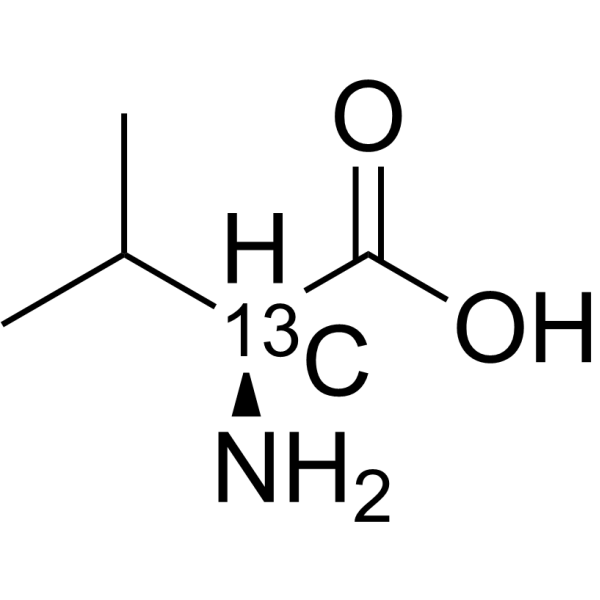 0 ImagesCat. No.: HY-N0717S5CAS No.: 73834-52-3Synonyms: (S)-Valine-13CL-Valine-2-13C ((S)-Valine-2-13C) is the 13C-labeled L-Valine (HY-N0717). L-Valine ((S)-Valine) is a nonlinear semiorganic material. L-Valine causes lipid peroxidation and accumulation of malondialdehyde (MDA), exhibits inhibitory activity against cyanobacteria. L-Valine inhibits multidrug-resistant bacteria through activation of PI3K/Akt signaling pathway and inhibition of arginase.
-
LQEQ-19 (mouse, rat)
 0 ImagesCat. No.: HY-P11130CAS No.: 322644-72-4LQEQ-19 (mouse, rat) is a VGF derived peptide that exerts neuroprotective effects. LQEQ-19 (mouse, rat) activates the PI3K/Akt and MEK/ERK signaling pathways by promoting phosphorylation of Akt and ERK1/2. LQEQ-19 (mouse, rat) is commonly used in the study of neurological conditions.
-
L-Valine-d1
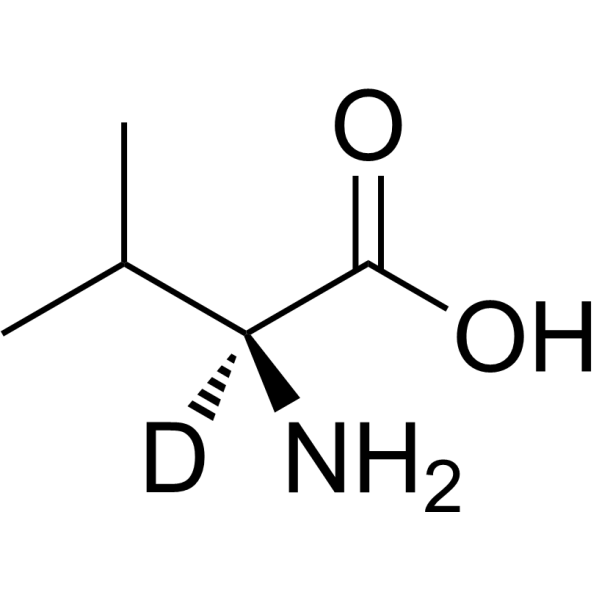 0 ImagesSynonyms: (S)-Valine-d1L-Valine-d1 ((S)-Valine-d1) is the deuterium labeled L-Valine (HY-N0717). L-Valine ((S)-Valine) is a nonlinear semiorganic material. L-Valine causes lipid peroxidation and accumulation of malondialdehyde (MDA), exhibits inhibitory activity against cyanobacteria. L-Valine inhibits multidrug-resistant bacteria through activation of PI3K/Akt signaling pathway and inhibition of arginase.
-
Ciprofloxacin (GMP)
 0 ImagesCat. No.: HY-B0356GCAS No.: 85721-33-1Synonyms: Bay-09867 (GMP)Ciprofloxacin GMP is Ciprofloxacin (HY-B0356) produced by using GMP guidelines. GMP small molecules works appropriately as an auxiliary reagent for cell therapy manufacture. Ciprofloxacin (Bay-09867) is an orally active, blood-brain barrier permeable fluoroquinolone antibacterial agent. Ciprofloxacin exerts bactericidal effects primarily by inhibiting topoisomerase II and IV. Ciprofloxacin inhibits the proliferation of human dental pulp stem cells and chondrocytes from young rats, and also activates the Akt signaling pathway and upregulates markers such as β-catenin and Nanog to maintain the morphological characteristics of stem cells. Ciprofloxacin induces significant neurotoxicity and tissue damage, including reducing serotonin and glutathione levels in the brain, inducing oxidative stress and depression-like behaviors, and causing articular cartilage damage. Ciprofloxacin can be applied to research related to infections of necrotic young permanent teeth and neurotoxicity.
-
20-5,14-HEDE-d2
 0 ImagesCat. No.: HY-160099SSynonyms: WIT003-d220-5,14-HEDE-d2 (WIT003-d2) is the deuterated-labeled 20-5,14-HEDE (HY-160099). 20-5,14-HEDE (WIT003) is an analog of 20-HETE. 20-5,14-HEDE activates PI3K/Akt signaling pathway, thereby exhibiting anti-apoptotic and cell survival promoting effects. 20-5,14-HEDE is the agonist for 20-HETE that increases intracellular Ca2+ concentrations, thereby enhancing vasoconstriction.
-
1-Monopalmitin (Standard)
 0 ImagesSynonyms: Glyceryl palmitate (Standard)1-Monopalmitin (Glyceryl palmitate) (Standard) is the analytical standard of 1-Monopalmitin (HY-W009141). This product is intended for research and analytical applications. 1-Monopalmitin (Glyceryl palmitate) is an activator of the PI3K/Akt pathway and an inhibitor of P-glycoprotein (P-gp). 1-Monopalmitin can induce G2/M arrest and caspase-dependent apoptosis in cancer cells, while inhibiting IAPs protein expression. 1-Monopalmitin can increase drug accumulation by inhibiting P-gp activity in intestinal Caco-2 cells. 1-Monopalmitin has the ability to induce protective autophagy and apoptosis of lung cancer cells (IC50=50-58 μg/mL), with low toxicity to normal cells.

-
α-D-Manp(3→1)-α-D-Manp(2→1)-α-D-Glu
 0 ImagesCat. No.: HY-181015α-D-Manp(3→1)-α-D-Manp(2→1)-α-D-Glu (Compound C) is an oligosaccharide. α-D-Manp(3→1)-α-D-Manp(2→1)-α-D-Glu activates the PI3K/AKT signaling pathway. α-D-Manp(3→1)-α-D-Manp(2→1)-α-D-Glu significantly inhibits Apoptosis by regulating the Bcl-2/BAX ratio. α-D-Manp(3→1)-α-D-Manp(2→1)-α-D-Glu shows cytoprotective activity by reducing ROS and LDH levels, decreasing MDA activity, and increasing CAT, SOD, and GSH activities. α-D-Manp(3→1)-α-D-Manp(2→1)-α-D-Glu shows neuroprotective effects and antioxidant capacity.
-
PAV-174
 0 ImagesCat. No.: HY-180881PAV-174 is a potent antiviral agent that targets a host protein. PAV-174 prevents Herpes simplex virus (HSV-1) infection in cells (IC50 of 0.02 μM in Vero cells) and human brain organoids. PAV-174 inhibits oxidized macrophage migration inhibitory factor (oxMIF)-induced tau phosphorylation in vitro and in vivo independent of infection. PAV-174 reduces HSV-1-induced tau phosphorylation via the Akt/GSK3β signaling pathway. PAV-174 can be used for Alzheimer’s disease research.
-
Bacopaside I (Standard)
 0 ImagesCat. No.: HY-N4246RCAS No.: 382148-47-2Bacopaside I (Standard) is the analytical standard of Bacopaside I. This product is intended for research and analytical applications. Bacopaside I is an orally active aquaporin AQP1 inhibitor and PKC modulator with neuroprotective and anticancer activities. Bacopaside I specifically blocks the water channel and cGMP-gated ion channel activities of AQP1 without affecting AQP4, thereby inhibiting the migration of colon cancer cells expressing AQP1. Bacopaside I activates the Akt pathway by interacting with PI3K, specifically inhibits MAO-A, effectively alleviates neuron necrosis and apoptosis induced by oxygen-glucose deprivation, reduces oxidative stress, and regulates the surface expression of neuroreceptors. When combined with Bacopaside II (HY-N6016), Bacopaside I significantly reduces the viability, proliferation and invasion ability of breast cancer cells, and binds to the pregnane X receptor (PXR). Bacopaside I is applicable to the research of colon cancer, breast cancer, vascular dementia, cerebral ischemia and other related diseases.
-
Phoenixin-14 TFA
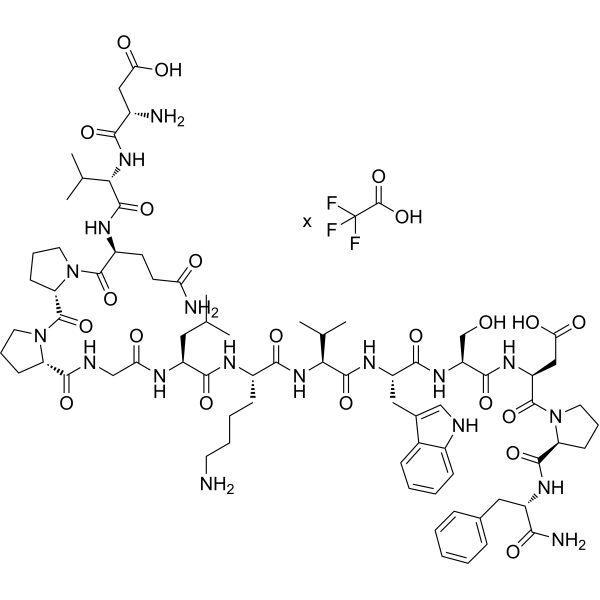 0 ImagesCat. No.: HY-P5762ASynonyms: PNX-14 TFAPhoenixin-14 (PNX-14) TFA is an endogenous neuropeptide with multiple biological activities, and serves as the endogenous ligand of GPR173. Phoenixin-14 TFA reduces ROS production by inhibiting the HMGB1/TLR4/MyD88/NF-κB signaling axis, thereby exerting antioxidant and mitochondrial protective effects. Phoenixin-14 TFA inhibits FOXO3 phosphorylation by upregulating SIRT3 expression, suppresses apoptosis, and improves myocardial systolic/diastolic function. Phoenixin-14 TFA resists ferroptosis by activating the ATF4/SLC7A11/GPX4 axis; it activates ERK1/2 phosphorylation via GPR173. Phoenixin-14 TFA can be used in researches on neuroprotection, diabetes, cardiomyopathy, reproductive protection and so on.
-
Ciprofloxacin monohydrochloride (Standard)
 0 ImagesSynonyms: Bay-09867 monohydrochloride (Standard)Ciprofloxacin monohydrochloride (Standard) is the analytical standard of Ciprofloxacin (monohydrochloride). This product is intended for research and analytical applications. Ciprofloxacin (Bay-09867) monohydrochloride is an orally active, blood-brain barrier permeable fluoroquinolone antibacterial agent. Ciprofloxacin monohydrochloride exerts bactericidal effects primarily by inhibiting topoisomerase II and IV. Ciprofloxacin monohydrochloride inhibits the proliferation of human dental pulp stem cells and chondrocytes from young rats, and also activates the Akt signaling pathway and upregulates markers such as β-catenin and Nanog to maintain the morphological characteristics of stem cells. Ciprofloxacin monohydrochloride induces significant neurotoxicity and tissue damage, including reducing serotonin and glutathione levels in the brain, inducing oxidative stress and depression-like behaviors, and causing articular cartilage damage. Ciprofloxacin monohydrochloride can be applied to research related to infections of necrotic young permanent teeth and neurotoxicity.
-
L-Valine-13C5,15N,d2
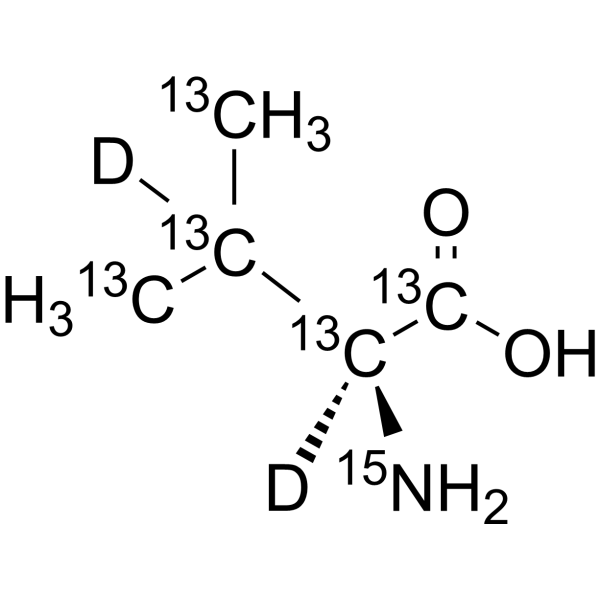 0 ImagesCat. No.: HY-N0717S3CAS No.: 201417-09-6Synonyms: (S)-Valine-13C5,15N,d2L-Valine-13C5,15N,d2 ((S)-Valine-13C5,15N,d2) is the deuterium, 13C-, and 15N-labeled L-Valine (HY-N0717). L-Valine ((S)-Valine) is a nonlinear semiorganic material. L-Valine causes lipid peroxidation and accumulation of malondialdehyde (MDA), exhibits inhibitory activity against cyanobacteria. L-Valine inhibits multidrug-resistant bacteria through activation of PI3K/Akt signaling pathway and inhibition of arginase.
-
Umckalin
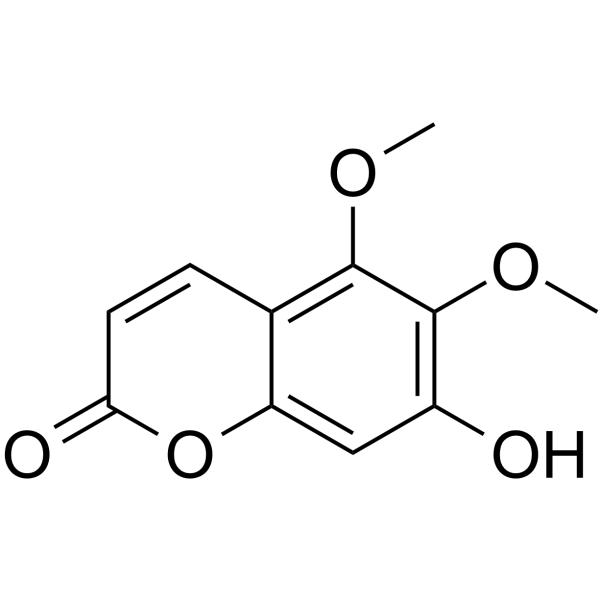 0 ImagesCat. No.: HY-N8712CAS No.: 43053-62-9
-
N-Oleoyl glycine (Standard)
 0 ImagesCat. No.: HY-113204RCAS No.: 2601-90-3Diludine (Standard) is the analytical standard of Diludine. This product is intended for research and analytical applications. Diludine has antioxidant properties, targeting oxidative stress-related pathways. By improving antioxidative status and reducing β-hydroxybutyrate levels, Diludine alleviates oxidative stress during the parturition period in dairy cows. It is primarily used during the transition period in dairy cows to increase milk yield and milk fat content, as well as to improve health during parturition.
-
Sexangularetin 3-sophoroside
 0 ImagesCat. No.: HY-N17990CAS No.: 114882-17-6Sexangularetin 3-sophoroside is a PDK1 and Akt phosphorylation activator with neuroprotective properties. Sexangularetin 3-sophoroside restores phosphorylated GSK-3β protein levels. Sexangularetin 3-sophoroside acts as a ROS inhibitor and regulates mRNA expression of superoxide dismutase 1 and catalase. Sexangularetin 3-sophoroside can be used for the research of Parkinson’s disease.
-
Berberine hemisulfate (Standard)
 0 ImagesCat. No.: HY-N0716ARCAS No.: 316-41-6Synonyms: Natural Yellow 18 hemisulfate (Standard)Berberine (hemisulfate) (Standard) is the analytical standard of Berberine (hemisulfate). This product is intended for research and analytical applications. Berberine hemisulfate is the hemisulfate form of Berberine (HY-N0716). Berberine hemisulfate is an alkaloid isolated from the Chinese herbal medicine Huanglian. Berberine hemisulfate exhibits anti-inflammatory, antibiobic, antitumor, cardiovascular protective and neuroprotective activity.
-
SCR1693
 0 ImagesCat. No.: HY-165341CAS No.: 1442559-20-7SCR1693 is a selective, reversible, orally active and noncompetitive inhibitor of AChE (IC50 = 0.68 μM) as well as a calcium channel blocker. SCR1693 reduces tau phosphorylation levels, and inhibits the generation and release of Aβ. SCR1693 restores insulin signaling and improves cognitive deficits. SCR1693 can be used for the study of Alzheimer's disease, especially which complicated with type 2 diabetes mellitus.
-
NS-417 free base
 0 ImagesCat. No.: HY-182401CAS No.: 160753-58-2NS-417 free base is an ERK1, ERK2, and Akt kinase activator with neuroprotective, neurite outgrowth potentiating, and dopaminergic cell population enhancing activity. NS-417 free base enhances activation of ERK1, ERK2, and Akt kinase via growth factor stimulation. NS-417 free base rescues cells from growth factor withdrawal-induced death, stimulates neurite outgrowth, increases tyrosine hydroxylase-positive cell counts, and displays neurotrophic-like activity in in vitro models. NS-417 free base can be used for the research of parkinson’s disease.
-
Monomethyl lithospermate
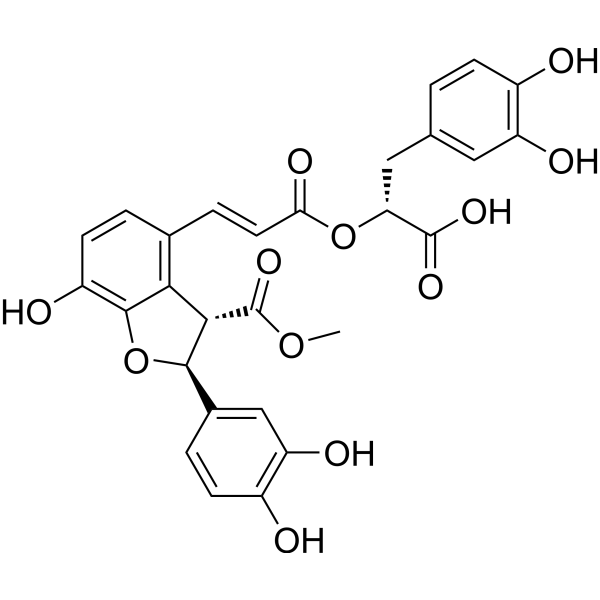 0 ImagesCat. No.: HY-N8931CAS No.: 933054-33-2Synonyms: Lithospermic acid monomethyl esterMonomethyl lithospermate activates the PI3K/AKT pathway, which plays a protective role in nerve injury. Monomethyl lithospermate can improve the survival ability of SHSY-5Y cells, inhibit the breakdown of mitochondrial membrane potential (MMOP) and inhibit cell apoptosis. Monomethyl lithospermate also reduced the level of oxidative stress in the brain tissue of rats with middle artery occlusion (MCAO) and improved nerve damage in rats with ischemic stroke (IS).




