



Apoptosis
Apoptosis
Apoptosis is a distinctive form of cell death exhibiting specific morphological and biochemical characteristics, including cell membrane blebbing, chromatin condensation, genomic DNA fragmentation, and exposure of specific phagocytosis signaling molecules on the cell surface. Cells undergoing apoptosis differ from those dying through necrosis. Necrotic cells are usually recognized by the immune system as a danger signal and, thus, resulting in inflammation; in contrast, apoptotic death is quiet and orderly.
There are two major pathways of apoptotic cell death induction: The intrinsic pathway, also called the Bcl-2-regulated or mitochondrial pathway, is activated by various developmental cues or cytotoxic insults, such as viral infection, DNA damage and growth-factor deprivation, and is strictly controlled by the BCL-2 family of proteins. The extrinsic or death-receptor pathway is triggered by ligation of death receptors (members of the tumor necrosis factor (TNF) receptor family, such as Fas or TNF receptor-1 (TNFR1)) that contain an intracellular death domain, which can recruit and activate caspase-8 through the adaptor protein Fas-associated death domain (FADD; also known as MORT1) at the cell surface. This recruitment causes subsequent activation of downstream (effector) caspases, such as caspase-3, -6 or -7, without any involvement of the BCL-2 family.
Studies suggest that alterations in cell survival contribute to the pathogenesis of a number of human diseases, including cancer, viral infections, autoimmune diseases, neurodegenerative disorders, and AIDS (acquired immunodeficiency syndrome). Treatments designed to specifically alter the apoptotic threshold may have the potential to change the natural progression of some of these diseases.
All Product Categories
-
Apoptosis Inhibitors
(904)
View all products
-
Apoptosis Agonists
(7)
View all products
-
Apoptosis Antagonists
(9)
View all products
-
Apoptosis Activators
(363)
View all products
-
Apoptosis Modulators
(60)
View all products
-
Apoptosis Inducers
(7944)
View all products
-
Apoptosis Degrader
(1)
View all products
-
Apoptosis Controls
(33)
View all products
-
Apoptosis Related Products (9888)
Related Products (9888)

-
Antibodies (120)
-
Kazinol A
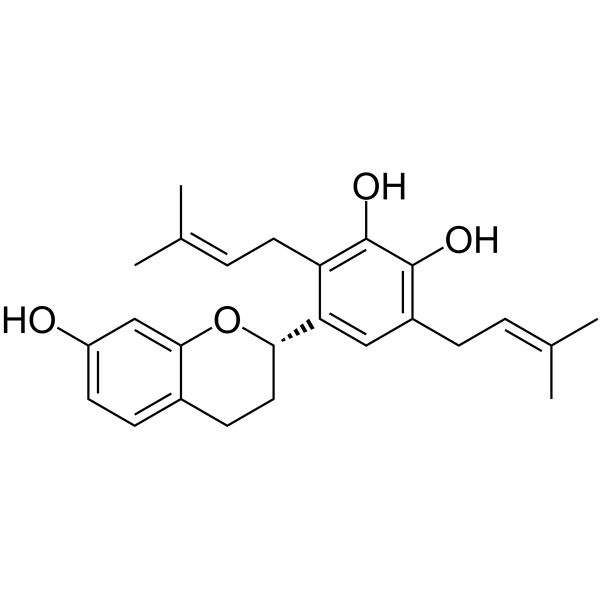 0 ImagesCat. No.: HY-113636CAS No.: 99624-28-9Kazinol A induces cytotoxic effects in human bladder cancer cells, including the cisplatin-resistant T24R2.
-
Os30
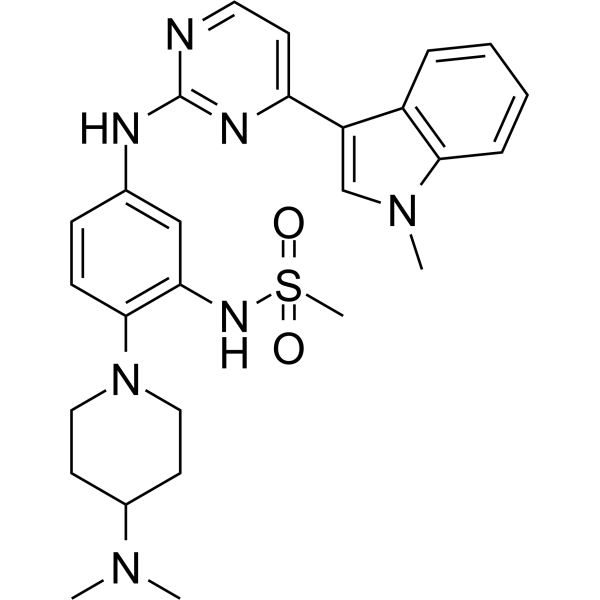 0 ImagesOs30, a potent fourth-generation EGFR inhibitor, is a potent EGFRC797S-TK inhibitor with IC50 values of 18 nM and 113 nM for EGFRDel19/T790M/C797S TK and EGFRL858R/T790M/C797S TK, respectively. Os30 can suppress EGFR phosphorylation, arrest at G1 phase and induce the apoptosis of KC-0116 (BaF3-EGFRDel19/T790M/C797S) cells. Os30 shows potent antitumor efficacy on non-small cell lung cancer (NSCLC) with EGFmRC797S mutation.
-
ZX-29
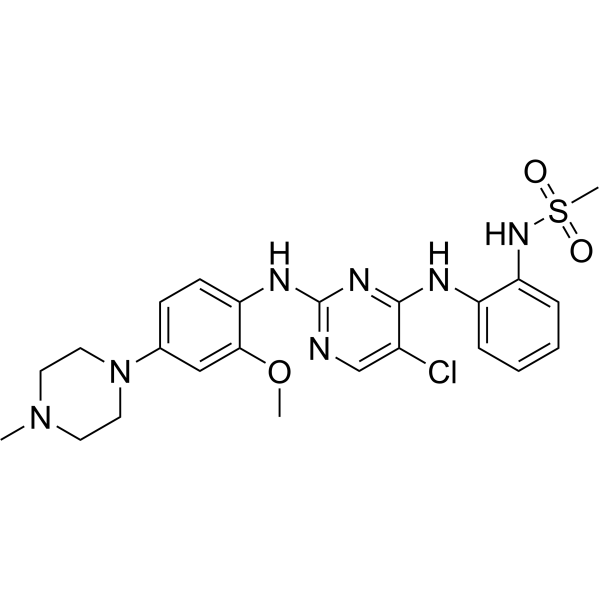 0 ImagesZX-29 is a potent and selective ALK inhibitor with an IC50 of 2.1 nM, 1.3 nM and 3.9 nM for ALK, ALK L1196M and ALK G1202R mutations, respectively. ZX-29 is inactive against EGFR. ZX-29 induces apoptosis by inducing endoplasmic reticulum (ER) stress and overcomes cell resistance caused by an ALK mutation. ZX-29 also induces protective autophagy and has antitumor effect.
-
Sotetsuflavone
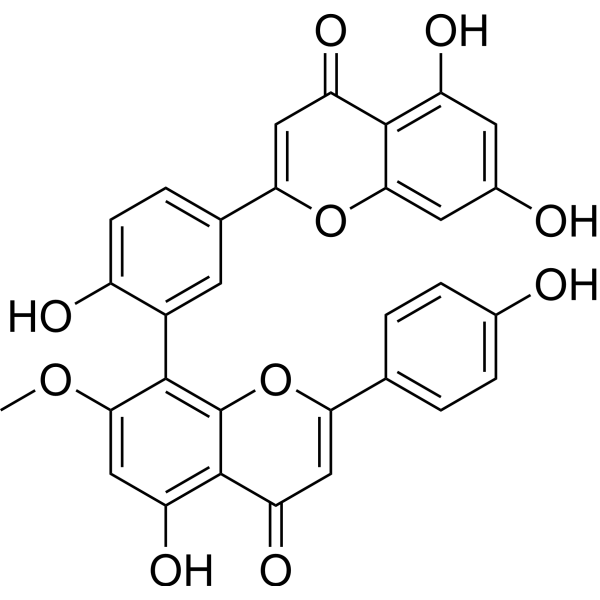 0 ImagesSotetsuflavone is a flavonoid that can be isolated from Cycas revolute. Sotetsuflavone inhibits phosphorylation of PI3K, Akt, mTOR, JNK, and p38 MAPK; modulates expression of Cyclin D1, CDK4, Bcl-2, Bax, cleaved caspases 3/9, MMP-9, TGF-β, STAT3, and β-catenin. Sotetsuflavone induces G0/G1 cell cycle arrest, apoptosis, autophagy, and intracellular ROS elevation, inhibits cancer cell proliferation. Sotetsuflavone inhibits tumor growth in mouse tumor xenograft models. Sotetsuflavone can be used for the research of non-small cell lung cancer and Crohn’s disease.
-
Sodium butyrate-d3
 0 ImagesSynonyms: Butanoic acid-d3 sodium; Butyric acid-d3 sodiumSodium butyrate-d3 (Butanoic acid-d3 sodium) is the deuterium labeled Sodium butyrate (HY-B0350A). Sodium Butyrate (sodium butanoate) is an inhibitor of HDAC, possessing anti-tumor activity.
-
CDK6/PIM1-IN-1
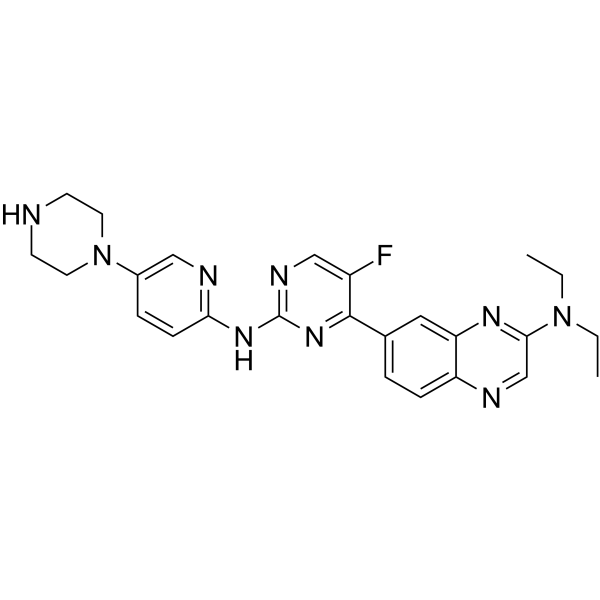 0 ImagesCat. No.: HY-142696CAS No.: 2677026-14-9CDK6/PIM1-IN-1 is a potent and balanced dual CDK6/PIM1 inhibitor with IC50 values of 39 and 88 nM, respectively. CDK6/PIM1-IN-1 inhibits CDK4 (IC50=3.6 nM). CDK6/PIM1-IN-1 significantly inhibits acute myeloid leukemia (AML) cell proliferation, arrest cell cycle at the G1 phase, and promote cell apoptosis. CDK6/PIM1-IN-1 exhibits potent anti-AML activity.
-
6-Hydroxykaempferol 3-O-β-D-glucoside
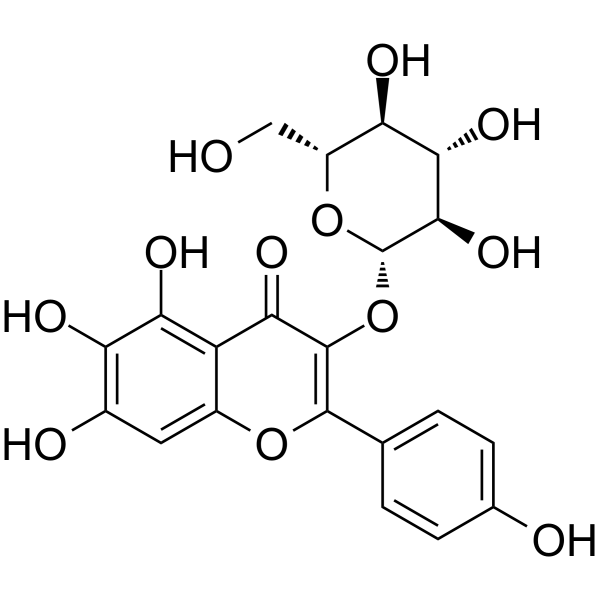 0 ImagesSynonyms: 6-Hydroxykaempferol 3-glucoside6-Hydroxykaempferol 3-O-β-D-glucoside possesses anticancer activity and induces apoptosis.
-
UCM-13369
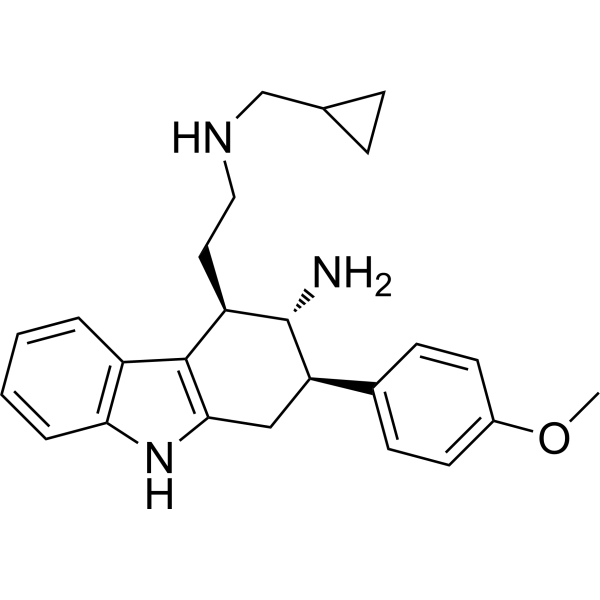 0 ImagesCat. No.: HY-162265CAS No.: 2921944-77-4UCM-13369 (Compound 4b) is a NPM1 inhibitor. UCM-13369 downregulates the pathway associated with mutant NPM1 C+, and specifically recognizes the C-end DNA-binding domain of NPM1 C+. UCM-13369 induces apoptosis in AML cell lines and primary cells, that can be used for the research of AML.
-
PI3Kδ-IN-16
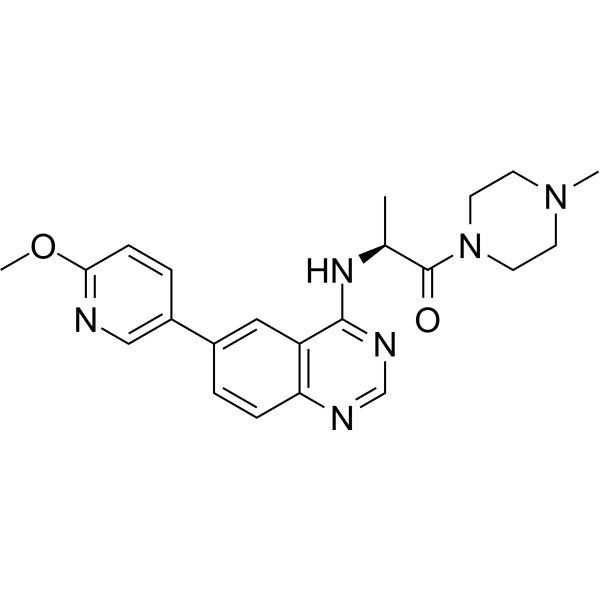 0 ImagesPI3Kδ-IN-16 is a potent and selective PI3Kδ inhibitor with an IC50 value of 0.9 nM. PI3Kδ-IN-16 has a strong anti-proliferative effect on SU-DHL-6 cells, causing cell cycle arrest and inducing apoptosis. PI3Kδ-IN-16 tightly bins to PI3Kδ protein with a planar-shaped conformation. The kinase activity of PI3Kδ-IN-16 which is ~378-fold over PI3Kα, 412-fold over PI3Kβ, and 10-fold over PI3Kγ. PI3Kδ-IN-16 can be used for the study of hematologic malignancies.
-
5-Vinyl-2'-deoxyuridine
 0 ImagesSynonyms: 5-VINYL-DURD
-
Ursonic acid (Standard)
 0 ImagesCSRM617 (Standard) is the analytical standard of CSRM617. This product is intended for research and analytical applications. CSRM617 is a selective small-molecule inhibitor of the transcription factor ONECUT2 (OC2, a master regulator of androgen receptor) with a Kd of 7.43 uM in SPR assays, binding to OC2-HOX domain directly. CSRM617 induces apoptosis by appearance of cleaved Caspase-3 and PARP. CSRM617 is well tolerated in the prostate cancer mouse model
-
Lesigercept
 0 ImagesCat. No.: HY-P990959CAS No.: 2878448-12-3Lesigercept is a recombinant fusion protein comprising an FcERI (IgE Fc receptor subunit alpha) fused to a human IgG4 Fc.
-
Flubendazole-d3
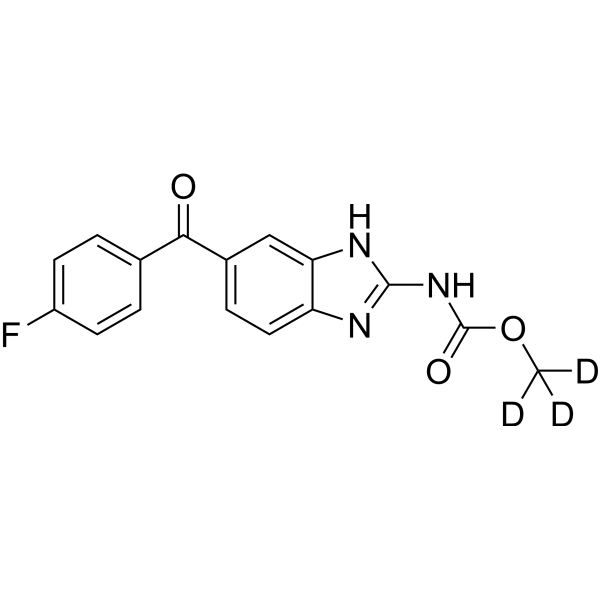 0 ImagesCat. No.: HY-B0294SCAS No.: 1173021-08-3Flubendazole-d3 is the deuterium labeled Flubendazole. Flubendazole is a safe and efficacious anthelmintic agent, which is widely used for anthelmintic to human, rodents and ruminants. Flubendazole exerts anticancer activities by mechanisms including inhibition of microtubule function. Flubendazole induces p53-mediated apoptosis and arrests G2/M cell cycle.
-
TLSC702
 0 ImagesCat. No.: HY-117208CAS No.: 748786-57-4TLSC702 is a human glyoxalase I (hGLO I) inhibitor with an IC50 of 2.0 μM. TLSC702 inhibits the activity of human glyoxalase I, thereby leading to the accumulation of methylglyoxal and its derived advanced glycation end products. TLSC702 inhibits tumor cell proliferation, induces apoptotic morphological changes, internucleosomal DNA fragmentation and PARP cleavage in tumor cells. TLSC702 can be used in research related to leukemia and lung cancer.
-
Parcetasal
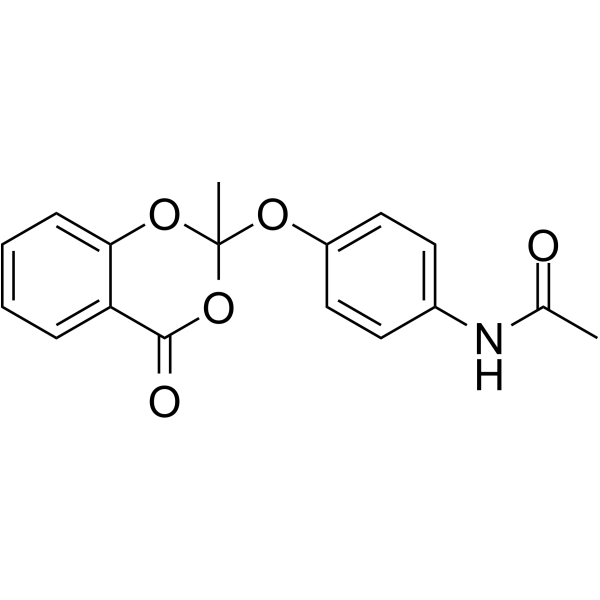 0 ImagesSynonyms: MR-897Paclitaxal is a non-steroidal anti-inflammatory analgesic.
-
Berubicin hydrochloride
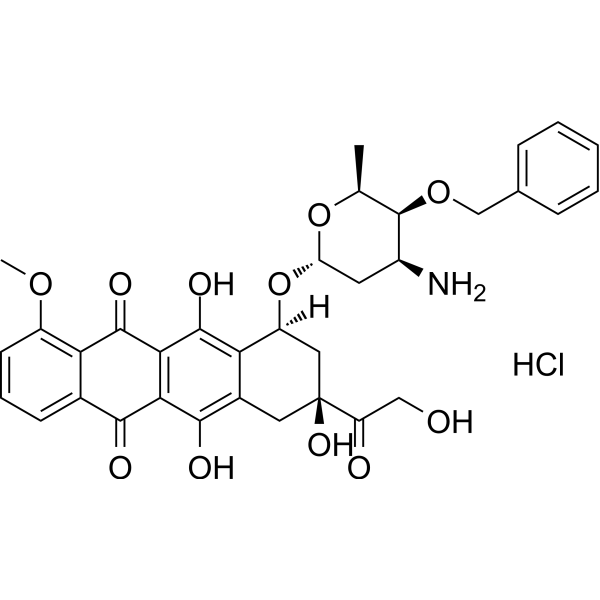 0 ImagesCat. No.: HY-14942ACAS No.: 293736-67-1Synonyms: RTA 744; WP 744; WP 769 hydrochlorideBerubicin (RTA 744) hydrochloride is a Doxorubicin (HY-15142A) analog that can cross the blood-brain barrier. Berubicin hydrochloride inhibits P-gp and MRP1-mediated efflux and suppresses glioblastoma multiforme (GBM). Berubicin hydrochloride exerts toxic effects on leukemia cells by activating nuclear factor κB (NF-κB) and induces apoptosis in neuroblastoma cells. Berubicin hydrochloride can be used in the study of tumors related to the nervous system.
-
Guanosine triphosphate-15N5,d14 dilithium
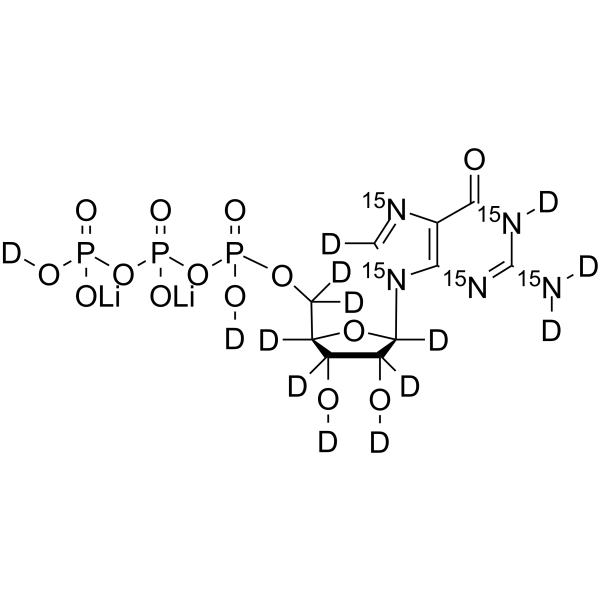 0 ImagesCat. No.: HY-113225S4Purity: 98.4%Synonyms: GTP-15N5,d14 dilithiumGuanosine triphosphate-15N5,d14 dilithium (GTP-15N5,d14 dilithium) is the deuterated, 15N-labeled Guanosine triphosphate (HY-113225). Guanosine triphosphate (GTP) is a critical nucleotide and regulator of cellular metabolism. Guanosine triphosphate promotes ribosomal DNA localization, pre-rRNA transcription and ribosome biogenesis by binding to RNA polymerase I and GPN proteins (GPN1/3). Guanosine triphosphate links MYC-dependent ribosome biogenesis to nucleotide sufficiency, acts as a metabolic gatekeeper supporting protein synthesis, DNA/RNA synthesis and cellular signal transduction, while also participating in the physiological activities of pancreatic β-cells and serving as an oxidative substrate for reactive oxygen species. In small cell lung cancer with high MYC expression, Guanosine triphosphate accumulates through the IMPDH-driven synthetic pathway, thereby affecting apoptosis and mitotic processes. Guanosine triphosphate is used in the research of small cell lung cancer, hepatoblastoma and cellular metabolism.
-
N-Arachidonoyl-L-serine
 0 ImagesSynonyms: ARA-SN-Arachidonoyl-L-serine (ARA-S) is an endocannabinoid. N-Arachidonoyl-L-serine induces phosphorylation of Akt and MAPK in endothelial cells. N-Arachidonoyl-L-serine also induces endothelium-dependent vasodilation in isolated rat mesenteric and abdominal aortas. N-Arachidonoyl-L-serine exhibits neuroprotective effects after traumatic brain injury by reducing apoptosis. N-Arachidonoyl-L-serine promotes the opening of KV7.1/KCNE1 channels in mammalian cells and shortens the action potential duration in cardiomyocytes. N-Arachidonoyl-L-serine may be used in research on cardiovascular and cerebrovascular diseases and neurological disorders.




