



Apoptosis
Apoptosis
Apoptosis is a distinctive form of cell death exhibiting specific morphological and biochemical characteristics, including cell membrane blebbing, chromatin condensation, genomic DNA fragmentation, and exposure of specific phagocytosis signaling molecules on the cell surface. Cells undergoing apoptosis differ from those dying through necrosis. Necrotic cells are usually recognized by the immune system as a danger signal and, thus, resulting in inflammation; in contrast, apoptotic death is quiet and orderly.
There are two major pathways of apoptotic cell death induction: The intrinsic pathway, also called the Bcl-2-regulated or mitochondrial pathway, is activated by various developmental cues or cytotoxic insults, such as viral infection, DNA damage and growth-factor deprivation, and is strictly controlled by the BCL-2 family of proteins. The extrinsic or death-receptor pathway is triggered by ligation of death receptors (members of the tumor necrosis factor (TNF) receptor family, such as Fas or TNF receptor-1 (TNFR1)) that contain an intracellular death domain, which can recruit and activate caspase-8 through the adaptor protein Fas-associated death domain (FADD; also known as MORT1) at the cell surface. This recruitment causes subsequent activation of downstream (effector) caspases, such as caspase-3, -6 or -7, without any involvement of the BCL-2 family.
Studies suggest that alterations in cell survival contribute to the pathogenesis of a number of human diseases, including cancer, viral infections, autoimmune diseases, neurodegenerative disorders, and AIDS (acquired immunodeficiency syndrome). Treatments designed to specifically alter the apoptotic threshold may have the potential to change the natural progression of some of these diseases.
All Product Categories
-
Apoptosis Inhibitors
(905)
View all products
-
Apoptosis Agonists
(7)
View all products
-
Apoptosis Antagonists
(9)
View all products
-
Apoptosis Activators
(363)
View all products
-
Apoptosis Modulators
(60)
View all products
-
Apoptosis Inducers
(7928)
View all products
-
Apoptosis Degrader
(1)
View all products
-
Apoptosis Controls
(33)
View all products
-
Apoptosis Related Products (9874)
Related Products (9874)

-
Antibodies (120)
-
Cyproheptadine hydrochloride sesquihydrate (Standard)
 0 ImagesCyproheptadine hydrochloride sesquihydrate (Standard) is the analytical standard of Cyproheptadine hydrochloride sesquihydrate (HY-B1165). This product is intended for research and analytical applications. Cyproheptadine hydrochloride sesquihydrate acts as a p38 MAP kinase activator, CHK2 activator, histamine H1 receptor inhibitor and serotonin receptor inhibitor. Cyproheptadine hydrochloride sesquihydrate mediates cell cycle arrest via G1 phase arrest, G1/S transition arrest, G0/G1 phase arrest, reduced expression of cyclins D1/D2/D3, upregulated expression of HBP1, p16, p21, p27, and decreased phosphorylation of retinoblastoma protein. Cyproheptadine hydrochloride sesquihydrate induces Apoptosis by increasing PARP and cleaved PARP, as well as activating the mitochondrial caspase pathway. Cyproheptadine hydrochloride sesquihydrate inhibits tumor growth with extremely low toxicity to normal cells. Cyproheptadine hydrochloride sesquihydrate can be used in research related to hepatocellular carcinoma, multiple myeloma and acute myeloid leukemia.
-
Ischemin
 0 ImagesIschemin is a CBP bromodomain inhibitor that inhibits p53 interaction with CBP and transcriptional activity in cells. Ischemin inhibits p53-induced p21 activation with an IC50 value of 5 µM. Ischemin also prevents apoptosis in ischemic cardiomyocytes. Ischemin can be used in the study of cardiovascular diseases (such as myocardial ischemia).
-
Allethrin
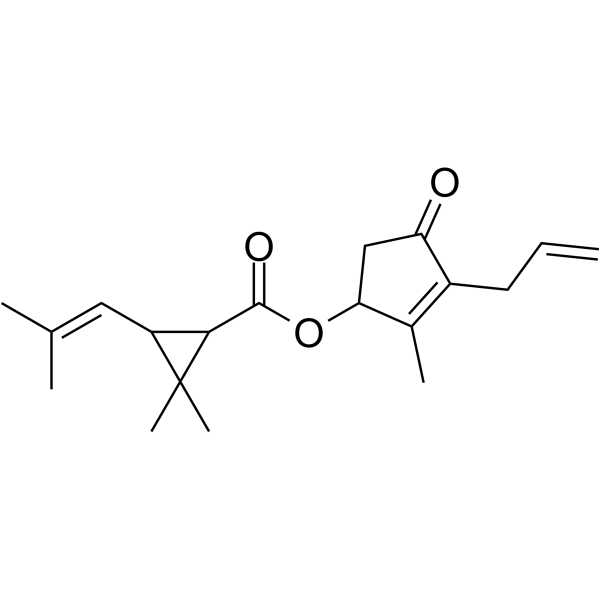 0 ImagesAllethrin, a pyrethroid insecticide is a major mosquito repellent agent. Allethrin induces oxidative stress, apoptosis and calcium release in rat testicular carcinoma cells (LC540). Allethrin induces BCL-2, caspase-3 activation and release of intracellular calcium.
-
(±)-Enterodiol
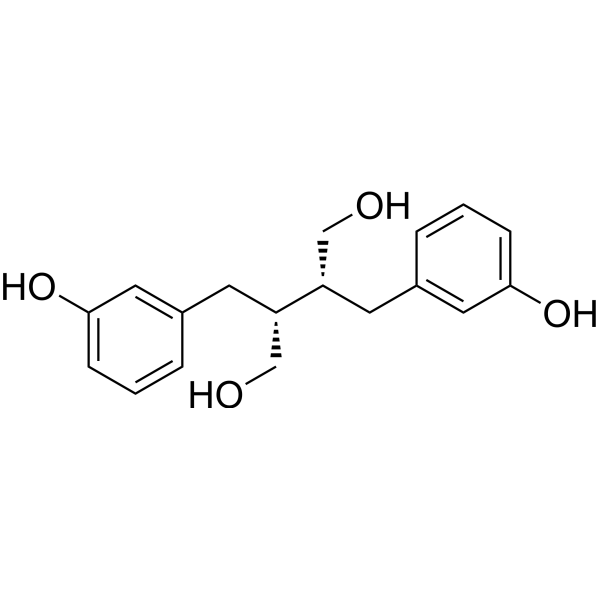 0 ImagesCat. No.: HY-108695BCAS No.: 77756-22-0(±)-Enterodiol is the racemate of Enterodiol (HY-108695). Enterodiol is transformed by human intestinal bacteria from lignans contained in various whole-grain cereals, nuts, legumes, flaxseed, and vegetables. Enterodiol has an apoptotic effect in colorectal cancer (CRC) cells. Enterodiol has anti-cancer activities.
-
Telomeric G4s ligand 1
 0 ImagesTelomeric G4s ligand 1 is a telomeric G-quadruplex ligand that stabilizes telomeric G4 and induces R-loop formation, leading to DNA damage responses. Telomeric G4s ligand 1 induces apoptosis and evokes immunogenic cell death (ICD) in tumor cells.
-
ELR510444
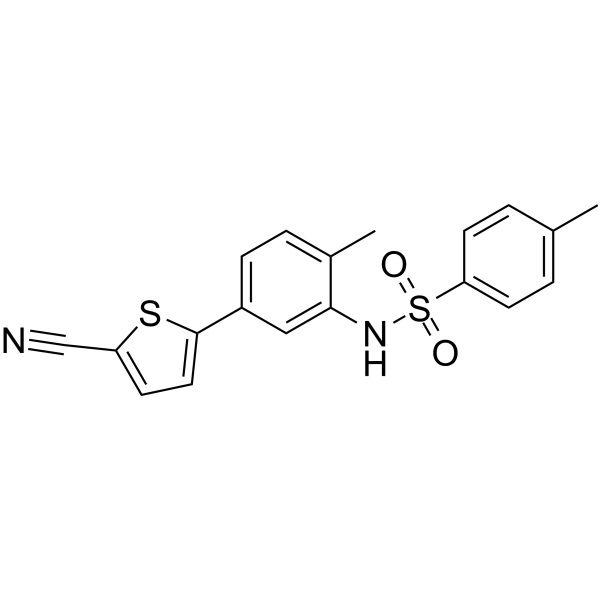 0 ImagesELR510444 is an orally active tubulin inhibitor with an IC50 of 10 μM. ELR510444 binds to the colchicine-binding site on β-tubulin, inhibits tubulin assembly, depolymerizes microtubules and blocks HIF activity. ELR510444 induces cellular microtubule loss, abnormal mitotic spindle, mitotic arrest, apoptosis, morphological changes in tumor endothelial cells, and inhibits cancer cell proliferation, angiogenesis and tumor growth. ELR510444 can be used in research related to various cancers such as renal cell carcinoma.
-
AT7519 Hydrochloride (Standard)
 0 ImagesAT7519 (Hydrochloride) (Standard) is the analytical standard of AT7519 (Hydrochloride). This product is intended for research and analytical applications. AT7519 Hydrochloride is a potent inhibitor of CDKs, with IC50s of 210, 47, 100, 13, 170, and <10 nM for CDK1, CDK2, CDK4 to CDK6, and CDK9, respectively.
-
Terfenadine-d3
 0 ImagesCat. No.: HY-B1193SCAS No.: 192584-82-0Terfenadine-d3 ((±)-Terfenadine-d3) is the deuterium labeled Terfenadine. Terfenadine ((±)-Terfenadine) is a potent open-channel blocker of hERG with an IC50 of 204 nM. Terfenadine, an H1 histamine receptor antagonist, acts as a potent apoptosis inducer in melanoma cells through modulation of Ca2+ homeostasis. Terfenadine induces ROS-dependent apoptosis, simultaneously activates Caspase-4, -2, -9[2].
-
Goserelin
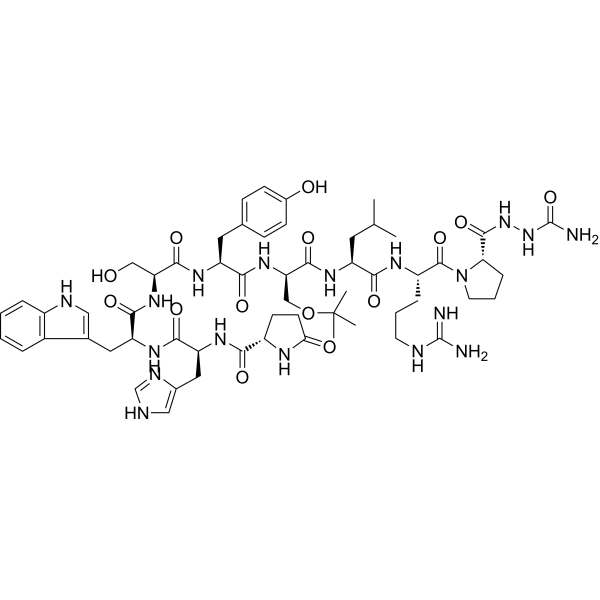 0 ImagesCat. No.: HY-13673CAS No.: 65807-02-5Synonyms: ICI 118630Goserelin (ICI 118630), a decapeptide analogue of gonadotropin-releasing hormone (GnRH/LHRH), functions as a GnRH agonist. Goserelin can be used for the research of breast cancer, epithelial ovarian cancer and prostate cancer.
-
Sunitinib Malate (Standard)
 0 ImagesCat. No.: HY-10255RCAS No.: 341031-54-7Synonyms: SU 11248 Malate (Standard)Sunitinib (Malate) (Standard) is the analytical standard of Sunitinib (Malate). This product is intended for research and analytical applications. Sunitinib Malate (SU 11248 Malate) is a multi-targeted receptor tyrosine kinase inhibitor with IC50s of 80 nM and 2 nM for VEGFR2 and PDGFRβ, respectively. Sunitinib Malate, an ATP-competitive inhibitor, effectively inhibits autophosphorylation of Ire1α by inhibiting autophosphorylation and consequent RNase activation.
-
Apremilast (Standard)
 0 ImagesSynonyms: CC-10004 (Standard)Apremilast (Standard) is the analytical standard of Apremilast. This product is intended for research and analytical applications. Apremilast (CC-10004) is an orally available inhibitor of type-4 cyclic nucleotide phosphodiesterase (PDE-4) with an IC50 of 74 nM. Apremilast inhibits TNF-α release by lipopolysaccharide (LPS) with an IC50 of 104 nM.
-
KTX-582 intermediate-1
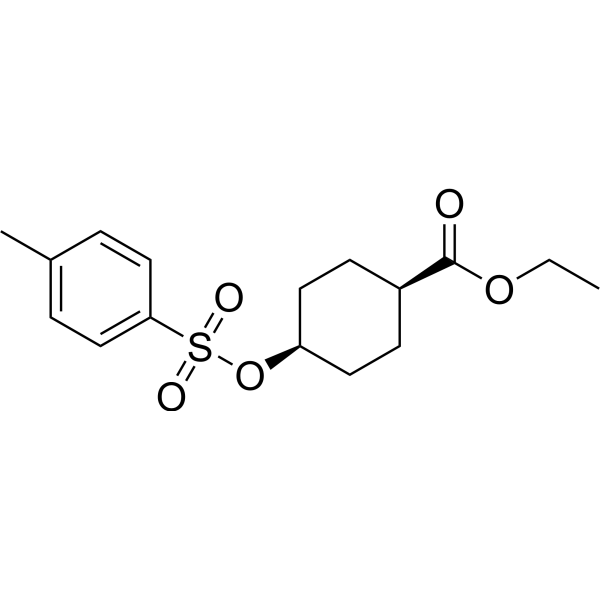 0 ImagesCat. No.: HY-49436CAS No.: 845508-29-4
-
Se-Methylselenocysteine (Standard)
 0 ImagesSynonyms: Methylselenocysteine (Standard); Se-Methylseleno-L-cysteine (Standard)Risedronic acid (Standard) is the analytical standard of Risedronic acid. This product is intended for research and analytical applications. 0
-
Guanosine triphosphate-d14 dilithium
 0 ImagesCat. No.: HY-150773S1Synonyms: GTP-d14 dilithiumGuanosine triphosphate-d14 dilithium (GTP-d14 dilithium) is the deuterated-labeled Guanosine triphosphate (HY-113225). Guanosine triphosphate (GTP) is a critical nucleotide and regulator of cellular metabolism. Guanosine triphosphate promotes ribosomal DNA localization, pre-rRNA transcription and ribosome biogenesis by binding to RNA polymerase I and GPN proteins (GPN1/3). Guanosine triphosphate links MYC-dependent ribosome biogenesis to nucleotide sufficiency, acts as a metabolic gatekeeper supporting protein synthesis, DNA/RNA synthesis and cellular signal transduction, while also participating in the physiological activities of pancreatic β-cells and serving as an oxidative substrate for reactive oxygen species. In small cell lung cancer with high MYC expression, Guanosine triphosphate accumulates through the IMPDH-driven synthetic pathway, thereby affecting apoptosis and mitotic processes. Guanosine triphosphate is used in the research of small cell lung cancer, hepatoblastoma and cellular metabolism.
-
SP600125 (Standard)
 0 ImagesSP600125 (Standard) is the analytical standard of SP600125. This product is intended for research and analytical applications. SP600125 is an orally active, reversible, and ATP-competitive JNK inhibitor with IC50s of 40, 40 and 90 nM for JNK1, JNK2 and JNK3, respectively. SP600125 is a potent ferroptosis inhibitor. SP600125 induces the transformation of bladder cancer cells from autophagy to apoptosis.
-
SB-590885 (Standard)
 0 ImagesSB-590885 (Standard) is the analytical standard of SB-590885 (HY-10966). This product is intended for research and analytical applications. SB-590885 is a BRAF/c-Raf kinase inhibitor that selectively targets B-Raf, and it amplifies the ERK/MAPK signaling pathway in RAS-activated cells. SB-590885 effectively inhibits the malignant proliferation, transformation and tumorigenicity of oncogenic B-Raf cells; it also induces the proliferation of erythroid progenitor cells, delays their differentiation and promotes hemoglobin synthesis, thereby improving ineffective erythropoiesis and reducing apoptosis. SB-590885 exerts a synergistic effect with TGF-β inhibitors and glucocorticoids, significantly promoting the formation of erythroid colonies in cells from patients with Diamond-Blackfan anemia (DBA). SB-590885 is mainly used in relevant studies on DBA, cisplatin-induced myelosuppression-related anemia, and pan-cancers such as melanoma and colorectal cancer.
-
Uridine 5'-monophosphate-15N2
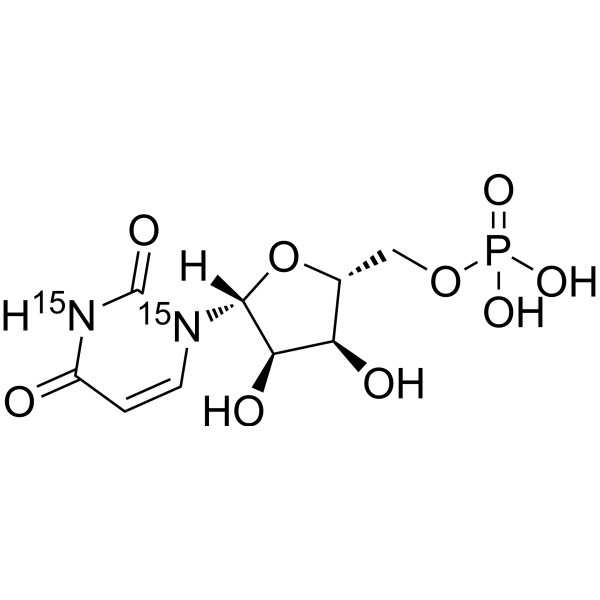 0 ImagesCat. No.: HY-101981SPurity: 98.0%Synonyms: 5'-Uridylic acid-15N2Uridine 5'-monophosphate-15N2 (5'-Uridylic acid-15N2) is the 15N labeled Uridine 5'-monophosphate (HY-101981). Uridine 5'-monophosphate (5'-Uridylic acid) is an orally active mitochondrial ATP-dependent potassium channel activator that has a protective effect on the heart. Uridine 5'-monophosphate can promote the synthesis of CDP-choline and induce apoptosis in intestinal epithelial cells, which is beneficial for gut development and reduces diarrhea.
-
4-Hydroxybenzophenone-d5
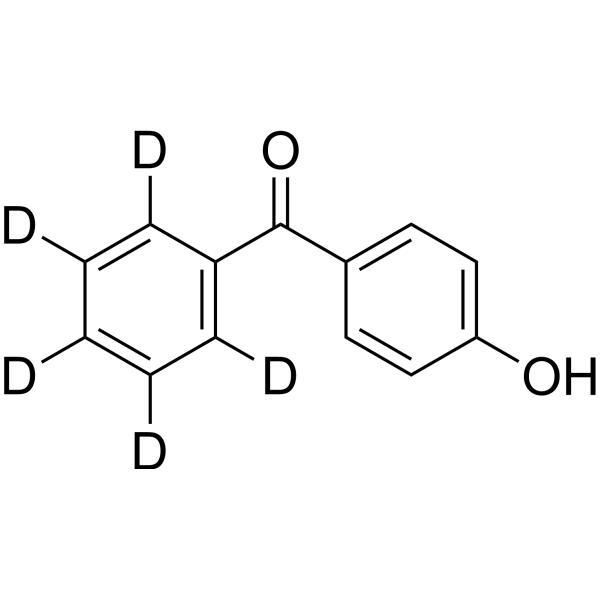 0 ImagesSynonyms: 4HBP-d54-Hydroxybenzophenone-d5 (4HBP-d5) is the deuterated-labeled 4-Hydroxybenzophenone (HY-W014937). 4‑Hydroxybenzophenone (4HBP) is a major metabolite of Benzophenone (HY-Y0546) and is orally active. 4-Hydroxybenzophenone triggers endoplasmic reticulum stress and activates the PERK-eIF2α-ATF4-CHOP and IRE1α-XBP1s pathways, and inhibits IκB translation. 4-Hydroxybenzophenone induces endoplasmic reticulum stress, unfolded protein response activation, protein homeostasis imbalance, protein aggregation, oxidative stress, ROS accumulation, mitochondrial membrane potential decrease, ATP depletion, and cytotoxicity. 4-Hydroxybenzophenone induces neural stem cell apoptosis (apoptosis) and affects neuronal differentiation. 4-Hydroxybenzophenone promotes malignant proliferation of hepatocellular carcinoma cells and xenograft tumor growth in nude mice. 4-Hydroxybenzophenone can be used in research related to neurodevelopmental toxicity and hepatocellular carcinoma.
-
Nafamostat hydrochloride
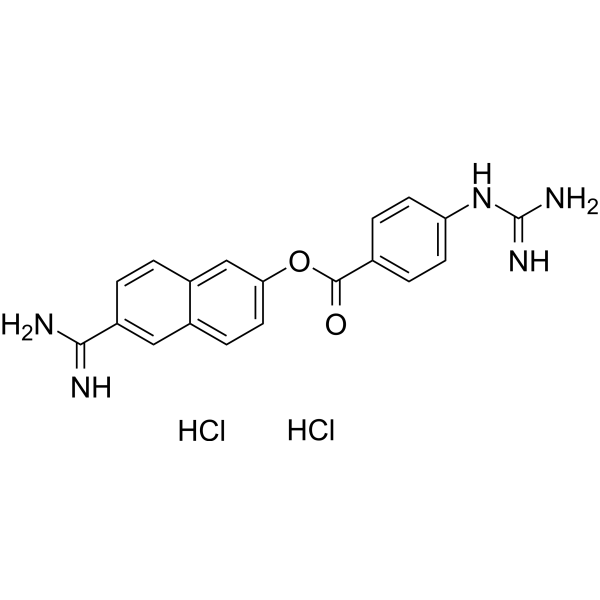 0 ImagesCat. No.: HY-B0190BCAS No.: 80251-32-7Nafamostat hydrochloride, an anticoagulant, is a synthetic serine protease inhibitor. Nafamostat hydrochloride has anticancer and antivirus effect. Nafamostat hydrochloride induces apoptosis by up-regulating the expression of tumor necrosis factor receptor-1 (TNFR1). Nafamostat hydrochloride can be used in the development of the pathological thickening of the arterial wall.
-
Patulin (Standard)
 0 ImagesPatulin (Standard) is the analytical standard of Patulin. This product is intended for research and analytical applications. Patulin (Terinin) is a mycotoxin produced by fungi including the Aspergillus, Penicillium, and Byssochlamys species, causes chromosome breakage, mutation, teratogenic and cytotoxic. Patulin induces autophagy-dependent apoptosis through lysosomal-mitochondrial axis, and causes DNA damage.




