



Apoptosis Inhibitor
-
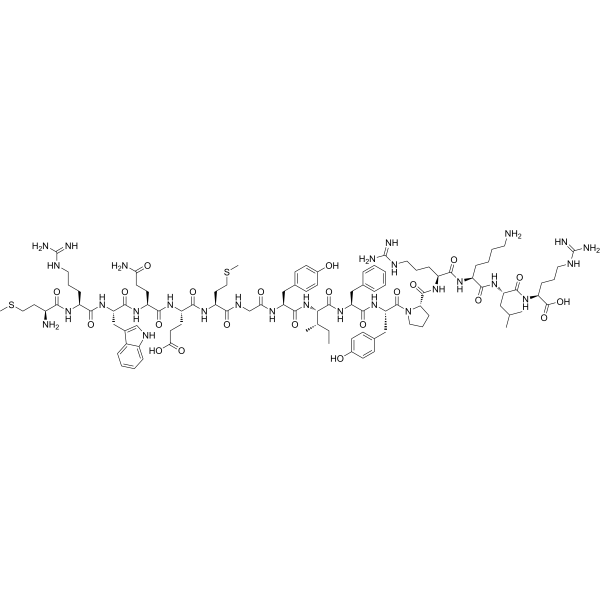
MOTS-c (human)
 0 Images
MOTS-c (human) is a mitochondrial-derived peptide that modulates the AMPK/PGC-1α pathway to enhance insulin sensitivity. MOTS-c (human) inhibits the folate cycle and de novo purine synthesis, increases AICAR levels to activate AMPK, and then regulates the Nrf2/Keap1 antioxidant pathway and inhibits the NF-κB inflammatory pathway, while promoting mitochondrial biogenesis and energy metabolism. MOTS-c (human) has the effects of improving glucose and lipid metabolism, anti-oxidative stress, anti-inflammatory and neuroprotection, and can be used in the study of type 2 diabetes, traumatic brain injury, inflammatory diseases and aging-related metabolic disorders.
-
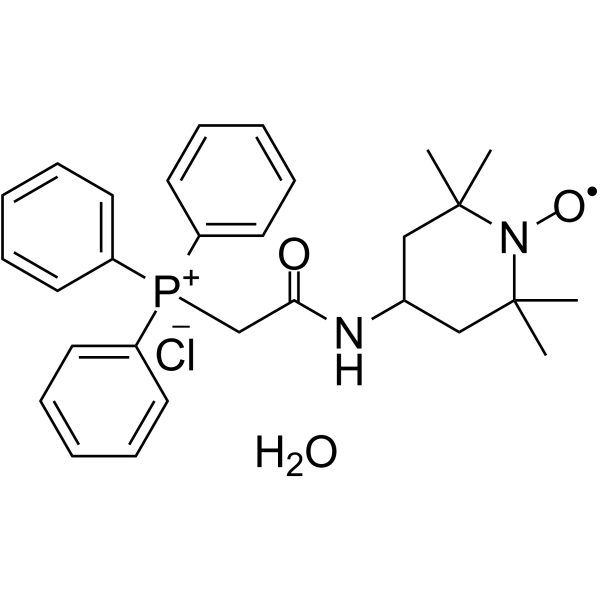
MitoTEMPO hydrate
 0 Images
MitoTEMPO hydrate is a mitochondria-targeted antioxidant. MitoTEMPO hydrate induces mitophagy by activating the PINK1/Parkin pathway, inhibits NLRP3 inflammasome activation, restores mitochondrial membrane potential, and improves renal function and podocyte injury. MitoTEMPO hydrate regulates Ca2+ homeostasis, inhibits Bnip3 overexpression, shortens action potential duration, and exerts antiarrhythmic effects. MitoTEMPO hydrate reverses premature senescence, reduces trabecular bone loss, and decreases cell apoptosis. MitoTEMPO hydrate can be used in studies of chronic kidney disease, age-related cardiac dysfunction, postmenopausal osteoporosis, and ischemic stroke.
-
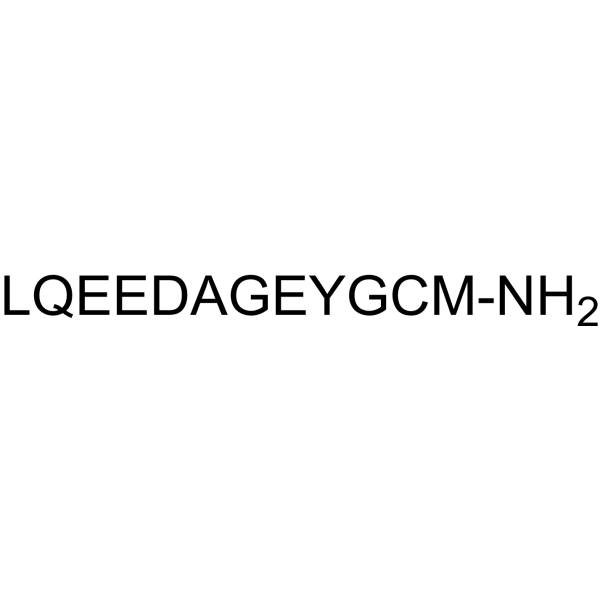
Nangibotide
 0 ImagesSynonyms: LR12
Nangibotide (LR12) is a synthetic peptide and TREM-1 receptor inhibitor. Nangibotide inhibits NF-κB and NLRP3 inflammasome activation and reduces the release of pro-inflammatory factors (such as IL-1β, IL-8). Nangibotide inhibits Apoptosis. Nangibotide reduces excessive inflammatory responses and protects tissues (liver, lung) from damage. Nangibotide can be used in the researches for myocardial ischemia-reperfusion injury, septic shock, acute lung injury, osteoarthritis, and acute liver failure.
-
Co(III) protoporphyrin IX chloride
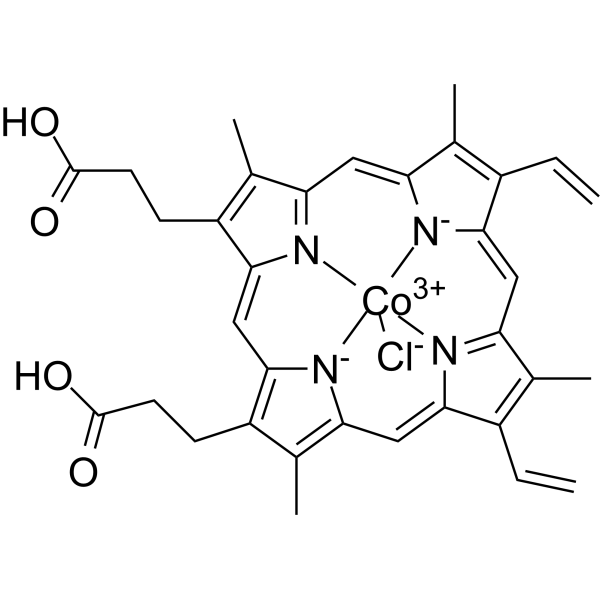 0 ImagesCat. No.: HY-W250116CAS No.: 102601-60-5Synonyms: Protoporphyrin IX cobaltic chloride; CoPPIX-Cl
Co(III) protoporphyrin IX chloride (Protoporphyrin IX cobaltic chloride) is an inducer of HO-1. Co(III) protoporphyrin IX chloride has activities such as anti-inflammation and antibacterial properties. Co(III) protoporphyrin IX chloride can also be used in the research of ischemia-reperfusion injury models.
-
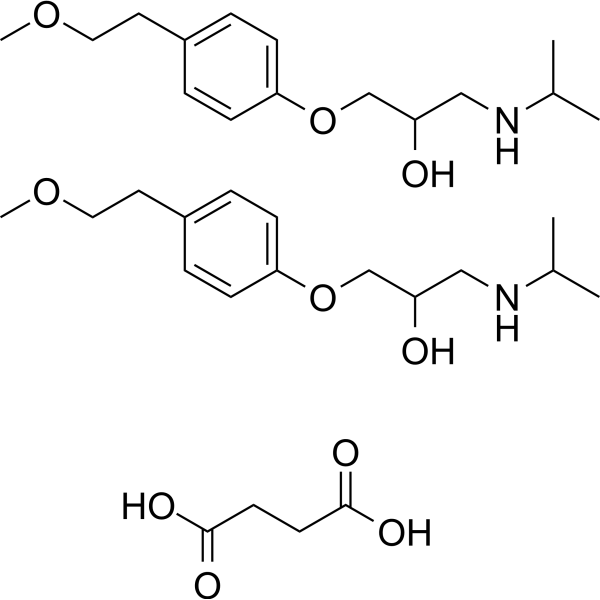
Metoprolol succinate
 0 Images
Metoprolol succinate is an orally active, selective β1-adrenoceptor antagonist. Metoprolol succinate shows anti-inflammation, antitumor and anti-angiogenic properties.
-
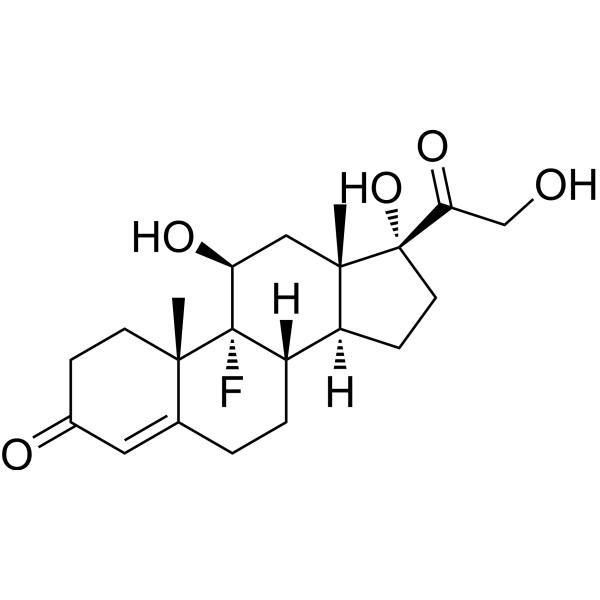
Fludrocortisone
 0 Images
Fludrocortisone (9α-Fludrocortisone) is an orally active mineralocorticoid and glucocorticoid receptor agonist. Fludrocortisone suppresses pro-inflammatory cytokine expression, reduces CCL2, IL-6, IL-8 levels, upregulates mineralocorticoid receptor (MR) expression, induces PI3K/Akt, GSK-3β, CREB, ERK1/2, mTOR phosphorylation, blocks Tau hyperphosphorylation, prevents apoptosis, promotes survival and proliferation, enhances renal sodium and water transport, increases plasma volume and blood pressure, reduces plasma potassium and renin activity, stimulates erythropoietin expression, modulates uterine receptivity genes, and reverses PP242-induced MUC1 upregulation. Fludrocortisone can be used for the research of congenital adrenal hyperplasia, postural hypotension, and adrenal insufficiency.
-
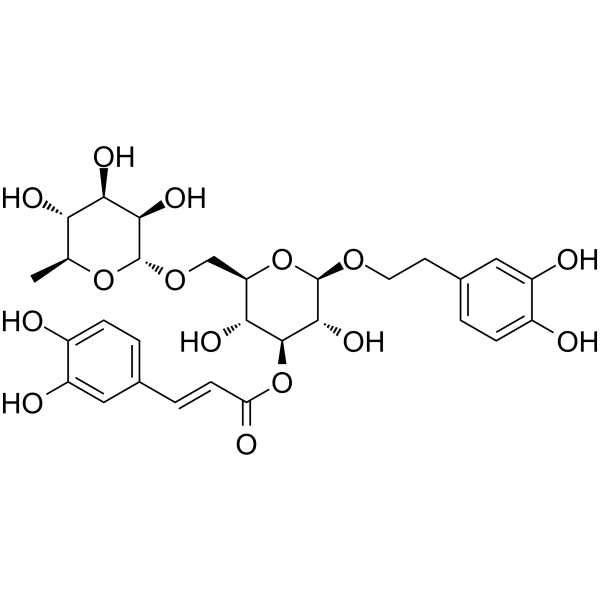
Forsythoside I
 0 Images
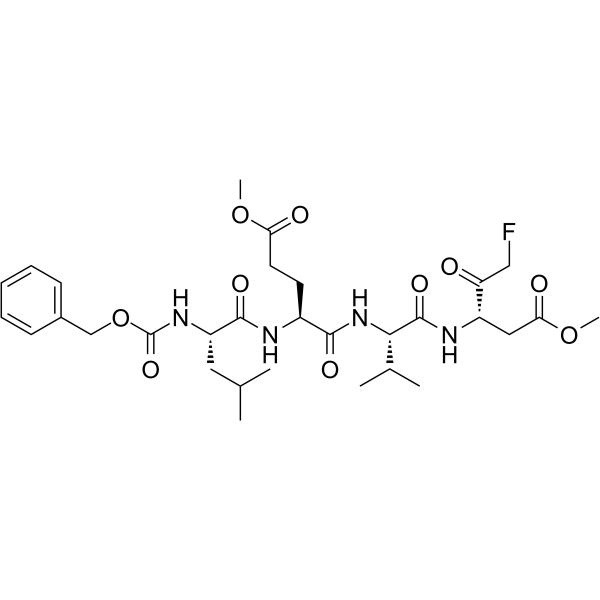
Forsythoside I is an orally active caffeoyl phenylethanoid glycoside (CPG) that can be isolated from Forsythia suspense (Thunb.) Vahl. Forsythoside I has anti-inflammatory activity and can exert a protective effect in a mouse model of acute lung injury.
-
Apostatin-1
 0 ImagesSynonyms: Apt-1
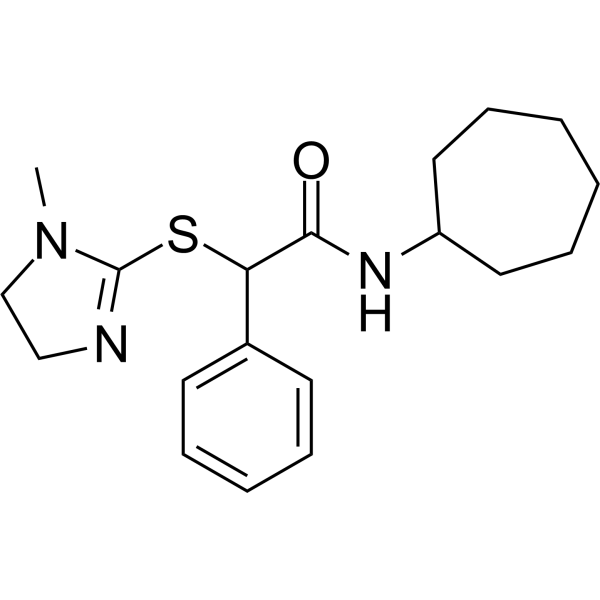
Apostatin-1 (Apt-1) is a potent TRADD inhibitor. Apostatin-1 can bind with TRADD-N (KD=2.17 μM), disrupting its binding to both TRADD-C and TRAF2. Apostatin-1 modulates the ubiquitination of RIPK1 and beclin 1. Apostatin-1 blocks apoptosis and restores cellular homeostasis by activating autophagy in cells with accumulated mutant tau, α-synuclein, or huntingtin.
-
EPZ020411 hydrochloride
 0 Images
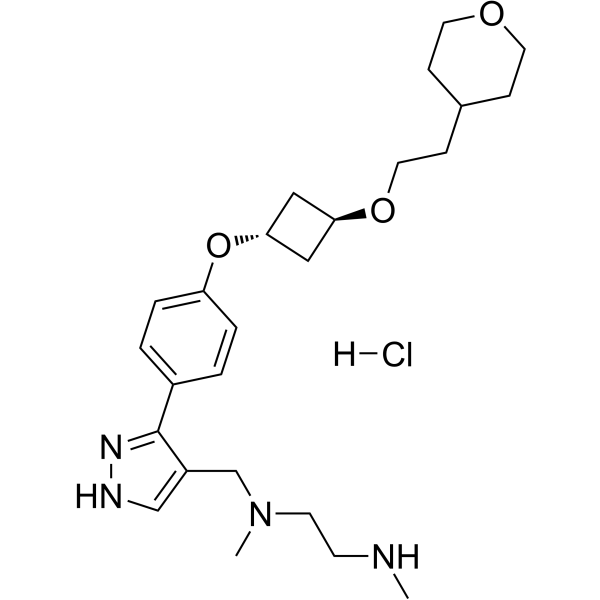
EPZ020411 hydrochloride is a selective, blood-brain barrier-permeable PRMT6 inhibitor with an IC50 of 0.010 μM. EPZ020411 hydrochloride blocks PRMT6-mediated histone H3R2 methylation, reduces ROS production, and inhibits Apoptosis. EPZ020411 hydrochloride is applicable to research related to neuropathic pain, colorectal cancer, ototoxicity, hearing loss and glioblastoma.
-
Rutin hydrate
 0 ImagesSynonyms: Rutoside hydrate; Quercetin 3-O-rutinoside hydrate
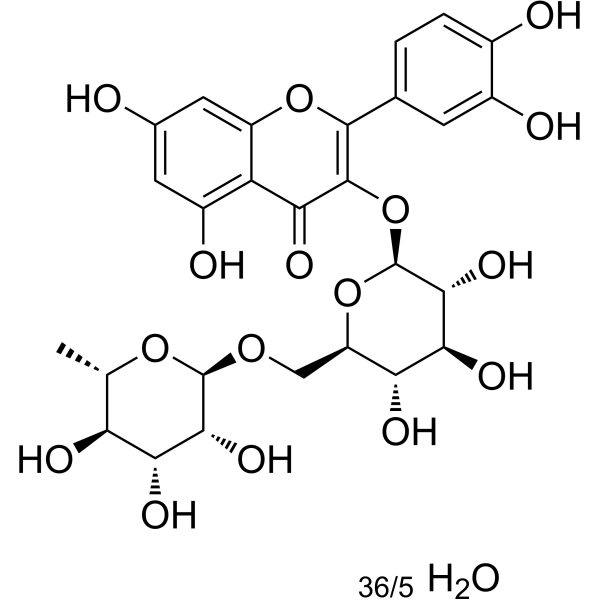
Rutin (Rutoside) hydrate is a flavonoid found in many plants and shows a wide range of biological activities including anti-inflammatory, antidiabetic, antioxidant, neuroprotective, nephroprotective, hepatoprotective and reducing Aβ oligomer activities. Rutin hydrate can cross the blood brain barrier. Rutin hydrate attenuates vancomycin-induced renal tubular cell apoptosis via suppression of apoptosis, mitochondrial dysfunction, and oxidative stress.
-
Teneligliptin hydrobromide hydrate
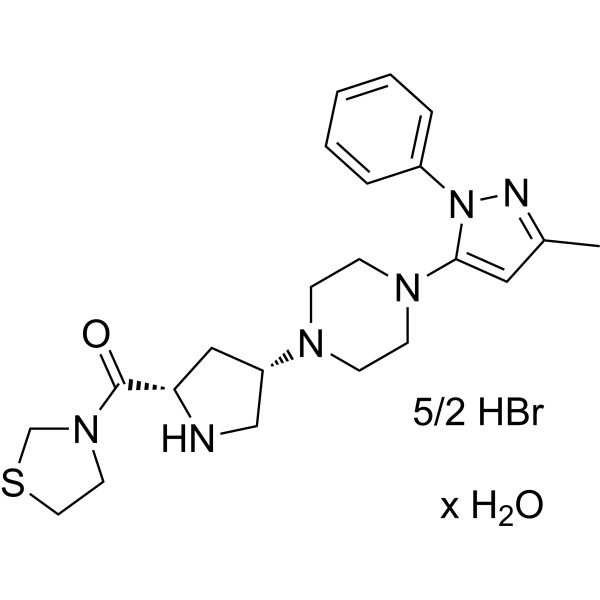 0 ImagesSynonyms: MP-513 hydrobromide hydrate
Teneligliptin (MP-513) hydrobromide hydrate is an orally active and selective dipeptidyl peptidase 4 (DPP-4) inhibitor (IC50s: 0.37 and 0.29 nM for the human and rat DPP-4, respectively). Teneligliptin hydrobromide hydrate improves blood glucose levels and can be used in researches related to type 2 diabetes mellitus.
-
Roxithromycin
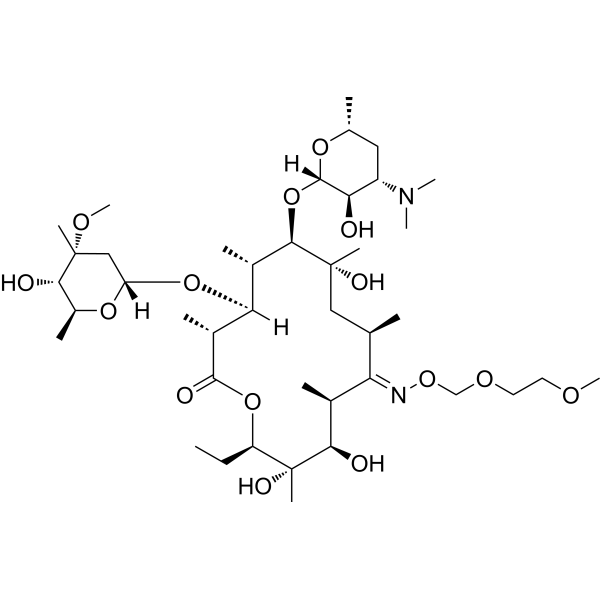 0 ImagesSynonyms: RU-28965
Roxithromycin (RU-28965) is an orally active semi-synthethic macrolide antibiotic. Roxithromycin inhibits protein biosynthesis in the elongation step by binding to 50S bacterial ribosome. Roxithromycin has antimicrobial, antiproliferative, anti-inflammatory, tumour vasculature inhibiting and lung injury ameliorating effects.
-
(+)-Magnoflorine chloride
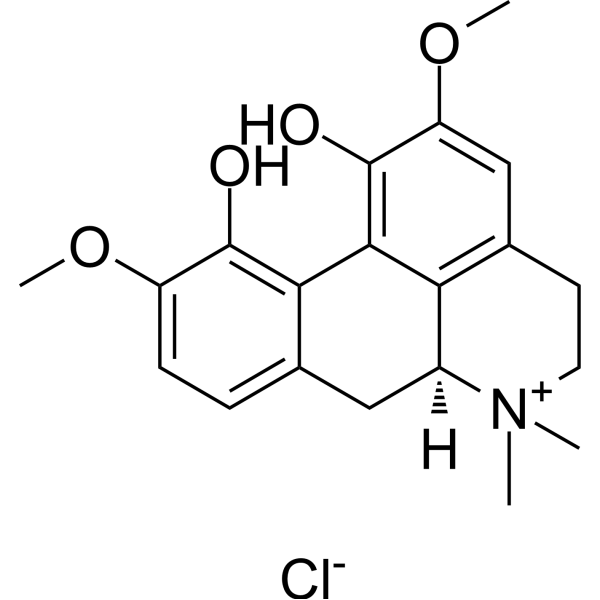 0 ImagesSynonyms: Magnoflorine chloride; α-Magnoflorine chloride; Thalictrine chloride
(+)-Magnoflorine (α-Magnoflorine) chloride is an orally active aporphine alkaloid with multiple biological activities. (+)-Magnoflorine chloride promotes Parkin/PINK1-mediated mitochondrial autophagy, inhibits the activation of NLRP3/Caspase-1 pathway, regulates the intestinal microbiota, and exhibits significant anti-inflammatory and immunomodulatory activities. (+)-Magnoflorine chloride inhibits JNK and TLR4/NF-κB signaling pathways, activates Sirt1/AMPK pathway, alleviates neuronal oxidative stress and apoptosis. Magnoflorine chloride upregulates miR-410-3p, inhibits HMGB1/NF-κB pathway, and has anti-tumor activity. (+)-Magnoflorine chloride also has significant antifungal activity.
-
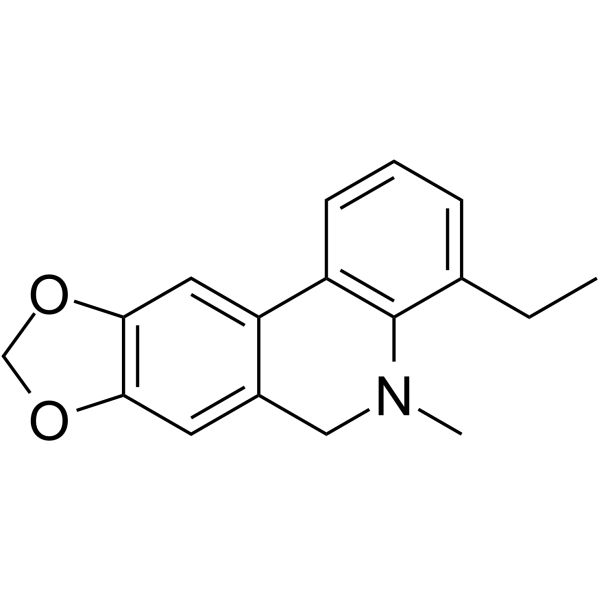
HLY78
 0 Images
HLY78, a Lycorine (HY-N0288) derivative, is a potent activator of the Wnt/β-catenin signaling pathway. HLY78 targets the DIX domain of Axin and promotes the Axin-LRP6 (lipoprotein receptor-related protein 6) association, thus promoting LRP6 phosphorylation and Wnt signal transduction. HLY78 can be used for subarachnoid hemorrhage (SAH) research.
-
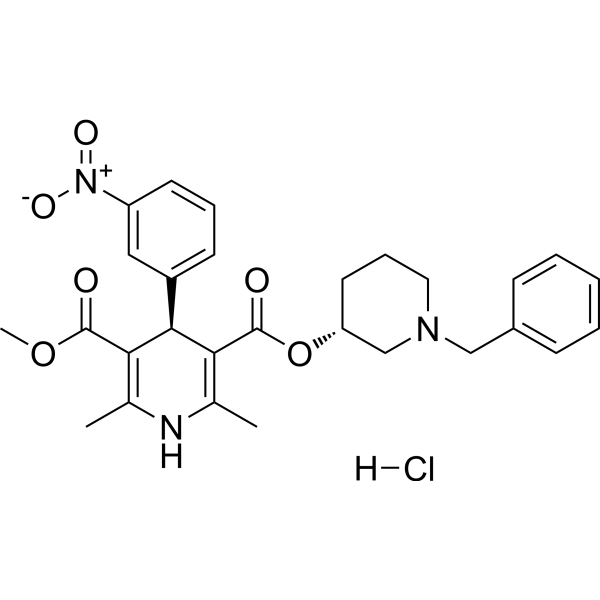
Benidipine hydrochloride
 0 ImagesSynonyms: KW-3049
Benidipine hydrochloride is an orally active calcium channel antagonist. Benidipine hydrochloride can inhibit cell proliferation and apoptosis. Benidipine hydrochloride has antioxidant activity and can increase nitric oxide synthase activity and improve coronary circulation in hypertensive rats.
-
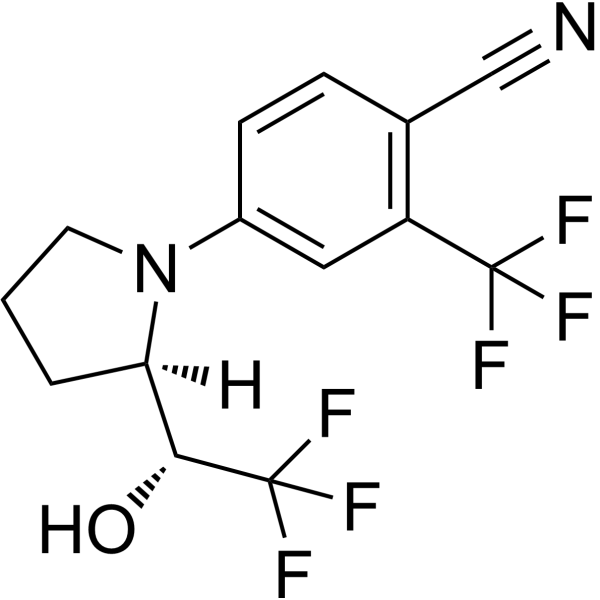
Ligandrol
 0 ImagesSynonyms: LGD-4033
Ligandrol is an orally active, selective androgen receptor (AR) agonist. Ligandrol enhances protein synthesis, inhibits muscle breakdown and oxidative stress, improves muscle cell viability and bone tissue microstructure, and reduces Cisplatin (HY-17394)-induced muscle toxicity and apoptosis. Ligandrol promotes muscle growth, protects bone structure, and has anti-diabetic, anti-apoptotic and antioxidant effects. Ligandrol can antagonize Streptozotocin (HY-13753) damage to pancreatic islets and improve the symptoms of type 2 diabetes.
-
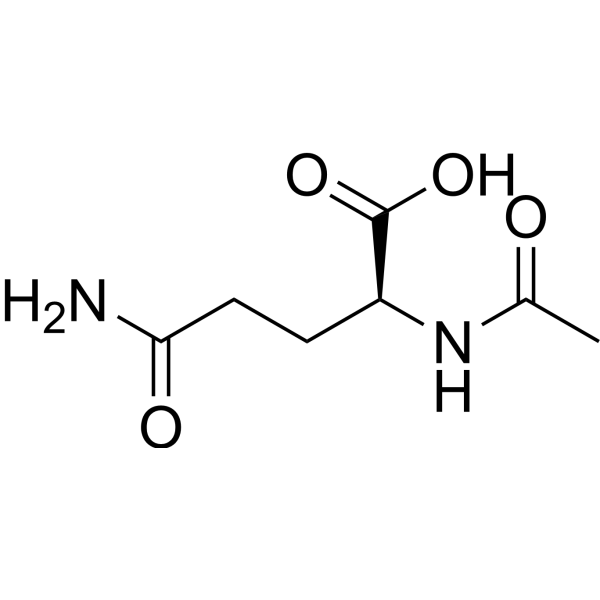
Aceglutamide
 0 ImagesSynonyms: α-N-Acetyl-L-glutamine; N2-Acetylglutamine
Aceglutamide (α-N-Acetyl-L-glutamine; N2-Acetylglutamine) is a neuroprotectant that can penetrate the blood-brain barrier. Aceglutamide can enhance the antioxidant systems of glutathione (GSH), thioredoxin (Trx) and Nrf2. Aceglutamide also inhibits ASK1 and TRAF1, activates the Akt/Bcl-2 anti-apoptotic pathway, enhances the activity of antioxidant enzymes and reduces oxidative damage. Aceglutamide can improve neurological deficits after cerebral ischemia, reduce infarct volume, and inhibit neuronal apoptosis, especially substantia nigra dopaminergic neurons. Aceglutamide can reduce cerebral ischemia/reperfusion injury, improve motor dysfunction, and is used in ischemic stroke-related research.



