



Bacterial
Anything that destroys bacteria or suppresses their growth or their ability to reproduce. Heat, chemicals such as chlorine, and antibiotic drugs all have antibacterial properties. Many antibacterial products for cleaning and handwashing are sold today. Such products do not reduce the risk for symptoms of viral infectious diseases in otherwise healthy persons. This does not preclude the potential contribution of antibacterial products to reducing symptoms of bacterial diseases in the home.
All Product Categories
-
Bacterial Inhibitors
(7553)
View all products
-
Bacterial Agonists
(3)
View all products
-
Bacterial Antagonists
(9)
View all products
-
Bacterial Activators
(25)
View all products
-
Bacterial Modulators
(27)
View all products
-
Bacterial Chemicals
(2)
View all products
-
Bacterial Inducers
(6)
View all products
-
Bacterial Controls
(14)
View all products
-
Bacterial Substrates
(2)
View all products
-
Bacterial Ligand
(1)
View all products
-
Bacterial Related Products (8893)
Related Products (8893)

-
Antibodies (14)
-
Related Compound Screening Libraries (1)
-
Phleomycin
 0 ImagesCat. No.: HY-126490CAS No.: 11006-33-0Phleomycin is a copper-dependent DNA damaging agent and antibiotic with antitumor activity. Phleomycin binds to DNA and produces ROS in the presence of reducing agents (such as dithiothreitol and glutathione), inducing single-strand and double-strand breaks in DNA. Phleomycin can induce cell apoptosis or mutation and is widely used in cancer inhibition, microbial genetic transformation (as a screening marker to improve fungal transformation efficiency) and DNA repair mechanism research.
-
Amoxicillin-clavulanate potassium
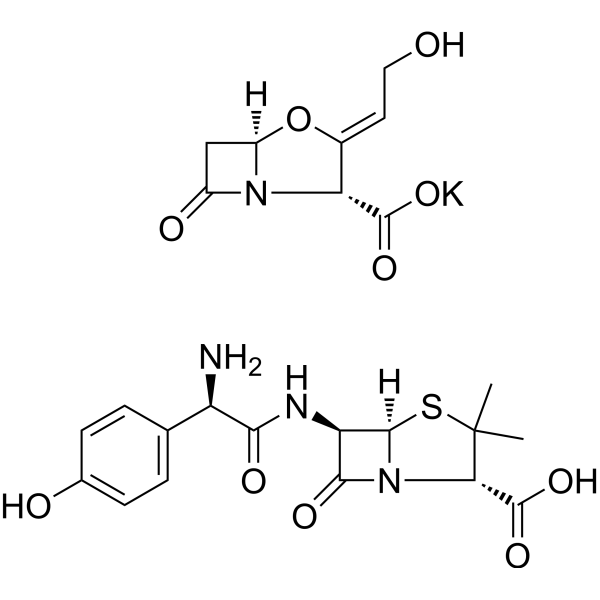 0 ImagesCat. No.: HY-135532CAS No.: 74469-00-4Amoxicillin-clavulanate potassium is an orally active antibacterial composition consisting of Amoxicillin (HY-B0467A) and the β-lactamase inhibitor Clavulanate potassium (HY-A0256A). In Amoxicillin-clavulanate potassium, Amoxicillin binds to bacterial penicillin-binding proteins to inhibit peptidoglycan synthesis and exert a bactericidal effect; Clavulanate potassium protects Amoxicillin from hydrolysis by β-lactamase. Amoxicillin-clavulanate potassium exhibits antibacterial activity against β-lactamase-producing Gram-positive and Gram-negative bacteria. Amoxicillin-clavulanate potassium dose-dependently interferes with the function of ameloblasts at the maturation stage, disrupts the enamel mineralization process, and induces enamel developmental defects. Amoxicillin-clavulanate potassium can be used in research related to bacterial infections.
-
4-Aminosalicylic acid
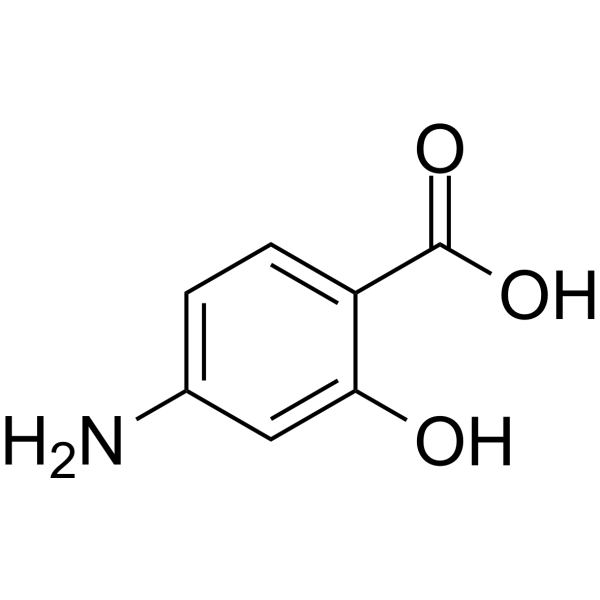 0 Images4-Aminosalicylic acid is an inhibitor for dihydrofolate reductase (DHFR) and an antituberculous agent. 4-Aminosalicylic acid exhibits anti-inflammatory activity and can be used in research of inflammatory bowel disease (IBD). 4-Aminosalicylic acid is orally active.
-
(Rac)-SHIN2
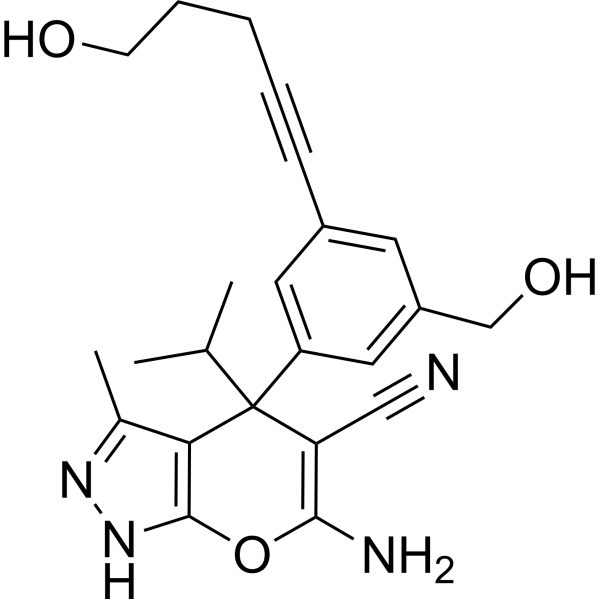 0 Images(Rac)-SHIN2 is a pyrazolopyran derivative and a serine hydroxymethyltransferase (SHMT) inhibitor. (Rac)-SHIN2 has antibacterial activity and low cytotoxicity against Hep2 cells. (Rac)-SHIN2 exerts potent antibacterial activity against both vancomycin-susceptible and vanA-type vancomycin-resistant Enterococcus.
-
Jineol
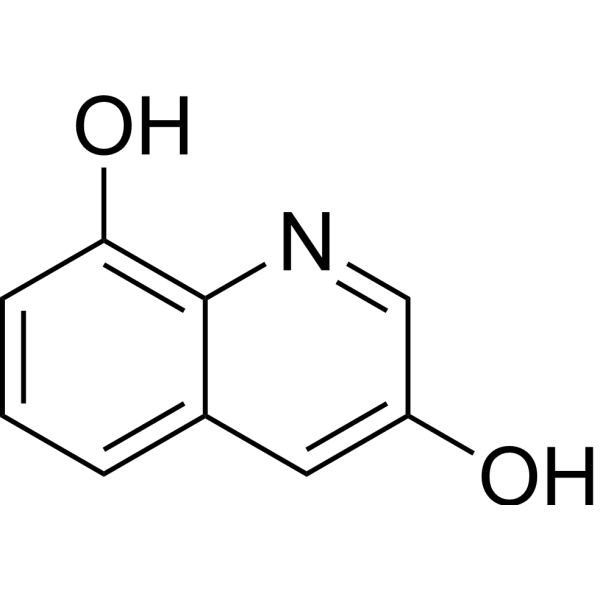 0 ImagesSynonyms: 3,8-QuinolinediolJineol is a cytotoxic alkaloid from the centipede Scolopendra subspinipes. Jineol exhibits modest cytotoxic activity in vitro against the growth of human tumor cell lines.
-
2-Bromo-4-methylphenol
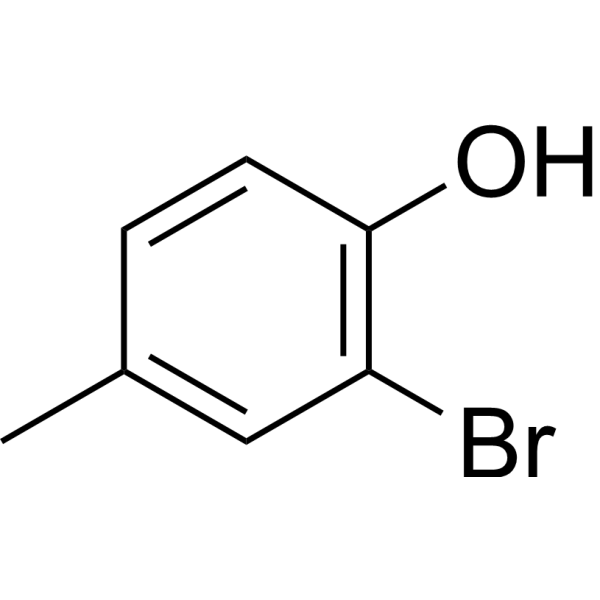 0 Images2-Bromo-4-methylphenol is a versatile compound. 2-Bromo-4-methylphenol produces an iodine-like odor in reverse osmosis water and red wine matrices. 2-Bromo-4-methylphenol exhibits antibacterial properties and effectively inhibits the growth of bacteria and fungal. 2-Bromo-4-methylphenol is an important intermediate for a variety of organic compounds.
-
Nevadensin
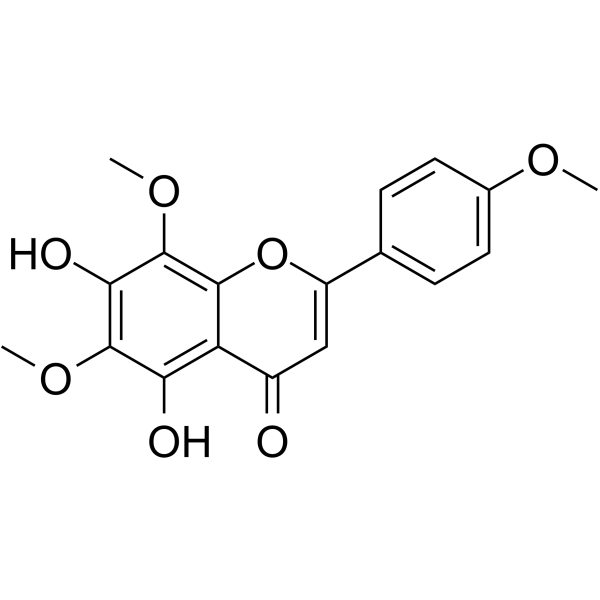 0 ImagesSynonyms: LysionotinNevadensin (Lysionotin), a natural flavonoid, is a selective human carboxylesterase 1 (hCE1) inhibitor with an IC50 of 2.64 μM. Nevadensin is more selective for hCE1 than hCE2 (IC50 of 132.8 μM). Nevadensin can induce apoptosis and DNA damage in cancer cells. Nevadensin has a variety of pharmacological effects such as anti-inflammatory, anti-tumour, anti-hypertensive, anti-tubercular, antitussive, antioxidant and anti-microbial activities.
-
Fusidic acid sodium salt
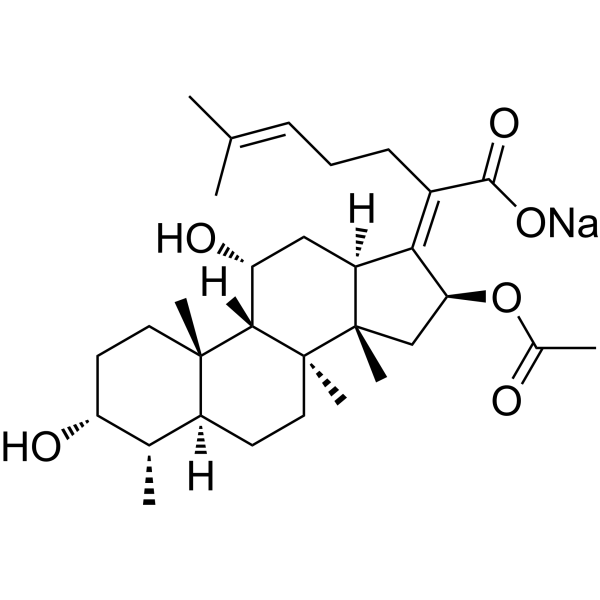 0 ImagesFusidic acid sodium salt is an orally available antibacterial agent that inhibits bacterial protein synthesis by preventing the release of translation elongation factor G (EF-G) from ribosomes. Fusidic acid sodium salt inhibits the inhibitory and activating effects of interleukins IL-1 and IL-6 on glucose-induced insulin production and exhibits antidiabetic effects in a rat model. Fusidic acid sodium salt improves the symptoms of colitis in rats and inhibits the growth of Toxoplasma gondii and Listeria monocytogenes EGD in vitro, but not in mice.
-
Sulfamethazine
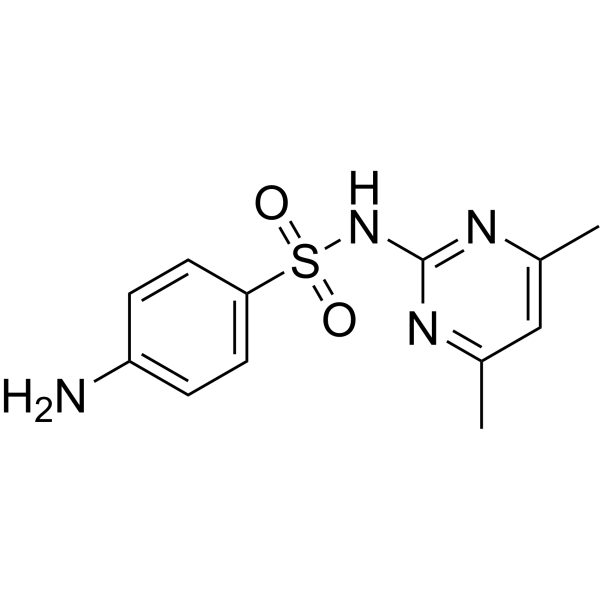 0 ImagesSulfamethazine (Sulfadimidine) is a brain-penetrant sulfonamide antibiotic. Sulfamethazine inhibits bacterial growth by blocking the synthesis of folic acid. Sulfamethazine can be used for research on bacterial infections.
-
(-)-Asarinin
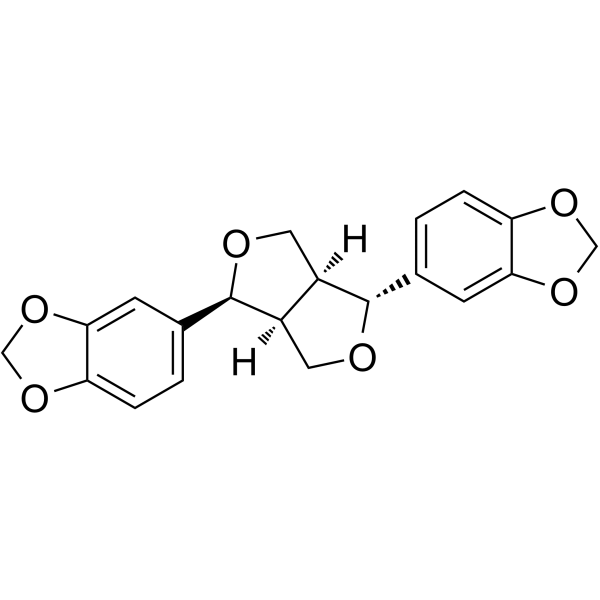 0 Images(-)-Asarinin is a tetrahydrofurofurano lignan with various biological activities. (-)-Asarinin induces apoptosis in cancer cells. (-)-Asarinin promotes mitochondrial ROS accumulation, inhibits the STAT3 signaling pathway and induces apoptosis in precancerous cells. (-)-Asarinin is a Src family kinase inhibitor that suppresses mast cell activation. (-)-Asarinin is a non-competitive Δ5-desaturase inhibitor with a Ki of 0.28 mM. (-)-Asarinin possesses pain relief, anti-viral, anti-allergic and anti-tuberculous bacilli, and anti-tumor effects.
-
Framycetin sulfate
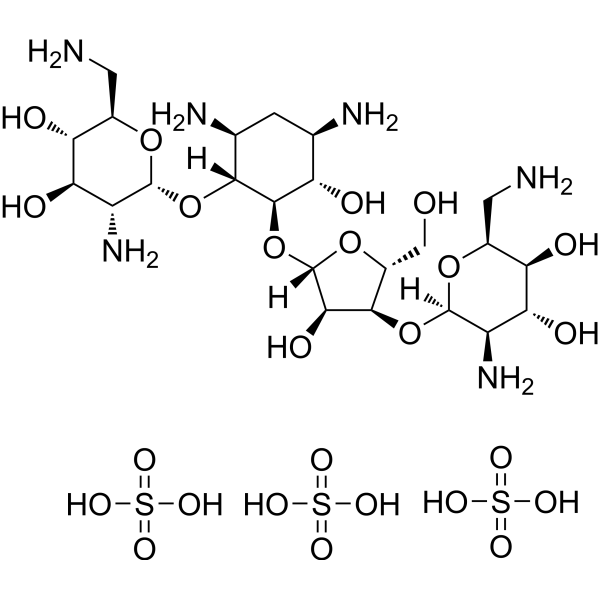 0 ImagesSynonyms: Neomycin B sulfate; Fradiomycin B sulfateFramycetin sulfate (Neomycin B sulfate), an aminoglycoside antibiotic, is a potent RNase P cleavage activity inhibitor with a Ki of 35 μM. Framycetin sulfate competes for specific divalent metal ion binding sites in RNase P RNA. Framycetin sulfate inhibits hammerhead ribozyme with a Ki of 13.5 μM. Framycetin sulfate, a 5″-azido neomycin B precursor, binds the Drosha site in miR-525 and is used for hepatic encephalopathy and enteropathogenic E. coli infections.
-
Sulconazole mononitrate
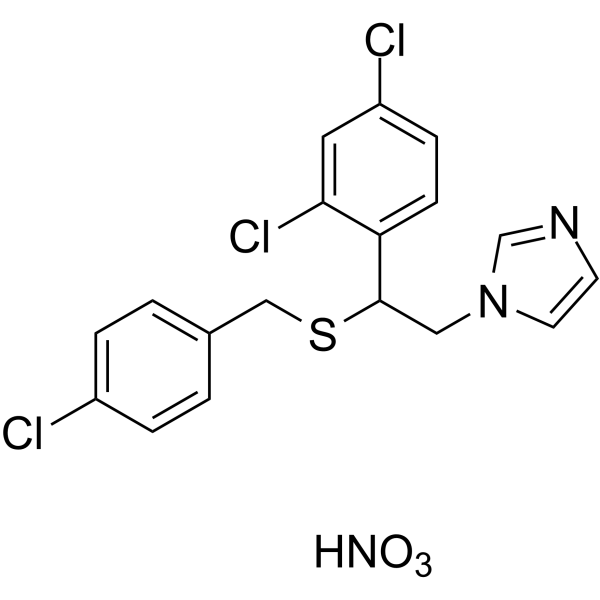 0 ImagesSynonyms: (±)-Sulconazole mononitrateSulconazole mononitrate ((±)-Sulconazole mononitrate), an imidazole derivative, is a broad-spectrum fungicide. Sulconazole mononitrate can be used for the research of dermatomycoses, pityriasis versicolor, and cutaneous candidiasis.
-
Exo2
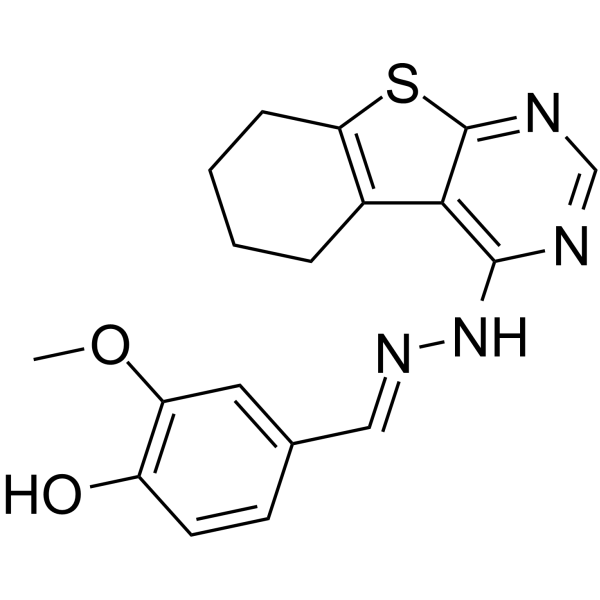 0 ImagesExo2 is a secretion inhibitor. Exo2 perturbs trafficking of Shiga toxin between endosomes and the trans-Golgi network. Exo2 blocks secretory cargo exit from the ER (endoplasmic reticulum) and disrupts the Golgi apparatus, but does not affect the morphology of the TGN (trans-Golgi network) Exo2 can stimulate calcium-dependent exocytosis in permeabilized adrenal chromaff in cells.
-
N,N',N''-Triacetylchitotriose
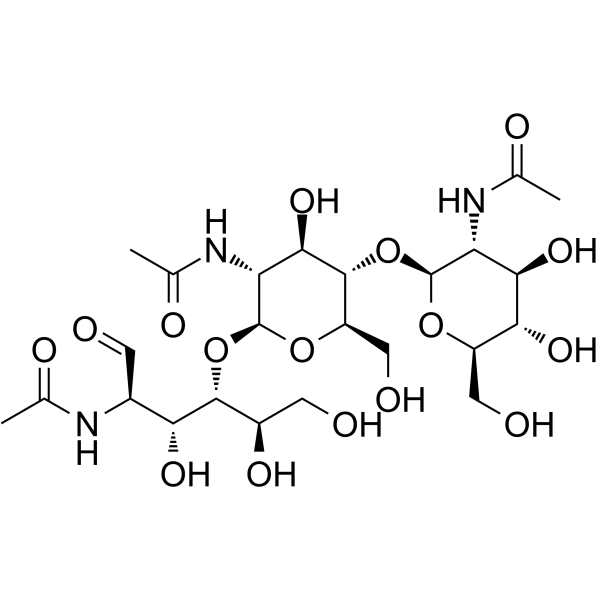 0 ImagesN,N',N''-Triacetylchitotriose is a competitive Lysozyme inhibitor. N,N',N''-Triacetylchitotriose inhibits the activity of lysozyme. N,N',N''-Triacetylchitotriose reduces the fusion rate between lysozyme-conjugated liposomes and erythrocyte ghosts, and decreases the equilibrium fusion rate.
-
Palmatine hydroxide
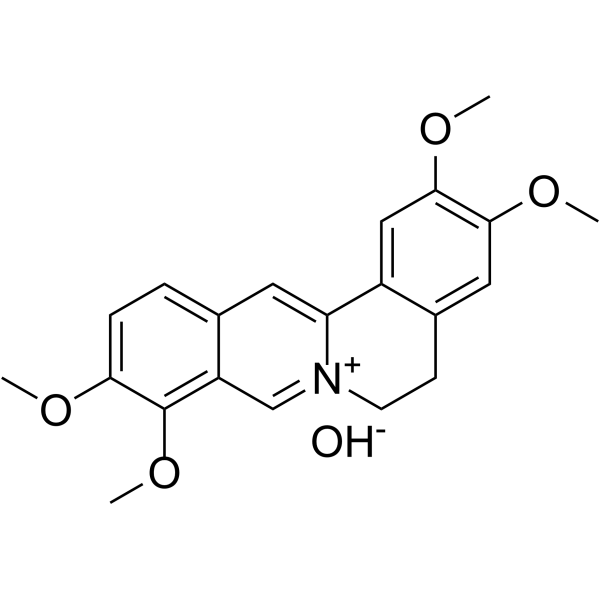 0 ImagesPalmatine hydroxide is an orally active and irreversible indoleamine 2,3-dioxygenase 1 (IDO-1) inhibitor with IC50s of 3 μM and 157μM against HEK 293-hIDO-1 and rhIDO-1, respectively. Palmatine hydroxide can also inhibit West Nile virus (WNV) NS2B-NS3 protease in an uncompetitive manner with an IC50 of 96 μM. Palmatine hydroxide shows anti-cancer, anti-oxidation, anti-inflammatory, neuroprotection, antibacterial, anti-viral activities.
-
Potassium sorbate
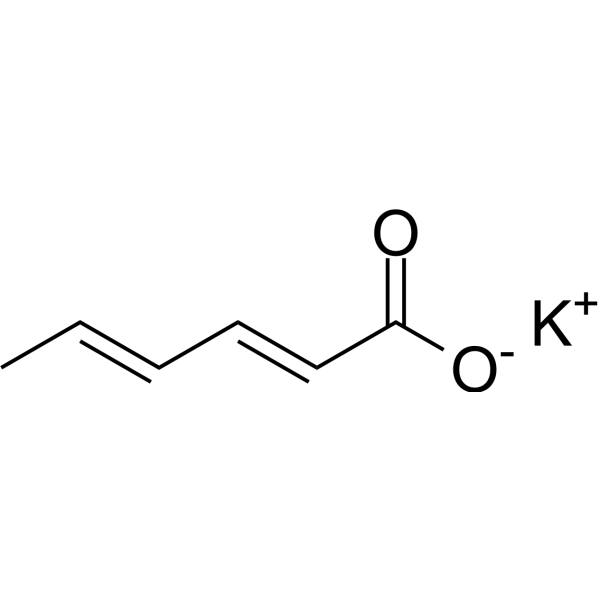 0 ImagesSynonyms: Sorbic acid potassiumPotassium sorbate (Sorbic acid potassium) is an antibacterial preservative effective against most molds, yeasts, and some bacterial species. Potassium sorbate inhibits microbial growth. Potassium sorbate suppresses the activity of intestinal microorganisms in zebrafish, alters the composition of intestinal flora, and reduces the levels of intestinal immune biomarkers, including IgG, IL-1β, and TNF-α. Potassium sorbate can be used in research on the prevention and treatment of mold, yeast, and bacterial infections.
-
Oxytetracycline hydrochloride
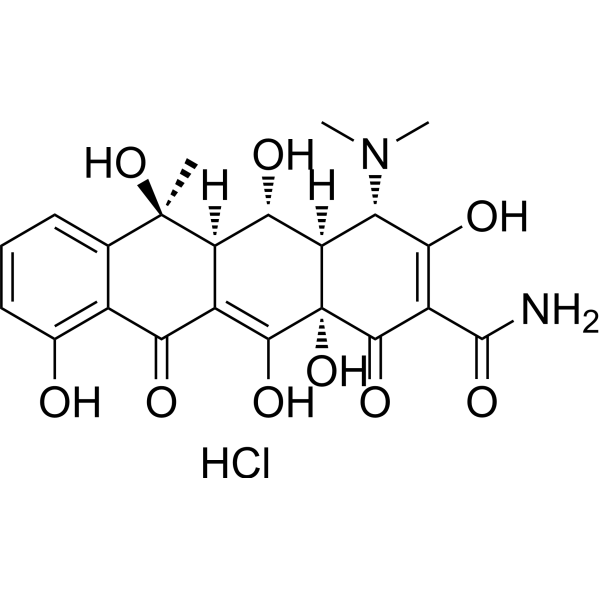 0 ImagesOxytetracycline hydrochloride is an antibiotic belonging to the tetracycline class. Oxytetracycline hydrochloride potent inhibits Gram-negative and Gram-positive bacteria. Oxytetracycline hydrochloride is a protein synthesis inhibitor and prevents the binding from aminoacil-tRNA to the complex m-ribosomal RNA. Oxytetracycline hydrochloride also possesses anti-HSV-1 activity.
-
Enduracidin
 0 ImagesCat. No.: HY-131093CAS No.: 11115-82-5Synonyms: EnramycinEnduracidin (Enramycin) is a polypeptide antibiotic produced by Streptomyces fungicides.




