



GSK-3 Activator
-
Mocravimod
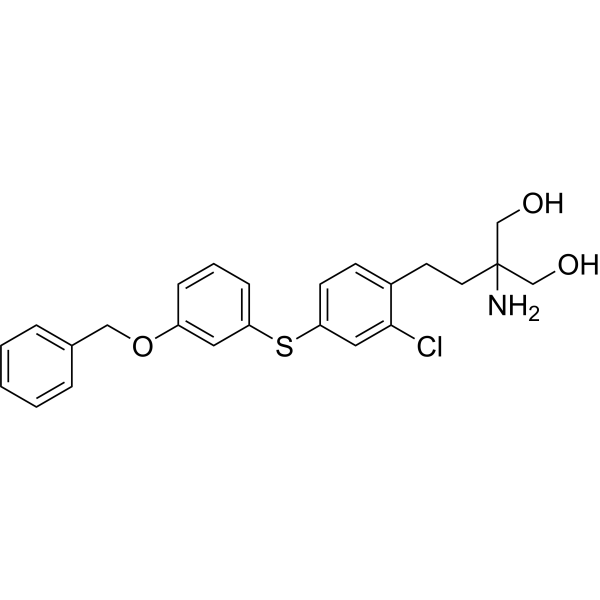 0 ImagesSynonyms: KRP-203 free base
Mocravimod (KRP-203 free base) is a sphingosine-1-phosphate receptor (S1PR) modulator that blocks the signal required by T cells to egress from lymph nodes and other lymphoid organs. Mocravimod preferentially binds to S1PR1 over S1PR2 and S1PR3 in cardiomyocytes. Mocravimod significantly lowered the concentration of reactive oxygen species (ROS), prevented mitochondrial permeability transition pore opening, boosted mitochondrial membrane potential (MMP), and increased phosphorylation of AKT, EKR, GSK-3β, JAK2, and STAT3. Mocravimod retains T cell effector function. Mocravimod can be used for the study of acute myelogenous leukemia, diabetes and Myocardial Ischemia-Reperfusion Injury (MIRI).
-
Ginsenoside Rg4
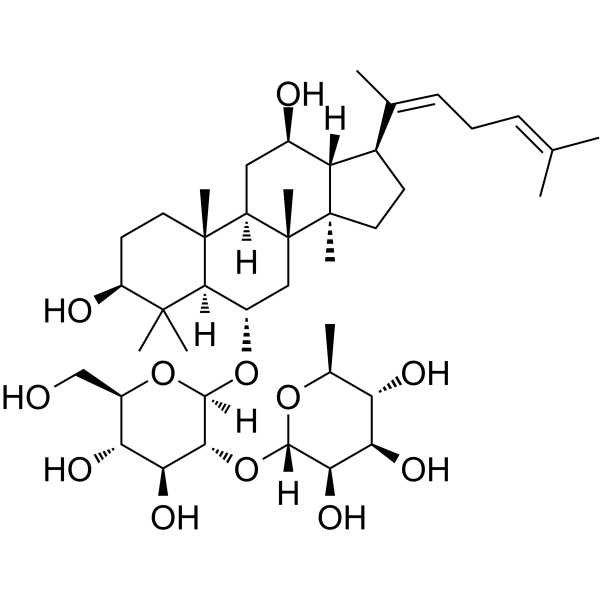 0 Images
Ginsenoside Rg4 is an orally active protopanaxatriol type ginsenoside. Ginsenoside Rg4 can activate PI3K, AKT and GSK-3β signaling. Ginsenoside Rg4 can inhibit ROS and inflammatory cytokine levels. Ginsenoside Rg4 can be used for the researches of inflammation, infection and metabolic disease, such as sepsis and lung inflammation.
-
9-Hydroxycanthin-6-one
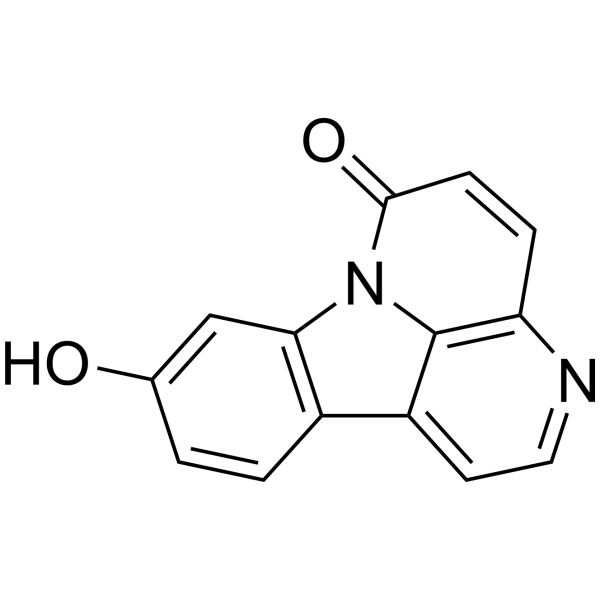 0 ImagesCat. No.: HY-N7183CAS No.: 138544-91-9
9-Hydroxycanthin-6-one is a β-carboline alkaloid. 9-Hydroxycanthin-6-one can be isolated from the roots of E. longifolia. 9-Hydroxycanthin-6-one inhibits TNF-α-induced activation of the NF-κB pathway. 9-Hydroxycanthin-6-one activates GSK3β independently of CK1α, drives phosphorylation and degradation of β-catenin, and inhibits the Wnt signaling pathway. 9-Hydroxycanthin-6-one exerts selective cytotoxicity against Wnt-dependent colon cancer cells. 9-Hydroxycanthin-6-one can be used in studies related to colon cancer.
-
Erlotinib-d6 hydrochloride
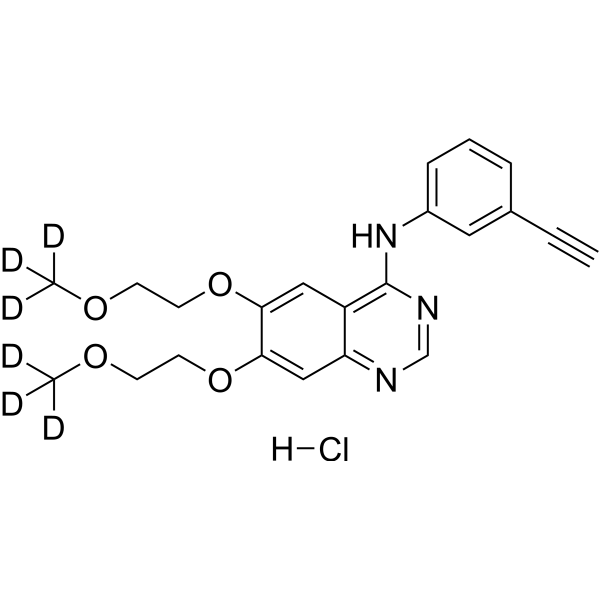 0 ImagesSynonyms: CP-358774-d6 hydrochloride; NSC 718781-d6 hydrochloride; OSI-774-d6 hydrochloride
Erlotinib-d6 hydrochloride (CP-358774-d6 hydrochloride) is the deuterated-labeled Erlotinib Hydrochloride (HY-12008). Erlotinib (CP-358774) Hydrochloride is a selective, orally active EGFR tyrosine kinase inhibitor. Erlotinib Hydrochloride also acts as a substrate and inhibitor of OATP2B1, with an IC50 of approximately 0.079 μM for inhibiting OATP2B1-mediated uptake of estrone 3-sulfate. Erlotinib Hydrochloride blocks EGFR phosphorylation, downstream signal transduction, as well as the growth and proliferation of cancer cells. Erlotinib Hydrochloride inhibits MMP-10-mediated renal injury, fibrotic lesions, the ERK1/2, GSK-3β and β-catenin signaling pathways, as well as the deposition of fibronectin, α-SMA, collagen and renal injury markers. Erlotinib Hydrochloride is metabolized via CYP3A to produce the active metabolite OSI-420. Erlotinib Hydrochloride can be used in research related to non-small cell lung cancer, gastric cancer, papillary renal cell carcinoma, EGFR inhibitor resistance and renal fibrosis.
-
Nef-M1
 0 Images
Nef-M1 (Nef-Motif-1) is an antagonist peptide targeting CXCR4 and an apoptosis inducer derived from a myristoylated protein encoded by the nef gene in HIV. Nef-M1 inhibits tumor angiogenesis and epithelial-mesenchymal transition (EMT). Nef-M1 activates the apoptosis pathway by increasing the level of caspase-3 in cancer cells. Nef-M1 simultaneously inhibits VEGF-A, p-GSK-3β and vimentin, and enhances E-cadherin, thereby inhibiting angiogenesis and EMT processes. Nef-M1 can be used in the study of colorectal cancer and breast cancer.
-
ES-072
 0 Images
ES-072 is an orally effective selective EGFR mutant (EGFR-T790M) inhibitor. ES-072 activates GSK3α by inhibiting EGFR-T790M activity, which promotes phosphorylation of PD-L1 at Ser279 and Ser283. The phosphorylated PD-L1 recruits the E3 ubiquitin ligase ARIH1, leading to ubiquitination and proteasomal degradation of PD-L1. This mechanism not only reduces cancer cell growth but also enhances anti-tumor immune response by lowering PD-L1 levels. ES-072 can be used to inhibit proliferation in non-small cell lung cancer (NSCLC) cells.
-
Bisphenol F-13C6
 0 ImagesCat. No.: HY-W014901SCAS No.: 1410794-06-7Synonyms: BPF-13C6; 4,4'-Dihydroxydiphenylmethane-13C6
Bisphenol F-13C6 is the 13C labeled Bisphenol F (HY-W014901). Bisphenol F is an orally active endocrine disruptor. Bisphenol F promotes ROS generation, upregulates p-AKT/p-GSK3β, and induces Apoptosis. Bisphenol F interferes with glucose metabolism, affects neurodevelopment and reproductive function. Bisphenol F reduces social novelty preference in mouse offspring. Bisphenol F can be used in bone, blood, and fat-related studies. Bisphenol F is used as a substitute for Bisphenol A (HY-18260).
-
Acenocoumarol-d4
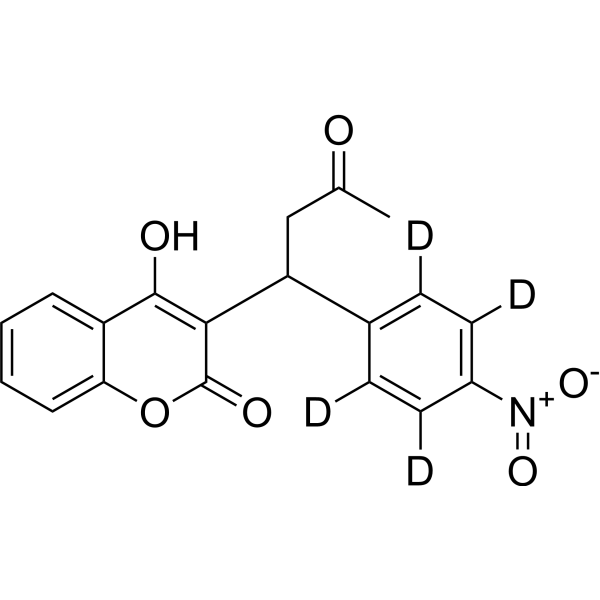 0 ImagesCat. No.: HY-B1014S1CAS No.: 2937878-24-3
Acenocoumarol-d4 is deuterium labeled Acenocoumarol (HY-B1014). Acenocoumarol is an anticoagulant that functions as a Vitamin K antagonist. Acenocoumarol inhibits MAPK/ERK/JNK signaling pathway, reduces the nuclear translocation of NF-κB p65, activates Akt/GSK3β signaling pathway. Acenocoumarol induces apoptosis in cell A549, arrests cell cycle at S phase.
-
Erlotinib-13C6 hydrochloride
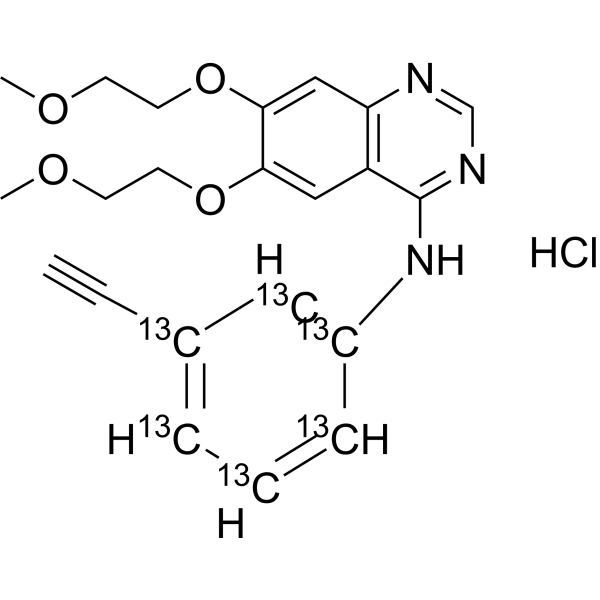 0 ImagesCat. No.: HY-12008S1CAS No.: 1210610-07-3Synonyms: CP-358774-13C6 hydrochloride; NSC 718781-13C6 hydrochloride; OSI-774-13C6 hydrochloride
Erlotinib-13C6 hydrochloride (CP-358774-13C6 hydrochloride) is the 13C-labeled Erlotinib Hydrochloride (HY-12008). Erlotinib (CP-358774) Hydrochloride is a selective, orally active EGFR tyrosine kinase inhibitor. Erlotinib Hydrochloride also acts as a substrate and inhibitor of OATP2B1, with an IC50 of approximately 0.079 μM for inhibiting OATP2B1-mediated uptake of estrone 3-sulfate. Erlotinib Hydrochloride blocks EGFR phosphorylation, downstream signal transduction, as well as the growth and proliferation of cancer cells. Erlotinib Hydrochloride inhibits MMP-10-mediated renal injury, fibrotic lesions, the ERK1/2, GSK-3β and β-catenin signaling pathways, as well as the deposition of fibronectin, α-SMA, collagen and renal injury markers. Erlotinib Hydrochloride is metabolized via CYP3A to produce the active metabolite OSI-420. Erlotinib Hydrochloride can be used in research related to non-small cell lung cancer, gastric cancer, papillary renal cell carcinoma, EGFR inhibitor resistance and renal fibrosis.
-
12(S)-HEPE
 0 Images
12 (S)-HEPE is an oxidation product of Eicosapentaenoic acid (HY-B0660). 12 (S)-HEPE activates p38α, GSKβ, CREB, and ERK1/2. 12 (S)-HEPE induces DNA synthesis. 12 (S)-HEPE leads to activation of the PI3K-mTORC2-Akt signaling pathway and translocation of Glut4 to the plasma membrane. 12 (S)-HEPE increases glucose uptake. 12 (S)-HEPE reduces body weight gain in HFD mice. 12 (S)-HEPE can be used in research on colorectal cancer, zymosan-induced peritonitis, diabetes, and obesity.
-
PAV-174
 0 ImagesCat. No.: HY-180881
PAV-174 is a potent antiviral agent that targets a host protein. PAV-174 prevents Herpes simplex virus (HSV-1) infection in cells (IC50 of 0.02 μM in Vero cells) and human brain organoids. PAV-174 inhibits oxidized macrophage migration inhibitory factor (oxMIF)-induced tau phosphorylation in vitro and in vivo independent of infection. PAV-174 reduces HSV-1-induced tau phosphorylation via the Akt/GSK3β signaling pathway. PAV-174 can be used for Alzheimer’s disease research.
-
Sexangularetin 3-sophoroside
 0 ImagesCat. No.: HY-N17990CAS No.: 114882-17-6
Sexangularetin 3-sophoroside is a PDK1 and Akt phosphorylation activator with neuroprotective properties. Sexangularetin 3-sophoroside restores phosphorylated GSK-3β protein levels. Sexangularetin 3-sophoroside acts as a ROS inhibitor and regulates mRNA expression of superoxide dismutase 1 and catalase. Sexangularetin 3-sophoroside can be used for the research of Parkinson’s disease.
-
α-Amyrin (Standard)
 0 Images
α-Amyrin (Standard) is a pentacyclic triterpenoid compound with oral activity. α-Amyrin (Standard) activates the ERK and GSK-3β signaling pathways. α-Amyrin (Standard) can inhibit cancer cells proliferation and induce apoptosis. α-Amyrin (Standard) shows anti-bacterial and anti-inflammation activity. α-Amyrin (Standard) can reduce blood glucose level. α-Amyrin (Standard) can be used for the researches of cancer, infection, inflammation, metabolic disease and neurological disease, such as breast cancer, Streptococcus oralis infection, skin inflammation and diabetes.
-
ADGRL1-IN-1
 0 ImagesCat. No.: HY-184118CAS No.: 693829-95-7
ADGRL1-IN-1 is a ADGRL1 inhibitor. ADGRL1-IN-1 activates the GSK3β-STAT1 signaling axis. ADGRL1-IN-1 induces anti-tumor immunity in a CT26 colorectal cancer mouse model. ADGRL1-IN-1 can be used in studies related to colorectal cancer.
-
Tovophyllin A
 0 ImagesCat. No.: HY-N18091CAS No.: 40738-44-1
Tovophyllin A is an orally active xanthonoid compound. Tovophyllin A exerts neuroprotective effects against Parkinson's disease by activating the Akt/GSK3β signaling pathway. Tovophyllin A protects mouse models of liver injury by activating Nrf2. Tovophyllin A exhibits protective anti-inflammatory activity in mouse models of acute lung injury. Tovophyllin A inhibits the activation of NF-κB and subsequent release of pro-inflammatory cytokines. Tovophyllin A reduces apoptotic cell death (Apoptosis). Tovophyllin A has antiplasmodial activity. Tovophyllin A shows cytotoxic activity against lung epithelial cancer cells and breast cancer cells. Tovophyllin A can be used in research related to Parkinson's disease, liver injury, acute lung injury, lung epithelial cancer, and breast cancer.
-
Isoeucommin A
 0 ImagesCat. No.: HY-N19615CAS No.: 134859-90-8
Isoeucommin A is a lignan compound. Isoeucommin A activates the Nrf2/HO-1 pathway and induces phosphorylation of GSK-3β. Isoeucommin A reduces the levels of pro-inflammatory cytokines TNF-α, IL-1β and IL-6, decreases the oxidative stress marker MDA, increases the antioxidants SOD and GSH, and alleviates oxidative stress in mesangial cells. Isoeucommin A alleviates renal tissue injury, improves impaired renal function and enhances the viability of renal tubular epithelial cells in diabetic nephropathy models. Isoeucommin A can be used in the research of diabetic nephropathy.
-
Erlotinib-13C6
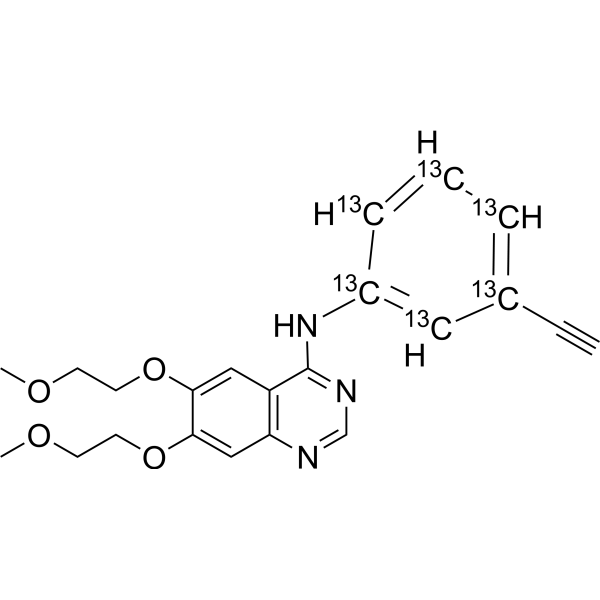 0 ImagesCat. No.: HY-50896S1CAS No.: 1211107-68-4Synonyms: CP-358774-13C6; NSC 718781-13C6; OSI-774-13C6
Erlotinib-13C6 (CP-358774-13C6) is the 13C-labeled Erlotinib (HY-50896). Erlotinib (CP-358774) is a selective, orally active EGFR tyrosine kinase inhibitor. Erlotinib also acts as a substrate and inhibitor of OATP2B1, with an IC50 of approximately 0.079 μM for inhibiting OATP2B1-mediated uptake of estrone 3-sulfate. Erlotinib blocks EGFR phosphorylation, downstream signal transduction, as well as the growth and proliferation of cancer cells. Erlotinib inhibits MMP-10-mediated renal injury, fibrotic lesions, the ERK1/2, GSK-3β and β-catenin signaling pathways, fibronectin, α-SMA, collagen deposition, and renal injury markers. Erlotinib is metabolized via CYP3A to produce the active metabolite OSI-420. Erlotinib can be used in research related to non-small cell lung cancer, gastric cancer, papillary renal cell carcinoma, pancreatic cancer, renal fibrosis, and other conditions.
-
6-Methoxy-4-methylcoumarin
 0 Images
6-Methoxy-4-methylcoumarin is a 4-methylcoumarin derivative with an antitumor activity. 6-Methoxy-4-methylcoumarin activates melanin synthesis in B16F10 melanoma cells. 6-Methoxy-4-methylcoumarin is a pigmentation stimulator, and can be used for the study of skin conditions such as vitiligo.
-
Soyasaponin Ba (Standard)
 0 ImagesCat. No.: HY-N0309RCAS No.: 114590-20-4
Soyasaponin Ba (Standard) is the analytical standard of Soyasaponin Ba (HY-N0309). Soyasaponin Ba is a soyasaponin that can be isolated from Phaseolus vulgaris, acts as an aldose reductase inhibitor (ARI). Soyasaponin Ba activates Akt/GSK3β/β-catenin signaling pathway, reduces lipid accumulation, lowers ROS generation, improves mitochondrial membrane potential, ATP levels, and morphology, and inhibits apoptosis. Soyasaponin Ba can be used for the research of lipid accumulation and secondary diabetic complications.
-
Acenocoumarol (Standard)
 0 Images
Acenocoumarol (Standard) is the analytical standard of Acenocoumarol. This product is intended for research and analytical applications. Acenocoumarol is an anticoagulant that functions as a Vitamin K antagonist. Acenocoumarol inhibits MAPK/ERK/JNK signaling pathway, reduces the nuclear translocation of NF-κB p65, activates Akt/GSK3β signaling pathway. Acenocoumarol induces apoptosis in cell A549, arrests cell cycle at S phase.



