



Endogenous Metabolite
Endogenous metabolites refer to the collective set of small-molecule chemical substances present within organelles, cells, organs, biological fluids, or entire organisms; their molecular weights are typically less than 1500 Da. These endogenous metabolites—including lipids, amino acids, short peptides, nucleic acids, carbohydrates, alcohols, and organic acids—not only participate in signal transduction governing genomic function but also receive upstream signals from the environment, thereby bridging the interrelationships among genotype, environment, and phenotype.
Based on their biological functions, microbial endogenous metabolites can be broadly classified into two categories: primary metabolites and secondary metabolites. Primary metabolites are the core molecules essential for supporting microbial growth and proliferation; they serve to provide energy to the microbes or act as precursors and cofactors for the synthesis of biological macromolecules. In contrast, microbial secondary metabolites are a class of low-molecular-weight products that are not strictly essential for microbial growth. Nevertheless, microbial secondary metabolites include numerous substances—such as antibiotics, anti-tumor agents, and cholesterol-lowering agents—that are of critical importance to human health[1][2][3]. Furthermore, the metabolome of a biological organism is influenced by a variety of endogenous factors, including age, sex, body composition, genetic background, and underlying pathological states. The small-molecule metabolites within an organism are diverse and highly distinct; their levels are typically subject to the synergistic regulation of a vast array of enzymes and transport proteins, undergoing processes of synthesis, transformation, degradation, and compartmentalized distribution. Metabolomics research based on endogenous metabolites has been widely applied in the fields of metabolic disorders, neurodegenerative diseases, cancer, cardiovascular diseases, and infectious diseases, where these metabolites hold potential utility as biomarkers or therapeutic targets[1][2][3].
References:
- [1]. Seyedsayamdost MR. Toward a global picture of bacterial secondary metabolism. J Ind Microbiol Biotechnol. 2019 Mar;46(3-4):301-311. [Content Brief]
- [2]. Ruiz B, et al. Production of microbial secondary metabolites: regulation by the carbon source. Crit Rev Microbiol. 2010 May;36(2):146-67. [Content Brief]
- [3]. Wishart DS. Metabolomics for Investigating Physiological and Pathophysiological Processes. Physiol Rev. 2019 Oct 1;99(4):1819-1875. [Content Brief]
Endogenous Metabolite Isoform Specific Products
All Product Categories
-
Endogenous Metabolite Related Products (8420)
Related Products (8420)

-
Antibodies (477)
-
Endogenous Metabolite Isoform Comparison
-
Palmitoleic acid
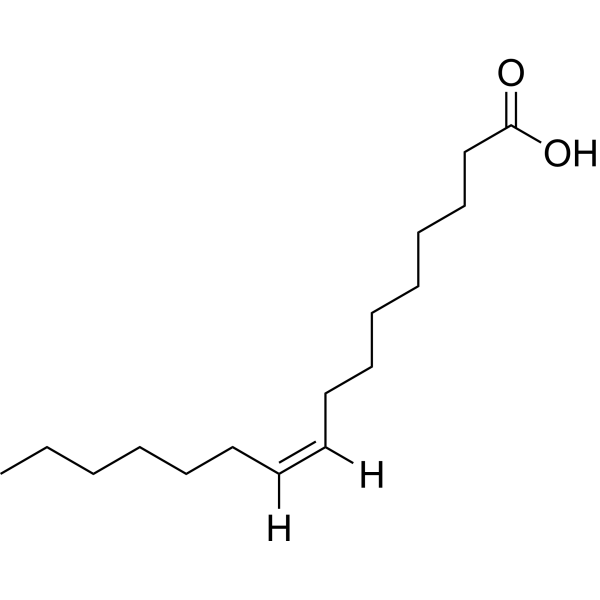 0 ImagesPalmitoleic acid, a composition of fatty acid, is implicated in the prevention of death from cerebrovascular disorders in SHRSP rats.
-
Coenzyme A
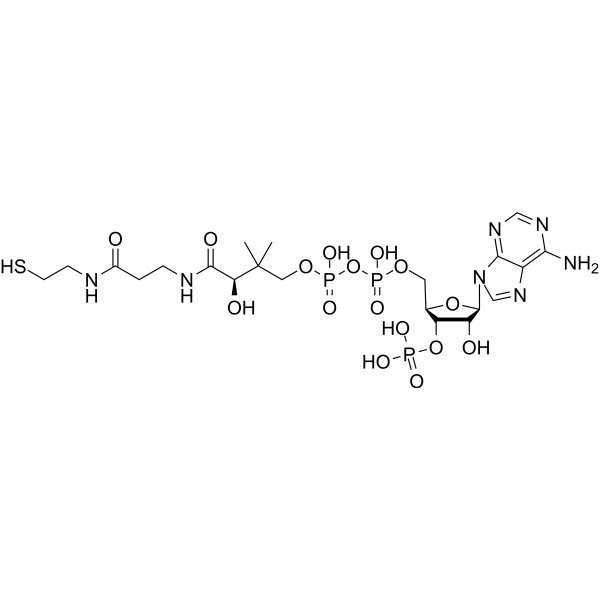 0 ImagesCoenzyme A (CoASH) is a ubiquitous and essential cofactor, which is an acyl group carrier and carbonyl-activating group for the citric acid cycle and fatty acid metabolism. Coenzyme A plays a central role in the oxidation of pyruvate in the citric acid cycle and the metabolism of carboxylic acids, including short- and long-chain fatty acids.
-
Acetyl Coenzyme A trisodium
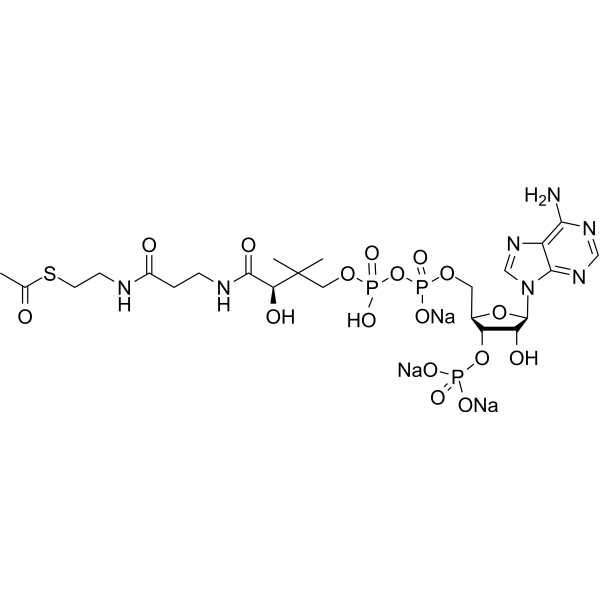 0 ImagesSynonyms: Acetyl-CoA trisodiumAcetyl-coenzyme A (Acetyl-CoA) trisodium is a membrane-impermeant central metabolic intermediate, participates in the TCA cycle and oxidative phosphorylation metabolism. Acetyl-coenzyme A trisodium, regulates various cellular mechanisms by providing (sole donor) acetyl groups to target amino acid residues for post-translational acetylation reactions of proteins. Acetyl Coenzyme A trisodium is also a key precursor of lipid synthesis.
-
Coenzyme Q10
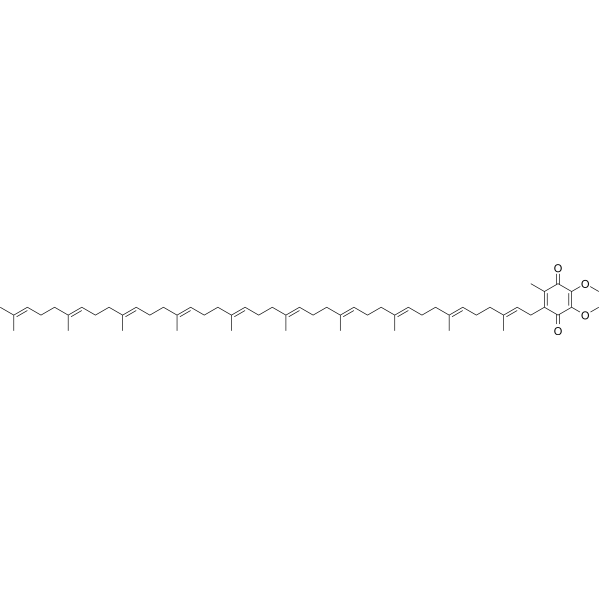 0 ImagesCoenzyme Q10 is an essential cofactor of the electron transport chain and a potent antioxidant agent.
-
2-Ketoglutaric acid
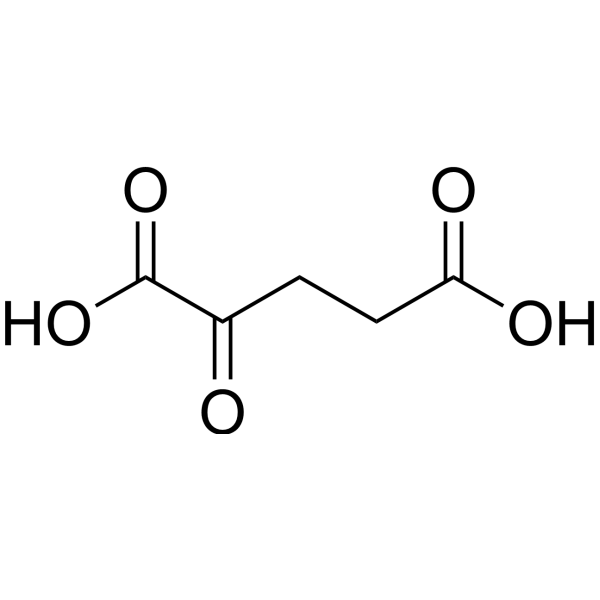 0 ImagesSynonyms: Alpha-Ketoglutaric acid; 2-Oxoglutaric acid2-Ketoglutaric acid (Alpha-Ketoglutaric acid) is an intermediate in the production of ATP or GTP in the Krebs cycle. 2-Ketoglutaric acid also acts as the major carbon skeleton for nitrogen-assimilatory reactions. 2-Ketoglutaric acid is a reversible inhibitor of tyrosinase (IC50=15 mM).
-
2',3'-cGAMP sodium
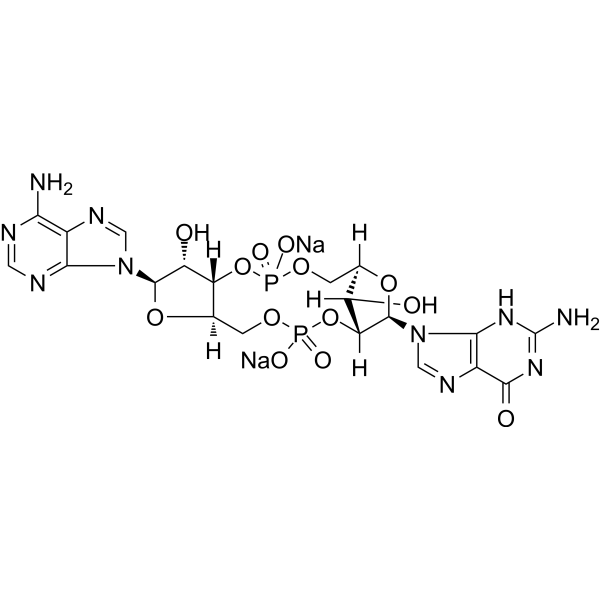 0 ImagesSynonyms: 2'-3'-cyclic GMP-AMP sodium2',3'-cGAMP sodium (2'-3'-cyclic GMP-AMP sodium) is a endogenous cGAMP in mammalian cells. 2',3'-cGAMP sodium binds to STING with a high affinity and is a potent inducer of interferon-β (IFNβ). 2',3'-cGAMP sodium is produced in mammalian cells in response to DNA in the cytoplasm.
-
L-Ascorbic acid 2-phosphate
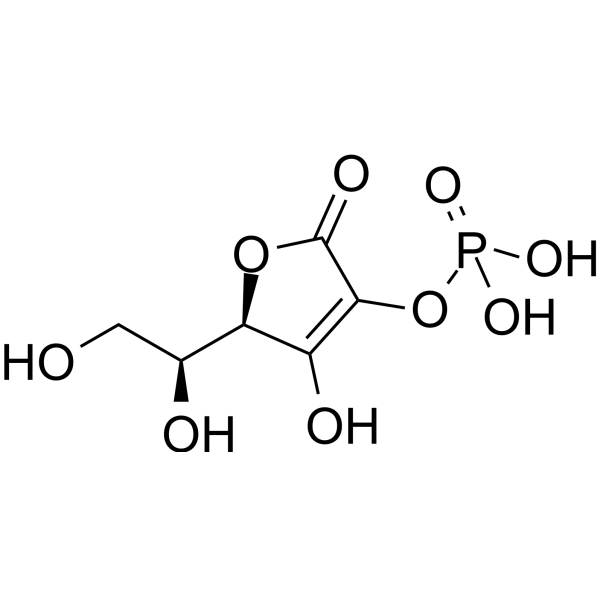 0 ImagesCat. No.: HY-103701CAS No.: 23313-12-4Synonyms: 2-Phospho-L-ascorbic acid; LAA2PL-ascorbic acid 2-phosphate (2-Phospho-L-ascorbic acid) is a long-acting vitamin C derivative that can stimulate collagen formation and expression. L-ascorbic acid 2-phosphate (2-Phospho-L-ascorbic acid) can be used as a culture medium supplement for the osteogenic differentiation of human adipose stem cells (hASCs). L-ascorbic acid 2-phosphate increases alkaline phosphatase (ALP) activity and expression of runx2A in hASCs during the osteogenic differentiation.
-
3-Indolepropionic acid
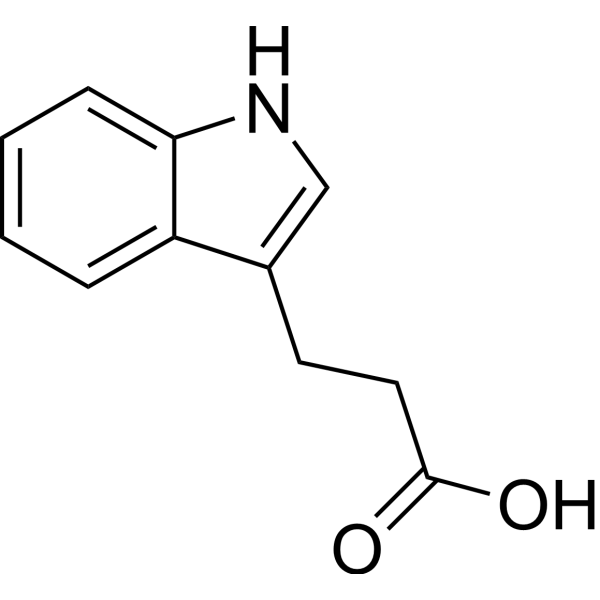 0 ImagesSynonyms: Indole-3-propionic acid; 3-IPA3-Indolepropionic acid is shown to be a powerful antioxidant and has potential in the treatment for Alzheimer’s disease.
-
Rutin
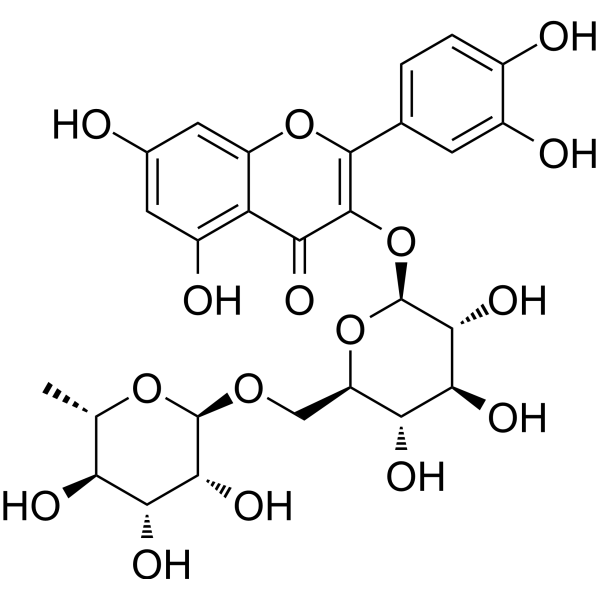 0 ImagesRutin (Rutoside) is a flavonoid found in many plants and shows a wide range of biological activities including anti-inflammatory, antidiabetic, antioxidant, neuroprotective, nephroprotective, hepatoprotective and reducing Aβ oligomer activities. Rutin is also a CBR1 inhibitor, which can cross the blood brain barrier. Rutin attenuates vancomycin-induced renal tubular cell apoptosis via suppression of apoptosis, mitochondrial dysfunction, and oxidative stress.
-
L-Serine
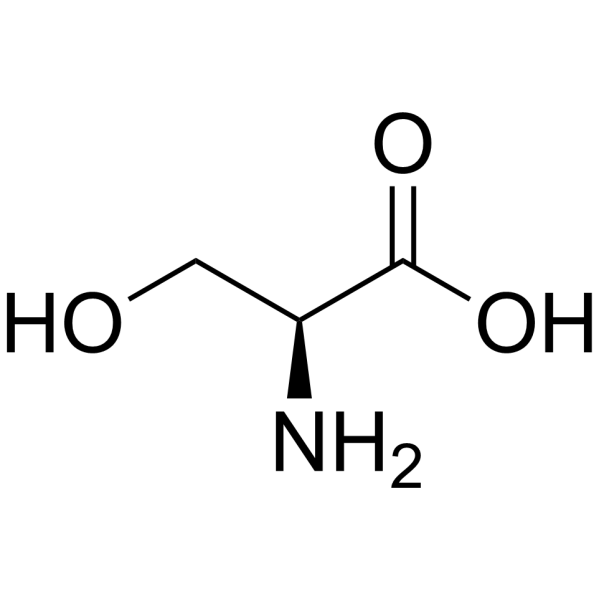 0 ImagesL-Serine ((-)-Serine; (S)-Serine), one of the so-called non-essential amino acids, plays a central role in cellular proliferation.
-
5'-Methylthioadenosine
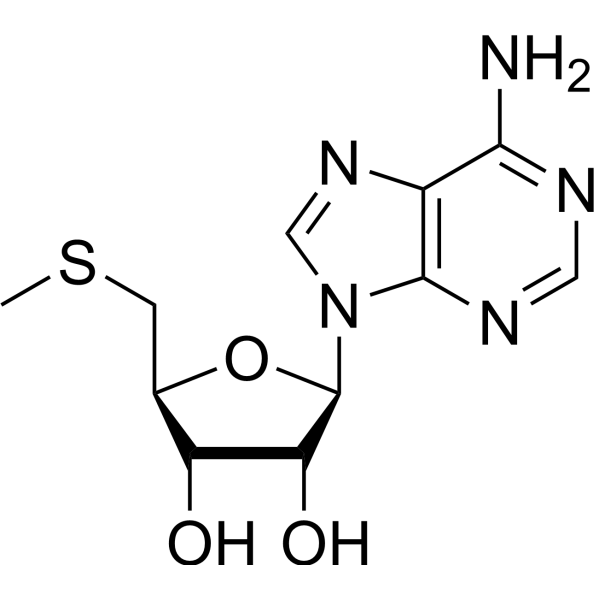 0 ImagesSynonyms: 5'-(Methylthio)-5'-deoxyadenosine; 5'-Deoxy-5'-(methylthio)adenosine; 5'-S-Methyl-5'-thioadenosine5'-Methylthioadenosine (5'-(Methylthio)-5'-deoxyadenosine) is a nucleoside generated from S-adenosylmethionine (SAM) during polyamine synthesis. 5'-Methylthioadenosine suppresses tumors by inhibiting tumor cell proliferation, invasion, and the induction of apoptosis while controlling the inflammatory micro-environments of tumor tissue. 5'-Methylthioadenosine and its associated materials have striking regulatory effects on tumorigenesis.
-
Oxytocin
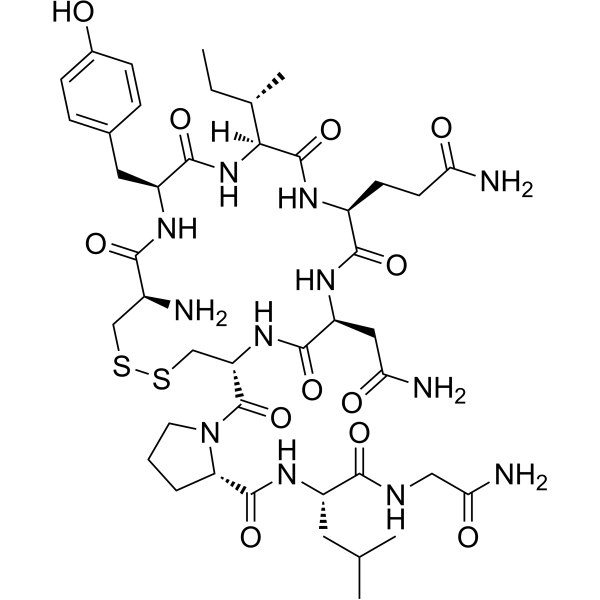 0 ImagesOxytocin (α-Hypophamine; Oxytocic hormone) is a pleiotropic, hypothalamic peptide known for facilitating parturition, lactation, and prosocial behaviors. Oxytocin can function as a stress-coping molecule with anti-inflammatory, antioxidant, and protective effects especially in the face of adversity or trauma.
-
Norepinephrine hydrochloride
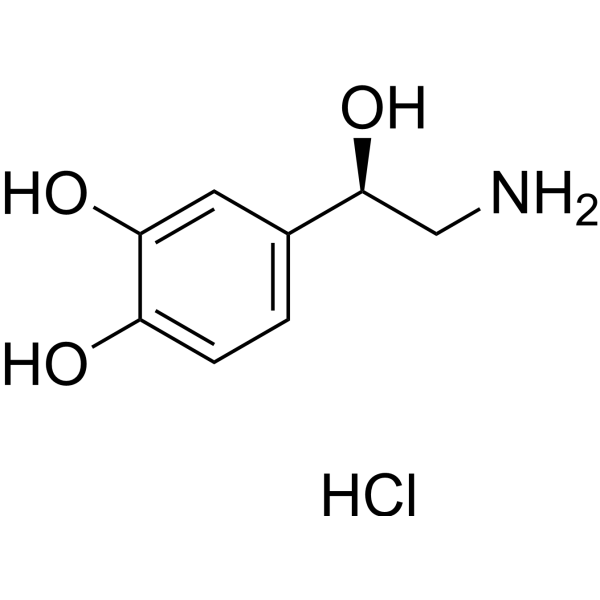 0 ImagesSynonyms: Levarterenol hydrochloride; L-Noradrenaline hydrochlorideNorepinephrine (Levarterenol; L-Noradrenaline) hydrochloride is a potent adrenergic receptor (AR) agonist. Norepinephrine activates α1, α2, β1 receptors.
-
Dopamine hydrochloride
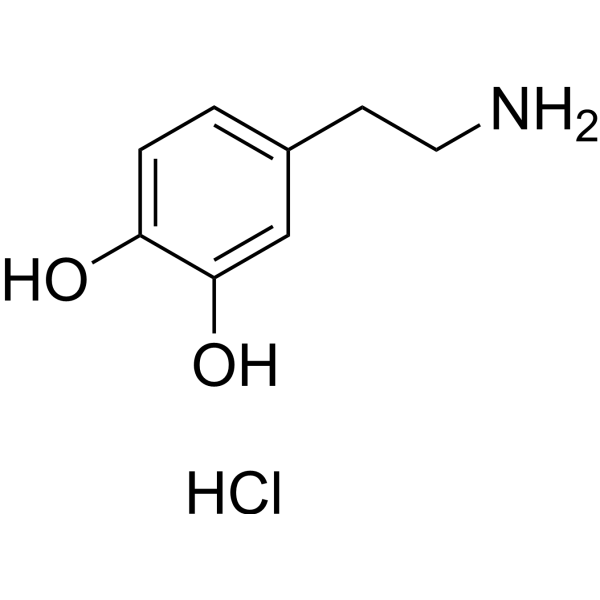 0 ImagesDopamine hydrochloride (ASL279) is a catecholamine neurotransmitter that is produced in the substantia nigra, ventral tegmental area, and hypothalamus of the brain. Dopamine hydrochloride (ASL279) plays several important roles in the brain and body. Dopamine hydrochloride (ASL279) acts through D2 dopamine receptors to induce endocytosis of VEGFR2, which is critical for promoting angiogenesis.
-
Palmitic acid sodium
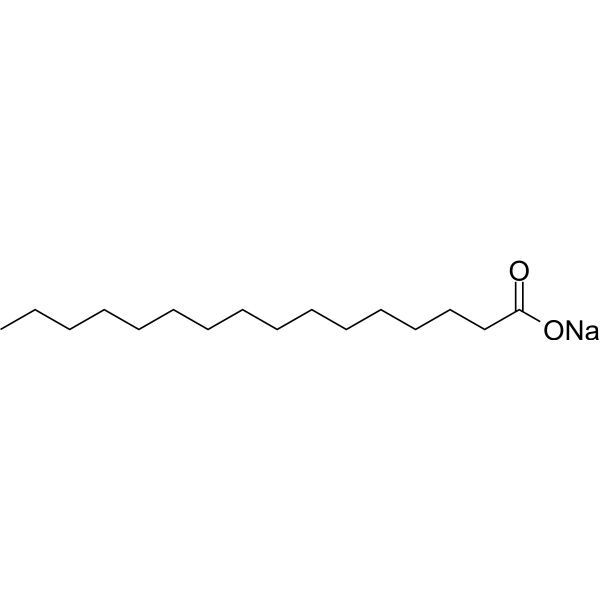 0 ImagesPalmitic acid sodium is a long-chain saturated fatty acid commonly found in both animals and plants. Palmitic acid sodium can induce the expression of glucose-regulated protein 78 (GRP78) and CCAAT/enhancer binding protein homologous protein (CHOP) in in mouse granulosa cells. Palmitic acid sodium is used to establish a cell steatosis model .
-
Hyaluronic acid
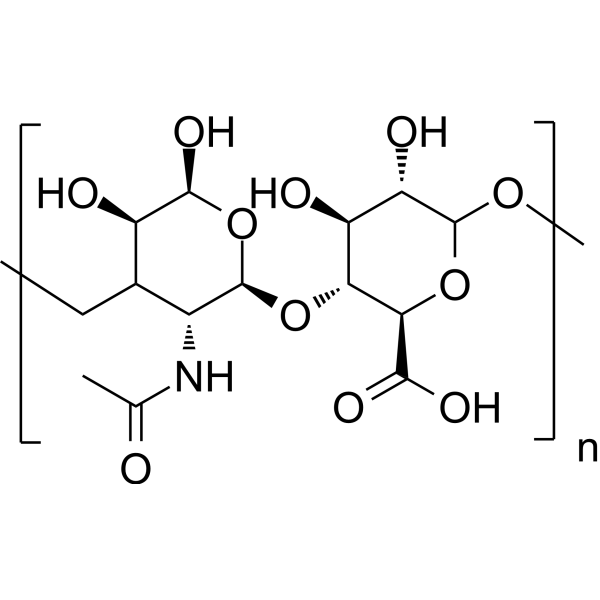 0 ImagesHyaluronic acid is a biopolymer composed of repeating units of disaccharides with various applications. Hyaluronic acid is a major component of the extracellular matrix (ECM). Hyaluronic acid is synthesized at the plasma membrane. Increased hyaluronic acid levels are associated with tumor cell growth, adhesion, migration, invasion and angiogenesis in digestive cancers. Hyaluronic acid participates in tissue remodeling and rapid cell proliferation in some physiological processes including embryonic morphogenesis and wound-healing. Hyaluronic acid activates the PI3K-Akt signaling. Hyaluronic acid acts as a regulator of cancer-associated lymphangiogenesis. Hyaluronic acid also enhances cell invasion and angiogenesis by promoting proteolytic MMP-9 binding to cell surface or stimulating MMP-9 binding to cell surface. Hyaluronic acid can be used as drug delivery for sodium butyrate to improve the anti-proliferative activity on breast cancer cell line. Hyaluronic acid can be studied in joint diseases, wound healing and cancer.
-
L-Proline
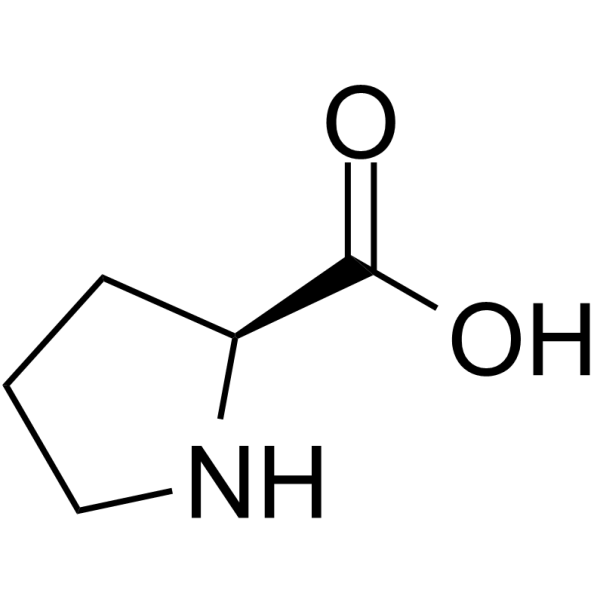 0 ImagesL-Proline is one of the twenty amino acids used in living organisms as the building blocks of proteins.
-
Prednisolone
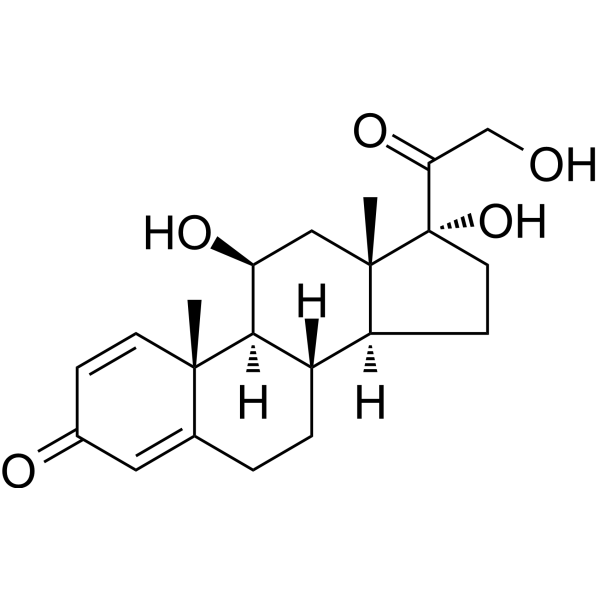 0 ImagesPrednisolone is a potent, orally active corticosteroid and a glucocorticoid. Prednisolone possesses about four times the anti-inflammatory activity of hydrocortisone while causing less salt and water retention. Prednisolone can be used for ocular, anti-inflammatory research.




