



PI3K
Phosphoinositide 3-kinase
PI3K (Phosphoinositide 3-kinase), via phosphorylation of the inositol lipid phosphatidylinositol 4,5-bisphosphate (PI(4,5)P2), forms the second messenger molecule phosphatidylinositol (3,4,5)-trisphosphate (PI(3,4,5)P3) which recruits and activates pleckstrin homology domain containing proteins, leading to downstream signalling events crucial for proliferation, survival and migration. Class I PI3K enzymes consist of four distinct catalytic isoforms, PI3Kα, PI3Kβ, PI3Kδ and PI3Kγ.
There are three major classes of PI3K enzymes, being class IA widely associated to cancer. Class IA PI3K are heterodimeric lipid kinases composed of a catalytic subunit (p110α, p110β, or p110δ; encoded by PIK3CA, PIK3CB, and PIK3CD genes, respectively) and a regulatory subunit (p85).
The PI3K pathway plays an important role in many biological processes, including cell cycle progression, cell growth, survival, actin rearrangement and migration, and intracellular vesicular transport.
PI3K Isoform Specific Products
-
PI3Kα
(236)
View all products
-
PI3Kβ
(162)
View all products
-
PI3Kγ
(182)
View all products
-
PI3Kδ
(202)
View all products
-
PI3KC2α
(8)
View all products
-
PI3KC2β
(12)
View all products
-
PI3KC2γ
(4)
View all products
-
Vps34
(25)
View all products
-
PI3K
(665)
View all products
-
PI3KC3
(1)
View all products
-
p120γ
(1)
View all products
All Product Categories
-
PI3K Inhibitors
(869)
View all products
-
PI3K Agonists
(9)
View all products
-
PI3K Antagonist
(1)
View all products
-
PI3K Activators
(131)
View all products
-
PI3K Modulators
(23)
View all products
-
PI3K Inducers
(3)
View all products
-
PI3K Degraders
(7)
View all products
-
PI3K Controls
(4)
View all products
-
PI3K Substrate
(1)
View all products
-
PI3K Ligands
(9)
View all products
-
PI3K Related Products (1119)
Related Products (1119)

-
Antibodies (16)
-
PI3K Signaling Pathway
-
PI3K Isoform Comparison
-
RMC-4998 formic
 0 ImagesCat. No.: HY-156671ARMC-4998 formic is an orally active inhibitor targeting the active or GTP-bound state of the KRASG12C mutant. RMC-4998 formic can form a ternary complex with intracellular CYPA and the activated KRASG12C mutant, with an IC50 value of 28 nM. RMC-4998 formic can inhibit ERK signaling in KRASG12C mutant cancer cells and induce apoptosis. RMC-4998 formic can be used for non-small cell lung cancer (NSCLC) research.
-
FD274
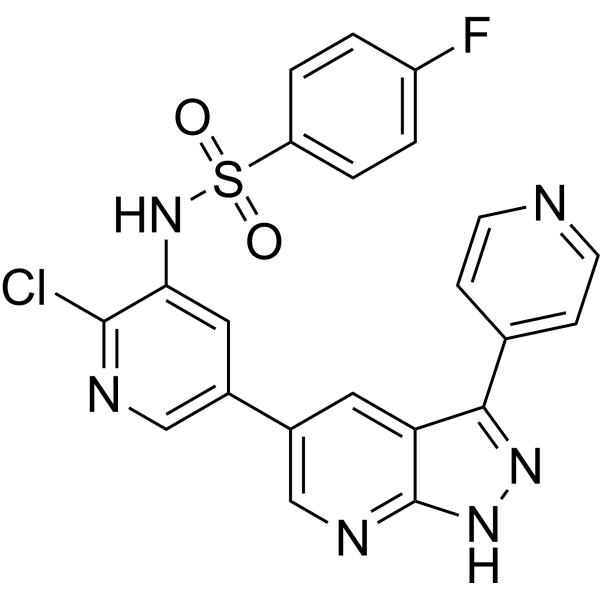 0 ImagesFD274 is a highly potent PI3K/mTOR dual inhibitor with IC50s of 0.65 nM, 1.57 nM, 0.65 nM, 0.42 nM, and 2.03 nM against PI3Kα/β/γ/δ and mTOR, respectively. FD274 exhibits significant anti-proliferation of AML cell lines (HL-60 and MOLM-16). FD274 arrests HL-60 cell cycle at G1 phase and increases apoptosis. FD274 demonstrates dose-dependent inhibition of tumor growth in the HL-60 xenograft model. FD274 has the potential for acute myeloid leukemia research.
-
Pichromene
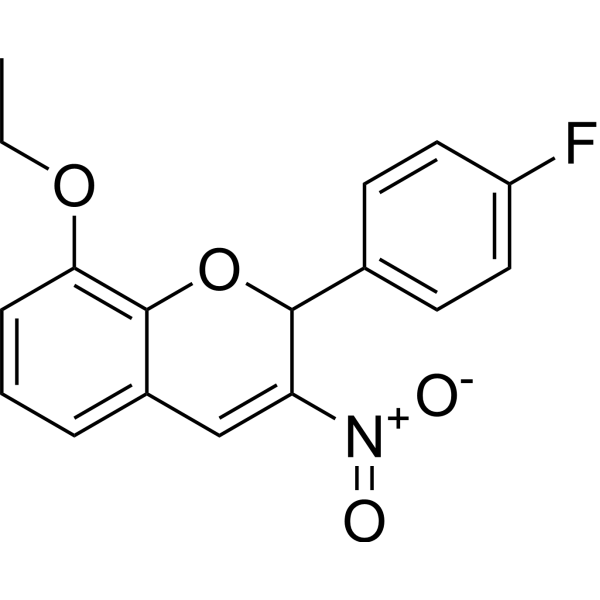 0 ImagesSynonyms: S14161Pichromene (S14161) is an anticancer agent and weak PI3K inhibitor. Pichromene can effectively inhibit tumor growth in leukemia mouse models and can be used in cancer research.
-
Gedatolisib-d8
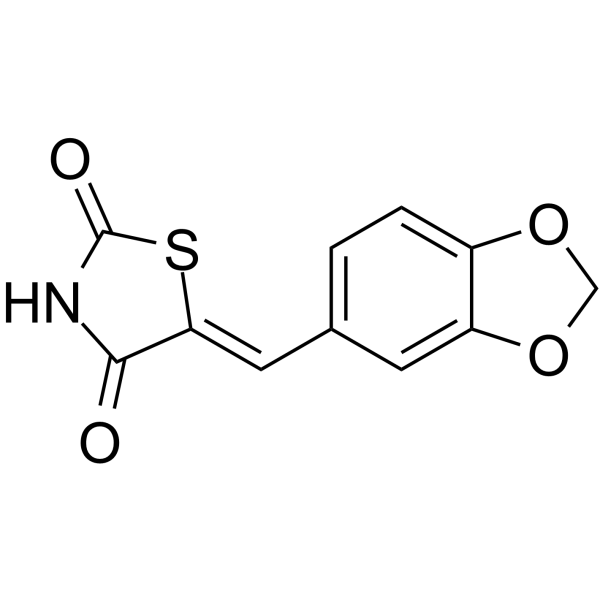
 0 ImagesCat. No.: HY-10681SPurity: 98.71%Synonyms: PKI-587-d8; PF-05212384-d8Gedatolisib-d8 (PKI-587-d8) is the deuterium labeled Gedatolisib (HY-10681). Gedatolisib (PKI-587) is a highly potent dual inhibitor of PI3Kα, PI3Kγ, and mTOR with IC50s of 0.4 nM, 5.4 nM and 1.6 nM, respectively. Gedatolisib is equally effective in both complexes of mTOR, mTORC1 and mTORC2.

-
Hirsutenone
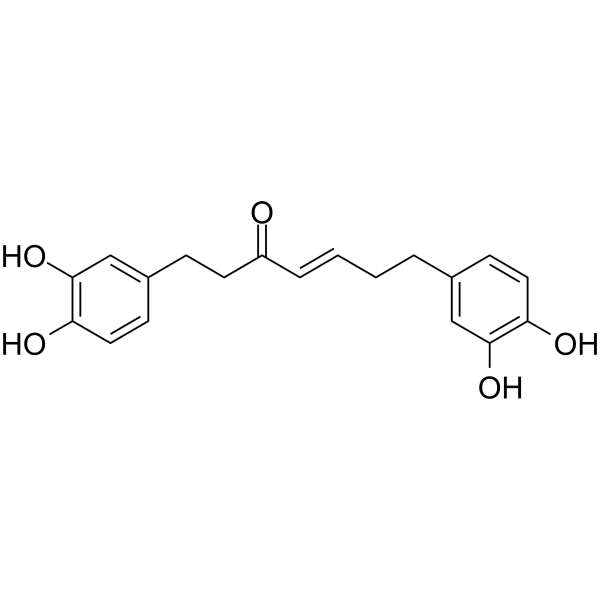 0 ImagesHirsutenone is an active botanical diarylheptanoid present in Alnus species and exhibits many biological activities, including anti-inflammatory, anti-tumor promoting and anti-atopic dermatitis effects. Hirsutenone attenuates adipogenesis by binding directly to PI3K and ERK1 in a non-ATP competitive manner. Hirsutenone can be used for the study of obesity.
-
Esculetin (Standard)
 0 ImagesEsculetin (Standard) is the analytical standard of Esculetin. This product is intended for research and analytical applications. Esculetin is an active ingredient extracted mainly from the bark of Fraxinus rhynchophylla. Esculetin inhibits platelet-derived growth factor (PDGF)-induced airway smooth muscle cells (ASMCs) phenotype switching through inhibition of PI3K/Akt pathway. Esculetin has antioxidant, antiinflammatory, and antitumor activities.
-
Oleanolic acid 28-O-β-D-glucopyranoside
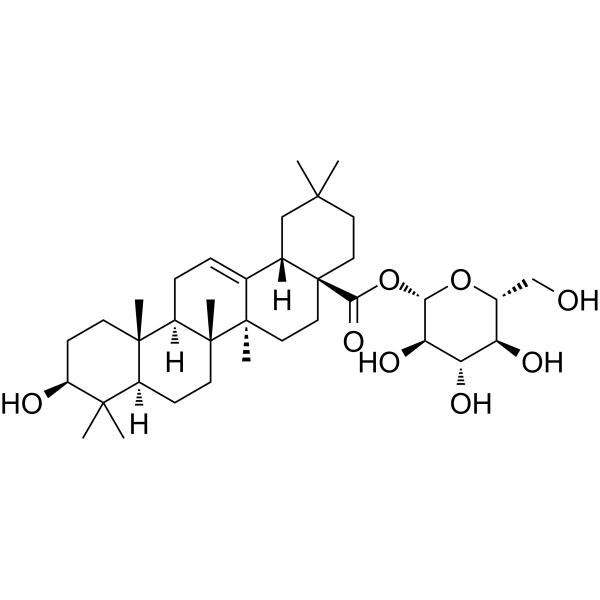 0 ImagesSynonyms: β-D-Glucopyranosyl oleanolateOleanolic acid 28-O-β-D-glucopyranoside (β-D-Glucopyranosyl oleanolate) is an orally active pentacyclic triterpenoid compound. Oleanolic acid 28-O-β-D-glucopyranoside has anti-inflammatory effects. In ulcerative colitis models, Oleanolic acid 28-O-β-D-glucopyranoside can inhibit the inflammatory response, enhance the intestinal epithelial barrier function, and modulate the gut microbiota. Its mechanism of action is related to the PI3K-AKT and MAPK signaling pathways. Oleanolic acid 28-O-β-D-glucopyranoside can be used in the research of diseases such as colitis.

-
Doxycycline-d3 (hyclate) (major)
 0 ImagesCat. No.: HY-N0565S1Doxycycline-d3 hyclate (major) is the deuterium labeled Doxycycline hyclate (HY-N0565B). Doxycycline hyclate is an orally active highly lipophilic, tissue-permeable MMP inhibitor with broad-spectrum antibacterial activity. Doxycycline hyclate is also a semi-synthetic antibiotic with chelating properties, which blocks bacterial protein synthesis and inhibits extracellular matrix degradation through interactions with zinc and calcium atoms. Doxycycline hyclate also inhibits mitochondrial biogenesis, translation, and the expression of respiratory chain proteins. Doxycycline hyclate induces apoptosis, inhibits autophagy and EMT, downregulates stem cell markers, and activates the PI3K-AKT pathway, thereby effectively inhibiting the viability and proliferation of cancer cells such as breast cancer cells. Doxycycline hyclate also promotes the survival and self-renewal of embryonic stem cells and neural stem cells, and reduces the frequency of medium changes in culture. Doxycycline hyclate has been applied in studies related to breast cancer, prostate cancer, bladder cancer, and other cancers.
-
α-Linolenic acid-d5
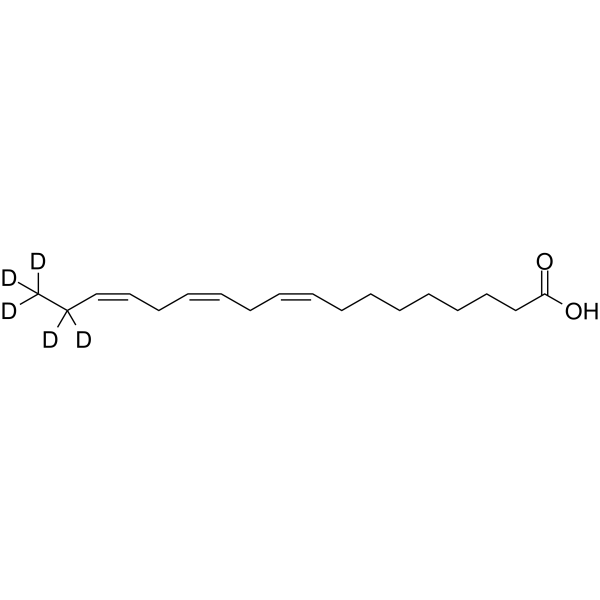 0 ImagesCat. No.: HY-N0728SCAS No.: 145191-04-4α-Linolenic acid-d5 is the deuterium labeled α-Linolenic acid. α-Linolenic acid, isolated from seed oils, is an essential fatty acid that cannot be synthesized by humans. α-Linolenic acid can affect the process of thrombotic through the modulation of PI3K/Akt signaling. α-Linolenic acid possess the anti-arrhythmic properties and is related to cardiovascular disease and cancer.
-
Anti-CD3 Antibody (UCHT-1)
 0 ImagesCat. No.: HY-P991842Anti-CD3 Antibody (UCHT-1) is an antibody targeting CD3. Anti-CD3 Antibody (UCHT-1) activates the phospholipase C and phosphatidylinositol 3-kinase (PI3K) signaling pathways, elevates intracellular calcium levels, regulates the T3 epitope, and triggers T lymphocyte proliferation. Anti-CD3 Antibody (UCHT-1) also inhibits lymphocyte proliferation, abolishes IL-2 production, and blocks the expression of IL-2 receptors. Anti-CD3 Antibody (UCHT-1) is applicable to research related to graft-versus-host disease, acute myeloid leukemia, and B-cell acute lymphoblastic leukemia.
-
Nickel(II) oxide
 0 ImagesSynonyms: Nickel monoxideNickel(II) oxide (nickel monoxide) is a chemical warfare agent that can enter the body through the respiratory tract and other routes, distributing to organs such as the lungs and testes. The nanoparticle form of nickel(II) oxide (NiO NPs) exhibits antibacterial, anti-leishmanial, anti-diabetic, and anti-cancer activities. NiO NPs can be activated by ultraviolet and visible light, generating reactive oxygen species (ROS). Nickel(II) oxide induces oxidative stress by generating reactive oxygen species, activating the TGF-β1-mediated MAPK and PI3K/AKT pathways, disrupting the MMPs/TIMPs balance, and upregulating the expression of inflammatory factors (IL-1β, IL-6) and apoptosis-related molecules (Bax, caspase-3, p53), while inhibiting the activity of the anti-apoptotic molecule Bcl-2. Nickel(II) oxide induces cytotoxicity, promotes fibrosis, triggers inflammatory responses, and causes apoptosis. Nickel(II) oxide can be applied in research on the safety assessment of nanomaterials, such as in the context of pulmonary fibrosis and reproductive system toxicity.
-
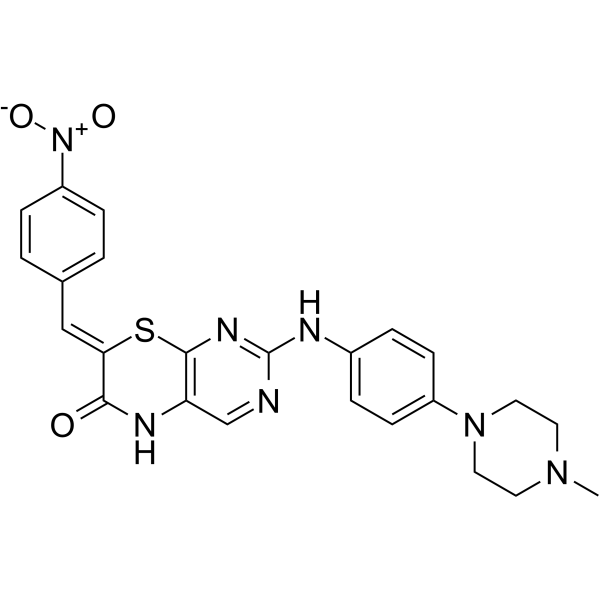
Dactolisib hydrochloride
 0 ImagesSynonyms: BEZ235 hydrochloride; NVP-BEZ235 hydrochlorideDactolisib (BEZ235) hydrochloride is an orally active, dual pan-class I PI3K and mTOR inhibitor for p110α/γ/δ/β and mTOR with IC50 of 4 nM/5 nM/7 nM/75 nM and 20.7 nM, respectively. Dactolisib hydrochloride (BEZ235) inhibits mTORC1 and mTORC2.
-
Hawthorn Extract
 0 ImagesCat. No.: HY-N13250Hawthorn Extract is an orally active hawthorn extract. Hawthorn Extract decreases Bax expression and increases Bcl-2 expression in the aorta. Hawthorn Extract regulates the AMPK signaling pathway, induces apoptosis, enhances the hepatic antioxidant system, and ameliorates symptoms of liver injury, inflammation and cancer. Hawthorn Extract reduces plasma levels of pro-inflammatory factors, increases plasma levels of anti-inflammatory adiponectin, and alleviates atherosclerotic plaque lesions in the aorta. Hawthorn Extract improves symptoms associated with chronic heart failure. Hawthorn Extract inhibits FMLP-induced superoxide anion production, Elastase release, ILB4 generation and calcium signaling in neutrophils, and also reduces LPS-induced cytokine production in neutrophils. Hawthorn Extract induces autophagy and inhibits the proliferation of intestinal stem cells. Hawthorn Extract can be used in research related to atherosclerosis, hepatitis, alcoholic liver disease, non-alcoholic fatty liver disease, hepatocellular carcinoma, chronic heart failure and hypotension.
-
MTX-216
 0 ImagesCat. No.: HY-156872CAS No.: 1952236-19-9
-
WCY-8-67
 0 ImagesCat. No.: HY-178500CAS No.: 3052618-54-6WCY-8-67 is an orally active and selective USP5 inhibitor, with an IC50 value of 1.33 μM. WCY-8-67 induces apoptosis and suppresses JAK/STAT3 and PI3K/AKT signaling pathways in vitro. WCY-8-67 inhibits proliferation of AE-positive AML cells, induces G1 phase arrest and differentiation of AML cells. WCY-8-67 demonstrates potent anti-leukemic efficacy in mice. WCY-8-67 can be used for the study of acute myeloid leukemia.
-
Roginolisib hemifumarate
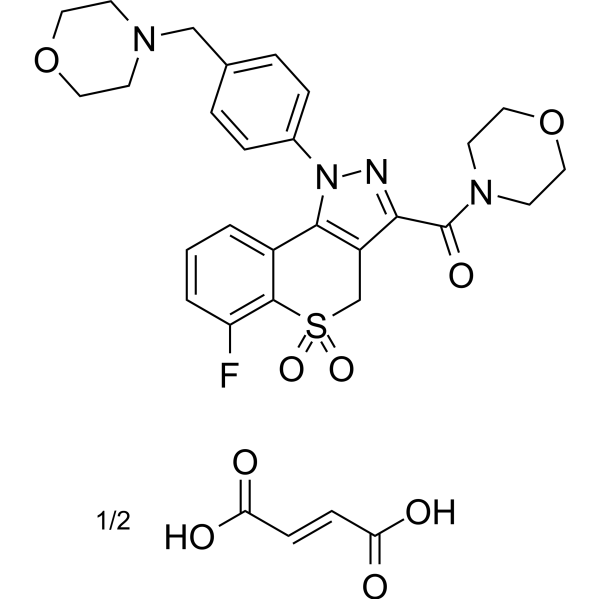 0 ImagesSynonyms: MSC2360844 hemifumarate; IOA-244 hemifumarate




